REVIEW · CUSCO
4-Day Excursion to MachuPicchu & Rainbow Mountain & City tour || All Included ||
Book on Viator →Operated by Chullos Travel Peru · Bookable on Viator
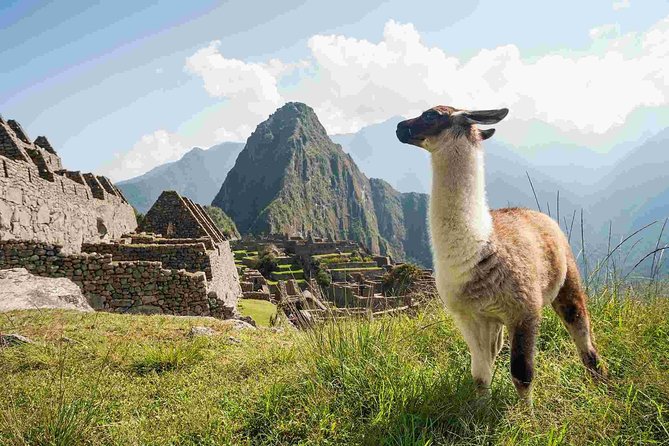
Machu Picchu plus Rainbow Mountain in four days. This plan bundles Cusco’s major Inca-era stops, a high-altitude color hike, and the train-and-bus route to Machu Picchu in a max 15 people group with all-inclusive transport.
I like the Cusco city circuit because Koricancha, Sacsayhuaman, Qenqo, Puca Pucara, and Tambomachay fit into one guided afternoon without the usual scramble. I also like the built-in pacing on Day 2, with an early breakfast buffet in Cusipata and then a buffet lunch after the Vinicunca walk, so you’re not hunting food between viewpoints.
The main drawback to weigh is Machu Picchu ticket availability since entry is tied to official Ministry of Culture sales and tickets depend on what circuits are available. A second thing to consider is that the 3-star hotel is described as comfortable in the basics, but some people said the specific hotel quality wasn’t great and it was hard to switch.
In This Review
- Key things to know before you go
- Cusco in four days: why this combo works
- Small-group transport: the real value is fewer headaches
- Day 1 Cusco city tour: Koricancha, Sacsayhuaman, Qenqo, Puca Pucara, Tambomachay
- Day 2 Vinicunca (Rainbow Mountain): early pickup, hike timing, and what you’re actually signing up for
- Day 3 Machu Picchu by train: Aguas Calientes timing and the ticket reality
- Day 4 Cusco Cathedral and your lighter finish
- Hotel and meals: comfort is mostly covered, but quality can vary
- Price and value: is $750 worth it for what you get?
- Who should book this tour, and who should think twice
- Should you book Chullos Travel Peru for this 4-day plan?
- FAQ
- How many people are in the group?
- What are the dates and total length of the tour?
- What is included in the price?
- Does the tour include Machu Picchu tickets?
- What happens if Machu Picchu tickets are not available?
- How hard is the Rainbow Mountain hike?
- Is there anything on the last day besides the Cusco Cathedral?
Key things to know before you go
- Max 15 people keeps the day-to-day feel calmer than big buses.
- Koricancha to Tambomachay is a full Cusco highlights loop in about five hours.
- Vinicunca (Rainbow Mountain) trek includes a structured one-and-a-half-hour hike each way and a set visit window.
- Machu Picchu logistics are wrapped up: train to Ollantaytambo and Aguas Calientes, then bus up to the ruins.
- Tickets follow official circuits 1 or 2 and may change if availability is limited.
- Coordination via messages helps you track pickup times and Machu Picchu tickets.
Cusco in four days: why this combo works
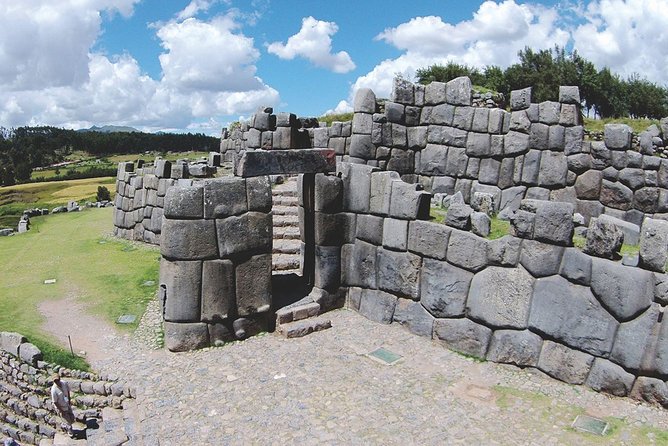
If you’re short on time but you still want the big two—Machu Picchu and Rainbow Mountain (Vinicunca)—this itinerary is built for exactly that. Day 1 gives you context in Cusco, Day 2 hits the mountain colors, Day 3 is the long Machu Picchu day, and Day 4 gives you a lighter finish with Cusco Cathedral and spare time for whatever your schedule needs.
What makes it practical is how the tour reduces decision fatigue. You’re not piecing together transport, transfers, and guides across multiple companies. Instead, you follow a schedule where pickup times are set (including very early starts), and most of the core admissions and meals are handled for you.
Still, the tour is not a slow vacation. This is active travel. Vinicunca is a trek (moderate fitness is requested), and Machu Picchu runs on early departures and a whole chain of transport steps. If you dislike being on the move, you’ll feel it. If you like ticking off top sites while someone else handles the timing, it fits.
You can also read our reviews of more city tours in Cusco
Small-group transport: the real value is fewer headaches
The tour tops out at 15 travelers, and that matters more than it sounds. In Cusco’s narrow streets and on crowded viewpoints, smaller groups mean your guide can actually keep track of everyone and you spend more time listening and less time waiting. You’re also more likely to hear explanations on the Inca sites, which is the point of booking a guided circuit in the first place.
You’ll also travel by air-conditioned vehicle where it applies, which is a big quality-of-life thing in Peru. For Days 1 and 2, the schedule relies on getting you from Cusco to the right starting point early enough to work with sunrise light and the day’s flow. For Day 3, the transport switches to train and buses as part of the standard Machu Picchu route.
One “gotcha” worth knowing: a tight schedule can make small admin problems feel bigger. Some people had ticket-related confusion at the entrance process, and one person mentioned a missing return ticket moment that they caught in time. That doesn’t mean this will happen to you, but it does mean you should treat ticket details as your responsibility too. When you receive your Machu Picchu info, check that names and QR codes look right before you head out.
Day 1 Cusco city tour: Koricancha, Sacsayhuaman, Qenqo, Puca Pucara, Tambomachay
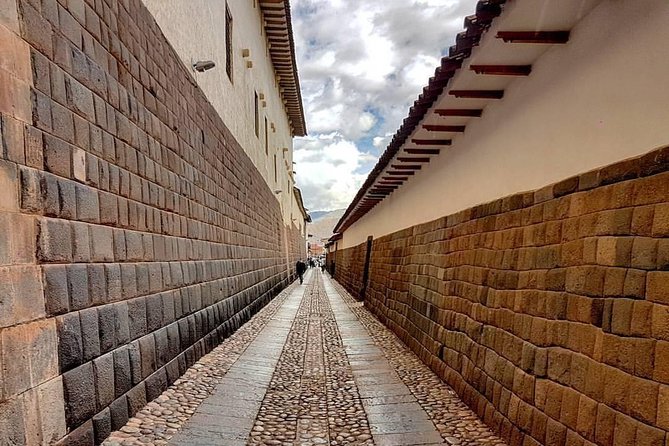
Day 1 is your orientation day. You arrive, you get transferred to your hotel, and you have a free morning to rest and acclimatize. Then at around 2:00 pm you switch from “settling in” to “Cusco sprint,” with a guided circuit that layers the city’s Inca-era sites in a logical sequence.
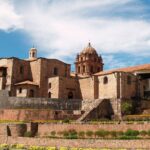
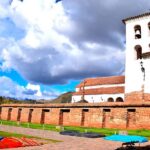
First stop is Koricancha (Temple of the Sun) for about 45 minutes. It’s a good opener because it’s a compact, high-signal introduction to how the Incas used sacred spaces and stonework. You’re guided the whole time, so you don’t just look—you understand what you’re seeing.
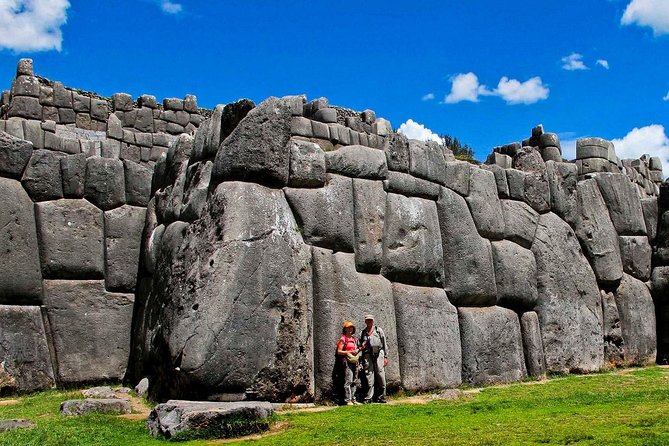
Next comes the mobility ride up to Sacsayhuaman for a deeper view of the fortification complex. After that, you visit Qenqo, described as a rocky ritual center where entering the outcrop helps create that eerie, ceremonial feeling. Then you move to Puca Pucara (Red Fortress), a military construction stop. The last major site is Tambomachay, sometimes called the Inca Bath, tied to water and ritual use.
The day is scheduled for about five hours, with transport between sites and a return timing around 7:00 pm. That return matters because you’ll probably be ready for dinner and sleep afterward. It’s a smart design: you build momentum early while keeping the day contained.
Day 2 Vinicunca (Rainbow Mountain): early pickup, hike timing, and what you’re actually signing up for
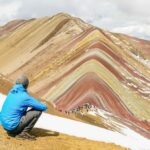
Day 2 begins at 4:00 am pickup from the hotel. You head toward Cusipata, and there’s a breakfast buffet at about 6:30 am. You get roughly 30 minutes to eat, then you continue on toward the Wasipata area.
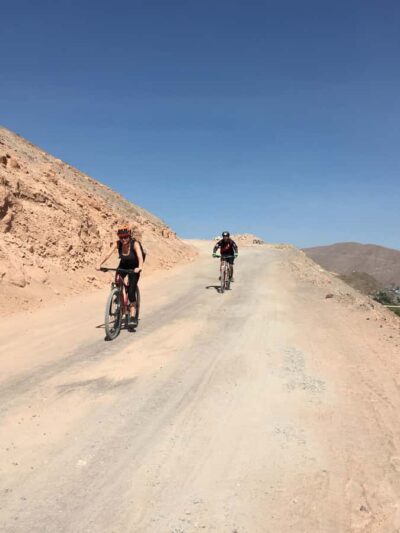
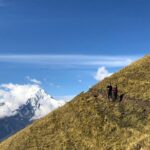
The hike starts around 8:00 am at the foot of the road. The walk is scheduled for about 1 hour 30 minutes one way to Vinicunca (Mountain of Colors). You then get about 40 minutes at the mountain itself. After that, you return to the transport area for about 1 hour 15 minutes. The day ends with a buffet lunch around 1:00 pm (about 30 to 40 minutes) and then a return to Cusco, arriving around 5:30 pm.
This is where you should be honest with yourself about fitness. The tour asks for moderate physical fitness, and the schedule matches that. You’re not just strolling at altitude—you’re doing a long-ish up-and-back hike. Also, you start so early that a good night’s rest becomes part of your success plan, even though you may not feel tired yet.
What I like about this day is the structure. You get meals built around the trek, so you’re not stuck trying to negotiate snacks on a timetable. You also get a fixed visit window on the colorful mountain, which means you’re not waiting around hoping conditions improve.
If your legs are sensitive, wear proper footwear and plan for an early-day pace. And bring water and sun protection, because you’ll be outside for a good chunk of the morning and midday. The tour includes admissions for the day, which is one less line-item you have to chase.
Day 3 Machu Picchu by train: Aguas Calientes timing and the ticket reality
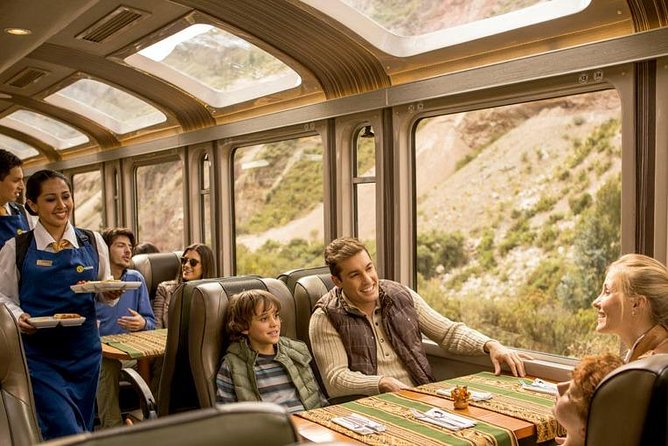
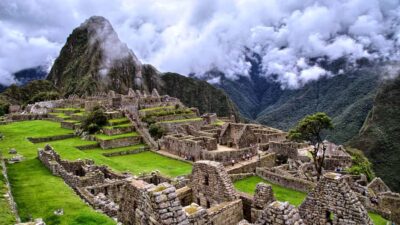
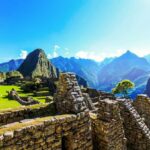
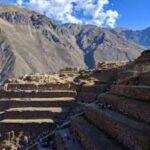
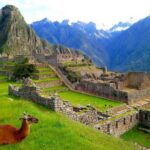
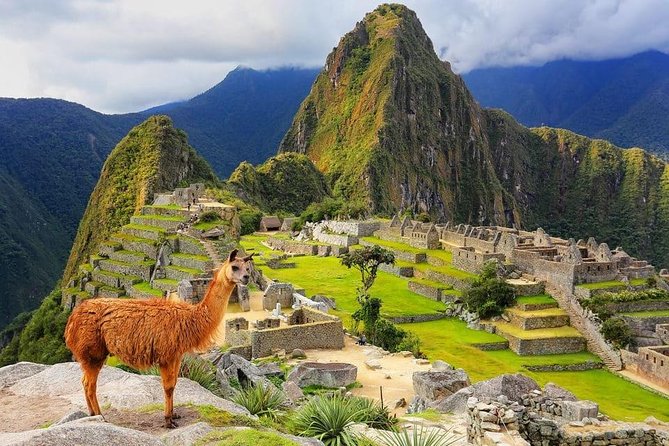
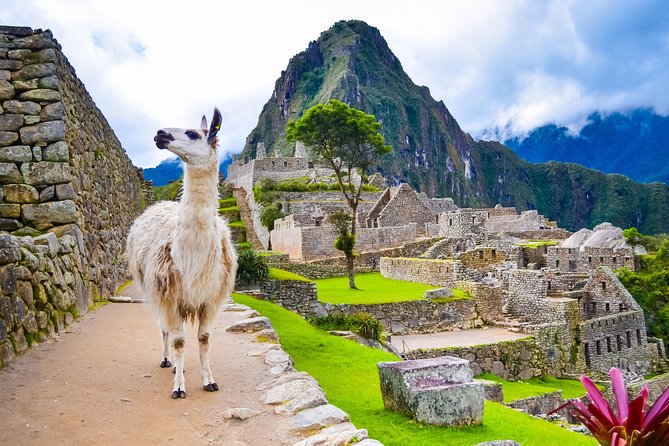
Machu Picchu is the long day, and this tour handles it in a classic way: early transport to catch the train, then a chain of steps that includes a bus ride up to the ruins. You depart from the hotel for the station at about 4:00 am, take the train to Ollantaytambo, and then transfer onward to Aguas Calientes. From there, your guide picks you up and you go up by bus to the ruins.
Your guide’s time at Machu Picchu depends on your entrance type. The tour notes that your guided duration varies based on the entrance and circuit, and then you return by bus to have lunch in the village. In the afternoon, you head back by train to Ollantaytambo, then ride by bus to Cusco, with pickup from the station and transfer to your hotel.
Here’s the key value-and-risk point: your Machu Picchu tickets depend on availability. Tickets are sold only by Peru’s Ministry of Culture, and the tour purchases based on what circuits are available, with circuits 1 and 2 as the baseline match. If other circuits are offered, you might see an additional charge for the ticket price difference. If there is no availability of any ticket type, you should receive a full refund of your tour package.
This is not a tiny detail. It’s the main thing that can change your experience, including the timing and the exact entrance circuit you end up with. So do this: once you get your ticket info, double-check the printed details and QR codes. Some people described issues with duplicate QR codes that caused a delay at the entrance gate, which meant a tense wait while they sorted it out. Having your documents in hand and your name details correct is your best defense.
On the upside, once you’re through, you’re set. The tour is set up so your transport, lunch timing, and return sequence are taken care of, rather than leaving you to negotiate buses and trains at the last minute. That alone is worth money on a day where the clock is ruthless.
You can also read our reviews of more tours and experiences in Cusco


Day 4 Cusco Cathedral and your lighter finish
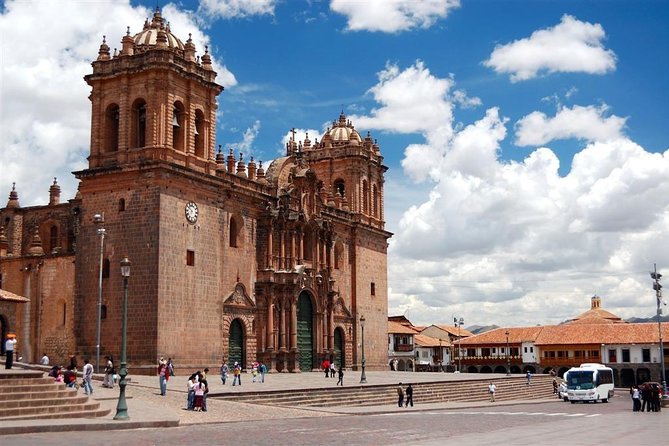
After two demanding days, Day 4 is meant to feel calmer. You have a free morning to relax, and the schedule includes a visit to Cusco Cathedral for about two hours. Admission for the cathedral stop is listed as free, which keeps costs down on the final day.
There’s also an option for an additional small tour focused on Peruvian gastronomy and the preparation of pisco sour, depending on what you want to do with your time. If you’ve been on the go nonstop, this is a nice chance to slow down and do something hands-on rather than hiking and climbing.
One practical tip: Day 4 is your buffer day, especially if you have a flight. Use that flexibility to adjust for any delays from the long Machu Picchu day.
Hotel and meals: comfort is mostly covered, but quality can vary
You’re scheduled for 3-star accommodation. In the tour basics, it’s described as comfortable, and the overall plan is that you sleep somewhere dependable while you’re out exploring all day.
But real life isn’t always that neat. One person said the hotel quality wasn’t good and that switching hotels wasn’t smooth, which is why I think it’s smart to check what’s actually included for your dates before you rely on a specific property feel. If you’re picky about mattresses, noise, or location, treat the “3-star” label as a range, not a guarantee of a modern boutique vibe.
Meals are a strong part of the value. The tour includes breakfast (3) and lunch (2). That’s important because Day 2’s schedule is built around set meal moments, and Day 3 includes a lunch in Aguas Calientes. You’ll still need to budget for meals not mentioned, like dinner, unless your hotel meal plan works out.
Also, the tour includes assistance all time and handles transfers like airport pickup and hotel-to-airport transport. In Cusco, where timing matters a lot, that kind of support makes the days feel less chaotic even when the schedule is busy.
Price and value: is $750 worth it for what you get?
At $750 per person for a four-day package, you’re paying for three things: logistics, access, and guided time.
Logistics are heavy here. You’re getting air-conditioned transport for the city and Rainbow Mountain day, plus the full transport chain for Machu Picchu, including train segments and bus legs. You also have pick-up and transfer support built in, including airport connections.
Access is the tricky part. Machu Picchu tickets are included only subject to availability, and the tour follows official sales by the Ministry of Culture. You’re not being sold a guarantee without conditions. That can be reassuring or frustrating, depending on your risk tolerance.
Guided time is also part of what you pay for. Your city tour is guided, your Vinicunca day is guided (including the hike structure), and Machu Picchu is guided too. A few people praised the guides as friendly and dynamic, and one mentioned a guide who even helped with photos. That means you’re not just walking through sites—you’re learning what you’re seeing.
So here’s the fair way to judge value: this tour is great if you want the top sites without doing the planning math yourself. It may feel expensive if you’re the type who can easily book trains, tickets, and guides on your own. But if you’re trying to maximize your days and minimize decision-making, $750 can feel like a bargain.
Who should book this tour, and who should think twice
This package is a good fit if you:
- want Machu Picchu and Vinicunca in one short trip
- like organized days with set pickup times
- prefer a small group and guided explanations
- can handle a moderate trek and early starts
You might think twice if you’re:
- very sensitive to early mornings and long transport days
- hoping for a guaranteed Machu Picchu ticket circuit with no variability
- extremely concerned about hotel quality details, since 3-star experiences can vary
If you do book, act like the pro you want to be: confirm your ticket information carefully, keep your QR codes accessible, and double-check any last-mile details like return ticket documents. One person described a return-ticket slip that they caught at the right moment, which shows how small paperwork gaps can matter.
Should you book Chullos Travel Peru for this 4-day plan?
I’d book it if you want the fastest path to the big Cusco hits with guidance and built-in meals. The small group cap, the structured Vinicunca hike timing, and the fact that Machu Picchu transport is handled for you all point to a “less stress, more seeing” style of travel.
I’d be cautious if you hate uncertainty around tickets or you’ve had bad experiences with administrative mix-ups in the past. Since Machu Picchu entry depends on official availability, you’re buying a plan that includes tickets when they’re possible—not a blind promise.
My practical call: if you’re flexible, moderately fit, and willing to double-check your ticket details as soon as you receive them, this package is a strong way to spend four days in Cusco.
FAQ
How many people are in the group?
The tour has a maximum group size of 15 travelers.
What are the dates and total length of the tour?
It’s a 4-day excursion (approx.) based in Cusco, Peru.
What is included in the price?
The package includes airport transfers, air-conditioned vehicle, 3-star hotel, assistance all time, breakfast (3), and lunch (2). Machu Picchu tickets are included subject to availability.
Does the tour include Machu Picchu tickets?
Yes, Machu Picchu tickets are included, but they are subject to availability. Tickets are sold only by Peru’s Ministry of Culture, and the tour purchases tickets according to available circuits (corresponding to circuits 1 and 2).
What happens if Machu Picchu tickets are not available?
If there is no availability of tickets for Machu Picchu, you receive a full refund of your tour package.
How hard is the Rainbow Mountain hike?
The tour requests moderate physical fitness. The hike is scheduled for about 1 hour 30 minutes one way, plus time at Vinicunca, then a return walk.
Is there anything on the last day besides the Cusco Cathedral?
Yes. Day 4 includes Cusco Cathedral. You also have free morning time, and there’s an option for an additional tour related to Peruvian gastronomy and pisco sour preparation.