REVIEW · CUSCO
Cusco South Valley: Morning Half Day Tour
Book on GetYourGuide →Operated by PVTravel · Bookable on GetYourGuide
Three ruins in one morning drive.
This Cusco South Valley tour strings together Inca engineering at Tipón, the Wari walled site of Pikillacta, and the surreal Baroque-Andean glow inside Andahuaylillas. I especially love how Tipón’s stone channels still make sense, and I’m drawn to the Andahuaylillas Church because it feels like sacred art turned up to 11. One thing to plan for: the day can include extra time at stops that aren’t strictly archaeological.
You’ll be picked up around 8:30 AM, travel south through the Andes, and come back to Cusco around 3 PM after guided visits and a break. The pacing is generally easy on your legs, with limited steep climbing compared to some Cusco-area hikes, and the guide support can make the different cultures feel clear. Just keep in mind you may spend some time on small shopping/food stops, so go in expecting a slightly commercial edge.
In This Review
- Key highlights to know before you go
- Why the South Valley tour is such a practical Cusco day
- The route and timing: pickup, ride time, and how the day flows
- Tipón: Inca water engineering you can still walk past
- Pikillacta: the Wari city of fleas and its walled precision
- Andahuaylillas Church: the Sistine of America comparison, explained in person
- Price and ticket reality: what $29 covers vs what you’ll pay on top
- Break time, food stops, and how to avoid being rushed into purchases
- Guide quality and language: bilingual support that varies in pace
- What to bring (and what not to bring) so the day stays easy
- Who this tour fits best (and who might want another option)
- Should you book this Cusco South Valley tour?
- FAQ
- What time does the tour pick me up in Cusco?
- How long is the tour in total?
- What are the main stops on the itinerary?
- Is the Andahuaylillas Church entrance fee included?
- Do I need to buy the tourist ticket?
- Is the tour guide bilingual?
- What should I bring for the day?
- Are large bags or luggage allowed?
- Is the tour suitable for wheelchair users?
- What is the cancellation policy?
Key highlights to know before you go
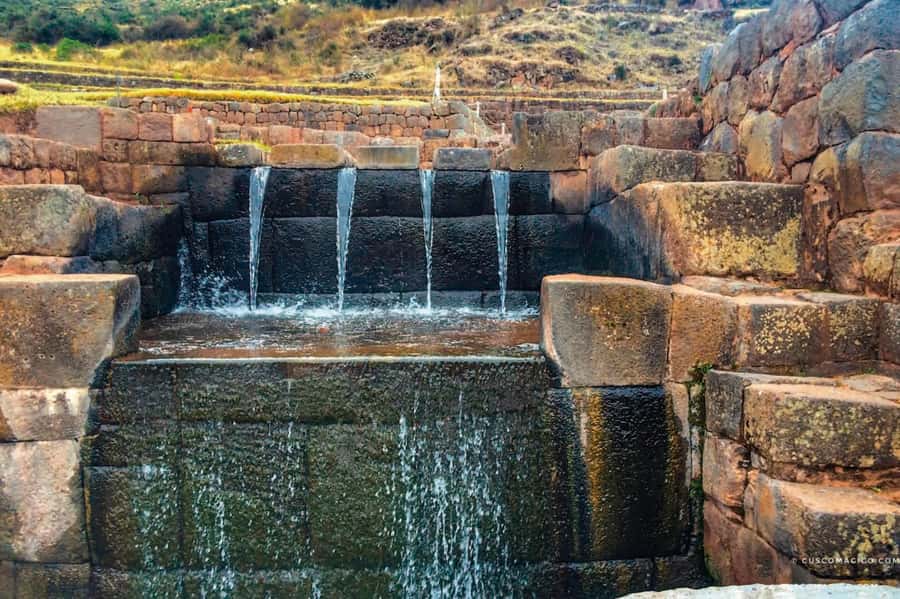
- Tipón’s Inca water system: stone channels that controlled water flow from the high hills down into the valley.
- Pikillacta’s Wari citadel: a walled complex tied to the Wari Empire and its expansion toward Cusco.
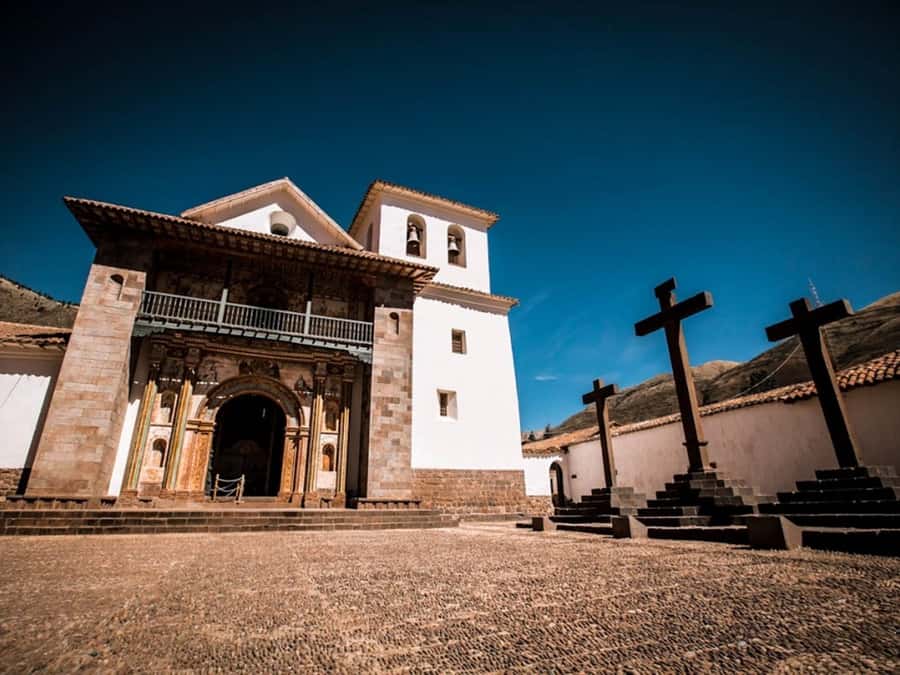
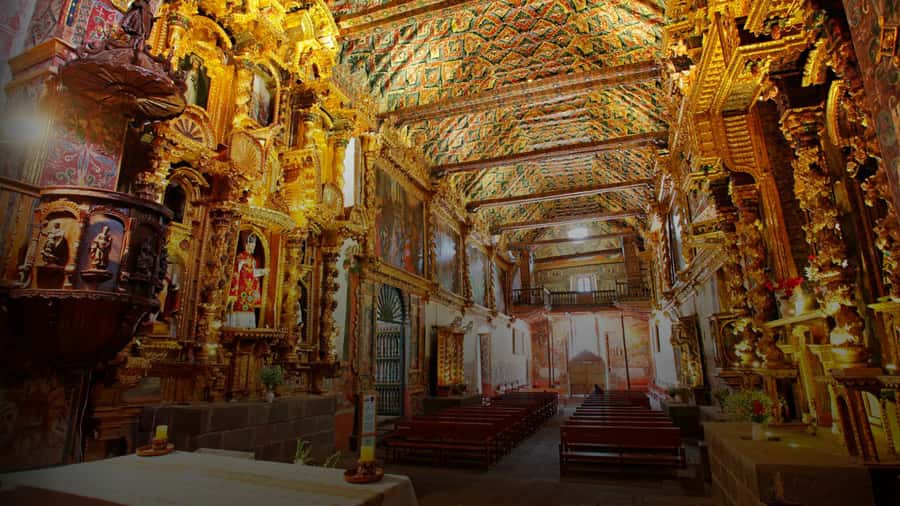
- Andahuaylillas Church inside details: gold-plated framed canvases, mural paintings, and baroque altarpieces.
- A guide can make it click: bilingual explanations in English and Spanish, with examples of clear teaching from guides like Jorge and Magda.
- Budget for tickets separately: the tour covers transport and guidance, but the Andahuaylillas church fee and the tourist ticket are extra.
Why the South Valley tour is such a practical Cusco day
This is one of those Cusco-area tours that feels built for real travel days, not just sightseeing checklists. You get three very different archaeological stops plus a major colonial church, all without long waits or complicated logistics. And because the itinerary is tight, you can see more culture without draining yourself.
Also, the South Valley route helps you understand Cusco’s layers. You start with Inca brilliance at Tipón, then pivot to the earlier Wari presence at Pikillacta, and finish with Andean Baroque at Andahuaylillas. That mix is the point: you don’t just see ruins, you see how different eras shaped the same region.
Finally, I like that it’s structured enough to be relaxing. The sites are guided, the transportation is handled, and you’re not left figuring out which entrance goes where. If you’re short on time but still want variety, this tour does the job.
You can also read our reviews of more tours and experiences in Cusco

The route and timing: pickup, ride time, and how the day flows
You’ll be collected from your accommodation in Cusco around 8:30 AM. After that, you’ll head south by coach/bus, with travel time built in between stops. The itinerary is roughly paced as guided sightseeing blocks: about 50 minutes at Tipón and around 40 minutes at Pikillacta, then about 50 minutes at Andahuaylillas.
You’ll also get a break time of about 1 hour during the tour day. That break is usually where food and quick rest happen, and it may also be when you encounter additional optional stops. Because of that, I recommend treating this as a day with some flexibility, not a strict museum-only schedule.
The day ends by returning you to Cusco around 3 PM. Even though it starts in the morning, it’s not a rushed half-day sprint. It’s more like a smooth, single-day cultural loop.
Tipón: Inca water engineering you can still walk past
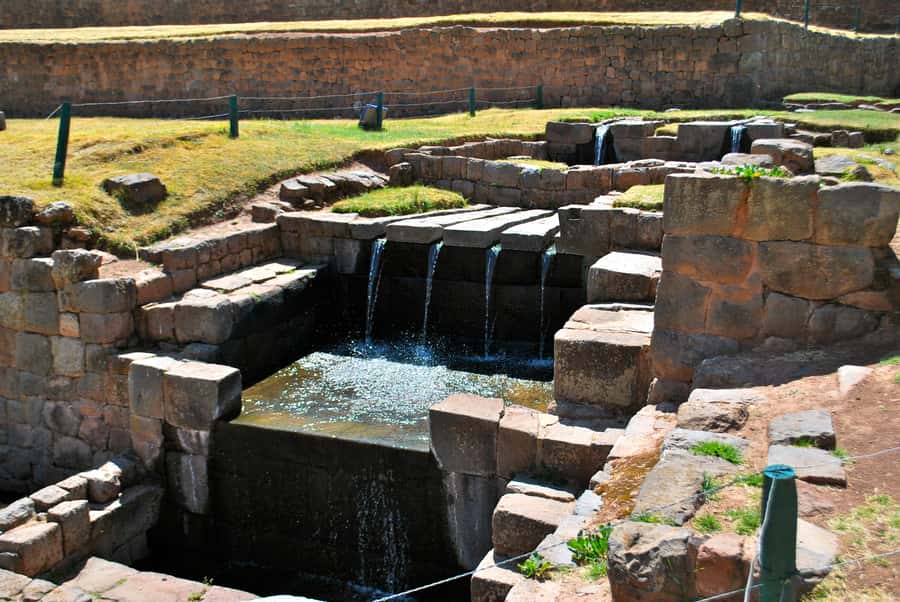
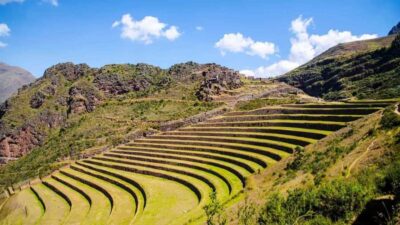
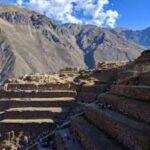
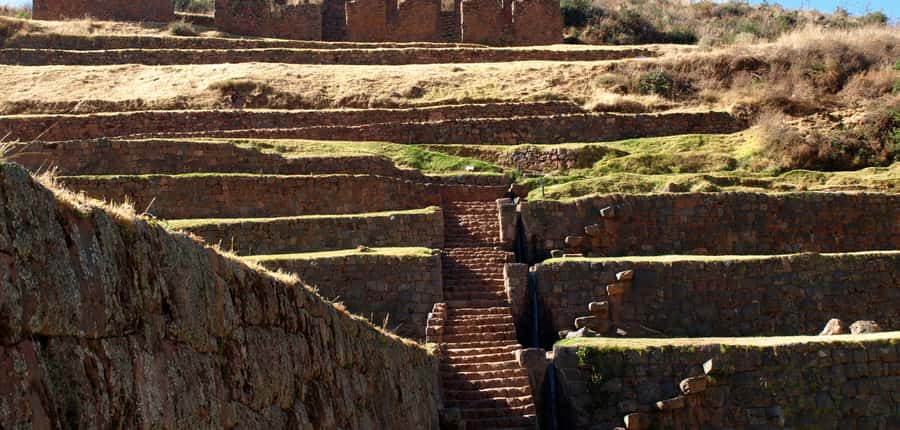
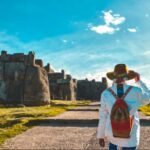
Tipón is the stop that tends to win people over fast. The reason is simple: you can actually see how the place works. This ceremonial Inka center is known for its stone channel system, which controlled water coming down from the Pachatusan area toward the lower valley.
When you’re standing on-site, the channels make the Inca approach feel practical, not just impressive. Water management wasn’t only about irrigation; it was part of ceremonial space and the relationship between mountain and people. A good guide turns that into a story you can picture, with clear explanations rather than vague superlatives.
If you’re worried about hiking, you’ll likely feel relieved here. One common theme from people doing this tour is that it’s not overly demanding compared with other Cusco outings. You’ll still want comfortable shoes, because archaeological sites always mean uneven stones and steady walking, but it’s not the kind of day that punishes you for having normal legs.
Pikillacta: the Wari city of fleas and its walled precision
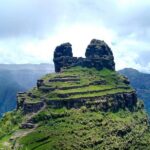
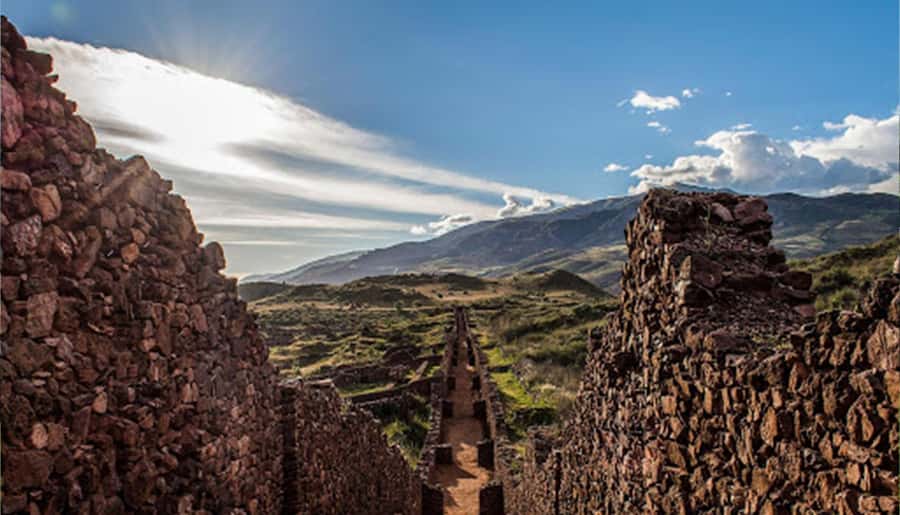
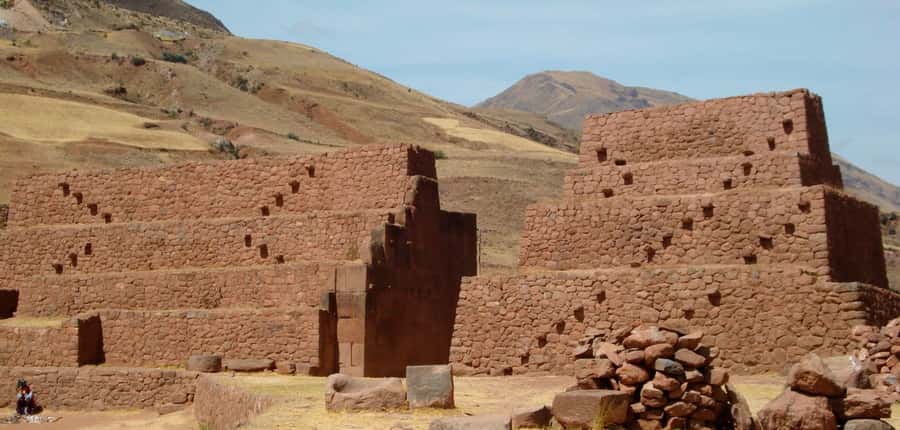
After Tipón, the tour shifts gears to Pikillaqta (meaning city of fleas). This is where the “South Valley” identity really shows: you’re stepping into a Wari Empire complex rather than staying only in Inca territory.
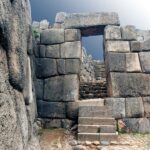
Pikillacta is described as a walled citadel, an old regional center tied to Wari expansion toward the Cusco area. The walls and layout matter here. They give the site structure, so even when you’re not seeing the city in its original height and bustle, you can read it like a planned fortress-city.
This stop is also a good reminder that Cusco wasn’t shaped by one empire at a time. The Wari influence helps you see how power moved through the Andes, long before the Inca reached their peak. If you like archaeology that includes context, this is a strong pairing with Tipón.
Andahuaylillas Church: the Sistine of America comparison, explained in person
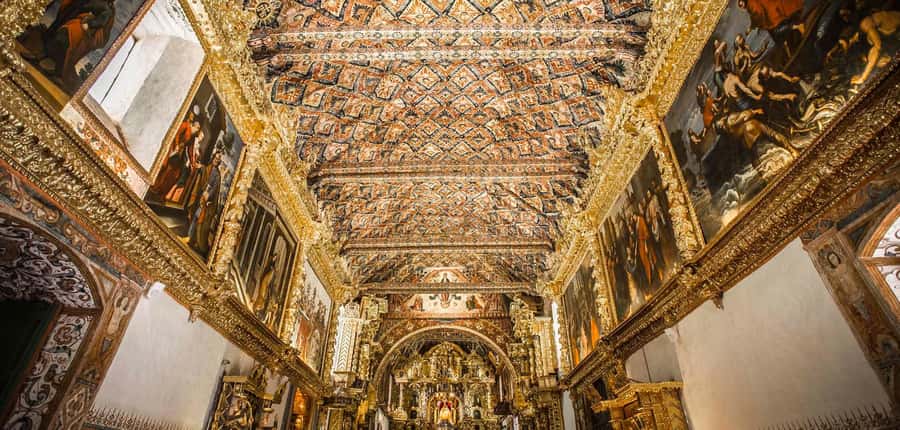
The final highlight is the Church of Andahuaylillas, often nicknamed the Sistine of America. The comparison isn’t random marketing. The interior is packed with visual detail: canvases with gold-plated frames, mural paintings, and baroque altarpieces.
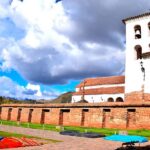
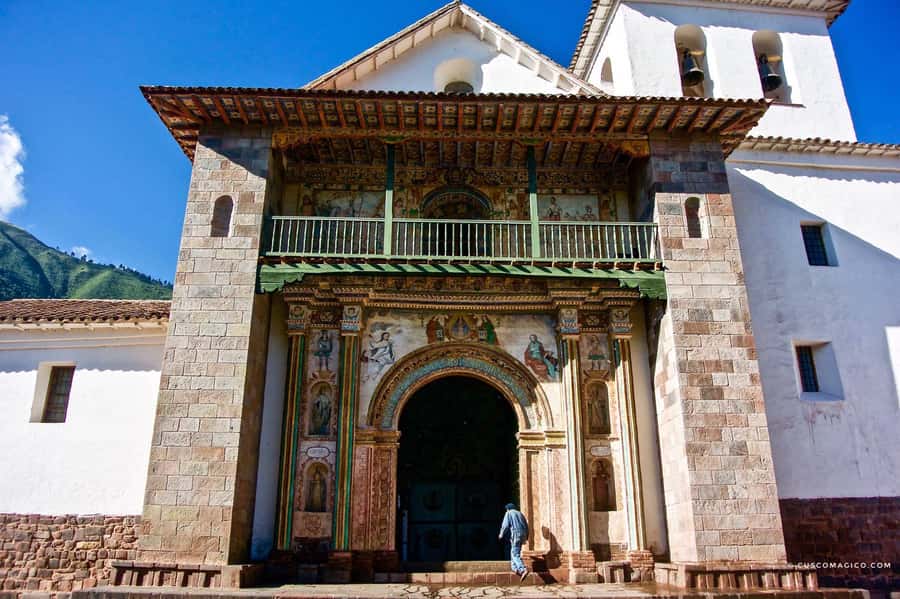
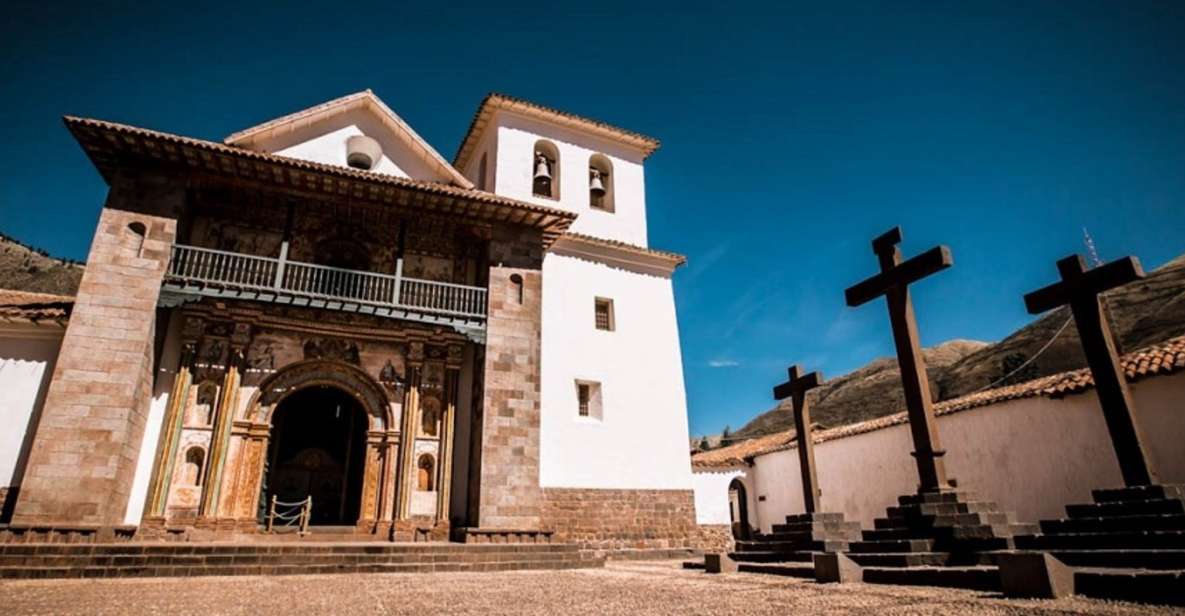
What I like about this stop is that it turns “history” into something you can experience with your eyes. Outside, it reads like a colonial church in the Andes. Inside, it feels like a whole art project built for impact—colors, gold, and religious scenes placed to hold your attention.
This is also where paying attention to timing helps. You’ll have a guided visit that’s long enough to let you actually look around, not just rush through doors. Still, remember the church has a separate entrance fee not included in the base tour price.
One practical note: a few guides can be great at translating the meaning of what you’re seeing. In the real world, that makes a huge difference here, because the wow-factor is visual, but the context is what makes it stick. Some guides—like Magda—have been praised for clear, slow Spanish paired with helpful English when needed.


Price and ticket reality: what $29 covers vs what you’ll pay on top
At $29 per person, the tour price is mostly for pickup, a bilingual professional guide, and transportation. That’s already decent value because you’re not paying separately for an intercity day plan.
But two costs are on your radar from the start:
- The Andahuaylillas church entrance fee (not included)
- The touristic ticket, listed as S/70.00 per person
And here’s the budgeting trick I’d actually use: plan to have cash ready for the S/70 tourist ticket. At least one booking experience called out that the ticket purchase can be cash-only, and getting caught without the right payment method is the kind of hassle you can avoid in advance.
One more smart note: if you already have the General Tourist Ticket for 10 days, you don’t need to buy a new one for this tour. That can save you money and stress, so check what you already purchased before you get on the bus.
Break time, food stops, and how to avoid being rushed into purchases
This is the part of the day where your expectations matter. Some people have noticed that the schedule can include additional stops that feel more commercial—like a bread shop or a quick paid “museum” style stop. In one case, there was also mention of a small, cash-like fee around 5 soles for that kind of add-on.
To keep it simple, treat those moments as optional unless the timing makes it hard to opt out. You may be guided to a local place to eat, and that can be convenient if you’re hungry and you don’t want to hunt around Cusco. Just don’t plan your day assuming you’ll have a perfect free choice for every meal.
My advice: eat a light snack before you go, and carry a few extra bills for small purchases. Then, when the day adds a stop, you’re not stressed trying to fix your budget on the spot.
Guide quality and language: bilingual support that varies in pace
This tour runs with a bilingual professional guide (Spanish and English). That said, guide delivery can vary. Some explanations may be heavier in Spanish, with a shorter English portion depending on group needs.
You’ll notice the difference most at the two archaeology-heavy stops. When the guide is strong, you’ll understand why the Inca water system matters and what the Wari walls represent in the bigger Cusco timeline. When the translation is lighter, you can still enjoy the sights, but context may arrive in bits instead of a full story.
If you’re lucky with your guide, it can feel effortless. Guides like Jorge have been praised for being clear and approachable, and Magda has been noted for speaking Spanish slowly and clearly and then switching to good English when needed. You can’t guarantee the same person, but you can choose the right mindset: ask questions when you have them, and don’t be shy about repeating what you didn’t catch.
What to bring (and what not to bring) so the day stays easy
This tour is straightforward, but it’s not a sit-on-the-bus-only affair. Wear comfortable shoes with grip. You’ll be walking around archaeological grounds and moving between viewpoints.
Also note the restriction: luggage or large bags aren’t allowed. If you’re traveling with a big backpack, plan for a lighter daypack so you can store things easily during transport and site visits.
If you’re sensitive to altitude (most Cusco visitors are), keep it practical. Go slow during entrances, drink water, and don’t turn every stop into a sprint for photos. The itinerary pacing helps, but your body still sets the rhythm.
Who this tour fits best (and who might want another option)
This works well if you want a culture-packed Cusco day without a lot of steep, exhausting walking. People have liked that there are not a lot of steps to climb, which matters when you’re already adjusting to altitude and doing multiple activities.
It’s also a smart pick for history-minded travelers who don’t want only Inca sites. Tipón and Pikillacta together give you a before-and-after sense of regional influence, and Andahuaylillas provides the colonial art contrast.
It’s probably less ideal if you’re looking for a super-quiet, strictly academic experience with no shopping or meal detours. If you’re very sensitive to schedule changes, you might prefer a tour with fewer roadside stops.
Wheelchair users may find this tour unsuitable, since it’s not designed for that kind of access. If mobility is a concern for you, you’ll want to ask the provider before booking.
Should you book this Cusco South Valley tour?
I’d book it if you want three meaningful cultural stops plus a major art-filled church in one coordinated day. The price is reasonable for the included transportation and guided time, and the mix of Inca + Wari + Baroque-Andean gives you more than one “style” of Cusco.
Skip it or reconsider if you hate any chance of commercial stops or cash-only surprises. This tour can include extra time at places that are not strictly ruins, and you’ll want to plan for the S/70 tourist ticket cash reality and the separate Andahuaylillas entrance fee.
If you’re choosing among Cusco day tours, this one has a strong advantage: it teaches you how different eras shaped the same valley region, and it does it with pacing that’s usually manageable on your legs. Done right, it’s one of those days where you come back with photos, yes, but also with a clearer mental map of Peru’s layers around Cusco.
FAQ
What time does the tour pick me up in Cusco?
Pickup is around 8:30 AM from your accommodation in Cusco.
How long is the tour in total?
The duration is about 6 hours.
What are the main stops on the itinerary?
You visit Tipón, Pikillacta, and the Church of Andahuaylillas, with a guided visit at each site.
Is the Andahuaylillas Church entrance fee included?
No. The entrance fee to the Andahuaylillas Church is not included.
Do I need to buy the tourist ticket?
Yes, unless you already have the General Tourist Ticket for 10 days. The touristic ticket is listed as S/70.00 per person.
Is the tour guide bilingual?
Yes. The guide provides information in Spanish and English.
What should I bring for the day?
Bring comfortable shoes. The tour involves walking around archaeological sites.
Are large bags or luggage allowed?
No. The tour does not allow luggage or large bags.
Is the tour suitable for wheelchair users?
No. It is not suitable for wheelchair users.
What is the cancellation policy?
You can cancel up to 24 hours in advance for a full refund.