REVIEW · CHIVAY
Arequipa : Colca Canyon 2-Day Adventure
Book on GetYourGuide →Operated by The Traveller Agency · Bookable on GetYourGuide
The road into Colca Canyon starts with real altitude and real scenery, not just photo stops. This 2-day trip is built around rugged canyon views, local villages, and up-close condor watching. The pace stays relaxed enough to enjoy the ride and the viewpoints.
What I like most is the route through the Salinas and Aguada Blanca National Reserve, where you may spot vicuñas in the wild. I also like how the day 2 plan centers on Cruz del Cóndor, with time to settle in and actually watch the birds.
One consideration: the big condor stop is scheduled for about 45 minutes, and if you want longer at the main lookout, you may wish for extra time there.
In This Review
- Key takeaways before you go
- How a 2-Day Colca Canyon Trip Really Works (and why it’s worth it)
- Day 1 from Arequipa at 7:30 a.m. to Chivay: Vicuñas, bofedales, and 4,900 m views
- Yura and the Salinas y Aguada Blanca National Reserve: where vicuñas can appear
- Patahuasi stop: Mate Inca and the practical soroche idea
- Toccra Bofedales: alpacas feeding in a highland wetland
- Mirador de los Volcanes at 4,900 m: panoramic volcanic chain views
- Chivay lunch, hotel check-in, and a slower evening
- Thermal baths in Chivay: practical recovery with a cultural bonus
- Day 2: Cruz del Cóndor for condors, terraces, and the villages of Yanque and Maca
- Cruz del Cóndor: where the canyon depth and condor flight take center stage
- Returning stops: viewpoints for pre-Inca terraces
- Yanque and Maca: colonial churches and local dance energy
- Taste the Colca Sour
- Lunch in Chivay and return to Arequipa
- Price and value: what $149 covers and what you should budget for
- Altitude comfort checklist that actually helps
- Who should book this Colca Canyon adventure
- Should you book this Arequipa to Colca 2-Day tour?
- FAQ
- FAQ
- What time do you pick up in Arequipa?
- Where do you stay overnight?
- Is breakfast included on the second day?
- Are lunch and dinner included?
- Do I need to pay an entrance fee for the Colca Valley?
- Are the thermal baths included?
- How long is the condor viewing stop at Cruz del Cóndor?
- What group size is this tour?
- What languages are the guide services in?
Key takeaways before you go
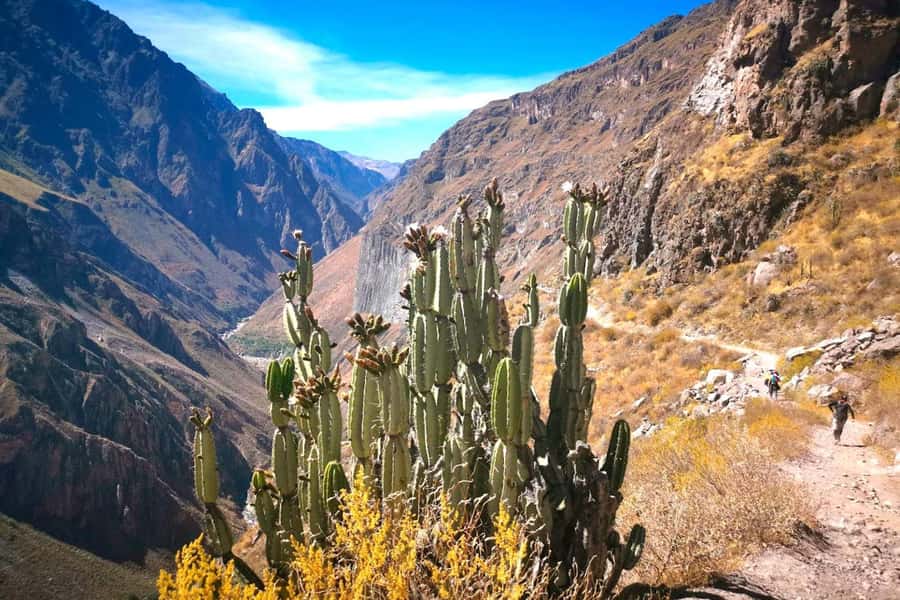
- Small group (up to 14) means you’re not lost in a crowd at viewpoints.
- Vicuñas and alpacas are built into the route via reserve areas and bofedales.
- Mirador de los Volcanes hits 4,900 m, so altitude comfort matters.
- Cruz del Cóndor is the star with planned time for the condor flight.
- Chivay overnight plus thermal baths makes the second day feel less rushed.
- Entrance fees and meals are extra, so budget for those upfront.
How a 2-Day Colca Canyon Trip Really Works (and why it’s worth it)
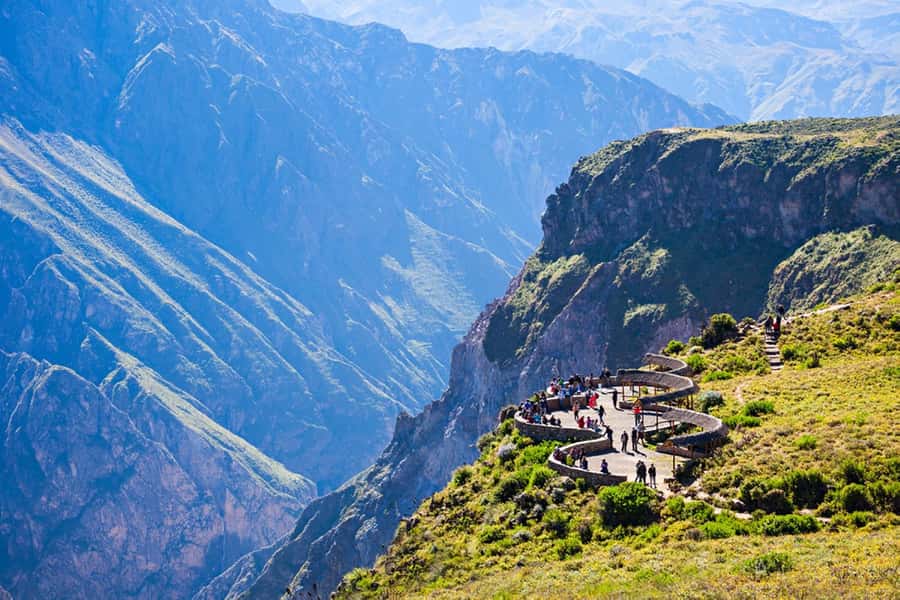
A two-day Colca trip is the sweet spot if you want more than one famous viewpoint. You get time in the canyon area, plus a big day of high-altitude stops on the way from Arequipa to Chivay. That extra driving time is part of the point: it’s where the animals and panoramic moments show up.
I love that the itinerary is designed for a slower, more human pace. Stops are spaced out, so the journey doesn’t feel like one long churn of bus time. It also helps at altitude. If you’ve ever felt wiped out quickly on high passes, you’ll appreciate the chance to step out, breathe a minute, and get oriented.
The “focus” is another strength. Day 2 is built around Cruz del Cóndor, with enough time to watch and reposition for the best angles. You’re not just passing through for a quick snap-and-go.
You can also read our reviews of more tours and experiences in Chivay
Day 1 from Arequipa at 7:30 a.m. to Chivay: Vicuñas, bofedales, and 4,900 m views
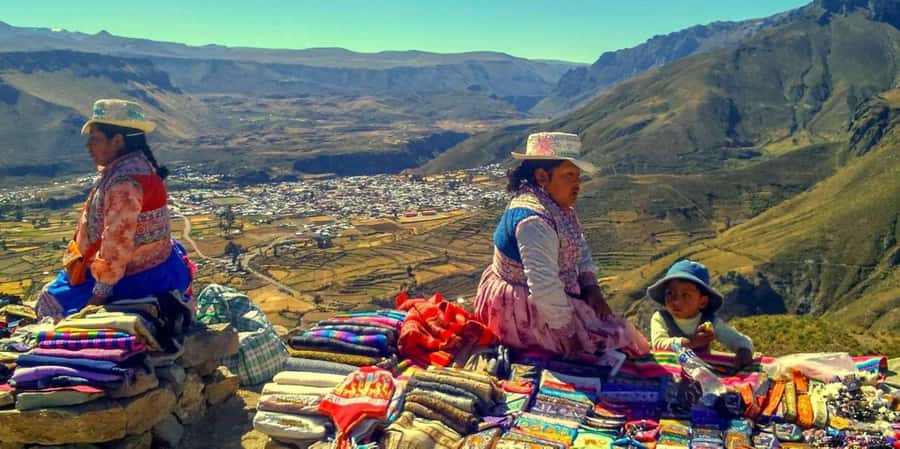
The day starts with hotel pickup in central Arequipa at 7:30 a.m.. After that, you head out toward the Colca region, but first you climb into a very different kind of high-Andes scenery.
Yura and the Salinas y Aguada Blanca National Reserve: where vicuñas can appear
You’ll enter the Salinas and Aguada Blanca National Reserve via the Yura area. This is one of the best parts of the whole trip because it shifts your attention from the canyon to the living landscape of the high Andes.
Vicuñas belong to the South American camelid family. In a reserve setting, you’re more likely to see them where they’re protected, and you’ll get a sense of how the ecosystem functions above the agricultural zones.
Practical tip: at this altitude, even short stops can feel brisk. Bring sunscreen and keep an eye on how you’re breathing. The tour is paced to help, but you’re still going high.
Patahuasi stop: Mate Inca and the practical soroche idea
Next up is Patahuasi, where you can try Mate Inca, a traditional drink used for altitude sickness (soroche). The itinerary notes it’s made with herbs including coca leaf, muña, and chachacoma.
Even if you don’t treat it like a cure, it’s a smart cultural detail and a comforting break. Warm tea in cool air also makes the whole experience feel more manageable.
Toccra Bofedales: alpacas feeding in a highland wetland
You’ll also make a brief stop at the Toccra bofedales. Bofedales are high-altitude wetland zones that support grazing. If conditions are right, you’ll be able to observe alpacas feeding freely.
This stop matters because it gives you a different “animal moment” than the condors on day 2. You’re learning the region through what’s happening around you, not just through monuments.
Mirador de los Volcanes at 4,900 m: panoramic volcanic chain views
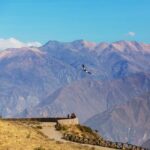
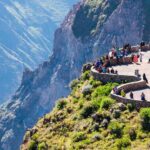
Then comes one of the highest points of the day: Mirador de los Volcanes, listed at about 4,900 meters. From here, you look across the volcanic chain that belongs to the western mountain range.
This is a key time window for a few reasons:
- It’s your altitude checkpoint.
- It’s your big “wow” panorama before descending.
- You get a viewpoint that helps you understand the region’s scale.
Afterward, you descend for about 40 minutes to reach Chivay.
Chivay lunch, hotel check-in, and a slower evening
You arrive in Chivay around 1 p.m. for lunch (meals aren’t included, so you’ll be making your own call here). Then you settle into your hotel in Chivay, which is included.
The evening plan is a nice contrast to the high-altitude day. You’ll have time for thermal baths (admission is an extra S/15) and there’s also a folklore show with traditional dances scheduled for dinner time. Meals aren’t included, so you’ll want to plan separately, but the cultural show is part of the experience.
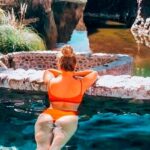
If you’re bringing kids or you just want your body to recover, the baths are a practical option. After a day of altitude and long roads, soaking is one of the simplest ways to reset.
Thermal baths in Chivay: practical recovery with a cultural bonus
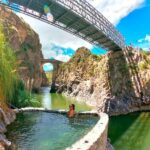
The thermal baths in Chivay are one of those “you’ll be glad you did it” additions. The itinerary describes them as thermo-medicinal baths good for skin and bones, and they’re recommended for travelers who feel the strain in their legs after the canyon day begins.
Even if you’re not chasing health claims, the logistics work in your favor. You’re not trying to squeeze another long activity into day 1. You’re using your evening to recover, so day 2 doesn’t feel like a repeat of the climb.
Note: admission is listed as an extra S/15, and your tour includes pickup and guidance, not the bath ticket itself.
Day 2: Cruz del Cóndor for condors, terraces, and the villages of Yanque and Maca
Breakfast is included on day 2. After that, you head about 35 minutes toward the main viewpoint.
Cruz del Cóndor: where the canyon depth and condor flight take center stage
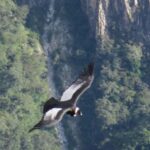
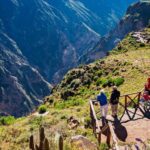
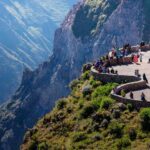
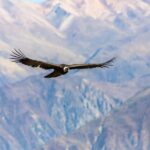
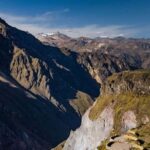
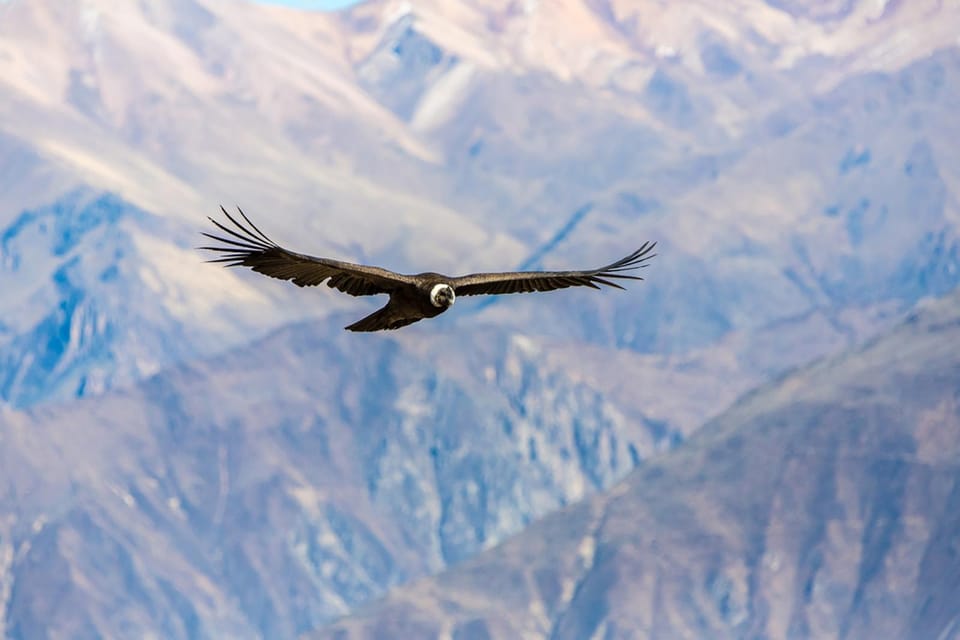
You arrive at Mirador de la Cruz del Cóndor and spend an average of about 45 minutes observing the Colca Canyon and the condor flight. This is why most people choose this itinerary: it gives you time to watch the birds without rushing.
A realistic note: condors don’t do a scheduled performance. Weather and timing play a role. That said, a 45-minute window is enough to settle, scan the sky, and reposition once if needed.
Also, this stop has a built-in “teach you what to look for” element. The best results come when you understand how to watch the air currents and where to focus. A good guide can make that difference.
Returning stops: viewpoints for pre-Inca terraces
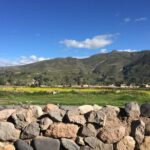
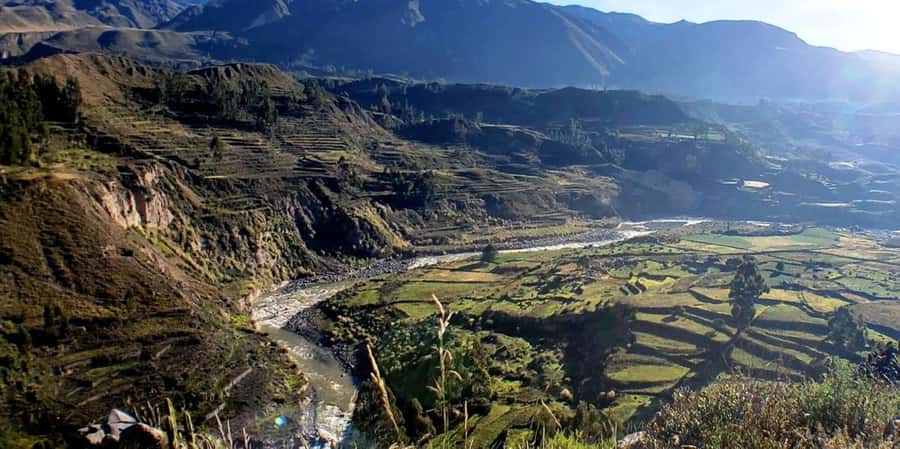
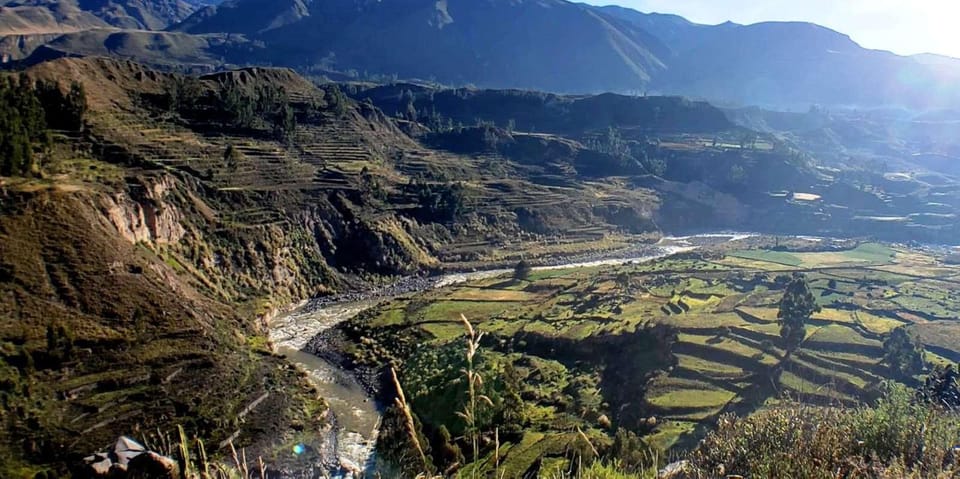
On the way back, you’ll stop at several viewpoints. Here, you’ll see pre-Inca terraces in the Colca valley.
This is more than scenic background. Terraces show how communities adapted farming to steep terrain and dry conditions. You’ll be able to connect what you saw from above on day 1 to the human engineering still visible in the valley today.
Yanque and Maca: colonial churches and local dance energy
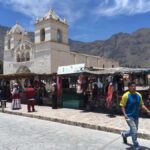
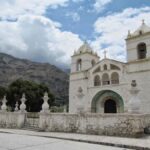
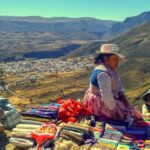
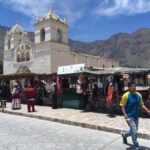
You’ll also visit colonial towns of Yanque and Maca. The itinerary calls out colonial churches and typical dances in the area.
These moments add texture to the day. Canyon viewing can become a single-note experience if that’s all you do. By weaving in villages and cultural stops, the tour reminds you this region is lived-in.
Taste the Colca Sour
Along the route you may be able to taste local drinks like the Colca Sour, made with local products. This is a fun, easy way to bring the region into your day without needing a long restaurant detour.
Lunch in Chivay and return to Arequipa
You’ll have lunch in Chivay (again, not included), then head back to Arequipa. You’re scheduled to return around 5:30 p.m., with drop-off near the main square.
Price and value: what $149 covers and what you should budget for
At $149 per person for two days, you’re paying for the things that cost real money in Peru trips: transport, a certified guide, and an overnight hotel in Chivay.
Here’s the value view:
What’s included
- Hotel pickup in central Arequipa
- Tour mobility (the vehicle and ride)
- Certified guide (English/Spanish)
- Hotel in Chivay
- Breakfast on day 2
- Permanent assistance
- Group size capped at 14 participants
What costs extra
- Lunches and dinner (not included)
- Entrance to the Colca Valley listed at S/ 70
- Thermal baths listed at S/15
- Admission and entrance costs can vary, so keep a little buffer in your budget
Is it a bargain? For me, it’s good value if you’d otherwise pay for a full day of transport plus an overnight. It’s especially worth it if you want the condor-focused day 2 and don’t want to stitch together separate tours.
Altitude comfort checklist that actually helps
Altitude is part of this route. The itinerary includes a highest stop at 4,900 m, plus the constant “you feel it a little” rhythm of the Andes.
So I’d plan for comfort, not just for bravery:
- Sun hat and sunglasses: the sun gets intense at elevation.
- Sunscreen: don’t save it for beach days.
- Water and snacks: the schedule includes multiple breaks; having your own stash helps.
- Towel: useful if you plan to use thermal baths.
- Light layers: mornings and viewpoints can feel cold fast.
- Beachwear: it sounds odd for Colca, but it’s listed for a reason, and it makes bath time easier.
Also, the itinerary includes Mate Inca in Patahuasi, which is traditionally used for soroche. Whether you drink it for tradition, comfort, or both, it fits the day’s altitude theme.
Who should book this Colca Canyon adventure
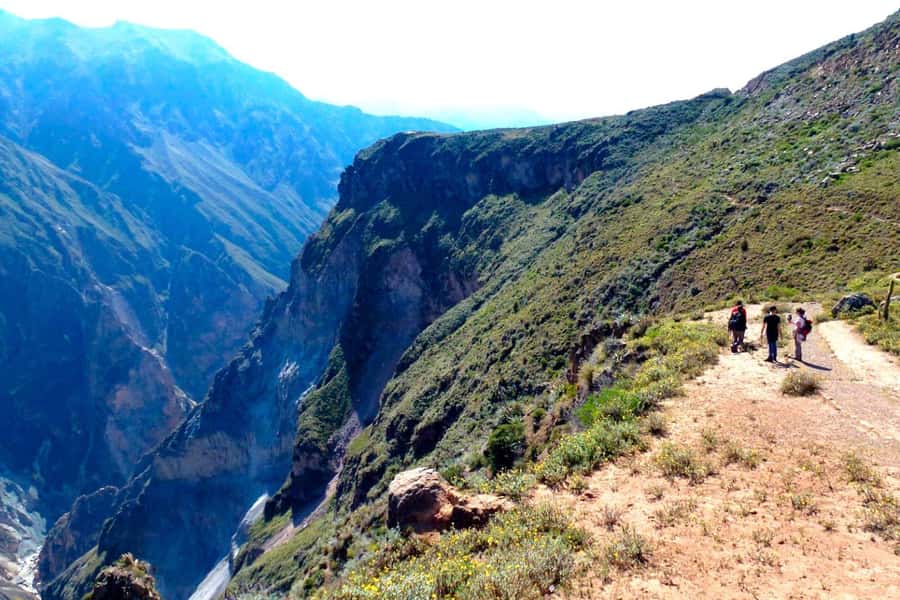
This is a strong fit for:
- Nature lovers who want animals and canyon views in the same itinerary.
- People who want a relaxed pace, with stops that break up the drive.
- Families who need help managing walking time and difficulty. The schedule includes viewpoint time rather than a full-day hike.
It may not be ideal for:
- Anyone who wants a long, slow stay at Cruz del Cóndor. The main lookout is planned for about 45 minutes.
- People who hate early mornings. Pickup is at 7:30 a.m., and day 1 is packed from there.
Should you book this Arequipa to Colca 2-Day tour?
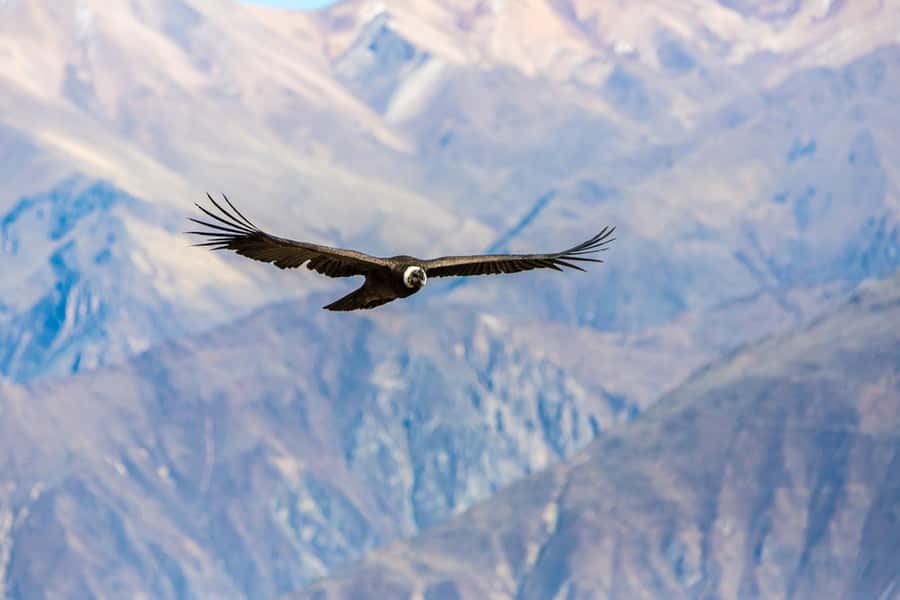
If you want a clean two-day plan with condors, vicuñas, and a real overnight in Chivay, I’d book it. The route does a good job balancing canyon time with high-Andes stops, and the small group size keeps viewpoints more manageable.
If you’re picky about maximizing time at Cruz del Cóndor, treat the 45-minute window as fixed and plan your expectations around that. For most people, that’s enough time to enjoy the main flight and get the canyon scale in your head.
FAQ
FAQ
What time do you pick up in Arequipa?
Pickup is from your hotel in the center of Arequipa at 7:30 a.m.
Where do you stay overnight?
The tour includes a hotel in Chivay for the overnight.
Is breakfast included on the second day?
Yes. Breakfast on Day 2 is included.
Are lunch and dinner included?
No. Lunches and dinner are not included.
Do I need to pay an entrance fee for the Colca Valley?
Yes. Entrance to the Colca Valley is listed at S/ 70 and is not included.
Are the thermal baths included?
Thermal bath admission is not included. The itinerary lists S/15 as the admission cost.
How long is the condor viewing stop at Cruz del Cóndor?
The itinerary schedules about 45 minutes at Mirador de la Cruz del Cóndor.
What group size is this tour?
The group is limited to 14 participants.
What languages are the guide services in?
The live guide is available in Spanish and English.