REVIEW · CHIVAY
3-day trek to the Colca Canyon from Arequipa ending in Puno
Book on GetYourGuide →Operated by Exploor Trip E.R.L · Bookable on GetYourGuide
Colca Canyon does not do subtle. In three days, you’ll go from Arequipa early morning drives to walking inside the Colca toward villages like San Juan de Chuccho and the Sangalle oasis. I like that you actually see local life in canyon towns, not just viewpoints, and I also like how the trek builds toward those big moments like the condor flight at Cruz del Cóndor. One thing to consider: the schedule is tight, so if your group gets delayed, you can lose some of the planned viewpoints and even shorten time at key stops.
You’ll spend two nights sleeping in basic village-style accommodations, with dinner included on day 1 and day 2. That’s part of the deal, and it’s also why the experience feels real. Just go in ready for simple lodging, early starts, and a bit of walking endurance.
In This Review
- Key takeaways before you go
- The Colca Canyon trek: what makes this route special
- Getting started in Arequipa: the 03:00 pickup and why it matters
- Day 1: Arequipa to Cruz del Cóndor, then the walk into the canyon
- Breakfast, viewpoint timing, and condors
- Driving to Cabanaconde, then walking to San Juan de Chuccho
- Sleeping with a local family: basic, but part of the value
- Day 2: San Juan de Chuccho to Sangalle oasis (pools and village towns)
- The walking day with a planned payoff
- Day 3: 05:00 start back to Cabanaconde, then Chivay and Puno
- The morning hike: 3 hours uphill
- Breakfast, then transportation and viewpoint stops
- Hot springs costs: what you should budget
- What you’re really paying for: price vs. extras
- Lodging and meals: simple by design
- Timing and pacing: the trek isn’t for total beginners
- One more reality check: delays can shrink viewpoint time
- Who should book this trek (and who should consider a shorter option)
- Should you book this Arequipa to Puno Colca trek?
- FAQ
- What time is pickup from Arequipa?
- Where is the meeting point?
- How long is the trek?
- What meals are included?
- Where do you sleep overnight?
- What’s the main viewpoint on day 1?
- Is the Colca tourist ticket included?
- Are hot springs included?
- What time do you arrive in Puno?
- What language is the guide?
Key takeaways before you go
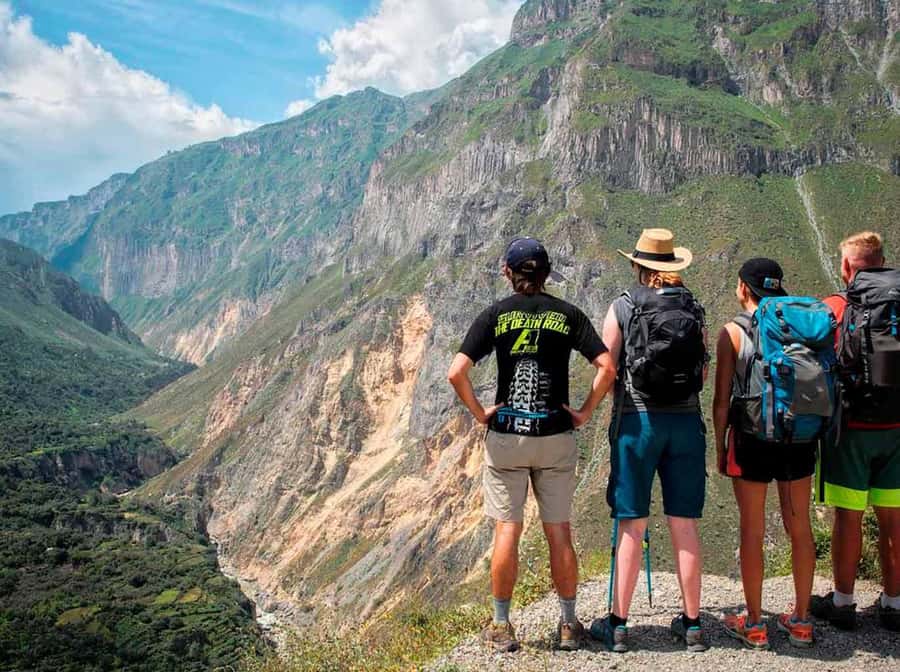
- Condors at Cruz del Cóndor are the big opener, with the Colca Canyon depth right there.
- San Juan de Chuccho includes real village time plus a night in basic family-style dorms.
- Sangalle oasis pools give you a real break after walking, with about three hours on site.
- Early day 3 hike back uphill starts at 05:00, and breakfast comes after the ascent.
- Your route ends in Puno with transfers plus viewpoint stops on the way.
- Two ticket surprises: the Colca tourist ticket is mandatory, and thermal baths may cost extra.
The Colca Canyon trek: what makes this route special
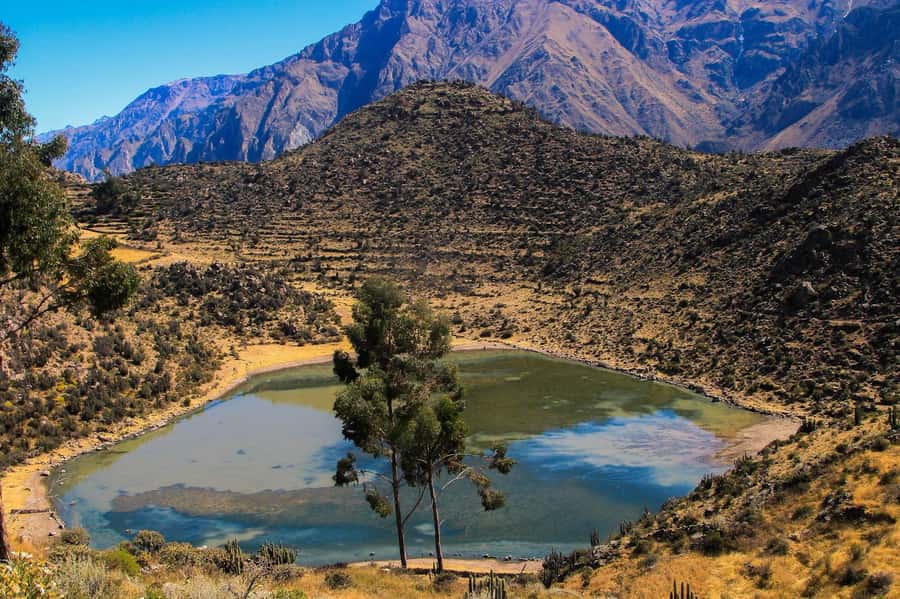
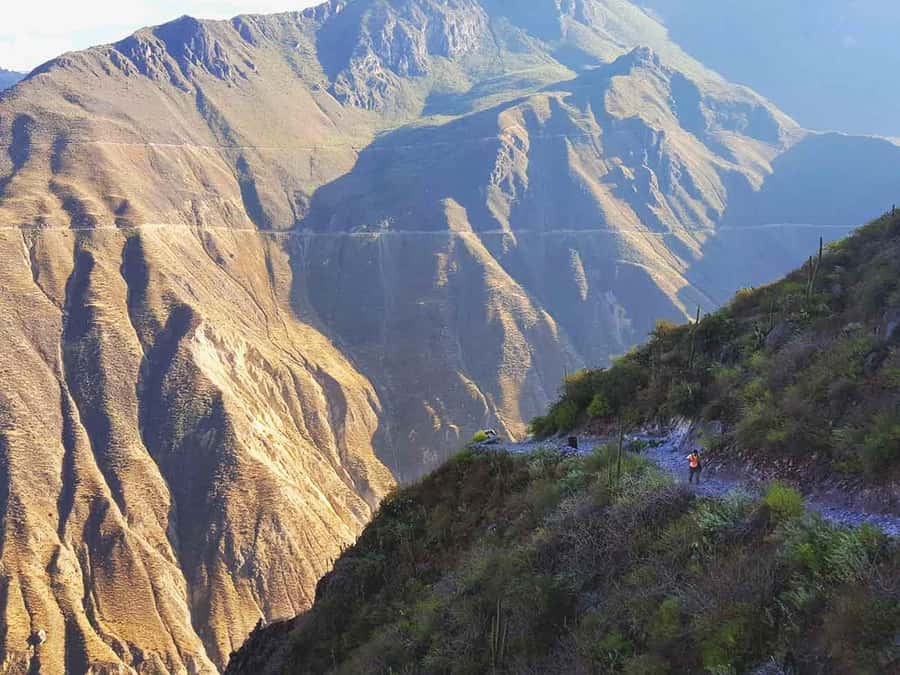
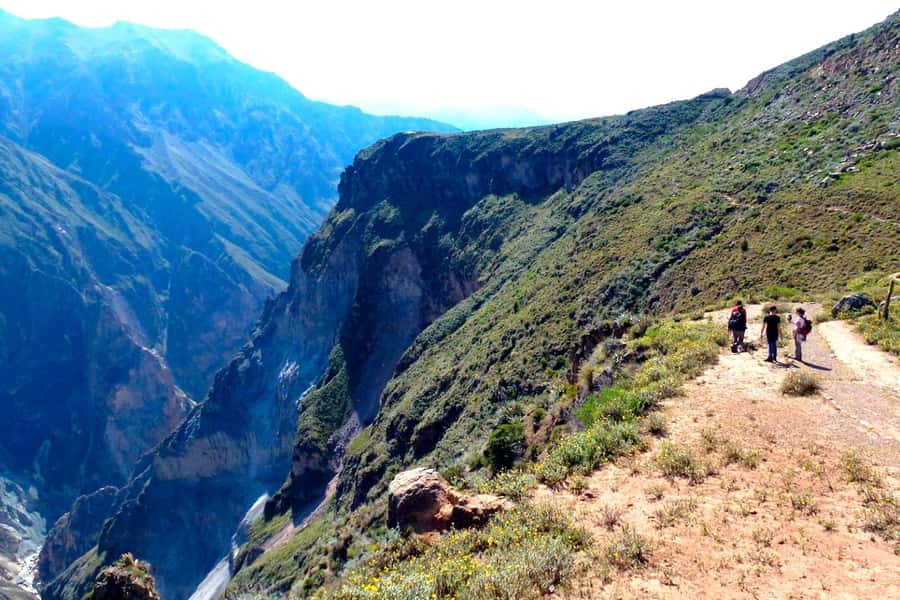
This is the kind of trek where the main event is not a single photo spot. Yes, you’ll hit Cruz del Cóndor for the famous condors. But the better feeling comes from walking down into the canyon and moving between towns—places you could easily miss if you only did a quick day trip.
The itinerary is also built around variety. Day 1 is about getting oriented fast: early departure, canyon viewpoints, then a downhill walk into canyon life. Day 2 shifts gears into a slower rhythm with the Sangalle oasis, where pools and lunch help your body recover. Day 3 turns physical again with that early climb back up toward Cabanaconde, then it switches to scenic and wildlife-style stops on the way to Puno.
If you want a trek that feels like a journey across communities—not a checklist—this one fits.
You can also read our reviews of more hiking tours in Chivay
Getting started in Arequipa: the 03:00 pickup and why it matters
Your day starts aggressively. You’re picked up around 03:00 from your hotel in Arequipa. The plan is to travel toward the Colca Canyon area, stopping for breakfast in Chivay, then continue toward the viewpoint.
Why this matters: condors at Cruz del Cóndor have a timing element, and the whole day is designed around being there when the canyon views are at their best. If you’re the type who likes lounging and sleeping in on trips, you’ll feel the early start. If you like beating crowds and getting the key moment early, you’ll appreciate how the day is structured.
Also, pay attention to the meeting instruction: the group meets in the Arequipa main square area and you should wait about half an hour before pickup so things run smoothly.
Day 1: Arequipa to Cruz del Cóndor, then the walk into the canyon
Breakfast, viewpoint timing, and condors
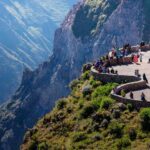
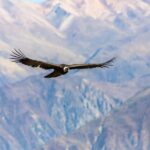
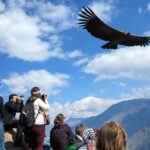
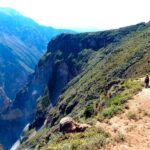
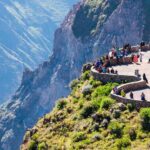
After pickup, you head toward the Colca Canyon. The schedule includes breakfast in Chivay, then a drive to Cruz del Cóndor Viewpoint. This is where you’ll see the famous condor flights. It’s also where the scale of the canyon hits you—standing above one of the deepest canyon environments in the world is a full-body experience.
A practical note: viewpoint time can be shorter if the itinerary runs late. Build your expectations around the fact that this part of the day can be sensitive to timing.
Driving to Cabanaconde, then walking to San Juan de Chuccho
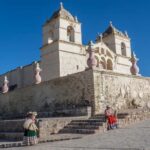
Next, you travel to Cabanaconde by car, then begin walking down into the canyon. The day ends at San Juan de Chuccho, where you’ll arrive and then get a chunk of free time—about 3.5 hours—to explore.
This is one of the most valuable parts of the trek. You’re not just passing through. You have time to walk among the terraces and see the canyon towns at human scale.
Sleeping with a local family: basic, but part of the value
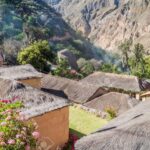
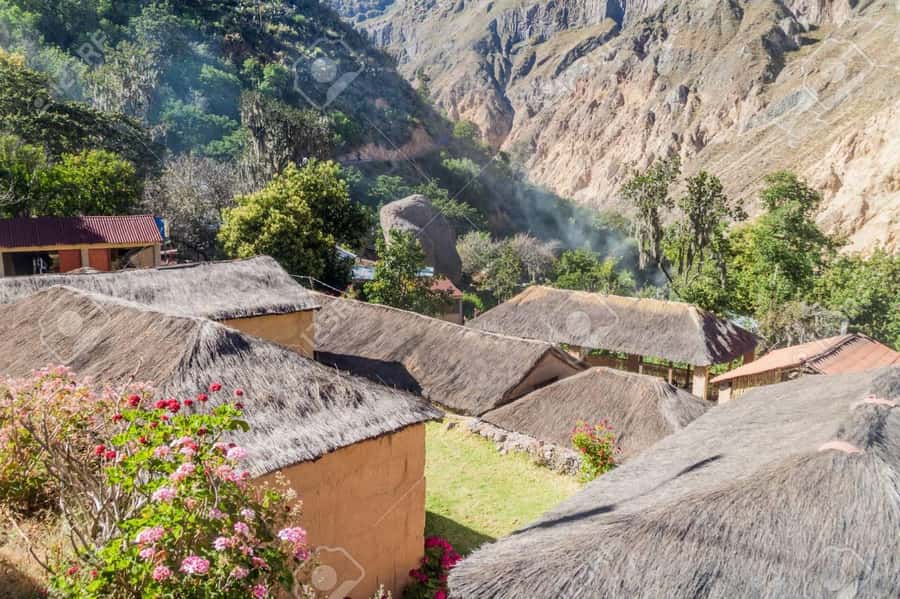
Day 1 night is at a local family home in basic dormitories in San Juan de Chuccho. Dinner is included.
This isn’t a hotel stay, so you should treat it like a village visit with a bed and a meal—not a comfort-first stop. For me, that’s also where the experience becomes more than scenery.
Day 2: San Juan de Chuccho to Sangalle oasis (pools and village towns)
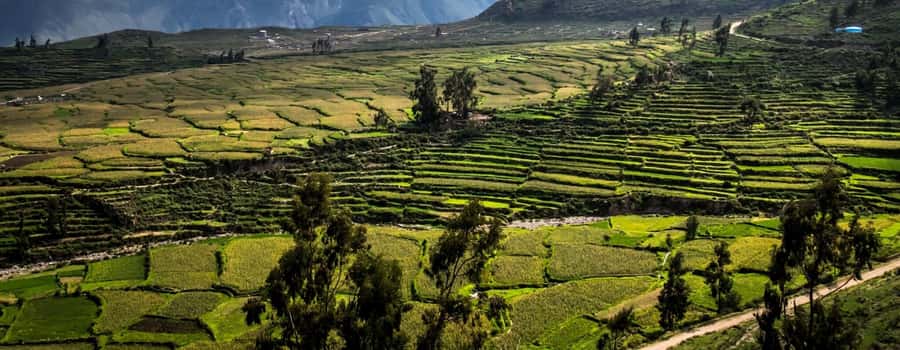
Day 2 starts after breakfast with a walk toward Sangalle (the oasis). The route includes visits to towns along the way—Cosñirhua and Malata are part of the plan—so you’ll keep encountering canyon community life rather than hiking in isolation.
The walking day with a planned payoff
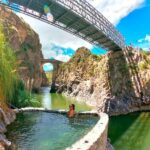
Once you reach Sangalle, you get around three hours there. Lunch is included, and the big rest moment is the rejuvenating pools at the oasis.
That structure is smart. A lot of treks either give you too little recovery or too much downtime. Here you get a set window to soak and relax, then you still have time for the afternoon and the rest of the day. Dinner and accommodation are included for the night at Sangalle.
If you like photos, this is the time for them—but more importantly, it’s where the trek feels human again. After day 1 and the walking on day 2, the oasis stops you from racing through the canyon and helps you actually enjoy it.
Day 3: 05:00 start back to Cabanaconde, then Chivay and Puno
The morning hike: 3 hours uphill
Day 3 begins at 05:00 with a walk back to Cabanaconde. The ascent takes about three hours.
This is the single toughest planning detail: you’re walking early, and while your breakfast is included, it comes after you arrive at Cabanaconde. Plan for that. If you’re the kind of person who feels cranky without food, pack a small snack for the morning so you’re not stuck waiting.
Breakfast, then transportation and viewpoint stops
Once you reach Cabanaconde, you’ll have breakfast. After that, you head back toward Chivay and continue with additional viewpoints and town stops before reaching Puno around 7:00 p.m.
On this part of the route, you’ll also visit:
- Chacapi Thermal Baths (about 40 minutes free to enjoy them)
- Pampas Apachetas from Patapampa, for mountain and volcano viewpoints
- Toccra Pampa, to watch alpacas and vicuñas in their natural area
- Patahuasi, described as health facilities
- Lagunillas Lagoon, for migratory birds
Lunch in Chivay is a separate cost (the final lunch of the day is not included), and you’ll transfer by bus toward Puno with your guide’s support.
Hot springs costs: what you should budget
Thermal baths at Chacapi include time to enjoy the springs, but the entrance is not fully bundled in the price you pay for the trek. Expect an optional entrance fee (the tour information lists 5 USD). Also, the overall tour notes mention 15 soles as another hot springs entrance figure—so bring cash in soles and confirm the exact payment on the day.
What you’re really paying for: price vs. extras
This trek is priced at $175 per person for three days. That price is meaningful because it covers the core logistics: round-trip transport, three breakfasts, two lunches, and two dinners, plus two nights of lodging (San Juan de Chuccho and the Sangalle oasis area) and a professional official guide. You also get pickup in Arequipa and a transfer to Puno.
Now the add-ons you must know about:
- The Colca tourist ticket is mandatory and not included (listed as 70 soles).
- Lunch in Chivay on the last day is not included.
- Thermal baths at Chacapi are optional/extra (you’ll pay an entrance fee on the day).
When you budget, treat the $175 as the trekking base, then add:
- the mandatory canyon ticket
- last-day lunch
- springs entrance (if you want the full hot springs experience)
If you travel on a tight budget, those add-ons are the difference between thinking you paid for a “cheap trek” and realizing you paid for a logistics-heavy route. On the other hand, if you value guided planning and food, the included meals and transfers make the price feel fair.
Lodging and meals: simple by design
You’ll sleep two nights:
- San Juan de Chuccho: a local family home with basic dormitories
- Sangalle: accommodation at the oasis area (lodging is included, though the style isn’t described in luxury terms)
Food is included for:
- 3 breakfasts
- 2 lunches
- 2 dinners
The meals help you avoid a common trek trap: spending time searching for food instead of moving. Still, I recommend you keep an eye on water and snacks. On day 3, breakfast waits until after the hike, so having a backup snack is smart. Also, if water is sold in multiple places, prices can vary—so if you see a shop nearby, it might be worth comparing.
Timing and pacing: the trek isn’t for total beginners
This route includes:
- a first walking day into the canyon
- a second walking day to Sangalle, plus town stops
- a third-day early uphill return to Cabanaconde
Even without getting fancy about fitness levels, you should expect a trek where you’re moving for part of each day. The itinerary uses planned free time (like the 3.5 hours in San Juan and about 3 hours at Sangalle), so it’s not a constant grind. But the early starts and the return ascent mean you should be comfortable walking uphill for stretches.
One more reality check: delays can shrink viewpoint time
The plan is built around key timing: condors at Cruz del Cóndor and viewpoint stops like the Mirrador de los Volcanos area (named in the general plan you’ll see on similar routes). If the day runs late, you may get less time at some lookouts. That doesn’t mean the trek is ruined—it just means you should show up with flexible expectations.
Who should book this trek (and who should consider a shorter option)
You’ll probably love this if you want:
- a guided trek that ends in Puno, not a backtrack to Arequipa
- real canyon village time in San Juan de Chuccho
- the combination of canyon walking + oasis pools
- viewpoints on the route out, including thermal baths and animal-focused stops
You might consider a shorter or different duration if:
- you want more flexibility and less time committed to a multi-day walking schedule
- you’re hoping for long, slow viewpoint sessions with no sensitivity to timing
- you prefer lodgings that feel like hotels
Should you book this Arequipa to Puno Colca trek?
If you want a classic Colca experience that mixes the big-name moment (Cruz del Cóndor) with the quieter one—walking between towns and spending time in San Juan de Chuccho—this trek is a strong choice. The included meals, guide, two nights of lodging, and the fact that the trek ends in Puno make it good value for the logistics alone.
Book it if you’re ready for early starts, basic dorm-style lodging, and a day 3 morning hike that starts at 05:00. If that sounds fine, you’ll come away with more than a photo—you’ll have a real sense of how the canyon communities fit into the journey.
FAQ
What time is pickup from Arequipa?
You’re picked up from your hotel in Arequipa at around 03:00.
Where is the meeting point?
You must wait about half an hour before the tour in the main square so the team can pick you up without issues.
How long is the trek?
The full experience runs for 3 days.
What meals are included?
You get 3 breakfasts, 2 lunches, and 2 dinners.
Where do you sleep overnight?
You spend two nights: one in San Juan de Chuccho (basic dormitories at a local family home) and one at the oasis of Sangalle.
What’s the main viewpoint on day 1?
Cruz del Cóndor viewpoint, where you go to see condors.
Is the Colca tourist ticket included?
No. The Colca tourist ticket is mandatory and not included (70 soles).
Are hot springs included?
Chacapi Thermal Baths are part of the day 3 plan, with about 40 minutes to enjoy them, but the entrance fee is not included and is listed as optional.
What time do you arrive in Puno?
You typically arrive in Puno at around 7:00 p.m.
What language is the guide?
The live guide works in Spanish and English.