REVIEW · CHIVAY
2-Day Colca Canyon Tour to Puno with accommodation
Book on GetYourGuide →Operated by PVTravel · Bookable on GetYourGuide
Condors rule the sky in Colca Canyon. This is a fast, focused route that starts with high-Andes viewpoints near Arequipa, then hits the canyon’s famous lookouts, and finishes with wildlife and lakes on the way into Puno.
I especially like the way you get time at La Cruz del Condor to watch for that unforgettable condor glide. I also love the wildlife stop in Pampa Cañahuas National Reserve, where you can spot camelids and birds in a landscape that feels wild and real.
The main catch is the altitude and early starts. You’ll be up around 4,800–4,950m at Patapampa and Mirador de Volcanes, and the long day can feel like a grind if you’re not used to high elevation.
In This Review
- Key highlights at a glance
- From Arequipa to Chivay: the long road that’s actually worth it
- Patapampa (4,800m) and volcanic views you can’t fake
- Pampa Cañahuas National Reserve: wildlife viewing done in open air
- Chivay at 3,600m: your free afternoon (and optional hot springs)
- Day 2 starts early for a reason
- Yanque and Maca: colonial churches plus living-Andes neighbors
- Pre-Inca terraces: farming that still makes sense
- La Cruz del Condor: the canyon drop and the condor ride
- Lunch back in Chivay, then the bus to Puno
- Patahuasi and Mirador de Volcanes: a high-altitude coffee moment, but with mate
- Pampa Cañahuas / Salinas and Aguada Blanca: rock formations plus camelids
- Lagunillas: flamingos and Andean gulls near Puno
- Price and value: what $145 buys you (and what it doesn’t)
- Who should book this Colca Canyon to Puno route
- Should you book it?
- FAQ
- When does pickup happen in Arequipa?
- Where do I sleep overnight, and what meals are included?
- Are the hot springs included?
- Are entrance fees to the Colca Canyon included?
- Do you drop me off at my hotel in Puno?
- What are the main stops on the way to Puno?
- What wildlife and birds can I expect to see?
- What should I bring?
Key highlights at a glance
- La Cruz del Condor: canyon depth views plus free time to watch for condors
- Pampa Cañahuas National Reserve: vicuñas, llamas, alpacas, and birds in open high-Andes settings
- Yanque and Maca: colonial churches and locals happy to share details like embroidered clothing
- Pre-Inca terraces: still-used farmland with corn, quinoa, and amaranth
- Lagunillas: panoramic small lakes with flamingos and Andean gulls
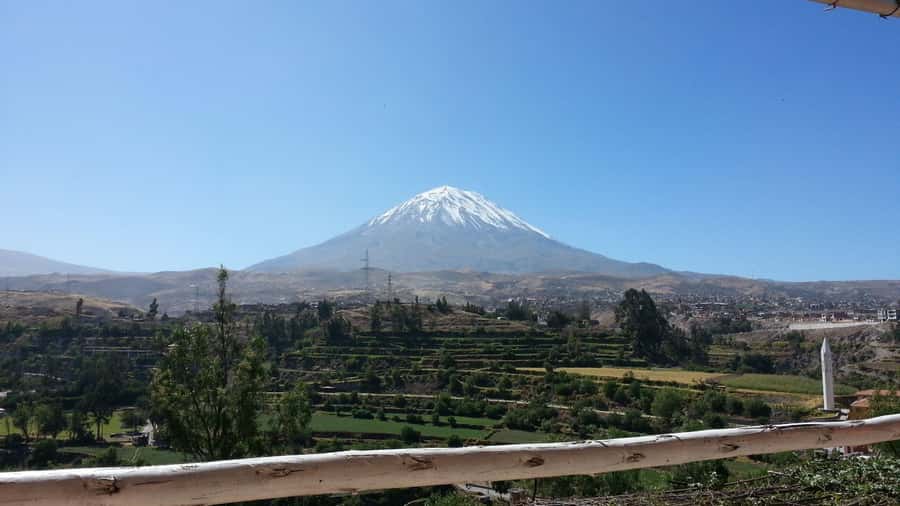
- Volcano viewpoints: Patapampa and Mirador de Volcanes frame Misti, Chachani, and Ampato
From Arequipa to Chivay: the long road that’s actually worth it
Your day starts with pickup in Arequipa city center around 8:00am. You’ll travel from Arequipa (about 2,325m) toward the snowy mountain Chachani, and the trip quickly shifts from city streets to high-Andes country.
This first stretch matters because it sets the mood. You’re not just driving to a single sight. You’re gradually rising into the kind of altitude-and-air you’ll feel all through the tour. If you’re prone to getting chilled, dress in layers right away. You’ll want them later.
Along the way, you’ll pass through Pampa Cañahuas territory where wild camelids roam: vicuñas, alpacas, and llamas. You’ll also look out for birds like flamingos, ibis, Andean geese, ducks, eagles, and Andean called Kara Kara (you’ll likely hear this listed by your guide during stops). It’s a nice reminder that the Colca region isn’t only about canyons—it’s also about life at altitude.
You can also read our reviews of more tours and experiences in Chivay
Patapampa (4,800m) and volcanic views you can’t fake
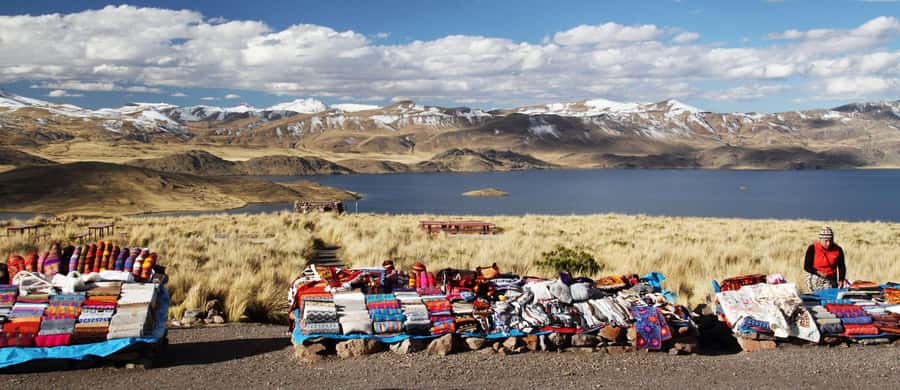
One of the early big moments is Patapampa at about 4,800m. From the viewpoint of volcanoes and snowy mountains, you get a wide, dramatic look at the volcanic skyline.
What I like about this stop is that it works as a warm-up for everything later. You see the scale of the Andes before you’re stuck staring straight down from a lookout. It also gives you a sense of orientation for the rest of the trip, since the area includes volcanoes like Misti, Chachani, and Ampato (you’ll see them again during the Puno leg).
Realistic note: at 4,800m, staying still can feel cold and slow. Bring what you need for sun and wind. The tour already tells you to pack sunglasses and sunscreen, plus water, which is exactly what you’ll rely on up here.
Pampa Cañahuas National Reserve: wildlife viewing done in open air
Day 1 includes a stop in Pampa Cañahu (Pampa Cañahuas), a national reserve experience focused on nature. You’ll have chances to spot rock formations and watch for South American camelids.
The tour’s animal list is clear and varied: vicuñas, llamas, and alpacas, plus birds like flamingos and Andean geese. That kind of variety is a big deal on a short itinerary. You’re not just taking photos—you’re scanning the scene for movement, and your guide helps you keep your eyes sharp.
Why this stop is good value: it’s part of the tour that doesn’t feel like a rushed photo stop. You’re given a real chance to watch the area and understand the high-altitude ecosystem you’re traveling through.
Chivay at 3,600m: your free afternoon (and optional hot springs)
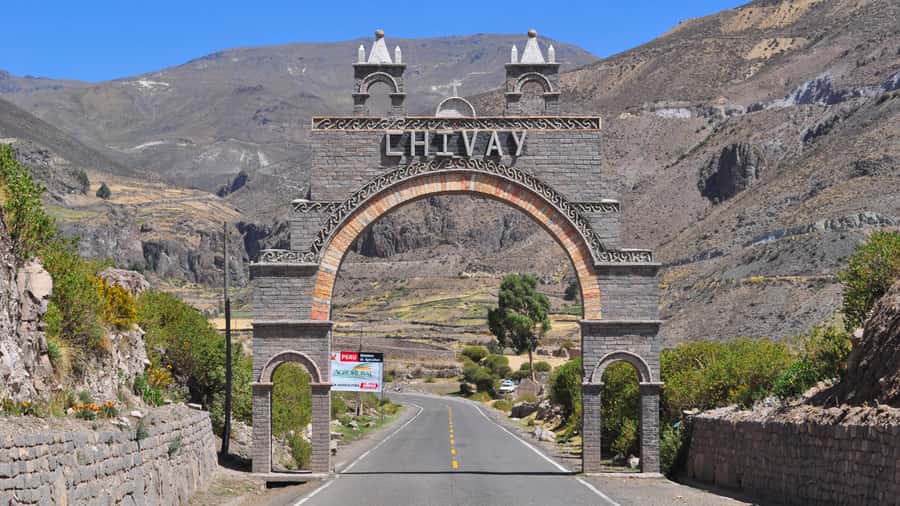
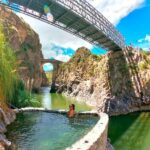
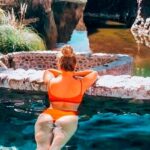
You’ll reach Chivay (about 3,600m) and have lunch there (lunch is not included). Then comes a free afternoon where you can relax or visit the hot springs if you want.
I like free time in this kind of itinerary because Chivay gives you a base at altitude. After a long drive and multiple viewpoints, you’ll probably appreciate the option to slow down. If you plan to do the hot springs, remember: entrance fees are not included, so budget extra for that.
Even if you skip the springs, take it easy that afternoon. Your body is adjusting to altitude, and a calm pace helps you enjoy the next day’s canyon time.
Day 2 starts early for a reason
Day 2 kicks off early, around 6:00am after breakfast. You’ll set out for a full day excursion on the left side of the canyon, with village stops and lookout time built in.
This “early start” isn’t just a scheduling trick. The canyon and condors are the main events, and your timetable is designed around being at the right place when you can actually enjoy it. Plan to be ready before you feel ready.
The route also mixes culture with nature, which keeps the day from becoming one long bus ride. You’ll see towns, terraces, and churches before the canyon showdown.
Yanque and Maca: colonial churches plus living-Andes neighbors
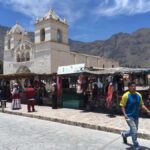
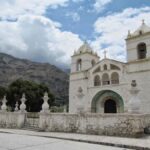
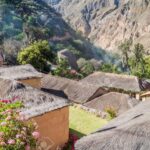
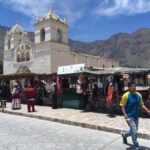
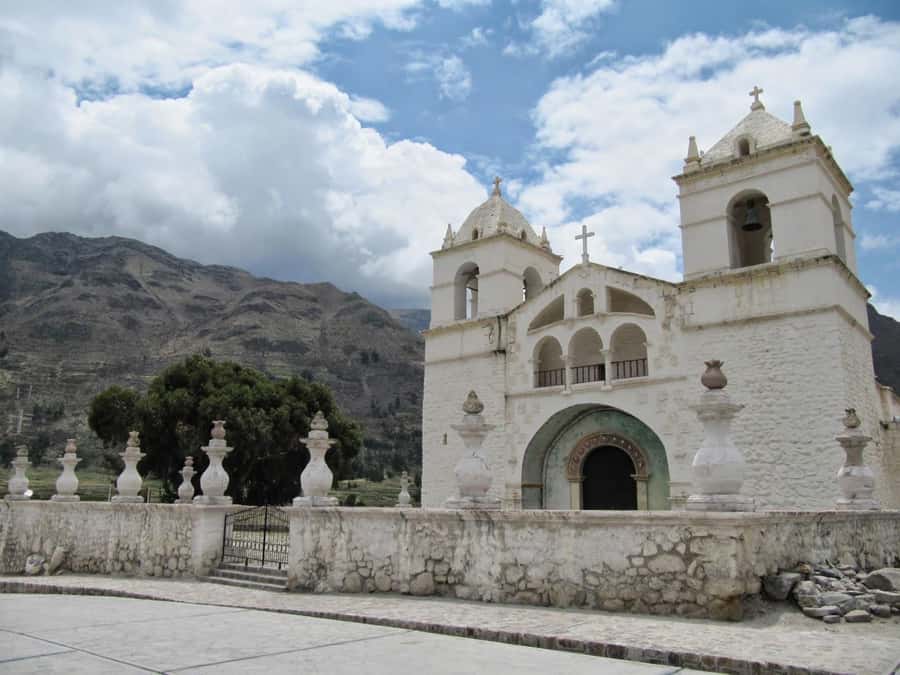
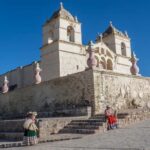
On the left-bank route, you’ll visit Yanque and Maca. These aren’t just names on a map. You’ll see colonial churches and meet friendly locals in typical Andes villages.
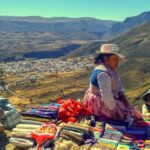
One of the best parts here is the human contact. You can learn from people directly, and the tour specifically highlights that locals are happy to show their traditional embroidered clothing. That turns a quick stop into something more memorable than a photo and a goodbye.
Also, the villages support the rest of the day. They give you context for the terraces you’ll see shortly after. You’re not only looking at history—you’re seeing how people live alongside it.
Pre-Inca terraces: farming that still makes sense
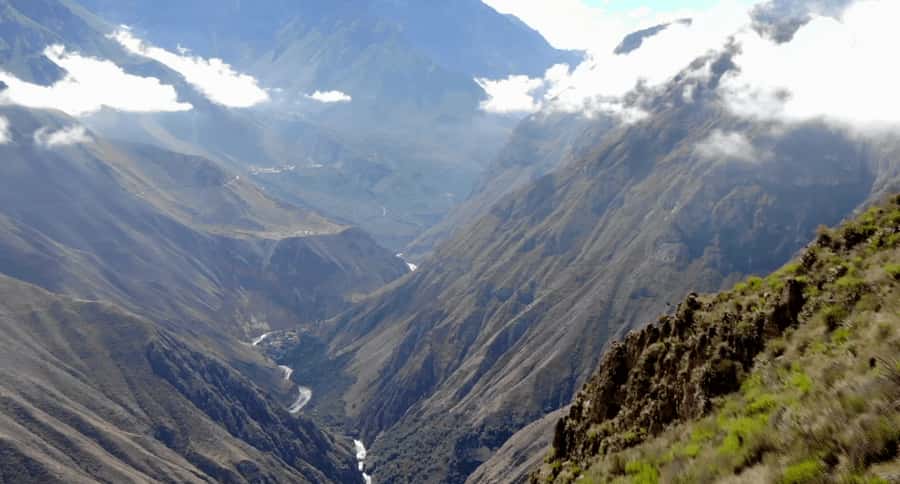
After the village time, you’ll reach areas with hundreds of pre-Inca terraces still in use for farming corn, quinoa, and amaranth. This is a key moment because it shows continuity. It’s not “look at the past.” It’s “people still work this land in a real way.”
Your guide will help you notice how the terraces are integrated into the landscape. Even if you’re not a history buff, this is one of those stops that makes you think differently about why the Andes look the way they do.
Small caution: terraces and village walking can mean uneven ground. Comfortable shoes aren’t optional if you want to move comfortably.
La Cruz del Condor: the canyon drop and the condor ride
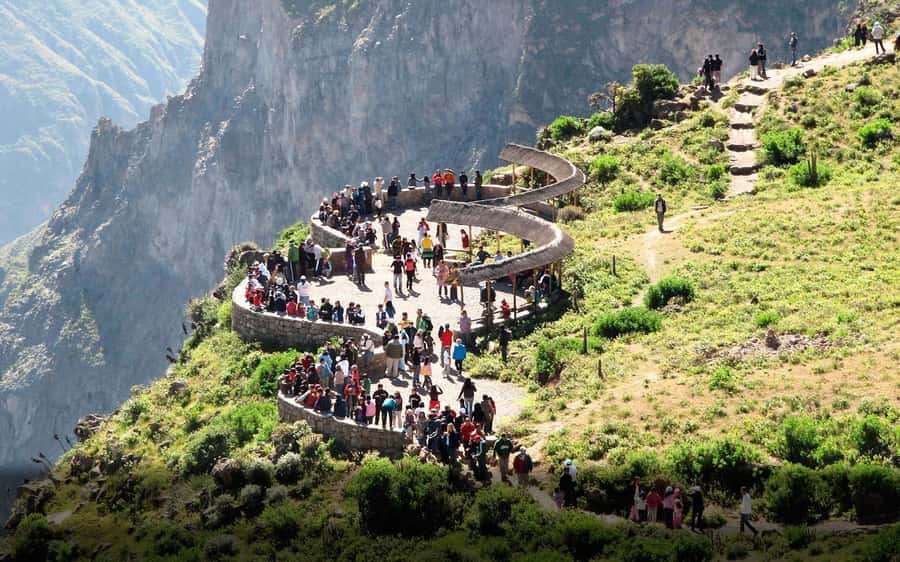
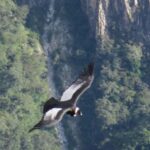
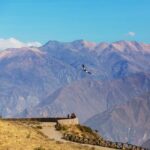
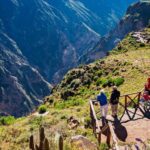
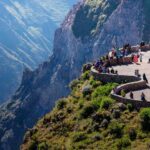
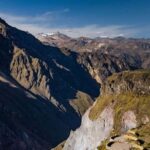
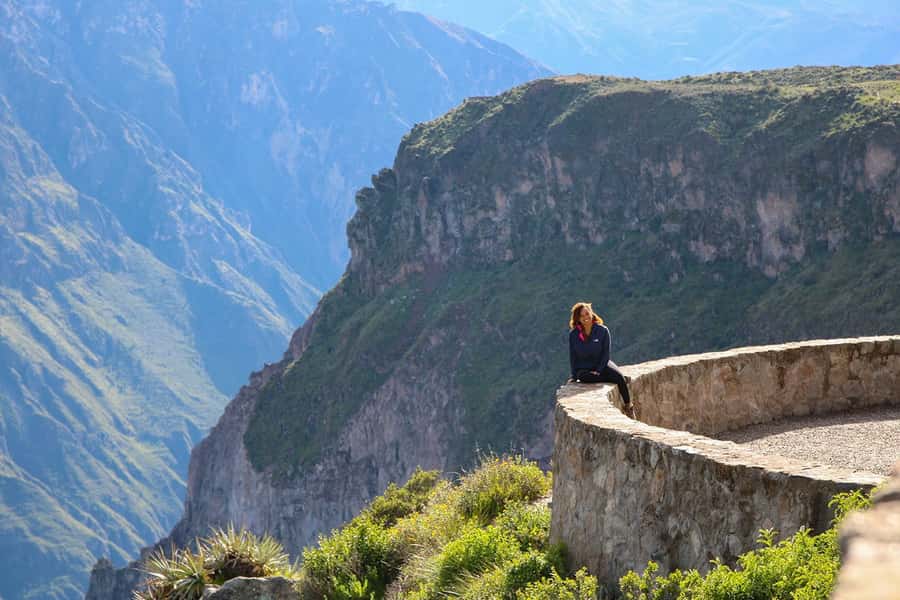
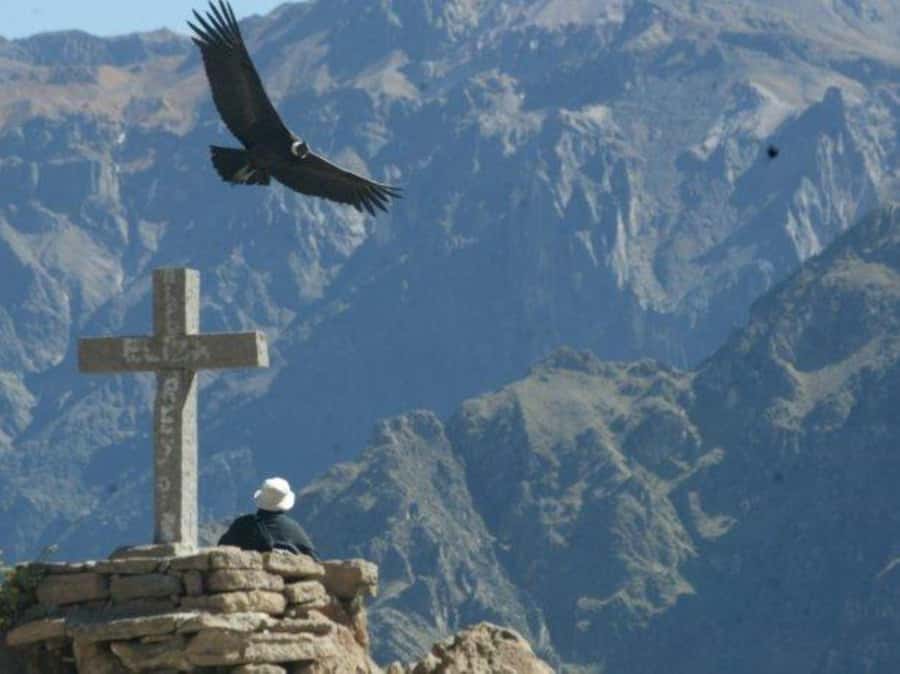
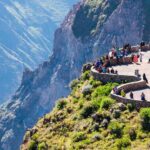
Then you reach the star: La Cruz del Condor. This is where you’ll see the canyon’s depth and wait for the condors to appear.
You’ll get free time to watch. That’s important. Condors don’t always follow a neat schedule, so being given time at the lookout improves your odds and your experience. Don’t treat it like a drive-by checkpoint.
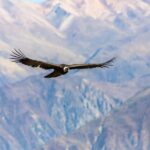
When the condors do glide through the air, it feels like the canyon finally “opens up.” The scale is huge, and your mind has to adjust to looking down rather than across. If you can, arrive ready to stand and look for a while.
Practical note: this is also a spot where you’ll want to protect your eyes from glare and your face from wind. You already have sunglasses and sunscreen on your packing list for a reason.
Lunch back in Chivay, then the bus to Puno
After returning to Chivay, you’ll have time for lunch (again, lunch is not included). Then the itinerary shifts to getting you into Puno.
At 1:00pm, you board a touristic bus from Chivay to Puno. The ride is long, but the stops along the way keep it from being boring.
You’ll arrive in Puno around 7:00pm to 7:30pm, ending at the Plaza de Armas. The tour does not include hotel drop-off, so plan your onward transport from the main square.
Patahuasi and Mirador de Volcanes: a high-altitude coffee moment, but with mate
Before Puno, the tour includes a stop at Patahuasi where you’ll drink mate and observe Mirador de Volcanes at about 4,950m.
This viewpoint is where you see volcanoes like Misti, Chachani, and Ampato. If you’re the type who likes to understand where you are, this stop gives you a clear “map in the sky.” You’ll often recognize these volcano names from earlier viewpoints.
The mate stop adds local flavor to the drive. It’s simple, but it’s the kind of small cultural detail that makes a long day feel less mechanical.
Pampa Cañahuas / Salinas and Aguada Blanca: rock formations plus camelids
Another highlight on the Puno leg is the Pampa Cañahuas or Salinas y Aguada Blanca National Reserve stop. Here you’ll appreciate rock formations and see camelids like vicuñas, llamas, and alpacas again.
Why it’s great on the way to Puno: it extends the nature story instead of cutting straight to city life. You’re traveling through the same high Andean world that you started with—just with a different angle and timing.
If you enjoy spotting wildlife, this is one of your best chances. Just keep your expectations realistic: animals aren’t on a schedule, and birds can pop into view fast.
Lagunillas: flamingos and Andean gulls near Puno
The last major stop is Lagunillas. From this viewpoint, you get a panoramic view of small lakes, which is exactly the kind of scene that makes the bus ride worth it.
It’s also a bird habitat. The tour notes wildlife such as flamingos and Andean gulls, plus other birds like ducks. This is a strong photo opportunity, but it’s also a relaxing finale: you get to look out over water in a region that’s usually all rocks and heights.
If your legs are tired from the canyon day, this last viewpoint can feel like a reward. You’re not walking for long stretches here, just taking it in.
Price and value: what $145 buys you (and what it doesn’t)
At $145 per person for a 2-day tour, you’re paying for a structured route with key inclusions:
- Hotel pickup in Arequipa city center
- Transportation throughout the itinerary
- A professional English or Spanish guide
- Breakfast at your accommodation in Chivay
- 1 night hotel in Chivay
That’s solid value if you don’t want to plan logistics across multiple towns and viewpoints. You’re also getting guided help at the canyon lookout and nature reserves, which matters when you’re trying to spot condors and wildlife without guessing.
Budget extra for what’s not included:
- Hot springs entrance (optional)
- Colca Canyon entrance fees
- Lunch and dinner in Chivay
- Drop-off at your hotel in Puno
So the “real” cost is $145 plus meals and any entrance fees you choose. If you’re the kind of traveler who wants to control costs by packing lunches and skipping optional add-ons, you can keep it close. If you prefer buying meals easily on the go, plan some extra spending.
Who should book this Colca Canyon to Puno route
This tour fits you best if:
- You want the Colca Canyon condor experience without figuring out transportation yourself
- You enjoy nature stops with real wildlife viewing in Pampa Cañahuas
- You like mixing culture (Yanque and Maca) with big scenery
- You’re okay with an early start and long travel time on day 2
You might want to skip it if you:
- Need wheelchair accessibility (the tour is not suitable for wheelchair users)
- Don’t handle high altitude well in general, since you’ll hit viewpoints around 4,800–4,950m
Also note the luggage rule: oversize luggage is not allowed, so travel light.
Should you book it?
If your priority is a guided route that strings together condors, Andean villages, terraces, and Lagunillas into one smooth itinerary, I’d book this. The value is strong because you get the Chivay hotel night and a guide, and the stops hit the big emotional beats: watching for condors at the canyon edge and ending with birds over the lakes near Puno.
If you dislike early mornings or you’re sensitive to altitude, do your homework and plan for slower pacing on the viewpoints. But for most people traveling between Arequipa and Puno, this is a practical way to see far more than you’d manage on your own in two days.
FAQ
When does pickup happen in Arequipa?
Pickup is around 8:00am from your hotel in Arequipa city center. If your accommodation is outside that area, a meeting point is set.
Where do I sleep overnight, and what meals are included?
You spend one night in Chivay, and breakfast is included at your accommodation.
Are the hot springs included?
The entrance to the hot springs is not included. You can visit them if you want during your free afternoon in Chivay.
Are entrance fees to the Colca Canyon included?
No. Entrance fees to the Colca Canyon are not included.
Do you drop me off at my hotel in Puno?
No. You arrive in Puno at Plaza de Armas, and drop off at your hotel is not included.
What are the main stops on the way to Puno?
On the drive to Puno you’ll stop at Patahuasi (mate and a viewpoint), Mirador de Volcanes (around 4,950m), Pampa Cañahuas / Salinas y Aguada Blanca National Reserve, and Lagunillas.
What wildlife and birds can I expect to see?
The tour highlights potential sightings of vicuñas, llamas, alpacas, and birds such as flamingos, Andean gulls, ducks, Andean geese, eagles, and Kara Kara.
What should I bring?
Bring comfortable shoes, sunglasses, sunscreen, water, and comfortable clothes. Oversize luggage is not allowed.