REVIEW · CHIVAY
From Arequipa: Colca Canyon and Condor Watching Day Trip
Book on GetYourGuide →Operated by explorer southamerica · Bookable on GetYourGuide
Colca Canyon looks best in the early hours. This one-day Arequipa outing pairs pre-Inca terrace viewpoints with an Andean condor habitat stop, so you get both human history and wildlife in the same tight schedule. I like that the route includes pre-Inca terraces plus a dedicated condor-watching hour, not just a quick photo stop. The main trade-off is the ultra-early pickup, and pickup timing can feel less precise than you’d hope.
I also like the human touch: the tour runs with an official guide in English and Spanish, and guides such as Mayra tend to connect what you’re seeing to everyday Peruvian culture. You’ll get reminders about behaving ethically around animals, including not photographing wildlife held in captivity. Still, if you’re relying on English, don’t assume everyone in your group will hear every detail clearly, since bus seating and guide volume can affect what you catch.
This is a long day at altitude, and it’s not for everyone. If you have altitude sickness issues (or you’re traveling with a very young baby), you’ll want to skip this one and look for a slower option around lower elevations. Warm clothing matters, and you should plan on paying for key extras on the day.
In This Review
- Key points to know before you go
- Why this Colca trip feels worth it even though it steals your sleep
- From Arequipa pickup to Chivay breakfast: the clock is your enemy
- Pre-Inca terraces and terrace farming: what to look for at the viewpoints
- Colca Canyon and condors: the best hour of your day (and the reality check)
- Maca town stop: colonial church, traditional clothing, and camelids nearby
- Hot springs hour in the return loop: a nice break, but plan for cleanliness concerns
- Lunch in Chivay: what to do if you want more control over your day
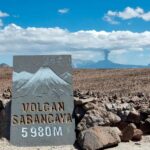
- The volcano viewpoint (4,910 m) and the salt/white-water reserve for camelids
- Price and value: what $27 really turns into
- Logistics and comfort: how to avoid the common pitfalls
- Who should book this Colca Canyon and condor watching day trip
- Should you book this Arequipa to Colca Canyon day trip?
- FAQ
- What time do you get picked up in Arequipa?
- Is the entrance ticket to the sites included in the tour price?
- Are hot springs included?
- How long is the condor watching stop in Colca Canyon?
- What languages will the guide speak?
- Is this tour suitable for everyone at altitude?
Key points to know before you go
- You’ll start in the dark: pickup around 3:00–3:30 am, with long road time before the first views.
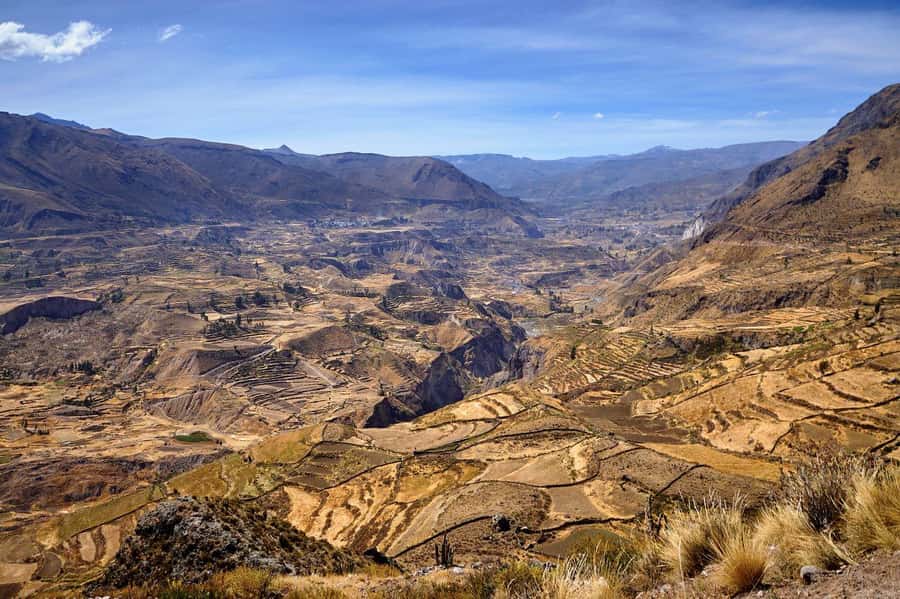
- Pre-Inca terraces get real time: viewpoint stops focus on terraces, crop patterns, and locals’ daily presence.
- Condors are a highlight, but not guaranteed: you get about an hour at the canyon viewing area.
- Maca adds culture, not just scenery: a colonial church stop plus Andean camelid life.
- Budget for add-ons: entrance ticket (S/.70), hot springs (S/.15), and lunch are not included.
- Camelid spotting continues on the return: salt/white-water reserve stop for llamas, alpacas, and vicunas.
Why this Colca trip feels worth it even though it steals your sleep
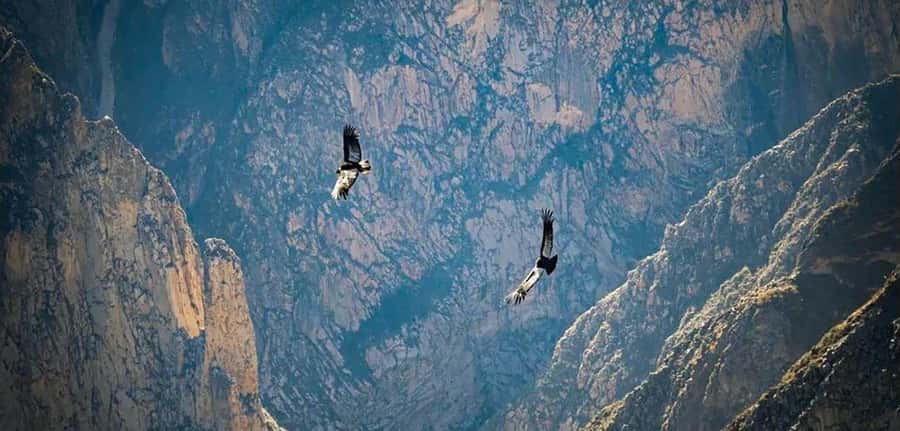
You’re choosing a day trip that runs on sheer determination. The early pickup (often around 3:00–3:30 am, sometimes slightly later in practice) means you’ll be trading sleep for drama: the Colca Valley looks different when the light is still low, and wildlife viewing tends to be better when the day hasn’t warmed up yet.
What makes it feel like good value is the mix. You’re not only chasing condors. You also get terrace viewpoints that show how people shaped this valley long before the Incas, plus cultural stops in towns where traditional clothing and camelid routines are part of the scenery. If you only had a day around Arequipa and you want the Colca greatest hits, this route does that.
The one real drawback is pacing. It’s dense, so you won’t linger forever in any single place. If you like slow travel or deep reading in museums, you may find the tempo intense. If you’re okay moving briskly, you’ll likely feel like you squeezed a lot out of your day.
You can also read our reviews of more tours and experiences in Chivay
From Arequipa pickup to Chivay breakfast: the clock is your enemy
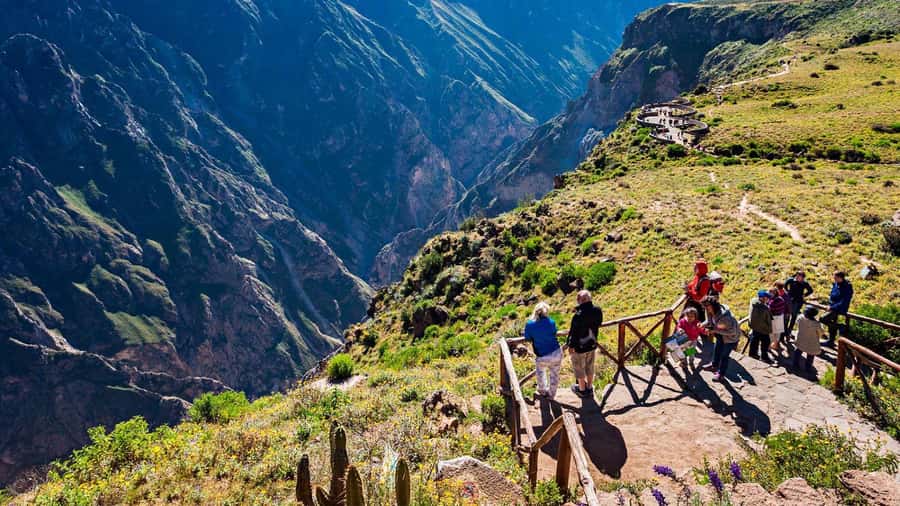
The tour starts with a pickup from your hotel area if you’re in Arequipa’s historic center, or otherwise from the main square. You’ll transfer by road for about three hours to Chivay, where you’ll have breakfast before the first viewpoint circuit.
This is where you should prepare for altitude and timing. Even if you don’t get symptoms, the body often feels early and heavy at higher elevations. The tour gives you a morning meal, but you’ll want your layers ready because morning air at altitude can feel sharp.
One more practical note: you’re depending on the pickup schedule. Some guests report a delay and lost sleep, so I recommend confirming timing with the provider in advance using the required WhatsApp contact (with the correct country code). That small step can make the whole morning less stressful.
Pre-Inca terraces and terrace farming: what to look for at the viewpoints
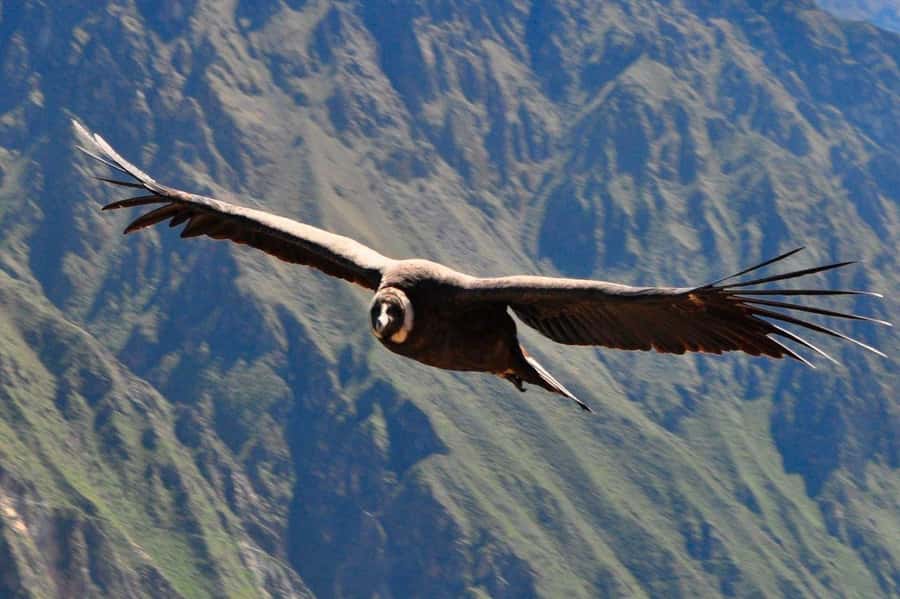
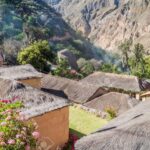
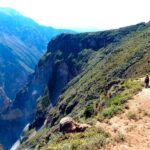
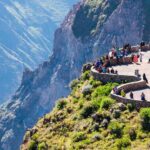
Once you reach the viewpoint circuit in the Colca Valley, the focus shifts to the past you can actually see. You’ll stop to photograph pre-Inca terraces, take in crop fields, and observe people in the area wearing traditional clothing.
Here’s what I’d pay attention to, so the stop feels more than just scenic:
- Look at the terrace shapes and how they step across the slopes. The engineering is the story.
- Watch for patterns in crop plots. Even from a distance, you can often see where cultivation changes.
- Notice clothing and movement around fields. The tour isn’t only showing monuments; it’s showing a working valley.
The terrace stops are a big part of why this trip works for non-condor-only travelers. If you’re traveling with someone who doesn’t care about wildlife, the terrace farming element gives them a reason to stay engaged.
Colca Canyon and condors: the best hour of your day (and the reality check)
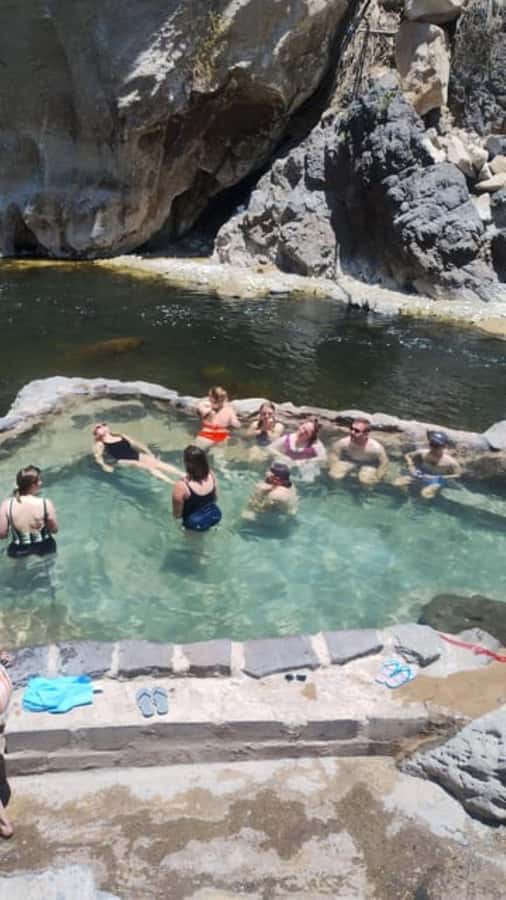
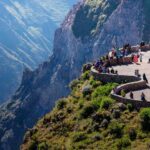
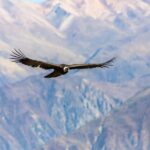
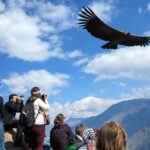
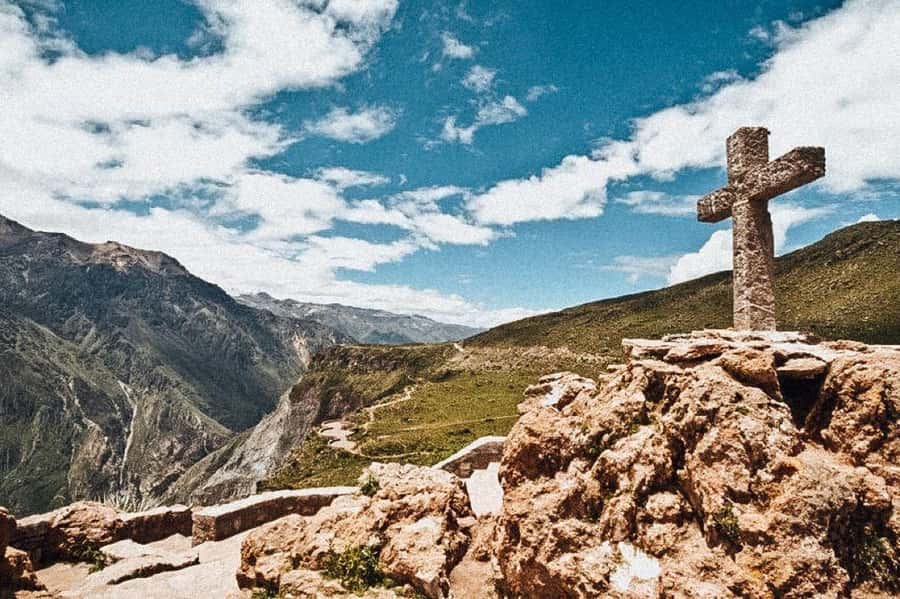
After the terrace viewpoints, you’ll head to the Colca Canyon, which is known for being one of the deepest canyons in the world. Your main wildlife moment happens here, with about an hour at the canyon viewpoints, including the spot known for the cross of the condor viewpoint.
You’re going to be waiting, scanning, and trying to time your photos. That’s part of the experience. You’re observing Andean condors in their natural habitat, not at a zoo.
Reality check: condor activity can vary. On some days, birds may be soaring overhead. On other days, they may be resting or low-activity. The tour does give you dedicated time, but no day is a 100% guarantee of dramatic flying.
If you care about photography ethics, keep your behavior grounded. The tour includes reminders about ethical animal handling, including not taking photos with wildlife held in captivity. Even if you’re just tempted to capture everything, a calm, respectful approach will keep the experience better for everyone.
Maca town stop: colonial church, traditional clothing, and camelids nearby
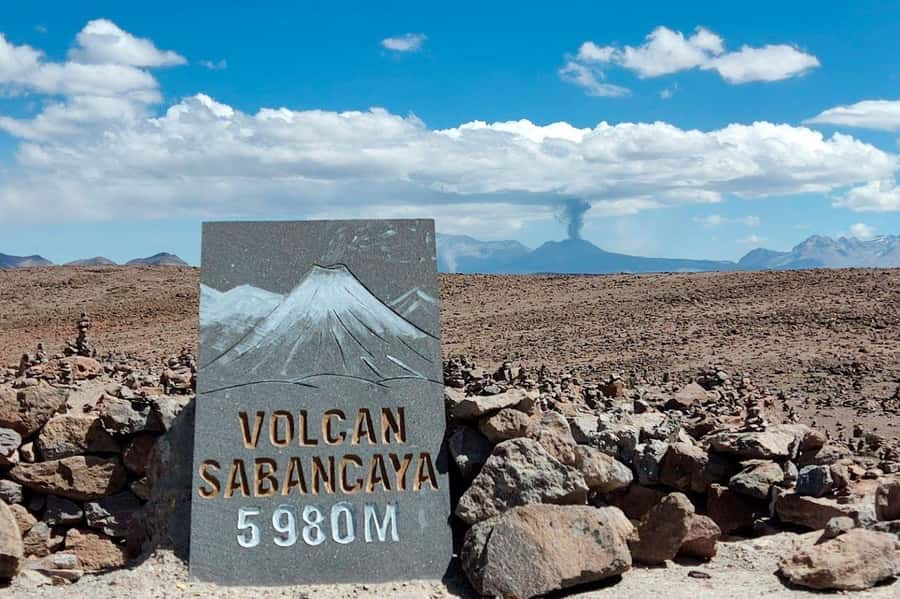
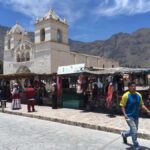
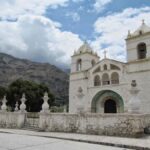
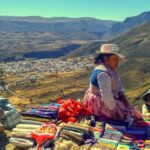
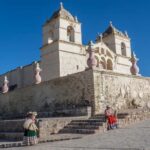
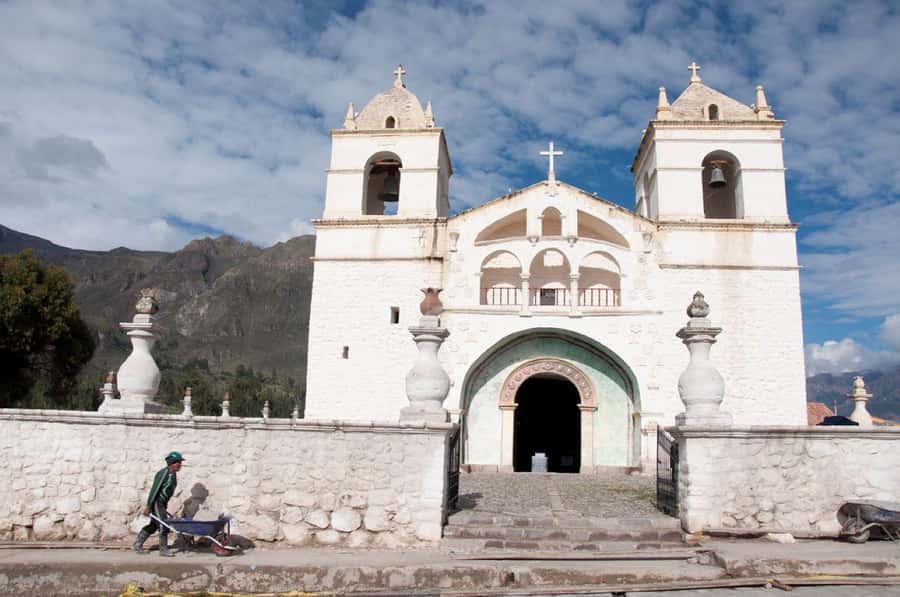
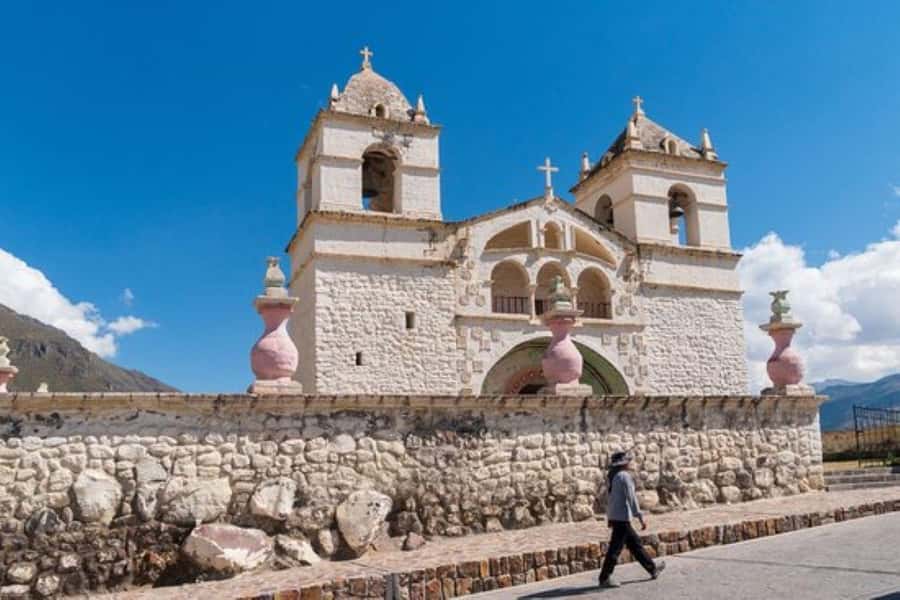
After the condor viewpoint area, the itinerary continues to Maca, a town stop that adds texture beyond geology and birds. You’ll visit a colonial church and also spend time observing people in typical Andean clothing near South American camelids.
This is a good moment to slow down mentally. The canyon and terraces are wide-angle experiences. Maca is more about human-scale details: how people occupy public space, how clothing and routines fit into daily life, and how camelids are part of that rhythm.
If you like cultural context, this is the part where your guide’s explanations really matter. With English and Spanish commentary available, you can match what you’re seeing to the story being told, instead of just collecting images.

Hot springs hour in the return loop: a nice break, but plan for cleanliness concerns
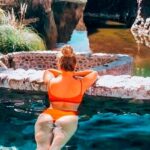
Next up, you’ll head to the hot springs for about an hour of relaxation. In many itineraries, this is the sanity break. After a very early start, sitting with warmth can feel like the reward you earned.
The tour recommends the hot springs stop, but here’s the cautious note: not every experience with hot spring facilities is the same. Some guests have raised concerns about water appearance and pool conditions, including reports of stagnant or dirty water and limited storage. That doesn’t mean every pool is always like that, but it does mean you should go with your eyes open.
If hot springs are a must for you, I’d treat them as a bonus rather than a guaranteed spa-quality experience. Bring the mindset of simple relaxation, not a luxury soak.
Lunch in Chivay: what to do if you want more control over your day
After hot springs, you’ll reach Chivay for lunch. Lunch is not included in the base price, and that matters for planning. If you’re sensitive to food quality, timing, or portion sizes, you may want to eat strategically so you don’t lose energy on the long drive back.
This also affects how hungry you’ll be. You’re going early, eating continental breakfast, and then waiting for lunch while the day fills with stops. If you tend to get low energy between meals, it can help to mentally budget your energy.
The good news is that Chivay is the point where the tour transitions from canyon-to-springs-to-culture into the return leg. Once you’re fed, you can handle the later altitude viewpoint stops more easily.
The volcano viewpoint (4,910 m) and the salt/white-water reserve for camelids
The return to Arequipa includes two extra observation stops—high elevation first, then camelids again.
First, you’ll stop at a viewpoint of the volcanoes at 4,910 meters above sea level. This is where the cold and thin air can be very real. Even if you don’t feel altitude sickness, you may feel winded. Keep your pace steady, dress warm, and give yourself a minute before you start taking photos.
Then you’ll continue to a reserve of salt and white water, where you’ll observe llamas, alpacas, and vicunas in their natural habitat. If you missed condors or just want more wildlife variety, this is your second animal payoff.
This combo works because it changes the visual mood: canyon depth, then volcano altitude, then pale reserve terrain. It helps the day feel less repetitive, even though it’s still a packed itinerary.
Price and value: what $27 really turns into
At $27 per person, this day trip looks like a steal. The catch is that key items aren’t included.
What’s included:
- Tourist mobility (transport)
- An official tourism guide
- Continental breakfast
What’s not included:
- Tourist ticket: S/.70
- Hot springs: S/.15
- Lunch
- Additional expenses during the tour
So the real cost isn’t just the base price. If you add the entrance ticket and the hot springs, you’re already paying more than the initial number. Then factor in lunch, and you’ll see where your budget goes.
My practical take: it still can be good value because you’re buying a full day of driving, multiple guided stops, and access to viewpoints that would be much harder to string together on your own without serious early logistics. But if you’re on a tight budget, plan for those extra soles and don’t act surprised when you’re asked to pay.
Logistics and comfort: how to avoid the common pitfalls
This tour runs early and runs tight, so a few things matter more than you might expect.
- Pickup timing: If you want to protect your sleep, confirm the pickup window the day before and stay ready. Some people report delays.
- Hearing the guide: On buses, seating position can affect how much you understand. If English is your main language, choose the best seats you can at boarding and ask the guide to repeat key points if needed.
- Language expectations: The tour is listed as English and Spanish guided, and guides like Mayra can help connect dots culturally. Still, if your Spanish is weak, consider checking that English interpretation will work for your group before you board.
- Warm clothing: This isn’t optional. Bring layers you can zip and unzip, plus something warm enough for early canyon and high altitude viewpoints.
- Rules: Drones are not allowed. Alcohol and drugs aren’t allowed. And you should expect a no-littering approach.
If you go in with the right expectations, the dense schedule becomes less stressful and more productive.
Who should book this Colca Canyon and condor watching day trip
Book this tour if you want:
- A one-day hit list of Colca Canyon + terraces + condors
- Cultural context in towns like Maca
- Wildlife viewing that’s guided and time-boxed (about an hour at the canyon viewpoints)
- A structured day that covers a lot of elevation changes without you planning routes
Skip this tour if:
- You have altitude sickness concerns (the tour isn’t suitable for people with altitude sickness)
- You’re traveling with babies under 1 year
- You strongly dislike tight timetables or long early starts
- Hot springs cleanliness is a deal-breaker for you
Should you book? If you can handle early mornings and you budget for the entrance ticket and lunch, this is a solid way to experience Colca in a single day. The terrace and culture stops give it depth beyond just waiting for birds.
Should you book this Arequipa to Colca Canyon day trip?
Yes—if you’re excited by the idea of condors in their natural habitat plus pre-Inca terrace farming, and you’re comfortable with a very early pickup. Confirm pickup timing via WhatsApp, pack warm layers, and budget for S/.70 entry, S/.15 hot springs, and lunch. That way, the day feels like a planned experience instead of an add-on surprise.
If you’re sensitive to altitude or you want a slower pace with longer stops, look for a multi-day option or a more relaxed route. This one-day plan is intense by design, and it rewards travelers who like motion and big moments.
FAQ
What time do you get picked up in Arequipa?
Pickup is scheduled around 3:00 to 3:30 am. If your hotel is in the historic center, pickup is handled from your hotel area; otherwise you’ll meet at the main square of Arequipa.
Is the entrance ticket to the sites included in the tour price?
No. The tourist ticket is S/.70 and is not included.
Are hot springs included?
Hot springs are not included. The cost is S/.15, and the stop lasts about an hour.
How long is the condor watching stop in Colca Canyon?
You’ll stay for about an hour at the Colca Canyon viewpoints for condor observation.
What languages will the guide speak?
The guide provides live commentary in Spanish and English.
Is this tour suitable for everyone at altitude?
It is not suitable for people with altitude sickness. It is also not suitable for babies under 1 year.