REVIEW · CHIVAY
Full Day Trip to Colca Canyon from Arequipa ending in Puno
Book on GetYourGuide →Operated by Arequipa Tour · Bookable on GetYourGuide
Condors first, sleep last. This one-day Colca Canyon trip from Arequipa delivers a top viewing moment at the Cross of the Condor and keeps your planning simple with shared transport—though the early pickup and altitude make it a long, demanding day.
I like the structure: you leave Arequipa in the dark, get a guided rhythm of stops, and still arrive in Puno by evening. Another plus is practical baggage handling—you can bring your luggage without restrictions.
One caution: the schedule is tight and high. If you’re sensitive to altitude or you start feeling unwell, don’t ignore it. This trip isn’t a good fit for everyone.
In This Review
- Key things to know before you go
- Why This One-Day Colca Canyon + Puno Plan Makes Sense
- The 2:30 AM Start: Pickup Timing, Transport Comfort, and Altitude
- Colca Canyon Morning: Breakfast in Yanque/Chivay and the Cross of the Condor
- Maca, Yanque, and Town Stops: Terraces, Churches, and Real Andean Life
- Hot Springs at the Right Moment: Optional, Extra Fee, and Short Time
- The Ride to Puno: Patapampa Views and Pampa Cañahuas Wildlife
- Price and Value: $83 Doesn’t Include the Big Mandatory Ticket
- Comfort, Language, and the Guide Experience You Should Expect
- Who This Tour Fits Best (and Who Should Skip It)
- Should You Book This Colca Canyon-to-Puno Day Trip?
- FAQ
- What time does pickup start in Arequipa?
- How long is the full trip from Arequipa to Puno?
- Where do we have breakfast and lunch?
- How much time do we get at the Cross of the Condor?
- Are the hot springs included?
- What wildlife viewing stops are included on the way to Puno?
- What is the drop-off location in Puno?
- Is the entrance ticket included in the price?
Key things to know before you go
- Cross of the Condor time is built in: expect about an hour at the main viewpoint.
- Breakfast + lunch timing is part of the plan: breakfast on the Colca side, lunch in Chivay.
- Hot springs are optional: you can add them for an extra entrance fee.
- You end in Puno, not back in Arequipa: you keep moving instead of backtracking.
- High passes + wildlife reserve stops: Patapampa views and Pampa Cañahuas sightings are scheduled on the way.
Why This One-Day Colca Canyon + Puno Plan Makes Sense
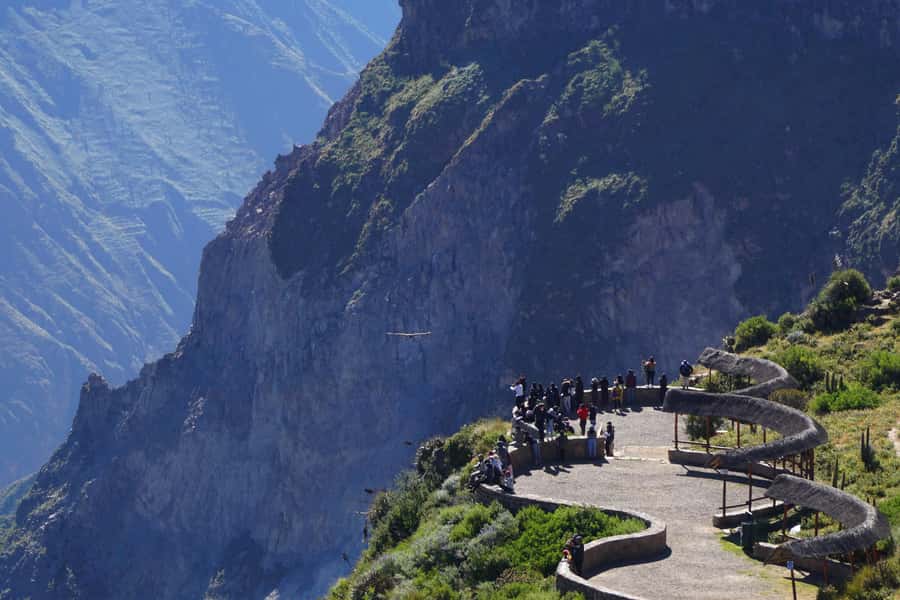
Most people come to Colca Canyon for the view from the Cross of the Condor. The trick is getting there early enough to have a real chance of seeing condors overhead. This tour handles that for you. You’re not left stitching together buses, shared shuttles, and timing between different offices.
The second smart move is finishing in Puno. That alone can save you a full travel day. Instead of returning to Arequipa and starting the next leg later, you keep the same day going with transfers and scenic stops on the way east.
Value-wise, you’re paying for transportation, an official guide, breakfast, and the Arequipa-to-Puno transfer. The only big mandatory extra is the Colca-related entrance ticket (more on that below). If you want Colca Canyon highlights without turning your vacation into a logistics project, this format is the point.
You can also read our reviews of more tours and experiences in Chivay
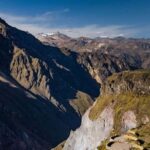
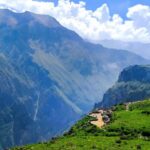
The 2:30 AM Start: Pickup Timing, Transport Comfort, and Altitude
Pickup starts around 02:30 and can run until 03:05, with the tour operator expecting you ready early. That means you’ll want to set your alarm twice and avoid relying on last-minute notifications. If you’re staying outside the central downtown pickup area, confirm your exact meeting point.
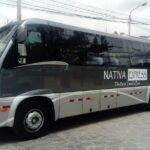
You’ll travel by shared minibus/minivan. The goal is comfort over speed, but it’s still a very long day. One past experience noted that the first stretch can feel less comfortable in a smaller vehicle, and guidance quality can vary by language coverage early on. My practical advice: if you need clear English explanations, ask in advance how narration will work during the morning portion.
Altitude is another factor. You’re in southern Peru’s high country all day, and the itinerary includes a high viewpoint at Patapampa (4,800 m / 15,000 ft.) later. This tour is not suitable for people with heart problems or for pregnant travelers, and it’s not recommended for very young children either. If you’re worried, take it seriously: plan slower breathing, hydrate, and tell the guide immediately if you feel unwell.
Colca Canyon Morning: Breakfast in Yanque/Chivay and the Cross of the Condor
After the early drive, you head toward the Colca Canyon region and stop for breakfast in Yanque or Chivay. This matters because Colca isn’t a slow stroll-through museum. You’ll be moving, standing, and looking for condors, and food early helps you stay steady.
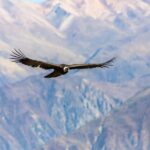
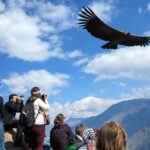
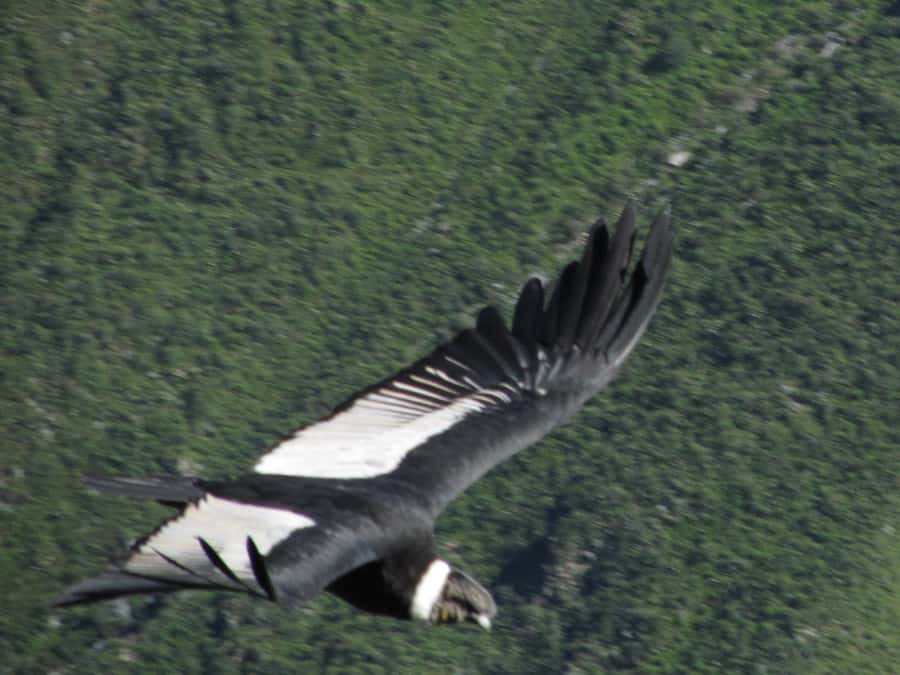
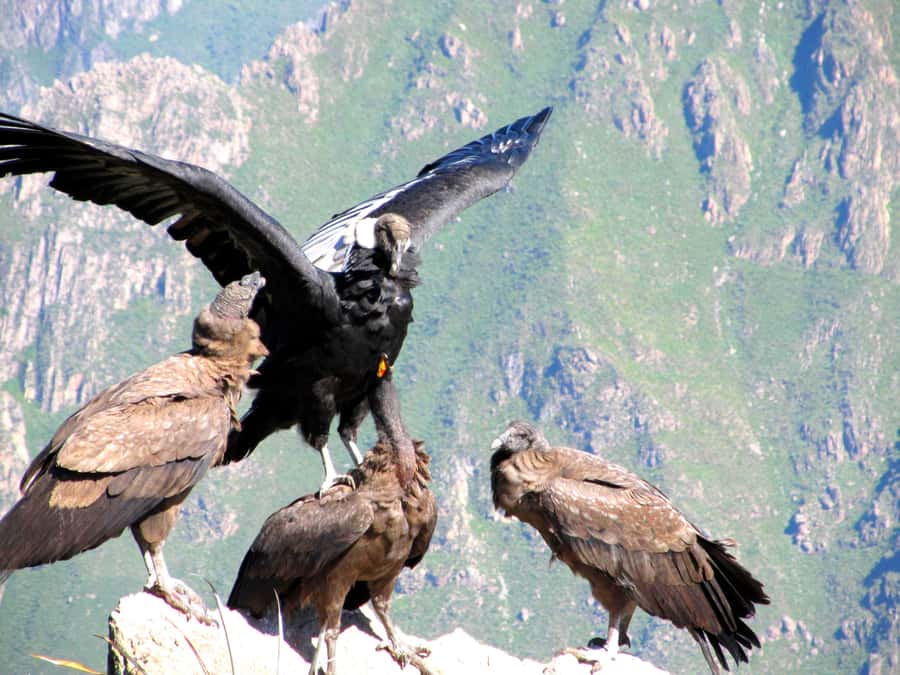
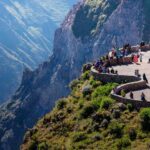
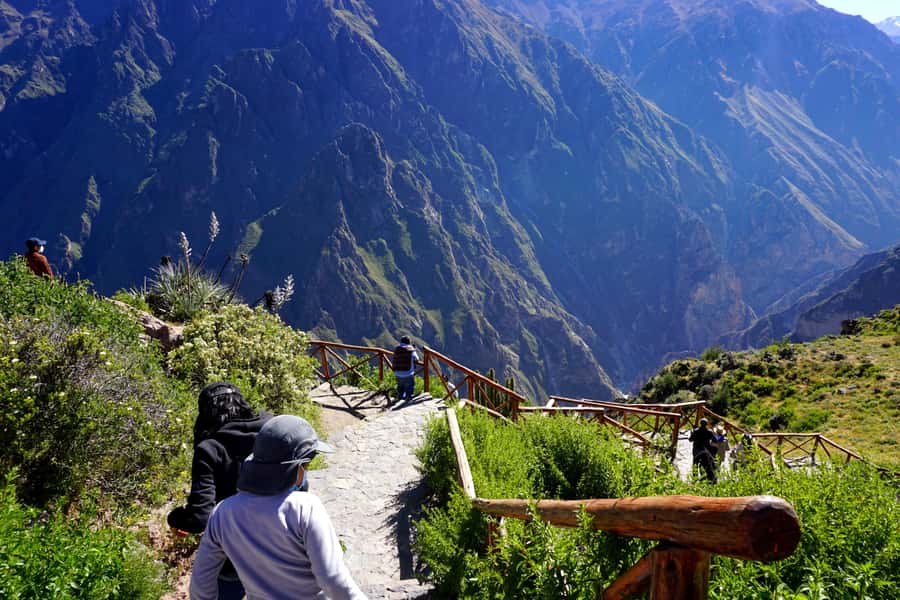
Then comes the main event: the drive toward the Cross of the Condor. You’ll arrive, and you’ll have about one hour there. That time window is key. Condors aren’t scheduled like a bus. A longer stay improves your odds, and it lets you find your spot—some people prefer the edge viewpoints with open sightlines, while others want slightly more sheltered footing depending on wind.
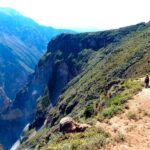
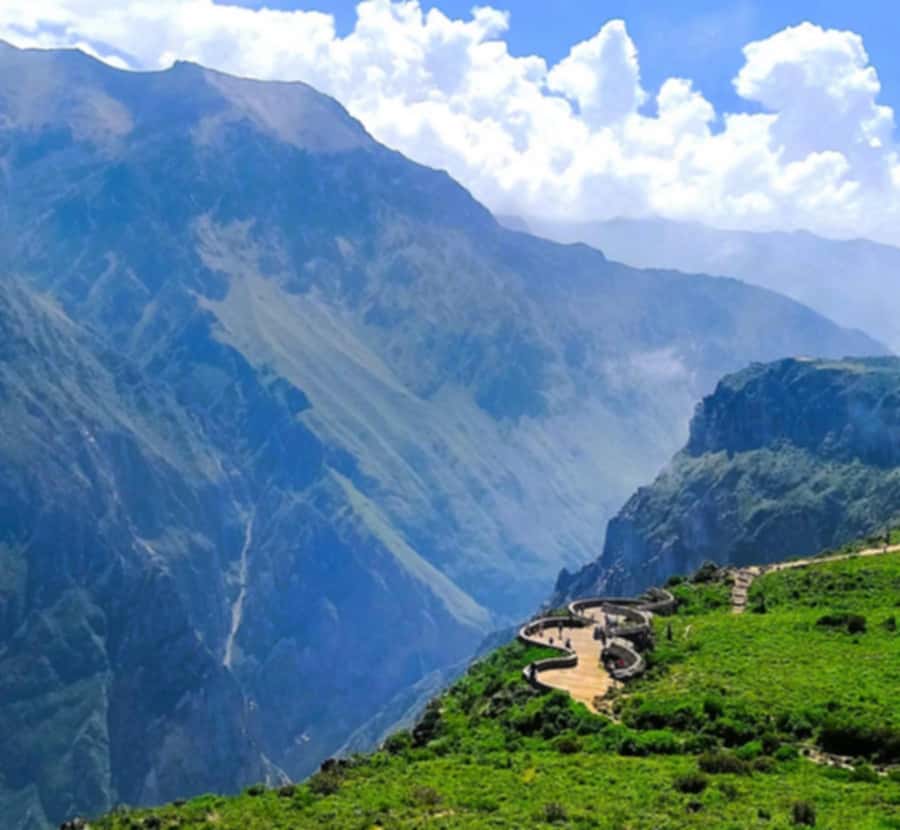
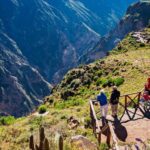
At the viewpoint, expect big canyon views and the thrill of watching condors glide when conditions cooperate. You also get a guided visit component, so you’re not just staring at rock walls. It’s the kind of stop where you’ll understand why this canyon became famous in the first place.
One drawback to keep in mind: on busy days, the group moves at a set pace. You can still enjoy it, but don’t expect a private viewing. If you want maximum flexibility for photos, use the hour to get angles early, then linger.
Maca, Yanque, and Town Stops: Terraces, Churches, and Real Andean Life
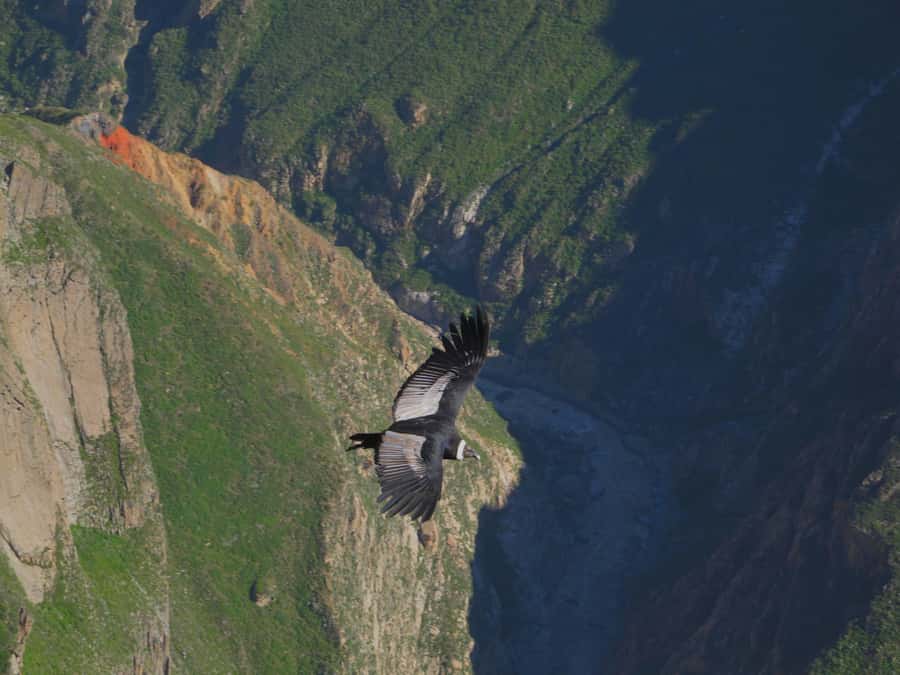
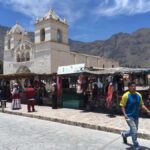
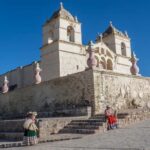
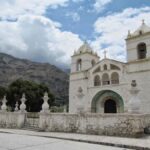
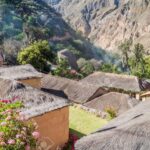
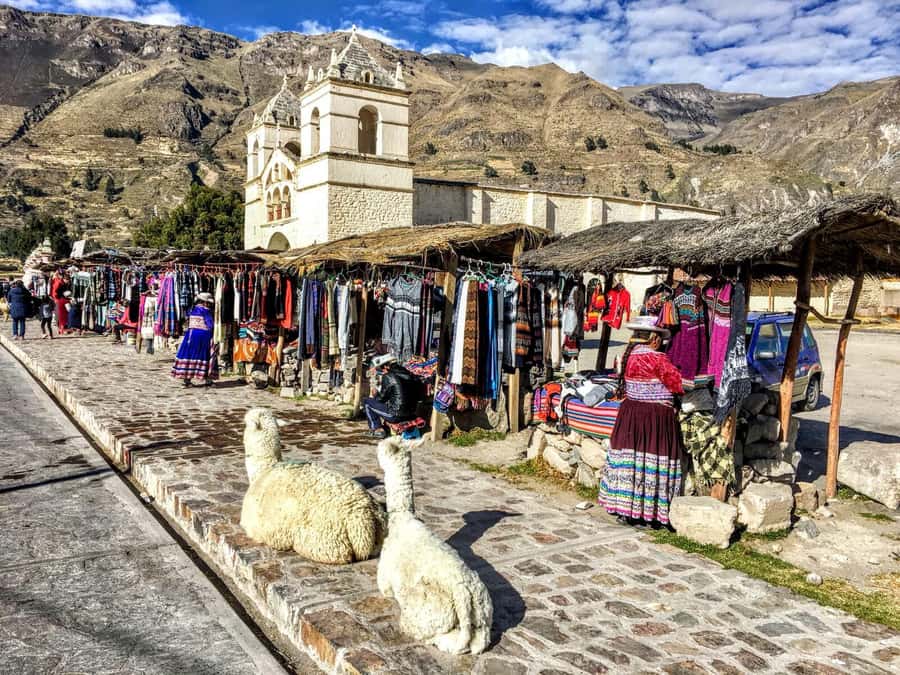
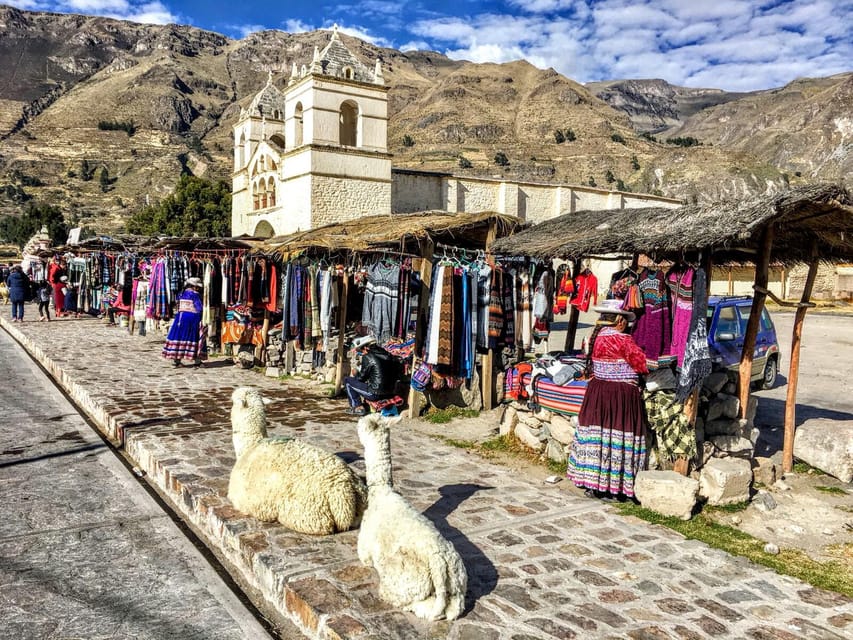
The Colca Canyon isn’t only about one famous viewpoint. Your tour includes stops in towns like Yanque and Maca, plus a guided component in the area. You’ll also see pre-Inca terracing still in use, with Andean crops like corn, quinoa, and kiwicha.
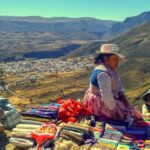
These stops are worth your attention because they add context. When you only focus on the condors, you might miss the point: this is a living farming landscape where communities keep working the land. Even if you don’t speak Spanish or Quechua, you’ll see how the day-to-day rhythm fits the scenery.
There’s also time for photo stops and sightseeing. The terrain is uneven, so wear shoes you trust on rocky ground. And if you’re sensitive to cold, bring a layer. Higher elevations can shift from sunny to chilly fast.
The one thing I’d watch: some of these town stops are time-limited. You’ll get a taste, not a long wandering session. If you’re the type who wants hours to explore independently, you might feel a little “time-boxed.” Still, for a one-day format, it’s a good mix.
Hot Springs at the Right Moment: Optional, Extra Fee, and Short Time
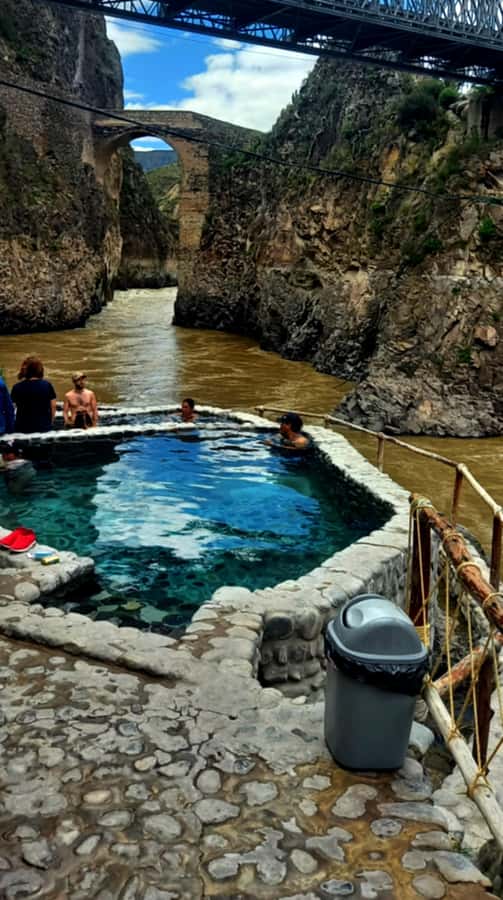
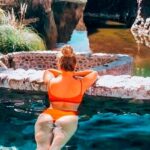
Later in the day, you get to a hot spring stop. The entrance fee is additional, and it’s optional, which is smart for people who want photos and time on the road rather than soaking.
You’ll have about 45 minutes once you enter the pools. That’s enough for a quick reset—especially after cold hours and long driving—but it’s not the kind of soak where you spread out with towels for hours.
If you’re thinking about using the hot springs, go with a simple plan: check the weather, bring a small towel if you have one, and don’t ignore how you feel after altitude. Heat can make some people feel better, but if you’re already lightheaded, keep it gentle and tell the guide.
You can also read our reviews of more tours and experiences in Chivay
The Ride to Puno: Patapampa Views and Pampa Cañahuas Wildlife
The second half of the day is all about the journey east to Puno. The tour includes several high viewpoints and nature stops, and they’re not random. They’re timed so you’re looking at big skies and animal activity when conditions are favorable.
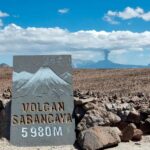
First up is Patapampa, the high pass viewpoint at 4,800 m. Here you get sweeping views of volcanoes and snow-covered mountains. It’s cold at elevation, so expect wind and plan accordingly.
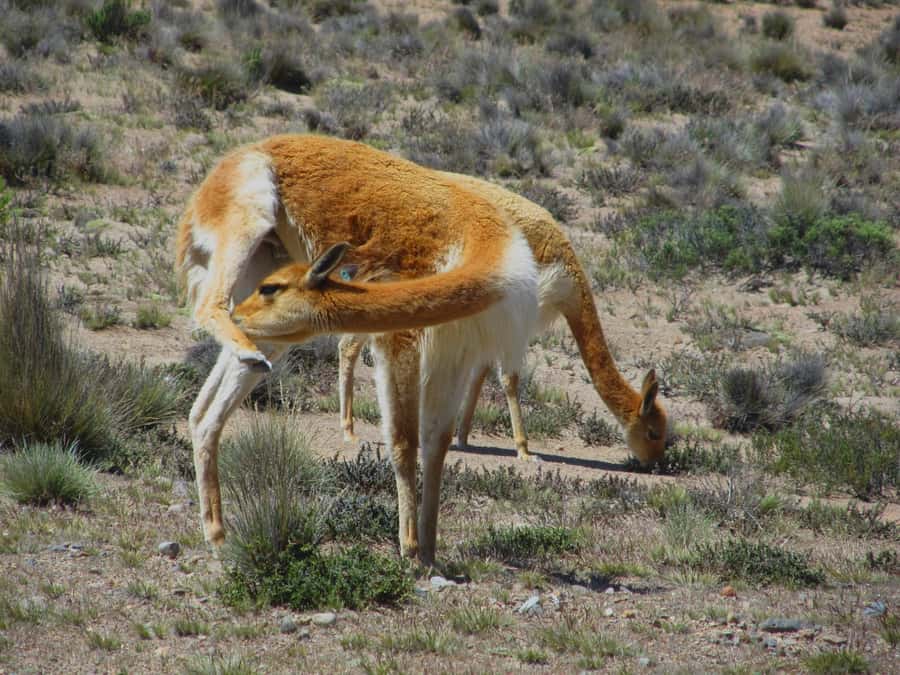
Then you enter Pampa Cañahuas National Reserve, where wildlife viewing is the focus. You might spot wild vicuñas, alpacas, and llamas, plus birds such as flamingoes, ibis, Andean cooze, ducks, and the Andean eagle called Kara Kara. Even if you don’t see everything, the reserve stop is still a memorable change of pace from canyon walls.
You’ll also have additional photo and break stops along the route, including Patahuasi and Lagunillas, and scenic viewing breaks at several labeled pull-offs (like Japutaña, Pampa de Toccra, and Antuyo). This is where the tour keeps momentum while giving you short chances to stretch and look around.
You’ll reach Puno city around 19:00 or earlier, and you’ll be dropped at the main square area (Plaza Mayor de Puno). That’s convenient because it puts you near the action for dinner and a first night.
Price and Value: $83 Doesn’t Include the Big Mandatory Ticket
At $83 per person, you’re paying for a lot: shared transport, an official guide, breakfast, hotel pickup from the central area, and the transfer onward to Puno. For many travelers, the value is the time saved. You’re effectively combining Colca Canyon sightseeing with a full-day move between two major bases.
The main extra cost you must plan for is the entrance ticket (listed as $19 USD, described as mandatory). Lunch isn’t included either, and hot springs are optional. If you add lunch and choose to soak, your total cost rises, but you’re still getting a long, structured day with guided stops.
One more cost in disguise is your energy. This is a 16-hour itinerary with early pickup and high elevation points. If you’re expecting a relaxed day trip, you’ll be disappointed. If you want maximum seeing with one paid plan, it’s a strong option.
Comfort, Language, and the Guide Experience You Should Expect
The tour includes an official guide, with English and Spanish available. That’s good on paper, but guidance quality can vary depending on how the morning portion runs and whether the guide is speaking to the whole group clearly.
A practical way to protect your experience: if you’re traveling in English and you care about commentary (not just photos), message ahead and ask how English will be handled during the early drive and first canyon stops. It can make the difference between a day you just survive and a day that actually teaches you something.
Also pay attention to vehicle size and engine noise. Earlier morning segments can feel louder and tighter in some vehicles. If you’re sensitive, bring earplugs. It sounds small, but it’s one of those comfort hacks that turns a grumpy start into a tolerable one.
Who This Tour Fits Best (and Who Should Skip It)
This day trip fits best if you:
- Want a true one-day Colca Canyon highlight plan
- Don’t want to coordinate multiple independent shuttles
- Are okay with a very early start and long hours
- Need to reach Puno the same day
It’s not suitable for children under 6, pregnant women, people with heart problems, or people over 95. Even for people who are generally healthy, altitude is a real factor at the high passes and viewpoint points.
If you’re traveling solo or in a small group, shared transport can feel slower, but it also spreads the cost. If you hate shared pacing and would rather wander freely, you might prefer a multi-day plan in the Colca area where you can move at your own speed.
Should You Book This Colca Canyon-to-Puno Day Trip?
Book it if you want the most efficient way to hit the Cross of the Condor, see Colca’s towns and terracing, and still land in Puno in the evening. The structure is the value: pickup, breakfast, guided stops, hot springs option, and then wildlife and high pass viewpoints on the road.
Think twice if you:
- Are very altitude-sensitive and don’t have a buffer for a long day at elevation
- Need consistently clear English guidance from start to finish
- Want a slow, unhurried experience with lots of free wandering time
If you decide to go, come prepared for the grind: layers for Patapampa cold, comfortable shoes, water, and a realistic mindset that condors and good photos depend on timing and conditions.
FAQ
What time does pickup start in Arequipa?
Pickup starts between 02:30 and 03:05. The tour includes pickup from the central downtown area, otherwise you may meet at a specified meeting point.
How long is the full trip from Arequipa to Puno?
The total duration is 16 hours.
Where do we have breakfast and lunch?
Breakfast is taken in Yanque or Chivay. Lunch is in Chivay town.
How much time do we get at the Cross of the Condor?
You spend about one hour at the Cross of the Condor viewpoint.
Are the hot springs included?
No. Hot springs are optional and require an additional entrance fee. When you enter, you have about 45 minutes.
What wildlife viewing stops are included on the way to Puno?
The route includes stops at Pampa Cañahuas National Reserve where you may see vicuñas, alpacas, llamas, and birds such as flamingoes, ibis, Andean cooze, ducks, and Kara Kara.
What is the drop-off location in Puno?
You are dropped off in the city center of Puno at the main square (Plaza Mayor de Puno).
Is the entrance ticket included in the price?
No. The entrance fee ticket is listed as mandatory and not included, at $19 USD. Lunch and hot springs are also not included (hot springs are optional).