REVIEW · CHIVAY
Colca Canyon Day Trip: From Arequipa to Puno
Book on GetYourGuide →Operated by Todo Turismo · Bookable on GetYourGuide
Canyon day begins before your alarm. This 16-hour Colca Canyon trip from Arequipa strings together Cruz del Cóndor views, a Chacapi soak break, and an end-of-day transfer to Puno.
I love how the schedule zeroes in on the big moment: arriving around 08:30 at Cruz del Cóndor, in the condor sanctuary above one of the world’s deepest canyons. I also like the nature pause at Chacapi thermal baths, plus the chance to look around smaller Colca towns and viewpoints on the return loop.
The trade-off is the pace. Pickup is around 02:30–03:00, and you’ll spend a long stretch on vehicles to fit in viewpoints, churches, tomb viewpoints, and hot springs. If you need lots of downtime, expect a tight day and pack for the early start.
In This Review
- Key things you’ll notice right away
- What This Colca Canyon to Puno Day Trip Actually Gives You
- Price and Value: Where the $80 Covers Real Work
- The Very Early Start From Arequipa (and Why It Matters)
- Cruz del Cóndor Viewpoints: The Condor Sanctuary Moment
- Return Loop Through Colca Villages, Churches, and Tomb Viewpoints
- Chacapi Thermal Baths: A Scenic Break You’ll Feel in Your Legs
- Lunch in Chivay, Then the Run Up to 4,910 Meters
- Tocrapampa Wetlands and Pampa Cañahuas for Vicuñas and Wild Birds
- Arriving in Puno and the Lake Titicaca Finale
- Group Pace, Guide Style, and How to Avoid Friction
- Best Fit for You: Who Should Book This One-Day Route
- Should You Book This Colca Canyon Day Trip to Puno?
- FAQ
- How early do they pick you up in Arequipa?
- How long is the Colca Canyon day trip?
- What’s included in the $80 per person price?
- Is lunch included?
- Do I have to pay an entrance ticket for Colca Canyon?
- Are the thermal baths included?
- What language is the tour guide?
- What time do you arrive in Puno?
- Is free cancellation available?
Key things you’ll notice right away
- Cruz del Cóndor timing: you reach it around 08:30, when the canyon views are still fresh
- Chacapi thermal baths: a scenic pool break (with an optional entrance fee)
- Return loop in Colca villages: Pinchollo, Maca, and Yanque plus viewpoints like Antahuilque and Choquetico
- High-altitude stop: a volcano viewpoint at 4,910 meters
- Wildlife viewing time: Tocrapampa wetlands, then Pampa Cañahuas for vicuñas
- You finish in Puno: the tour ends in the city with a Lake Titicaca stop
What This Colca Canyon to Puno Day Trip Actually Gives You
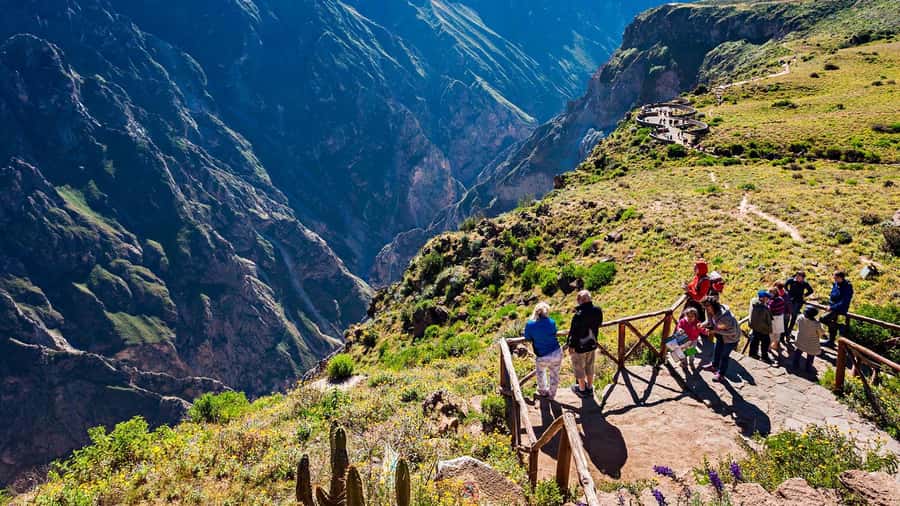
This is not a slow, stay-overnight Colca experience. It’s a straight-through day route designed to get you canyon views first, then hot springs, then continue onward to Puno by evening. If your trip is tight and you still want Colca Canyon and Lake Titicaca in one shot, this is built for that.
The best part is the “two-world” feeling. You start in a deep canyon viewpoint zone, then shift to thermal pools and colonial-town stops, then end with Andean wetlands and vicuñas, and finally reach Puno and the lake setting. It’s a lot of scenery for one day, even if it means you’re mostly on the move.
You can also read our reviews of more tours and experiences in Chivay
Price and Value: Where the $80 Covers Real Work
At $80 per person for about 16 hours, you’re paying for transportation, a guide, and the long-distance transfer to Puno. Included items are hotel pickup, an official guide, breakfast, tourist mobility, and the transfer from Colca to Puno.
What’s not included matters. The Colca Canyon entrance ticket is an extra cost (for foreigners S/. 70, nationals S/. 20, Latinos S/. 40). Lunch is also not included, and the thermal baths entrance is S/. 15 and optional. So your true day cost depends on whether you pay for canyon entry and whether you use the hot springs ticket.
Still, the value holds if you factor what you avoid: you don’t need separate buses from Arequipa to Colca and then on to Puno. The tour is doing that heavy logistics work, plus it stacks the route with multiple viewpoints so you’re not paying extra for extra travel days.
The Very Early Start From Arequipa (and Why It Matters)
Pickup runs from about 02:30 to 03:00 AM, with the first leg heading toward Cruz del Cóndor. You’ll stop only for breakfast on the way, then continue directly to the canyon viewpoint area.
Why start this early? Because the schedule is designed so you arrive at Cruz del Cóndor at about 08:30. That timing is the difference between seeing a canyon when you’re still awake and seeing it after the day has already worn you out. It also helps you beat the busiest parts of the day at key viewpoints.
Practical tip: treat the morning like a mini-expedition. Bring water, a warm layer, and something small to snack on, even if breakfast is included. You’ll appreciate the extra buffer during vehicle time, especially before lunch in Chivay.
Cruz del Cóndor Viewpoints: The Condor Sanctuary Moment
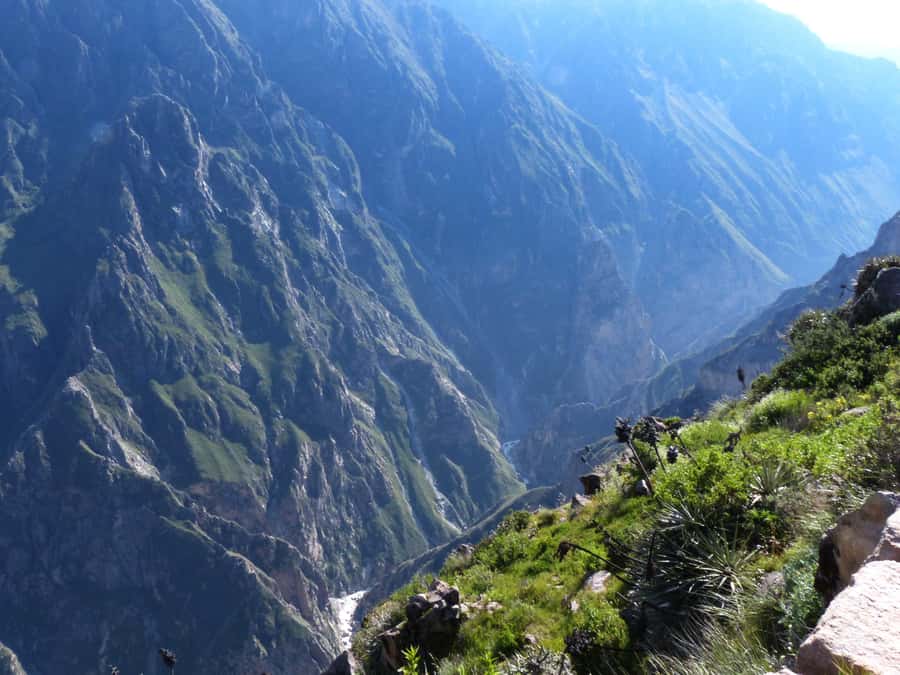
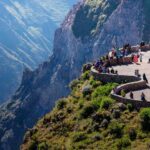
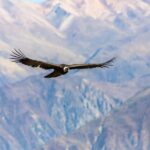
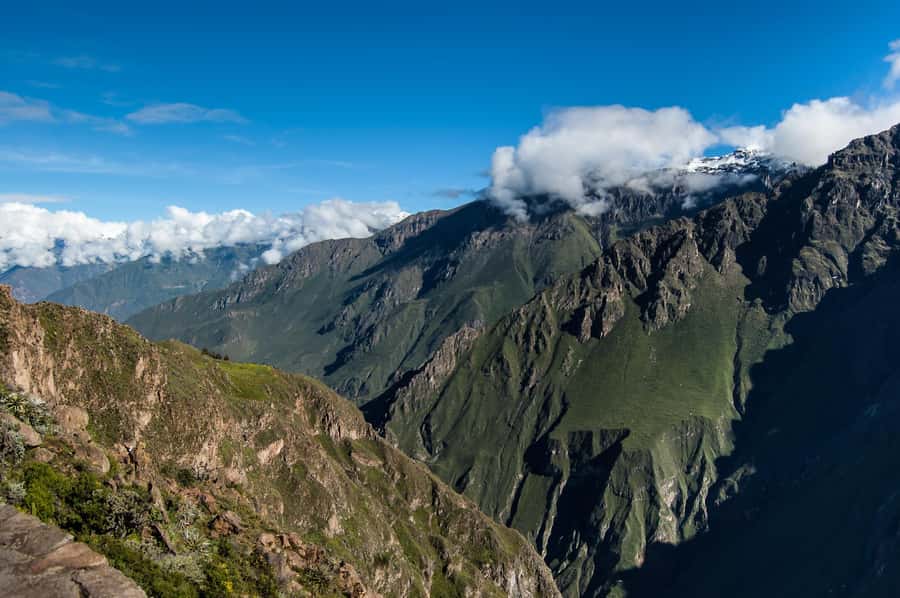
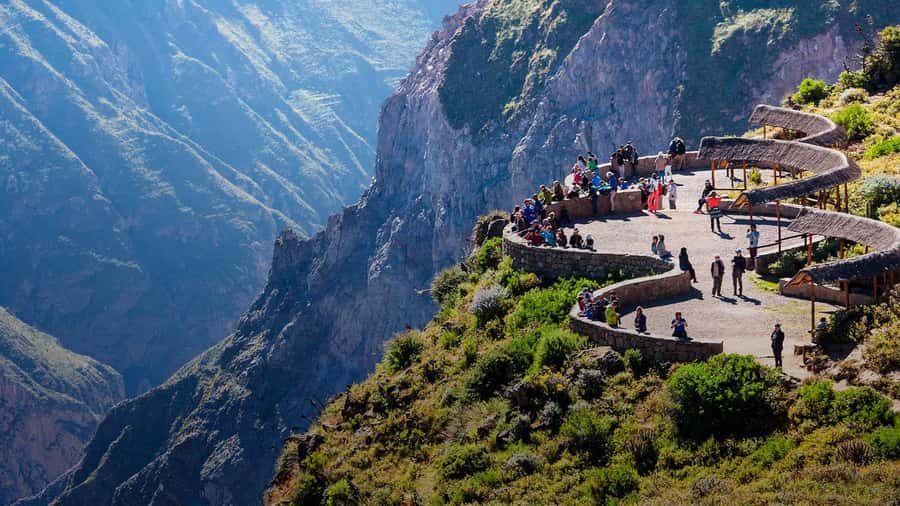
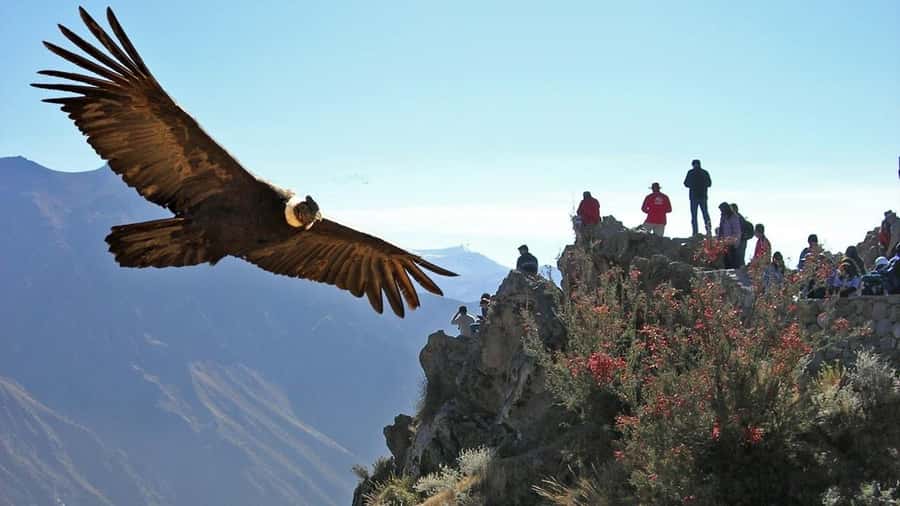
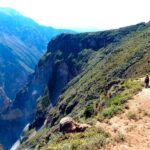
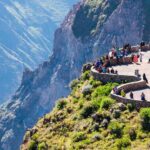
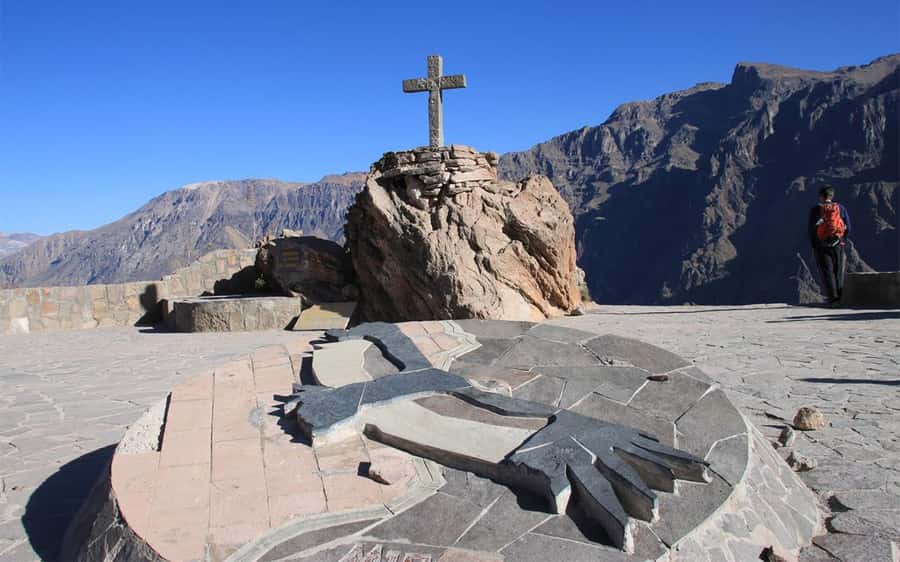
Around 08:30 AM, you reach Cruz del Cóndor, one of the signature spots for canyon depth and the condor sanctuary area. This is where the trip earns its reputation. The canyon is the main character here, and the viewpoint is set up so you can really read the scale of what you’re looking at.
One thing I appreciate about this route is that the canyon visit is the first big stop, not a late-day add-on. After hours of driving and altitude changes, people get tired fast. Starting with Cruz del Cóndor means you’re more likely to fully enjoy the viewpoints instead of just surviving them.
If you’re the type who gets cold easily, plan for it here. The tour reaches the canyon in the morning, and high-altitude air can feel sharp even when the sun is up. Dress for comfort so you can stay at the viewpoint long enough to take it in.
Return Loop Through Colca Villages, Churches, and Tomb Viewpoints
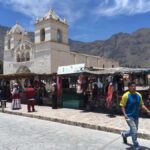
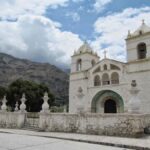
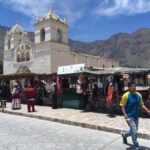
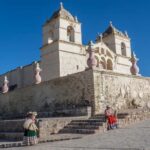
On the way back from Cruz del Cóndor, the tour adds several stops that turn the day from one scenic pullout into a real route. You’ll pass through towns including Pinchollo, Maca, and Yanque, and you’ll see colonial churches along the way.
Then you move into viewpoint time again at Antahuilque and Choquetico. These stops are described as places where you can observe pre-Incan tombs and models, with terrace-filled views of the canyon area. Even if you don’t go deep on the archaeology at every viewpoint, it’s worth slowing down for a minute. You’re looking at how people shaped the valley long before modern roads and viewpoint platforms.
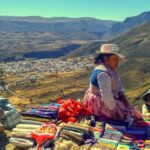
You’ll also get a cultural slice as part of these stops: traditional costumes, camelids, and trained birds. And in Sancayo, the tour includes traditional drinks such as Colca Sour made in Sancayo. It’s not just scenery day. You get the feeling of local life moving through the canyon region.
Chacapi Thermal Baths: A Scenic Break You’ll Feel in Your Legs
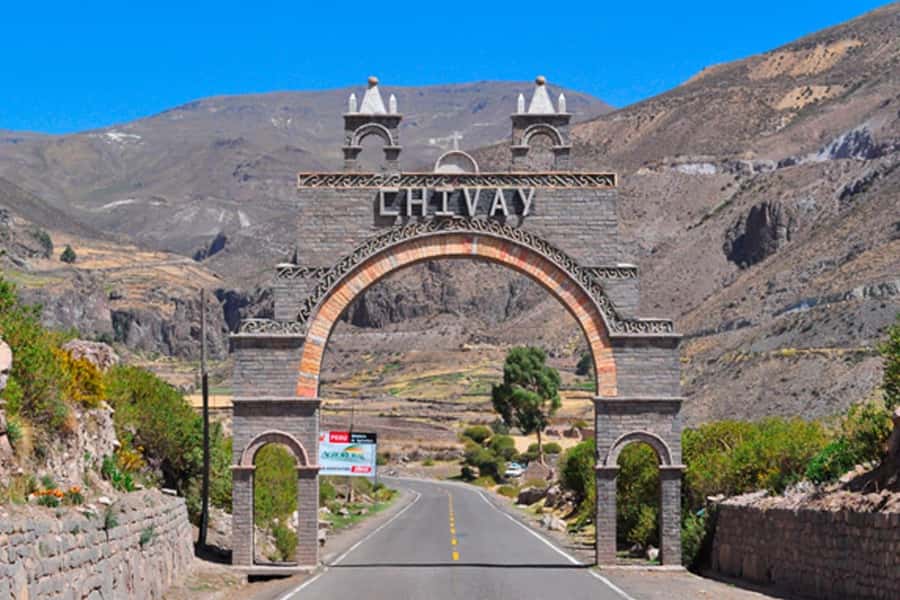
At about 11:30 AM, you head to the thermal baths of Chacapi. These are natural pools with scenic views, and the tour builds in this break before the longer run toward Puno.
The thermal baths entrance is listed as optional (S/. 15). That gives you a choice: you can treat it as a full stop, or you can skip it if you’re more into saving money or keeping time tight. Either way, the fact that the schedule includes a hot-springs window is a big plus on a long day.
Why it works in the itinerary: Chacapi happens before lunch and before the highest point viewpoint later on. So if your body is already starting to complain from altitude and walking at viewpoints, this is the moment to reset. Think of it as a controlled timeout in the middle of a marathon day.
Lunch in Chivay, Then the Run Up to 4,910 Meters
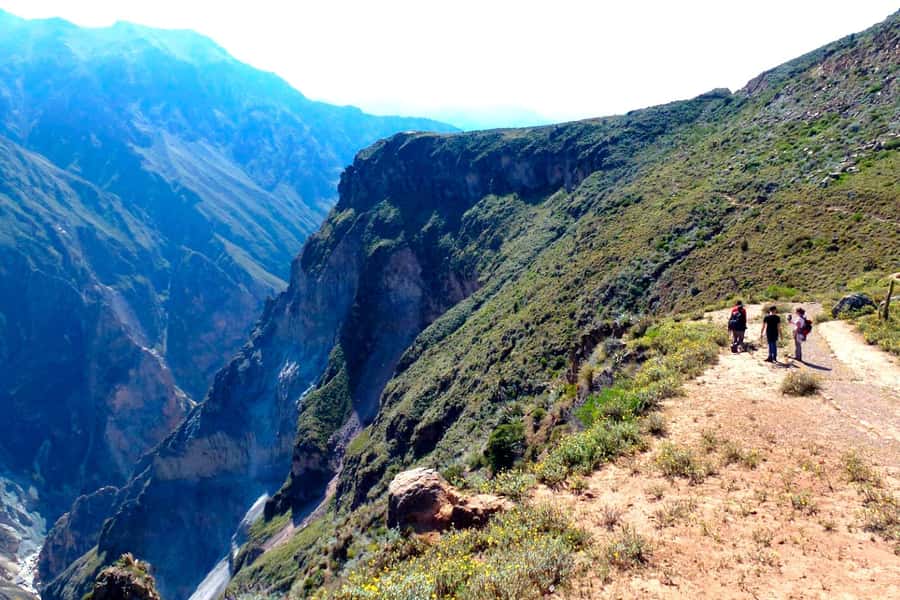
Lunch is scheduled around 12:30 PM in Chivay, with about one hour for food before you board another vehicle toward Puno. Lunch is not included, so you’ll want to plan for buying your own meal there.
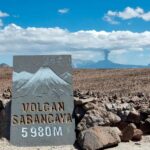
From there, the tour continues with a stop at a volcano viewpoint, described as the highest point on the route at 4,910 meters. This is the kind of stop that can be a quick photo moment or a short breathing check, depending on how you feel at altitude.
I like that the schedule doesn’t pretend this day is easy. You go from canyon viewpoints up into high elevations, then move to wetlands and reserve areas. It’s a lot of vertical effort in one day, so having the lunch window beforehand is practical.
Tocrapampa Wetlands and Pampa Cañahuas for Vicuñas and Wild Birds
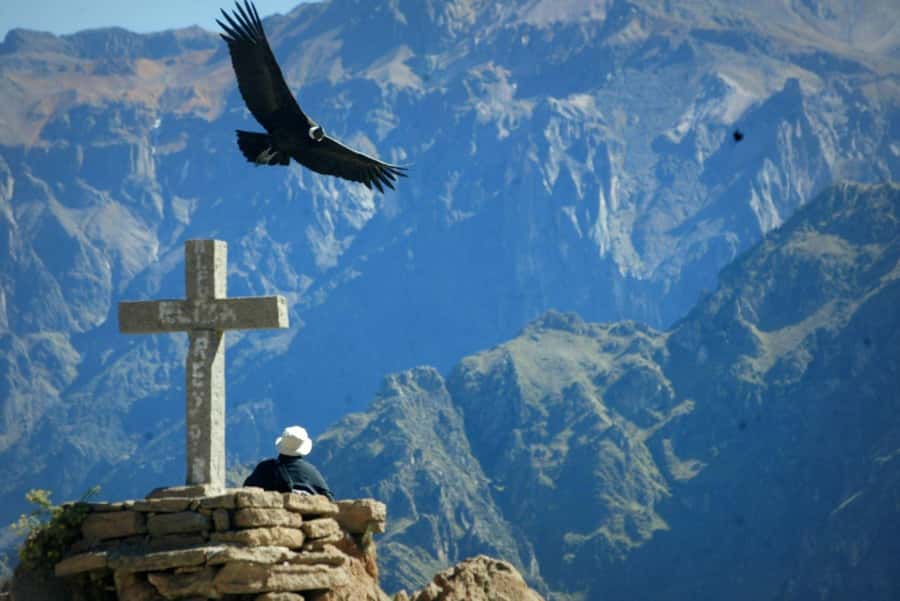
After the volcano viewpoint, you stop at Tocrapampa wetlands, where you can observe diversity of wild birds, plus herds of alpacas and llamas. Then the route heads to Pampa Cañahuas, where you’ll see herds of vicuñas. This area is part of the Aguada Blanca and Salinas National Reserve.
If vicuñas are on your wish list, this is the right kind of stop. You’re not just driving past them. The itinerary specifically sets time for seeing vicuñas in their reserve setting, and it pairs that with wetlands and birds. It makes the late-day portion feel like more than just transportation.
Near Puno, the tour also includes high Andean lagoons. That’s a helpful wrap-up touch, because it shifts you from canyon and village sights into lake-country visuals. By then, you’ll usually feel the day catching up, so it helps that the scenery changes again.
Arriving in Puno and the Lake Titicaca Finale
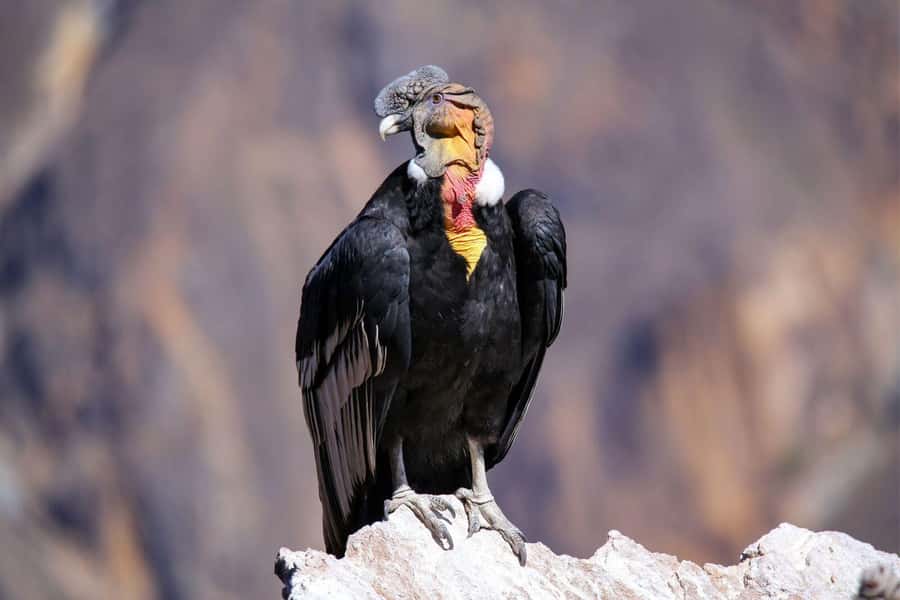
You arrive in Puno at about 7:00 PM. The day-trip highlight says the tour includes visiting Lake Titicaca at the end, so this is the final payoff after a long route.
This is also where the transfer value becomes real for your itinerary. You’re not forced to find your own way from Colca to Puno on a schedule that may or may not line up with your other plans. The tour is doing the handoff for you.
One practical note: because you’re arriving late in the evening, you’ll want to have your Puno lodging sorted ahead of time. Keep your first-night plans low-key. You’ll likely be tired, but in the satisfying way, the kind where you fall asleep quickly after seeing something big.
Group Pace, Guide Style, and How to Avoid Friction
The tour is built for groups and long-distance movement, and that comes with a couple of realities. First, the pickup is very early, so everyone’s day starts before normal breakfast time. Second, there are multiple viewpoint stops, so the rhythm is: arrive, look, listen, move on.
The guide is listed as live and bilingual (Spanish and English). That’s good for clarity at viewpoints and when you’re traveling between stops. On the flip side, one of the caution points from the experience is that the guide may spend a lot of time speaking, so if you prefer quiet photo time, you’ll want to pick your moments to step back and just look.
Also, meeting logistics can be tricky on early mornings. I suggest confirming your exact pickup point with Todo Turismo the day before, so you’re not searching for the van at 02:50 AM. A clear meeting point saves energy, and energy is the currency of this tour.
Best Fit for You: Who Should Book This One-Day Route
This Colca Canyon to Puno day trip suits you if you want maximum scenery without adding a second travel day. It’s also a good fit if you’re comfortable doing lots of driving and you enjoy viewpoint hopping, cultural village stops, and wildlife viewing in a single day.
It’s less ideal if you hate early starts, struggle with altitude, or want a slower pace with long stays at each place. The day stacks a lot: Cruz del Cóndor, multiple viewpoints, Chacapi thermal baths, lunch in Chivay, then a 4,910-meter viewpoint, wetlands, reserve land for vicuñas, and then Puno late.
If you’re a “one big thing per day” traveler, this might feel like a blur. But if you’re the “I’ll take the whole route” type, you’ll probably love the packed itinerary.
Should You Book This Colca Canyon Day Trip to Puno?
I’d book it if you meet two conditions: you can handle an early pickup, and you’re excited by a canyon-plus-wildlife route that ends with Puno. The combination of Cruz del Cóndor, optional Chacapi thermal baths, reserve-area wildlife viewing (including vicuñas), and the built-in transfer to Puno is hard to replicate cheaply and easily on your own in one day.
Before you click confirm, budget for extra fees: the Colca Canyon entrance ticket is not included, lunch is not included, and hot springs entry is optional with an additional cost. Also, plan your Puno night like it’s a recovery night. You’ll be glad you did.
FAQ
How early do they pick you up in Arequipa?
Pickup is scheduled between about 02:30 and 03:00 AM, with passengers collected from various hotels.
How long is the Colca Canyon day trip?
The duration is listed as 16 hours.
What’s included in the $80 per person price?
Included are hotel pickup, an official live tour guide, tourist mobility/transportation, breakfast, and the transfer from Colca to Puno.
Is lunch included?
No. Lunch in Chivay is scheduled for about one hour, but it’s not included in the price.
Do I have to pay an entrance ticket for Colca Canyon?
Yes. The entrance ticket to the canyon is not included. It’s listed as S/. 70 for foreigners, S/. 20 for nationals, and S/. 40 for Latinos.
Are the thermal baths included?
The tour includes a visit to the Chacapi thermal baths area, but the entrance ticket is listed as optional for S/. 15.
What language is the tour guide?
The live tour guide is available in Spanish and English.
What time do you arrive in Puno?
You arrive in Puno at approximately 7:00 PM, with the end of the tour tied to Lake Titicaca.
Is free cancellation available?
Yes. You can cancel up to 24 hours in advance for a full refund.