REVIEW · CHIVAY
From Arequipa Trek : 2-Days of Hiking in the Colca Canyon
Book on GetYourGuide →Operated by AREQUIPA EXPLORER Y ACTIVIDADES TURISTICAS · Bookable on GetYourGuide
Two days, one huge view. This Colca Canyon trek is all about going high for the condors, then dropping deep to see the canyon’s scale up close, before climbing back with the sunrise. You’ll finish with Chivay hot springs, so your legs get a little payback after the work.
I love the mix of trail time and real stops. The descent toward Sangalle Oasis is long enough to feel like a proper hike, and the lunch in a small community adds that grounded, everyday Peru touch.
I also like that you’re not stuck in a huge herd. It’s a small group (up to 18) with a bilingual guide, which matters when paths get steep and uneven.
One consideration: this is not a casual walk. The trail has steep, uneven sections, and some parts can feel exposed, especially if you have vertigo or low fitness.
In This Review
- Key things to know before you go
- The Big Idea: Colca Canyon in Two Days, Canyon-Top to Canyon-Bottom
- Price and Logistics: What the $21 Usually Covers (and What You Still Pay)
- Day 1: Condors at Cruz del Cóndor, Then the Descent Toward Sangalle
- Cruz del Cóndor viewpoint stop
- Down to San Miguel and into the canyon
- Lunch with a local family in San Juan de Chuccho
- The last push to Sangalle Oasis
- Sangalle Oasis Night: Pools, Recovery, and the Reality of Trek Lodging
- Day 2: Early Sunrise Climb, Antahuilque Terraces, and Hot Springs in Chivay
- Breakfast and the return to Cabanaconde
- Antahuilque viewpoints and terrace views
- Thermal baths and the Chivay hot spring reward
- Cruz del Cóndor: Condors, Timing, and How to Make the Most of Your Time
- Pace, Safety, and Trail Difficulty: What You Need to Plan For
- Who This Trek Suits Best (and Who Should Think Twice)
- Should You Book This Colca Canyon 2-Day Hike?
- FAQ
- What is the duration of this Colca Canyon trek?
- Where does the tour start and end?
- What time does Day 1 start?
- How big is the group?
- Are the guides English-speaking?
- What additional costs do I need to pay on the tour?
- What should I bring?
- Is free cancellation available?
Key things to know before you go
- Cruz del Cóndor (3,600 m) is your condor moment, with about 40–50 minutes on site to watch and photograph.
- Sangalle Oasis pools are a real morale boost after the long descent and the next-day return climb.
- Two very different days: one long downhill approach, then an early-morning climb back up while the sunrise lights the canyon.
- Altitude is part of the job: you’ll be moving between roughly 1,900 m and 4,190 m.
- Bring for the basics: comfortable shoes, water, snacks, and plan for a cold night feel and a simple overnight setup.
The Big Idea: Colca Canyon in Two Days, Canyon-Top to Canyon-Bottom
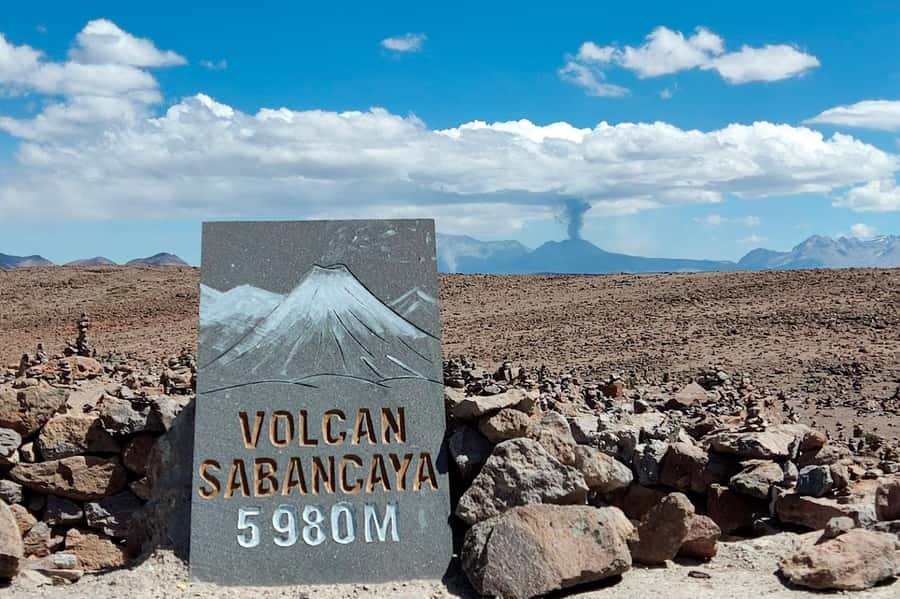
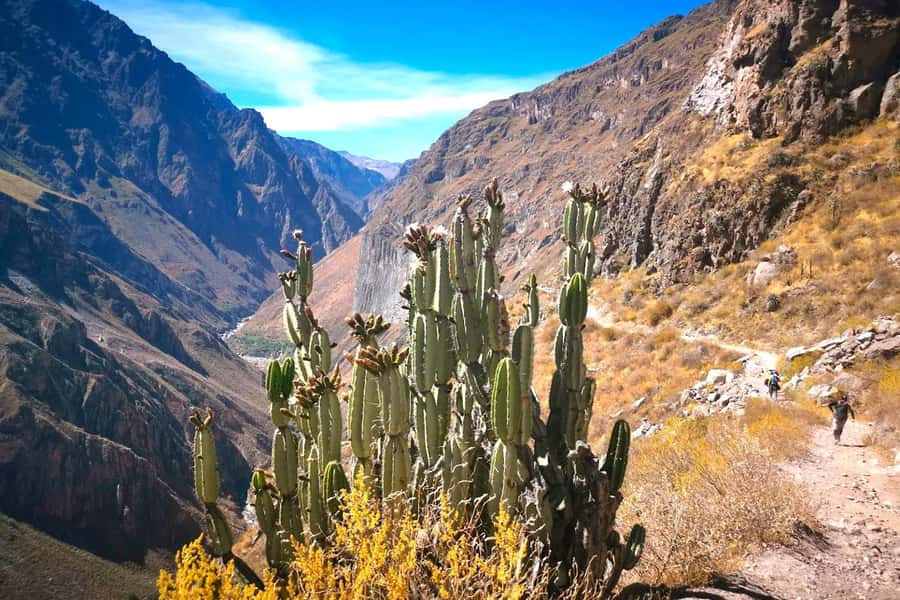
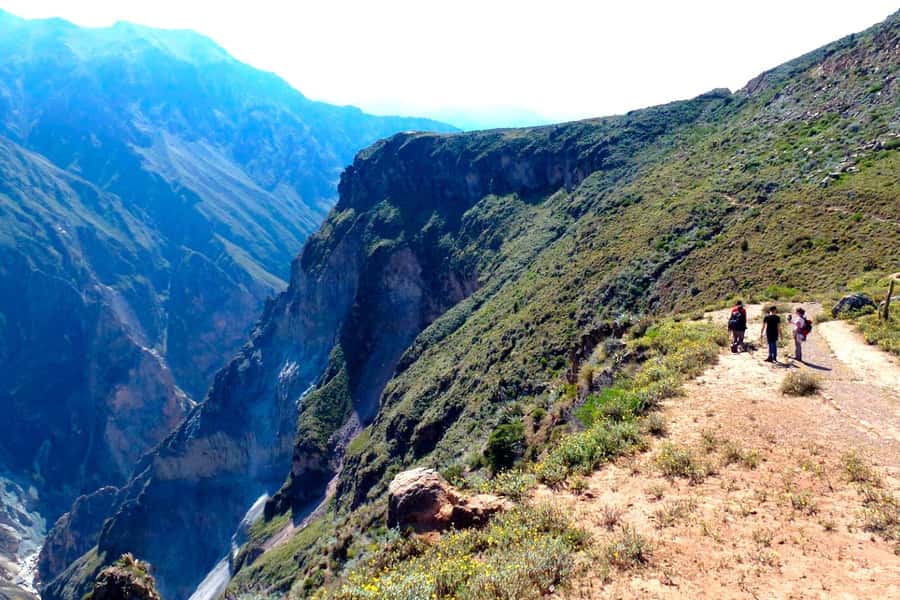
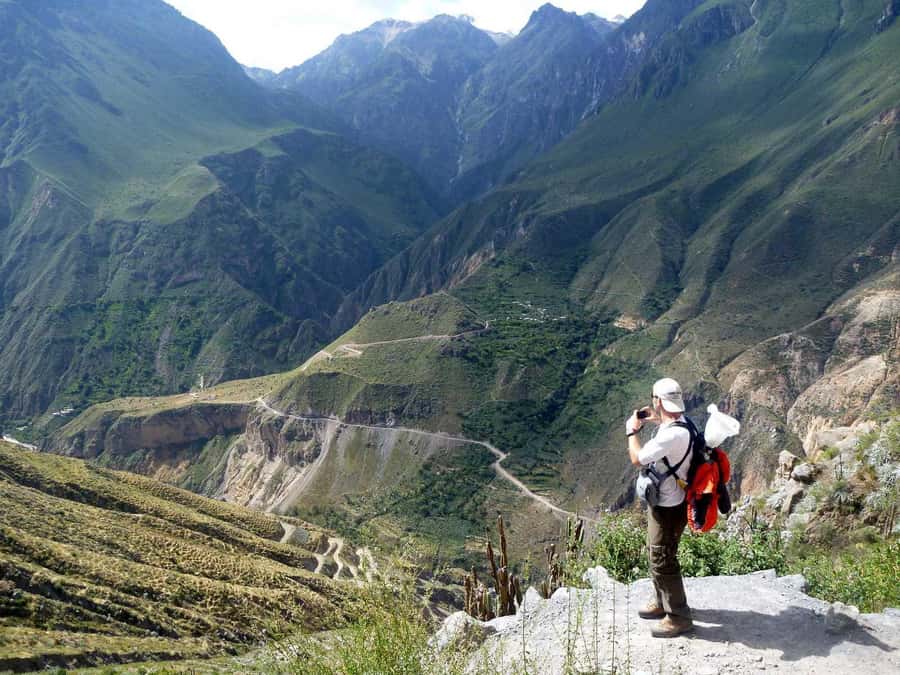
The Colca Canyon is famous for being massive, and this trek is one of the better ways to understand that scale in a short time. You don’t just look from far away. You go down into the canyon to see how people farm terraces on steep slopes, then climb out again the next day.
Day 1 sets the tone: you start early in Arequipa, ride out to the Colca area, stop at condors, then begin a long descent through changing vegetation and terrain. Day 2 flips the script with an early start hike back upward toward Cabanaconde levels, using the sunrise as your “visual reward” while your legs do the real work.
This format also makes the overnight at Sangalle feel meaningful. You’re not sleeping somewhere random—you’re right in the area where the canyon breathes, with pools that give your body a chance to recover.
You can also read our reviews of more hiking tours in Chivay
Price and Logistics: What the $21 Usually Covers (and What You Still Pay)
The listed price is $21 per person, and what that really means is you’re paying for the core tour components: round-trip transportation between Arequipa and the Colca, plus a professional guide in English and Spanish.
But you also need to plan for the on-the-ground costs. You’ll pay $90 (or 320 soles) in cash at the start of the tour to cover food, lodging, and an entrance ticket. There’s also an optional extra for hot springs: $5 (or 15 soles) if you want the hot spring entrance.
So the honest value picture is this: the trip can be a strong deal if you arrive ready to cover that additional cash and you take the hiking seriously. What you’re getting is a full two-day program with transport, bilingual guidance, and time in the canyon bottom, not just a short walk and a quick viewpoint stop.
If you’re the type who hates surprise cash payments while on the move, budget the $90 upfront and keep it in your daypack or accessible pocket. It removes stress.
Day 1: Condors at Cruz del Cóndor, Then the Descent Toward Sangalle
Day 1 starts with a very early pickup in Arequipa at 03:00. That early start isn’t just for convenience—it fits the rhythm of the Colca area, where you want daylight for viewpoints and a realistic hike schedule.
Cruz del Cóndor viewpoint stop
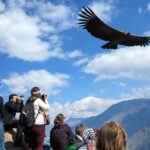
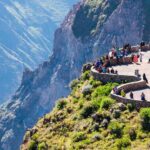
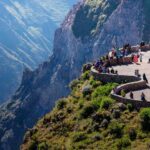
You’ll first head to Mirador Cruz del Cóndor at around 3,600 m. Expect about 40 minutes there: guided time plus free time to look and take photos.
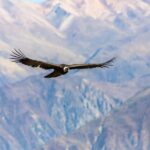
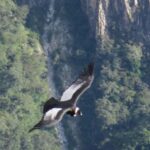
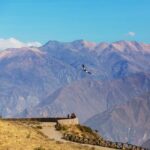
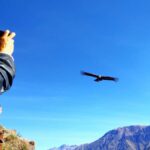
This is the high point of the day in the sense that your senses go wide. The whole point is to watch for Andean condors as they ride the thermals. Even if condors are quiet, you still get dramatic canyon views, and the air at that altitude feels thin and crisp.
Practical tip: wear a hat and sunscreen even on a cool morning. You’ll be standing still long enough for sun to sneak up on you.
Down to San Miguel and into the canyon
After the condor stop, you ride to San Miguel (around 3,200 m). You’ll organize your backpack for the hike, then begin the descent.
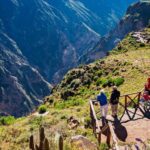
That first phase is the one you’ll feel most. The route takes you down for about 3 hours, with views of canyon depth plus flora and fauna changes as elevation drops. You’ll cross a bridge to the community of San Juan de Chuccho at roughly 2,230 m.
You can also read our reviews of more tours and experiences in Chivay
Lunch with a local family in San Juan de Chuccho
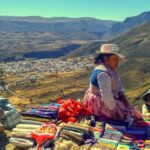
Lunch is part of the package: you eat in a local family home after about 3 hours of descent time. The value here is simple. Instead of treating the canyon like a theme park, you’re stepping into the human rhythm of the area—food, conversation, and a brief reset.
The last push to Sangalle Oasis
After lunch, you walk again for about 3 more hours to reach Sangalle Oasis at around 1,900 m.
This is where the trek starts to feel like a real journey rather than a series of stops. You’ll notice how the canyon changes as you go deeper. And when you finally reach Sangalle, it’s not just “arrival”—it’s recovery mode. You’ll have time to enjoy the pools, visit the area, and settle in for dinner and your overnight stay.
Sangalle Oasis Night: Pools, Recovery, and the Reality of Trek Lodging
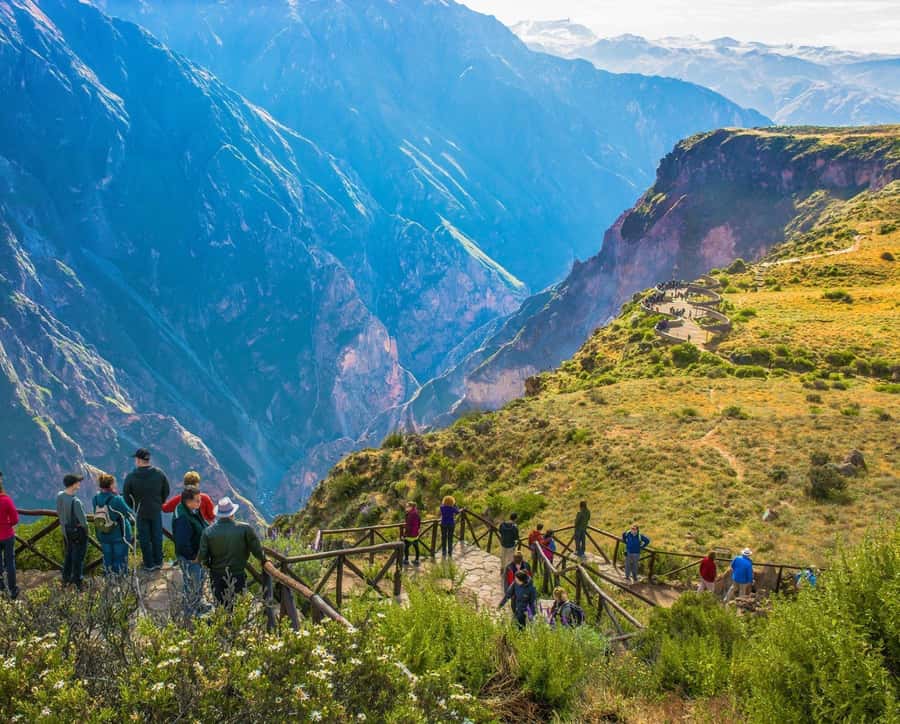
Sangalle is where this trek earns its “two days” reputation. You don’t just hike and then get shuttled away. You get a place designed for hikers, with nature and pools that can turn your mood around after a long day.
Dinner time comes after you arrive, and you’ll sleep locally overnight. One thing I’d plan for: the overnight setup can be basic for the price. You might find limited comfort details like fewer amenities than you’d expect at a hotel level. Bring what you’ll need for comfort, and don’t assume charging outlets or private bathroom-style convenience.
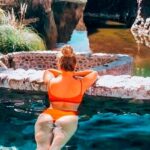
The good news is that even if the lodging is simple, the pools matter. A swim—or even just soaking your legs—helps you reset before the early climb the next day.
Day 2: Early Sunrise Climb, Antahuilque Terraces, and Hot Springs in Chivay
Day 2 begins early in the dark. The day’s hike takes you up toward the highest part of the canyon area for about 3 to 4 hours, and you’ll start at night so you can see the sunrise while you climb.
That sunrise timing changes the experience. You’re not just grinding uphill. You’re also watching light roll across the canyon walls, making the depth feel even more dramatic than it did on the descent. It’s one of those “I can’t believe I’m doing this” moments, even when you’re panting a little.
Breakfast and the return to Cabanaconde
Once you reach the higher point, you’ll rest and then continue toward Cabanaconde (around 3,300 m). Breakfast is served there, which is smart. It gives you fuel right as the effort peaks and your body needs real energy.
Antahuilque viewpoints and terrace views
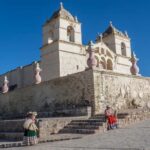
After breakfast, you’ll take transport and pass by Antahuilque viewpoints. This is where you get a close look at the cultivation terraces built by the Collaguas.
This isn’t just “pretty farming.” It shows how people have adapted to steep land for generations. Standing at viewpoints like this helps you connect what you saw on the trail with how locals still live off this terrain.
Thermal baths and the Chivay hot spring reward
You’ll also visit thermal baths for relaxation during the day’s schedule. Then, later, you’ll head to Chivay for lunch and a final stretch of driving with additional stops.
If you choose the optional hot spring entrance, plan for a little extra cost. This soak is your reward for finishing the climb, and it’s also the part that makes the entire two-day hike feel “worth it,” even if you’re exhausted.
Cruz del Cóndor: Condors, Timing, and How to Make the Most of Your Time
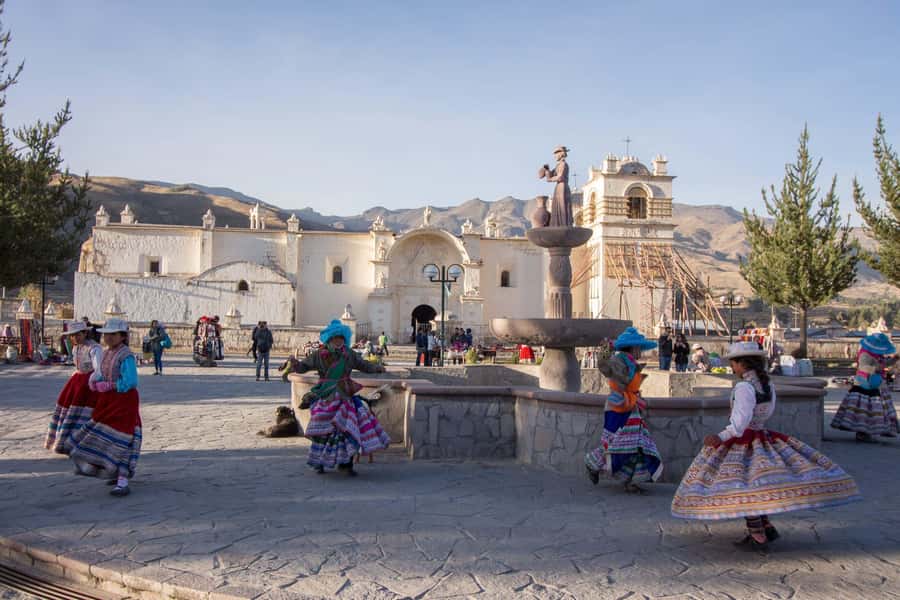
Your stop at Cruz del Cóndor is one of the biggest highlights because it’s tied to a living wildlife moment, not just scenery. You get a guided visit plus free time, and it’s scheduled in a way that gives you a solid window to look for condors.
A few practical rules that make this easier:
- Dress warm even if it seems mild. At 3,600 m, temperatures can surprise you.
- Keep your camera handy and be ready to shoot quickly.
- Don’t rush your viewing time. Condors often move in cycles with wind and thermals.
Also, the time you spend here sets your expectations for the rest of the trek. If you arrive and expect condors immediately, you might feel disappointed. But if you treat it as a viewpoint experience first and a wildlife bonus second, you’ll enjoy it more.
Pace, Safety, and Trail Difficulty: What You Need to Plan For
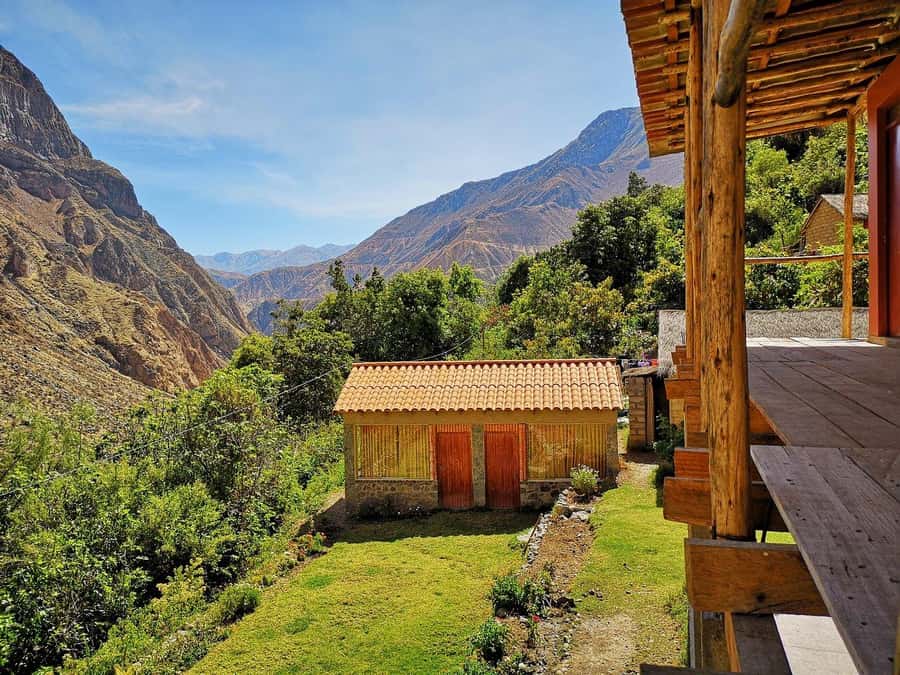
Let’s be direct: this trek involves steep and uneven paths. The second day is the one most people talk about because it’s an uphill push after an early start, and you’re still adapting to altitude.
Some hikers prefer to go slower, and you should. You’ll be a better match for the group if you can handle:
- steep descents without rushing
- uneven footing without panic
- sustained walking time both days
One review detail stood out as a real-world reminder: there can be communication gaps at the start of the day, and some guides may not always do a full safety intro right away. The fix is simple—ask questions early, and tell your guide if you have specific concerns about pace, footing, or energy.
Safety also comes down to basic preparation. Wear comfortable trekking shoes, bring water, and don’t show up underfed. One practical suggestion I’d take from real trek experience: consider a head light for early-dark starts and bring toilet paper just in case you find basic facilities.
If you struggle with vertigo or mobility limits, this one may not be for you. The tour isn’t designed for people with back problems, mobility impairments, vertigo, or low fitness.
Who This Trek Suits Best (and Who Should Think Twice)
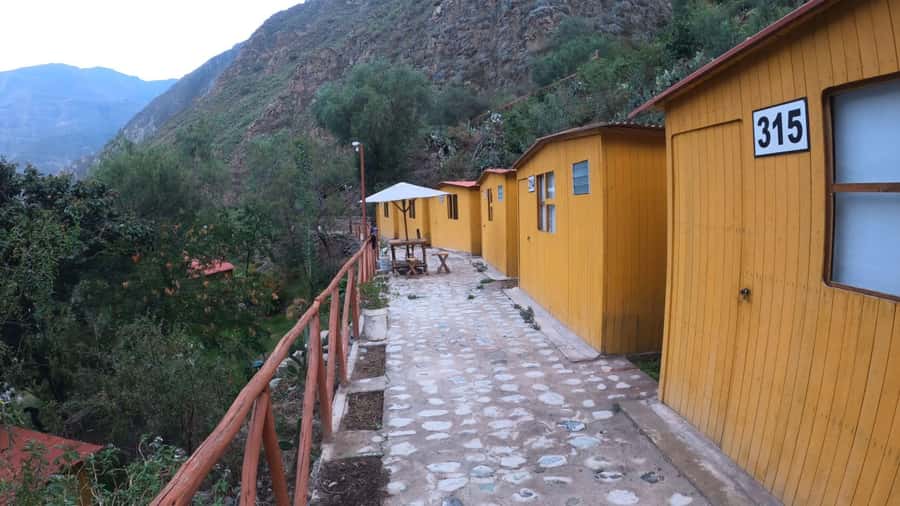
This trek is a great fit if you:
- want a true hike into the canyon, not just a quick walk
- like small-group experiences with bilingual guidance
- enjoy sunrise moments and long walking days
- are comfortable paying the extra $90 cash at the start for food and lodging
It’s not a great fit if you:
- have vertigo, mobility issues, or significant back problems
- want a low-effort outing
- need constant “flat easy trail” conditions
- hate steep, uneven routes where a quick recovery rest might be limited
If you’re on the edge fitness-wise, I’d still consider it, but go in with honesty about effort. There may be options for shortcuts like mule assistance on the second day, but don’t assume it will be available for you. Ask early and plan like you’ll do the full hike.
Should You Book This Colca Canyon 2-Day Hike?
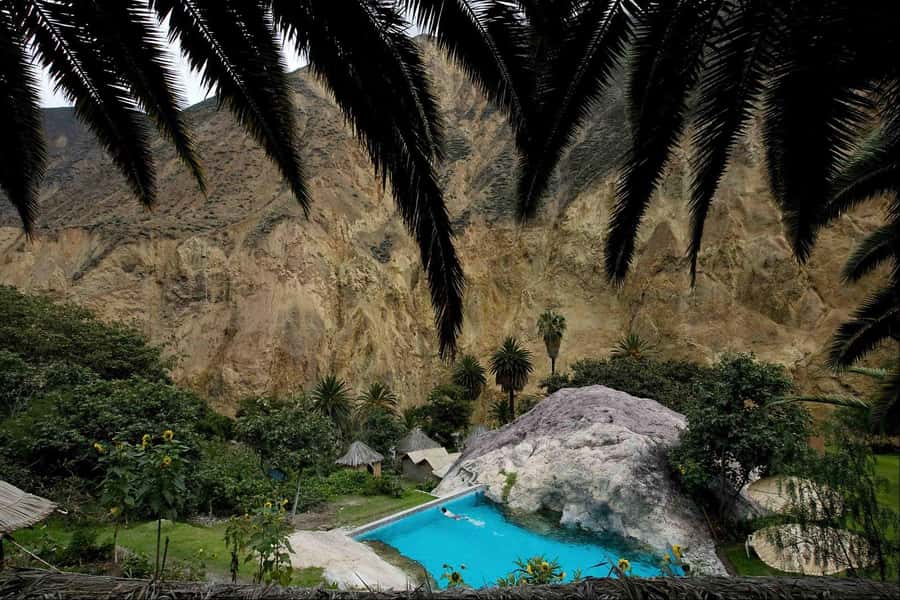
Book it if you want value plus real trail time. The price makes sense for what you get—transport, bilingual guidance, condor viewing at Cruz del Cóndor, a full descent to Sangalle Oasis, and then the payoff of hot springs after the climb.
Skip it or choose a gentler option if you’re easily stressed by steep trails, have vertigo, or you want comfortable hotel-style lodging. This is an outdoors trek with basic overnight reality, and the challenge is part of the deal.
If you do book, do two things that will make the whole experience better:
- Train for uneven footing and plan your pace for both downhill and uphill.
- Bring what you need for early starts and practical comfort: water, snacks, sunscreen, hat, head light, and toilet paper.
Handled with the right expectations, this is one of those Colca experiences that feels like it earned your awe.
FAQ
What is the duration of this Colca Canyon trek?
It’s a 2-day experience.
Where does the tour start and end?
You get picked up in Arequipa and the activity finishes in the center of Arequipa at around 17:30 (Av La Marina, Arequipa 04001).
What time does Day 1 start?
The tour starts with pickup at 03:00 at your hotel in Arequipa.
How big is the group?
The trek runs in a small group limited to 18 participants.
Are the guides English-speaking?
Yes. The tour includes a professional guide who speaks English and Spanish.
What additional costs do I need to pay on the tour?
You’ll need to pay $90 or 320 soles in cash at the start of the tour for food, lodging, and an entrance ticket. Hot spring entrance is optional at $5 or 15 soles.
What should I bring?
Bring comfortable shoes, a hat, camera, snacks, sunscreen, and water.
Is free cancellation available?
Yes. You can cancel up to 24 hours in advance for a full refund.