REVIEW · CUSCO
From Cusco: 1-day Machu Picchu Tour by Train
Book on GetYourGuide →Operated by Libertrek Peru Travel Agency · Bookable on GetYourGuide
Four a.m. is the magic hour here. This one-day Machu Picchu tour trades the long, exhausting bus-only trek for a comfortable train ride through the Peruvian Andes, then tops it off with a guided visit to the Inca citadel.
I like that the day is tightly organized: you’re picked up in Cusco, escorted through the stations, and handed clear instructions at every step. I also like that your Machu Picchu time isn’t just wandering—you get a guided walkthrough that helps you connect the architecture to how the Incas lived and built.
The main drawback is the long day and the schedule pressure: the exact timing can shift with train departures, and you may have a waiting stretch in Aguas Calientes before the return train.
In This Review
- Key takeaways at a glance
- Cusco pickup at 4:00 AM: what that really means for your day
- The tourist train ride: comfortable rails plus real Andes views
- Ollantaytambo break and Aguas Calientes handoff: where the logistics matter
- The bus zigzag to Machu Picchu: fast, bumpy, and worth respecting
- Circuit 1, 2, or 3: how your Machu Picchu visit actually plays out
- The most important part: guided time with an actual person
- Aguas Calientes lunch and optional thermal baths: where waiting can happen
- Returning by train to Ollantaytambo and back to Cusco
- Price and value: is $360 a fair deal for a one-day sprint?
- What’s included (and what you must plan for yourself)
- Packing tips that match the real constraints
- Should you book this Cusco to Machu Picchu train day tour?
- FAQ
- What time is hotel pickup in Cusco?
- Where do you board the train?
- How long is the train ride to Aguas Calientes?
- How do you get from Aguas Calientes to Machu Picchu?
- How long is the guided tour at Machu Picchu?
- Is lunch included?
- Are the thermo-medicinal baths included?
- Do I need a passport?
- Which Machu Picchu circuit is included?
- What’s the cancellation policy?
Key takeaways at a glance
- Early start, full day: Pickup is typically around 4:00 AM, and you’re planning for a long 12-hour day (some departures run longer depending on train timing).
- Andes scenery from the train: You get big mountain views without the stress of driving the whole way.
- Bus zigzag up to the site: A 30-minute, winding ride gets you to the Machu Picchu entrance fast.
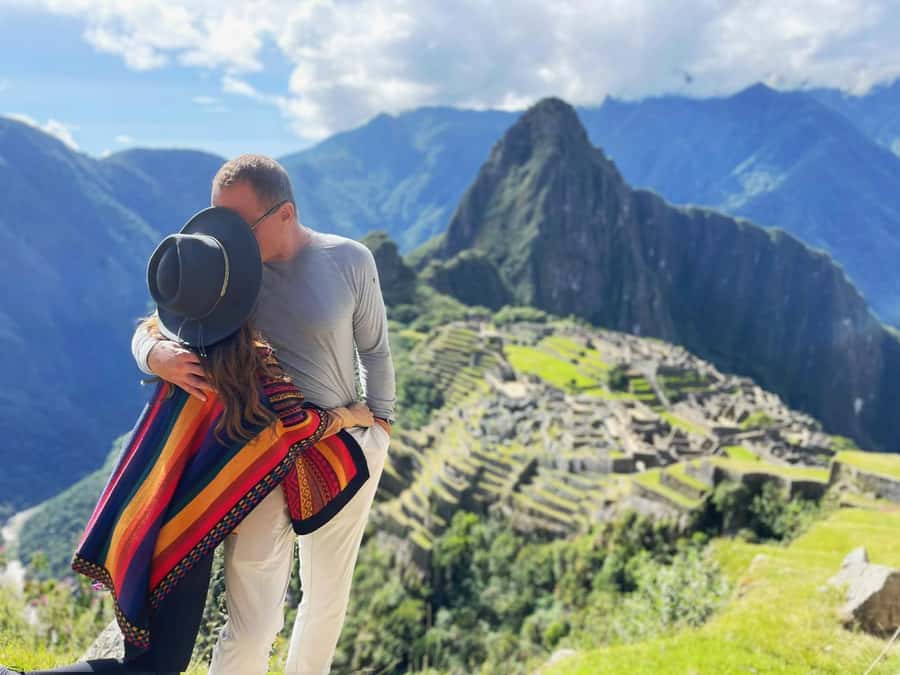
- Guided tour on the ground: About 2 hours with a professional guide focused on major areas and Inca context.
- Your entry circuit depends on availability: Circuit 1, 2, or 3 may apply depending on what’s available for your date.
- Aguas Calientes has free time, not included meals: Lunch is your choice, and train times can create waiting.
Cusco pickup at 4:00 AM: what that really means for your day
This tour starts before most people have even properly woken up. The standard plan is hotel pickup in Cusco around 4:00 AM, then a transfer toward the train station. In this setup, the drive to Ollantaytambo is about 1 hour and 40 minutes (with a noted alternative: if your train leaves from Poroy, the drive is shorter—around 30 minutes—but your train time is listed as longer).
What I like about that early start: Machu Picchu is the kind of place where the morning light can make you feel like you walked into a different world. What you need to plan for: the early pickup changes how you pack and how you manage energy. Bring what you’ll actually use later (sunglasses, sunscreen, water, camera), and keep your day basics easy to reach during pickup and train boarding.
Also note that pickup and drop-off times can change based on train schedules. This is normal. The key is to accept that the tour runs on train timing, not on a fixed clock.
You can also read our reviews of more tours and experiences in Cusco
The tourist train ride: comfortable rails plus real Andes views
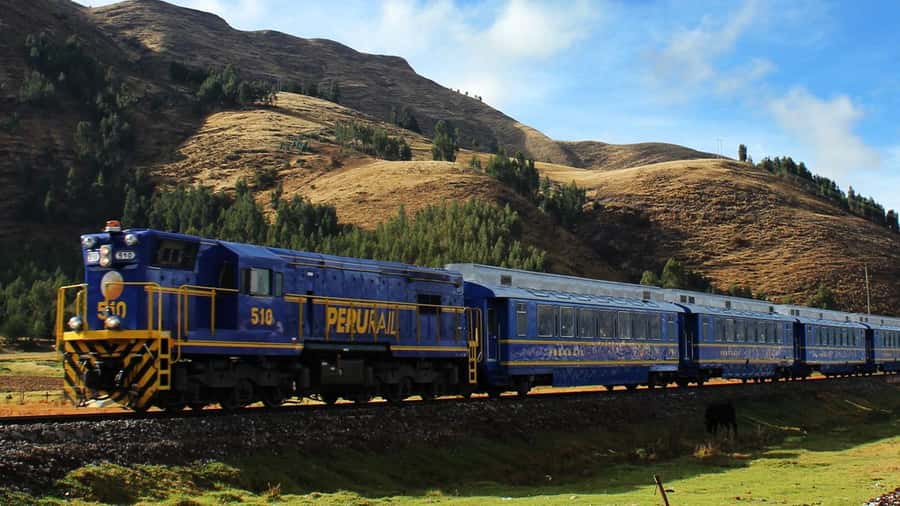
You board in the Ollantaytambo train station around 6:10 AM (as described for this itinerary) and head toward Aguas Calientes—the base town for Machu Picchu. The train ride time is listed as about 2 hours in the core schedule, with that Poroy alternative extending it to 3.5 hours.
This is where the value shows up for me. A Machu Picchu day can feel like a checklist: pickup, bus, tickets, crowd flow, guided tour, then repeat. The train adds a calmer rhythm. You get a “seat and scenery” moment where you’re not negotiating roads. You’ll also see rivers and streams and a changing mix of mountains and vegetation, which makes the whole day feel connected instead of rushed.
One practical tip: if you’re the type who plans photos, be ready for quick windows of good views. You’re moving through valleys and slopes, so the best shots can come fast. Bring your camera strap and keep your gear where you can grab it without turning the inside of the train into a puzzle.
Ollantaytambo break and Aguas Calientes handoff: where the logistics matter
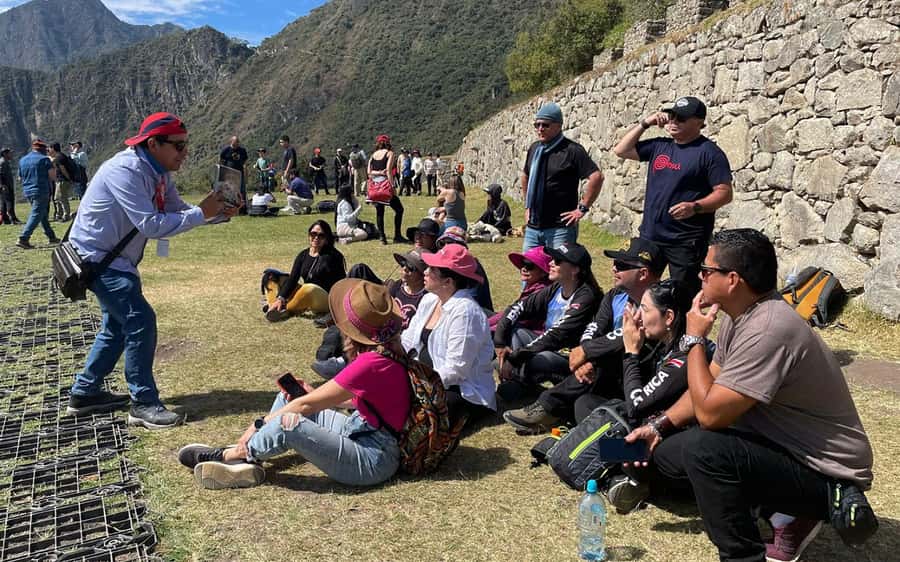
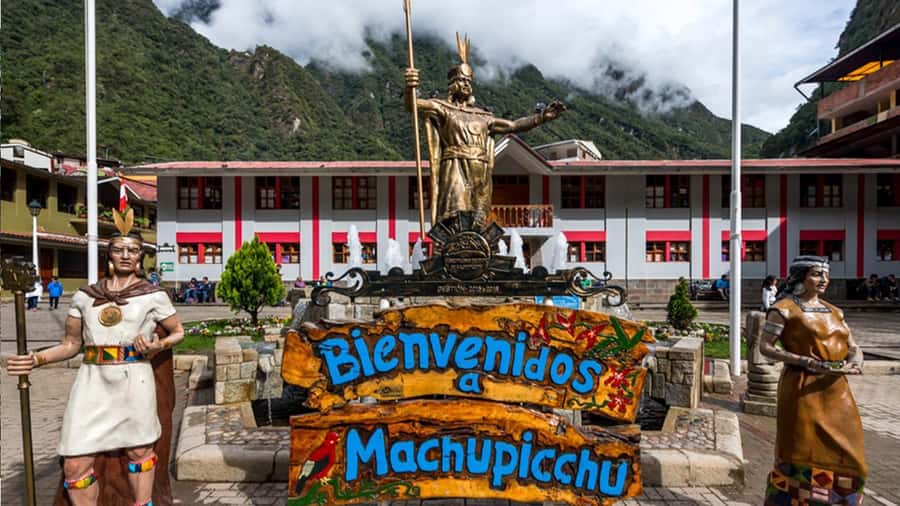
The itinerary includes a short break at the station (about 30 minutes) and then arrival in Aguas Calientes. When you land in Aguas Calientes, the agency staff meet you and give instructions. That handoff matters more than it sounds, because Machu Picchu has a timed-entry system and tickets tied to identification.
After you get sorted, you head to the bus station. This is not a “wandering around and finding your way” moment. Your day works best when you follow the group flow and arrive at the right place at the right time.
The bus zigzag to Machu Picchu: fast, bumpy, and worth respecting
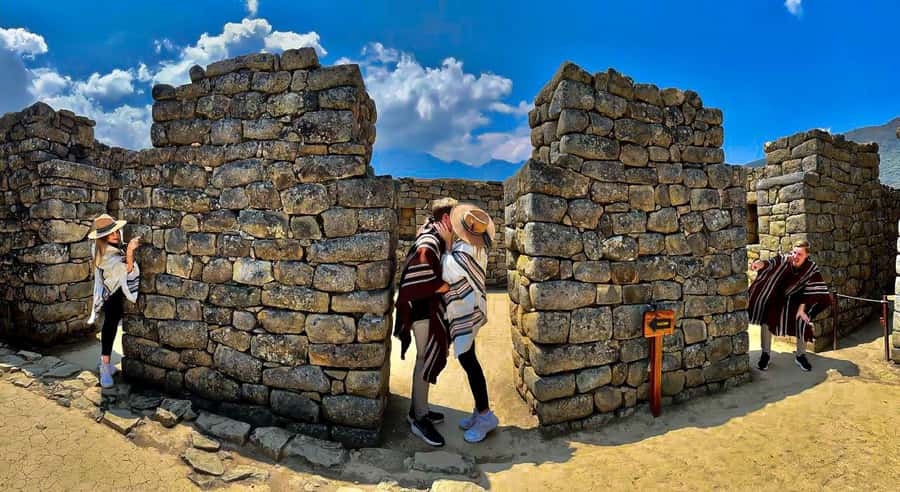
Once you’re in Aguas Calientes, the ride up to the Sanctuary area is about 30 minutes by bus, described as a zigzag route. Roads can be bumpy—so if you’re sensitive to motion, plan for that and keep your posture comfortable.
You’ll get off the bus and go straight to the entrance, where you present your Machu Picchu tickets and identification documents. This is a real requirement, not a formality. If your passport details don’t match what was used to book your ticket, you can run into trouble.
The entrance process is where your earlier prep pays off: having your documents ready and your timing clean helps you avoid stress.
Circuit 1, 2, or 3: how your Machu Picchu visit actually plays out
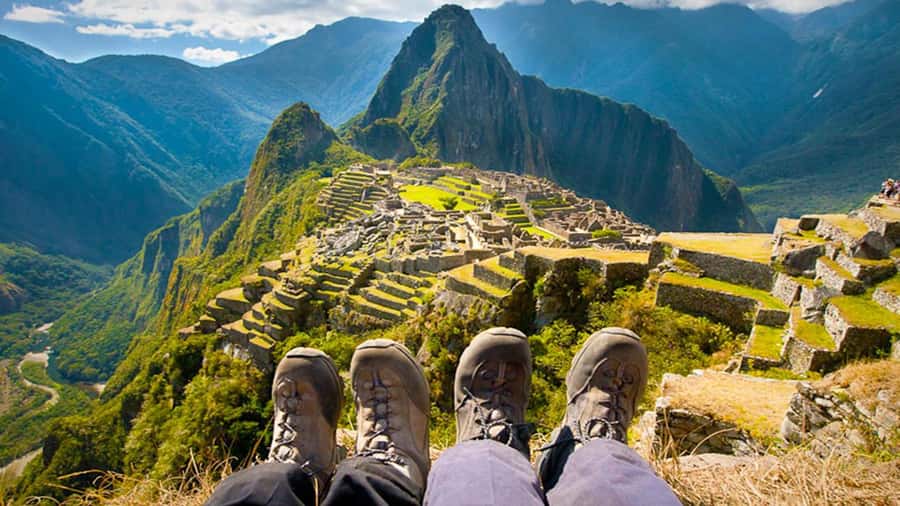
Here’s the big moving piece: for Machu Picchu, you’re assigned Circuit #1, #2, or #3 based on availability. Circuit 2 is specifically called out as something you should book 3–4 months in advance if you want that option. Circuit 1 is often easier to secure, but it’s still best to check what your date allows.
On the ground, the tour includes:
- A guided visit of the main areas for about 2 hours
- Time for photo stops and walks between key viewpoints
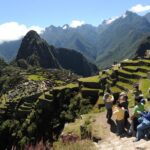
What I like about this guided structure is that it helps you read the site. Machu Picchu isn’t just “big stone ruins.” It’s architecture shaped by engineering choices and daily living needs. Your guide’s job is to connect what you see to how the Incas used the place—history, architecture, and everyday life themes.
Also, you won’t necessarily have one single guide glued to you for the whole day. The smooth part is that agency staff coordinate transports and meet you at key points; the guided part centers on the Sanctuary visit. So if you meet different support people as you move through train and town, that’s not a flaw—it’s how a day built around timed logistics works.




The most important part: guided time with an actual person

Your Machu Picchu visit includes a professional guide (Spanish or English). The day’s clarity depends on this person: they explain the site, keep you moving along the correct route, and point out areas for the best views.
From past departures, guides have included names like Richard (with driver Yuri), Jaf, Eric, Juan Carlos Quiño, and Miguel. Your guide may be different, but the role is consistent: help you turn stone blocks into meaning and give you practical direction for where to look and what to notice.
Don’t underestimate how much calmer a guided visit feels when you’re standing on steep ground with crowds. You get to focus on the site, not on trying to interpret it on your own while keeping up.
Aguas Calientes lunch and optional thermal baths: where waiting can happen
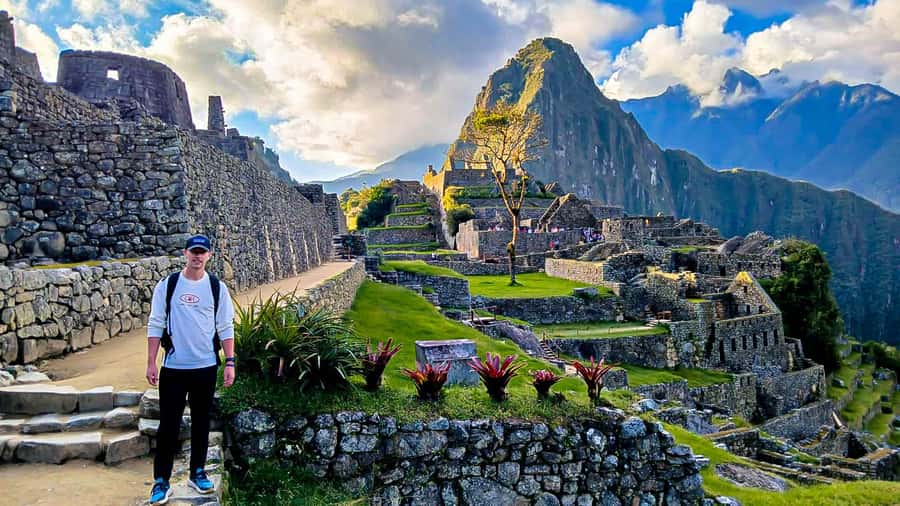
After the Machu Picchu guided segment, you take the bus back down to Aguas Calientes. There’s free time, including roughly 30 minutes early on in town (before the bus up) and about 1 hour of free time listed later, with lunch and an optional visit to the thermo-medicinal baths.
This is the zone where the day can feel either easy or stretched. One key detail: meals (breakfast, lunch, dinner) and snacks are not included, so you’re budgeting time and money for food on your own. If you want the baths, the entrance is also at your own expense.
One more reality check: your return train schedule controls everything. Some departures finish early at the site, which can leave you waiting for a later train back to Ollantaytambo. In the experiences shared, that waiting has ranged from noticeable to long. The tour still works, but you’ll want patience and a plan for how you’ll pass the time—snacks, a slow stroll, and keeping water handy.
Returning by train to Ollantaytambo and back to Cusco
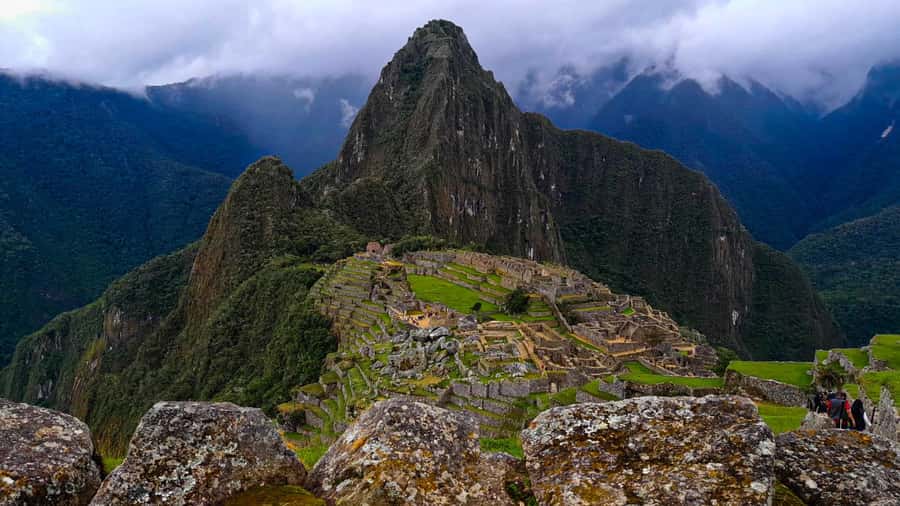
The itinerary shows a return train ride (about 2 hours) from Aguas Calientes back to Ollantaytambo, then transportation back to Cusco where the tour ends.
Again, train timing drives the feeling of the day. Even if the tour is listed as 12 hours, the real-world total can be longer depending on departure times. That’s not the operator being sloppy—it’s the rhythm of the rail schedule and how the day matches ticket windows.
If you’re trying to save energy for Cusco after the tour, plan to keep your evening simple. You’ll have an early night, unless you’re the kind of traveler who can power through on adrenaline.
Price and value: is $360 a fair deal for a one-day sprint?
At $360 per person, this is not a bargain tour. You’re paying for two expensive realities:
- Train transport (round trip from Ollantaytambo to Aguas Calientes)
- Machu Picchu ticket access plus guided time
- On-ground coordination (hotel pickup, bus transfer up and down, staff support)
Is it worth it? For me, it’s a good value if you want the convenience of a “done-for-you” rail day and you care about getting the Machu Picchu visit right—ticket timing, entrance checks with identification, and guided interpretation. The small group focus is also part of why it costs more. You’re not just buying transport; you’re buying stress reduction and time management.
But if you’re the kind of traveler who’s happy to arrange everything independently, and you’re comfortable handling schedule complexity yourself, you might find cheaper options. The trade-off is that you’ll do more legwork when trains and timing don’t line up perfectly with your plans.
What’s included (and what you must plan for yourself)
Included:
- Hotel pickup and drop-off in Cusco
- Roundtrip tourist train: Ollantaytambo ↔ Aguas Calientes ↔ Ollantaytambo
- Bus up/down: Aguas Calientes ↔ Machu Picchu Sanctuary area
- Entrance ticket to Machu Picchu
- Professional guide during the Machu Picchu portion
- Return transfer back to Cusco
Not included:
- Snacks and food (including breakfast and lunch)
- Thermal baths entrance (optional)
That’s the big planning point. If you want a comfortable day, budget for lunch in Aguas Calientes and bring water so you don’t end up paying more than you expected later.
Packing tips that match the real constraints
You’ll be outdoors at Machu Picchu, traveling early, and moving through stairways and viewpoints. The tour’s provided packing list is practical:
- Passport or ID card (required for ticketing/entry)
- Sunglasses and sunscreen
- Water
- Insect repellent
- Comfortable clothes and a camera
- Cash
- Personal medication
- Swimwear (only if you plan to use the thermo-medicinal baths)
Also keep an eye on what you can’t bring:
- Drones
- Selfie sticks
- Walking sticks
- Baby strollers / baby carriages
- Alcohol and drugs
If you rely on any of those items, you should make alternative plans before you go.
Should you book this Cusco to Machu Picchu train day tour?
Book it if you want a structured day with transport handled, you’re okay with an early pickup, and you’d rather spend your focus on Machu Picchu than on coordinating trains, buses, and timed entry.
Consider skipping it if you hate waiting around for trains, or if you’re trying to keep the day short and low-pressure. This tour is about efficiency via rail and a guided site visit—but the schedule may still feel long once you factor in travel time and town downtime.
If you book, do two things early: double-check your circuit preference (especially if Circuit 2 is your goal), and make sure the passport details are correct before tickets are issued.
FAQ
What time is hotel pickup in Cusco?
Pickup is scheduled for 4:00 AM in the description. The tour notes that pickup and drop-off times can change based on available train times, so you should confirm the exact pickup time after booking.
Where do you board the train?
The tour transfers you to Ollantaytambo train station. There’s also an alternative mentioned if the train leaves from Poroy.
How long is the train ride to Aguas Calientes?
The main plan lists about a 2-hour train ride. If your departure is from Poroy, the train time is listed as 3 and a half hours.
How do you get from Aguas Calientes to Machu Picchu?
You take a bus/coach for about 30 minutes on a zigzag route to the Sanctuary of Machu Picchu.
How long is the guided tour at Machu Picchu?
The guided tour of the citadel is about 2 hours.
Is lunch included?
No. Lunch and snacks are not included. You’ll have free time in Aguas Calientes where you can eat at your own expense.
Are the thermo-medicinal baths included?
They are optional. If you want to go, the lunch or entrance cost is at your own expense.
Do I need a passport?
Yes. You must present your tickets and identification documents at the Machu Picchu entrance, and the operator requires passport details after booking to confirm tickets.
Which Machu Picchu circuit is included?
You’ll be assigned Circuit #1, #2, or #3 depending on availability at booking time. Circuit 2 is recommended to be booked 3–4 months in advance.
What’s the cancellation policy?
This activity is non-refundable.
If you tell me your travel month and whether you care more about Circuit 1 vs Circuit 2, I can help you think through which option is likely to fit your priorities.