REVIEW · CUSCO
From Cusco: 2-Day Trip to the Sacred Valley and Machu Picchu
Book on GetYourGuide →Operated by Peru Andes Top · Bookable on GetYourGuide
Two days, one big Inca payoff. This is a fast, organized route that stitches together Pisac, the sacred valley sights, a scenic train run, and a guided visit to Machu Picchu so you actually understand what you’re seeing. I like the fact that the guides bring the sites down to earth, and I love the peace-of-mind logistics: hotel pickup, tickets, transport, and someone making sure you arrive at each next step on time.
There is one drawback to plan around: the Machu Picchu experience depends a lot on your ticket time and morning conditions, so visibility can be muted if fog or clouds roll in early.
Key takeaways before you go
- Small group pace (15 max) keeps the day from feeling like cattle herding
- Certified guides in Spanish/English help you read the stonework, not just pose for photos
- Pisac + Ollantaytambo in one flow gives you a broader view of Inca life and engineering
- Train ride options (tourist vs panoramic) affect what side-you-see views and how scenic it feels
- Machu Picchu guided tour turns terraces and stairways into something you can follow
- Aguas Calientes overnight means you’re not rushing day-of and you can breathe between ruins
In This Review
- The real value: what this tour saves you from in Cusco
- Day 1: Pisac first, because it explains the Inca way of living
- Pisac terraces and irrigation: the sight that makes everything click
- The Pisac craft market stop: shopping with a purpose
- Urubamba lunch time: real food, real pause
- Ollantaytambo: where Inca stonework feels personal
- The train ride to Aguas Calientes: where views can make (or break) the mood
- Aguas Calientes overnight: a night that makes the Machu Picchu morning easier
- Machu Picchu by bus and guide: stairs, terraces, and the story behind them
- Weather matters, so manage expectations
- Lunch after the ruins: refuel like a local, not a traveler
- How the guide quality shows up in real moments
- Price and logistics: when $370 is a bargain vs when it’s not
- Who should book this tour, and who should consider alternatives
- Practical checklist so the day goes smoothly
- Should you book this Sacred Valley and Machu Picchu 2-day trip?
- FAQ
- How long is the trip?
- Where does pickup happen?
- What time should I be ready for pickup?
- What languages are the tours offered in?
- Are Machu Picchu tickets included?
- Are Pisac and Ollantaytambo entrances included?
- Is train transport included?
- Do I need to pay for lunch during the trip?
- Is accommodation included in the package?
- Is the tour refundable?
The real value: what this tour saves you from in Cusco
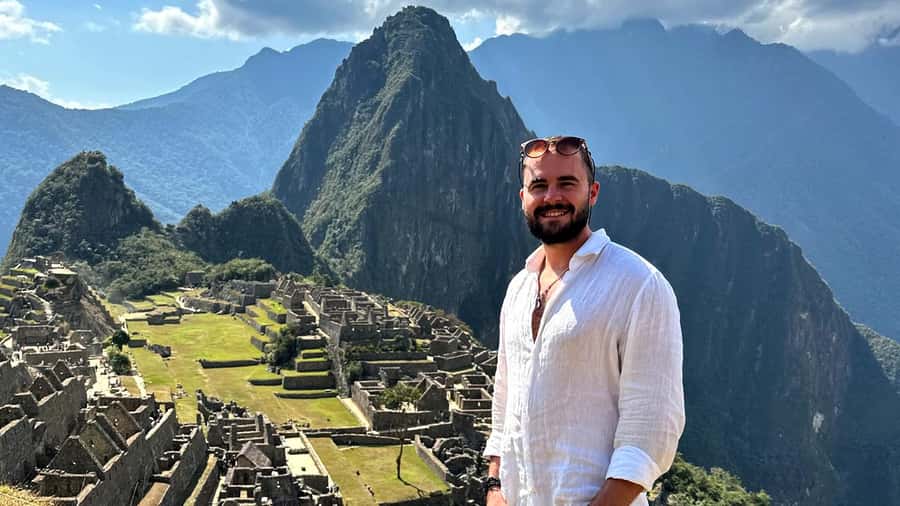
If you’ve done any homework on Machu Picchu, you already know the main stress is not the walking. It’s juggling reservations, timing, and transport, all while you’re in a high-demand place. This two-day plan is built to remove that hassle by bundling the key pieces: pickup in Cusco, guided time in the Sacred Valley, your train connection, the bus to the site, and the Machu Picchu entrance.
At $370 per person, the big question is what you get for the money. For me, the value isn’t just the “included tickets” checklist. It’s that you don’t have to coordinate the sequence yourself, and you get two guided days instead of a couple of quick stop-and-stare photo moments.
One more practical note: the price depends on whether you pick the option that includes accommodation in Aguas Calientes. If your package doesn’t include lodging, that’s something you’ll need to budget separately.
Day 1: Pisac first, because it explains the Inca way of living
Your day starts with hotel pickup in the historic center of Cusco. You’ll want to be ready—be in the lobby about 15 minutes before your scheduled pickup—because the route timing is tied to train and entrance windows later in the trip.
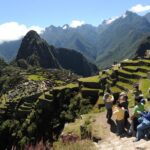
From Cusco, you head into the Sacred Valley area and make Pisac your first major archaeological stop. I like opening with Pisac because it’s not only dramatic stonework; it’s also a visible lesson in how the Incas managed water, farming, and community space. The site includes agricultural terraces and irrigation systems, plus stone walls and the largest cemetery in the Inca Empire. That combination helps you understand these were not “ruins in the mountains.” They were organized, lived-in places.
You can also read our reviews of more tours and experiences in Cusco
Pisac terraces and irrigation: the sight that makes everything click
When you look at terracing without context, it can feel like pretty architecture. With a guide, it becomes practical engineering. You’ll see how the landscape was shaped to control water and grow food on mountain slopes. That’s the kind of detail that makes the later stops feel connected instead of random.
The Pisac craft market stop: shopping with a purpose
After the archaeology, you’ll have time at the nearby craft market. This is where you can browse ceramics, textiles, jewelry, Andean instruments, alpaca products, and more souvenirs. I treat this stop as a chance to learn how people here make and sell things today, not just grab a souvenir.
If you’re shopping, go slow. Compare materials and design across stalls, and don’t be shy about asking basic questions about what you’re buying. You’re in the Sacred Valley; the items often reflect regional techniques, not mass production.
Urubamba lunch time: real food, real pause
Next you travel through the Sacred Valley to Urubamba. There’s a lunch window built into the schedule where you can buy food in local restaurants. This part matters because the day stays active, and you’ll appreciate having time to reset with something hearty and familiar enough to keep your energy up.
Day 1 lunch is not listed as included in the core package details, so treat it as your opportunity to choose your own vibe—try traditional dishes, or keep it simple. Either way, you’ll be eating at the pace of a working valley town, not inside a tourist bubble.
Ollantaytambo: where Inca stonework feels personal
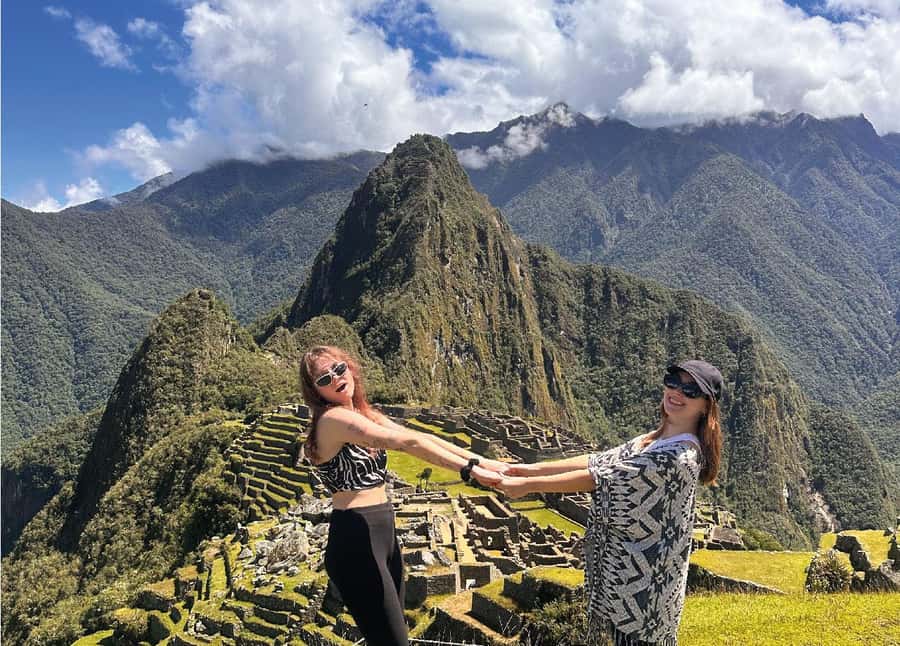
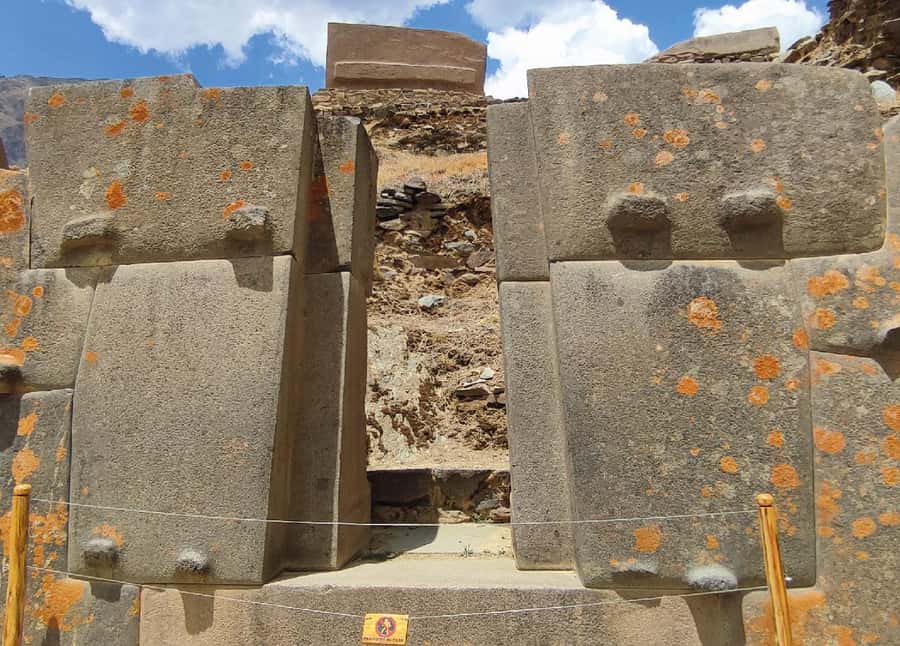
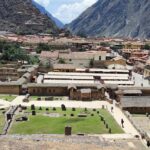
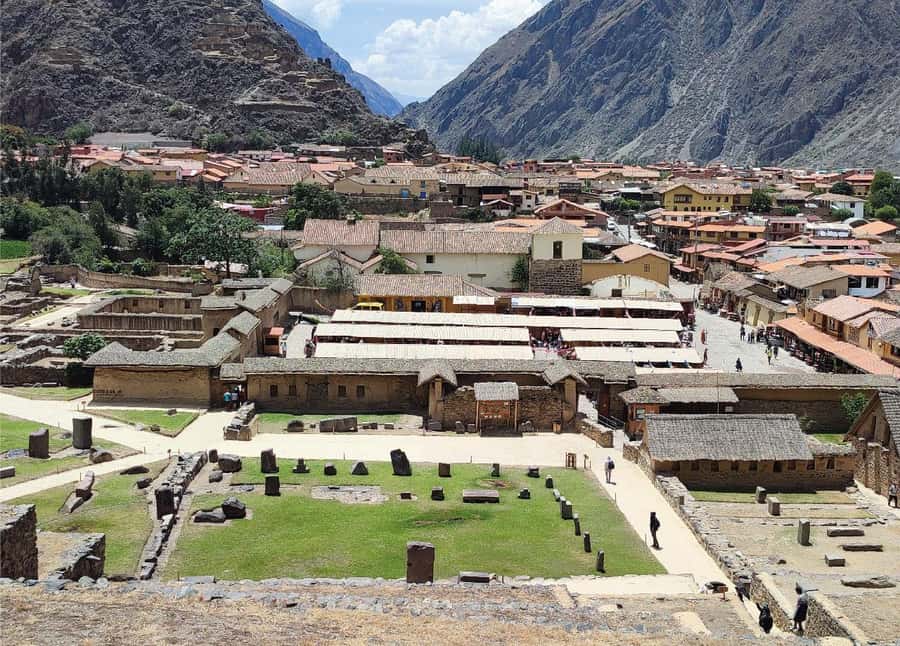
In the afternoon, you visit Ollantaytambo, another heavyweight Sacred Valley site. What I like here is the way it connects building style to daily life. You’ll learn about Inca stonecarving techniques and see a complex with temples, terraces, warehouses, and a large Inca monolith.
Ollantaytambo also feels like a place where you can picture movement. The terraces and urban layout guide your eyes across the site, and the stone structures make it easier to imagine how people organized space. It’s one of those stops where a guide’s explanations really reduce the “What am I looking at?” moments.
You can also read our reviews of more tours and experiences in Cusco



The train ride to Aguas Calientes: where views can make (or break) the mood
After Ollantaytambo, you take the train from Ollantaytambo station to Aguas Calientes. You can choose between the tourist train and the panoramic train, and this matters more than people think.
If you care about scenery, your window matters. One review experience specifically called out that the side of the train you’re assigned can make a difference for how much you see. You may not be able to fully control seating, but it’s smart to pay attention when you pick your train option and when you’re settling in.
Either way, this is one of the best “between worlds” moments on the route. You’re traveling toward Machu Picchu, and the changing valley shapes the big canyon feel that makes the area famous.
Aguas Calientes overnight: a night that makes the Machu Picchu morning easier
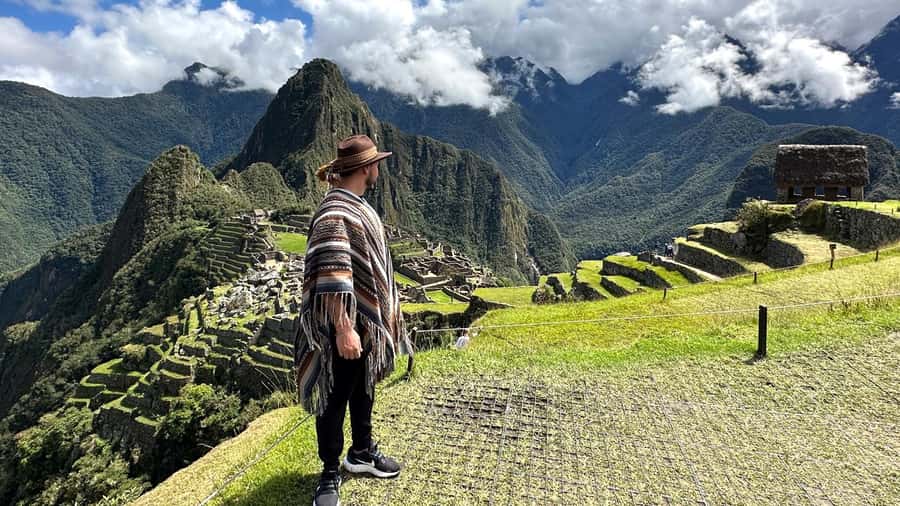
You arrive in Aguas Calientes and then check in for the night. This matters because Machu Picchu doesn’t do “sleep in.” The overnight stay sets you up for an early start and helps you avoid the scramble that comes with day-tripping.
You’ll also have some downtime in town. That break is practical: you can eat calmly, check your timing, and be ready for the bus up to the citadel the next day. If you prefer not to feel rushed, the overnight stop is a major plus.
Machu Picchu by bus and guide: stairs, terraces, and the story behind them
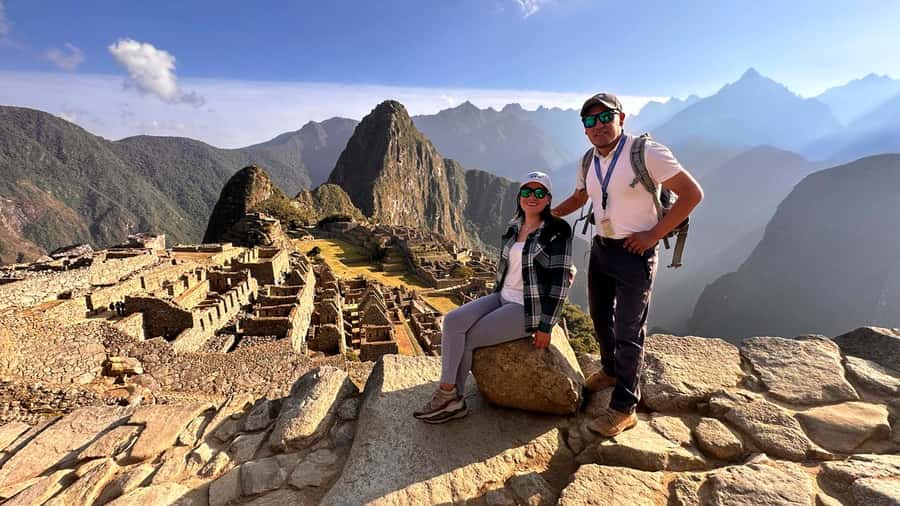
The next morning, you take the bus from Aguas Calientes up to Machu Picchu. As you go, you’ll get mountain views tied to the Urubamba River, which shapes the famous canyon. The scenery here is part of the experience, but what makes it valuable is that you’re going into the site with context, not just heading uphill on instinct.
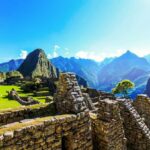
Then comes the guided tour of Machu Picchu. This is where you’ll see the terraces, stairways, and ceremonial structures and connect those features to what they likely meant. In my opinion, a guide is the difference between seeing a beautiful site and actually understanding why it was built the way it was.
Weather matters, so manage expectations
One key detail from real-world experiences: if your Machu Picchu visit is early and the weather is damp or misty, the views may be less dramatic than the photos. That doesn’t make the site less impressive—it just changes the feeling. You’ll still get the history and the architecture, and you’ll likely have fewer moments of glare and harsh sun.
If you’re the type who wants maximum visibility, try to be flexible and remember Machu Picchu is worth seeing in changing light.
Lunch after the ruins: refuel like a local, not a traveler
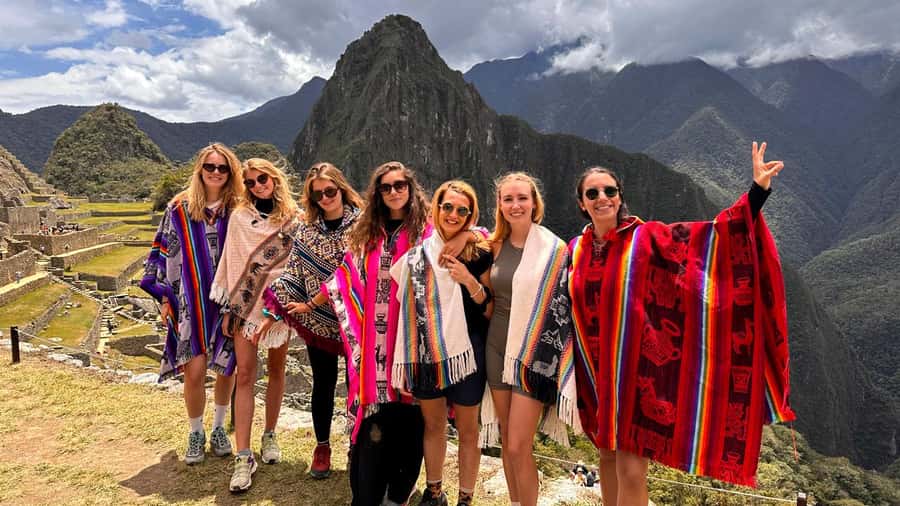
After your guided Machu Picchu tour, you’ll have time for lunch in Aguas Calientes. Food here is part of the reason you’ll feel human again after the morning effort. In the included details, lunch in Aguas Calientes is part of the package, so you’re not guessing what to do next or whether a restaurant will fit your schedule.
This is also a good moment to review your photos and trade notes with your guide if you have follow-up questions. If you like photography, you’ll often pick up small timing tips just by chatting.
How the guide quality shows up in real moments
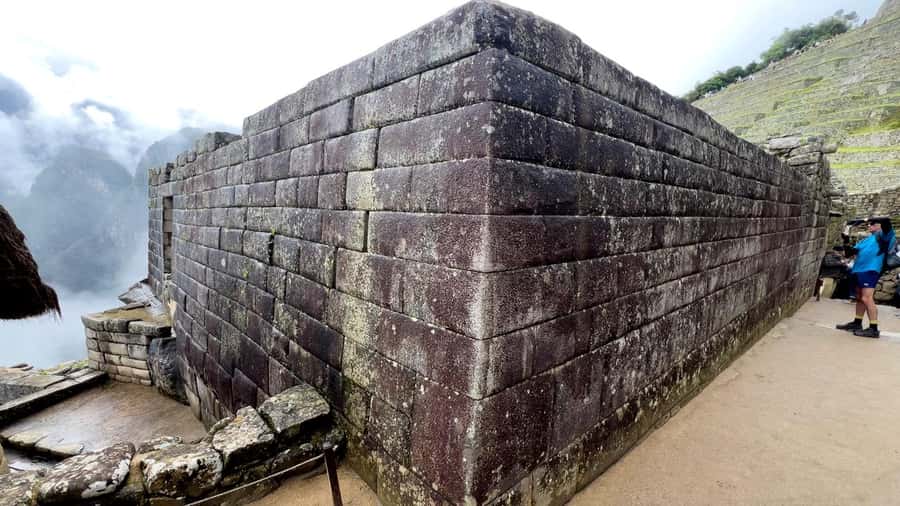
This tour gets praised for guide performance, and it makes sense. You’re moving between multiple sites in a short time window, so good guiding isn’t optional—it’s how the day stays coherent.
You might see guides like William or Wally on the Sacred Valley side, and Uriel on the Machu Picchu side. In the experiences described, these guides stood out for being patient, informative, and genuinely enthusiastic. Uriel in particular is described as very engaging and history-focused, with an eye for photos, which is helpful because Machu Picchu demands both composition and timing.
Even if you don’t get those exact names, the consistency you’re looking for is clear: strong explanations, clear pacing, and support when you’re moving from one transport leg to the next.
Price and logistics: when $370 is a bargain vs when it’s not
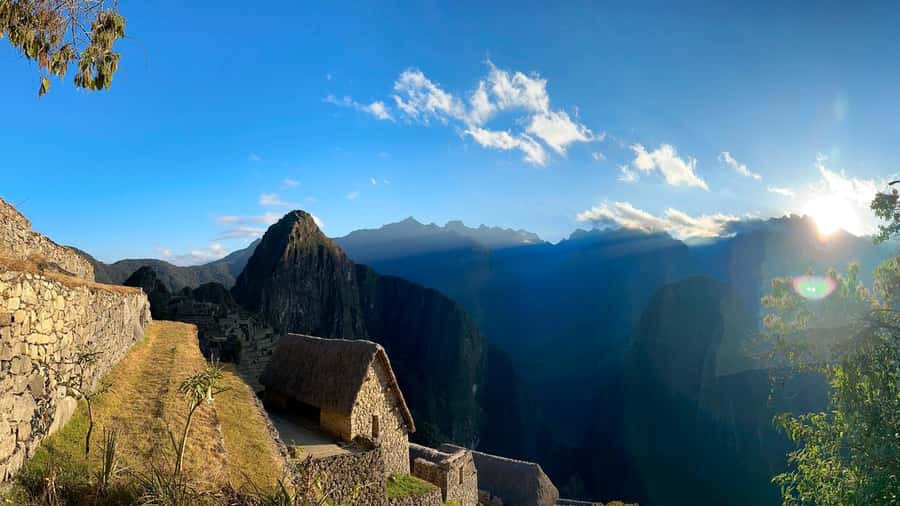
$370 per person for a two-day route is not “cheap,” but it can be a solid value depending on what you’re trying to buy: convenience, guided interpretation, and fewer scheduling headaches.
Here’s the cost structure in plain terms:
- Included: hotel pickup/drop-off, Sacred Valley tour (Spanish/English), Machu Picchu tour (Spanish/English), roundtrip train ticket in your chosen category, roundtrip bus ticket, Machu Picchu entrance, a certified guide, and lunch in Aguas Calientes.
- Not included: entrance to Pisac and Ollantaytambo (about $22 USD approx.), lunch in the Sacred Valley, and drinks.
That means the tour price is doing most of the heavy lifting on organization and guidance. If you’re confident you can handle reservations and ticket timing on your own, you might spend less overall. If you value a smooth sequence and a guide to translate what you see, this price can feel fair fast—especially during high season when logistics become its own full-time job.
Who should book this tour, and who should consider alternatives
I think this works best if:
- You want a guided Machu Picchu visit without a hike trek
- You prefer a small group and clear structure
- You like archaeology and want more than one Sacred Valley site, not just a “drive-by”
- You want the train and bus legs managed for you
I’d consider alternatives if:
- You hate early starts (Machu Picchu is an early-morning situation)
- You travel with lots of luggage, because large bags are not allowed
- You want total freedom to linger at each site beyond what the schedule allows
Practical checklist so the day goes smoothly
A few items and rules matter here:
- Bring your passport or ID card
- Don’t bring luggage or large bags (you’ll need to travel light)
- Keep an eye on pickup timing: it depends on the confirmed train schedule, and you’ll be informed a couple of days before departure
- Your Machu Picchu entrance situation has specific non-refund rules, so be sure your plans are locked before you commit
These aren’t details you want to discover on the day. Getting them right makes the whole route feel effortless.
Should you book this Sacred Valley and Machu Picchu 2-day trip?
Yes, you should book it if you want a guided, well-paced route with minimal scheduling stress. The standout value is the combination of Sacred Valley archaeology (Pisac and Ollantaytambo), the train ride experience, and a Machu Picchu visit that’s explained well enough to make the site click.
If you’re choosing based on price, treat the $370 as you’re paying for guidance + bundled transport + Machu Picchu access, not only transportation. If you want maximum flexibility to control every minute yourself, you might save money going independent. But for most people, this kind of structure is exactly what turns Machu Picchu from a headache into a story you can tell.
If you want, tell me your travel month and whether you’re considering the tourist or panoramic train, and I’ll help you pick the option that fits your priorities.
FAQ
How long is the trip?
It runs for 2 days. Starting times depend on availability.
Where does pickup happen?
Pickup is included from your accommodation in the historic center of Cusco.
What time should I be ready for pickup?
You should be waiting in your hotel lobby about 15 minutes before the scheduled pickup time.
What languages are the tours offered in?
The Sacred Valley tour and the Machu Picchu tour are offered in Spanish/English.
Are Machu Picchu tickets included?
Yes. Entrance to Machu Picchu is included.
Are Pisac and Ollantaytambo entrances included?
No. Entrance to Pisac and Ollantaytambo is not included (about $22 USD approximately).
Is train transport included?
Yes. Roundtrip train tickets are included, based on the category you choose (Tourist Train or Panoramic Train).
Do I need to pay for lunch during the trip?
Lunch in Aguas Calientes is included. Lunch in the Sacred Valley is not included.
Is accommodation included in the package?
Accommodation is included only if you select that option (standard or superior).
Is the tour refundable?
The activity is non-refundable. Also, if your Machu Picchu entrance reservation is canceled, the portion for the entrance ticket cannot be refunded.