REVIEW · CUSCO
Short Inca trail to MachuPicchu || 2days – 1nigth ||
Book on Viator →Operated by MachuPicchu Journey · Bookable on Viator
Two days can still feel Inca-sized. This short plan from Cusco walks you through the heart of the Inca route highlights—Wiñay Wayna and the Sun Gate—then gets you to Machu Picchu for a guided visit and time to explore on your own. I also like that you get a focused, explanation-heavy guide time at the citadel, not just a rushed walk-by.
Here’s the one thing I’d think about first: the night logistics. The tour gets you to Aguas Calientes after day 1, but a hotel there is listed as not included—so you’ll want to budget and plan that part early.
In This Review
- Key things to know before you go
- Why this “short Inca Trail” feels worth your time
- From Cusco to km 104: starting along the Sacred River
- Wiñay Wayna: the first big emotional payoff
- Inti Punku (Sun Gate): seeing Machu Picchu before you enter
- Getting to Aguas Calientes: one night, big implications
- Machu Picchu with a guide: what you should expect
- Returning to Cusco: train and bus choreography (and why it matters)
- Price and value: is $670 reasonable for this short version?
- Who this tour is best for (and who might not love it)
- Tips to make the experience smoother
- Should you book this short Inca Trail to Machu Picchu?
- FAQ
- How long is the hike on day 1?
- What’s included for Machu Picchu on day 2?
- Are Huayna Picchu or other climbs included?
- Do I need a hotel in Aguas Calientes?
- What meals are included?
- What kind of physical fitness level is required?
- Is this tour private?
- What’s the cancellation window?
Key things to know before you go
- A shorter Inca Trail fix: About 5 hours of on-trail walking to the Sun Gate area, not the full multi-day trek.
- Sun Gate viewpoint with context: You learn how Inti Punku worked as an entrance control to the citadel.
- Machu Picchu with real guide time: A guided 2 hours 30 minutes through the key areas, then free time.
- Food and most key costs handled: Lunches plus entrance fees and guided services are included.
- Permits may affect your bonus climbs: If you have permits for Huayna Picchu (or Machu Picchu), you can use them during your free time.
- Pickup and transfers are built in: Hotel pickup, trains, and bus connections are included.
Why this “short Inca Trail” feels worth your time
Most people picture the Inca Trail as a big, multi-day commitment. This version is built for people who have limited time but still want the real magic: walking in the Inca route atmosphere, then ending at Machu Picchu without skipping the best parts.
You’ll start with an evening pickup from your Cusco hotel (4:00 pm), ride to the train, and begin walking at km 104. That matters because it turns Machu Picchu from a single-day scramble into the payoff of a mini-adventure. And along the way, the names are not just marketing—Wiñay Wayna and the Sun Gate are treated like actual moments on the route, with time to understand what you’re seeing.
Two things really drive the value here. First, you’re not just buying entry to Machu Picchu; you’re buying context. You’ll learn what you’re looking at as you approach, especially around Inti Punku (Sun Gate). Second, you’re getting guide-led time at Machu Picchu (2.5 hours) plus room to wander after—so you can take photos, go at your pace, and decide where to linger.
You can also read our reviews of more tours and experiences in Cusco

From Cusco to km 104: starting along the Sacred River
Day 1 starts with logistics that feel designed to reduce stress. You’re picked up from your hotel in Cusco at 4:00 pm and transferred to Ollantaytambo, then take the train onward to km 104, where the hike begins.
That first transport day isn’t empty time. You’re crossing into the Inca route world right away. The walk begins near a bridge over the Urubamba River—also known as Willkamayuc, which is translated from Quechua as Sacred River. Even if you’re not a history buff, that kind of detail helps the trail feel purposeful, not random.
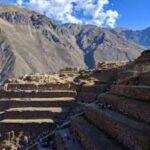
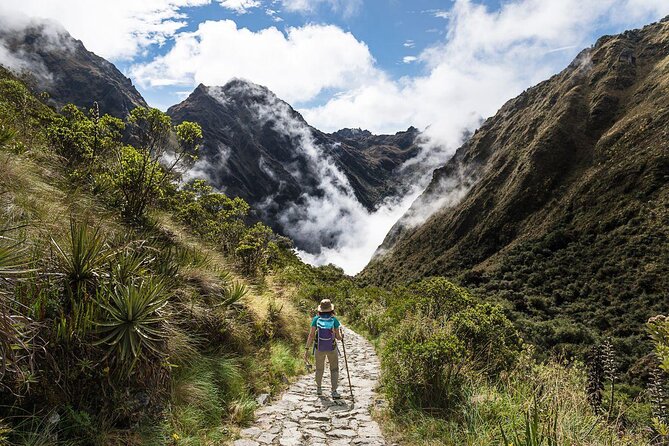
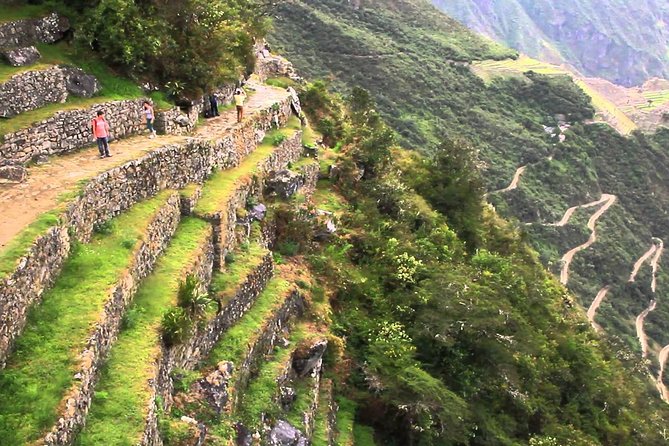
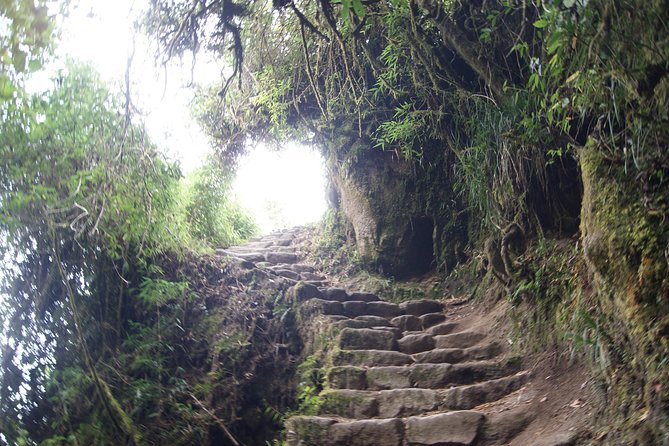
Then you set off on a portion of the Inca Trail that includes Andean stone paths, stairs, and the idea of tambos—resting places used in the Inca system. The hike is listed as suitable for travelers with moderate physical fitness. In practical terms, that means you should expect a steady climb and steps, plus the fact that you’re in high-altitude country.
What I like about this start for many travelers: it’s structured. The day is paced so you’re not trying to figure out timing between trains, buses, and entry tickets. Your guide is there to coordinate and keep things moving.
Wiñay Wayna: the first big emotional payoff
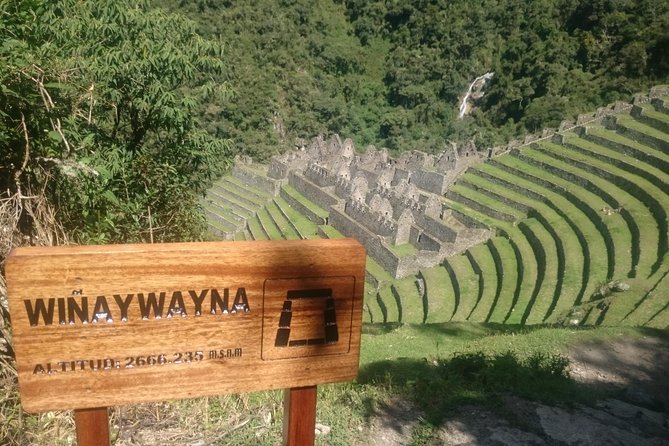
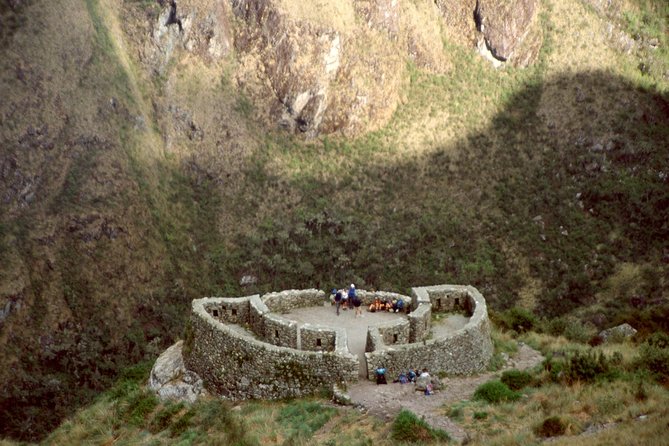
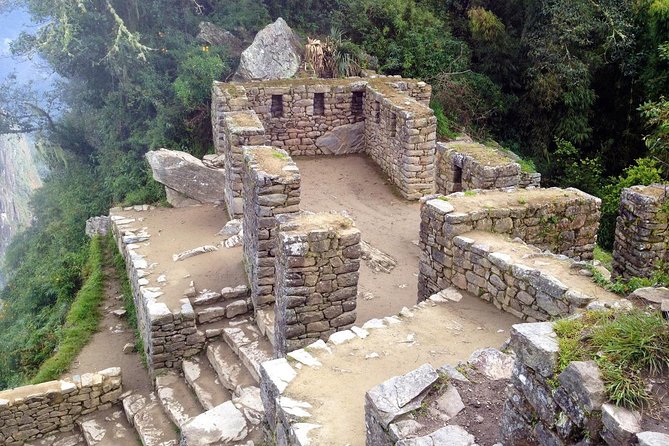
After about 3 hours of walking, you arrive at Wiñaywayna (sometimes spelled Winaywayna). This isn’t presented as a quick stop. You’re meant to learn the place and connect it to what comes next.
From there, the walking continues for around 2 more hours along Andean trails and stone stairs, with the route still framed by Inca-era ideas—resting points and controlled pathways. That’s a big part of why short versions of the Inca Trail still feel satisfying: you still experience progression. It’s not a rushed teleport from point to point.
Also, Wiñaywayna sets you up for the most photogenic moment of the trek.
Inti Punku (Sun Gate): seeing Machu Picchu before you enter
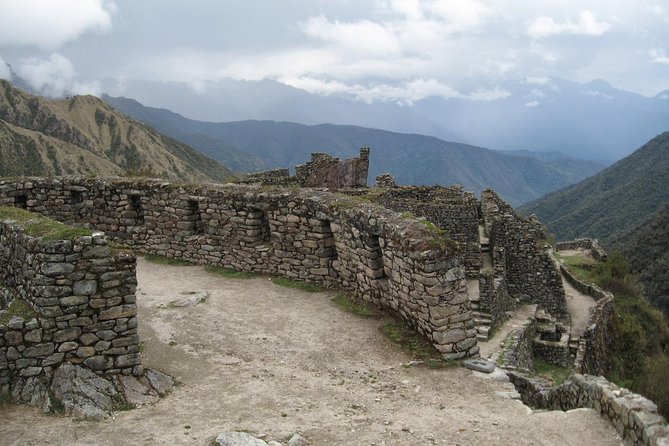
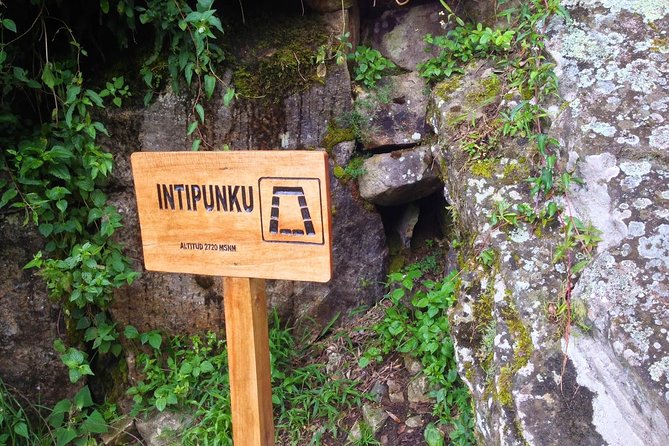
The hike continues until you reach Inti Punku, the Sun Gate. In Inca times, it functioned as an entrance control to Machu Picchu. That detail changes how you experience the viewpoint. You’re not just watching a scenery shot unfold—you’re standing where something important used to happen.
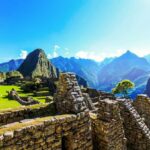
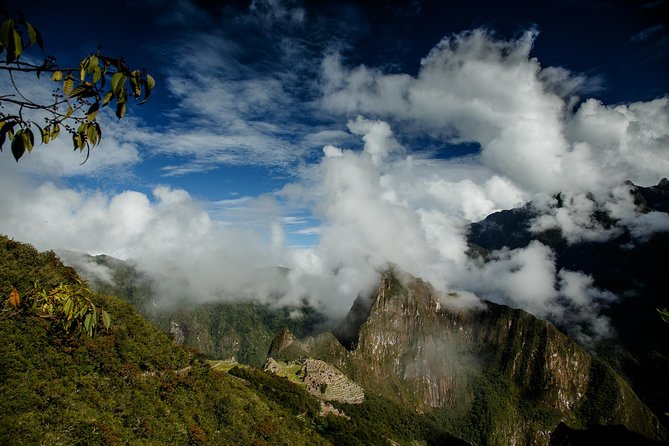
From Inti Punku you’ll get an impressive panoramic view of Machu Picchu. Even if you’ve seen images before, this kind of first view hits differently because it’s earned. You came up walking through the Inca route itself, not arriving by bus and hoping for the best.
A small practical consideration: this part of the day is physically demanding enough that your energy may be focused. So if you’re the type who likes to do everything at full intensity—photos, long stops, lots of narration—plan to be okay with pacing. The goal is to enjoy the moment, not “win” it.
Getting to Aguas Calientes: one night, big implications
After the day’s walking, you’ll head down by bus and connect onward to Aguas Calientes. The overview frames this as spending the night there, but the included list says the hotel in Aguas Calientes is not included.
That’s the key detail you should treat as a decision point. If you don’t want to juggle lodging, you’ll want to confirm what your booking includes for that night, or be ready to handle your own hotel.
Why it matters so much: Aguas Calientes is where you reset for Machu Picchu morning logistics. Your energy, sleep quality, and timing all affect how smooth your visit feels. Even with a great guide, a bad night can turn a good day into a tired day.
On the meal side, you’ll have lunch included, plus a box lunch on day 1. Dinner on day 2 is listed as not included, so plan to eat in Aguas Calientes or on your way back depending on your schedule.


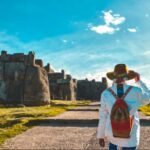
Machu Picchu with a guide: what you should expect
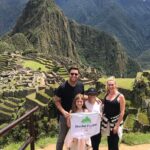
The second day is where the whole plan pays off. You wake up early, take transportation up to Machu Picchu, and get a guided tour lasting 2 hours 30 minutes. The guide covers the most important areas of the citadel and explains how the Incas built and used the site.
In the reviews, guide quality is a standout theme. People specifically praise guides like Baleria for being knowledgeable, friendly, and very helpful, and also mention Britzi for explanations and constant attention. Since guides are assigned by your operator, you can’t assume you’ll get the same person—but it’s a good sign that the experience leans on strong guiding, not just entry and a wristband.
After the guided portion, you get free time to explore on your own. This is where you choose what your personal Machu Picchu looks like:
- If you have permits to climb Huayna Picchu or Machu Picchu, you can use them during this free time.
- If you don’t, you can still slow down, photograph, and revisit areas your guide highlighted.
This split—structured first, flexible second—is a smart way to do a site like Machu Picchu, where everyone has different energy levels and different photo priorities.
Returning to Cusco: train and bus choreography (and why it matters)
After exploring Machu Picchu, you head back in the afternoon. You take the train back to Ollantaytambo, then continue by bus back to Cusco.
This return pattern matters because it affects two things: how much time you have on-site and how smoothly you sleep that night in Cusco. When the connections are organized, you’re not spending your visit worrying about missing trains or timing buses.
Also, since your pickup day 1 is at 4:00 pm, you’re already operating on a guided timeline. The same idea continues on day 2: you’re meant to enjoy Machu Picchu, then transition out without the hassle of re-planning.
Price and value: is $670 reasonable for this short version?
At $670 per person, this tour sits in the “not cheap, but not random” category. You’re paying for a bundle of moving parts that are difficult to DIY well:
- train transport between Cusco area points and km 104
- entrance fees
- a professional guide for both the trail portion and Machu Picchu
- buses for going down and up
- lunches (including a box lunch) and day 2 lunch at Machu Picchu
- coordinated transport back to Cusco
Where value gets better: for many travelers, the hardest part of Machu Picchu planning is not the walking—it’s the transport timing. This tour does that coordination for you. You’re also getting guide-led time at Machu Picchu, which can easily become the difference between seeing a site and understanding it enough to enjoy it longer.
Where value needs an asterisk: the hotel in Aguas Calientes is not included, and dinner on day 2 is not included. Those costs can add up, so treat $670 as the base price for the experience package, not the total trip budget to the last sol.
Who this tour is best for (and who might not love it)
This is a great fit if you want the feeling of the Inca Trail but you don’t have the time for a multi-day trek. The walking portion is substantial—stone stairs, trail time, and a multi-hour segment toward the Sun Gate—but it’s presented as manageable for moderate physical fitness.
You’ll likely like it if:
- you want a guided Machu Picchu visit (2.5 hours) plus room to explore
- you prefer organized transport over self-planning trains and buses
- you value learning as you go, not just a sightseeing checklist
It may not be the best fit if:
- you dislike early mornings (day 2 starts early)
- you don’t want to handle lodging in Aguas Calientes
- you want a slower pace with lots of idle time on day 1 (this is a schedule-driven experience)
Tips to make the experience smoother
A short Inca Trail version is still a serious day in the Andes. Here are a few practical moves that help you enjoy it more.
Plan your energy. Day 1 starts with a late pickup but includes hours of walking. Day 2 includes early transportation up to Machu Picchu and a guided visit. If you try to “power through” on zero sleep, you’ll feel it.
Budget for the Aguas Calientes night. Since the hotel there is not included, don’t wait until the last minute to decide where you’ll stay.
Use your free time strategically. The guided tour gives you the map. Your free time is when you decide your personal priorities—wide-open views, quiet corners, or climbing routes if you have permits.
Stay flexible with permits. If you want Huayna Picchu or additional climbs, make sure your permits are in order before you arrive on day 2, since the ability to do them depends on what you hold.
Should you book this short Inca Trail to Machu Picchu?
If you’re short on time but still want to earn Machu Picchu with an Inca Trail walking segment, this is a strong choice. The biggest strengths are the flow: a guided hike segment ending at Inti Punku, followed by a guided Machu Picchu visit with clear time to explore on your own. Add-in guide praise (especially names like Baleria and Britzi) and the included entrances and transport, and it becomes a “less stress, more meaning” kind of package.
I’d say book it if:
- you’re okay with moderate hiking effort and stairs
- you’re willing to handle the Aguas Calientes hotel piece
- you want a guided Machu Picchu experience rather than wandering blindly
I’d hesitate if you want a fully inclusive overnight plan in Aguas Calientes or you want a slow, no-pressure itinerary. In that case, you might prefer a different Machu Picchu package that includes lodging more explicitly.
FAQ
How long is the hike on day 1?
You walk about 3 hours to reach Wiñaywayna, then about 2 more hours of trail through stone stairs and tambos until Inti Punku (Sun Gate).
What’s included for Machu Picchu on day 2?
You get transport up to Machu Picchu, a guided tour of about 2 hours 30 minutes, and included lunch at Machu Picchu. You also have free time to explore afterward.
Are Huayna Picchu or other climbs included?
Your free time includes the chance to climb Huayna Picchu or Machu Picchu if you already have the required permits.
Do I need a hotel in Aguas Calientes?
Yes, the tour lists the hotel in Aguas Calientes as not included, even though the experience includes spending the night there.
What meals are included?
Lunch is included (including box lunch on day 1) and lunch in Machu Picchu is included. Dinner on day 2 is not included.
What kind of physical fitness level is required?
The tour is described as suitable for travelers with moderate physical fitness.
Is this tour private?
Yes. It’s listed as a private tour/activity, with only your group participating.
What’s the cancellation window?
You can cancel for a full refund up to 24 hours in advance of the experience’s start time, with cancellations after that not refunded.