REVIEW · PUNO
2-Day Amantani Island homestay overnight Tour from Puno
Book on GetYourGuide →Operated by Lago del Cielo Sociedad Anonima Cerrada · Bookable on GetYourGuide
Lake Titicaca turns personal fast. I love the Amantani Island homestay with a Quechua family, and I love the way the day ends at the Pachamama and Pachatata temples for sunset views.
The possible downside is that comfort is basic and the logistics can feel demanding: no hot water or showers, shared toilets, and some walking that’s rough and uphill at high altitude.
In This Review
- Key things that make this tour worth your time
- Uros reeds, Quechua nights, and Taquile textiles: the real Lake Titicaca mix
- The value of the $89 price
- Day 1: from Puno boats to Uros reed islands and a high-elevation homestay
- Uros floating islands: totora life up close
- The long water part: cruise toward Amantani
- Settling in with your Quechua family
- Sunset from the hilltop: where the lake feels endless
- Dinner and the folkloric dance night
- Day 2: Taquile textiles, trout lunch, and your return to Puno
- Taquile village walk and the weaving tradition
- Village market + a scenic lunch with trout
- Amantani homestay basics: what “simple” really means at 3,800 meters
- What to pack so you feel comfortable, not stressed
- Altitude, walking surfaces, and safety: plan for the real conditions
- How to make the trip easier on yourself
- A note on Taquile: confirm your expectations for day 2
- Who should book this Amantani Island overnight?
- Should you book the 2-Day Amantani homestay from Puno?
- FAQ
- How long is the Amantani Island homestay tour from Puno?
- Where are the pickup locations in Puno?
- Which islands do you visit during the tour?
- What does the tour price include?
- What meals are provided?
- What is the homestay accommodation like on Amantani?
- How hard is the hike to the temple area?
- What should I bring for the trip?
- Is the tour suitable for people with heart problems or wheelchair users?
- What languages will the guide speak?
Key things that make this tour worth your time
- Uros floating reed islands: walk on the totora surface and learn how families harvest and weave reeds
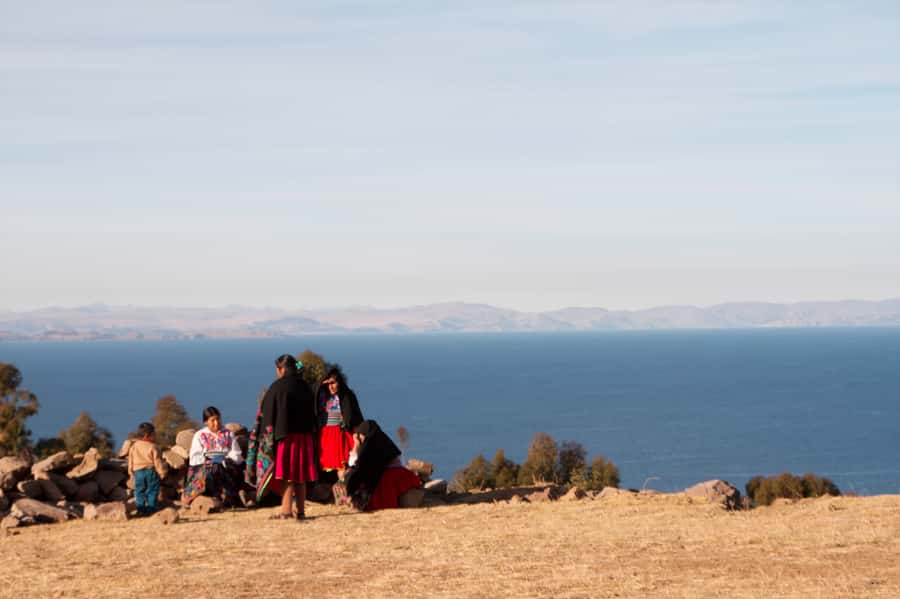
- Quechua homestay on Amantani: sleep with a family and share Andean meals in real life, not a performance
- Temple hike timing: go up to the hilltop for Pachamama and Pachatata during the day’s big light
- Taquile for textiles: watch handweaving and see UNESCO-recognized craft traditions up close
- Fresh lake lunch: a trout meal on Taquile with panoramic views from the village
Uros reeds, Quechua nights, and Taquile textiles: the real Lake Titicaca mix
This is the kind of Lake Titicaca trip that gives you more than scenery. You’re on boats, sure. But what you’re really paying for is contact—Uros people living on reed islands, a Quechua family opening their home, and Taquile weavers keeping their traditions visible and practical.
The schedule is built around altitude and atmosphere. You’ll start at lake level, then spend the night around 3,800 m on Amantani, and you’ll reach about 4,130 m for the temple area. That’s not just a number. It affects your breathing on the hike and your sense of temperature in the early morning and after sunset. Bring warm layers even if you think the day looks mild.
And you get a bilingual English–Spanish guide. That matters on Lake Titicaca where cultural context, basic safety tips, and simple translation can make the whole trip feel smoother.
You can also read our reviews of more tours and experiences in Puno
The value of the $89 price
Two days for about $89 isn’t bargain-basement cheap, but it’s not overpriced either—especially because so much is included. You get hotel pickup in central Puno, motorboats, entrance fees, a guided experience, 3 meals plus another lunch on Taquile, and basic accommodation with the homestay family.
In other words: you’re not paying extra just to get from A to B. You’re paying for the full chain—local-guided visits, meals, and the overnight that’s the heart of the experience.
Day 1: from Puno boats to Uros reed islands and a high-elevation homestay
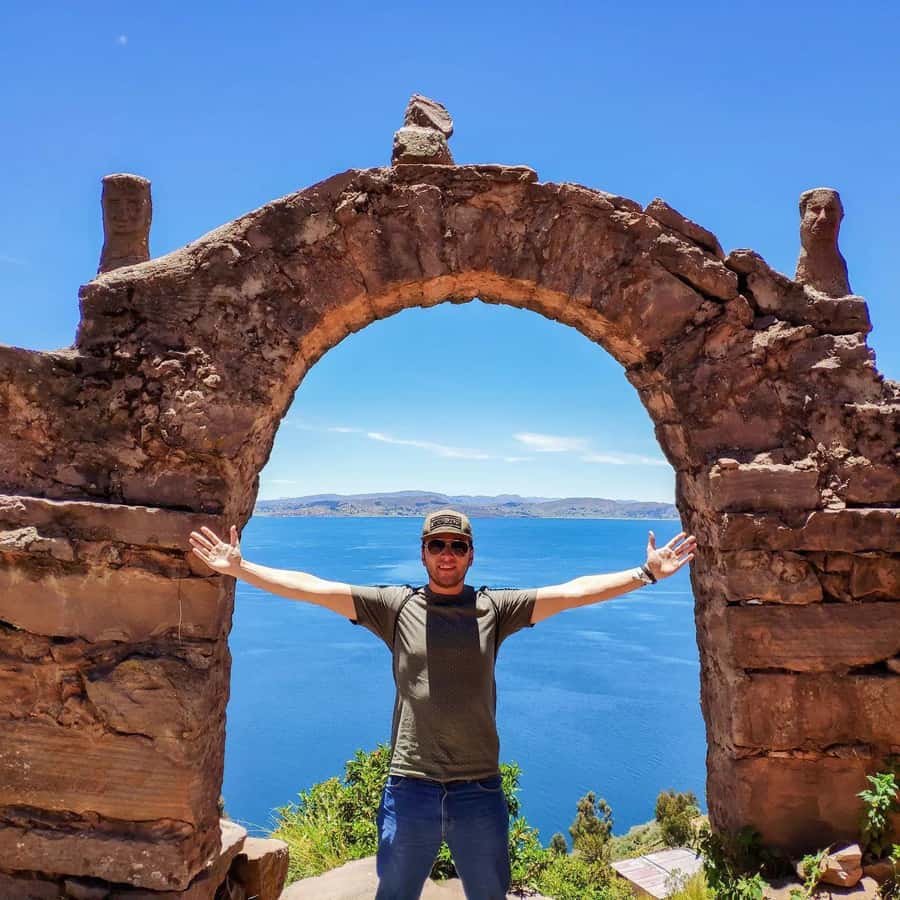
The day begins with pickup in Puno. Your start points can include Plaza Mayor de Puno, Av. El Sol 898, or Parque de las Aguas, depending on your option. From there it’s a quick hop to the water—no long bus day, which is nice when you’re already adjusting to altitude.
Uros floating islands: totora life up close
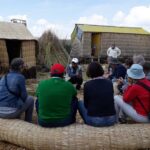
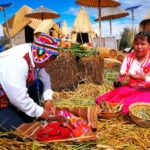
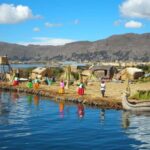
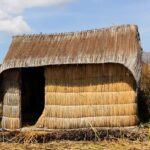
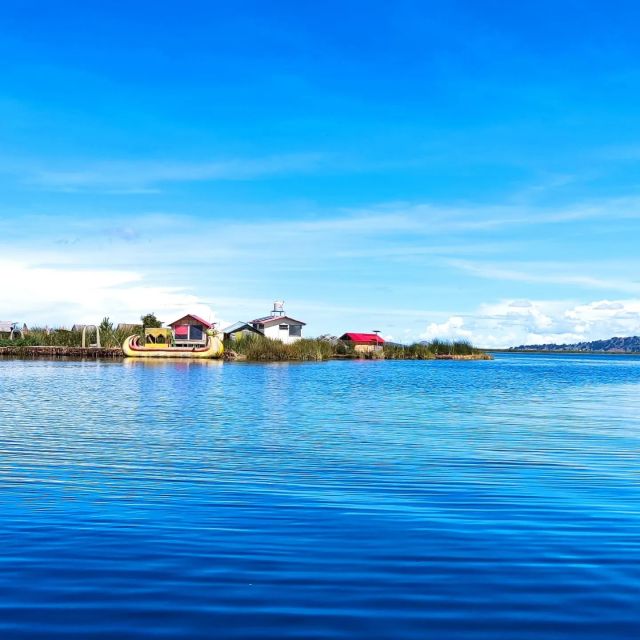
You’ll visit the Uros Floating Islands with a guided tour (about 45 minutes). The key is that you’re walking on a living platform made of totora reeds—spongy underfoot and built to be maintained. You’ll see how families harvest and weave the reeds, and you’ll understand that this isn’t a one-time tourist stage. It’s an ongoing skill set that keeps the island functional.
Practical tip: wear shoes you don’t mind getting slightly damp or dusty. The surface can feel uneven, and you’ll want sure footing.
The long water part: cruise toward Amantani
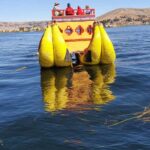
After Uros, you’ll take a roughly three-hour cruise across the lake to Amantaní Island. This is the bridge between the show-and-tell stops and the more personal homestay evening. During that time, you’ll get time to breathe, take photos, and watch how the lake and the horizon change with weather.
It’s also a reminder that you’re on a very big, very high lake—winds and chill can show up fast. If you’re prone to getting cold, bring layers that zip or layer easily.

Settling in with your Quechua family
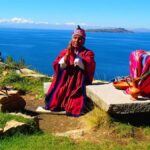
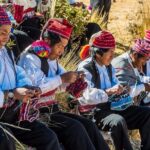
Once you arrive on Amantani, a Quechua family welcomes you in. There’s usually a simple lunch using local ingredients, then the real highlight: the temple hike.
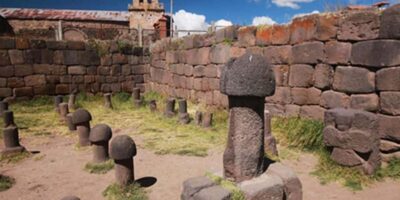
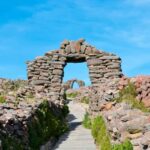
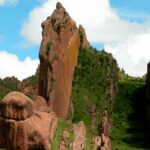
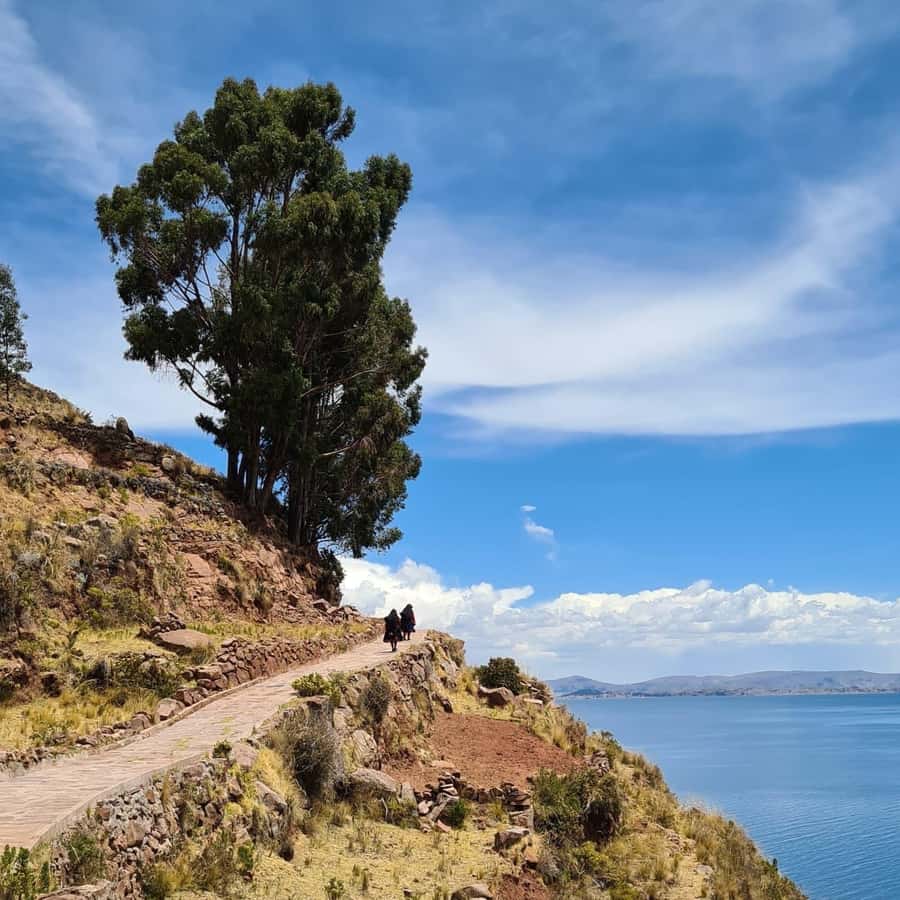
You hike to the area near the sacred temples of Pachamama and Pachatata. Plan for about an hour uphill at around 4,130 m. You don’t need to be an athlete, but you do need decent stamina and sensible pacing. If you rush, altitude punishes you.
If you decide you don’t want to climb, you can explore lower parts of the island on your own pace. Another practical option mentioned on the island is hiring a motorcycle taxi from local villagers (around 20 soles, about $5). That gives you flexibility without sacrificing the cultural time on Amantani.
Sunset from the hilltop: where the lake feels endless
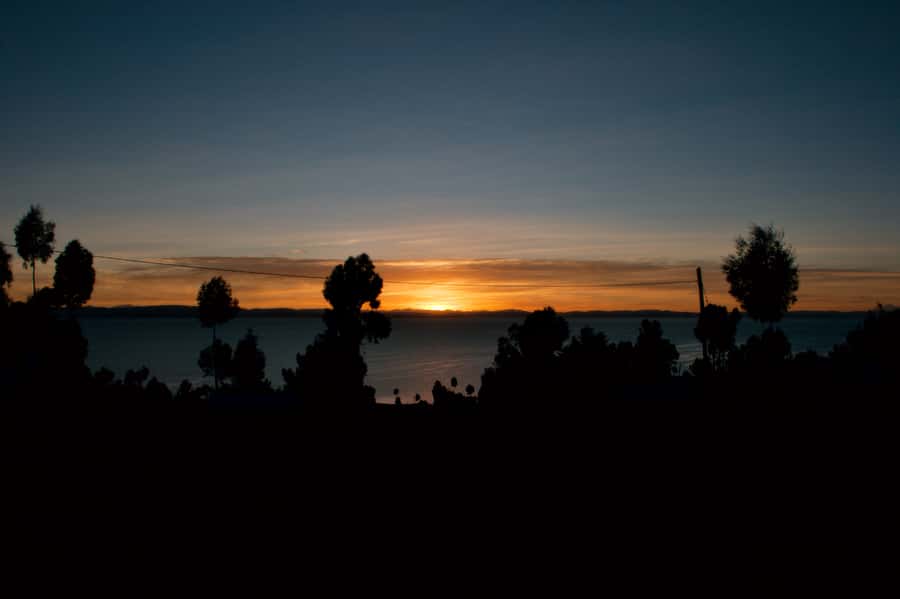
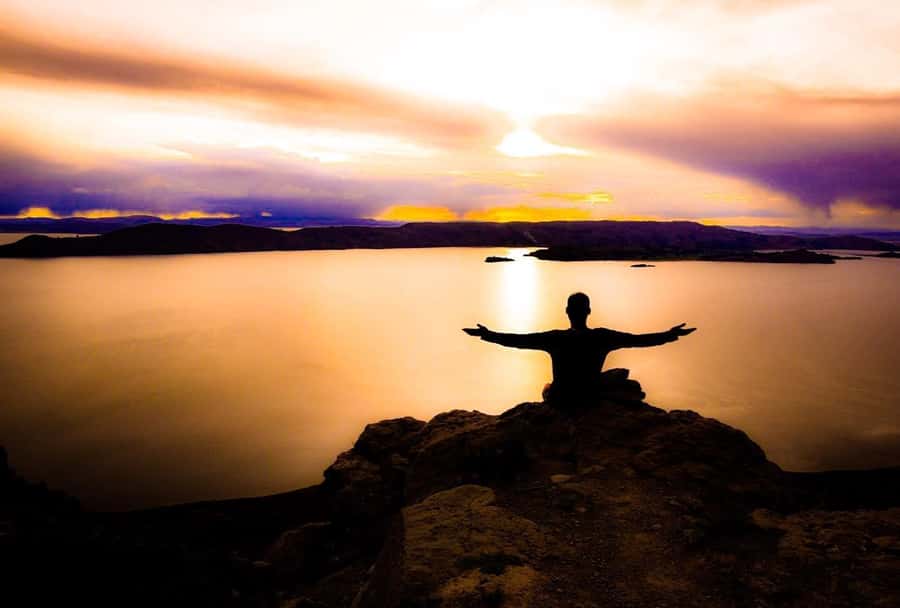
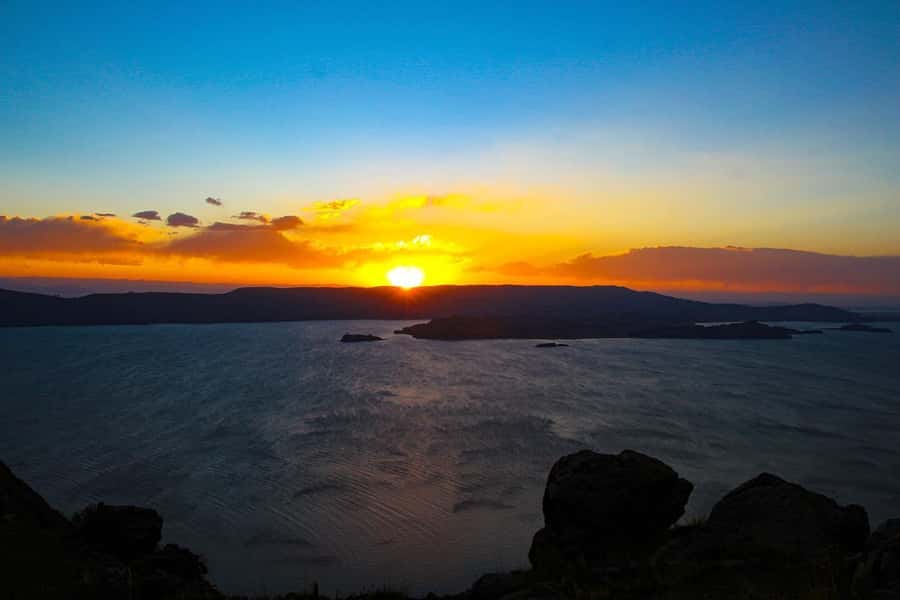
After you reach the temple area, you stay for sunset. From there, the lake stretches toward Bolivia, and the light gets dramatic. This is when the whole trip starts to feel less like logistics and more like a place you’re part of, even briefly.
Dinner and the folkloric dance night
Back at your host family’s place, you’ll have dinner, then a folkloric dance night where locals and visitors share music, costumes, and a friendly mix of energy.
This is one of those moments where your attitude matters. If you show up curious and ready to laugh (not mock), you’ll get more out of it than if you try to treat it like a museum performance.
Day 2: Taquile textiles, trout lunch, and your return to Puno
Your second day begins with breakfast at your homestay. Then you head out by boat to Taquile Island.
Taquile village walk and the weaving tradition
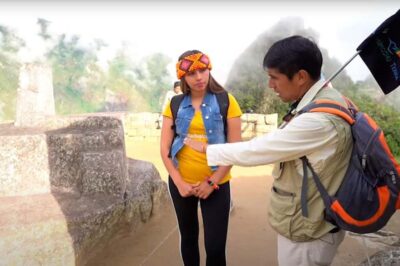
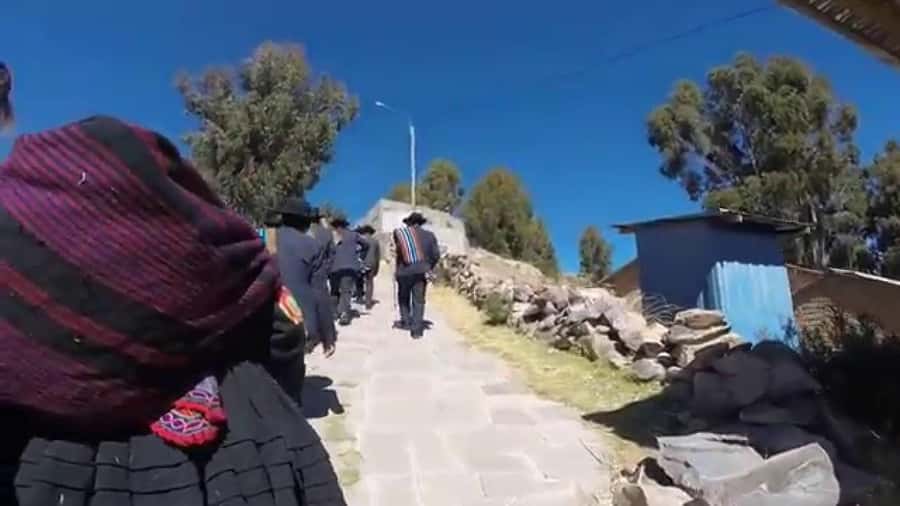
Taquile is where craft becomes the main event. You’ll take a hike along stone pathways to the main plaza and you’ll see artisans working on handwoven textiles. This tradition has recognition by UNESCO, and the point isn’t just the label—it’s that you can watch people make what they sell and wear.
This is a good time to slow down. Don’t just photograph looms. Look at how daily life and craft connect.
Village market + a scenic lunch with trout
You’ll have time for the village market, then sit down for lunch with lake views. The meal includes fresh trout pulled from Lake Titicaca waters. It’s a simple but satisfying payoff after the walking.
After lunch, you descend the stone steps to the pier and board the boat back to Puno, arriving around 3 PM.
Amantani homestay basics: what “simple” really means at 3,800 meters
Let’s be clear: this is a homestay, not a hotel.
Expect basic accommodation—typically a simple room with a bed and several heavy blankets. You should also expect shared toilets, and no hot water or showers. In the cold, that can feel rough unless you’re ready for it mentally and physically.
The tradeoff is the part hotels can’t copy: you’re living alongside a Quechua family’s routines and food. Meals are homemade Andean fare such as quinoa soup, potatoes, rice, eggs, and oca. It’s hearty, not fancy. The food is a big part of how you’ll stay warm and functional during the hike.
What to pack so you feel comfortable, not stressed
Bring:
- Warm layers for early mornings and evenings
- A hat, sunscreen, and water bottle
- Rain gear if you travel around October–April
- Hiking shoes (real traction helps)
- A small backpack for the overnight; if you have heavy luggage, ask your Puno hotel to store it
Also, consider energy bars or snacks. You’ll be moving more than you expect for a two-day trip, especially on Amantani and Taquile.
Altitude, walking surfaces, and safety: plan for the real conditions
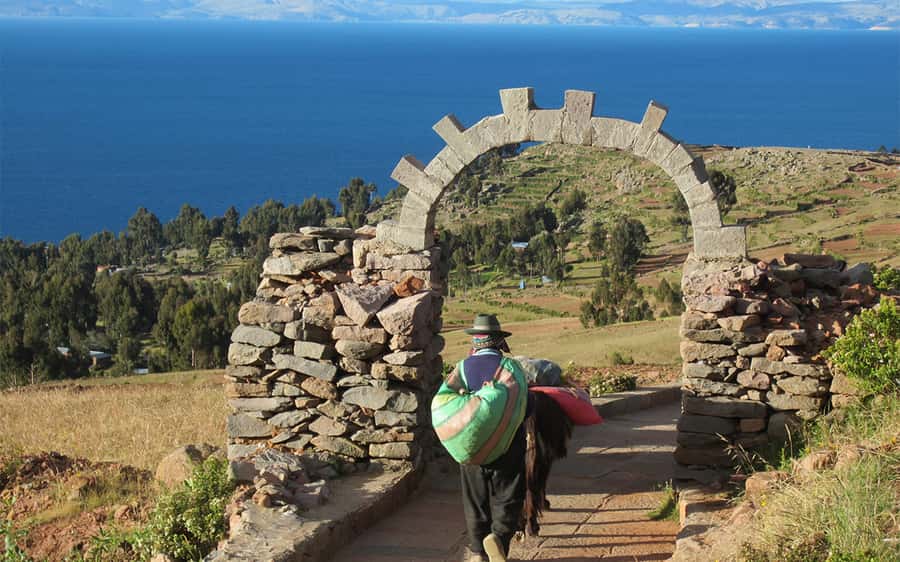
This experience is beautiful, but it comes with physical realities.
The temple hike is uphill at high altitude. Heart problems are a clear no-go, and wheelchair users can’t be accommodated based on the walking nature of the route.
There’s also the terrain factor. One practical caution from past participants: some paths can be rocky and uneven, and night movement around the homestay may involve trips between levels with limited lighting. I don’t say that to scare you. I say it so you walk smart: take your time, use your phone light carefully if allowed, and don’t rush right after dinner when you’re tired.
How to make the trip easier on yourself
- Go slower than you think you need to on the temple climb
- Eat and hydrate even if you feel a little off at altitude
- Wear traction shoes rather than thin soles
- Bring a small flashlight if you have one (useful on uneven footing)
A note on Taquile: confirm your expectations for day 2
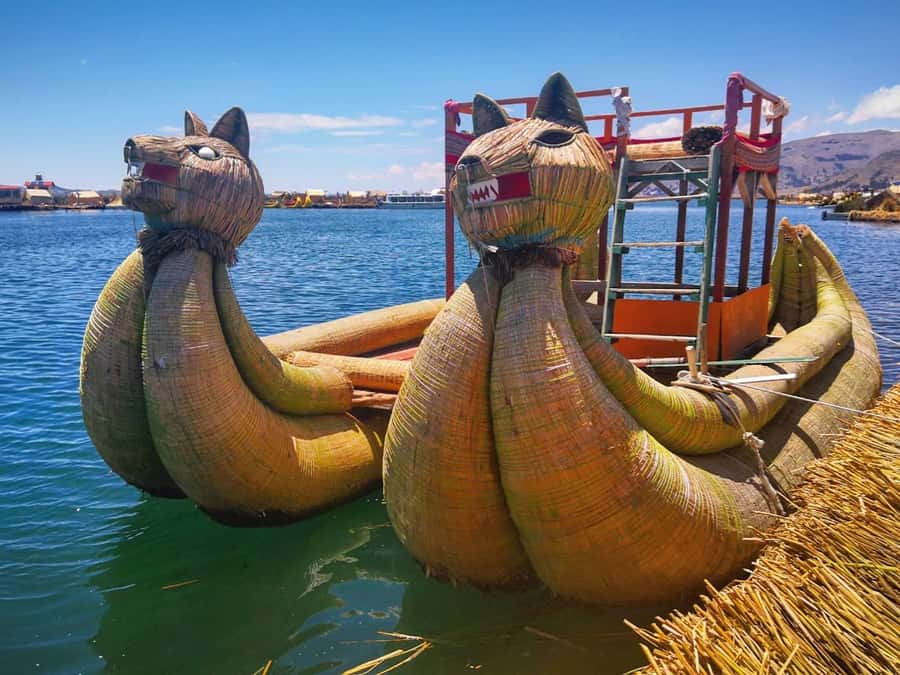
This tour is designed to include Taquile Island on the second day. Still, conditions can change when you’re operating on a lake with schedules and weather.
My advice: when you get your confirmation, ask directly whether Taquile is locked in for day 2 and what happens if timing shifts. A quick question to the provider can save you from disappointment if there’s any doubt.
Who should book this Amantani Island overnight?
You’ll likely love this if you want:
- A real homestay experience on Lake Titicaca
- Cultural contact that’s not just a quick stop
- The combo of Uros + Amantani + Taquile in two days
- A guide who can explain what you’re seeing in English and Spanish
You might want to skip it if:
- You can’t handle strenuous uphill walking at altitude
- You need hotel-style amenities (hot showers, private bathroom, smooth paths)
- You’re expecting an easy stroll the whole way
Should you book the 2-Day Amantani homestay from Puno?
If you’re comfortable with basic overnight conditions and you can handle an uphill hike at high altitude, this is a strong choice. For around $89, you get boats, meals, guided cultural stops, and the best part—the night spent with a Quechua family on Amantani.
I’d only hesitate if you need comfort first, or if you’re worried about night walking and uneven surfaces. If that sounds like you, look for a more hotel-based Titicaca option or a different itinerary.
My bottom line: this is one of those Lake Titicaca trips where the value isn’t in luxury. It’s in access.
FAQ
How long is the Amantani Island homestay tour from Puno?
It lasts 2 days and includes 1 night on Amantani Island.
Where are the pickup locations in Puno?
Pickup is available from central Puno options such as Plaza Mayor de Puno, Av. El Sol 898, and Parque de las Aguas.
Which islands do you visit during the tour?
You visit the Uros Floating Islands, Amantani Island (including the temple area), and Taquile Island.
What does the tour price include?
Included are entrance fees, a bilingual English/Spanish-speaking guide, transfers between hotel–port–hotel, motorboat transport, basic accommodation, and 3 meals (plus lunch on Taquile).
What meals are provided?
You get lunch on the first day, dinner on the first day, breakfast on the second day, and lunch on Taquile Island. The food is described as homemade Andean fare like quinoa soup, potatoes, rice, eggs, and oca.
What is the homestay accommodation like on Amantani?
Expect basic lodging: a simple room with a bed and heavy blankets, shared toilets, and no hot water or showers.
How hard is the hike to the temple area?
The climb to the hilltop temples is about 1 hour uphill at around 4,130 m. Decent physical fitness is recommended.
What should I bring for the trip?
Bring passport or ID, hiking shoes, warm layers, a hat, sunscreen, a water bottle, and rain gear if traveling October–April. Energy bars or snacks can also help on longer walks.
Is the tour suitable for people with heart problems or wheelchair users?
No. It is listed as not suitable for people with heart problems and wheelchair users.
What languages will the guide speak?
The guide speaks English and Spanish.