REVIEW · PUNO
Lake Titicaca 2-Day Tour to Uros, Amantani and Taquile
Book on GetYourGuide →Operated by Peru & U · Bookable on GetYourGuide
Two nights, one lake, real people. This 2-day Puno trip puts you on the water for the floating reed islands of Uros and then sends you to an Amantani homestay where you eat with a family and catch an evening music moment.
I also like how the tour keeps things human-scale: you’re not just hopping from stop to stop. Day two adds Taquile’s intricate weaving, which is the kind of skill you can actually see and understand on the spot.
The only real catch is the rustic setup on Amantani, with a shared toilet and no hot shower or internet.
In This Review
- Key highlights you’ll feel fast
- Uros Floating Reed Islands: the first taste of Titicaca life
- Amantani homestay: sleep in the real rhythm of the island
- The temple trek to Pachamama and Pachatata
- Food on the island: authentic, filling, and vegetarian-focused
- Taquile Island: weaving you can actually see up close
- Price and value: what $69 covers (and what it doesn’t)
- Guides and group flow: how you’ll experience it day to day
- Getting ready: what to pack for cold wind, lake weather, and walking
- Who this tour suits best
- Should you book the Lake Titicaca 2-Day tour with Uros, Amantani, and Taquile?
- FAQ
- What islands are included in the 2-day Lake Titicaca tour?
- Is hotel pickup included?
- What kind of accommodation do you get on Amantani?
- Is there running water, electricity, or hot shower at the homestay?
- What meals are included, and is meat served?
- How does the Uros portion of the trip work?
- Is there an optional reed boat ride?
- What language is the guide?
- What should I bring for weather and comfort?
- What time do you return to Puno on day two?
Key highlights you’ll feel fast
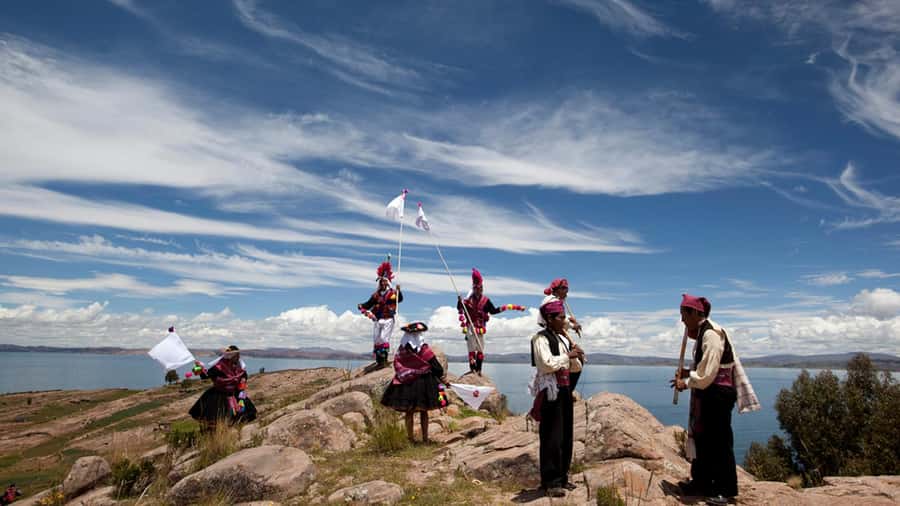
- Uros by boat: you spend real time on the lake, not just a quick photo stop
- Amantani homestay: you sleep with a local family and share their day-to-day pace
- Temple hike viewpoint: you’ll trek up to see the Pachamama and Pachatata temples
- Family-led evening: you can experience music and dancing connected to the household
- Taquile weaving: locals show the craftsmanship behind the island’s famous textiles
- Clear food expectations: meals are authentic, but they’re vegetarian (no meat)
Uros Floating Reed Islands: the first taste of Titicaca life
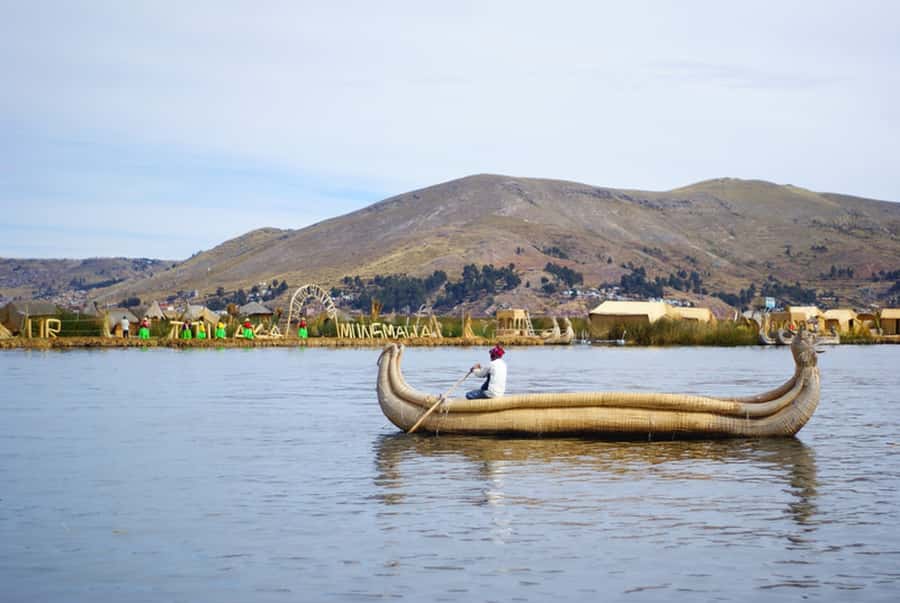
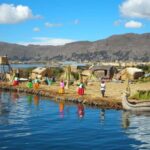
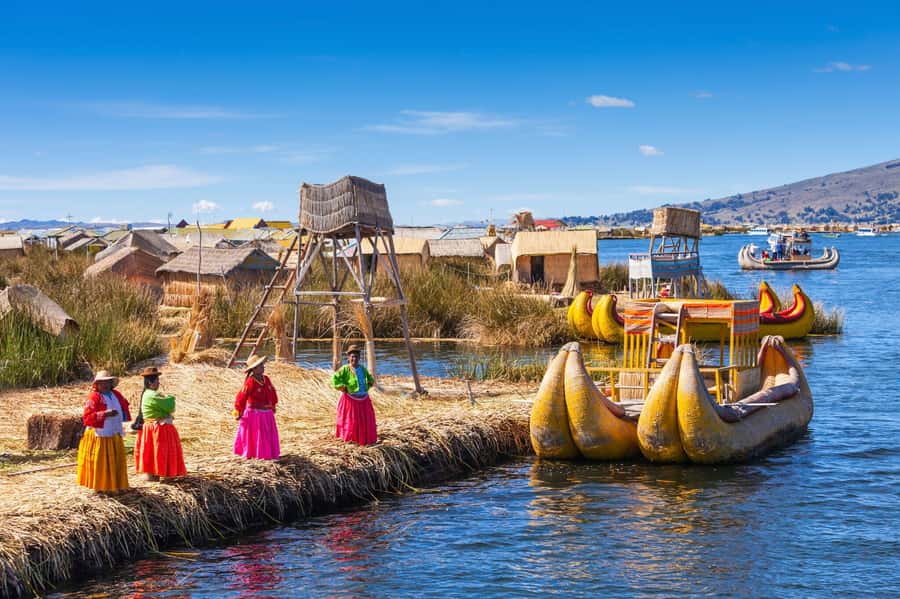
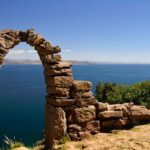
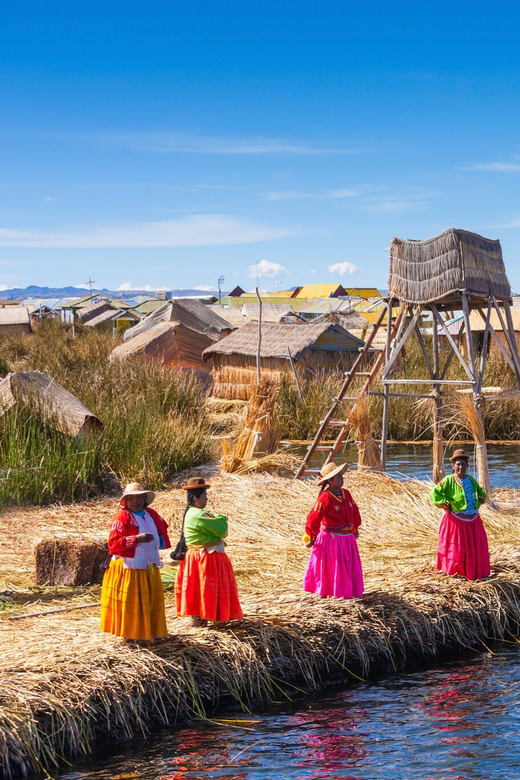
Your trip starts in the Puno area and quickly turns into time on the lake. You’ll head out by motorboat to the Uros reed islands, where you can observe a way of life built around the water. It’s one of those places that can feel oddly surreal from the shore—until you’re actually moving across it.
What I like here is the pace. You’re not watching from a dock. You’re on the water with an English-speaking guide, and that matters because you’ll have context for what you’re seeing and why it exists. Also, you get island entry included, so you’re not scrambling to figure out what fees are already covered.
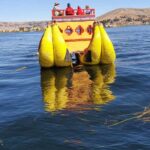
One practical detail: there’s often an optional reed boat ride available on the spot. If you want that extra lake experience, budget about 15 Soles per person, paid directly to locals. It can be a nice way to support the community and slow things down for a closer look.
You can also read our reviews of more tours and experiences in Puno

Amantani homestay: sleep in the real rhythm of the island
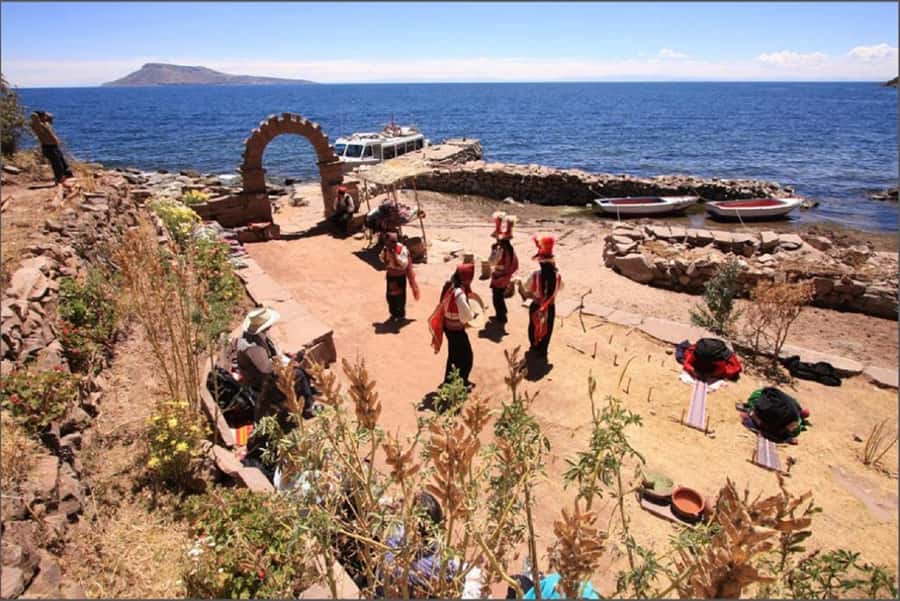
Day one shifts from sightseeing to living. After Uros, you make your way to Amantani and the tour breaks into smaller groups for stays with local families. That structure is important: it’s what turns the night from a generic tour stop into something more personal.
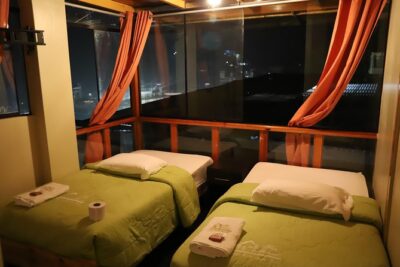
Your accommodation is rustic. You’ll have bedding and blankets, and the big comfort note is the bathroom setup: the toilet is shared, and it’s not in your room. You should also expect the basics of island life to be limited—no running water, no electricity, and no hot shower or internet.
If you’re traveling with the right mindset, that’s not a deal-breaker. It’s part of the value. This homestay model puts you close to daily routines: how the household prepares food, how people communicate, and how the evening entertainment unfolds. Several past groups have singled out the family connection and the warmth of the hosts, including nights featuring music and dancing led by the family.
Also, the tour includes meals prepared by your designated family, and those meals are authentic. They’re inclusive of one dinner, one breakfast, plus lunches on both days.
The temple trek to Pachamama and Pachatata
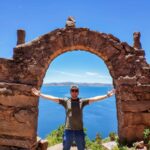
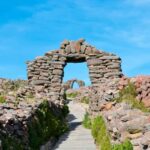
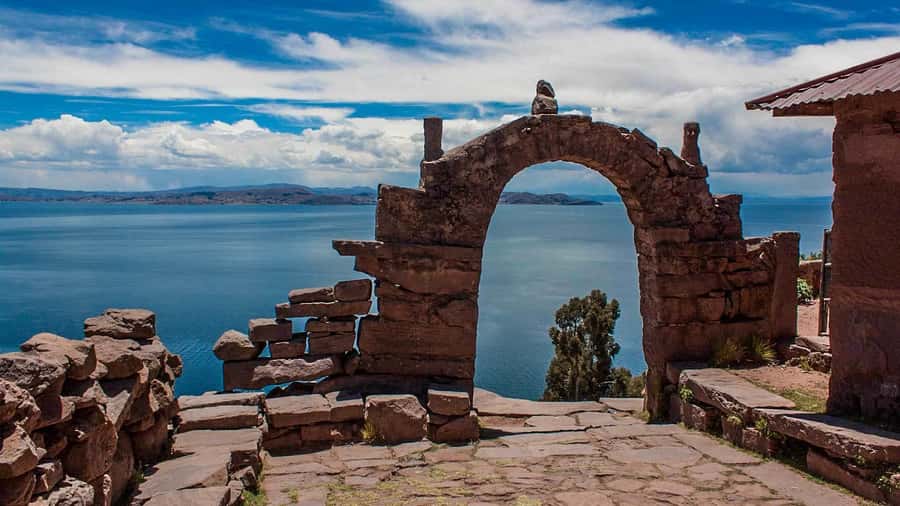
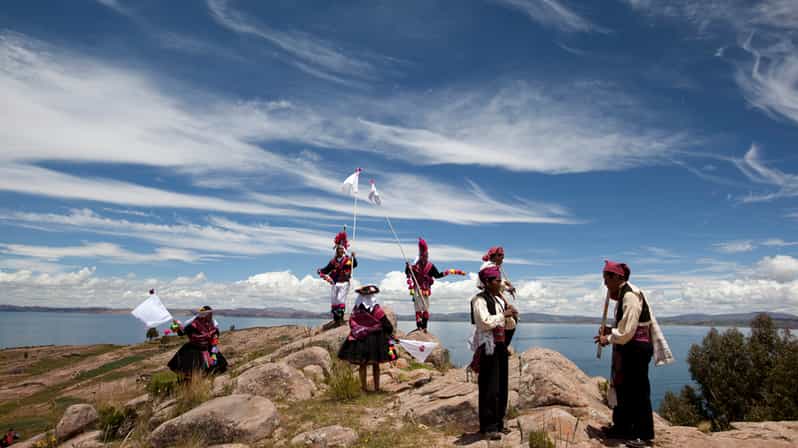
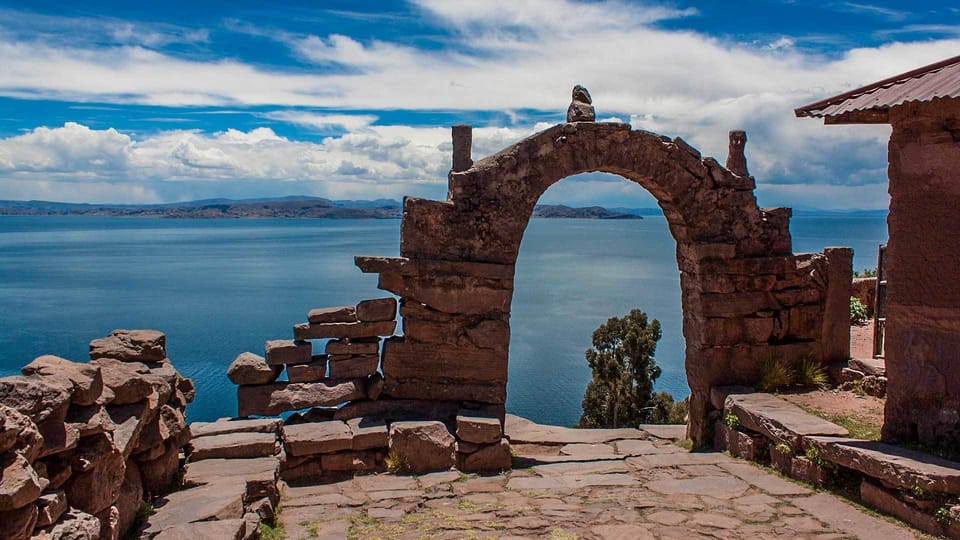
Amantani isn’t flat. You’ll trek up to the top of the mountain to visit the Temples of Pachamama and Pachatata. Even if you’ve hiked before, this is the part of the trip that can quietly separate easy days from tiring ones.
Here’s how to think about it: you’re not hiking just for exercise. You’re hiking for the viewpoint and the meaning. The guide helps connect the visit to the local spiritual framing of Pachamama and Pachatata, and that’s often why people remember the day more than the logistics of getting there.
Practical tip: wear comfortable shoes you can trust on uneven ground, and plan for altitude-style pacing. Bring warm layers too. Even when the sun is out, wind over the lake can cool you down fast.
Food on the island: authentic, filling, and vegetarian-focused
Meals are a core part of this tour, and they’re included. You’ll get 2 lunches, 1 dinner, and 1 breakfast. A big note: meat is not included with meals, so don’t plan on ordering a steak dinner or expecting meat dishes as part of the family meal.
What you will get is authentic food prepared by the household you stay with. The quality here is less about restaurant presentation and more about home cooking and local ingredients. Since the family is responsible for the meal, you’ll also tend to get an experience that feels more like participation than consumption.
On the boat, extra drinks and snacks aren’t included. So if you’re the type who likes a juice or a salty snack during travel, grab it before you’re out on the water—or accept that you’ll have to plan around it.
Taquile Island: weaving you can actually see up close
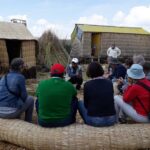
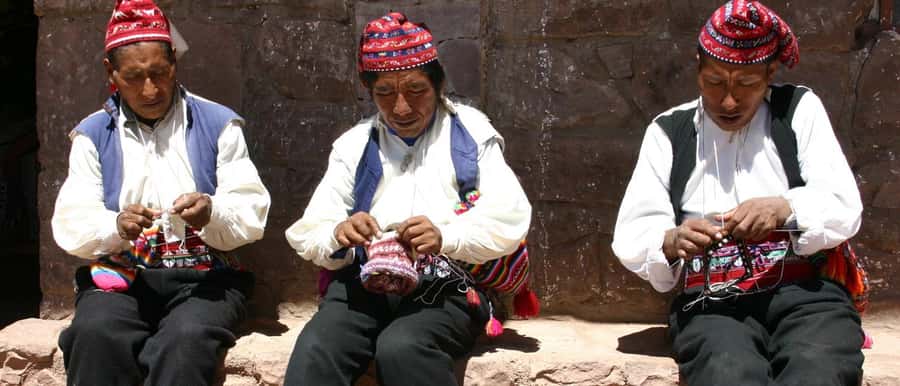
Day two brings Taquile, and the tone changes again. After breakfast, you take a short boat ride to Taquile and meet locals known for intricate weaving. This stop is valuable because weaving here isn’t just a craft demo. It’s presented as part of island identity, and you can see the skill up close rather than just buying a souvenir after a quick glance.
This is also where the tour feels most balanced. You’ve already done Uros and you’ve lived the homestay night. Taquile adds a different kind of insight: how knowledge gets passed down through textiles, patterns, and daily workmanship.
After you meet locals and finish lunch, you return to Puno, with arrival generally between 3:15 PM and 3:30 PM.



Price and value: what $69 covers (and what it doesn’t)
At $69 per person for two days, the real question is value for what you actually get. This isn’t just a boat tour.
You’re paying for:
- island entry fees
- boat transportation across Lake Titicaca segments
- an English-speaking guide
- transfers
- one-night accommodation with a local family on Amantani
- meals: 2 lunches, 1 dinner, 1 breakfast
What can add cost:
- extra drinks/snacks on the boat
- the optional reed boat ride (about 15 Soles per person)
- anything you bring yourself beyond included meals
Comfort note: the included homestay isn’t designed like a hotel. You’re trading amenities (hot shower, private bathroom, internet) for the chance to share the day with a family. If that trade feels fair to you, this price often looks like a bargain. If you need hotel-style comfort, the same price can feel less appealing.
Guides and group flow: how you’ll experience it day to day
This tour runs with an English-speaking guide, and the language pairing can be Spanish and English. You’ll also find that guide quality changes the trip, especially on cultural visits and temple context. Past groups have praised guides such as Carlos, Elmer, Ruben, Jose Carlos, and Ricardo for being approachable and for making the experience easier to understand.
Group size is another factor. On Amantani, you’re placed into smaller groups for stays with local families. That’s a positive sign. It usually means less crowding at the homestay level and more time for real interaction.
Timing-wise, Day 2 ends in Puno after lunch, arriving between 3:15 PM and 3:30 PM. That’s a useful window if you’re planning an evening bus, dinner near the center, or just a rest before the next leg of your Peru route.
Getting ready: what to pack for cold wind, lake weather, and walking
Lake Titicaca weather can be sneaky. You should plan clothing by season:
- May to September (winter): bring warm clothing
- October to April (rainy season): bring rainwear
You’ll want:
- comfortable shoes for the temple trek and uneven paths
- a sun hat
- warm layers even if the day starts mild
- water
Also check luggage. Oversize luggage isn’t allowed in the boat. If you travel with heavy bags, ask whether your hotel can store them safely, usually for free. If not, you can often leave them at the meeting point at no cost. And no pets are allowed.
Who this tour suits best
I think this is a strong fit for you if:
- you want a real homestay experience, not just a view from a bus
- you like cultural context from the guide, especially at the temples
- you’re okay with rustic comforts in exchange for authenticity
- you enjoy crafts and want to see weaving up close on Taquile
You might want a different option if you:
- need private bathroom access and hot showers
- hate cold wind and don’t want to dress for it
- prefer meals with meat
Should you book the Lake Titicaca 2-Day tour with Uros, Amantani, and Taquile?
Book it if your priority is people-first travel: the boat time to Uros, the homestay on Amantani, and the hands-on feel of Taquile’s weaving. For a two-day format, it gives you variety without running you ragged.
Hold off if comfort is your top requirement. The Amantani stay is shared-toilet rustic, with limited utilities. Also plan for walking up hills to reach the temples.
If you do book, make your decision confidently by matching expectations: treat this as a cultural night with a family plus a couple of major islands, not a hotel break on the lake. That mindset is exactly what turns a cool itinerary into a memorable one.
FAQ
What islands are included in the 2-day Lake Titicaca tour?
You’ll visit the floating reed islands of Uros, stay overnight on Amantani Island with a local family, and then go to Taquile Island on the second day.
Is hotel pickup included?
Pickup is optional. If you select it, pickup is included for hotels in central Puno. If your hotel is outside the pickup area, you’ll be told to go to a specified meeting point in the city center.
What kind of accommodation do you get on Amantani?
You’ll stay one night in a homestay on Amantani Island with a local family. The accommodation is rustic, with a shared toilet. Bedding and blankets are supplied.
Is there running water, electricity, or hot shower at the homestay?
No. The homestay does not include running water, electricity, hot shower, or internet.
What meals are included, and is meat served?
The tour includes 2 lunches, 1 dinner, and 1 breakfast. Meals with meat are not included.
How does the Uros portion of the trip work?
You travel to the Uros reed islands by motorboat, visit the islands with an entry included, and your guide helps explain what you’re seeing.
Is there an optional reed boat ride?
Yes. You can take a typical reed boat ride for approximately 15 Soles per person, paid directly to locals.
What language is the guide?
The tour includes a live guide in English, and Spanish is also available.
What should I bring for weather and comfort?
Bring comfortable shoes, warm clothing (especially May to September), rainwear if traveling during the rainy season (October to April), a sun hat, and water.
What time do you return to Puno on day two?
After lunch on Taquile, you return to Puno and generally arrive between 3:15 PM and 3:30 PM.