REVIEW · PARACAS
From San Martin Port: Ballestas Island & Paracas Reserve
Book on GetYourGuide →Operated by Tangol · Bookable on GetYourGuide
Penguins, sand, and sea in one tight morning. This Ballestas Islands + Paracas National Reserve combo gives you real wildlife time on the water, then wild desert scenery on land. I especially love the chance to spot seabirds and sea lions up close, and I like how Paracas adds fossils plus famous viewpoints without dragging the day out. The only real drawback: the port transfers can be Spanish-only, so if you need English explanations in transit, plan for that.
The day starts with a smooth morning rhythm: bus ride, then a speedboat out of El Chaco. Before you even reach the islands, you pass the Candelabro, a giant coastal geoglyph that’s 180 meters long and about 2,500 years old, with no clear agreed-upon purpose. Once you land in Paracas, the interpretation center sets context for the reserve’s flora, fauna, and marine fossils, so the desert stops make more sense.
Price-wise, this is one of the better “big sights in one go” deals in Ica, at $74 per person for about five hours of guided touring plus the speedboat. Just budget extra for the local entrance fee (S/ 22.00) and food and drinks, which aren’t included. Also note it isn’t set up for pregnant travelers or people with back problems.
In This Review
- Key things that make this tour worth your morning
- San Martín Port pickup and the El Chaco speedboat jump-off
- Candelabro: the 180-meter coastal mystery before the islands
- Ballestas Islands wildlife cruise: penguins, sea lions, and bird action
- Paracas National Reserve: how the interpretation center makes the desert make sense
- Cathedral rock remains, Red Beach, and Lagunillas: the stops you’ll remember
- The Cathedral rock remains (and why it feels iconic)
- Red Beach: volcanic sand with a strange color
- Lagunillas Beach: the fishing resort pause
- Price and value: what $74 really buys you in Paracas
- Language and guide reality: what you should expect before you go
- Who this tour fits best (and who should skip it)
- Packing checklist that matches this specific route
- The small things that can affect your day (queues, timing, group flow)
- Should you book the San Martín Port Ballestas and Paracas tour?
- FAQ
- How long is the tour from San Martín Port?
- Where does the tour start and end?
- Is the speedboat to Ballestas included?
- Do I need to pay entrance fees?
- What languages are available during the tour?
- Is this tour suitable for pregnant women or people with back problems?
Key things that make this tour worth your morning
- Speedboat wildlife time out of El Chaco, with multiple coasts and animal-viewing opportunities
- Candelabro geoglyph on the way to Ballestas: 180 meters long, ~2,500 years old, purpose still debated
- Ballestas birds and marine life including boobies, pelicans, sea lions, and Humboldt penguins
- Guano bird watching and guano’s role in the archipelago’s ecosystem
- Paracas interpretation center + marine fossils, then desert viewpoints like the Cathedral rock remains
- Red Beach and Lagunillas Beach stops, both built into the same half-day flow
San Martín Port pickup and the El Chaco speedboat jump-off
Most people underestimate how much the start matters on this kind of trip. You depart from Terminal Portuario General San Martín, then take a short bus ride (about 20 minutes) before arriving at the pier in El Chaco. From there, you switch to the speedboat, which is what makes the Ballestas part feel like a real outing rather than a bus-window experience.
One practical note: the transfers are with a Spanish-speaking driver only. That doesn’t ruin the tour, but it changes what you can expect from explanations during the bus segments. If you want English context while you’re traveling, the safest move is to assume you’ll get the best detailed narrative once you’re with the guide and on the activities themselves.
Also, the timing is tight on purpose. This is a half-day tour designed to get you on the water early and still have time for Paracas afterward. That morning scheduling can be a win—fewer crowds, and wildlife viewing can feel more active—just make sure you’re ready for a prompt start.
You can also read our reviews of more tours and experiences in Paracas.



Candelabro: the 180-meter coastal mystery before the islands
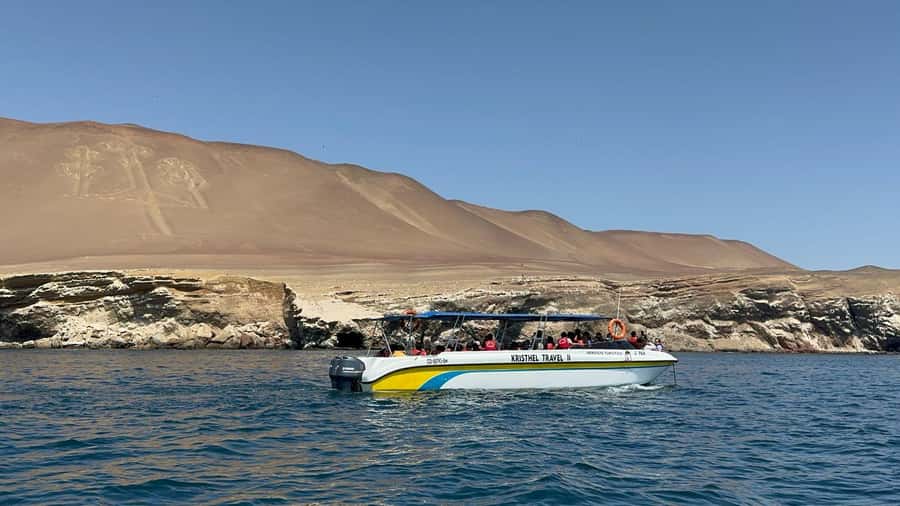
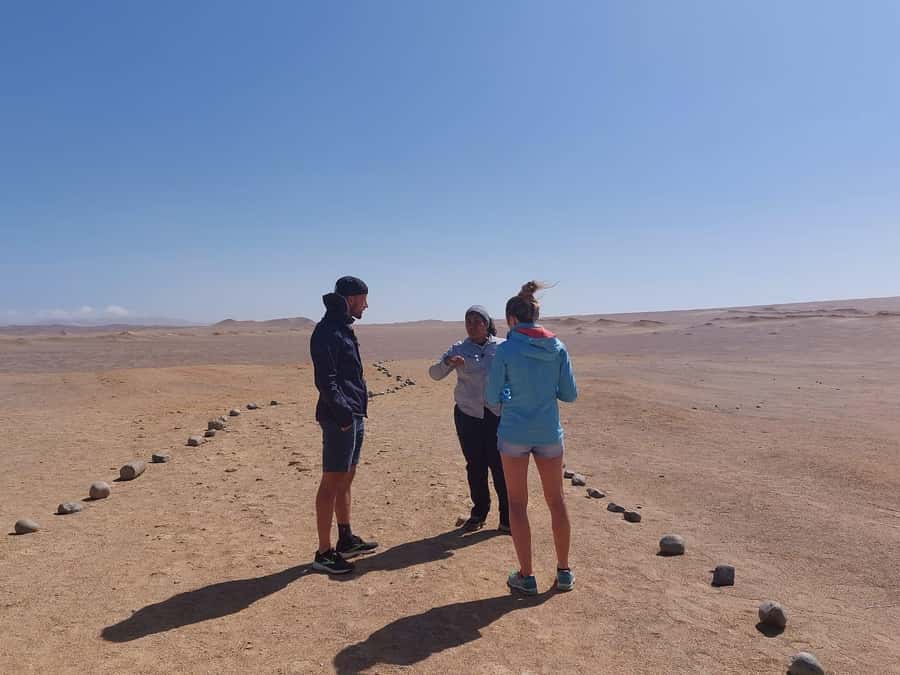
The speedboat route includes a pass by the Candelabro, the famous coastal geoglyph sometimes linked in discussion to the Nazca Lines. It’s massive—180 meters long—and estimated to be around 2,500 years old. The key point is that its exact purpose is still unknown, and even the most confident theories have gaps.
Why this matters: it’s more than a quick photo stop. Seeing it from the water frames the coastline as something people have studied and respected for a long time. Then, when you reach Ballestas, the area feels less like random islands and more like a living, layered coastal world: humans left clues on the land, and now the sea is doing the rest.
If you like history-on-the-coast moments, this part earns its place in the day.
Ballestas Islands wildlife cruise: penguins, sea lions, and bird action
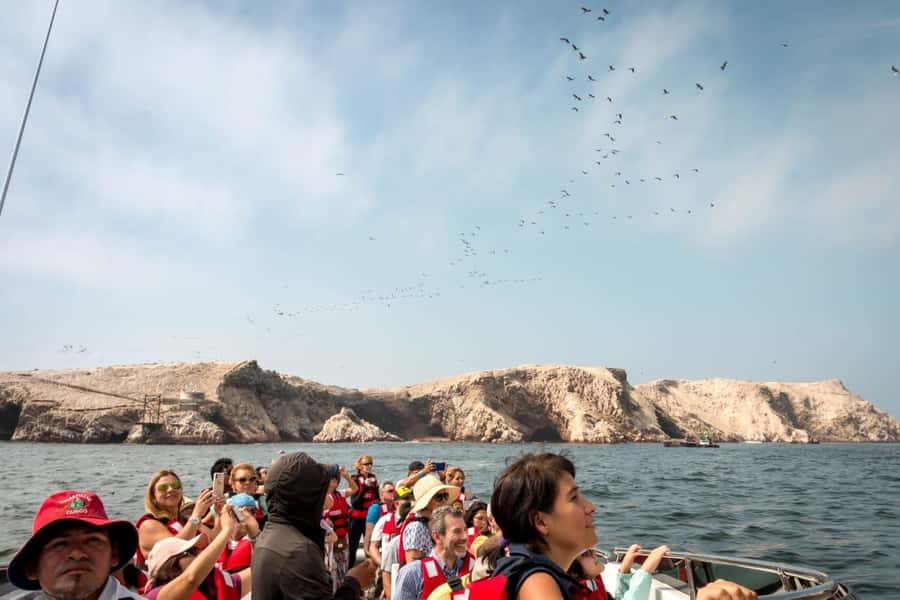
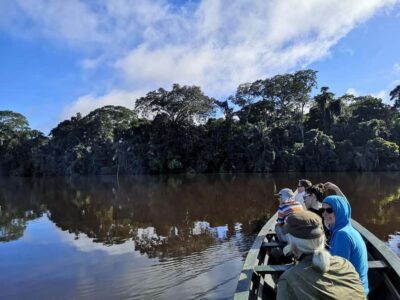
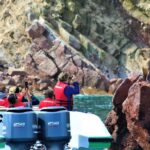
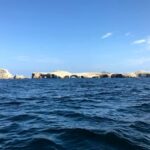
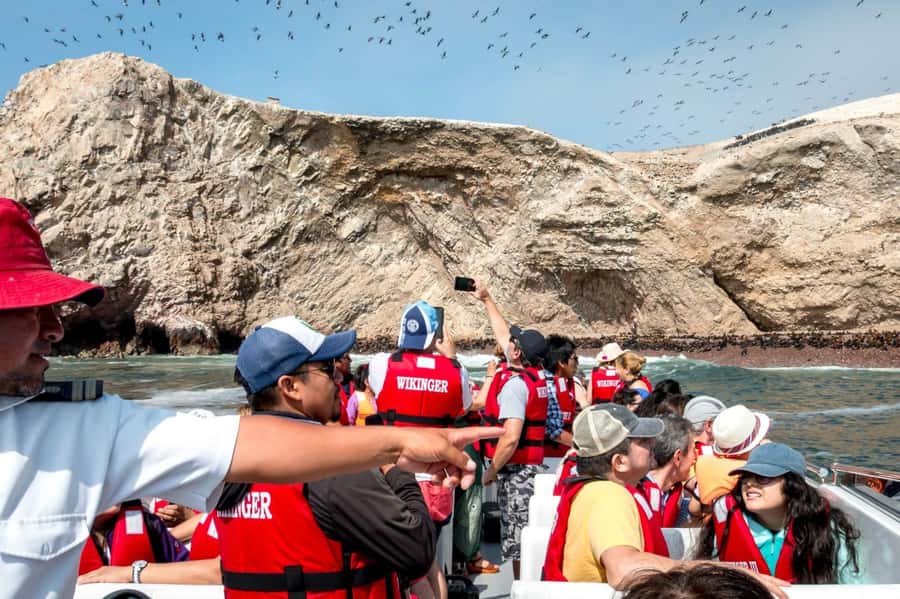
Once you’re at the archipelago, you’re in classic “Peru’s wildlife coast” territory. The tour includes about two hours focused on marine life viewing and sailing around the islands. This is where your camera and binoculars (if you brought them) earn their keep.
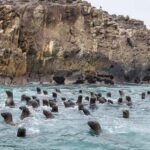
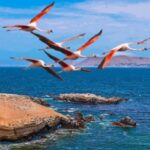
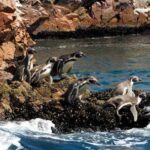
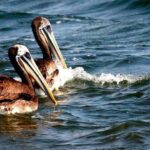
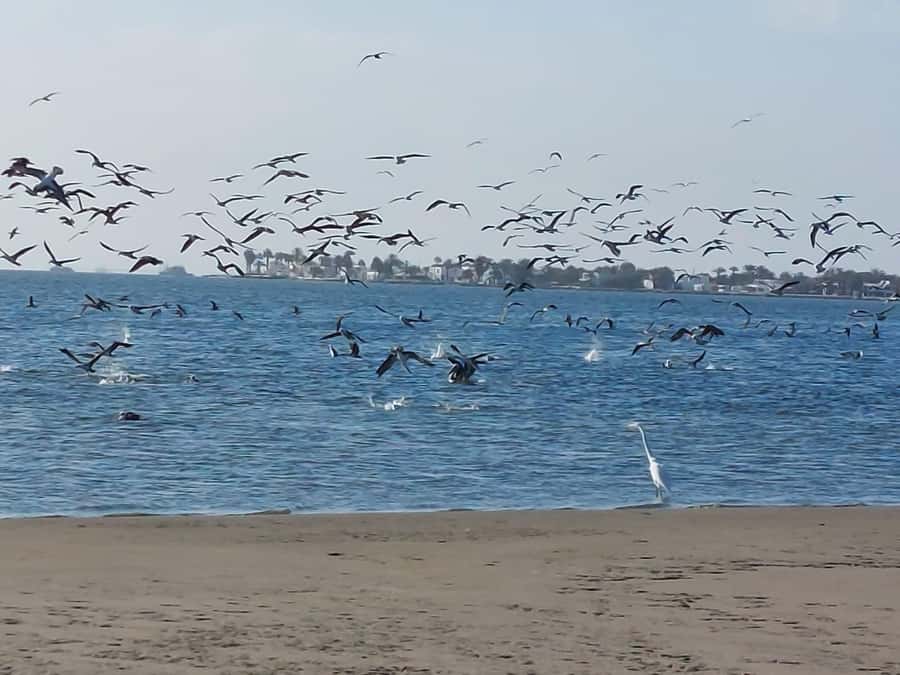
You can expect to look for boobies and pelicans, plus sea lions lounging and moving along the edges of the rocky areas. Humboldt penguins are also part of the mix here, and they’re small enough to make you work a little—so keep scanning and don’t stare at just one spot too long.
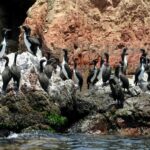
A big theme at Ballestas is birds and guano. These islands host a very high density of birdlife, including migratory species. They’re famous for guano, often described as the world’s best natural fertilizer, because it’s produced by the same large populations of birds. On the water, the emphasis is on observing guano birds such as the Peruvian booby, the Peruvian diving-petrel, and the guanay cormorant.
What I find useful for your expectations: this is not a zoo-style feeding show. It’s nature, so you’ll see more wildlife when you stay patient and let your eyes adjust. If the boat captain and guide make the effort to cruise so both sides get viewing angles, your chances improve a lot.
There’s also a real storytelling element on the cruise. One strong experience described an excellent guide and captain making sure both sides of the boat got photo moments for sea lions, penguins, and birds. So if you’re the type who likes a running explanation while watching, the tour’s structure can deliver that—just keep in mind language can vary by guide and situation.
Paracas National Reserve: how the interpretation center makes the desert make sense
After the island return, you head to the Paracas National Reserve by bus (about 25 minutes) and spend roughly 100 minutes inside the reserve experience. The first stop is the interpretation center, which matters because it gives you context before you start seeing the big desert scenery.
In the center, you’ll learn about the reserve’s flora and fauna and about marine fossils—ancient remnants that connect the desert you’re standing on to a much older ocean world. If you’ve ever looked at a dry place and wondered how it ever formed, this is the kind of stop that turns a pretty view into a story you understand.
Then you travel through the Paracas desert. The guide helps you shift from “wow” to “okay, I get why this is special.” That’s the difference between taking photos and leaving with a memory that sticks.
Cathedral rock remains, Red Beach, and Lagunillas: the stops you’ll remember
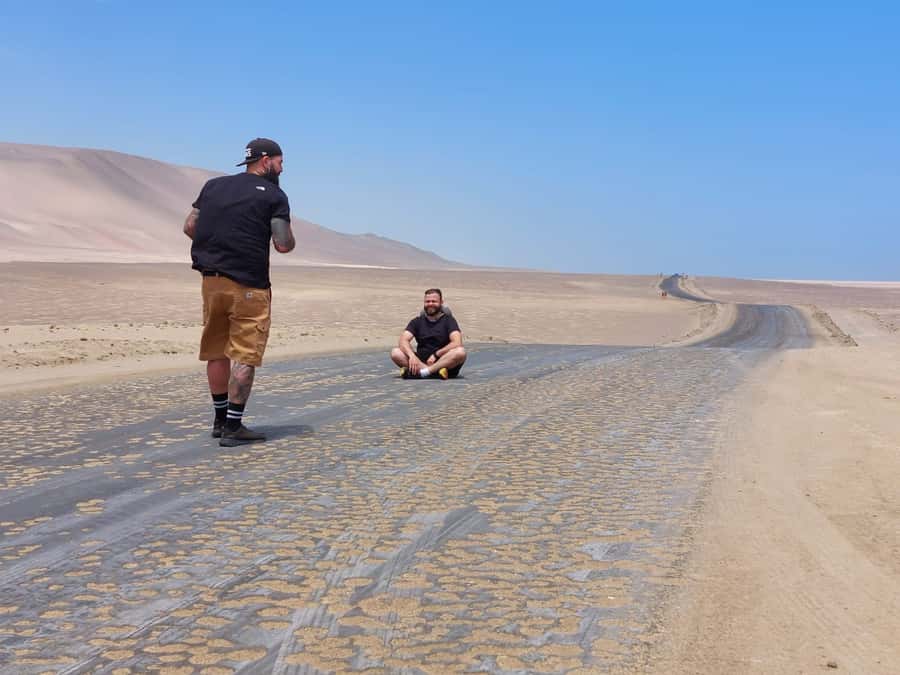
Paracas is where the tour earns its second half. The itinerary includes several signature sights, each with a distinct look.



The Cathedral rock remains (and why it feels iconic)
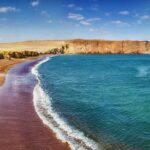
You’ll reach a viewpoint to see the remains of the rock formation known as the Cathedral, which was declared a World Heritage Site. It was damaged in an earthquake in 2007, but the structure remains impressive—part ruined, part monumental, all dramatic.
This is one of those stops where you don’t need extra narrative to feel the power of the place. Wind and light do the rest. The guide’s job is to connect that drama to the wider geology and the protected reserve area.
Red Beach: volcanic sand with a strange color
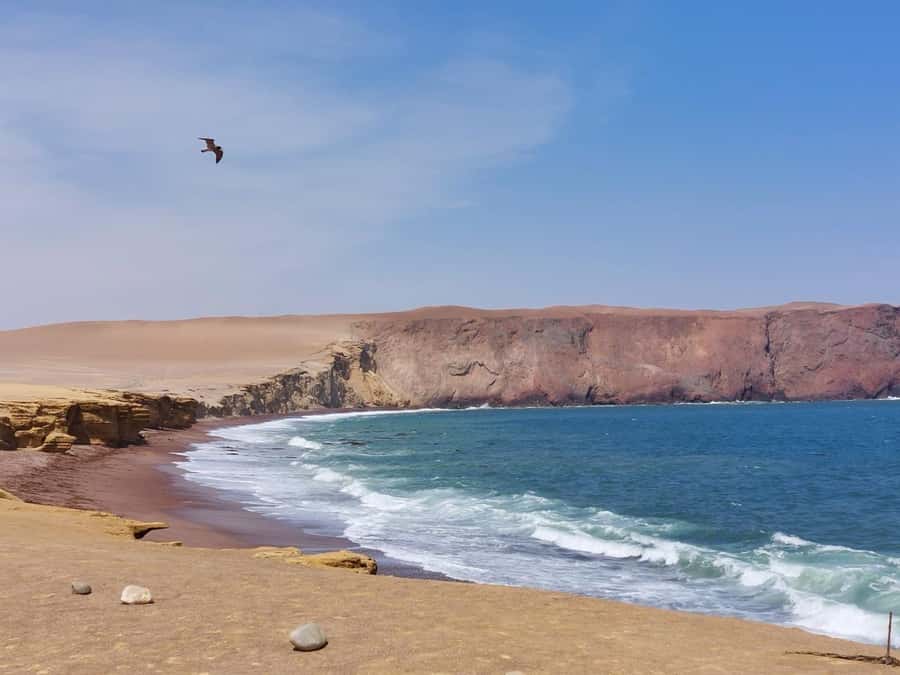
Next comes Red Beach, known for its surprisingly reddish sand. The tour’s explanation ties the color to ancient volcanic eruptions. When you’re standing there, the red isn’t subtle. It’s almost unreal next to the pale desert and blue-gray sea background.
Practical tip: wear sunscreen and consider a hat. The sun reflects off bright sand, and you’re likely to spend time taking photos without shade.
Lagunillas Beach: the fishing resort pause
Finally, there’s a stop at Lagunillas Beach, described as a charming fishing resort. The point here isn’t to rush it like a checklist photo. It’s a calmer rhythm before the return trip, and it gives you a different Paracas texture—coast life rather than purely dramatic geology.
Price and value: what $74 really buys you in Paracas
At $74 per person for about five hours, this tour packs in two major elements: a speedboat wildlife cruise plus a Paracas reserve visit. That’s a decent value because you’re paying for transport, time, and the boat access, not just sightseeing stops.
But be smart with your budget:
- The entrance fee is S/ 22.00, paid locally
- Food and drinks aren’t included, so plan for snacks or a meal on either side
- You’ll want travel basics for sun and wind, which you might already have, but it’s worth thinking about beforehand
If you’re comparing options, this tour tends to win for people who want a “best hits” day without planning multiple independent transports. If you’re traveling slow and already have flexible time for a separate Paracas day plus a separate Ballestas visit, you might find cheaper ways. Still, in a short stop in Ica, the combo is hard to beat.
Language and guide reality: what you should expect before you go
The tour offers live guiding in Spanish and English, but the details matter. The included local tour is guided in both languages. Still, the transfers from and back to the port are with a driver who speaks Spanish only.
That’s why your expectations should be:
- You’ll likely get clearer explanations with the guided segments
- Transit narration from the driver may not be English
- If you’re depending on English for every minute, you may feel the gaps
The good news: some participants described excellent English support once the right guide was in place, while others had weaker communication because the driver handled the transfer without English. If English is your must-have, I’d advise arriving with a phone translation tool ready and being flexible about where the real guided talk happens.
Also, bring a small attitude adjustment. Even with partial language gaps, you can still enjoy the core of the experience—animals, desert geology, and the key viewpoints.
Who this tour fits best (and who should skip it)
This is a good fit for:
- People who like short, structured days
- Wildlife-focused travelers who enjoy scanning for birds and sea lions
- Travelers who want both ocean-adjacent scenery and desert views in one package
- Anyone comfortable with early starts and boat time
It’s not suitable for:
- Pregnant women
- People with back problems
Boat time and transfers are part of the design. Even if you’re physically fine, consider whether the combination of speedboat movement and sitting on buses works for you.
If you’re a nervous sea rider, you should still go prepared for wind and spray. A windbreaker isn’t optional; it’s comfort insurance.
Packing checklist that matches this specific route
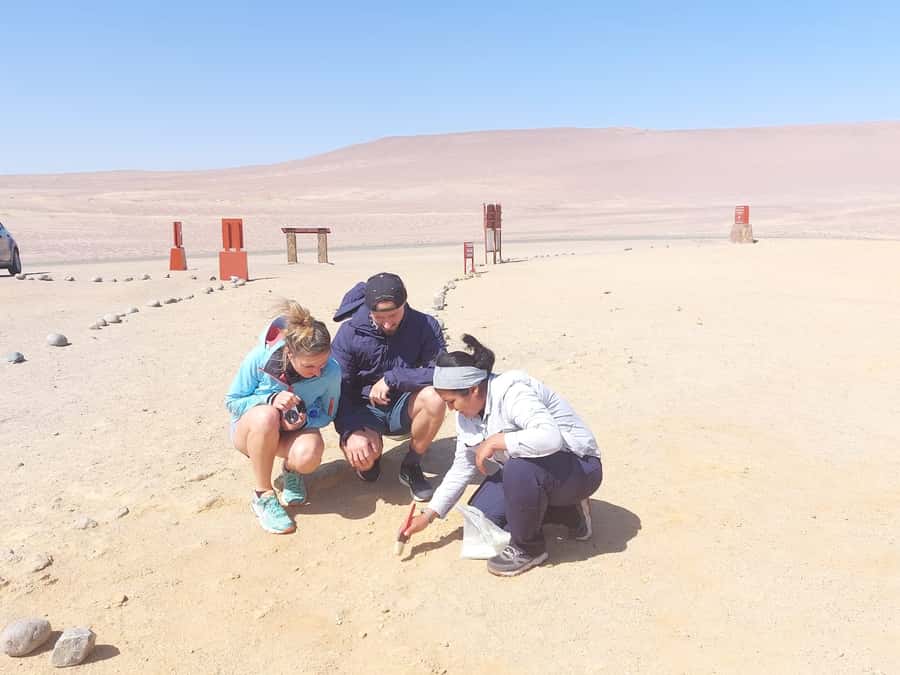
Bring what helps on a day that mixes salt air, sun, wind, and sandy viewpoints.
Essential comfort items
- Passport (you’re going to want ID ready)
- Comfortable shoes
- Windbreaker
- Sunglasses and a hat
- Sunscreen
- Jacket (the coast can feel cooler than you expect)
- Snacks and cash
Smart add-ons
- Binoculars can help with spotting birds at distance
- Outdoor clothing that you don’t mind getting slightly dusty
One more rule to note: alcohol and drugs aren’t allowed. Keep it simple, stay hydrated, and you’ll enjoy the wildlife watching more.
The small things that can affect your day (queues, timing, group flow)
This tour’s biggest variable isn’t the islands or the reserve—it’s the human logistics around boarding and group transfers. Some experiences described long waits at the boat departure and moments of mild chaos in the lines before moving out. Others described smooth pickup and a guide who handled English well.
Here’s how to protect your day from that:
- Arrive early enough to avoid stress at the pier
- Keep your essentials in an easy-to-reach pocket (sunscreen, glasses, passport)
- Use the waiting time to hydrate and get out your binoculars plan
Think of the day as two gears: the cruise and the reserve. If the start feels messy, the key is knowing the best parts happen once you’re on the water and once you’re inside the reserve with the guide.
Should you book the San Martín Port Ballestas and Paracas tour?
Book it if you want a compact, high-impact morning that blends wildlife watching with desert geology and famous viewpoints. It’s especially worth it if you’ll be in Ica for a short window and want a single guided plan that covers both Ballestas and Paracas without extra coordination.
Skip it if you need English-only explanations during every transfer, because the driver transport is Spanish-only and that can limit what you understand during transit. Also, don’t book if pregnancy or back issues make boat and bus seating uncomfortable.
If you go, you’ll get a day built around what makes this coast special: animals feeding the cycle of guano and birds, ancient clues in the Candelabro, and Paracas scenery that looks like it belongs on a different planet. It’s a lot for five hours. That’s the point—and it works.
FAQ
How long is the tour from San Martín Port?
The total duration is about 5 hours, including transportation and time on both Ballestas Islands and Paracas National Reserve.
Where does the tour start and end?
It starts and ends at Terminal Portuario General San Martín (Puerto San Martín). You return to the same terminal after the Paracas portion.
Is the speedboat to Ballestas included?
Yes. The tour includes a speedboat for the trip to the Ballestas Islands.
Do I need to pay entrance fees?
Yes. There is an entrance fee of S/ 22.00 per person in Peruvian soles, payable locally. Food and drinks are not included.
What languages are available during the tour?
The guided tour is available in Spanish and English, and transfers are handled by a Spanish-speaking driver.
Is this tour suitable for pregnant women or people with back problems?
No. The tour is not suitable for pregnant women or for people with back problems.