REVIEW · PUNO
From Puno: 3-Hour Uros Floating Islands Tour
Book on GetYourGuide →Operated by Lago del Cielo Sociedad Anonima Cerrada · Bookable on GetYourGuide
One lake, two worlds. The Uros floating islands are only minutes from Puno, yet they feel like a totally different way of life. I love that you get both a guided walk through reed-built homes and real time to wander, snack, and look around. One thing to consider: depending on the group size and departure, it can feel busy and you may encounter more selling than sightseeing.
My favorite part is the human scale—meeting families, learning how the islands are maintained and re-layered with totora reeds, and hearing what daily life looks like from people who live it. I also like the practical pacing: about 3 hours total with smooth pickup + motorboat transport, so it fits easily into a day in Puno. If you’re looking for a calmer experience, go for a private or small-group option and be prepared to choose where you spend time.
In This Review
- Key things to know before you go
- Why the Uros Floating Islands Feel Like a Different World
- Hotel Pickup in Central Puno and the Short Boat Crossing
- Two Islands, Real Walking, and the Reed-House Experience
- The Second Island Stop: Lookouts, Views, and Time to Breathe
- How to Get More Out of Your Guide (Spanish/English, and the Best Questions)
- Optional Totora Reed Boat Ride: A Short Add-On with Big Character
- Price and Value at $39: What’s Included and What Costs Extra
- Who This 3-Hour Tour Fits Best (and Who Might Want a Different Plan)
- Should You Book This Uros Floating Islands Tour?
- FAQ
- How long is the Uros Floating Islands tour from Puno?
- What departure times are available?
- How do you travel from Puno to the Uros islands?
- What is included in the $39 per person price?
- Is the totora reed boat ride included?
- Is the tour wheelchair accessible?
Key things to know before you go
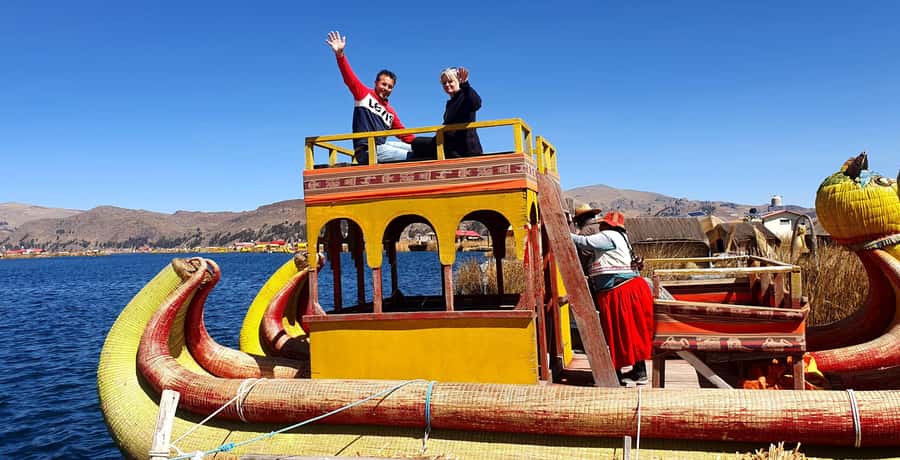
- Short trip from Puno: the islands are roughly a 30-minute boat ride from the port, ideal for a half-day window.
- You visit two islands: a main community island plus a second stop with lookout platforms and extra room to explore.
- Homes and daily life on the main island: walk through families’ houses and watch how the islands stay afloat.
- A flexible 3-hour block: morning, midday, or afternoon departures let you match the rest of your Puno plans.
- Optional totora reed boat ride: typically paid directly to families for a short add-on.
- A small “keepsake” moment: you can often get a passport stamp with a Uros seal.
Why the Uros Floating Islands Feel Like a Different World
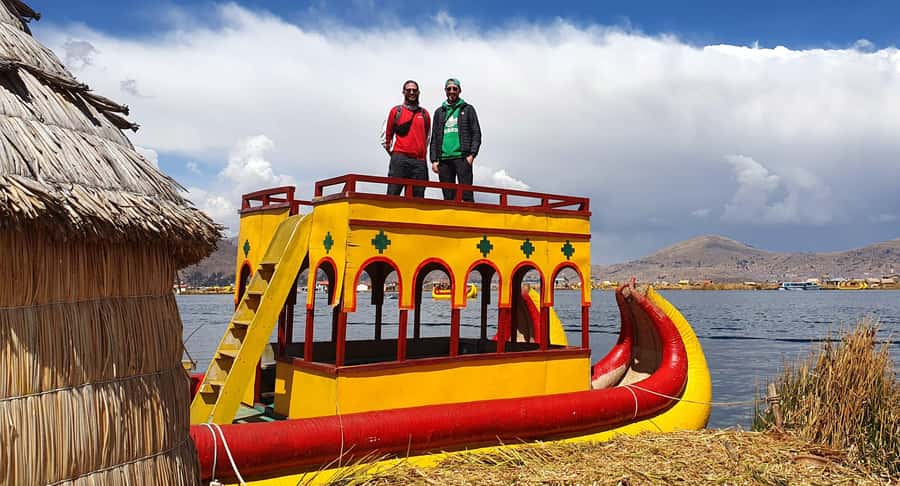
Lake Titicaca is already special. Then you add the Uros floating islands—made from layered totora reeds—and suddenly the lake feels like it has its own rules. The Uros have lived on these islands for centuries, and the tour focuses on what makes them work: the building, the upkeep, and the daily routines that keep everything functioning.
What makes this experience compelling is the mix of hands-on walking and real-world explanations. You’re not just watching from a distance. You’re stepping onto the same reed surfaces people rely on, learning how the islands are maintained, and seeing how visitors fit into daily life.
The only downside you should expect is that this is a popular stop. If you end up in a larger group, you may feel the pace tighten—less time for slow questions, more pressure to keep moving and to shop.
You can also read our reviews of more tours and experiences in Puno.



Hotel Pickup in Central Puno and the Short Boat Crossing
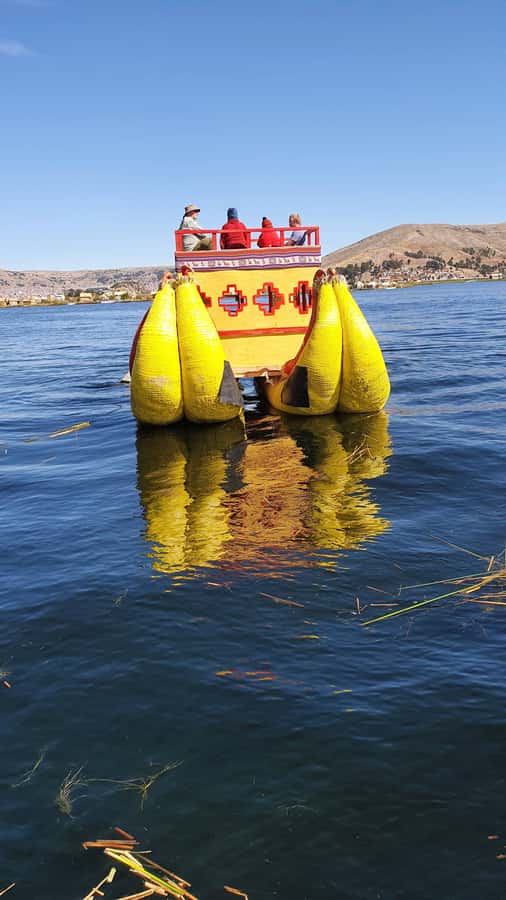
This tour is designed for convenience. You’ll get hotel pickup from central Puno and head to the port area, where you board a comfortable motorboat. The ride out takes about 25 minutes, and the total experience stays right around the 3-hour mark, which is perfect if your Puno day is already packed.
On the water, you’ll have a big advantage: the boat has panoramic windows, so even if you’re seated inside, you can still see plenty. One nice bonus from real-world experience is that there’s often a top deck for better views, which helps if you like spotting the Andes across the horizon and tracking the shoreline as you leave town behind.
Timing matters. You’ll have departures at 9:00 AM, 12:00 PM, and 3:00 PM, so you can pick the slot that best matches your energy and your other plans (like waiting less for connections or avoiding a rushed morning schedule).
Two Islands, Real Walking, and the Reed-House Experience
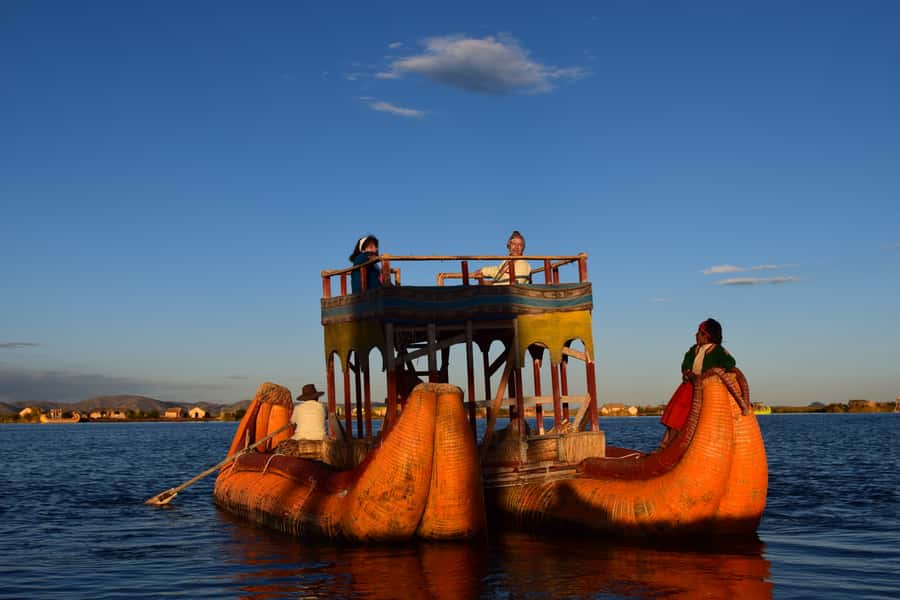
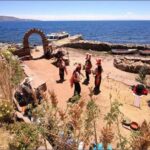
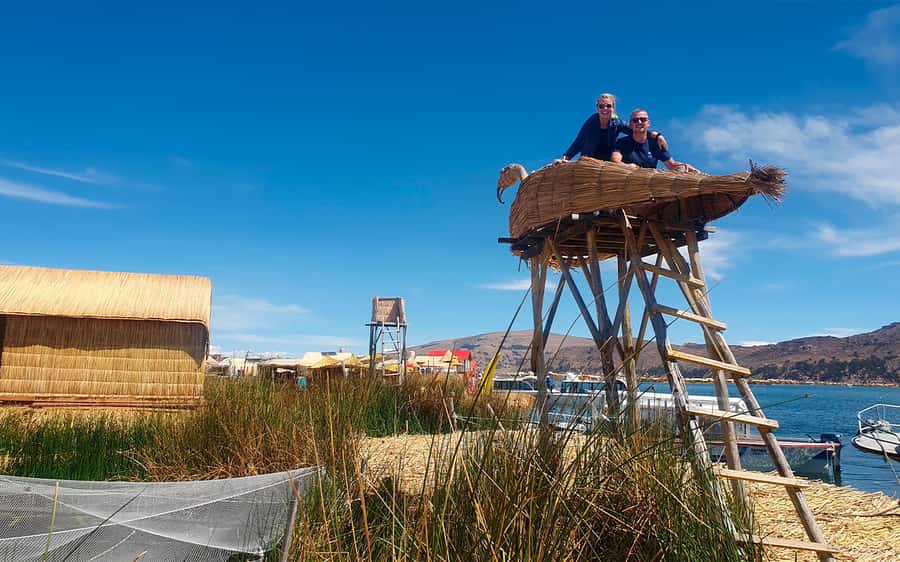
Most of the time is spent on the main Uros community island, where the tour turns from sightseeing into something closer to education. You’ll walk through families’ homes, learn how the islands are built and maintained, and hear about daily life in a way that’s grounded in the work of living here.
This is the part I’d treat as the heart of the tour. The floating islands aren’t a “set.” They’re rebuilt and re-layered. That detail changes how you look at everything. Even when you’re just standing and watching, you’re also thinking about maintenance cycles, materials, and how people adapt to a floating environment.
You may also have small personal moments to make it memorable. Some guides encourage photos in traditional Uros clothing, and you’ll typically find handmade craft browsing built into the flow. If your goal is to get a human snapshot rather than just photos, this is where you’ll spend your attention.
The Second Island Stop: Lookouts, Views, and Time to Breathe
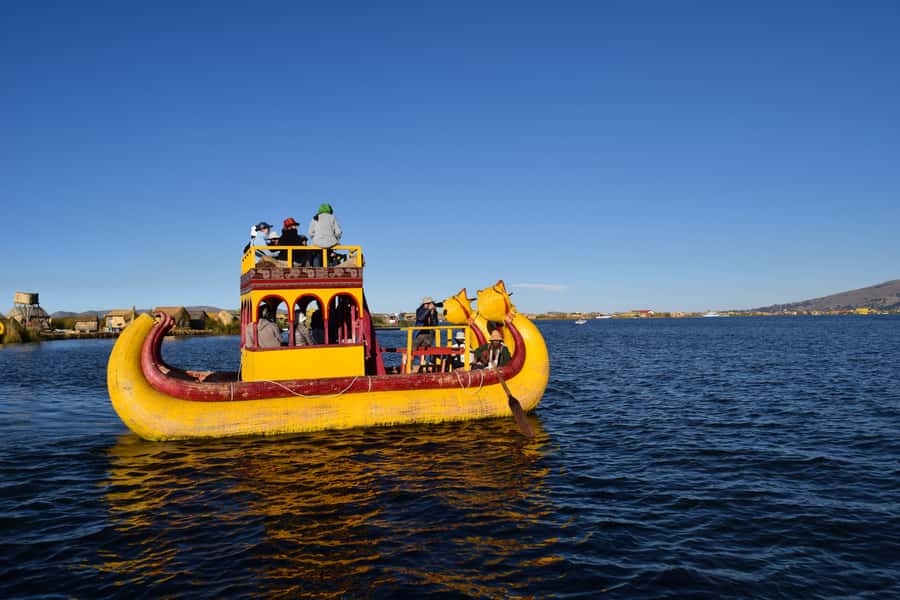
After the main community island, you’ll visit a second stop. This one is usually more relaxed, with wooden lookout platforms that give you broad views across Lake Titicaca. It’s a good change of pace after the walking on the home island, and it’s one of the places where you can let your eyes do what your brain can’t—soak in the scale of the lake and the setting of the islands.
You also get a chunk of time to slow down. The tour includes guided time plus free time to explore, grab a snack, and browse crafts. You’ll often find that this open window is where you can ask the follow-up questions you didn’t think of earlier—like what daily schedules look like, what gets maintained first, and how people manage visitors.
A small but fun detail: you can often get a passport stamp with a Uros seal. It’s not a life-changing souvenir, but it’s a nice marker that you were there—and it doesn’t take up suitcase space.
How to Get More Out of Your Guide (Spanish/English, and the Best Questions)
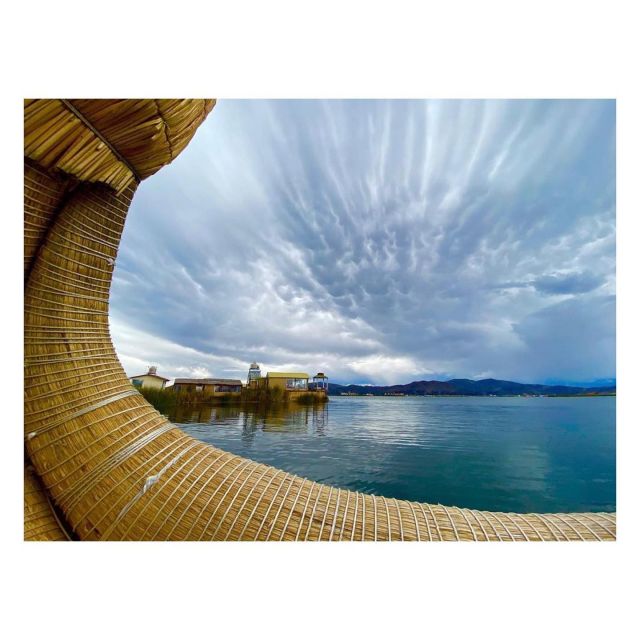
A good guide makes a huge difference here, because the tour is partly about understanding an engineered way of life. This experience includes a bilingual guide (Spanish/English), and several guide styles show up in the real-world experience people report.
Names you might hear include Richard, Omar, Hugo, and Samuel. Some guides come at the subject from a “grew up here” perspective, others from a regional-history angle, and that variety can shape how the story lands. If your guide is especially interactive, you’ll likely get a better sense of daily routines and how people talk about the islands.
Here’s how you can steer your side of the conversation without being awkward:
- Ask what takes the most work to keep the island stable.
- Ask which part of daily life changes most with season and weather.
- Ask what visitors often misunderstand about life on the reeds.
If you want a more intimate feel, this is also where private or small-group options pay off. When you’re not waiting for a large line, you can ask more questions and stay longer where you’re interested.



Optional Totora Reed Boat Ride: A Short Add-On with Big Character
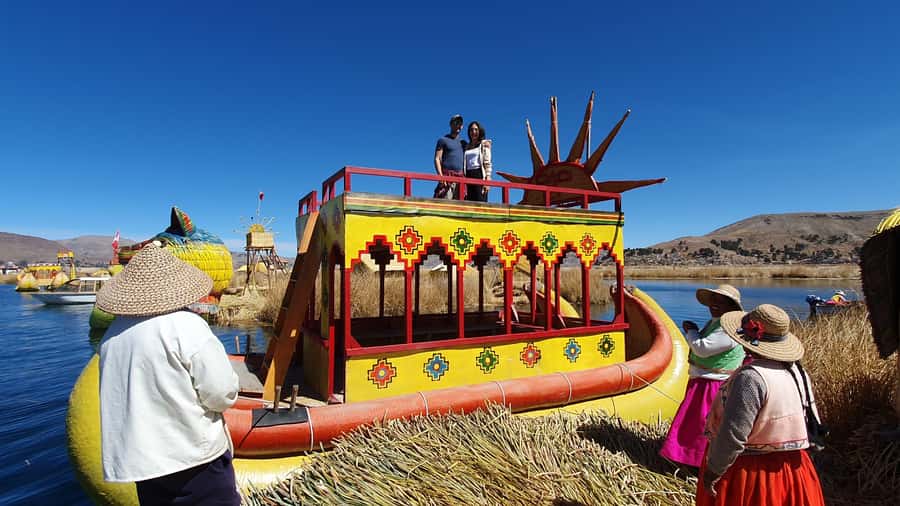
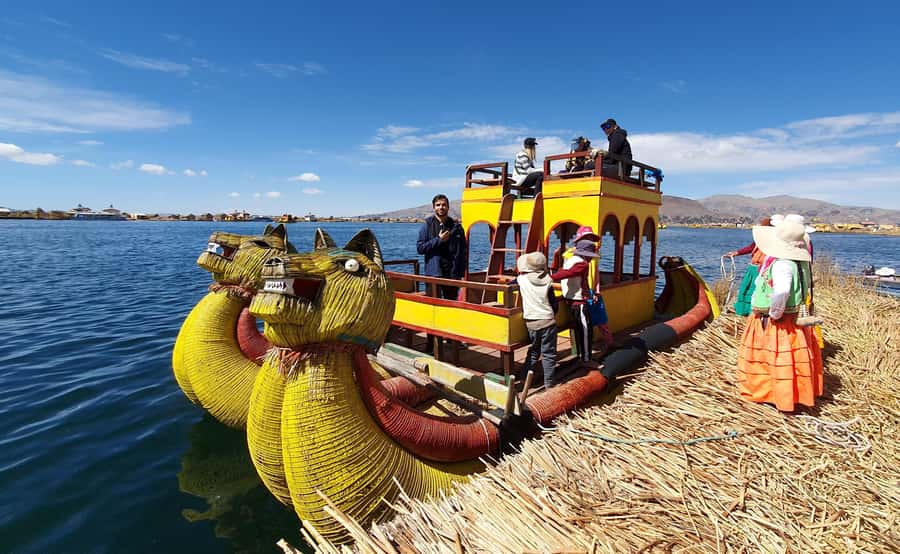
There’s an optional totora reed boat ride you can add once you’re on the islands. Expect about 20 minutes, and plan to pay around S/20 soles (about 5 USD) directly to the families who built it.
Should you do it? For me, it’s one of those “yes, if you can afford the time” adds because it matches the story. You’re not just learning that reeds are the material of choice—you’re experiencing a reed boat in the same environment. It also helps you see the islands and their waterways from a slightly different angle than walking and looking from platforms.
If you’re the type who hates being pushed from one thing to the next, you can treat this as optional breathing room. Take it only if it fits your mood in the moment. The tour still works well even if you skip the extra ride.
Price and Value at $39: What’s Included and What Costs Extra

At $39 per person, the value is strong because the package includes the essentials: a guide, entrance fees, hotel pickup and drop-off, and motorboat transportation. You’re not paying separately for getting there, getting on the water, and getting guided explanations.
Then again, it’s not a “food included” tour. Meals aren’t included, so you’ll want to plan around that. The good news is that the schedule does include time where you can grab a snack on the island stop, which helps keep you comfortable without planning a full meal.
The main extra cost you should anticipate is the optional reed boat ride (around S/20). If you’re trying to budget tightly, decide up front whether that add-on is part of your “yes” list.
If you want the calmest experience, private or small-group options can be worth it. Not because shared tours are bad, but because crowding changes how much you can ask and how long you can linger. In a smaller group, you’re more likely to feel like you’re visiting people rather than ticking boxes.
Who This 3-Hour Tour Fits Best (and Who Might Want a Different Plan)
This tour is ideal if you:
- Have limited time in Puno but still want something truly distinctive.
- Enjoy hands-on cultural experiences where you can walk through a real community setting.
- Want a structured, guided overview without spending a full day on the lake.
It also suits families and couples well, especially when you choose private or small groups. Several experiences described a more intimate pace—getting time to ask questions, decide how long to stay at each spot, and avoid long waits.
Who might want to rethink it? The tour isn’t suitable for wheelchair users, based on the provided information. Also, if you strongly dislike crowds or shopping pressure, think carefully about which departure style you choose. Going in a smaller group can make the experience feel less rushed and more respectful of attention and time.
Should You Book This Uros Floating Islands Tour?
If you want a half-day experience that feels genuinely different from the mainland, this is a good bet. The combination of reed-built island walking, a second lookout stop, and a short 3-hour window makes it a practical choice for Puno.
I’d book it if you value guidance plus time to explore, and if you’re comfortable paying a little extra only when you choose it (like the optional reed boat ride). If your dates are flexible, it can also help that the experience offers free cancellation up to 24 hours in advance, so you’re not stuck if something else changes.
If you’re hoping for a perfectly quiet, crowd-free visit, plan for that reality. Choosing a private or small-group format is your best tool for getting the calmest experience while keeping the tour’s core value intact.
FAQ
How long is the Uros Floating Islands tour from Puno?
The tour lasts about 3 hours total.
What departure times are available?
Departures are available at 9:00 AM, 12:00 PM, and 3:00 PM.
How do you travel from Puno to the Uros islands?
You’re picked up from your hotel in central Puno, then you take a motorboat to the floating islands. The islands are about 30 minutes by boat from Puno’s port.
What is included in the $39 per person price?
The price includes a guide, entrance fees, hotel pickup and drop-off, and transportation by motor boat.
Is the totora reed boat ride included?
No. The reed boat ride is optional, and it’s paid directly to the families. It’s about 20 minutes for around S/20 soles (about 5 USD) per person.
Is the tour wheelchair accessible?
No, this tour is not suitable for wheelchair users.