REVIEW · LIMA
Lima: Flavors and Tradition Walking Tour with Food Tasting
Book on GetYourGuide →Operated by Travel Buddies Peru · Bookable on GetYourGuide
Four hours, serious flavor. This Lima walking and tasting route strings together morning coffee and market bites with real local movement, including a ride on the Metropolitano and stops around major landmarks like Plaza Mayor.
I like that it starts with a Peru coffee primer at Terrua in Miraflores, then turns into food you can actually track across the city center. Two more things I really appreciate are the focus on Mercado Central and the Peru-Chinese flavor stops in Chinatown, plus the included chicha morada and classic pisco sour pairing later on.
One consideration: if you expect heavy detail on where every ingredient comes from, you may want to ask your guide directly. Some pacing also includes time at shops along the way, so it helps to keep your expectations flexible.
What you’ll love most (quick hits)
- Terrua coffee start: a short introduction to Peruvian coffee before you head into the city.
- Metropolitano public transport: you’ll navigate Lima the way locals do, not in a bubble.
- Mercado Central + Chinatown: bite-sized tastings that cover both classic Peruvian and Peru-Chinese influences.
- Plaza Mayor and Congress Palace area: iconic buildings mixed into an easy walking flow.
- San Francisco Church and Cordano Tavern: churros plus papa dishes and a traditional Pisco Sour stop.
- Bilingual guide support: Spanish/English guidance throughout, and guides like Miguel and Jonathan have been noted for clear, engaging explanations.
In This Review
- Terrua Coffee Start and the Route to Lima’s Center
- Riding the Metropolitano Like a Local (Without Stress)
- Mercado Central and Chinatown: Peru-Chinese Bites You Can Follow
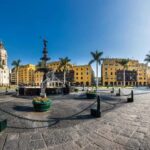
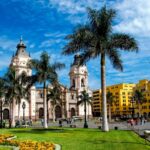
- Plaza Mayor, Congress Palace, and San Francisco Church in One Walk
- Cordano Tavern: Papita con Huevo and a Traditional Pisco Sour
- Price and Value: Why $50 Works Here
- What to Bring (And What Helps Most in Lima Sun)
- Pacing, Shop Stops, and How to Get the Most Out of Your Guide
- Who This Tour Fits Best (And Who Might Skip It)
- Should You Book the Lima Flavors and Tradition Walking Tour?
Terrua Coffee Start and the Route to Lima’s Center
Your tour begins the right way for food lovers: with coffee, not chaos. You meet at Terrua Coffee Shop, Pasaje Tello 163, Miraflores. The start is designed to get you in the right mood for the flavors you’re about to taste, with a brief explanation about coffee in Peru before you walk or ride anywhere else.
This matters because Lima’s food scene can feel like sensory overload if you jump straight into markets. A simple coffee context gives you a reference point for bitterness, sweetness, and aroma—then your palate is ready for the salt, fat, and tang you’ll hit later at Mercado Central.
You’ll then head toward the city center. The tour uses the Metropolitano, which is Lima’s bus rapid transit system. That shift from Miraflores to the historic core is a big part of the experience: it’s travel as a lived-in routine, not just a transfer.
Riding the Metropolitano Like a Local (Without Stress)
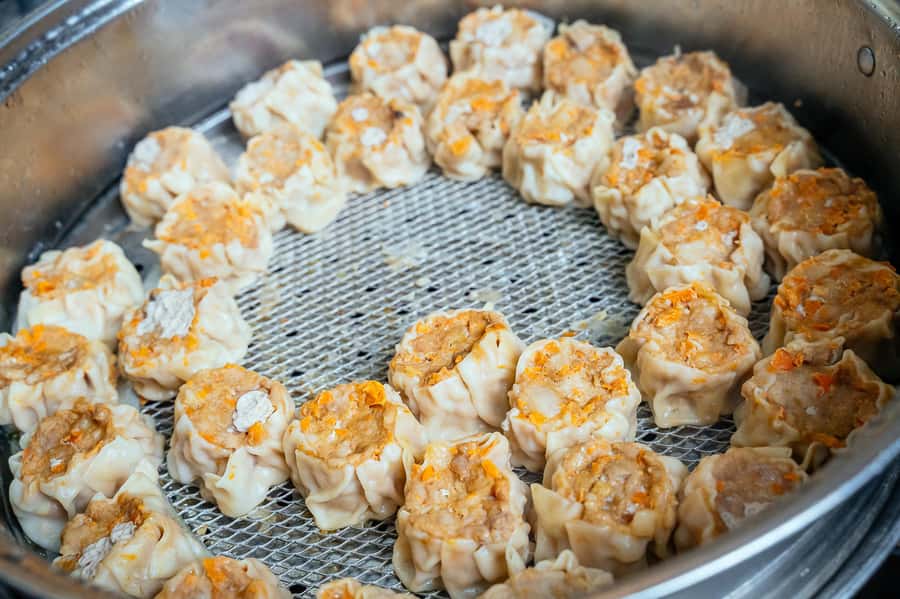
This tour includes a public transportation ticket, and that’s a practical win. You’re not spending your budget on taxis, and you’re not stuck figuring out routes mid-day.
The Metropolitano ride also changes your perspective of Lima. You’ll watch how the city moves—where people get on and off, how the rhythm changes as you get closer to government and historic areas. It’s a small thing, but it’s the difference between seeing Lima and actually getting your bearings.
If you’re the type who likes to move independently after a tour, this route is useful training. You’ll learn how to navigate the center’s flow well enough to continue exploring on your own later, assuming your energy holds up.
You can also read our reviews of more walking tours in Lima
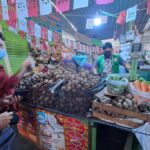
Mercado Central and Chinatown: Peru-Chinese Bites You Can Follow
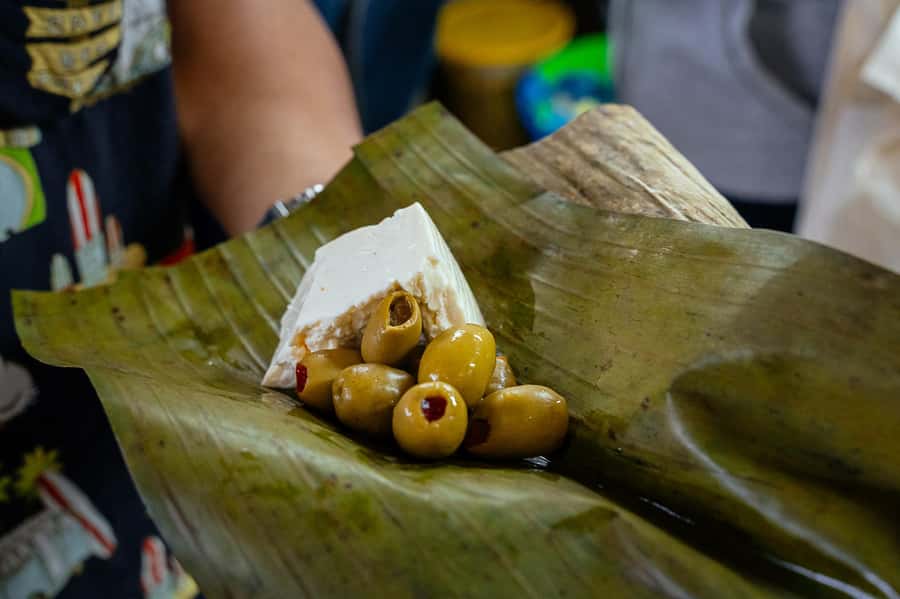
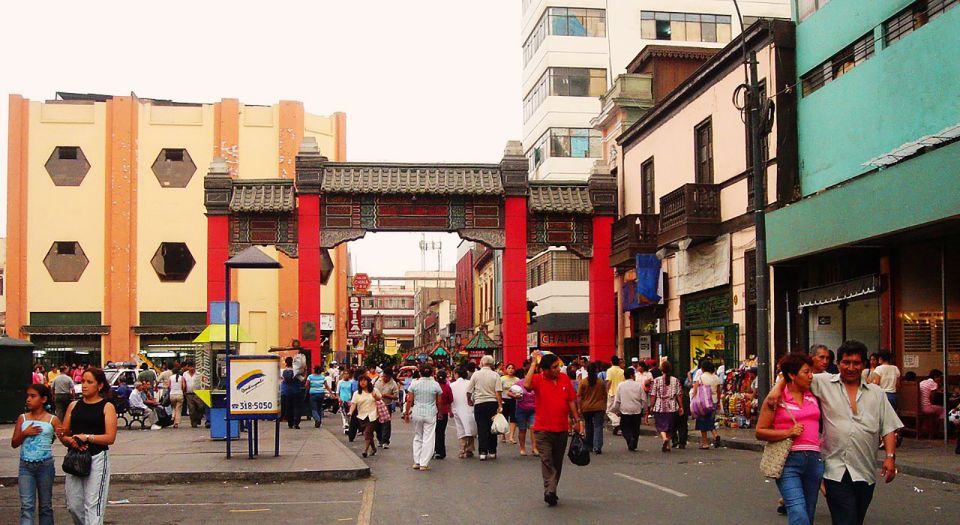
Once you arrive in the city center, the walking tour kicks off in Mercado Central and then continues through Chinatown. This is where the tastings become the main event.
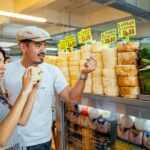
Mercado Central is the kind of place where you can feel the city’s appetite. You’ll stroll among stalls and snack stops, tasting a sequence of small portions that help you compare textures and flavors without committing to one huge meal. The goal is not a restaurant dinner—it’s sampling that builds understanding.
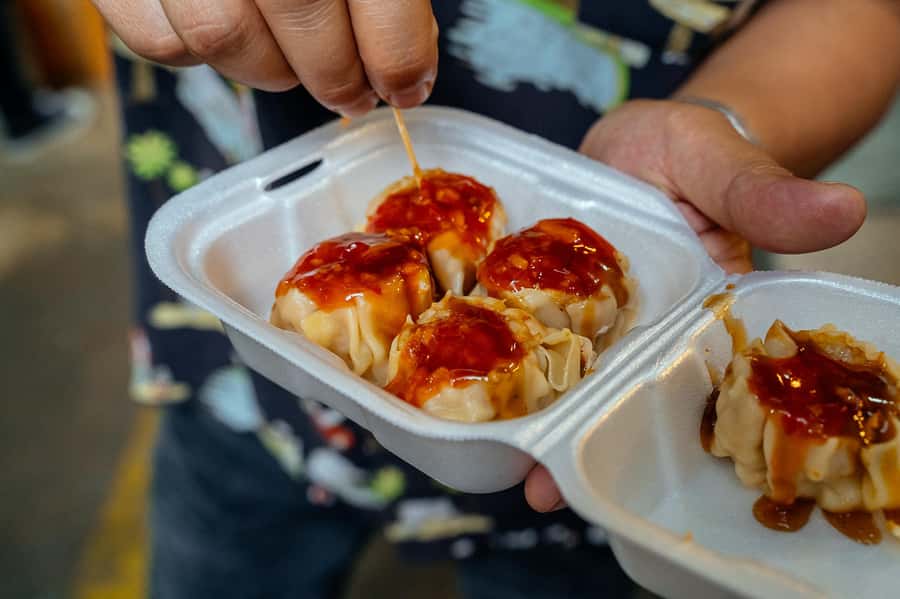
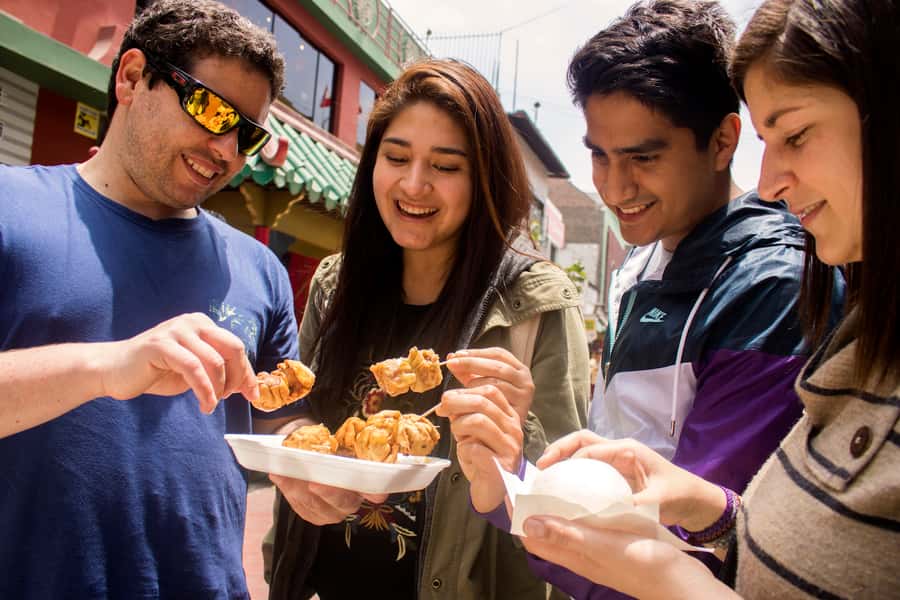
Chinatown adds another layer. The tour explicitly aims at Peru’s Peruvian-Chinese gastronomy, so expect flavors that sit between familiar Peruvian comfort food and the influences found in Chinatown. Even if you’re not a big foodie, this section is a great way to understand Lima’s history through what ends up on a plate.
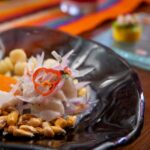
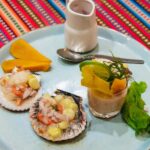
Included tastings cover items like appetizers and papa a la huancaina, plus a drink: chicha morada. That purple corn beverage is a classic Peruvian staple, and it’s smart as a mid-tour refresh. The sweetness and acidity help reset your palate before the next wave of bites.
You’ll also see a practical side of markets here. If you’re sensitive to smells, expect the usual market aromas—spices, fried items, fresh ingredients. Bring sunglasses and keep water handy so the experience stays enjoyable.
Plaza Mayor, Congress Palace, and San Francisco Church in One Walk
Food is the centerpiece, but the tour also uses the historic core to anchor what you’re doing.
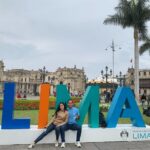
After Mercado Central, you’ll continue around Congress Palace. It’s described as an old building from the early years of the Peruvian Republic. That stop gives the walk more than a food-only purpose. You’re tasting in a neighborhood with political and historic weight, which helps you understand why Lima’s center developed where it did.
From there, the tour finishes the walk around San Francisco Church, where churros are part of the tasting lineup. This blend is the point: Lima isn’t one cuisine or one era. It’s layers. A church-area stroll followed by sweet fried snacks gives your brain a break from savory tasting, and it helps you close the tour on something easy to like.
If you want photos, plan for quick pulls out of the flow, not long stops. A four-hour format means you’ll be moving, so keep your camera ready and your pace steady.
Cordano Tavern: Papita con Huevo and a Traditional Pisco Sour
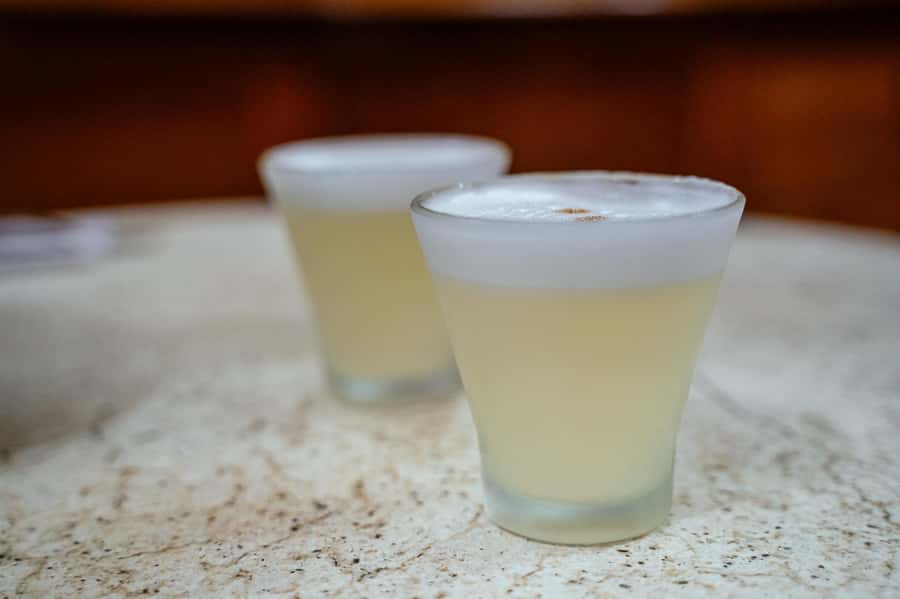
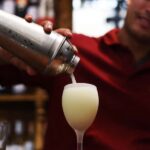
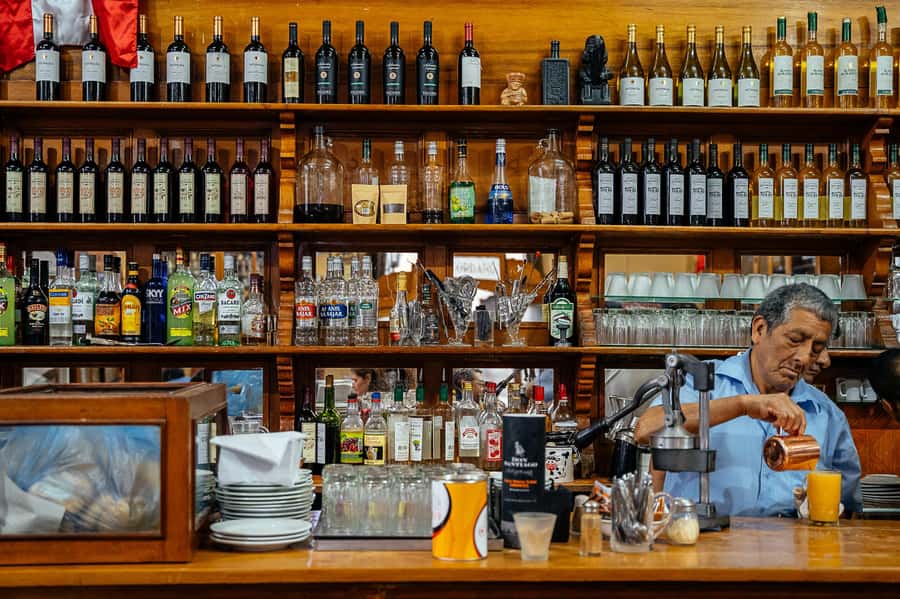
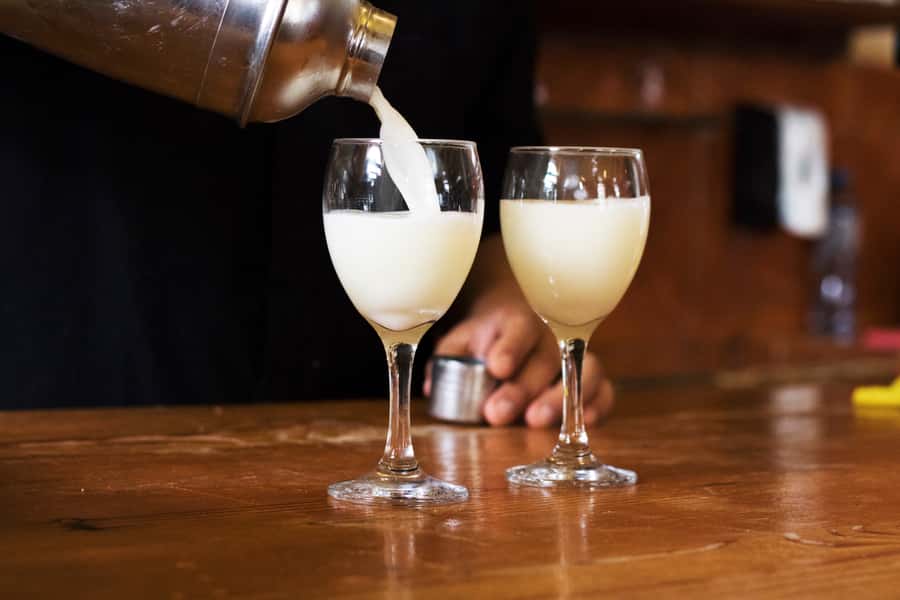
The later part of the tour is where the classic Lima flavor pairing lands: papita con huevo plus a traditional Pisco Sour at Cordano Tavern. The tavern is described as one of the most traditional spots near Government Palace and is more than 100 years old.
This is a smart final anchor because you get both a Peruvian comfort-style potato dish and a pisco-based cocktail—plus a setting that feels established, not trendy. Even if you’re not sure how pisco will taste, you’ll have a guide and a planned serving moment, which keeps it from becoming a gamble.
After that, dessert is included, so you’re not left scrambling for a sweet finish. You’ll end this tour feeling like you ate your way through a neighborhood, not like you collected random bites with no thread.
One small planning tip: if papas and alcohol are your thing, you’re in luck. If you’re less comfortable with pisco, you can still treat the Pisco Sour as a tasting moment and enjoy the food around it.
Price and Value: Why $50 Works Here
At $50 per person for about four hours, the value comes from the mix of things that usually cost extra when you do them separately.
You’re paying for:
- a bilingual local guide (Spanish/English),
- coffee at Terrua,
- multiple tastings (including papa a la huancaina and churros),
- chicha morada,
- pisco sour,
- dessert,
- and a public transportation ticket.
That’s not just snacks. It’s guided sampling across multiple parts of Lima’s center. If you’ve ever tried to piece this together on your own, you’d likely spend money and time figuring out which stalls to trust, when to eat, and how to sequence it all without walking for hours with empty expectations.
The other value is pacing. This tour keeps you moving but also builds in tasting moments where you can slow down without losing the route.
Guide quality can also matter a lot in tours like this. In past experiences, guides like Miguel and Jonathan have been praised for making the visit more interesting and for giving clear explanations. That’s a real factor: good storytelling helps you notice what’s happening in markets and why certain dishes show up together.
You can also read our reviews of more food & drink experiences in Lima

What to Bring (And What Helps Most in Lima Sun)
This tour involves walking in an outdoor city core and market areas. Packing smart turns the whole thing from stressful to smooth.
Bring:
- Comfortable shoes (you’ll want real support)
- Sunglasses and a sun hat
- Camera
- Water
- Cash (handy for souvenirs or small purchases)
You may also want sunscreen, even if your plan is to shade-hunt. The sun in Lima’s central districts can still feel strong, and you don’t want to spend your tour thinking about sunburn.
Not allowed items include pets, smoking, and luggage or large bags. If you travel with anything bulky, keep it minimal so you can stay mobile during market stops and church-area sidewalks.
Pacing, Shop Stops, and How to Get the Most Out of Your Guide
A key part of enjoying a tasting tour is knowing how to steer it. This one is food-focused, but it includes time that may involve shop stops. That can be normal in market-adjacent tours, where guides show products you might want to buy.
If you care about provenance—where specific ingredients or foods come from—ask. Some guidance can focus more on what you’re tasting than on the deeper sourcing story for each item. A quick question during coffee or at Mercado Central can turn the experience into something more personal and informative.
Also, don’t be shy about asking your guide to repeat key points in English if you want a cleaner understanding while you’re eating. The tour is bilingual, and clarity is part of what makes a tasting line make sense.
If you’re the one who likes details, you’ll likely enjoy guides who explain clearly. When guides like Miguel and Jonathan are on the job, the energy tends to go up because the stories connect directly to the food.
Who This Tour Fits Best (And Who Might Skip It)
This tour is best for:
- food-first travelers who like tasting in a structured way,
- people who want a mix of classic Lima spots and food markets,
- travelers comfortable with short-to-moderate walking and outdoor conditions,
- anyone who wants to ride local public transport as part of the day.
It’s not a great fit for:
- pregnant women,
- wheelchair users,
because of the walking and the format described as not suitable for those needs.
If you’re traveling with kids, it could work depending on how they handle food tastings and public transport, but the tour is not described specifically as family-focused, so you’ll want to judge based on your own group.
Should You Book the Lima Flavors and Tradition Walking Tour?
If you want an efficient way to taste Lima without building a complicated self-guided plan, I think this is a strong booking. The $50 price makes sense because you get multiple tastings, a coffee start, chicha morada, pisco sour, dessert, and a Metropolitano ticket—all wrapped into a guided route that mixes markets with major historic sights.
Book it if:
- you like food tours with a clear path,
- you want to see Plaza Mayor area landmarks while you eat,
- you’re happy with guided sampling rather than one sit-down meal.
Consider skipping or choosing another option if:
- you need very deep explanations on food sourcing at every stop,
- you don’t like having any time in shops during a tasting route,
- or you know you’ll struggle with walking in sun and city sidewalks.
My bottom line: this tour is a practical, flavor-heavy way to get oriented in Lima’s center. You’ll leave with a fuller sense of what Lima tastes like—coffee first, then markets, then the classic Pisco Sour finish at a long-standing tavern near Government Palace.