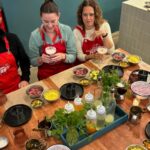
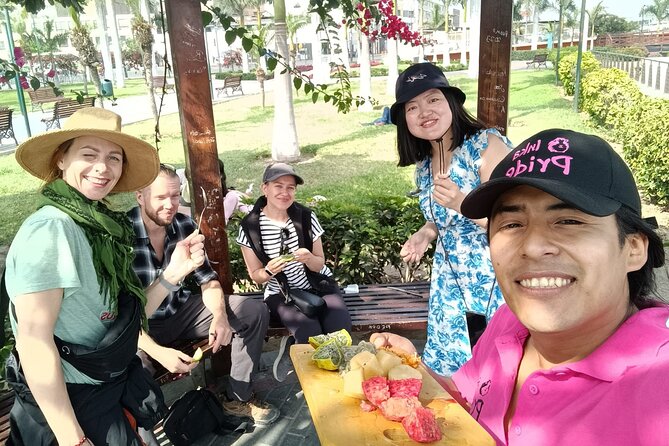
Lima tastes better when you walk with a guide. This street-food loop is interesting because it connects Mercado Central snacks to what’s actually happening in Lima today, then you shift gears to Chinatown for Siu Mae and stories of Peru–China mixing. I also love how guide Bruce (with Inka Pride) keeps it fun while explaining what you’re eating, from ingredients to migration history. The one drawback to consider is that this tour is not recommended for travelers with diabetes, since you’ll be sampling lots of foods and drinks.
I like that you get real food variety, not just one big highlight. You’ll start near the Great Lima Public Library at 1:30 pm, then finish around Plaza San Martín, which makes it easy to keep exploring afterward. At $50 per person, the value lands because many tastes are built in (water plus a long list of classics), and the stops themselves are free to enter.
You’ll also want to keep an open mind. If you’re not adventurous with food choices, Bruce can offer alternatives, but the overall style is hands-on eating.
In This Review
- Key things that make this tour worth your time
- Why This Lima Street Food Route Works (Even in 3.5 Hours)
- Price and What $50 Really Buys You
- Getting There and Ending at Plaza San Martín
- Stop 1: Mercado Central, Lucuma Juice, and Eating Your Way Through Ingredients
- Stop 2: Chinatown for Siu Mae and the Peru–China Fusion Story
- Stop 3: Barrios Altos Beyond Netflix Street Food Favorites
- Stop 4: Centro Histórico and the Optional Pisco Sour Moment
- What You’ll Taste: A Practical Map of the Included Bites
- Who Should Book This Tour (and Who Might Want to Skip)
- Smart Tips Before You Go
- Should You Book This Lima Street Food Tour?
Key things that make this tour worth your time
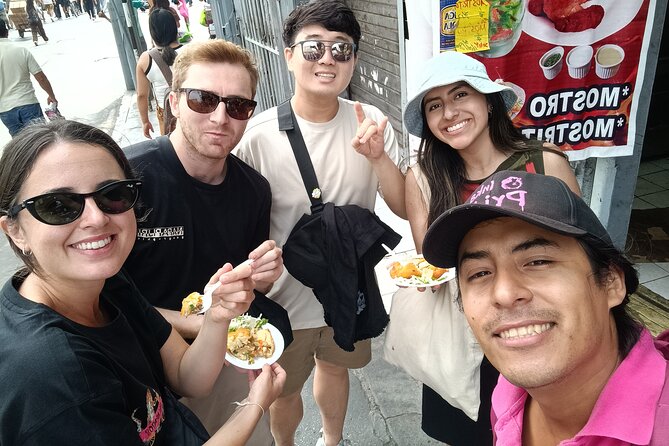
- Mercado Central, done right: ingredients, lucuma juice, fruit buying, and local market bites with context.
- Chinatown food meets history: you’ll try Siu Mae and learn how Chinese immigration shaped Peru’s flavors.
- Barrios Altos street-food focus: the tour’s favorite street stops beyond the usual tourist script.
- A built-in lineup of Peruvian classics: anticuchos, ceviche (street), chicha morada, Inka Cola, and more.
- Small group size: a maximum of 13 travelers helps the pace stay human.
- Optional pisco sour, not required: you can try it in Centro Histórico for extra cost only if you want.
Why This Lima Street Food Route Works (Even in 3.5 Hours)
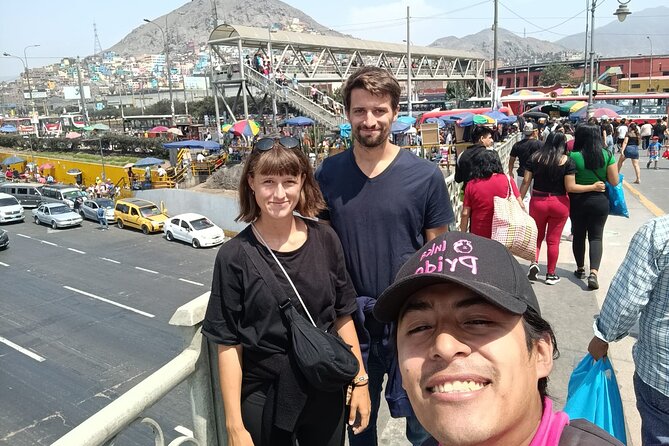
This tour is built like a good meal plan: you go from dense food energy at the market, to cultural fusion in Chinatown, to street-food favorites in Barrios Altos. Then you finish with a drink option in the Centro Histórico area. The pacing matters. Three and a half hours is long enough to actually taste and learn, but short enough that you’re not wiped out before dinner.
What I like most is the way the stops feel connected. Mercado Central isn’t just a place to eat; it’s where you see ingredients up close. Chinatown isn’t just a shortcut to dim sum; it’s tied to a real migration story and how that history changes food. Barrios Altos brings the street vibe back, so you end with a stronger sense of Lima’s daily food culture.
If you’re the type who likes to snack while you walk, you’ll do great here. Bring an empty stomach, then keep it flexible. This tour isn’t trying to be fancy. It’s trying to be accurate.
You can also read our reviews of more food & drink experiences in Lima
Price and What $50 Really Buys You
The tour costs $50 per person, lasts about 3 hours 30 minutes, and is typically booked about a month in advance. That price is the kind that works because a lot is already included. You’re not just paying for a guide and a couple of bites.
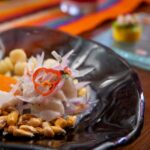
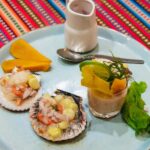
Included tasting items (the big ones) include: choclo con queso, papa rellena, chicha morada, Carapulcra, sopa seca, Inka Cola, ceviche (street), anticuchos, picarones, seasonal exotic fruits, and dim sum. There’s also water in the mix. Translation: you’re getting a serious sampler, not a quick parade of tiny samples.
Two costs to keep in mind:
- A classic Pisco Sour is optional and costs $8.
- Transport (pick up or drop off) costs $10 per person and is not included.
Also, you don’t have to pay entry fees at the stops. The itinerary lists the stops as admission ticket free, so the main expense is the tour itself.
Value-wise, this feels fair because the guide isn’t only feeding you. You’re also getting explanations that help the flavors make sense.
Getting There and Ending at Plaza San Martín
You start at Great Lima Public Library, Av. Abancay 4, Lima 15001 (start time 1:30 pm). That’s a practical meeting point because it’s central and it’s near public transportation. If you’re using Uber, you’re close to easy access roads.
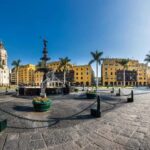
The tour ends at San Martin Square, Av. Nicolás de Piérola cdra. 9, Lima 15001, around Plaza San Martín. This matters because Plaza San Martín is a clean launching pad for more time in the historic center. You can also grab a ride from there without needing a long walk back through unfamiliar blocks.
If you’re bringing friends, coordinate your meetup details carefully. With a small max group size of 13, it’s worth arriving a few minutes early so the guide can start on time.
Stop 1: Mercado Central, Lucuma Juice, and Eating Your Way Through Ingredients
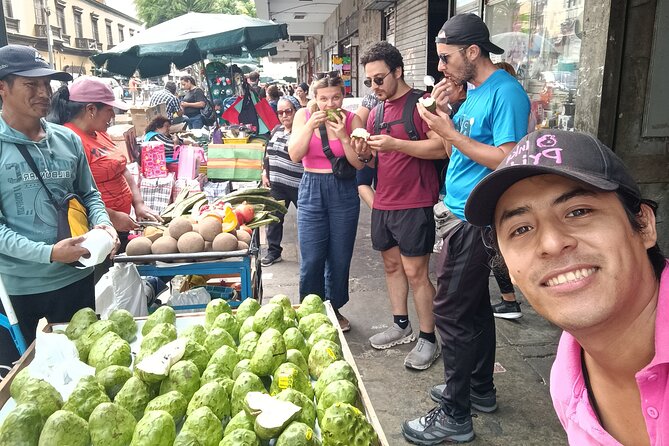
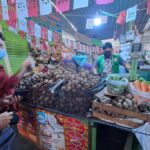
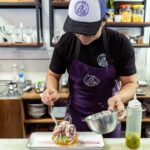
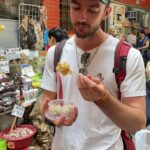
Mercado Central is the first gear. You get the market experience in a way that’s about understanding food, not just wandering. You’ll visit the Central Market, see a lot of ingredients, and get explanations as you go. Then you’ll try lucuma juice and buy fruits, with time to eat local cuisine around the market.
This stop is valuable for a simple reason: it trains your palate before you move on. When you can picture the ingredient and what it tastes like, later bites feel less random and more intentional. You also learn the “why” behind common Peruvian flavors and how markets work as daily food hubs.
What to expect here is a classic sensory overload—good and intense. The tour keeps it structured with guidance, so you don’t just end up staring at stalls wondering what’s worth ordering.
One consideration: the market food style can be heavy and sweet in places, especially with drinks. If you’re sensitive to high sugar drinks, pace yourself and consider sharing. (And if you manage diabetes, again, this tour is not recommended.)
Stop 2: Chinatown for Siu Mae and the Peru–China Fusion Story
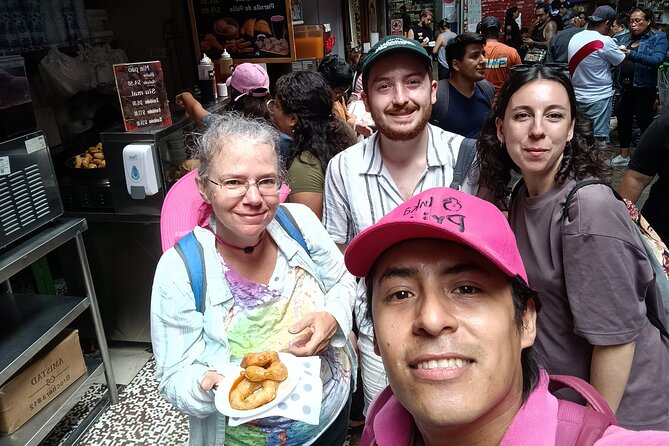
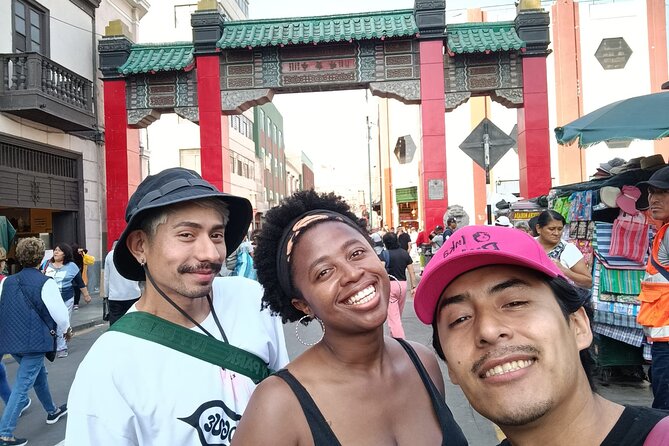
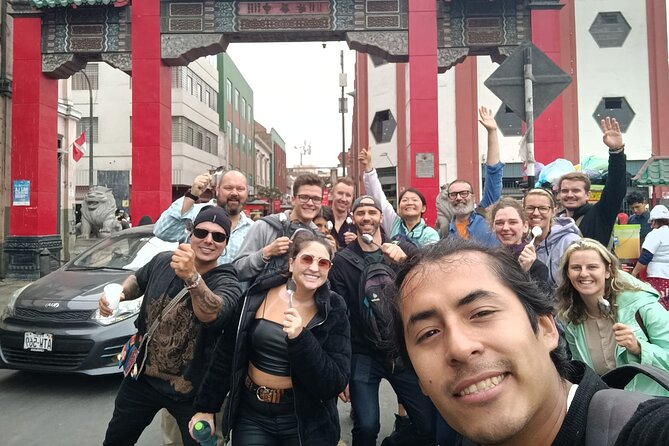
Chinatown is short but sharp. You’ll visit China Town and try Siu Mae. The guide also explains Chinese immigration to Peru and how that migration shaped gastronomical fusion in Lima’s food culture.
This stop is a strong match for curious food people. You’re not only sampling; you’re learning why certain flavors and dishes ended up where they are. Fusion food can feel like a buzzword in other places. Here, it’s tied to a real human story: migration, adaptation, and everyday cooking.
The tour keeps Chinatown to about 30 minutes, so you’ll likely feel the contrast rather than get stuck in one neighborhood too long. That tempo is good on a full afternoon.
If you’re worried about unfamiliar food, this is where the guide’s approach matters. Based on what I’ve heard from people who joined, Bruce can offer alternatives for those who aren’t adventurous with certain bites. You won’t have to stay silent and hope for the best.
You can also read our reviews of more tours and experiences in Lima


Stop 3: Barrios Altos Beyond Netflix Street Food Favorites
Barrios Altos is the part people tend to remember because it’s focused on street-food picks. The tour explicitly calls this stop its personal favorite street food recommendations beyond Netflix, and that energy shows in how you’re guided through what to try next.
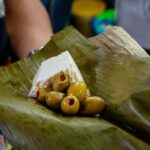
This is where the included classics fit naturally: anticuchos (grilled skewers), street ceviche, and more of the sweet-and-sour Peruvian mix like chicha morada and Inka Cola. You’ll also see how street desserts can be a whole event—picarones are on the included list, and those are the kind of treat you don’t forget once you try them.
Since the tour is about tasting across styles, you should expect both savory and sweet moments. Seasonal exotic fruits are also part of the included lineup, which makes this stop feel less predictable than a simple ceviche-and-corn routine.
The main drawback here is the pace of eating. If you prefer slow, sit-down meals, this may feel like a lot. The flip side is that it’s also why this tour works for a short window in Lima—you’ll taste more than you could on your own in the same time.
Stop 4: Centro Histórico and the Optional Pisco Sour Moment
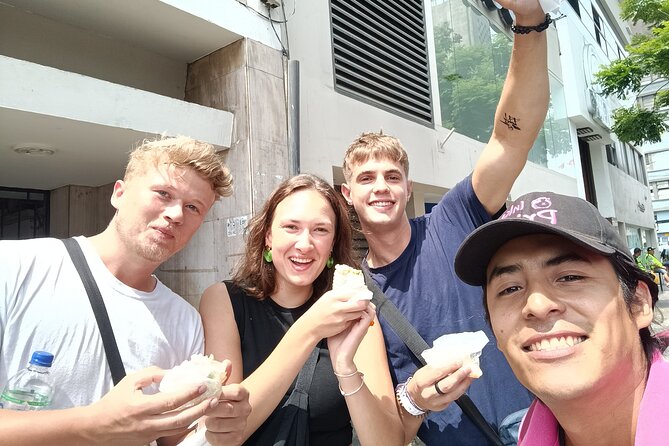
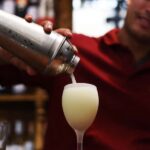
The last stop is the Centro Histórico de Lima area, with an optional Pisco Sour. You’ll have about an hour here, and you can decide on the classic drink.
If you do order it, the tour lists the classic Pisco Sour as $8. Keeping it optional is smart for two reasons. First, not everyone wants alcohol on a walking food tour. Second, it helps if you’re watching how your stomach handles citrusy drinks after street food.
Even if you skip the drink, Centro Histórico gives you a sense of place to end the tour. You’re finishing in the historic zone near San Martín Square, which is a practical way to roll into your next activity.
What You’ll Taste: A Practical Map of the Included Bites
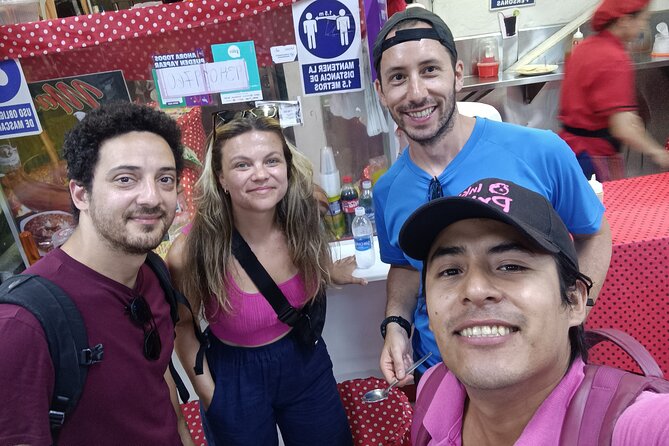
Here’s the included list in plain terms, because this is the stuff you’re paying for when you book:
- Choclo con Queso: sweet corn with cheese, a comfort-food classic.
- Papa Rellena: stuffed potato, typically savory and filling.
- Chicha Morada: a purple corn drink with a tangy-sweet profile.
- Carapulcra and Sopa Seca: Andean-style comfort food (dried potato traditions show up in carapulcra).
- Inka Cola: the bright, sweet Peruvian soda.
- Ceviche (street): you’re getting the street version included in the tour.
- Anticuchos: grilled skewers, usually a crowd favorite.
- Picarones: sweet dessert, often served with syrup.
- Seasonal Exotic Fruits: market fruit and seasonal options.
- Dim sum: included as part of the Chinatown flavor story.
- Water: bottle of water included.
That mix is why the tour feels more worthwhile than you might expect at first glance. It’s not one cuisine. It’s Peru’s food culture, plus the specific Peru–China thread you’ll hear about in Chinatown.
Who Should Book This Tour (and Who Might Want to Skip)
This tour is marked as suitable for most travelers, and it’s small-group sized (max 13). If you’re comfortable eating street food and you want a guide to handle the ordering and explanations, you’ll like it.
It’s also a good choice if you want more than taste. The guide’s job here is to connect the foods to the city, from market ingredients to immigration stories.
Two people should think twice:
- If you manage diabetes, the tour is not recommended because you’ll be sampling many foods and drinks.
- If you want strict, predictable meals with no variety, you might find the street-food style a bit too experimental.
On the upside, people have said Bruce is great at keeping things informative and offering alternatives if needed. That helps if you’re not sure you’ll like every single bite.
Smart Tips Before You Go
I’d treat this like a food mission, not a casual stroll.
- Eat lightly before you come. People strongly recommend going with an empty stomach, and the tastings add up.
- Be ready for both savory and sweet. Drinks and desserts are part of the plan.
- Ask questions while you’re moving. The guide’s explanations are a big part of why the stops click.
- Come with curiosity, not a fixed list of what you will and won’t try. Fusion food and market classics are the point.
Should You Book This Lima Street Food Tour?
If you’re in Lima for a short visit and you want to understand the city through food, this is a smart booking. The biggest reason is the structure: market learning first, cultural fusion second, street-food favorites third, then a finish in the historic center. You also get a strong list of included tastes for $50, with many classics and drinks covered.
I’d book it if you:
- love street food and can handle a steady sequence of tastings
- want history that shows up in what people actually eat
- appreciate a guide who can make the experience both fun and practical (Bruce with Inka Pride is a clear draw)
I wouldn’t book it if:
- you have diabetes
- you need slow, sit-down meals and strict dietary predictability
If you’re somewhere in the middle, the best move is simple: show up hungry, go with an open mind, and let the guide steer you.