REVIEW · PUNO
From Puno: Travel to Cusco in Titicaca Train All Inclusive
Book on GetYourGuide →Operated by Experience Travel · Bookable on GetYourGuide
A train ride that feels like a front-row Andes show. I love the gourmet 3-course lunch in the restaurant cars and the live music and dancing onboard, making a long day feel lively. The main drawback to watch: spots can fill weeks ahead, and you’ll want to double-check your name and seat assignment so you don’t get stuck with bad seats.
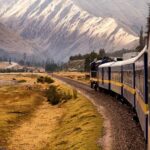
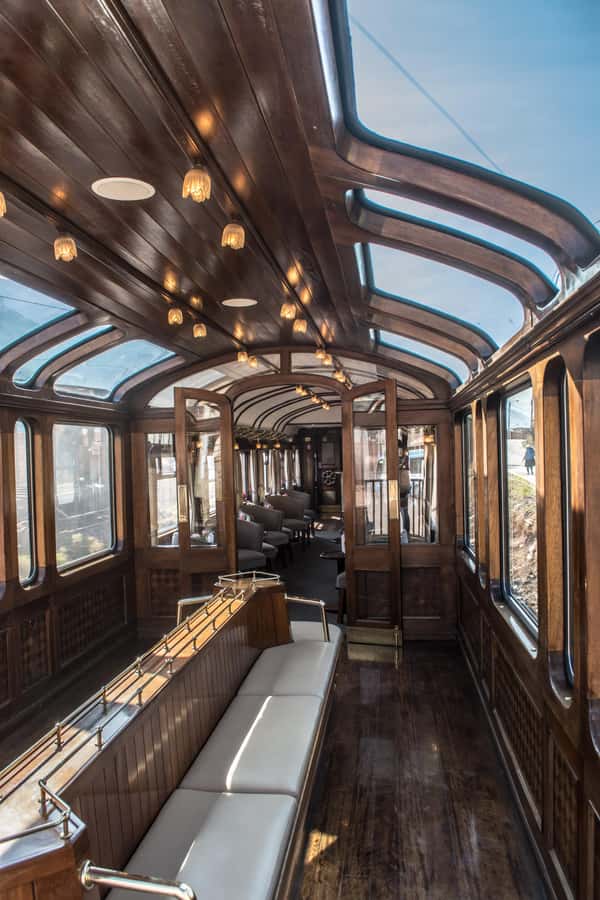
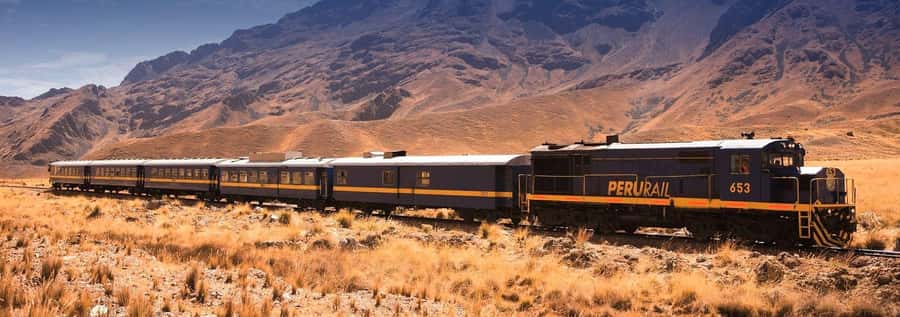
You’ll start with a hotel transfer from Puno to the station, get a hot welcome drink, then settle into Pullman-style carriages designed for the views. Along the way you’ll stop at iconic spots, including Abra de la Raya, plus a market stop in the La Raya area, with plenty of time to look out and enjoy the show.
After the ride, an attentive driver is supposed to take you into Cusco and on to your hotel. In one real-world case I saw, the Cusco transfer required a quick fix by the operator, so I’d treat that part as something worth confirming before travel day. This whole trip runs 630 minutes (about 10.5 hours), so plan for a full-day adventure rather than a quick hop.
In This Review
- Key highlights worth your time
- Puno to Cusco by Titicaca Train: why this beats the usual route
- Inside the Pullman-style carriages: food, drinks, and the observatory bar car
- The itinerary moments that actually land: Abra de la Raya and La Raya market
- Live music and dance onboard: turning a long ride into an event
- Transfers in Puno and arrival in Cusco: where your day can bend
- Price and value at $499 per person
- Who should book this Titicaca train day
- My decision guide: should you book?
- FAQ
- How long is the Puno to Cusco Titicaca train experience?
- What’s included in the all-inclusive package?
- Is dinner included?
- Are there onboard guides, and what languages do they speak?
- Will I have transfers on both ends of the day?
- What are the main stops during the ride?
- Is free cancellation available?
Key highlights worth your time
- Gourmet lunch in the restaurant cars: three courses served while you’re still riding the Andes.
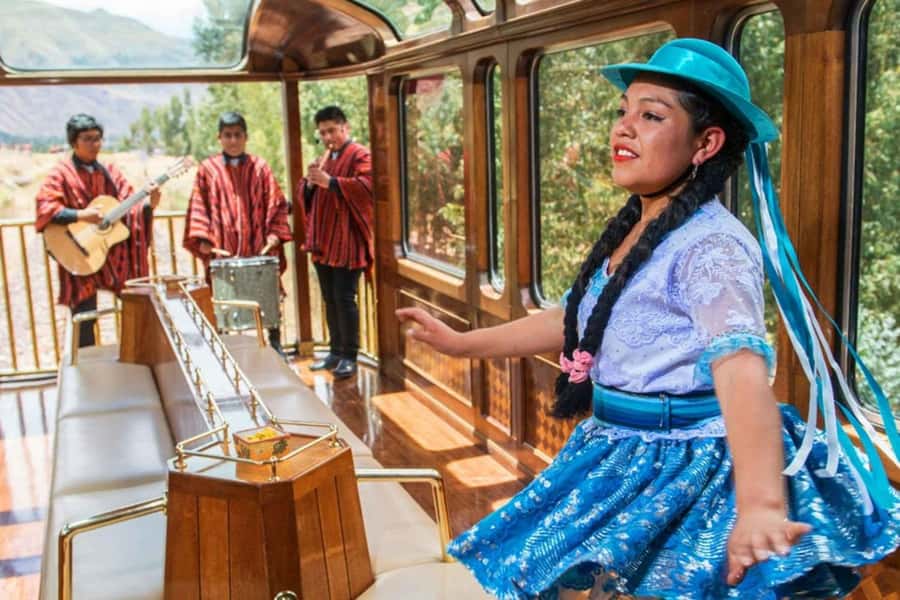
- Live music and dance onboard: not background noise, actual entertainment during the journey.
- Stops for big moments: Abra de la Raya views and the La Raya market stop.
- Piso Sour demonstration plus drinks: includes a Piso Sour demo, hot welcome drink, and afternoon tea.
- Observatory bar car: a dedicated spot to watch the scenery as the day rolls by.
- Hotel-to-train-to-hotel flow in the plan: transfer in Puno and a driver waiting in Cusco.
Puno to Cusco by Titicaca Train: why this beats the usual route
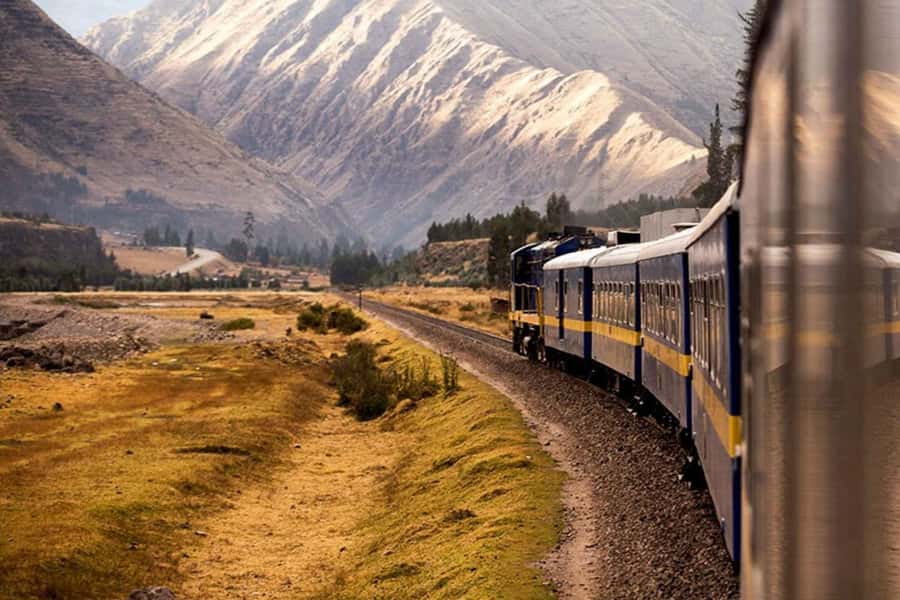
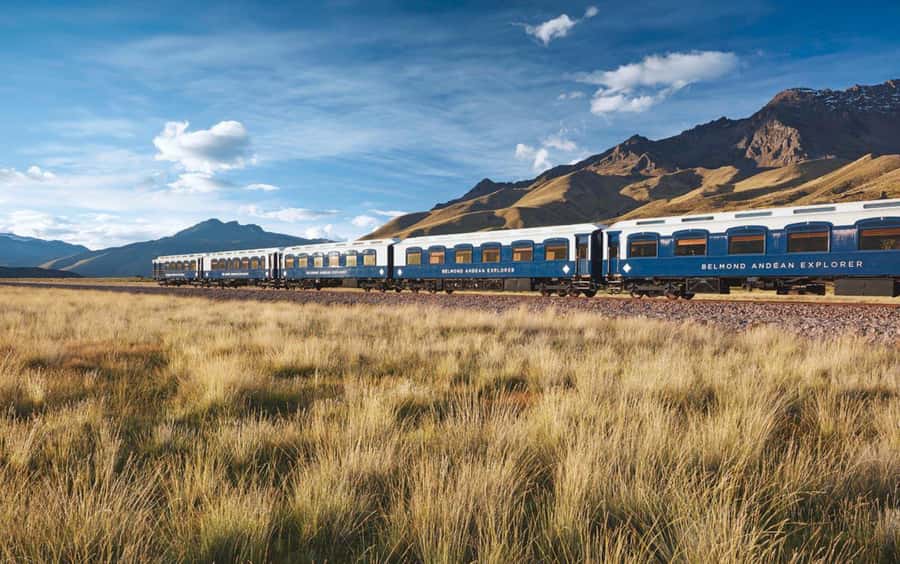
Puno to Cusco is one of those travel days where you’re either staring out a window for hours, or you’re stuck thinking about the next logistical hurdle. This Titicaca train version is built for the scenery and the comfort. You’re crossing the Peruvian Andes in a way that feels like a moving lounge—less hurry, more looking, more eating well, and fewer “what now?” moments.
The big value here is that the journey itself becomes the activity. Instead of treating transport as a necessary chore, you get a structured day: welcome drink, entertainment onboard, scheduled stops, a proper three-course lunch, and a bar-car setup for lingering over the view. It’s a very practical way to make a long trip feel planned rather than exhausting.
The trade-off is time. This is a full day at 630 minutes, so it’s best when you’re okay being away from your schedule. If you’re the type who likes to hop between sights at your own pace, you might find the fixed flow limiting.
You can also read our reviews of more tours and experiences in Puno.


Inside the Pullman-style carriages: food, drinks, and the observatory bar car
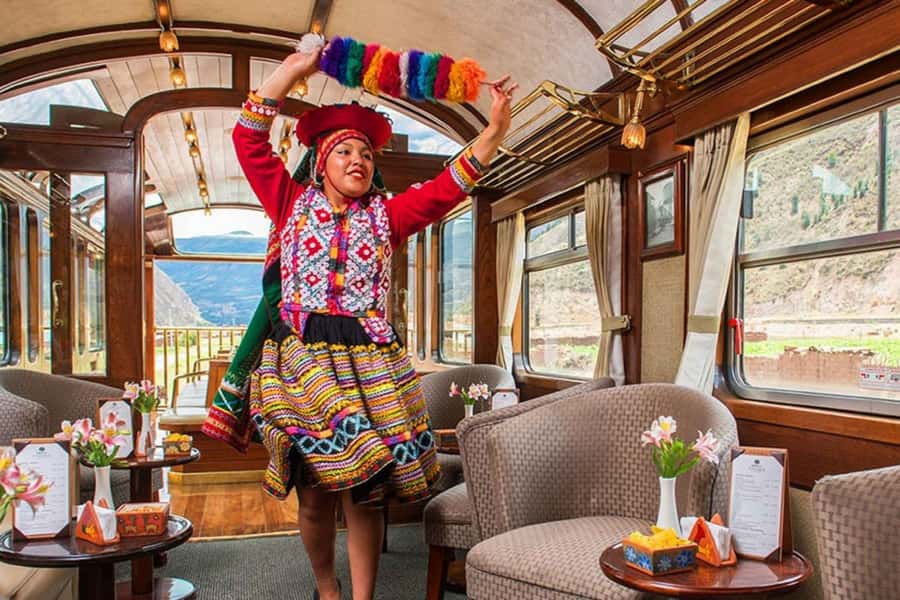
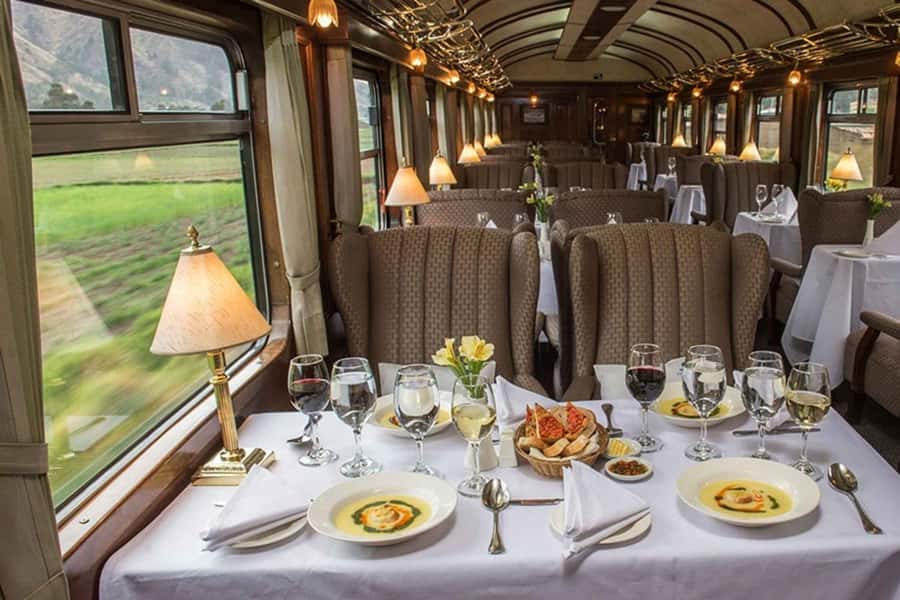
One of the clearest reasons people choose a train day over road travel is the food. Here you’re not just grabbing a snack. You get a hot welcome drink when you arrive, plus an included afternoon tea later. The highlight is the 3-course gourmet lunch served in the elegant restaurant cars.
In practical terms, this means you don’t have to solve the altitude-day problem of where to eat and what to carry. Lunch is handled. Tea is handled. You can focus on comfort and views. Even if you’re not a huge “fine dining” person, the fact that meals are built into the journey saves your energy for Cusco.
Then there’s the observatory bar car. That matters more than it sounds. When you’re on a moving route through high country, it’s easy to end up standing around at the wrong time or fighting for a spot by a window. A designated bar-car area gives you a place to settle in and watch the scenery as it comes.
Add to that the Piso Sour demonstration. You’re not just drinking something; you’re shown how the Peruvian flag drink is presented. It’s the kind of short onboard moment that helps break up the long ride so you’re not stuck in pure sightseeing mode the entire time.
Just remember: dinner is not included. That’s important because the day ends in Cusco, and you’ll likely want dinner plans once you arrive.
The itinerary moments that actually land: Abra de la Raya and La Raya market
This route earns its reputation because of where it goes, not just that it goes. The trip includes a stop at Abra de la Raya, and the timing is set up so you can take in the grandeur of the pass and learn something while you’re looking.
Abra de la Raya is described as the grandeur of the border between Cusco and Puno. You’re also told about the Amazon River connection—specifically that this area is associated with the birthplace of the Amazon River. Even if you’ve heard general facts about the Andes before, it hits differently when you’re actually at the altitude crossroads, watching the country open up beyond the train windows.
Then you get a stop at La Raya (Andean Market). Markets are one of the best ways to understand a place in a short time. Here, the point isn’t a long shopping spree. It’s the feel: how people move, what they buy, and how daily life looks up in the mountains. If you like photos, this is the kind of stop where your pictures usually come out better than you expect because you’re seeing real activity rather than a staged viewpoint.
A practical note: stop times aren’t listed in your details, so assume you’ll get short windows rather than hours. Dress for cool air and bring a camera-ready layer. Train windows are great, but the best shots often happen when you’re standing up or moving through the market stop area.
Live music and dance onboard: turning a long ride into an event
The onboard entertainment is one of the strongest “value for your money” elements. The plan includes live music and a dance show, and it’s not just a background playlist. It’s scheduled as part of the onboard experience, so you’re not stuck waiting for the next stop in silence.
This matters because the route is long. 630 minutes is a lot of time in transit. When there’s live music and dancing, the day feels like an event with beats. It’s also a nice way to connect with the culture in a low-effort way—no tickets for separate shows, no hunting for performances in town.
If you’re traveling with people who get bored easily, this portion can make the difference between a smooth day and a cranky one. Even if you’re not the dancing type, it keeps energy up in the cars and helps the whole journey feel less like transportation and more like a curated experience.
Transfers in Puno and arrival in Cusco: where your day can bend
The plan includes transfer from your hotel in Puno to the train station, plus a driver waiting in Cusco to take you to your hotel. That sounds straightforward—and for most people it probably is—but transfers are exactly where small mismatches can happen.
In one real-world situation I saw reflected in experiences with this trip, a taxi driver in Puno wasn’t sure where to drop people for the train, and the Cusco transfer part needed fixing when it didn’t happen automatically. None of this means the experience is doomed—it just means you should do one simple thing before travel day: confirm your pickup details and the meeting point clearly with the operator.
Here’s the practical way to protect your day:
- Have the exact pickup location and timing written down.
- Keep the confirmation info accessible on your phone.
- Plan to show up with extra buffer in Puno if you’re using a local taxi.
With that done, the transfers become a convenience rather than a stress test.



Price and value at $499 per person
At $499 per person, this is a splurge. So the question isn’t whether it’s expensive. The question is whether it replaces enough other costs and hassles to feel worth it.
What you get for that price includes:
- Hot welcome drink
- 3-course gourmet lunch
- Live music and dance show
- Piso Sour demonstration
- Stop at La Raya (Andean Market)
- Observatory bar car
- Afternoon tea
- Live tour guide support in Spanish and English
Then subtract what you’d normally pay for if you traveled more independently: meals, guided entertainment, a structured day with stops, and the comfort of a full train setup. You’d likely still want a good lunch during a long journey. You’d still spend money on some kind of food and drinks. And you’d still need to manage transport and timing.
The big “value” move here is that lunch and drinks are included, so you’re not constantly budgeting while you’re on the move. Plus, the train format makes the scenery part of the program, not something you squeeze in between logistics.
What keeps it from being a universal deal is that the experience is scheduled and the price is high if you’re traveling on a tight budget. Also, dinner is not included, so you should budget for an evening meal in Cusco separately.
Who should book this Titicaca train day
This is a strong match if:
- You want a comfort-first Puno-to-Cusco day with a clear schedule.
- You’re excited about the Andes views and want them paired with onboard entertainment.
- You appreciate a well-timed meal plan, especially the included 3-course lunch and afternoon tea.
- You like cultural moments packaged into the day, like the Piso Sour demonstration.
It may not be your best fit if:
- You’re very picky about seat location.
- You’d rather keep total control and don’t want a set plan.
- You’re looking for the cheapest way to get from Puno to Cusco, full stop.
If you’re celebrating something, this type of day can feel special without needing extra planning. If you’re not celebrating, it’s still an easy way to reduce stress and keep the day moving.
My decision guide: should you book?
I’d book this if you’re planning a Cusco itinerary and you want your Puno-to-Cusco transition to be a highlight rather than a transit chore. The combination of gourmet lunch, live music and dance, and well-chosen stops at Abra de la Raya and La Raya is what makes the day feel like more than transportation.
I’d pause and verify before booking if you have strict seat preferences or if you’re worried about last-minute ticket paperwork. Do a quick confirmation of your reservation name and travel details with the operator, and double-check the pickup and arrival transfer plans so the day stays smooth.
If you want scenic Andes time with included meals and a lively onboard vibe, this is a smart splurge.
FAQ
How long is the Puno to Cusco Titicaca train experience?
The duration is 630 minutes, which is about 10.5 hours.
What’s included in the all-inclusive package?
Included items are a hot welcome drink, a 3-course gourmet lunch, live music and dance show, Piso Sour demonstration, stop at La Raya (Andean Market), observatory bar car access, and afternoon tea.
Is dinner included?
No. Dinner is not included.
Are there onboard guides, and what languages do they speak?
A live tour guide is included, speaking Spanish and English.
Will I have transfers on both ends of the day?
The plan includes transfer from your Puno hotel to the train station, and a driver waiting in Cusco to take you to your hotel.
What are the main stops during the ride?
You’ll stop at Abra de la Raya and at La Raya (Andean Market).
Is free cancellation available?
Yes. You can cancel up to 24 hours in advance for a full refund.