REVIEW · URUBAMBA
Salkantay Trek 4Days/3Nights Domes
Book on GetYourGuide →Operated by Exploor Trip E.R.L · Bookable on GetYourGuide
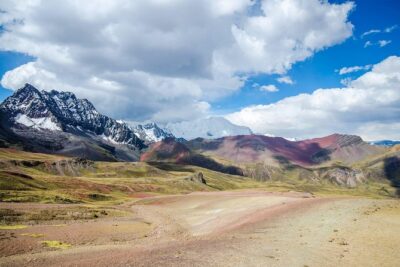
Salkantay puts a glacier right on your trail. I like how this 4-day trek from Cusco stays active from dawn, with Salkantay glacier scenery and early-morning starts that keep you moving.
I also like the practical comfort of dome camping with a kitchen team, plus pack animals that handle the heavy stuff. One drawback to consider is that the organization can be messy if your group mix changes, so I recommend confirming Machu Picchu ticketing and the guide handoff before you head out.
In This Review
- Quick takes before you decide
- Salkantay to Machu Picchu: what you’re really paying for (and why it can be worth it)
- Cusco pickup at dawn: the schedule starts before you feel human
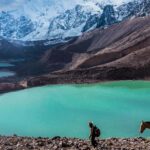
- Day 1: Mollepata, Soraypampa, and Humantay lagoon at 4,200 m
- Day 2: Salkantay Pass day—the toughest climb and the best glacier payoff
- Day 3: Santa Teresa valley to La Playa, then Hidroelectrica and Aguas Calientes
- Day 4: early Machu Picchu entry, 2-hour guided tour, and optional mountain tickets
- Dome camps and hut nights: comfort level you can expect
- Food, water, and the small things that keep you hiking
- Price and logistics: what could go wrong, and how you protect yourself
- Who this trek is best for (and who should pick a different option)
- Should you book the Salkantay 4Days/3Nights Domes?
- FAQ
- Where do we meet in Cusco?
- How long is the trek?
- What time do we start hiking on Day 1?
- What’s the highest point of the trek?
- What kind of lodging do you use each night?
- Is breakfast included on the first day?
- What meals are included during the trek?
- Is the entrance to Machu Picchu included?
- Are Humantay and Lake Salkantay entrance fees included?
- Is a sleeping bag included?
Quick takes before you decide
- Dome tents for 4 (or cabins for 2), plus a dining tent with tables and chairs and mats provided
- Humantay lagoon as an acclimatization walk at about 4,200 m (3-hour round trip)
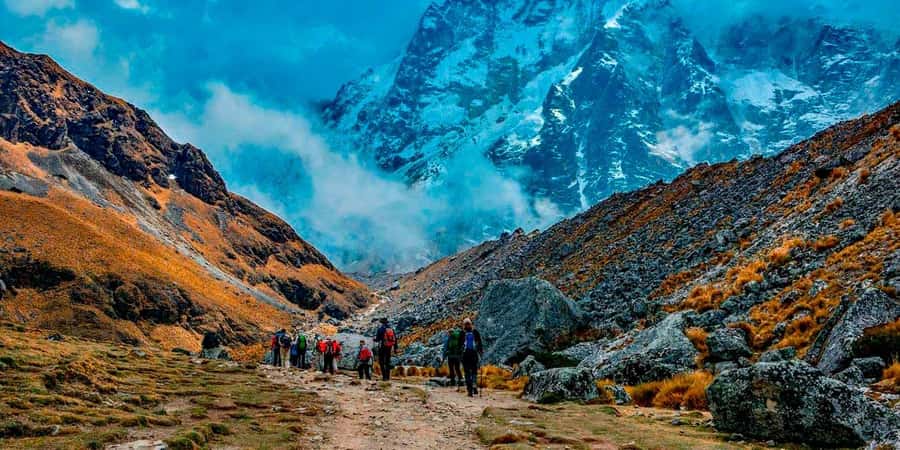
- Salkantay Pass day starts with coca tea and breakfast, then a steep climb toward the highest views
- Aguas Calientes overnight at a hostel, followed by an early Machu Picchu visit with a 2-hour guided tour
- Support logistics: pack animals transport tents/food/kitchen gear, and they also carry up to 5 kg of personal items for the first three hiking days
Salkantay to Machu Picchu: what you’re really paying for (and why it can be worth it)
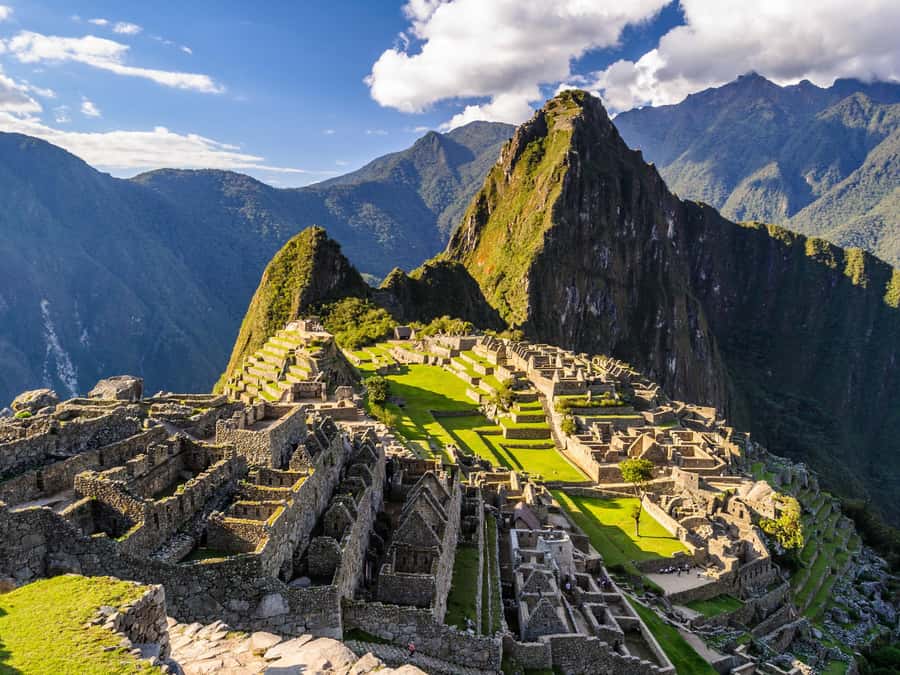
At $450 per person, this 4-day Salkantay Trek packs a lot into a tight schedule: real trekking time, dome camping logistics, an overnight in Aguas Calientes, and Machu Picchu entry plus a guided tour. For many people, the value isn’t just the final postcard. It’s the fact that the hard parts are handled for you—timed transportation, camp setup, and the entry ticket and train component.
Here’s what you’re getting on the ground: professional guide service, a chef and kitchen team, dome-style camping (not just a backpacking-style “good luck” setup), and pack animals moving the bulky stuff. You’ll still hike hard. That part is on you.
The other side of the value coin is control. When plans involve early mornings, transfers, train times, and a group that may be mixed with other trekking lengths, details matter. One bad-match logistics story is enough to ruin the experience—so treat confirmation as part of the trip prep, not a boring formality.
You can also read our reviews of more hiking tours in Urubamba
Cusco pickup at dawn: the schedule starts before you feel human
This trek begins with an early hotel pickup in Cusco, typically between 4:45 and 5:30 a.m. Then you head toward Mollepata by bus (about two hours). Expect that first day to feel like a fast assembly line: breakfast stop in Mollepata is listed as not included, then you move on quickly for final preparations.
Why this matters for you: altitude trips reward consistency. If you’re slow at the start, you’ll feel it later. The early timing is also how you get daylight for trekking and still make Machu Picchu day workable.
Practical move: plan for cold in Cusco mornings. Even before you reach the high trail points, your body will notice the early start.
Day 1: Mollepata, Soraypampa, and Humantay lagoon at 4,200 m
Day 1 is a mix of travel, walking, and a high-altitude walk that helps you acclimatize.
Morning flow
- Bus from Cusco to Mollepata (about 2 hours)
- Break/breakfast stop in Mollepata (breakfast not included)
- Continue toward Cahllacancha, where you meet the support team
At Cahllacancha, the support crew loads luggage onto horses and mules. You begin the hike around 9:30 a.m. toward Soraypampa (3,900 m). The walk takes about 4 hours at a constant pace. That “constant pace” note is important. It’s not a sprint day, and you don’t want it to be.
Afternoon: Humantay lagoon
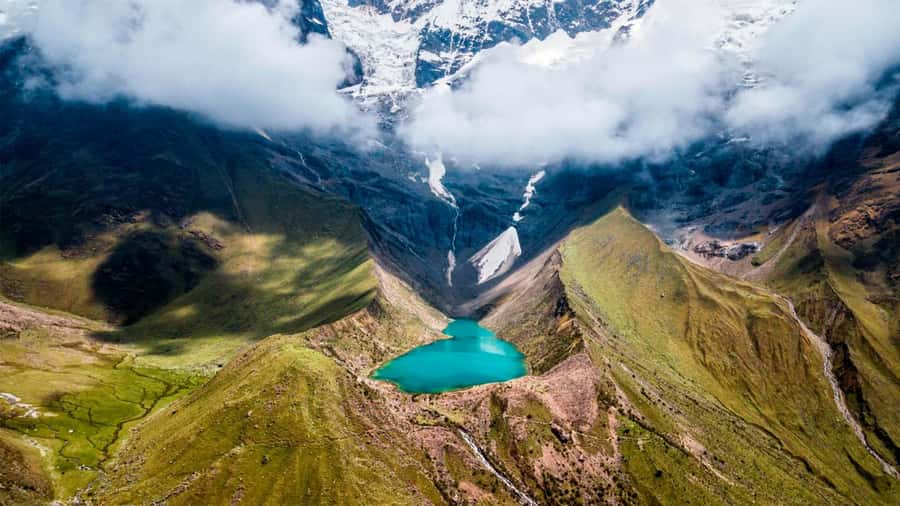
After lunch, the day includes a visit to Humantay lagoon (4,200 m). It’s described as a roughly 3-hour round trip from camp. This is where you get that glacial-lake wow factor, but you also feel altitude in your lungs.
Even better, this day includes dinner in camp. You’re not scrambling for energy at the end of the day—your schedule is set up so you can recover properly.
Watch-outs:
- The entry to Lake Salkantay and Humantay is listed as not included, even though the itinerary includes the Humantay lagoon walk. This is one of those budget details you should confirm before you go.
Day 2: Salkantay Pass day—the toughest climb and the best glacier payoff
Day 2 is the “earn your views” day.
You’ll be woken up with coca tea, then have breakfast around 5:00 a.m. After that, you start the main climb: about 6 kilometers uphill through rocky mountain terrain until you reach the highest point of the hike. From there, you’re set up for spectacular views of the Salkantay peaks, including Salkantay listed at 6,264 m.
Then comes the rhythm shift:
- About 2 hours descent
- Around 1:00 p.m., lunch at Huayracmachay
- Then another descent of about 3 hours to the camp at Chaullay (2,900 m)
You sleep in indigenous huts that night, and dinner is planned for 6:00 p.m. The earlier meals and the fixed dinner time are not just for convenience. Trekking groups run better when the schedule stops drifting.
Big practical consideration: this is a high-effort day. Even if you walk steadily, you’re climbing and descending for hours. You’ll want strong hiking shoes, trekking poles if you use them (canes are listed as not included), and layers that handle cold and sun changes.
Also, because this is the “highest point” day, pace is everything. If you go out too fast, you’ll spend the descent paying for it.
Day 3: Santa Teresa valley to La Playa, then Hidroelectrica and Aguas Calientes
Day 3 is different. You trade big-pass climbing for a long day that mixes valley walking and transport, then ends with a city night.
Morning to early afternoon
You start walking around 6:00 a.m. toward La Playa through the Santa Teresa valley. The day is a 6-hour walk, with stops and scenery changes as you move forward.
A named highlight is Colpapampa, called the eyebrow of the cloud forest. That gives you a hint of what to expect: you’re transitioning into a greener, higher-moisture feel compared to day 2’s harder rock vibe.
After lunch at La Playa, you move toward Hidroelectrica. The itinerary describes a 1.5-hour transportation segment, but the not-included list also says transportation from Playa Sahuayaco to Hidroelectrica is not included. That mismatch is small but important. Before departure, clarify how that transfer is handled for your booking.
The final walk to town
From the hydroelectric area, you walk along the train tracks for about 3 hours covering roughly 10 kilometers to Aguas Calientes. This last stretch can feel long, mostly because you’ve already hiked several days in a row.
You’ll stay in a hotel in Aguas Calientes that night, which is crucial because Day 4 starts early.
Day 4: early Machu Picchu entry, 2-hour guided tour, and optional mountain tickets
This is the day most people plan the trek for.
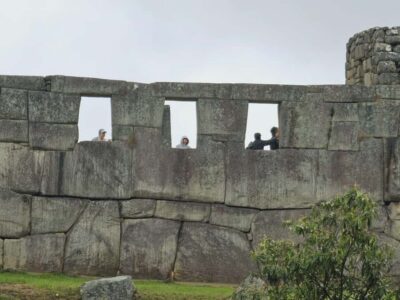
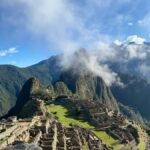
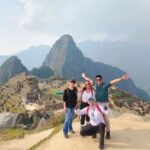
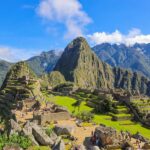
You wake up early in Aguas Calientes and aim to be among the first to arrive at Machu Picchu. The entry window is 6:00 a.m. to 3:00 p.m. You also have an optional bus to the site.
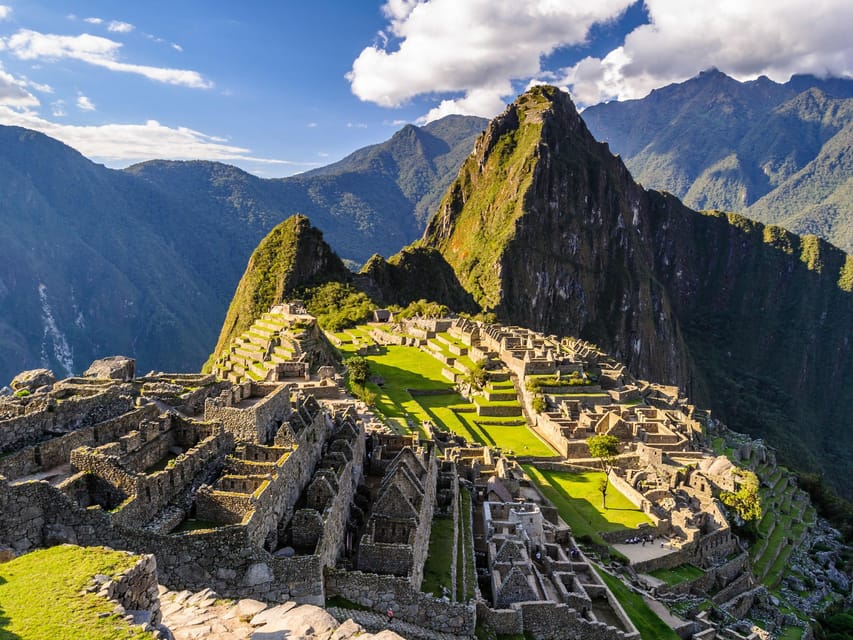
Then you get a 2-hour guided tour of Machu Picchu. After that, there’s an option to climb Huayna Picchu or Machu Picchu Mountain. Tickets are required in advance, and each mountain option takes about 3 hours total between ascent and descent.
Return plan:
- You go back to Aguas Calientes and take the train around 4:22 p.m. or 6:20 p.m. to Ollantaytambo (subject to availability)
- Then you return to Cusco via group minivan, ending at Plaza San Francisco
Key value: Machu Picchu entrance is listed as included, and your train ticket from Aguas Calientes to Ollantaytambo is also included (service type upon request: Expedition, Vistadome, or Hiram Bingham).
But here’s the practical caution I can’t ignore: one disappointing booking experience reported that Machu Picchu ticketing was not handled as expected and that the guide situation was unclear after a group mismatch. You can avoid drama by confirming, before you start Day 4, that your Machu Picchu entry is actually secured under your group and that you have clear guidance for the site tour.
Dome camps and hut nights: comfort level you can expect
This trek uses a mix of lodging styles:
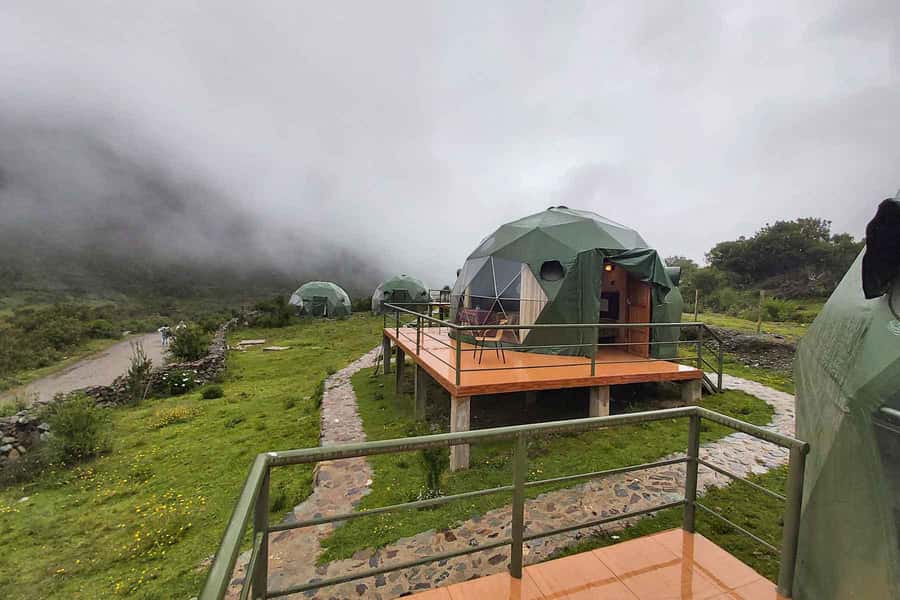
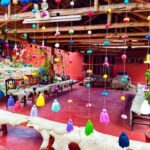
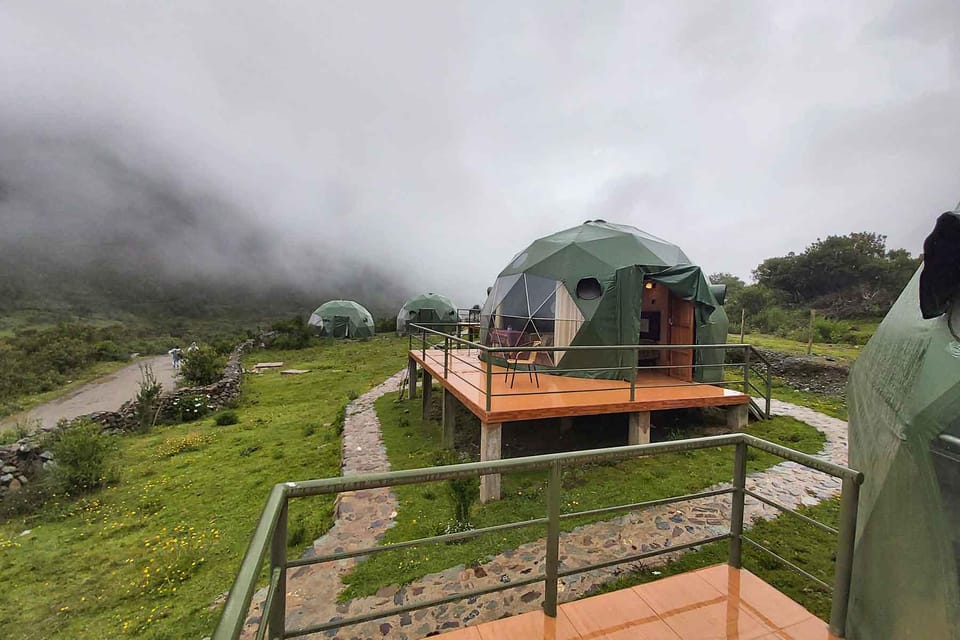
- Dome camping (domes: 4 people each, cabins: 2 people each)
- Mats provided (one per person)
- A dining tent with tables and chairs
- A kitchen tent with a chef and kitchen team
- Nights in indigenous huts on Day 2
- A hotel in Aguas Calientes on Day 3
The dome setup with a kitchen is a real upgrade compared to lightweight trekking setups. You’re not living off snack bars and cold noodles by guesswork.
Still, you should plan realistically for sleeping comfort. A sleeping bag is listed as not included, but there’s a rental option: sleeping bags with a -10ºC comfort rating (0ºF). They’re cleaned after each use, with a maximum use count described by the operator, and the rental price is $20 USD for the entire trip.
What I’d do in your shoes: even if you rent the sleeping bag, bring a warm layer for your core and a hat. Night cold can be sneaky at altitude.
Amenities that help:
- Biodegradable hand soaps and dishwashing detergents
- First aid kit
These details won’t replace good gear, but they make the daily grind less gross.
Food, water, and the small things that keep you hiking
Food is included in the trekking package, and vegetarian or special menus are available at no additional cost. Breakfast on the first day is not included, though.
You’ll see a clear meal pattern:
- Day 1: lunch after arriving in Soraypampa, then afternoon Humantay lagoon walk, then dinner
- Day 2: coca tea wake-up, breakfast at ~5:00 a.m., lunch at Huayracmachay around 1:00 p.m., then dinner at 6:00 p.m. after arriving at Chaullay
- Day 3: lunch at La Playa, then transport and the long walk to Aguas Calientes
- Day 4: no lunch is listed as included after the guided tour at Machu Picchu
Water is not packaged as unlimited bottled supply. You can purchase drinking water along the trip or bring filters. At altitude, you’ll drink more than you think, so I’d plan for at least one reliable system for water.
Practical gear reminder: water filters are a good match when you don’t want to constantly buy bottles. Just know you need to drink enough to keep your body working on steep days.
Price and logistics: what could go wrong, and how you protect yourself
This is where I’ll be straight with you. The itinerary is built like a classic Salkantay-to-Machu Picchu route, with domes, pack animals, included camp logistics, and an organized Day 4.
Still, one key drawback shows up in a negative booking experience: the group mix can get complicated when some people do different trekking lengths. In that report, the guide reportedly stayed with a longer-tour segment and other participants felt left with poor instructions. There was also an issue with Machu Picchu ticket handling being paid for by the participants instead of handled by the operator as expected, plus a delayed return to Cusco that impacted a next-morning plan.
That doesn’t mean this will happen to you. It does mean you should take five minutes before departure to verify:
- Machu Picchu entrance is actually included and tied to your name/group
- You know the guide coverage plan if your group has any mix of lengths
- You’re not scheduling a second major pickup the same morning as your expected return to Cusco (late arrivals happen when train times or transfers slip)
If you like structure and want a support team carrying camp gear, this tour can be good value for $450. If you need everything to run perfectly with zero surprises, you’ll sleep better by confirming the key tickets and timing details in writing.
One more note on language: the included details mention an official English-speaking guide, but the activity description also says the live tour guide is Spanish. I’d confirm which language you’ll get for your specific group.
Who this trek is best for (and who should pick a different option)
This Salkantay 4-day trek suits you if:
- You want real altitude trekking with a clear schedule
- You want some camp comfort (dome tents, dining tent, kitchen team)
- You’re planning Machu Picchu as the main prize and want a guided visit plus train ticket included
- You’re comfortable hiking several long days with steep sections
You might look elsewhere if:
- You strongly dislike any possibility of group coordination issues
- You’re trying to chain the trek with another early-morning commitment right after returning to Cusco
- You need strict clarity on ticketing with no ambiguity and no last-minute “it’s included” vs “you’ll pay” misunderstandings
Should you book the Salkantay 4Days/3Nights Domes?
I’d book this only if you verify the two things that make or break the experience: Machu Picchu ticketing and guide handoff/coverage for your exact group schedule. The core ingredients—Salkantay glacier views, dome camping support, and Machu Picchu early entry with a guided tour—are exactly what you want from this kind of trip.
If you confirm those details and you’re excited for hard hiking at altitude, this can be a memorable way to connect the Salkantay route to Machu Picchu without spending days figuring out logistics.
If the operator can’t clearly answer those questions, don’t force it. In Peru, the mountains will do enough hard work for you already.
FAQ
Where do we meet in Cusco?
You meet your group at your Cusco hotel between 4:45 and 5:30 a.m. for the morning transfer to Mollepata.
How long is the trek?
The experience runs 4 days and includes 3 nights.
What time do we start hiking on Day 1?
After the bus to Mollepata and preparations at Cahllacancha, the walk toward Soraypampa starts around 9:30 a.m.
What’s the highest point of the trek?
Day 2 includes a climb to the highest point of the hike, with views of Salkantay listed at 6,264 meters.
What kind of lodging do you use each night?
You sleep in dome-style tents (4 people per dome) or cabins (2 people per cabin), then in indigenous huts on Day 2, and you stay in a hostel/hotel in Aguas Calientes for the final night.
Is breakfast included on the first day?
No. Breakfast on the first day is not included.
What meals are included during the trek?
Foods are included during the trek, and vegetarian or special menus are available at no additional cost. The tour lists that lunch on the last day after the Machu Picchu guided tour is not included.
Is the entrance to Machu Picchu included?
Yes. Entrance to Machupicchu is listed as included.
Are Humantay and Lake Salkantay entrance fees included?
No. Entrance to Lake Salkantay and Humantay is listed as not included.
Is a sleeping bag included?
A sleeping bag per person is not included, but sleeping bags are described as available for rental with a -10ºC comfort rating for $20 USD for the entire trip.