REVIEW · URUBAMBA
4 days/3 nights: Inka Jungle Trek to Machu Picchu
Book on GetYourGuide →Operated by Libertrek Peru Travel Agency · Bookable on GetYourGuide
One of the fun things about getting to Machu Picchu this way is that you arrive with mud on your boots and stories in your head. This Inka Jungle trek strings together bike time, Inca roads, jungle hikes, and a sunrise visit to the Lost City. The route is designed to feel like an adventure day-by-day, not just a long transfer.
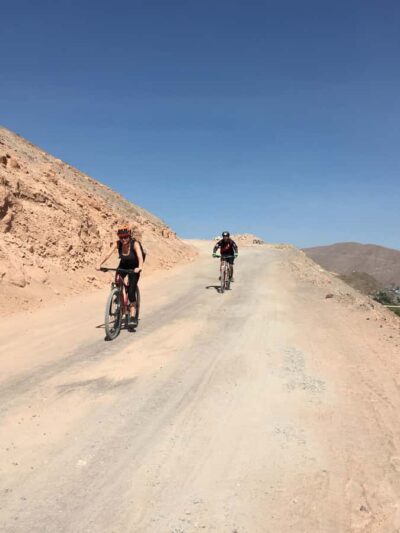
I especially like the bike descent on Day 1—it’s a fast, scenic reality check after the Cusco morning start. And I like that your days are packed with movement: climbing and descending on foot, plus a couple of big nature breaks like the hot springs and the Cola de Mono zip line. Even the guide matters here; many groups are led by Gustavo Candia, and his style is known for being practical and attentive.
One thing to think about: the water-based adventure components can change. The rafting element is weather-dependent, and if the river is high, it won’t run, with no refund—so go in with flexibility.
Key moments that make this trek worth it
- Day 1 bike descent from the Malaga pass area down toward Santa María
- Ancient Inca road sections on Day 2 along the Urubamba River banks
- Cocalmayo hot springs in Santa Teresa to reset sore legs
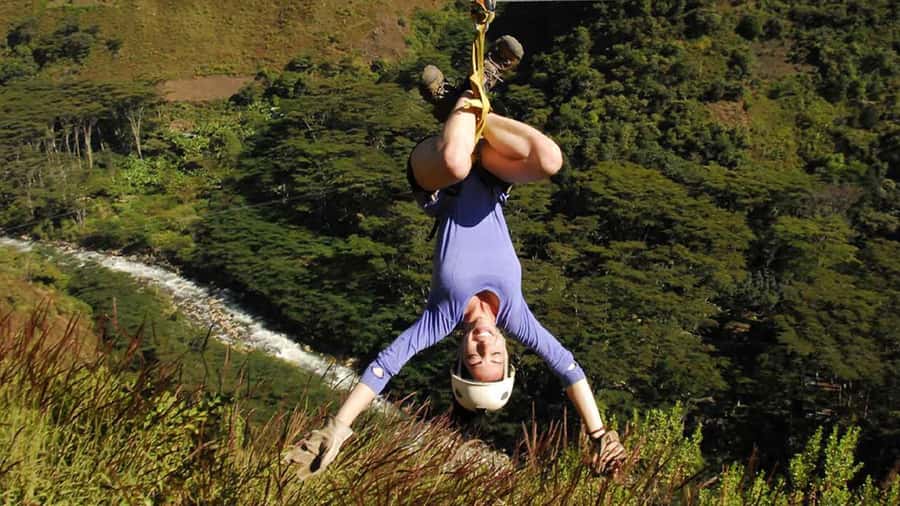
- Zip line at Cola de Mono on Day 3 (included)
- Early Machu Picchu access for sunrise, plus a guided circuit
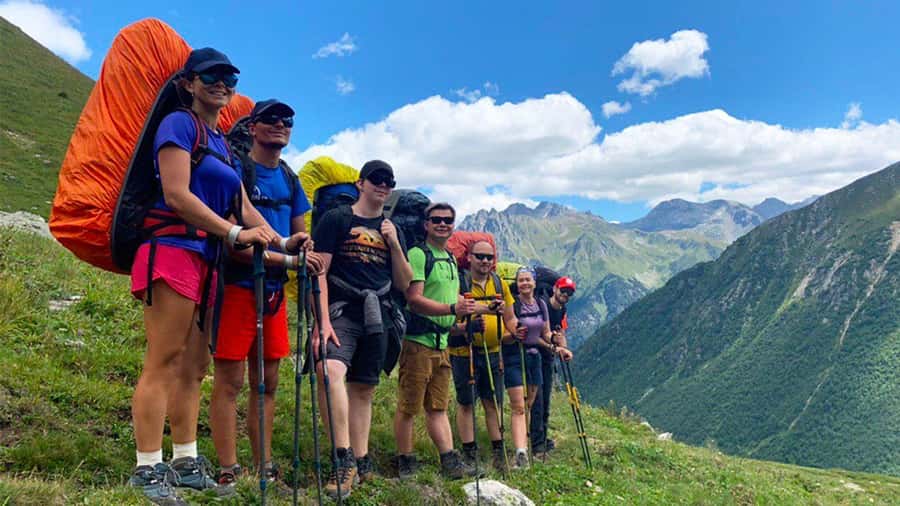
- Small group size (max 15), which usually means easier pace control
In This Review
- Bike, Breathing, and the Start of Your Inka Jungle Days (Day 1: Cusco to Santa María)
- Inca Road Walks by the Urubamba and the Cocalmayo Hot Springs Reset (Day 2: Santa María to Santa Teresa)
- Cola de Mono Zip Line, Hidroeléctrica, and the Walk Toward Aguas Calientes (Day 3: Santa Teresa to Aguas Calientes)
- Sunrise at Machu Picchu: First-Group Entry and the Guided Circuit (Day 4: Machu Picchu to Cusco)
- How Tough Is This Trek? Fitness, Footwear, and Your Day-3 Energy
- Price and Value: What $420 Covers and What You’ll Possibly Pay Extra
- The Guide Factor: Small Group Pace and Gustavo Candia’s Style
- Rafting and Weather Reality Checks (and Why You Should Plan for Changes)
- Should You Book the Inka Jungle Trek to Machu Picchu?
- FAQ
- What’s included in the Inka Jungle Trek package?
- Is rafting guaranteed on Day 1?
- How big is the group?
- What’s optional, and what costs extra?
- What should I bring for the trek?
- What are the key meals and hotel nights included?
- Is there free cancellation?
Bike, Breathing, and the Start of Your Inka Jungle Days (Day 1: Cusco to Santa María)
Your day starts early—hotel pickup at 06:30 from Cusco—and that matters. Cusco mornings are cooler, and you’ll need that energy because the tour begins with real travel: a private transport ride through the Malaga pass area, about 4 hours, heading toward the start point at San Luis.
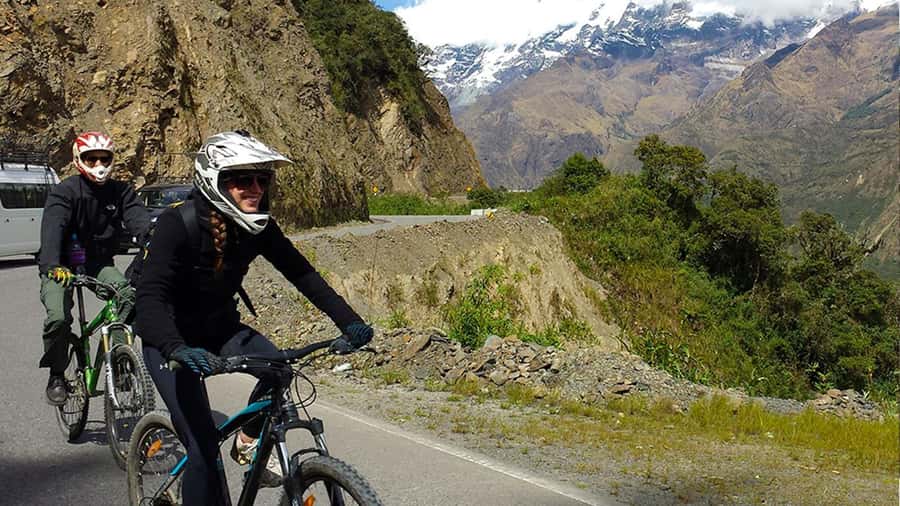
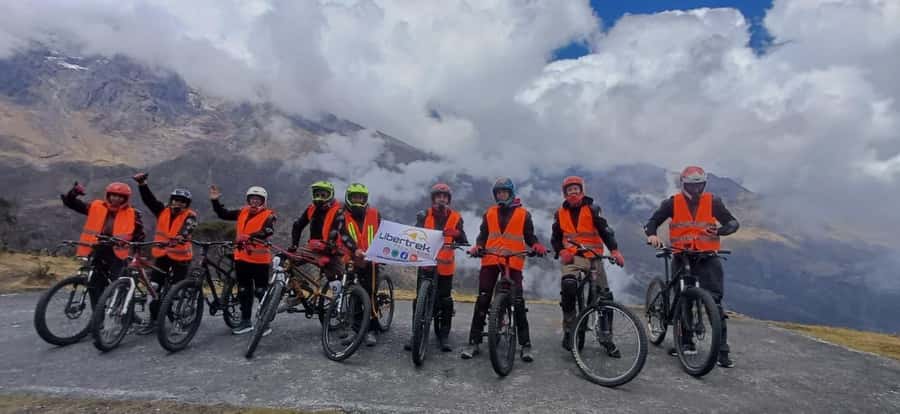
Then comes one of the most memorable parts: a 3 to 4 hour descent by bicycle to Santa María. This isn’t just a scenic ride. It’s a change of pace that turns the trip into something active. You’ll feel your legs switch from “survive the altitude” mode into “enjoy the ride” mode. Along the way, you’ll pass by Huamanmarca, an archaeological center, which gives the day context: you’re not just moving through nature; you’re moving through Inca-era terrain.
Keep an eye on one practical detail: the day includes both transport and activity, so your gear should be simple and secure. Comfortable shoes and sunglasses matter more than you think when the sun hits higher elevations.
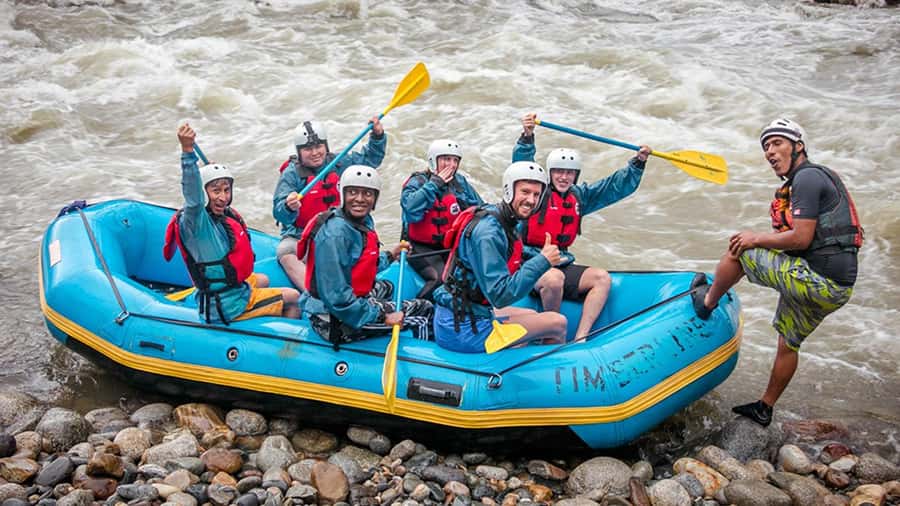
Optional rafting time shows up in the afternoon around 15:00 on the Urubamba River area, with rapids described as Class III–IV. Since it’s optional and also tied to river conditions in the season mentioned (Jan 1–Mar 31), I treat it like a bonus. When it runs, it’s a thrill. When it doesn’t, you’ll still have the core trek structure.
You end the day in a hostel in Santa María, with dinner and a night’s sleep to prepare for a long walking day.
Inca Road Walks by the Urubamba and the Cocalmayo Hot Springs Reset (Day 2: Santa María to Santa Teresa)
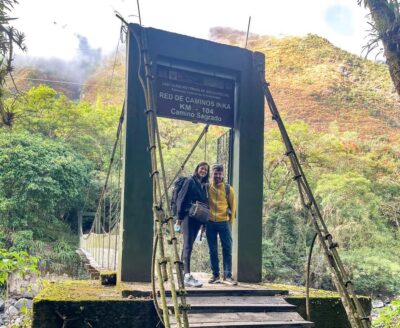
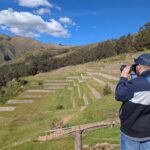
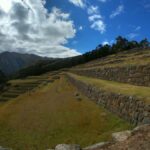
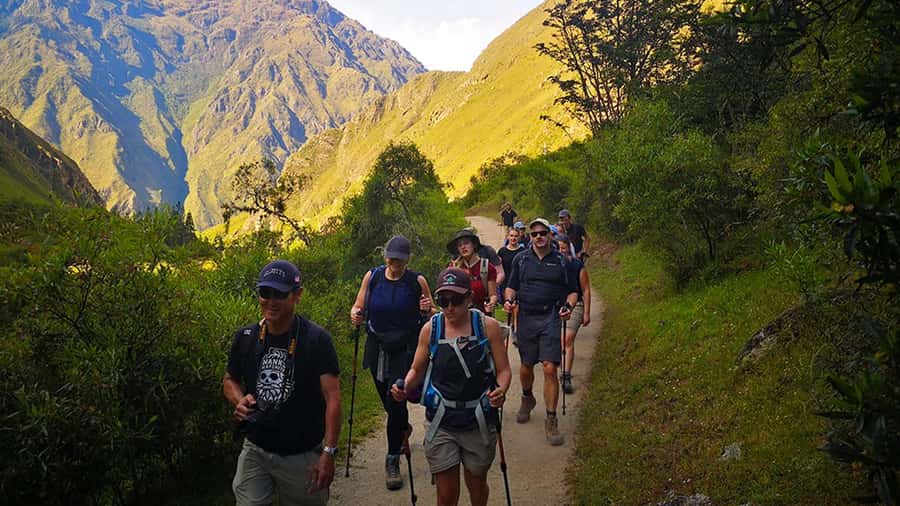
Day 2 is all about walking with purpose. After an early breakfast, you start along the Urubamba River for roughly 7 to 8 hours, with plenty of up-and-down sections. This is the day that earns the trek its name. You’re walking on part of an ancient Inca road that’s described as well preserved, and you’ll notice how engineered these routes are—made for people moving through terrain, not for tourists taking photos every five minutes.
You’ll also pass through areas where you can see fruit and medicinal plants and learn how locals use them. And you’ll have wildlife moments too—birds are mentioned (including parrots), so don’t be surprised if you pause without meaning to just to spot movement.
Then the day shifts gears toward recovery. You cross the Urubamba River and head to Cocalmayo hot springs in Santa Teresa. This stop is valuable because hot springs aren’t just for fun. They’re one of the few things in the itinerary that actively helps tired muscles loosen up. It’s the kind of break that can turn Day 3 from hard to just challenging.
You sleep in Santa Teresa after the hot springs experience. It’s a good day to hydrate well and keep your energy steady—because the Machu Picchu approach is coming fast.
You can also read our reviews of more hiking tours in Urubamba
Cola de Mono Zip Line, Hidroeléctrica, and the Walk Toward Aguas Calientes (Day 3: Santa Teresa to Aguas Calientes)
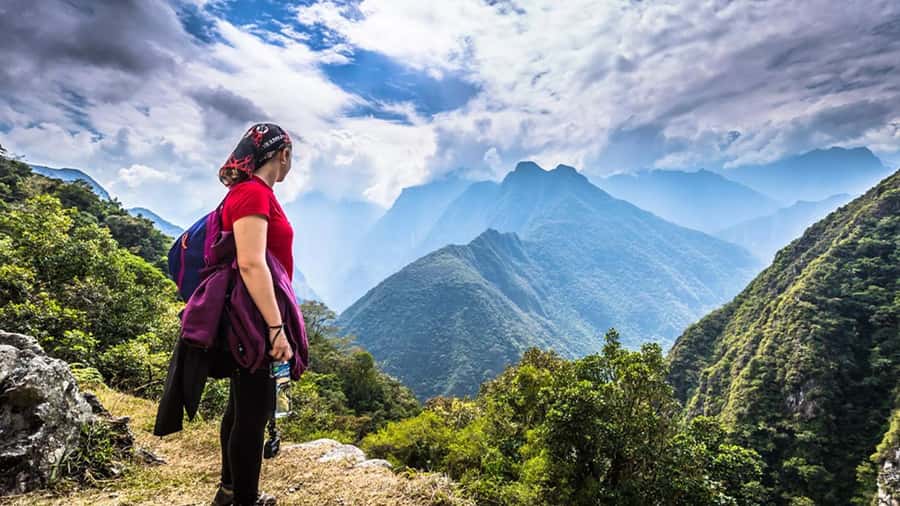
Day 3 begins with a chance to add more adrenaline: a zip line at Cola de Mono is offered in the morning, and it’s part of what the tour includes. If you’ve been saving your courage for later, this is the moment to use it.
After breakfast, your day becomes more classic trekking-and-transfer. You walk to Hidroeléctrica, passing through a narrow canyon where the climate is described as pleasantly comfortable. That canyon segment can feel like a small relief from the harsher altitude-exposure feeling you might get elsewhere.
At Hidroeléctrica you get lunch, and then the plan keeps you moving—continuing along the train tracks for about 3 hours until you reach Aguas Calientes. This is a great practical design choice. It turns the long transfer into something you do with your legs and your eyes, instead of sitting on a bus and hoping for good views.
By the end of the day, you’re in Aguas Calientes, ready for the main event. You’ll sleep there overnight, which matters because Machu Picchu sunrise access depends on timing.
Sunrise at Machu Picchu: First-Group Entry and the Guided Circuit (Day 4: Machu Picchu to Cusco)
On Day 4, you’ll walk from Aguas Calientes to Machu Picchu after breakfast. The big perk here is timing: you’ll have a good chance to be among the first groups inside, with the goal of catching a sunrise moment at the Lost City.
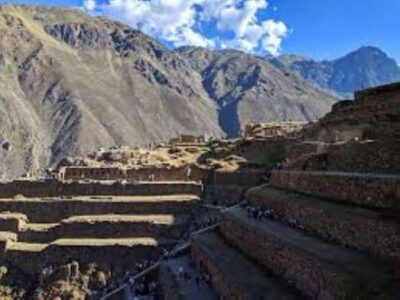
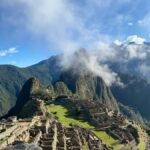
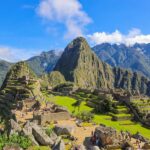
Once you’re inside, you get a guided tour focused on major stops such as Inti Watana, the Temple of the Condor, the Sacred Rock, and other important points. This is where the tour earns its value beyond the hike. Machu Picchu can feel like a stunning maze if you don’t know what you’re seeing. A guide helps you connect the structures to how people lived and moved.
When it’s time to move on, the itinerary keeps the logistics simple: you depart Machu Picchu to Aguas Calientes, board the tourist train to Ollantaytambo, and then take transportation back to Cusco, including a transfer to the city and onward airport transfer by private vehicle.
This is one of the few tours that makes you feel like the destination is the final chapter, not the whole book.
How Tough Is This Trek? Fitness, Footwear, and Your Day-3 Energy
This route has multiple “long day” blocks, so plan for stamina more than speed.
- Day 1 is active but split by transport and biking.
- Day 2 is the real endurance test: 7 to 8 hours of walking.
- Day 3 includes a walk to Hidroeléctrica plus the track walk to Aguas Calientes.
You’ll want hiking shoes and comfortable, broken-in footwear. Comfortable clothes matter too, because several hours on foot create friction and hotspots quickly if your gear isn’t ready.
Your packing list is also practical for the type of itinerary you’re doing: bring insect repellent, sunscreen, a hat, sunglasses, and swimwear plus a towel for the hot springs. Add a small amount of cash for small purchases, and bring personal medication—there’s a first aid kit included, but it won’t replace your own prescriptions.
One smart approach: keep your daily carry light and organized. Even if you’re not told everything in advance, you’ll feel better if you’re ready with a daypack and you know where your essentials are.
Price and Value: What $420 Covers and What You’ll Possibly Pay Extra
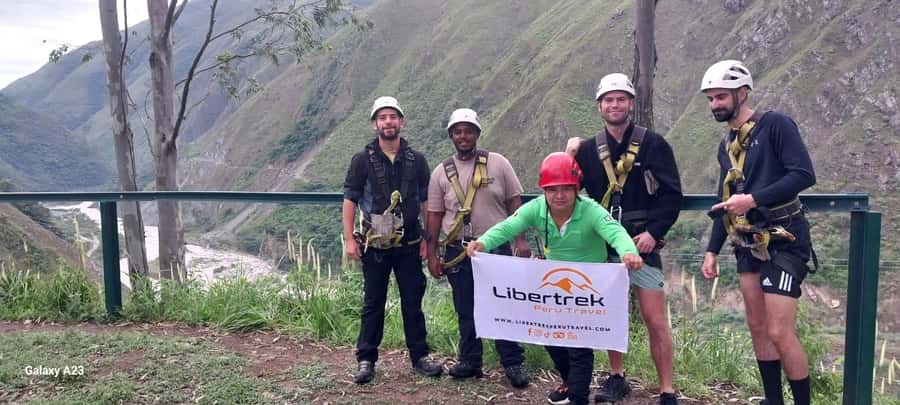
At $420 per person for 4 days/3 nights, the value comes from how much is included. You’re getting:
- Transportation in the main transfer legs (Cusco to Malaga pass to San Luis, then back toward Cusco)
- An official adventure-qualified tour guide (English and Spanish)
- Machu Picchu entrance
- Train from Aguas Calientes to Ollantaytambo
- Transport from Ollantaytambo back to Cusco
- Inka Jungle meals (planned 3 breakfasts/3 lunches/3 dinners) with specific exceptions
- All nightly accommodations in the hostels used on the route
- Bike equipment
- Zip line plus the rafting/canoe component described as subject to water conditions
- A first aid kit
What’s not included is also clear:
- Breakfast on the first day
- Lunch in Aguas Calientes
- Hot spring entrance at Santa Teresa (so you might need to budget for it)
- Wayna Picchu (USD 65, optional)
- Bus tickets up and down to Machu Picchu (USD 24, optional)
For me, the “value” part isn’t only the price. It’s the way the day structure reduces your personal logistics work. You’re not piecing together trains, guides, and cross-trek transport. You’re paying for coordination so you can focus on walking, biking, and enjoying the route.
The Guide Factor: Small Group Pace and Gustavo Candia’s Style
This is a small group trek (max 15), and that matters on Inka Jungle style routes. Smaller groups can move more smoothly, make it easier to adjust pacing on foot, and keep the vibe more personal when you’re learning about plant uses, Inca road context, and safety.
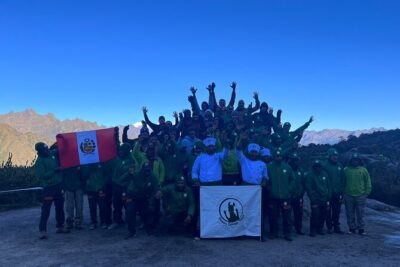
The guide is a major part of the experience. One guide you may run into is Gustavo Candia. The common thread in how groups describe him is that he’s both knowledgeable about the trail and tuned into the day-to-day needs of the group—helpful when you’re tired, sore, or just trying to keep up.
Even with a strong guide, your best move is to be proactive. Ask questions early. Confirm how you should carry your day items. And if anything feels off—pain, pace, or a concern about your role in the group—bring it up right away rather than waiting.
Rafting and Weather Reality Checks (and Why You Should Plan for Changes)
The itinerary includes a river adventure that’s subject to weather conditions between January 1st and March 31st. If the river is high on the day of your activity, it won’t run, and there is no refund.
This isn’t meant to discourage you—it’s meant to keep expectations realistic. I like these tours best when I know which parts are “nice bonus if conditions allow” versus which parts are the core of the itinerary. Here, the core stays intact: biking, walking days, hot springs, zip line, and Machu Picchu.
So when you arrive, keep your mindset flexible. If rafting runs, great. If it doesn’t, you’ll still have the trek that gets you to Machu Picchu with an active build-up, not a flat “arrive by vehicle” feeling.
Should You Book the Inka Jungle Trek to Machu Picchu?
You should book this trek if you want Machu Picchu with effort attached. The 4-day structure turns the approach into part of the story: bike descent on Day 1, an Inca road walk on Day 2, a canyon + train-track walk on Day 3, and sunrise-focused access on Day 4. It’s best for people who like to move, enjoy nature breaks, and don’t mind that adventure activities can shift with weather.
You might skip it if you’re trying to travel extremely light, need very predictable pacing every hour, or strongly depend on rafting for the entire trip’s value. The itinerary is active by design, and you’ll feel that—especially on Day 2.
If you do book, I’d make two choices that pay off immediately:
1) Pack your basics well for the hot springs and jungle (repellent, sunscreen, swimwear, towel).
2) Bring a smart daypack plan so you’re comfortable during long walking stretches.
In short: if you want a real “get there the hard way” Machu Picchu day, this one is a solid bet.
FAQ
What’s included in the Inka Jungle Trek package?
It includes private transport for the Cusco to Abra Málaga to San Luis leg, an official adventure-qualified guide, Machu Picchu entrance, the train from Aguas Calientes to Ollantaytambo, transport back to Cusco (and a private transfer to Cusco airport), in-route meals, bike equipment, zip line, and every night’s accommodation in the hostels used on the trek. A river rafting/canoe activity is also included but is subject to weather conditions.
Is rafting guaranteed on Day 1?
No. The river activity is subject to weather conditions between January 1st and March 31st. If the river is high on your activity day, it won’t take place and there is no refund.
How big is the group?
The group is limited to 15 participants, with live guide support in English and Spanish.
What’s optional, and what costs extra?
Optional add-ons include Wayna Picchu for USD 65, and bus tickets up and down to Machu Picchu for USD 24. Zip line and the included river activity are part of the program, but the river activity depends on conditions. Hot spring entrance at Santa Teresa is also not included.
What should I bring for the trek?
You’ll want your passport, hiking shoes and comfortable shoes, hiking pants, sunglasses, hat, sunscreen, insect repellent, swimwear and a towel, a camera, and hiking-ready comfortable clothes. Bring cash and any personal medication.
What are the key meals and hotel nights included?
The tour includes meals across the trek days as part of the in-route plan, plus accommodation each night in the hostels used on the route. Breakfast on the first day and lunch in Aguas Calientes are not included.
Is there free cancellation?
Yes. You can cancel up to 24 hours in advance for a full refund. The booking also offers a reserve now & pay later option.