REVIEW · CUSCO
4 Day Classic Inca Trail to Machu Picchu by 360° Train
Book on Viator →Operated by Happy Gringo Tours · Bookable on Viator
Machu Picchu starts before the sun. This 4-day Inca Trail route from Cusco keeps the pace human with a maximum group size of nine, plus a full-guided sense of what you’re seeing. I like that it’s structured enough to take the stress off, but not so big that you feel like a number.
What I especially like is the practical “all-in” feel: meals are included every day (breakfast, lunch, and dinners throughout the trek), and you sleep in a private tent at the campsites. The food plan matters on this hike. When you’re at altitude and walking hours each day, not thinking about meals is a big quality-of-life upgrade.
One consideration: the trek is serious altitude work, with the hardest climbing happening on Day 2 over Dead Woman’s Pass (4215 meters). Also, based on a couple of unhappy reports about this operator’s communication, I strongly recommend you confirm key details (pickup, dates, and what bedding is provided) well before departure.
In This Review
- Key things I’d clock before you go
- The real value of a nine-person Inca Trail group
- Cusco mornings: the 4:00 am start and passport checkpoint
- Day 1: Llactapata first, then a campsite night at Ayapata
- Day 2: Dead Woman’s Pass (4215 m) plus Runkurakay and Sayacmarca
- Day 3: Phuyupatamarca (City in the Clouds) and Winay Wayna
- Day 4: entering Machu Picchu, Sun Gate views, then back to Cusco
- Meals and tents: why comfort matters on a high-altitude trek
- Price ($820) and what you’re truly paying for
- Fitness reality check: can you handle Dead Woman’s Pass?
- Booking with Happy Gringo Tours: what I’d verify before you pay
- Should you book the 4-Day Classic Inca Trail to Machu Picchu?
- FAQ
- What is the group size for this Inca Trail tour?
- What meals are included during the 4 days?
- Are Inca Trail and Machu Picchu tickets included?
- Where do you get your tickets and when does the day start?
- Do you sleep in tents or hotels?
- What is the highest point on the route?
- Are tips included in the price?
- What happens if the trek can’t run due to weather or low demand?
- Is the experience refundable if I cancel?
Key things I’d clock before you go
- Small group (up to nine) means you’re less tangled in traffic and more likely to keep a steady rhythm.
- All-in meal schedule (4 lunches, 3 breakfasts, 3 dinners) keeps energy levels steadier for steep sections.
- Private tents at camps help you actually rest instead of “camping in public.”
- Dead Woman’s Pass on Day 2 is the make-or-break day, so plan your fitness realistically.
- Sun Gate timing on Day 4 helps you experience Machu Picchu when it opens.
- Tickets are included for both the Inca Trail and Machu Picchu, so you’re not chasing paperwork at the end.
The real value of a nine-person Inca Trail group
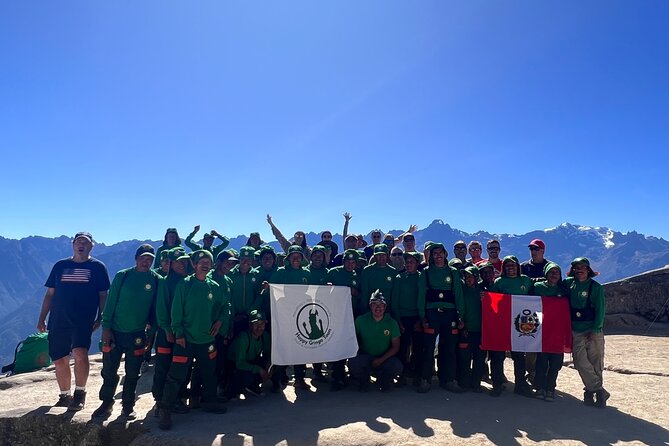
On the Inca Trail, size affects everything: your hiking pace, your chances to pause for photos, and how calm the whole day feels. With up to nine travelers, you’re more likely to get a guide who can actually work with the group instead of just herding it. It also tends to reduce the “everyone is trying to be first” chaos at key ruins.
I also appreciate that the tour is built around a guided flow. You don’t just walk from one viewpoint to another and hope it makes sense. The route is designed as a true overview—so you leave with a working mental map of the Inca world you’re walking through, not just a photo dump.
And yes, you’ll still do real hiking. This is not a scenic stroll. But having a plan that’s clear (and not always improvising) makes the effort feel earned instead of stressful.
You can also read our reviews of more tours and experiences in Cusco

Cusco mornings: the 4:00 am start and passport checkpoint
This tour begins early, with a 4:00 am start. That’s not a gimmick. The Inca Trail and Machu Picchu days are time-sensitive, and early departures help you avoid late-day crowd pressure and rushed transitions.
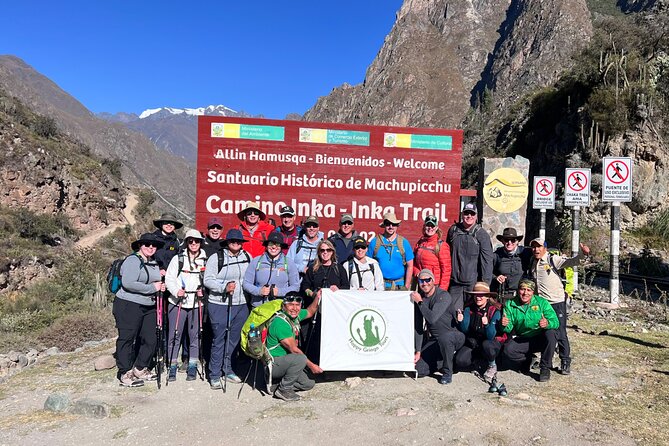
On Day 1, you’ll be picked up from your hotel and driven toward the trailhead at KM-82. There’s a checkpoint where you show your passport and make sure it matches the permits. This part is important because it’s the difference between starting your hike on time and losing time at the gate.
Practical tip: keep your passport easy to reach and don’t rely on “I think I packed it somewhere safe.” On trek day, your pockets and bags become real-life logistics. Keep things simple.
Day 1: Llactapata first, then a campsite night at Ayapata
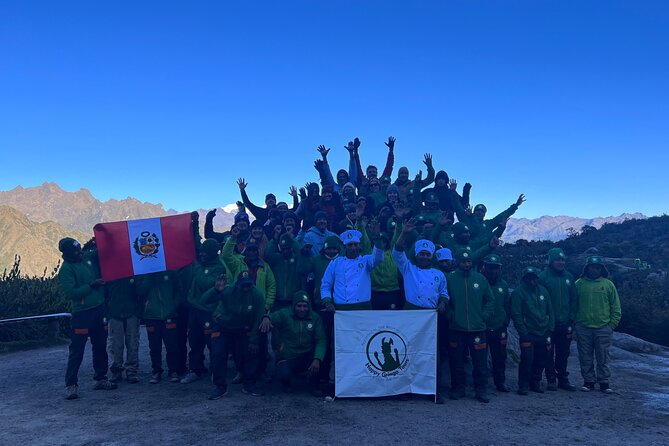
Day 1 starts with a warm-up hike that’s described as mostly flat at the beginning. The idea is good: you ease into altitude and effort without throwing you straight into a steep wall. After a couple hours, you reach Llactapata, which gives you that early sense of what this route is all about—Inca sites tucked into dramatic terrain.
Then you keep going for another couple hours to the first lunch stop. This is where the included setup matters. Porters are waiting with fresh, organic lunch, so you can eat without worrying about finding anything at the wrong moment. On long days, that kind of reliability buys you mental calm.
After lunch, the day turns uphill. It’s not described as a one-shot climb, but more like the start of the steady ascent that builds through the trek. You finish with the hike into your first campsite: Ayapata (base camp).
What to expect here: you’ll feel it, but it’s still the “get your legs under you” phase. If you’re pacing well, this should feel like a manageable push, not a punishment.
Day 2: Dead Woman’s Pass (4215 m) plus Runkurakay and Sayacmarca
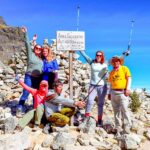
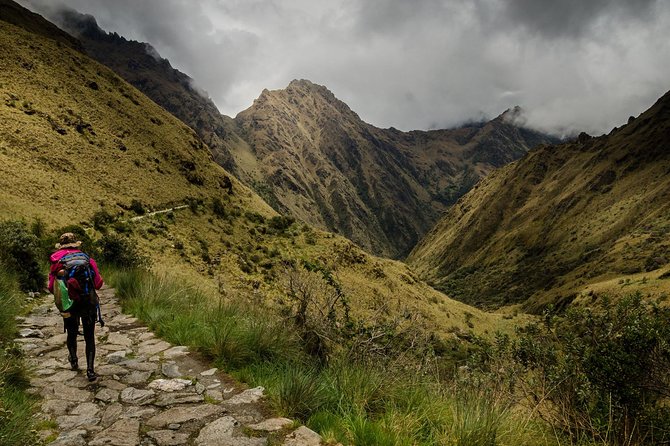
Day 2 is the day most people remember, and for good reason. After breakfast, you climb for about 5 hours to the highest point of the journey: Dead Woman’s Pass at 4215 meters / 13779 feet.
This isn’t just the altitude number on paper. Expect it to feel like the moment when you stop “hiking” and start “working.” Plan for breaks. Go slow. Your goal isn’t to prove toughness; it’s to finish strong enough to enjoy the rest of the day.
After the summit, there’s about 2 hours downhill via very steep Inca steps. That change is tricky—your legs may be burning, but you’re going downward. Going down hard on uneven stone is where knees and calves tell the truth.
Then you reach the second lunch spot, followed by more movement: about 2 hours uphill and 2 hours downhill, with breaks built around Inca sites including Runkurakay and Sayacmarca. You finish by moving roughly 30 minutes to the campsite at Chaquicocha.
Why this day is worth it: it’s the clearest “Inca Trail” identity day. You get the hardest climb, the dramatic pass, and then you’re still rewarded with ruins and changing scenery before you sleep.
Day 3: Phuyupatamarca (City in the Clouds) and Winay Wayna
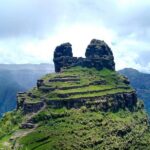
Day 3 starts with a shorter hike segment—about 2 hours—to the last summit area, Phuyupatamarca. The name matters here because it matches the feel of the place: it’s known as the City in the Clouds. If the conditions cooperate, the views and the way terraces sit into the terrain can look unreal.
You’ll also spend time in the morning around Inti Pata (described as Sun above the terraces). That’s your context-building stretch—this isn’t only about effort now. It’s about understanding how the Incas placed farming, water, and sacred space into the same geography.
After lunch, you visit Winay Wayna, which is described as Forever Young. The ruins here are memorable because they sit in that “this is why people get emotional about the Inca Trail” zone—stunning setting and strong ruins to read.
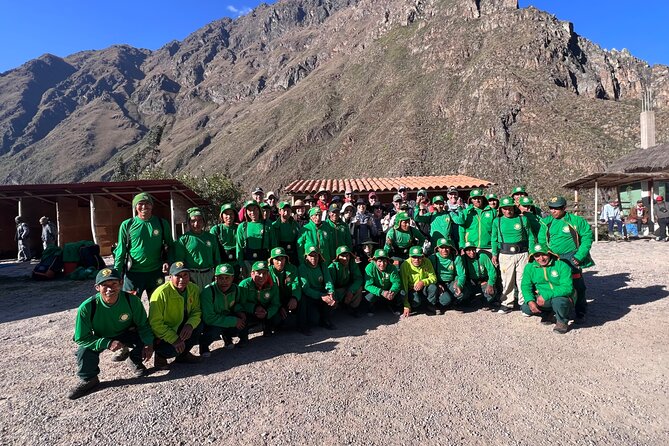
The day ends back at the campsite for dinner, with a goodbye to the porters and the team. That porter relationship is a big part of why a small group experience can feel meaningful. You see the work behind the comfort, and it lands.
Day 4: entering Machu Picchu, Sun Gate views, then back to Cusco
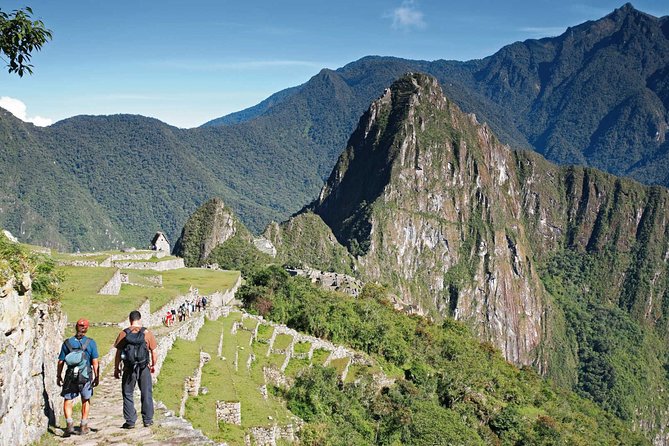
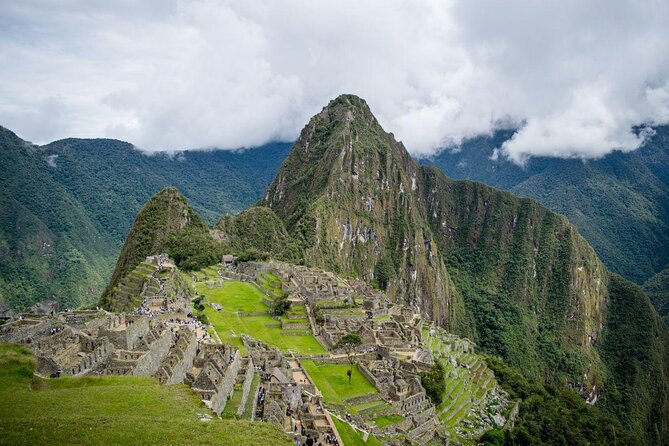
Day 4 is the payoff day, and it starts early with a wake-up and checkpoint movement. The plan is to enter Machu Picchu when the site opens, then hike to the Sun Gate for your first major view.
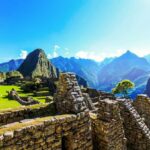
Hiking to the Sun Gate before the bigger wave means you get a better sense of the dramatic reveal. It’s the moment the whole trek clicks into place. After that, you’ll visit the most important temples at Machu Picchu.
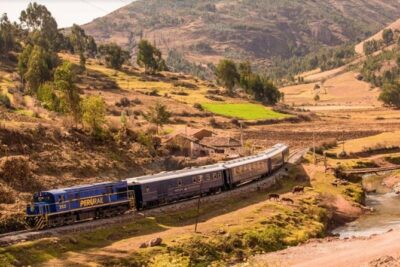
In the afternoon, it’s train time. You take the train back to Ollantaytambo, then continue by bus back to Cusco. This pacing is practical: you’ve earned a sit-down after four days, and you don’t have to figure out your own transportation puzzle at the end.
One note: the tour description includes a last dinner tied to Wiñay Wayna on Day 4. That suggests you may have a final meal arranged around the trail program rather than only relying on Machu Picchu’s schedule.
Meals and tents: why comfort matters on a high-altitude trek
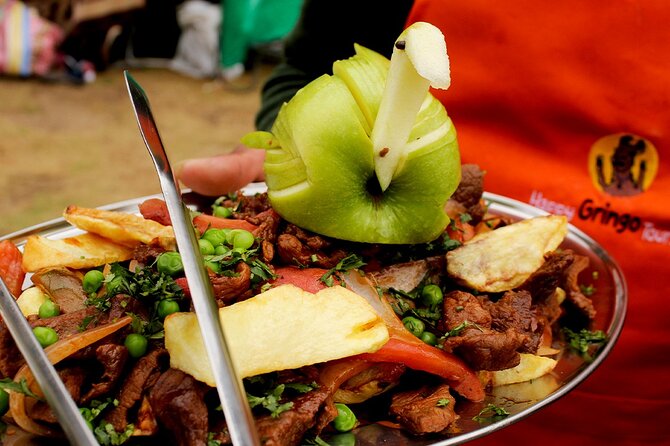
The tour includes breakfasts (3), lunches (4), and dinners (3), with meals described as organic and fresh when served on the trail. That’s not just a “nice perk.” On the Inca Trail, energy management is what keeps you walking well instead of white-knuckling every step.
Having private tents at each campsite also changes the whole recovery experience. You still camp in the mountains, but you’re not fighting for privacy or sharing space with strangers while you’re exhausted.
Still, I’d urge you to double-check the exact sleeping setup. Even though the tour promises private tents, some operators handle sleeping bags and liners differently. One of the unhappy reports I saw about this tour mentioned extra costs for rented bedding or carrying items. You don’t want to learn that lesson at 4300 meters when you’re already tired. Ask before you go: what is included in the tent setup, and what isn’t.
Price ($820) and what you’re truly paying for
At $820 per person, this is not cheap. But it’s also not only “a hike.” Here’s what you’re paying for based on the included items:
- Permits and tickets for both the Inca Trail and Machu Picchu
- All-inclusive meals throughout the trek (the bulk of the day-to-day logistics)
- Private tent lodging at the camps
- A guided route that hits the most recognizable Inca sites along the way
- A small group size (max nine), which affects comfort and pacing
What’s not included is also important: health insurance and tips for guide, cook, and porters. Those are common, but they’re not small. So budget for them instead of assuming tips are built into the price.
Value verdict: if you want the classic Inca Trail experience without juggling permits, ticket timing, meal planning, and campsite logistics, the price starts to make sense. If you’re the type who hates early mornings and strict schedules, you may feel the cost more than the value—because the trek demands participation.
Fitness reality check: can you handle Dead Woman’s Pass?
You should take the fitness requirement seriously. The tour explicitly calls for a strong physical fitness level, and the route includes long climbing days, steep stair descents, and high altitude.
Day 2 is your clearest benchmark: 5 hours climbing to Dead Woman’s Pass, then steep downhill on Inca steps. That combination punishes poor pacing. If you rush the ascent, altitude catches up fast. If you ignore your legs on the descent, knees may start complaining early.
Practical approach:
- Train for uphill walking and step-down strength if you can.
- Plan a slower pace than you think you need on summit day.
- Expect sore calves and tired thighs to start showing up even if you’re in shape.
If you’re unsure, this is where you decide if you want “hard adventure” or “comfortable sightseeing.” This is hard adventure.
Booking with Happy Gringo Tours: what I’d verify before you pay
The overall rating shown for this experience is very high, but I’ve also seen reports with serious complaints about communication and last-minute changes on this particular operator. One report claimed the start date shifted close to departure. Another complaint described issues like promised pickup not happening, confusion about bedding requirements, and concerns about guide conduct.
I can’t confirm any of that as truth for your specific trip. But I can tell you what I would do to protect yourself:
- Confirm your pickup details and exact pickup location in writing before the trek.
- Ask what exactly is included for sleeping comfort: tent, sleeping bag, liner, and any extra charges.
- Double-check your dates and permit details well ahead of time, not 36 hours before.
- Keep records of your communications so you can resolve problems quickly if anything feels off.
This kind of prep takes 15 minutes and can save you a whole lot of stress when you’re far from home.
Should you book the 4-Day Classic Inca Trail to Machu Picchu?
You should book if you want:
- The classic Inca Trail route with an organized, guided structure
- A small group experience (up to nine)
- Tickets and meals handled so you can focus on walking and seeing
- Camping in private tents instead of shared dorm-style setups
You might think twice if:
- You dislike early starts and tight schedules (the 4:00 am start is real)
- You’re not confident in handling altitude and steep stone steps
- You want zero uncertainty around communication and last-minute changes—because a couple of serious reports exist for this operator
If you go in with your expectations set—early, uphill, and very much “workout with ruins”—this tour hits the sweet spot: classic sights, included essentials, and a group size that keeps the experience personal.
FAQ
What is the group size for this Inca Trail tour?
The tour is a maximum of 9 travelers, which helps keep the experience more manageable on crowded trail sections and at ruins.
What meals are included during the 4 days?
Meals included are 3 breakfasts, 4 lunches, and 3 dinners during the trek.
Are Inca Trail and Machu Picchu tickets included?
Yes. Inca Trail & Machu Picchu tickets are included in the tour.
Where do you get your tickets and when does the day start?
The start time is 4:00 am. The ticket redemption point listed is Aguas Calientes 08681, Peru.
Do you sleep in tents or hotels?
You sleep comfortably in a private tent at each site during the trek.
What is the highest point on the route?
The highest point is Dead Woman’s Pass, at 4215 meters / 13779 feet.
Are tips included in the price?
No. Tips for the guide, cook, and porters are not included.
What happens if the trek can’t run due to weather or low demand?
The tour requires good weather. If canceled due to poor weather, you’ll be offered a different date or a full refund. If canceled because the minimum number of travelers isn’t met, you’ll be offered a different date or a full refund.
Is the experience refundable if I cancel?
No. The experience is non-refundable and cannot be changed for any reason.