REVIEW · CUSCO
Cochahuasi Animal Sanctuary® Admission Ticket
Book on Viator →Operated by Cochahuasi Animal Sanctuary · Bookable on Viator
Andean wildlife has a second chance here. A guided Cochahuasi Animal Sanctuary admission is a simple, worthwhile stop if you want real conservation work up close, not just photos. I like that you can prebook your ticket to avoid waiting in line, and I also love the pace: you tour at your own speed with a local guide to explain what you’re seeing.
The one thing to weigh is expectations. Some people find the setup more like enclosures than what they imagined when they hear sanctuary, and a few reviews mention smaller areas and maintenance concerns. The good news is the guide context matters a lot here, because the animals come from abuse or trafficking, and many can’t ever go back to the wild.
In This Review
- Key things to know before you go
- What Cochahuasi is really like near Cusco
- Ticket value: $10 admission, local guide included, small group
- The visit flow: your guided tour at a pace that works
- Animals and conservation stories you can expect to hear
- Ethical expectations: enclosure reality vs rescue necessity
- Facilities, cleanliness, and how to judge what you see
- Getting there from Cusco: plan the return ride
- What to bring (and what not to waste money on)
- Who should go, and who might skip
- Should you book Cochahuasi Animal Sanctuary admission?
- FAQ
- How long does the Cochahuasi Animal Sanctuary admission visit take?
- Is a guide included with the admission ticket?
- What’s the price of the ticket?
- Where is this experience located?
- Do I need to pay for food or drinks during the visit?
- Is there free cancellation?
Key things to know before you go
- Prebook to skip line hassle so you start seeing animals faster
- Small-group visit (max 15) makes it feel personal
- Guided entry is included with a local expert to explain each animal
- A short visit window of about 45 minutes to 1.5 hours keeps it easy to fit into a day
- Some animals can’t be released due to health or imprinting, so sanctuaries are their long-term home
- Transport needs a plan because the sanctuary is remote enough to make a return ride worth arranging
What Cochahuasi is really like near Cusco
Cochahuasi Animal Sanctuary sits in the Cusco area, and the visit is built around one thing: rescued Andean wildlife, explained clearly by a local guide. You’ll get close to animals that have been through a lot, and that closeness is the point.
But let’s be honest about the vibe. If your mental picture of a sanctuary is wide-open land and total freedom, you might feel disappointed at first. Some viewing areas can seem small, and a few past visitors have described the premises as less than ideal. On the other hand, the guide story is the counterweight: these animals are there because their lives before rescue were unsafe, and for some, there’s no realistic path back to the wild.
That’s why I think Cochahuasi works best when you show up ready to learn. Think of it as conservation education you can walk through, not a wildlife park fantasy.
You can also read our reviews of more tours and experiences in Cusco
Ticket value: $10 admission, local guide included, small group
The ticket cost is listed at $10 per person, and the visit typically runs 45 minutes to 1 hour 30 minutes. That range is useful: if your guide is brief, you can keep it quick; if you ask questions and linger at animal areas, you’ll have time.
Two value boosters matter here:
- The local guide is included. You’re not just walking around on your own guessing what you’re looking at. The guide helps translate rescue backgrounds and current care.
- Group size is capped at 15. That’s small enough for questions and enough space for you to move without getting swallowed by a big crowd.
One more practical note: the sanctuary is described as remote enough that you’ll want to plan transport, and that’s part of your real cost-benefit equation. If you’re coming from Cusco, budget time for getting there and returning—more on that later.
The visit flow: your guided tour at a pace that works
Your visit is straightforward: there’s one main stop, the sanctuary itself, and you move through it at your own pace with the guide along the way.
Here’s how I’d expect the timing to feel:
- You’ll start with orientation and a route so you know where to go first.
- Then you’ll work through animal areas, with the guide explaining what each animal endured, what the sanctuary is doing now, and what the future looks like for that specific species or individual.
- If your visit is on the shorter end, you’ll focus on the bigger highlights. If you’re the patient type, you can slow down and ask about the animals that catch your attention.
Because it’s a guided admission, the guide’s explanations are the “glue” that turns animal viewing into something meaningful. This is not just looking. It’s learning why these animals are here and what rescue can (and can’t) fix.
Animals and conservation stories you can expect to hear
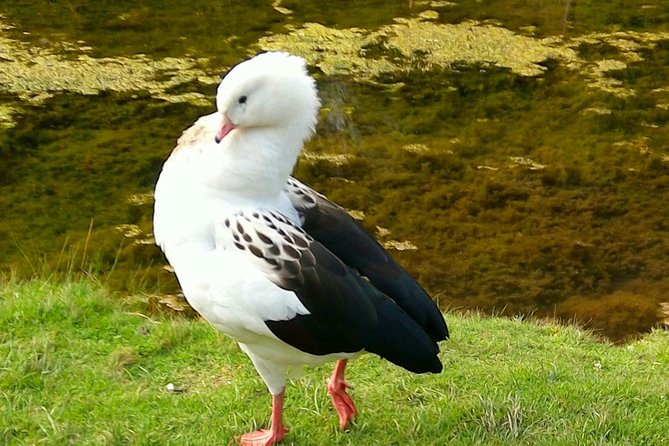
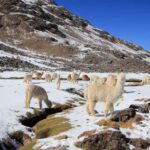
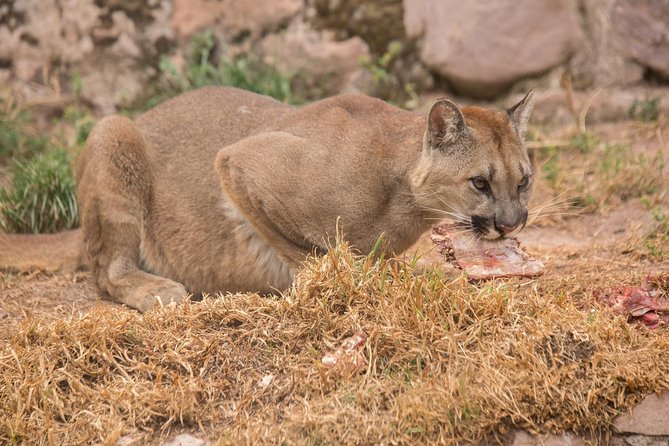
Cochahuasi is built for people who like wildlife and want to understand conservation on a human level. The animals you may see include condors, pumas, bears, monkeys, llamas, and alpacas (and likely other Andean species too).
The most important concept the guide teaches is this: a sanctuary is not always a temporary holding space. Many rescued animals can’t return to the wild because of injuries or because of human imprinting. Some animals can be released after rehabilitation, but others need a permanent safe home.
A standout example shared in past visits is the story of pumas rescued after extreme harm. One account described pumas that had their claws and teeth removed, and the sanctuary reportedly created dentures so the cats could eat again. Whether you find that detail heartbreaking or simply motivating, it shows the kind of care being done—practical, specific, and focused on keeping the animal alive and functional.
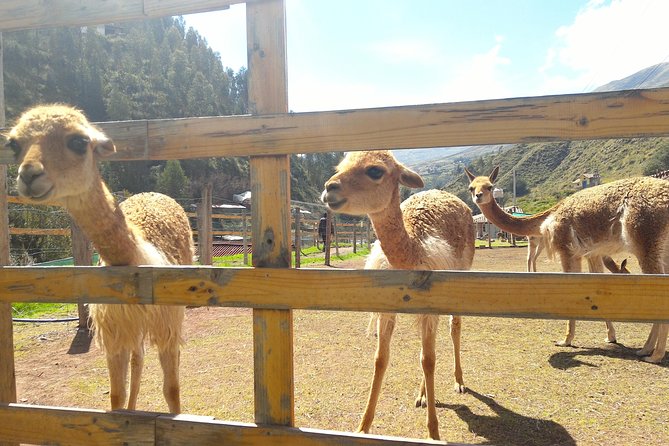
You may also get hands-on moments with friendlier animals. One visitor mentioned feeding and petting alpacas as a highlight, which is the kind of experience that makes the visit feel lively rather than purely observational.
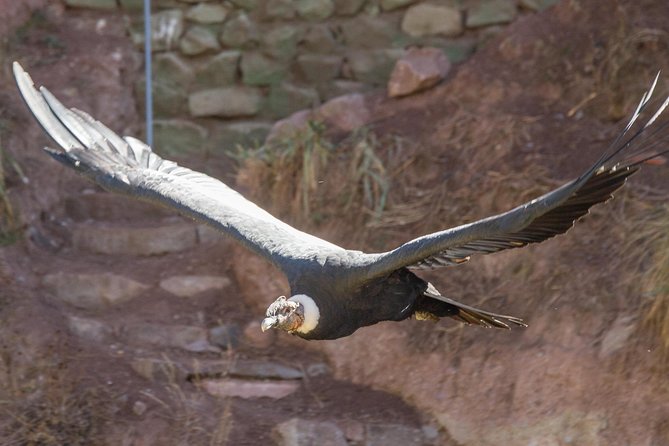
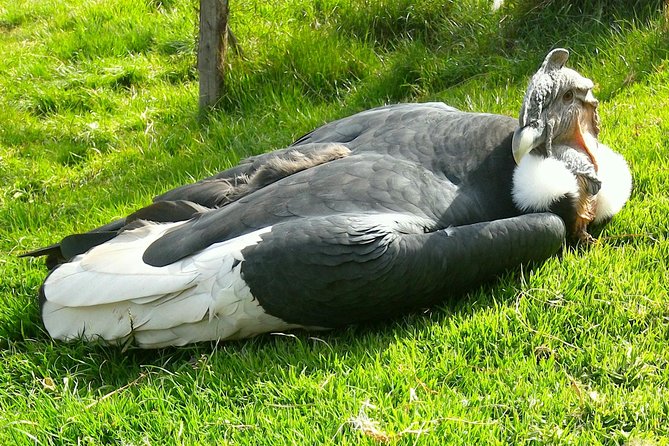
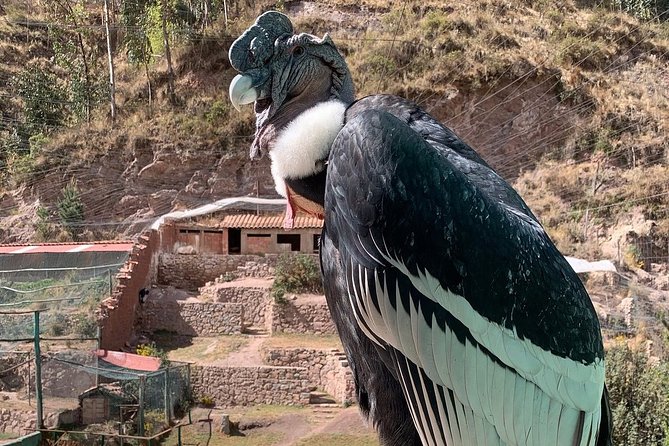
Condors are another frequent highlight because they can feel big and close-up in a way you might not expect from a sanctuary visit. If you’re the type who gets a little thrill from watching raptors, plan to spend extra time there.
Ethical expectations: enclosure reality vs rescue necessity
This is the tricky part, so it deserves straight talk.
A few visitors felt the sanctuary did not match their expectation of open, free-roaming space. They mentioned animals in enclosures and smaller living areas, plus complaints about cleanliness and maintenance. That’s real feedback you should consider before you go, especially if your personal line is: animals must look like they’re in a natural habitat at all times.
Here’s the counterpoint you should know: the sanctuary’s purpose is to care for animals rescued from abuse, trafficking, or neglect. Some individuals can recover and be released. Others can’t, due to health, behavior, or the fact that they’ve been shaped by humans.
So when you see an enclosure, try to read it in context. It’s not the end of the story—it’s the current chapter in rescue. If you come with curiosity and a conservation mindset, the guide’s explanations can make the whole visit land differently than it would for a wildlife-park expectation.



Facilities, cleanliness, and how to judge what you see
Because reviews include both praise and criticism, I’d approach the facilities like this:
- Look past the word sanctuary and judge the care system you can observe: guide knowledge, animal welfare explanations, and the way staff engage.
- Pay attention to whether the visit focuses on recovery plans and ongoing treatment, not just presentation.
- If you’re sensitive to “cage feelings,” keep in mind that many rescued animals are there specifically because they are not safe to return to the wild.
Also, remember what you’re not paying for here. Your ticket includes a guide, not food, and not a full-day facility experience. If you expect a resort-level setting, you’ll be disappointed. If you expect a conservation education stop where animals are the center, you’ll likely feel more satisfied.
One practical idea: if cleanliness is a concern for you, go in early (when you’re fresh and before heat and fatigue lower your patience). You’ll have a better chance of focusing on the story instead of getting stuck on surface problems.
Getting there from Cusco: plan the return ride
Cochahuasi is about 30 minutes from Cusco, but remote enough that you don’t want to assume your ride will be waiting when you’re done. One visitor pointed out that taking an Uber to get there can be tricky if you haven’t planned a return.
Your best move is to sort transportation in a way that covers both directions:
- Arrange your ride from Cusco ahead of time.
- Confirm return pickup timing before you enter.
- If you’re using a taxi, ask the driver to wait or agree on a return plan so you don’t end up standing around with limited options.
This matters because the visit itself is only 45 minutes to 1.5 hours. The sanctuary time flies. It’s the “after” that can turn annoying if your transport plan is vague.
What to bring (and what not to waste money on)
The ticket does not include food or drinks. So eat before you go, or at least plan for a quick snack break near Cusco before your pickup.
Beyond that, pack like you’re going to be outside and walking around. Think:
- Comfortable shoes for uneven ground
- A light layer (Cusco-area weather can shift)
- A refillable bottle (even if the sanctuary sells drinks, you’ll feel better prepared)
If you’re feeling generous, consider a donation if you’re able. Several accounts describe staff passion and care, and donations are a straightforward way to support ongoing work.
Who should go, and who might skip
You should strongly consider Cochahuasi if:
- You’re a wildlife lover who likes real stories, not just big animals behind glass
- You want a quick, guide-led conservation stop that fits into a Cusco day
- You prefer small groups and question-friendly tours
You might rethink it if:
- You want an open, nature-trail sanctuary experience where animals roam freely
- You’re very sensitive to the look of enclosures, even when the reason is rescue and rehabilitation
- You don’t have the flexibility to handle transportation planning for a remote location
Good to know for families: children must be accompanied by an adult, and the tour/activity lists moderate physical fitness as the expectation. That likely means some walking around the sanctuary grounds, so plan for it.
Should you book Cochahuasi Animal Sanctuary admission?
My take: book it if you want a short, meaningful wildlife visit with a local guide and you can handle imperfect facilities as part of real-world rescue work. The format is easy, the group size is small, and you’ll leave with a clearer understanding of why sanctuaries are sometimes permanent homes.
Skip it only if your ideal is a fully “wild” experience with no enclosure feel. In that case, you’d be fighting the core purpose of the place.
If you do book, don’t treat it like a quick photo stop. Go for the rescue stories, ask questions, and plan your ride back from the sanctuary so your day stays smooth.
FAQ
How long does the Cochahuasi Animal Sanctuary admission visit take?
The visit is listed as approximately 45 minutes to 1 hour 30 minutes.
Is a guide included with the admission ticket?
Yes. A local guide is included with your admission.
What’s the price of the ticket?
The price is $10.00 per person.
Where is this experience located?
It’s in Cusco, Peru.
Do I need to pay for food or drinks during the visit?
Food and drinks are not included.
Is there free cancellation?
Yes. You can cancel up to 24 hours in advance for a full refund. If you cancel less than 24 hours before the start time, the amount paid is not refunded.