REVIEW · CUSCO
Puno: Route Of The Sun to Cusco with Lunch and Ticket Option
Book on GetYourGuide →Operated by Uyuni Experience EIRL · Bookable on GetYourGuide
If you want one day that feels like southern Peru’s greatest hits, this is it. The Ruta del Sol run from Puno to Cusco strings together Andean sights that most travelers would take several days to see on their own. I especially like the built-in cultural stops at Raqchi and Andahuaylillas, where you’re not just driving through—you’re actually walking into places with real meaning.
Two more things I like: the day is paced with enough time at the major stops (not constant “photo-while-moving” moments), and the route includes a buffered high-altitude photo stop at La Raya pass plus a hot buffet lunch to reset you. One drawback to consider: if you’re hoping for lots of roadside scenery the whole way, this tour is more about planned heritage stops, and the bus day can feel structured rather than wild.
In This Review
- Key highlights you’ll notice
- Puno to Cusco via Ruta del Sol: what this day is really about
- The route’s key stops in plain language
- Meeting point details: start your day without stress
- Pukara: bulls, clay figures, and an easy warm-up stop
- Why Pukara is a smart first stop
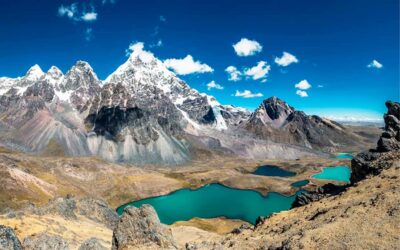
- La Raya pass: your big photo moment above 4,300 meters
- How long do you stop?
- Buffet lunch: a real reset before Raqchi
- Raqchi: walking through the ancient temple of Wiracocha
- What makes Raqchi worth your attention
- A practical pacing tip
- Andahuaylillas and San Pedro Apóstol: the Sistine Chapel of the Americas idea
- Expect a moment of quiet appreciation
- The bus, the organization, and why that matters on an 11-hour day
- One caution from real-world experiences
- Price ($100) and what you’re really getting for it
- Who this tour suits best (and who should skip it)
- What to bring so you enjoy every stop
- Should you book the Puno to Cusco Ruta del Sol day tour?
- FAQ
- How long is the Ruta del Sol Puno to Cusco tour?
- What’s included in the price?
- Where do we meet in Puno?
- Is there a lunch during the tour?
- What should I bring?
- Is this tour wheelchair accessible?
Key highlights you’ll notice
- Pukara interpretation center: see how ancient Andean settlers left their mark, plus the famous Pukara bulls and painted clay figures.
- La Raya pass photo stop (4,300m+): a quick breather with big mountain views if the weather cooperates.
- Raqchi guided visit: walk through the remains tied to the temple complex for Wiracocha.
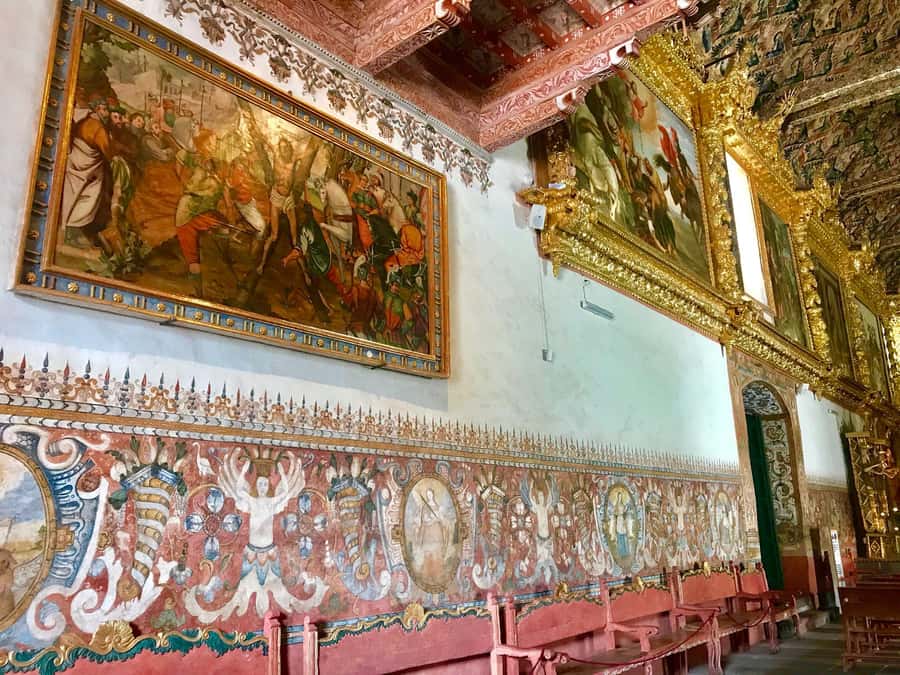
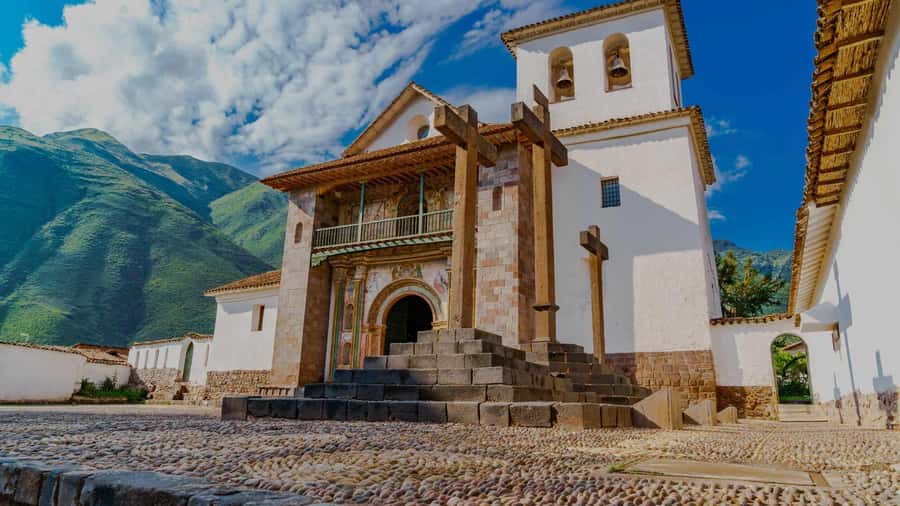
- Andahuaylillas church visit: step inside San Pedro Apóstol, often compared to the Sistine Chapel of the Americas for its stunning interior.
- A real break with buffet lunch: you get food and time to refuel before the final stretch into Cusco.
Puno to Cusco via Ruta del Sol: what this day is really about
This isn’t just a transfer between cities. It’s a “see the Andes on the way” itinerary that packs several of the region’s most famous cultural stops into one long day. You’ll start in Puno, take the bus, and finish in Cusco with hotel drop-off, so your day ends with less hassle than doing it yourself.
The vibe is classic southern Peru road travel: long stretches on the bus, then purposeful stops where you get to stretch your legs and learn something. If you like understanding what you’re looking at—why a place matters, what symbol people used, how a temple connects to older beliefs—this route fits well.
You can also read our reviews of more tours and experiences in Cusco
The route’s key stops in plain language
You’ll pass through and/or stop at these main points, in order: Pukara (with an interpretation center), La Raya pass (photo stop), Raqchi (archaeological site and guided tour), and Andahuaylillas (church of San Pedro Apóstol). Then you’re back on the road into Cusco.
Meeting point details: start your day without stress
The day starts from a specific terminal location in Puno: Jirón Tacna, number 575. That matters more than people think, especially on a bus tour where timing is tight.
I recommend you show up early enough to calm your nerves and confirm you’re in the right place. Also, make sure your contact number is entered correctly with your country code and that you have WhatsApp ready, since you’ll want a working way to reach the supplier if anything changes at the last minute.
One more practical note: bring a form of ID (passport or ID card). You’ll also want cash on hand, just in case you decide you need something small during the day (water, snacks, or camera purchases).
Pukara: bulls, clay figures, and an easy warm-up stop
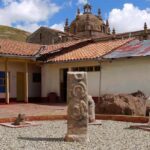
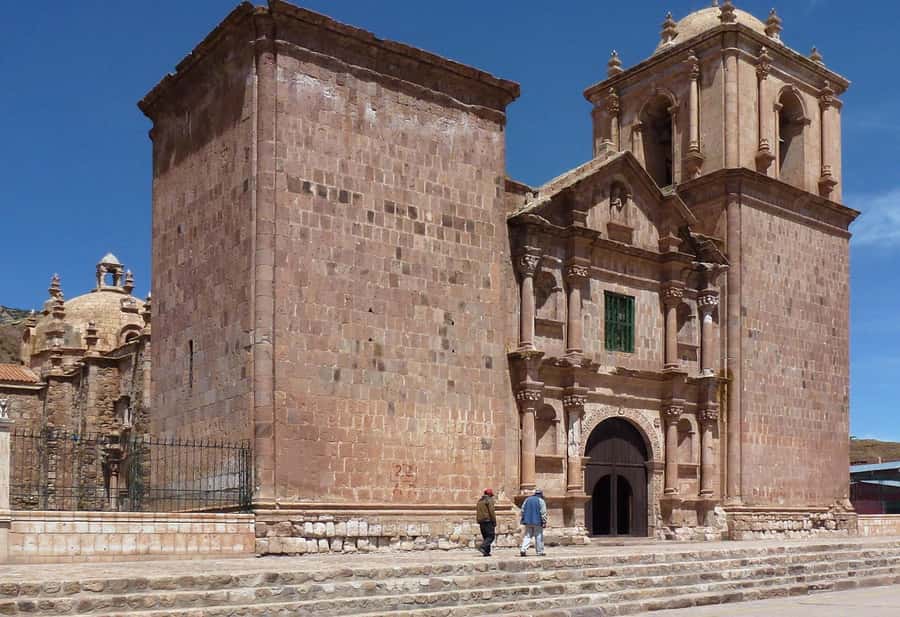
After departure from Puno, the first meaningful stop is Pukara. You’ll visit the Pukara interpretation center, which is a good “start gentle” introduction. It gives you context about the ancient Andean settlers and how their culture showed up in the region.
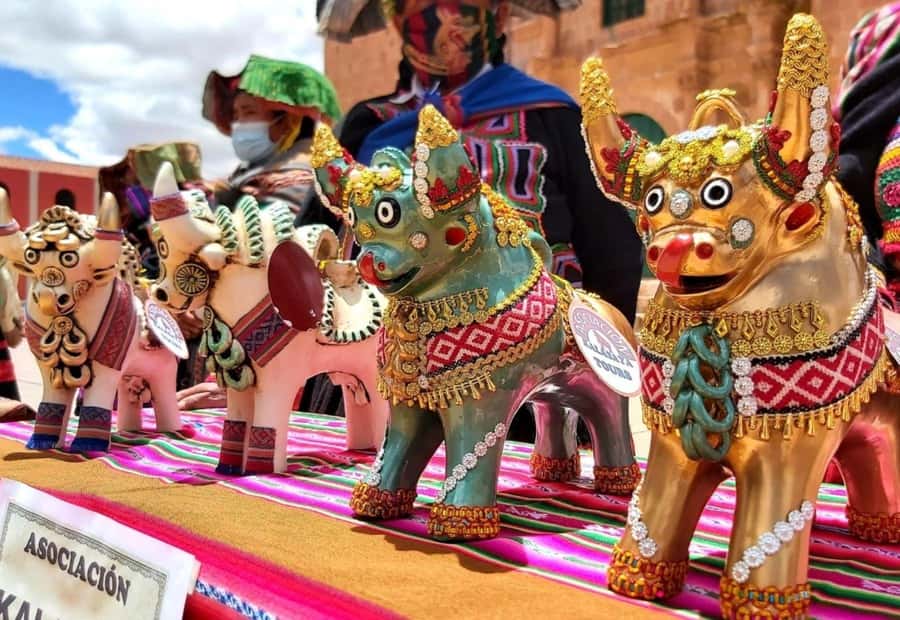
The most memorable part here is the focus on Pukara bulls—clay figures painted in different colors and described as symbols of protection, prosperity, and fertility in southern Peru. Even if you’re not a history buff, these objects land because they’re visual and symbolic, not just descriptive.
Why Pukara is a smart first stop
Pukara works well early in the day because:
- You’re still fresh from leaving Puno.
- You get cultural grounding before moving into bigger archaeological sites.
- The stop helps break up the road trip so you don’t feel like you’re trapped on the bus from minute one.
You can also read our reviews of more tours and experiences in Cusco
La Raya pass: your big photo moment above 4,300 meters
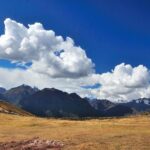
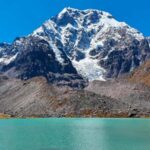
Next comes the La Raya pass, where you’ll stop briefly to photograph the mountain pass at more than 4,300 meters above sea level. This is the kind of stop you’ll remember later, mainly because the altitude and the open air make the views feel dramatic—when skies are clear.
A consideration here: at that elevation, some people feel it—headache, shortness of breath, or just a slower pace. There’s no need to panic. Just take it easy, breathe, and don’t rush your photos.
How long do you stop?
The itinerary only promises a brief photo stop, so don’t plan on long walks or long conversations here. Think of it as a quick moment to capture the pass and move on.
Buffet lunch: a real reset before Raqchi
After La Raya, you go to a local restaurant for a buffet lunch. This is a big quality-of-life detail on an 11-hour day. Hunger turns a good tour sour fast, and lunch here acts like a middle “reset point.”
Since the itinerary says buffet lunch (not a packed snack box), plan to sit down and actually eat. It’ll help you enjoy the later visits without feeling rushed or shaky.
Raqchi: walking through the ancient temple of Wiracocha
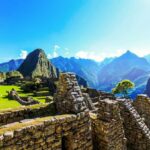
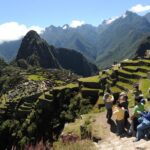
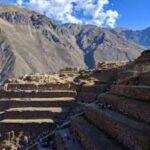
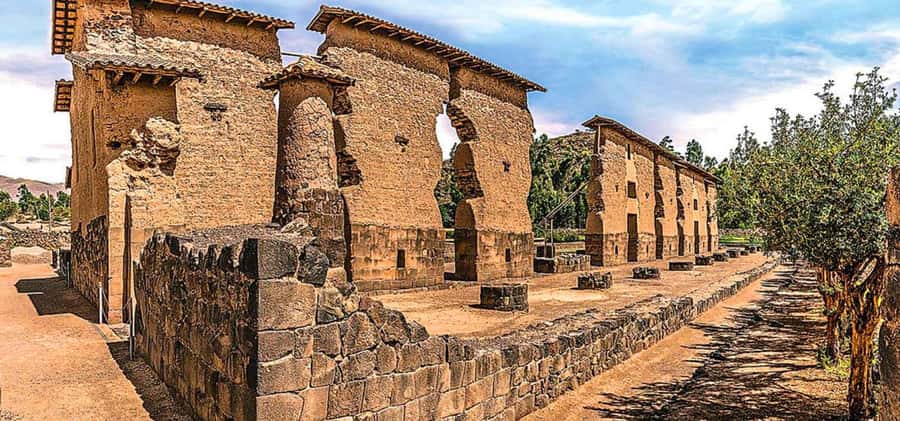
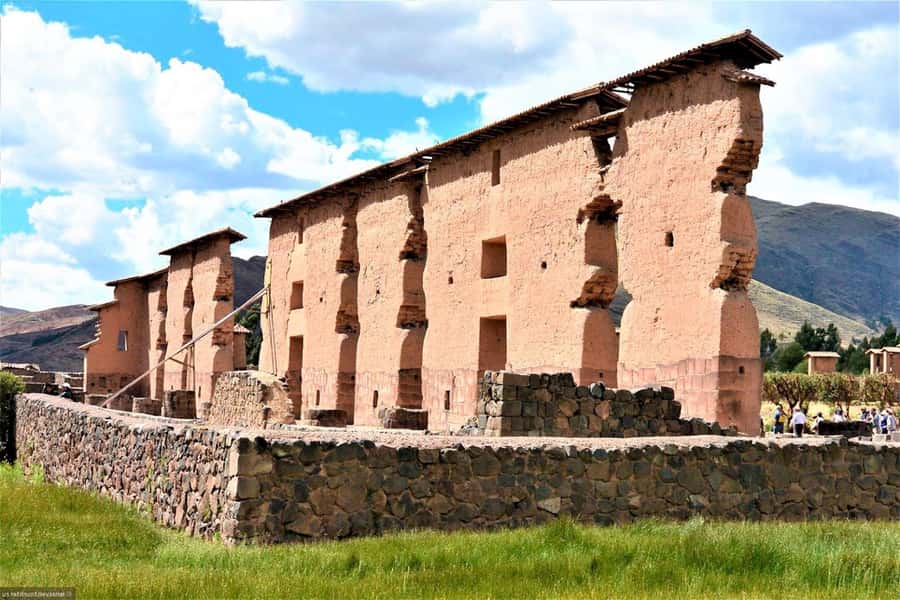
Then the day shifts into archaeological mode at Raqchi. You’ll have a guided tour of the archaeological park, where you’ll see the remains of the ancient temple dedicated to the deity Wiracocha.
This is one of the most interesting stops on the route because the tour frames Wiracocha in a way that includes mystery: veneration in pre-Hispanic times, along with legends and enigmas. That tone matters. It’s not just “look at ruins,” it’s “here’s what people believed, and here’s why questions remain.”
What makes Raqchi worth your attention
Even if you’ve seen other ruins before, Raqchi tends to land because:
- You’re learning what the site represents, not just the layout.
- The stop connects religion and culture, not only architecture.
- It’s a clear step up from a short photo stop—this is a real visit.
A practical pacing tip
Wear comfortable shoes. Ruins can involve uneven ground and walking on dusty paths. The tour will move at a group pace, so your best move is to dress for walking and keep water handy if you tend to get thirsty during long tours.
Andahuaylillas and San Pedro Apóstol: the Sistine Chapel of the Americas idea
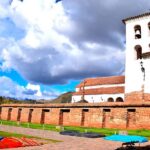
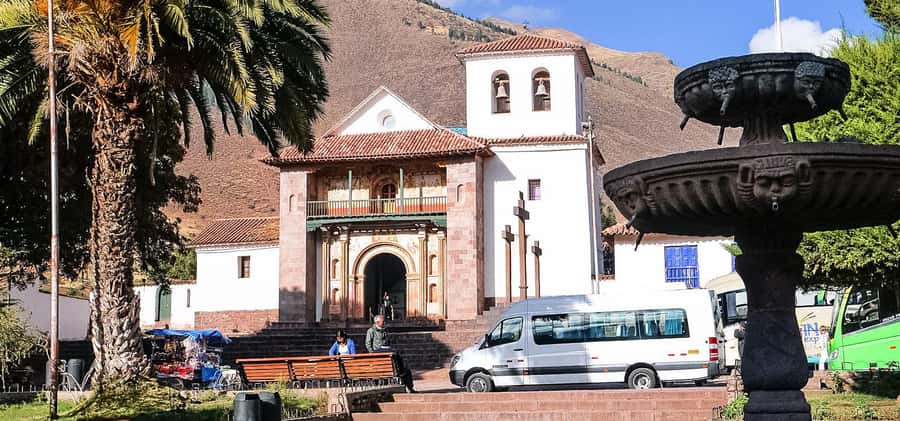
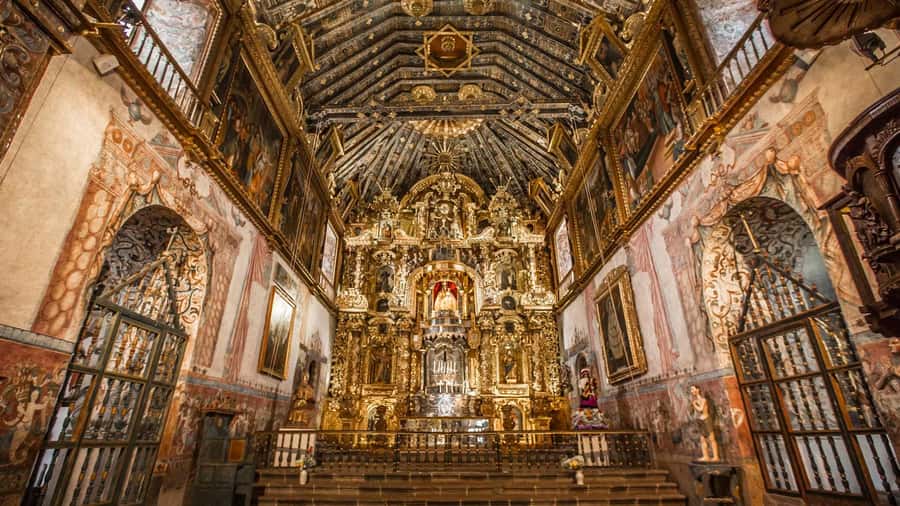
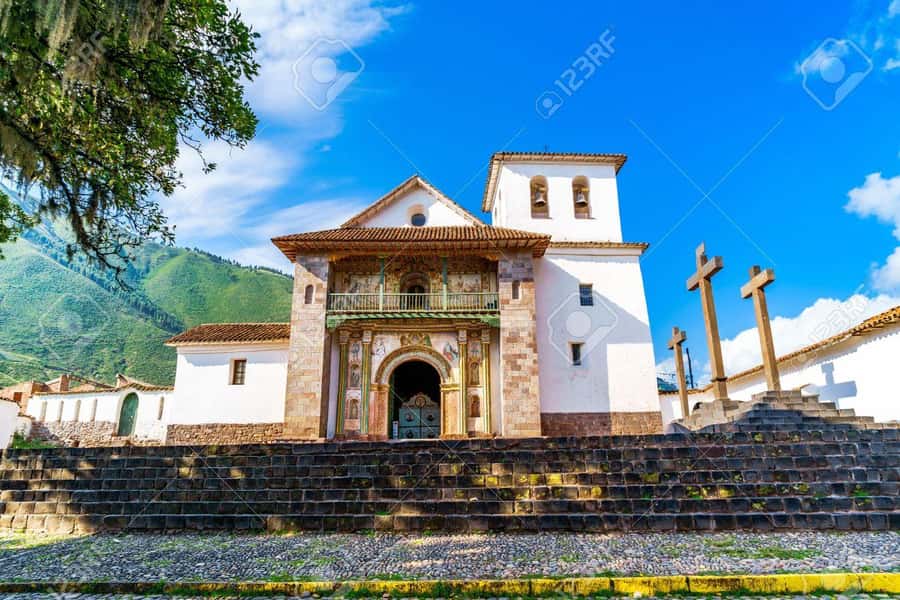
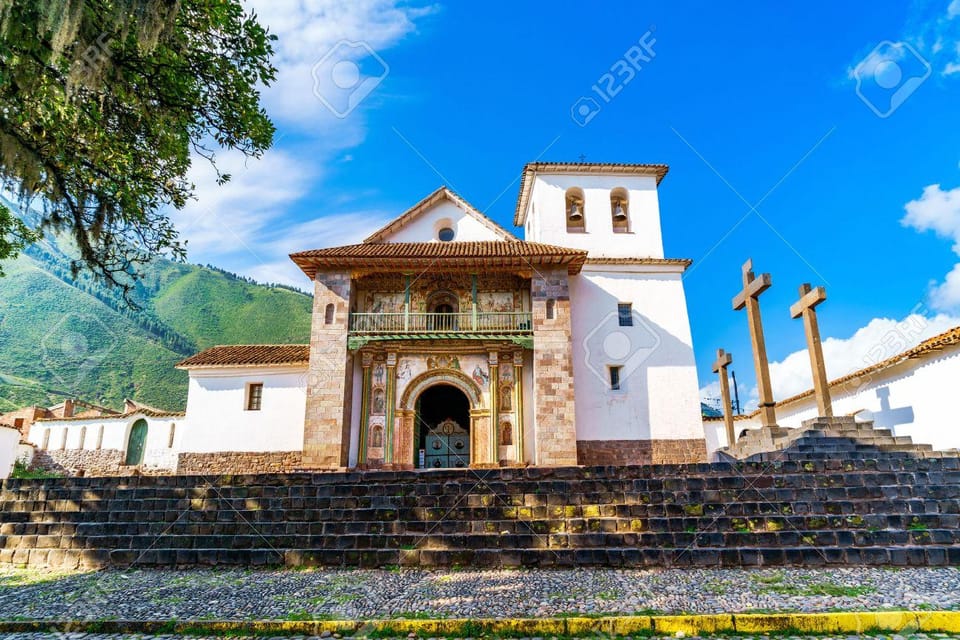
The final big cultural stop is Andahuaylillas, where you visit the church of San Pedro Apóstol. This church is known as the Sistine Chapel of the Americas, and the interior is described as majestic—so it’s a “slow down and look” kind of stop.
What I like about this part of the day is that it flips the tone. After archaeological stones and mountain air, you step into a space designed for sacred awe. Churches like this are also where you notice how colonial-era art and older traditions can coexist in one place.
Expect a moment of quiet appreciation
This isn’t a “quick glance and leave” stop if you want to enjoy it. You’ll get the most out of it if you give yourself a few minutes to absorb details inside the church rather than sprinting for photos.
The bus, the organization, and why that matters on an 11-hour day
On a day this long, the difference between a good trip and a frustrating one often comes down to logistics: pickup, timing, and whether the guide keeps the schedule moving calmly.
Based on the overall feedback, the best part of the experience tends to be that it’s well organized and the guide explains a lot, paired with comfortable transport. Those aren’t small points. On a long route like Puno to Cusco, comfort and clear explanations can make the same scenery feel very different.
One caution from real-world experiences
There has been at least one serious negative experience where people were left stranded at the meeting point because no one arrived. While that’s not something you can predict from the itinerary alone, you can protect yourself.
My advice:
- Be at Jirón Tacna 575 early.
- Keep your phone and WhatsApp active.
- Have a plan for reaching the operator if you don’t see your group at the expected time.
This is the kind of tour where being proactive is worth more than luck.
Price ($100) and what you’re really getting for it
At $100 per person for an 11-hour tour, you’re paying for a lot of “included friction removal.” You’re not arranging transport, managing several stops, or timing a day through multiple heritage sites.
What you get included:
- Pickup from your Puno hotel and transfer to the bus station
- Bus transportation
- A live tour guide in Spanish (English and Spanish are listed as available)
- Buffet lunch
- Entrances if you choose the ticket option
That makes the price feel reasonable if you value structure and guided context. If you’d rather DIY and build your own itinerary, you can sometimes save money. But DIY means more planning and more risk with timing—exactly what this tour tries to remove.
Who this tour suits best (and who should skip it)
This Ruta del Sol day works best for you if:
- You want a guided cultural road trip rather than just transportation.
- You’re excited about heritage stops like Raqchi and Andahuaylillas.
- You prefer comfort and clear scheduling over improvising.
It might be less satisfying if:
- You’re hoping for lots of spontaneous nature and scenic pull-offs all day.
- You dislike long bus rides and prefer shorter, city-based sightseeing.
What to bring so you enjoy every stop
Pack like it’s a long day out of your normal routine:
- Passport or ID card
- Camera
- Cash
Also, bring a mindset for elevation. La Raya is over 4,300 meters, so you’ll want to take it easy around that stop and avoid sprinting between locations.
Should you book the Puno to Cusco Ruta del Sol day tour?
If you want one day that covers Pukara, La Raya, Raqchi, and Andahuaylillas with a guide and lunch included, this is a strong option. The high points are the cultural depth—especially the Raqchi visit and the church interior at San Pedro Apóstol—plus the fact that the day is generally run in a structured, comfortable way.
I’d still book with eyes open. Confirm your meeting details for Jirón Tacna 575, keep WhatsApp working, and don’t expect an endless parade of roadside scenery. If you’re there for planned heritage stops and learning as you go, you’ll likely feel you got your money’s worth.
FAQ
How long is the Ruta del Sol Puno to Cusco tour?
The duration is 11 hours.
What’s included in the price?
It includes hotel pickup in Puno to the bus station, bus transportation, a live guide (English or Spanish), buffet lunch, and entrances if you select the ticket option.
Where do we meet in Puno?
The meeting point is at Jirón Tacna, number 575.
Is there a lunch during the tour?
Yes. You’ll have a buffet lunch at a local restaurant after the stop at La Raya pass.
What should I bring?
Bring your passport or ID card, a camera, and cash.
Is this tour wheelchair accessible?
No. It is not suitable for wheelchair users.