REVIEW · AREQUIPA
Arequipa: Peruvian Cooking Class
Book on GetYourGuide →Operated by Tangol · Bookable on GetYourGuide
Cooking in Arequipa is real fun. This 2-hour class turns you from food spectator into kitchen helper, with a chef guiding two-course cooking and a start-of-class sip of Chicha Morada.
I especially like how the chef covers both the method and the why behind key dishes, so you’re not just following steps. And I like that you get English and Spanish instruction with a small max group size, which makes questions actually worth asking.
One possible drawback: your exact menu choice depends on what gets confirmed, so if you have allergies or strong preferences, you’ll want to double-check your selection ahead of time.
In This Review
- Key highlights you’ll care about
- A hands-on Arequipa cooking class with real Peruvian flavors
- Meet at Casa de Avila in the historic center
- Chicha Morada first, then you cook two dishes
- Choose your menu: Andean, Traditional, or Seafood
- Andean Menu: Solterito and Rocoto Relleno
- Traditional Menu: Causa and Lomo Saltado
- Seafood Menu: Ceviche and Pescado a lo Macho
- The chef’s teaching style: practical steps you can use later
- What’s included (and what’s not): a clear value picture
- Timing and sound: small details that can affect comfort
- Menu accuracy, allergies, and what to double-check
- Who this Arequipa cooking class is perfect for
- Practical tips before you go
- Should you book this cooking class in Arequipa?
- FAQ
- How long is the Arequipa Peruvian cooking class?
- Where do I meet for the class?
- How much does it cost?
- What do I cook during the class?
- What’s included in the price?
- Is the Chicha Morada alcohol-free?
- Can the menu be vegetarian?
- What if I have allergies or dietary restrictions?
- What language is the class taught in?
- Does the tour include hotel transfers?
- Is the class suitable for children?
Key highlights you’ll care about
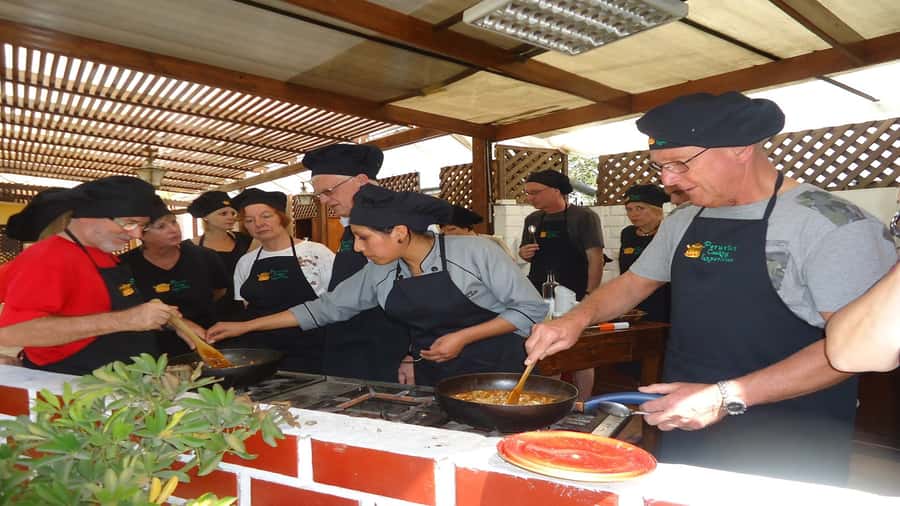
- Chicha Morada welcome drink (sweet purple-corn refresher, no alcohol)
- Pick one of three menus and cook two traditional dishes
- Pro chef bilingual in Spanish and English, small group up to 12
- You eat what you cook, plus dessert at the end
- Historic center location with the meeting point at Casa de Avila Hotel
- Vegetarian options available if you request them when booking
A hands-on Arequipa cooking class with real Peruvian flavors
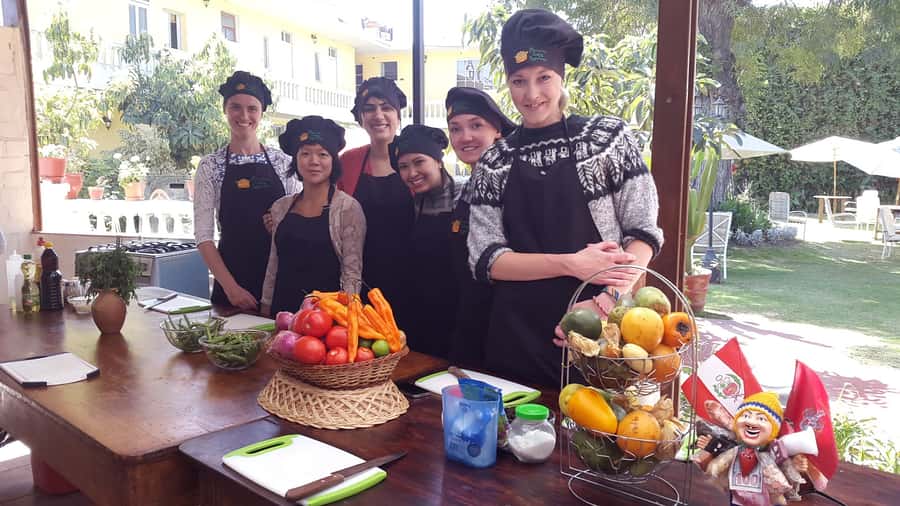
Arequipa is a great base for food, but it’s easy to stick to eating and never learn how dishes are built. This cooking class does the opposite: it puts you at the counter, apron on, and walks you through how Peruvian food comes together.
You’re not just learning recipes. You’re learning how cooks think—when to soften, when to season, and how flavors balance. That means when you later eat these dishes in town, you’ll recognize what matters and why.
You can also read our reviews of more cooking classes in Arequipa

Meet at Casa de Avila in the historic center
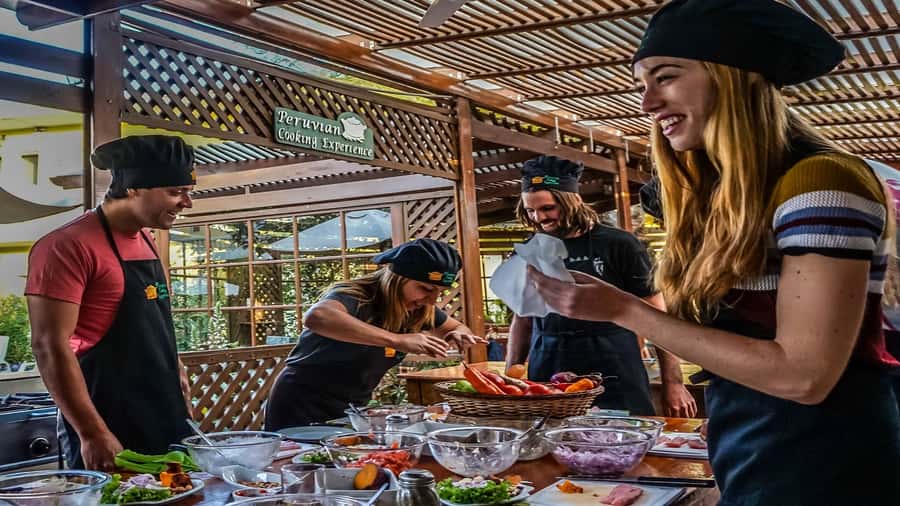
Your day begins at Casa de Avila Hotel in Arequipa’s historic center. This matters more than you might think: being in the center keeps the experience simple and helps you fit it into a normal sightseeing rhythm.
When you arrive, you get a welcome drink—Chicha Morada. It’s sweet, made from purple corn, and served without alcohol. It’s a small touch, but it sets the tone: this class treats Peruvian drinks and food as equals.
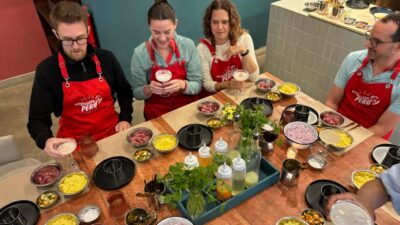
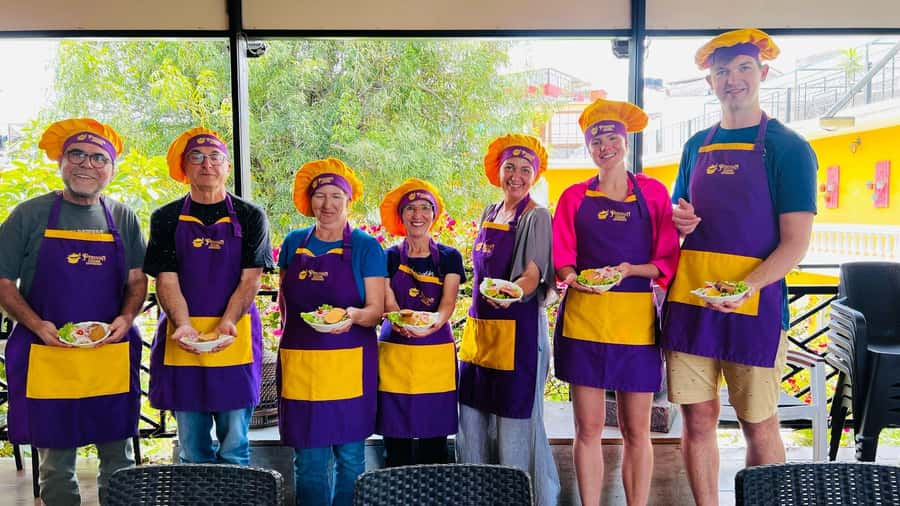
After that, you’ll get geared up with an apron and chef’s hat. You’ll also be moving fairly quickly into cooking, so wear something comfortable. This is an active 2-hour experience, not a long lecture.
Chicha Morada first, then you cook two dishes
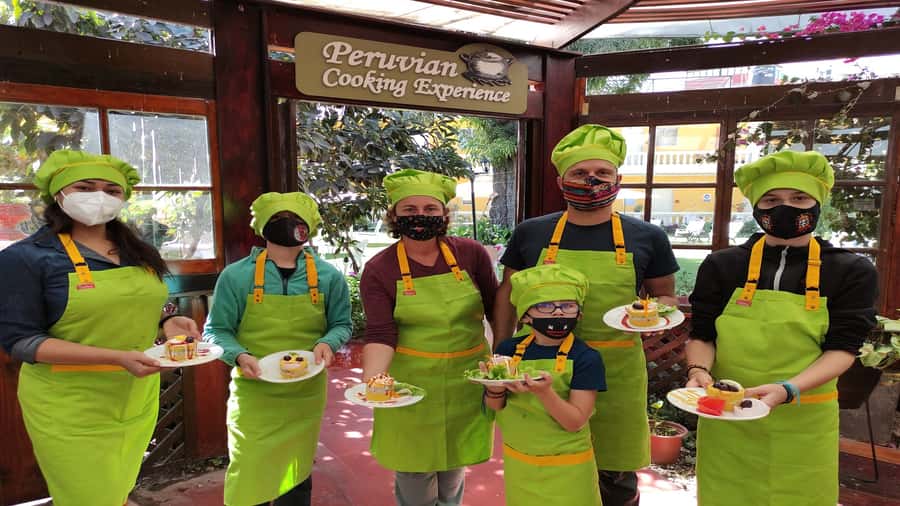
The class is set up around learning and doing. You start with step-by-step guidance from a professional chef, and you’ll prepare your meal alongside the group.
Plan on two courses plus a dessert. At the end, you eat what you cooked. During the class, the group shares travel stories with the chef, so it doesn’t feel stiff or staged—more like a friendly cooking workshop in Arequipa.
One practical point: the experience is designed to be efficient. That’s great when everything runs on time, but if you’re the type who likes slow, lingering steps (or you’re hard to please with timing), you might want to mentally prepare for a brisk pace.
Choose your menu: Andean, Traditional, or Seafood
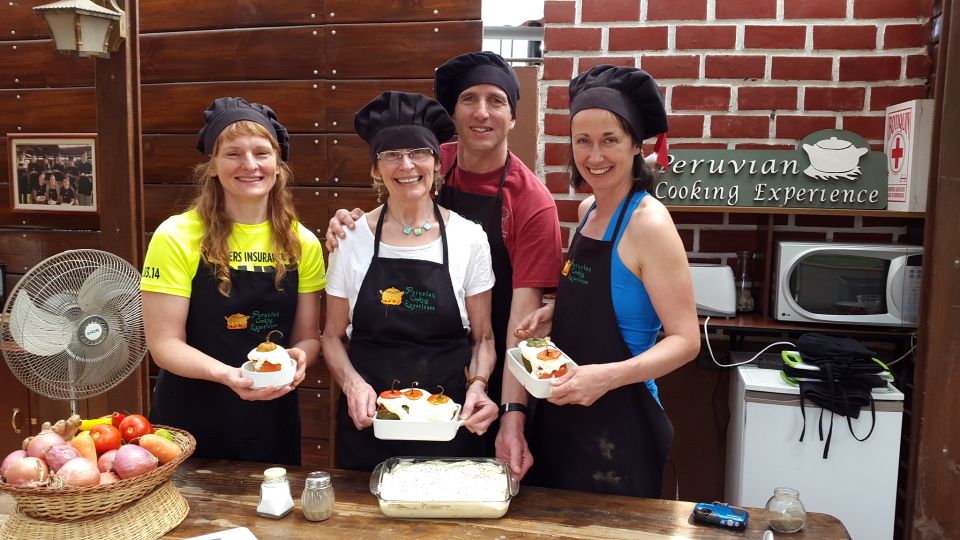
The biggest decision you’ll make is which menu you book. After you confirm your reservation, the team contacts you to indicate which menu you’ll cook. That’s the part to watch carefully if you have allergies or very specific requests.
Here are the three menu options, each built around two courses:
Andean Menu: Solterito and Rocoto Relleno
This menu leans into classic Andean flavors and textures. Your first course is Solterito, a fresh salad made with onion, tomato, corn, beans, cheese, and potatoes. It’s a mix that sounds simple, but it’s all about balance and temperature—fresh ingredients, hearty potatoes, and the salty hit from cheese.
For the main course, you cook Rocoto Relleno. Rocoto is a spicy red pepper (fruit-shaped, kind of apple-like), and here it’s stuffed with seasoned ground meat, cheese, and raisins. The raisins are a clue: Peruvian cooks often mix sweet and savory on purpose, not by accident.






Traditional Menu: Causa and Lomo Saltado
If you want the Peru that many visitors recognize quickly, the Traditional menu is a strong pick. Your first course is Causa: mashed potato seasoned with yellow pepper and lemon, filled with avocado and tuna or chicken, and decorated with black olives and vegetables.
For the main course, you cook Lomo Saltado. This is a famous Chinese-Peruvian fusion dish often made in a wok. You’ll use beef, onion, yellow pepper, tomato, French fries, and serve it with white rice. The key here is speed and heat—where the wok technique really shows.
Seafood Menu: Ceviche and Pescado a lo Macho
Seafood lovers usually gravitate to this option. Your first course is Ceviche: fresh fish marinated with lemon juice, plus onion, sweet potato, and corn. The marinade does the cooking work, so timing is everything.
The main course is Pescado a lo Macho, fried fish fillet topped with a sauce of onions and tomatoes, served with white rice. It’s hearty and punchy, and it’s a nice contrast after ceviche’s citrus bite.
The chef’s teaching style: practical steps you can use later
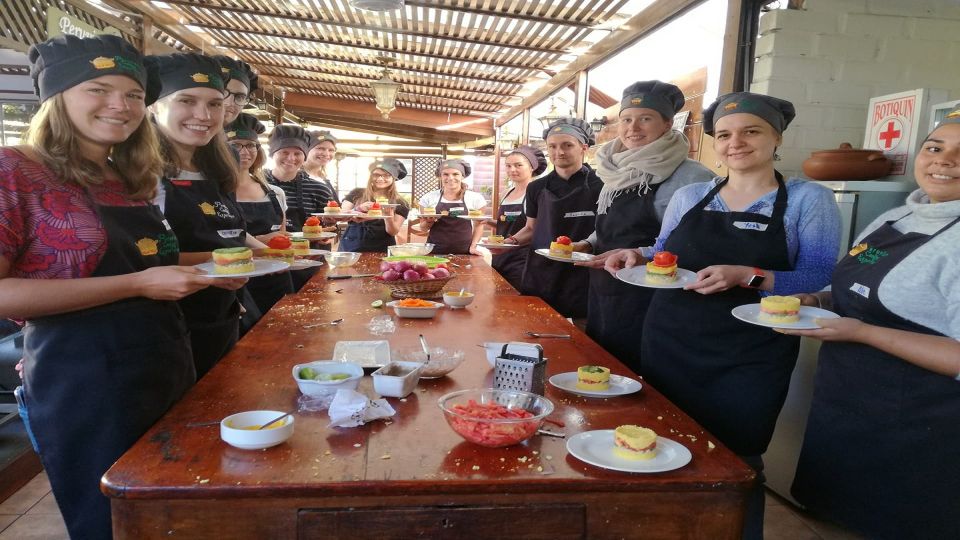
What makes this class valuable is the combination of cooking technique and flavor context. The chef explains the dishes step by step and also covers the history of Peruvian food, which helps you understand how ingredients and influences fit together.
You’re also working with real kitchen logic: prep, assembly, seasoning, and then the final cook. Since the class stays small, you’re more likely to get direct help if something isn’t working—like a filling too wet, seasoning too mild, or timing off.
The chef is professional and works in Spanish and English, which matters if you’re traveling with someone who speaks a different language. It also makes the class feel more inclusive, because explanations aren’t locked to one audience.
From what I’ve seen work well in classes like this, this format is best when you ask questions early. If you wait until something goes wrong, you’ll spend time correcting rather than learning.
What’s included (and what’s not): a clear value picture
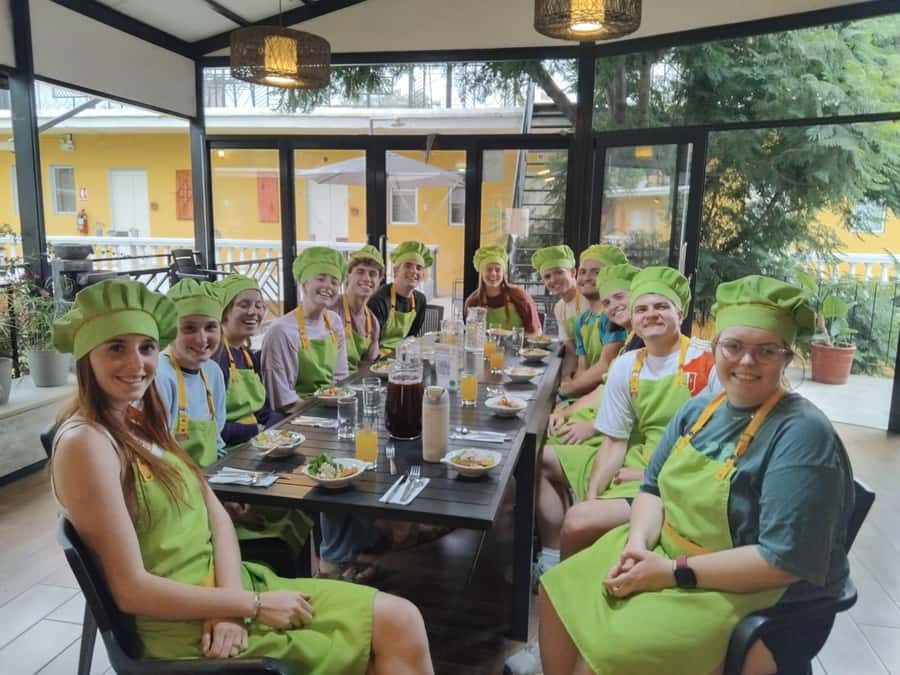
For $63 per person with a 2-hour duration, you’re getting a lot in one go: guided cooking, two-course meal (lunch or dinner depending on your selected time), Chicha Morada, ingredients, cookware, and a professional chef in Spanish and English.
Wi-Fi is included too, which might not be your top priority, but it’s handy for sharing photos and uploading your day before you forget how good the food looked.
What’s not included: roundtrip transfers from your hotel. In a walkable city center location, that usually just means you’ll need to handle getting there and back on your own.
In value terms, this works best if you want more than just a meal. If you’re looking for a hands-on skill-building experience with everything provided, $63 starts to feel fair quickly.
Timing and sound: small details that can affect comfort
Two small “real world” considerations can change your experience:
First, the course pace can be fairly tight. Some people have experienced a rushed feeling, and dessert timing can vary if the session runs quickly. If you’re someone who wants every step to slow down, choose your seat and stay engaged early.
Second, music volume can matter in a small group setting. If you’re sensitive to noise (or you like hearing explanations clearly), consider bringing a relaxed mindset—or mention sound preference to the team at the start if that’s a normal courtesy in your travel style.
Neither issue is universal, but they’re worth knowing so you can plan your expectations.
Menu accuracy, allergies, and what to double-check
The class offers vegetarian options if you request them when booking. It also says they can adapt menus if you share allergies or dietary restrictions when you book. That’s exactly what you want to hear.
Here’s the practical part: don’t assume your menu request automatically matches what gets cooked. After confirmation, the team contacts you about the chosen menu. Make sure that message looks right on your end, especially if you booked Andean, Traditional, or Seafood specifically.
If your diet is strict, also write down your requirements clearly when booking. That gives the chef the best chance to adapt safely without improvising too late in the process.
Who this Arequipa cooking class is perfect for
This experience fits best if you:
- Want to learn Peruvian cooking techniques with a hands-on approach
- Like the idea of cooking one of three menu types: Andean, Traditional, or Seafood
- Appreciate a small group setting (max 12) where you can ask questions
- Prefer guided structure over trying to recreate dishes later from memory
It’s also a solid choice if you’re traveling solo. Food + conversation makes it easier to connect without forcing small talk.
It’s not suitable for children under 8, which makes sense given the cooking pace and hot ingredients. For teens, it could work if they’re comfortable in a kitchen environment and follow instructions well.
Practical tips before you go
Bring comfortable clothes. You’ll be standing and working at prep stations, plus you’ll have apron and chef hat on, so mobility matters.
Also think about your booking order:
- Choose your menu carefully (Andean, Traditional, or Seafood)
- Request vegetarian options if needed
- Share allergies or dietary restrictions early so the menu can be adapted
Finally, plan your day so you’re not rushing. The class is only 2 hours, but it’s paced to include cooking, eating, and dessert.
Should you book this cooking class in Arequipa?
Book it if you want a fun, hands-on way to learn Peruvian dishes in the historic center with a bilingual chef and a clear structure: welcome drink, two-course cooking, then you eat what you made.
I’d be extra careful about booking details if you have strong dietary needs or if menu accuracy is a must. If you double-check your confirmed menu and communicate restrictions upfront, this is the kind of experience that turns dinner into a story you’ll remember.
FAQ
How long is the Arequipa Peruvian cooking class?
The cooking class lasts 2 hours.
Where do I meet for the class?
The meeting point is Casa de Avila Hotel in Arequipa’s historic center.
How much does it cost?
The price is $63 per person.
What do I cook during the class?
You’ll cook two traditional dishes based on the menu you select (Andean, Traditional, or Seafood), plus you’ll taste dessert at the end.
What’s included in the price?
Included are the guided cooking class, a 2-course lunch or dinner (based on the selected time), Chicha Morada, all ingredients and cookware, a professional chef (Spanish and English), and Wi-Fi.
Is the Chicha Morada alcohol-free?
Yes. Chicha Morada is described as nonalcoholic.
Can the menu be vegetarian?
Yes, vegetarian options are available. You need to request this option when booking.
What if I have allergies or dietary restrictions?
Let the team know at the time of booking so they can adapt the menu.
What language is the class taught in?
The instructor speaks Spanish and English.
Does the tour include hotel transfers?
No. Roundtrip transfers to and from your hotel are not included.
Is the class suitable for children?
It is not suitable for children under 8 years old.