REVIEW · CUSCO
Cusco Tourist Ticket and Sacred Valley Site Pass
Book on GetYourGuide →Operated by Peru Andes Top · Bookable on GetYourGuide
One ticket maps your whole Cusco loop. The Cusco Tourist Ticket makes it easier to see the biggest sights in Cusco and the Sacred Valley, including Sacsayhuaman and several key museums. I like that it’s built in circuits (1, 2, or 10 days), so you can match it to your pace. The other big win is simple: your ticket can be waiting at your hotel so you can start right away. The one catch is that you still need a plan, because tours aren’t included, and picking the wrong circuit for your days can leave you wishing you’d chosen differently.
If you want the cleanest start, consider Circuit I for a quick Cusco launch. It covers four stops inside Sacsayhuaman Archaeological Park in a single day: Sacsayhuaman, Qenqo, Tambomachay, and Puca Pucara. For deeper Sacred Valley time, Circuit II is your best match, with Pisac, Ollantaytambo, Chinchero, and Moray across two days.
Circuit III is for when Cusco is your whole focus for 10 days, adding more parks and museums on top of Sacsayhuaman and the Sacred Valley classics. The price is $30 per person, which feels like a strong value when you’ll use it for multiple entrances (not just one). Just be aware the meeting point can vary by option, and you’ll be using the pass on your own schedule within the validity window.
In This Review
- Key highlights you’ll feel right away
- Why the Cusco Tourist Ticket is a smart Sacred Valley move
- Choosing Circuit I vs II vs III (and avoiding the wrong-day mistake)
- Inside Sacsayhuaman Park: Sacsayhuaman, Qenqo, Tambomachay, Puca Pucara in one day
- Sacred Valley in two days: Pisac, Ollantaytambo, Chinchero, Moray
- The 10-day Circuit III plan: 16 sites and multiple Cusco museums
- Museums in Cusco: Qorikancha and the art scene you might not expect
- Price and value: is $30 per person worth it?
- Logistics that actually matter: where your pass arrives and how you use it
- Who this pass suits best, and who might prefer something else
- Should you book this Cusco Tourist Ticket pass?
- FAQ
- What is included with the Cusco Tourist Ticket pass?
- How long can I use the ticket?
- How much does it cost?
- Where will my ticket be delivered?
- Do I need to join a tour?
- Which sites are included in Circuit I?
- Which sites are included in Circuit II?
- What sites and museums are included in Circuit III?
Key highlights you’ll feel right away
- Hotel delivery that saves your first day
- 1-, 2-, or 10-day circuit choice that fits real travel time
- Panoramic Cusco views from Sacsayhuaman Park
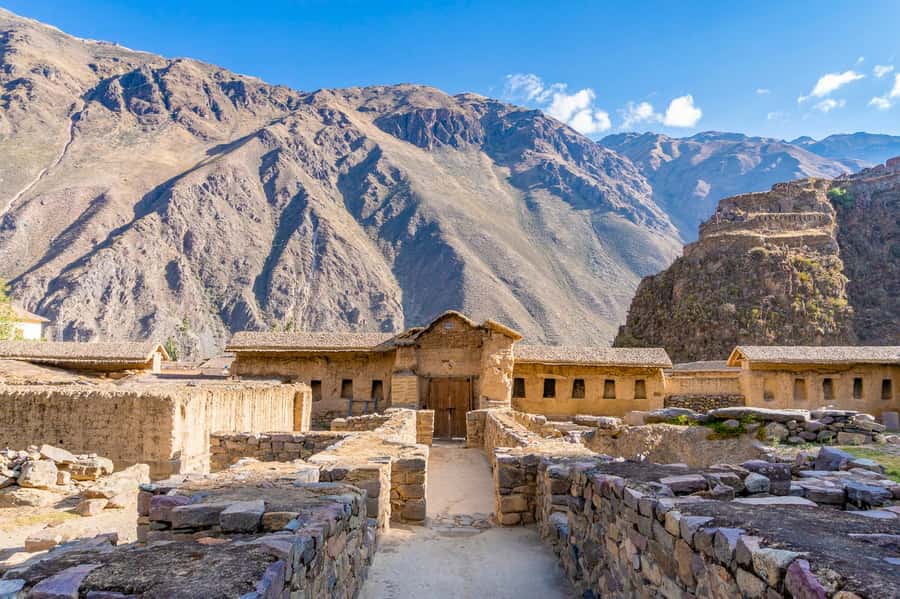
- Historic Inca architecture at Ollantaytambo and Chinchero
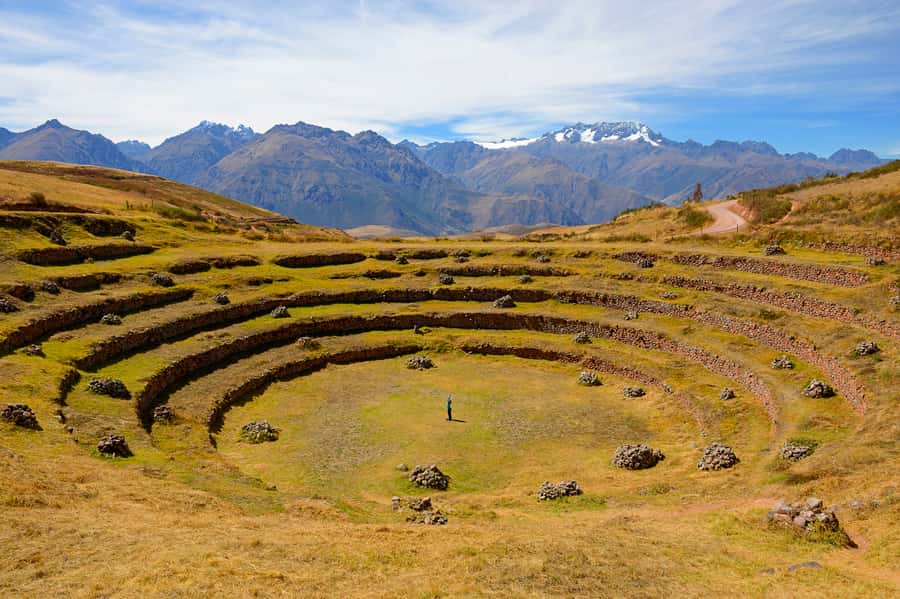
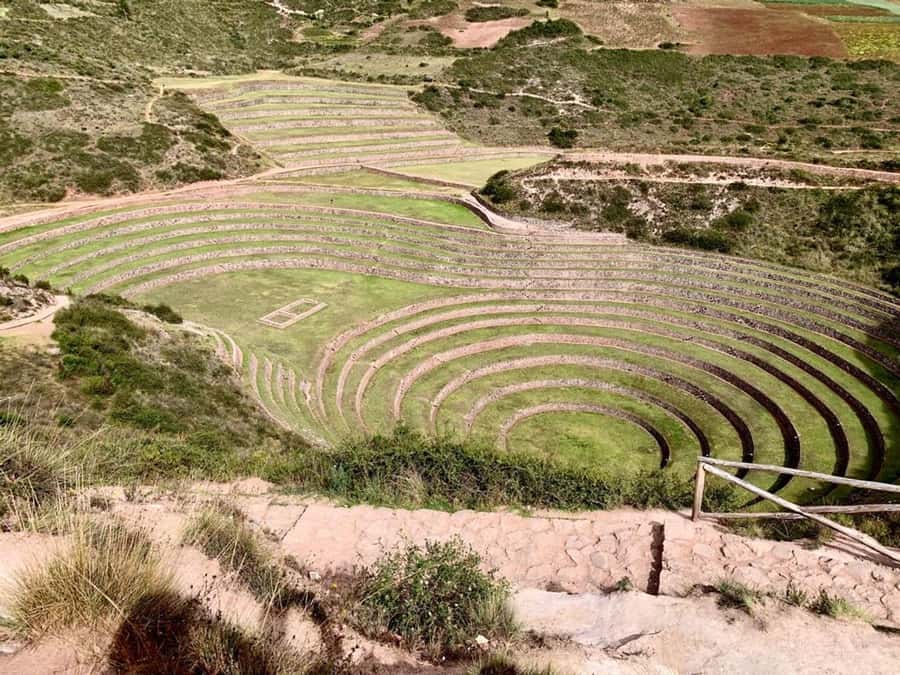
- Moray’s terraced agricultural layout
- Museums added into the same admission system
Why the Cusco Tourist Ticket is a smart Sacred Valley move
Cusco rewards momentum. If you’re short on time, it’s easy to burn hours trying to figure out what costs extra or where you need separate tickets. This pass simplifies the main problem: it bundles admission across the most important archaeological parks and Cusco heritage museums into one system.
The ticket also matches how people actually travel here. You might want a quick first day near Cusco (Circuit I), or you might plan a classic Sacred Valley route with a full 2-day stretch (Circuit II). If you’re staying longer, Circuit III builds a bigger Cusco-and-Sacred-Valley mashup so you can keep moving without re-buying entrances.
One more practical reason I like it: the ticket can be delivered to your accommodation. That means less last-minute scrambling on arrival day and more time for the sights themselves.
You can also read our reviews of more tours and experiences in Cusco
Choosing Circuit I vs II vs III (and avoiding the wrong-day mistake)
This is the part you should treat like a mini-planning session. Each circuit is a different set of admissions, and the validity limits how many days you can use it.
Circuit I (1-Day Pass): Sacsayhuaman Park focus
You get entry to four sites inside Sacsayhuaman Archaeological Park:
- Sacsayhuaman
- Qenqo
- Tambomachay
- Puca Pucara
This is a great choice if you’re landing in Cusco, want a big scenic day, and don’t want to commit to the full Sacred Valley.
Circuit II (2-Day Pass): Sacred Valley classics
You get entry to:
- Pisac
- Ollantaytambo
- Chinchero
- Moray
This is the solid “greatest hits” mix for most itineraries, especially if you plan around a couple of full sightseeing days.
Circuit III (10-Day Pass): Cusco + Sacred Valley expanded
You keep the Sacsayhuaman and Sacred Valley admissions, then add more archaeological sites and museums, including:
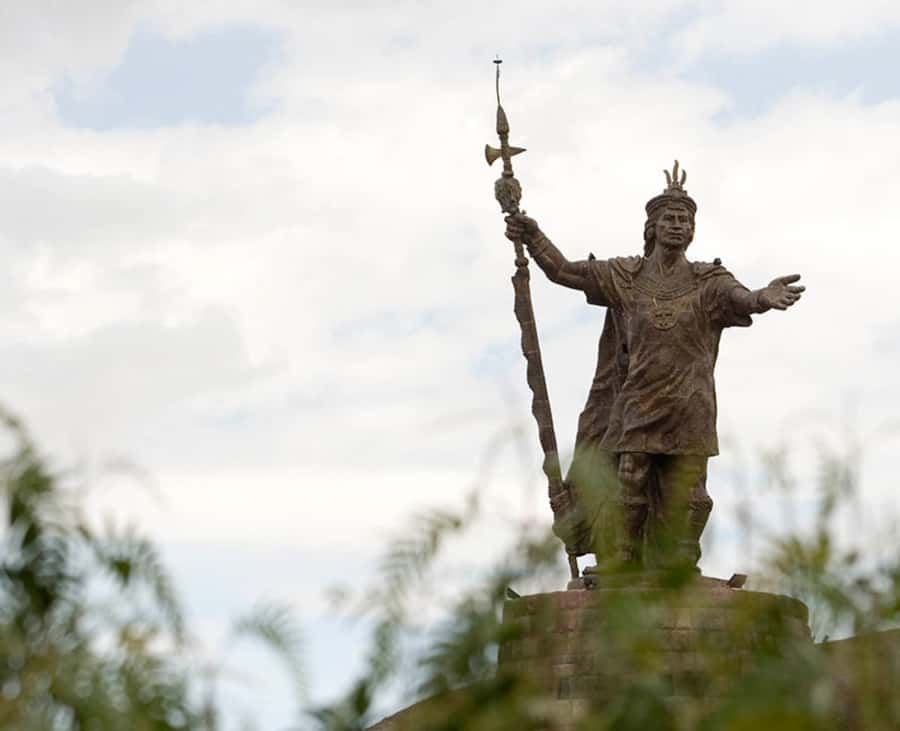
- Tipon, Piquillacta, Pachacutec Inca Monument
- Qosqo Native Art Center
- Museum of Contemporary Art
- Qorikancha Site Museum, Regional Historical Museum, and the Popular Art Museum
This circuit is for travelers who want Cusco to feel like more than a stopover.
My simple advice: choose the circuit based on the number of days you can realistically spend sightseeing. If you’re only in Cusco for a day or two, Circuit I or II usually makes more sense than buying the 10-day option and hoping you’ll stretch your schedule.
Inside Sacsayhuaman Park: Sacsayhuaman, Qenqo, Tambomachay, Puca Pucara in one day
If you’re doing the 1-day pass, you’re basically renting time with the Cusco skyline. Sacsayhuaman Archaeological Park is famous for panoramic views over the city area, and the four listed sites give you a compact “best-of-the-park” arc.
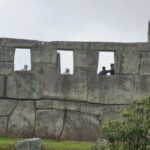
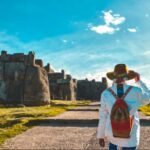
Sacsayhuaman is your anchor. Even if you’ve seen Inca stonework before, the scale and setting here tend to make it feel different because you’re seeing it with Cusco stretched out around you. Plan to arrive ready to look around, not just up close.
Qenqo fits well as a second stop. Think of it as the place where you keep moving through the park’s atmosphere, not just checking boxes.
Tambomachay and Puca Pucara round out the day. With a single-day circuit, you’ll want to keep your expectations realistic: you can see a lot, but you may not get the slow, lingering kind of attention you’d enjoy if you had extra days.
The main drawback of Circuit I is the same as any one-day archaeological push: the day can feel full. If you like a calmer pace, build breaks into your plan, because altitude and travel days add up.
Sacred Valley in two days: Pisac, Ollantaytambo, Chinchero, Moray
Circuit II is the best option when you want the Sacred Valley to feel like a journey rather than a checklist. You get four big named stops, with admissions for each, and you’ll likely build your route around how you want to spend those two days.
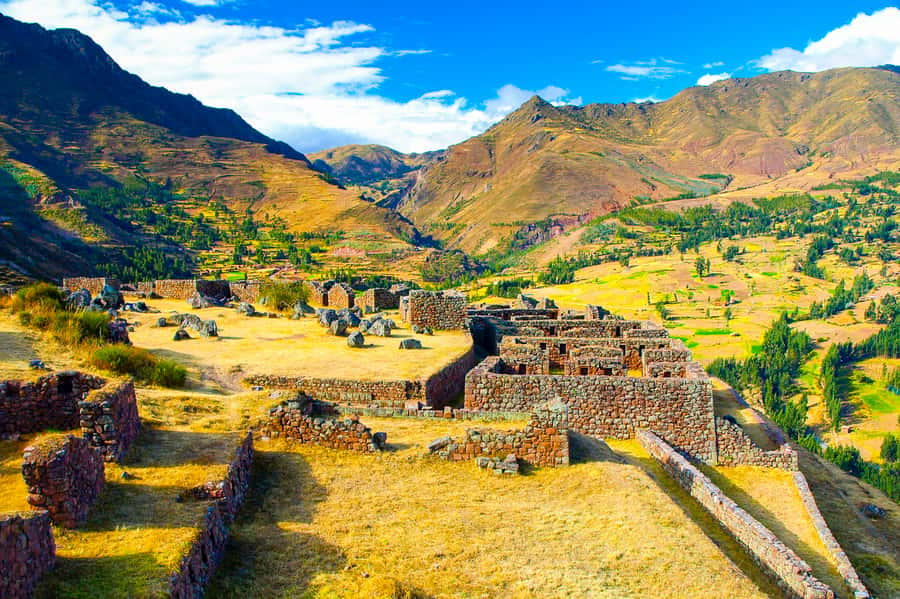
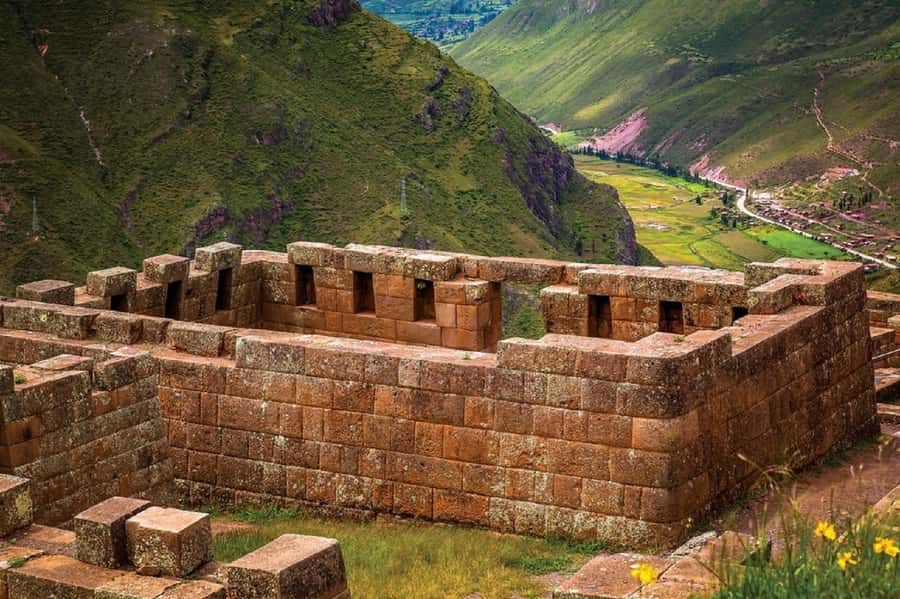
Pisac is where many itineraries begin in the Sacred Valley region. With this pass, you’re set for the entry, so your focus can stay on how you route the day.
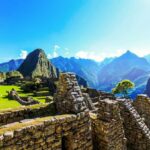
Ollantaytambo is one of the big draws, especially because it’s specifically described here as historic Inca architecture. You’ll want to budget time to look at the stonework and the way the site holds its structure.
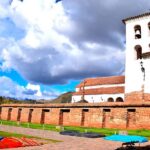
Chinchero is another stop that’s highlighted for historic Inca architecture. When you see Chinchero right after Ollantaytambo, it can help you compare how Inca design shows up across different parts of the valley.
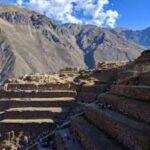
Then comes Moray, and this is where the circuit gets extra interesting. Moray is described as terraced Inca ruins believed to have worked as an agricultural laboratory. That idea changes how you look at it. Instead of only seeing ancient walls, you can picture a system designed for experimentation—how planting conditions might shift across terraces.
The only real consideration with Circuit II is time management. Two days in the Sacred Valley can be amazing, but you’ll feel it if you try to pack in too much other activity beyond the four included sites.
The 10-day Circuit III plan: 16 sites and multiple Cusco museums
If you’re choosing the 10-day pass, you’re not just covering Sacred Valley. You’re building a Cusco itinerary that mixes archaeological parks and museums without switching ticket systems.
In addition to the Sacsayhuaman Park sites and Sacred Valley classics, Circuit III adds:
- Tipon
- Piquillacta
- Pachacutec Inca Monument
- Qosqo Native Art Center
- Museum of Contemporary Art
- Qorikancha Site Museum
- Regional Historical Museum
- Popular Art Museum
That mix matters. Archaeological sites show you structures and landscapes. Museums help you connect the dots, especially when you’re trying to understand what you’re seeing beyond the stones.
The challenge with a 10-day circuit is not access—it’s energy. With so many admissions included, it can be tempting to schedule something every day. I’d rather you use it with intention: decide which days are site-heavy and which days are museum-heavy so you don’t end up rushed in both.
Museums in Cusco: Qorikancha and the art scene you might not expect
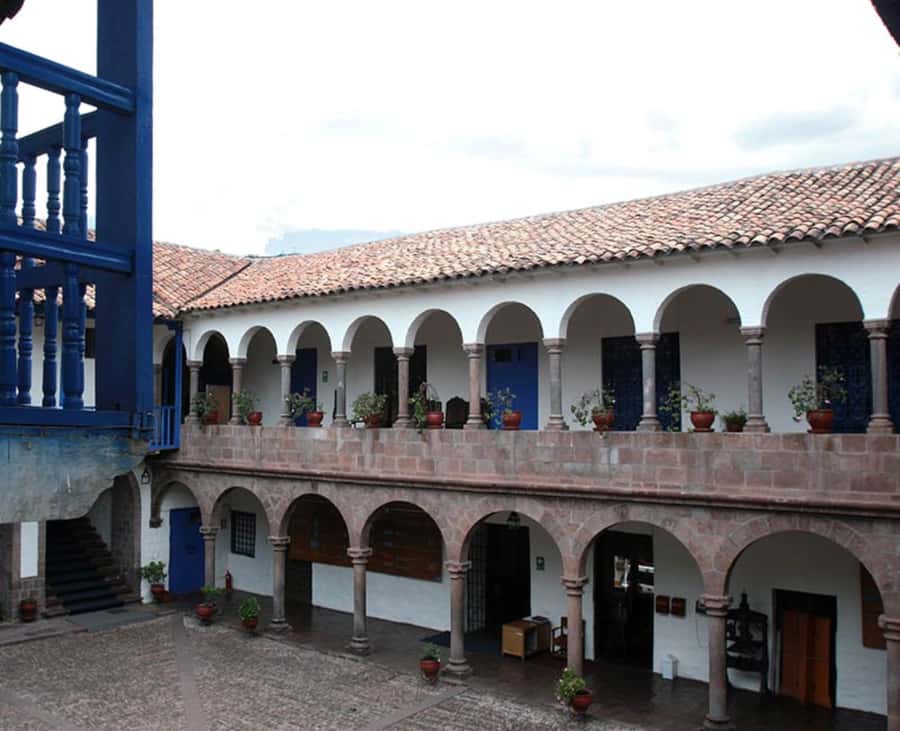
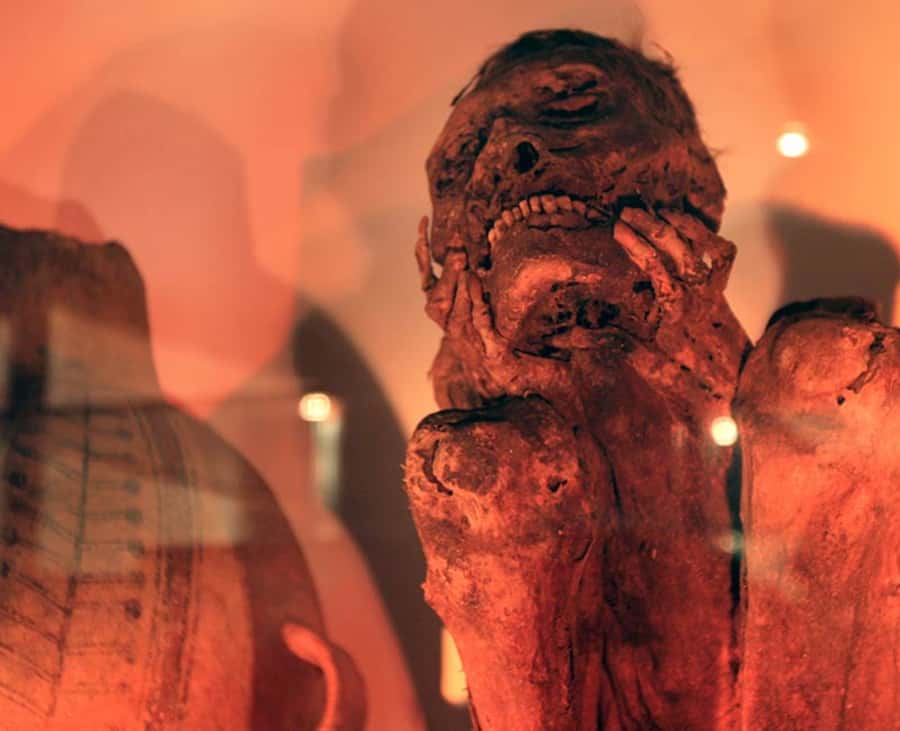
A lot of Cusco itineraries lean heavily on ruins. Circuit III adds a smart counterweight: museums that keep you grounded in culture and interpretation, not only architecture.
Qorikancha Site Museum is a key pick because it connects directly to Cusco’s historic center. When you pair it with the Inca architecture and broader sites you’ll visit, it can make the city feel less like a gateway and more like part of the story.
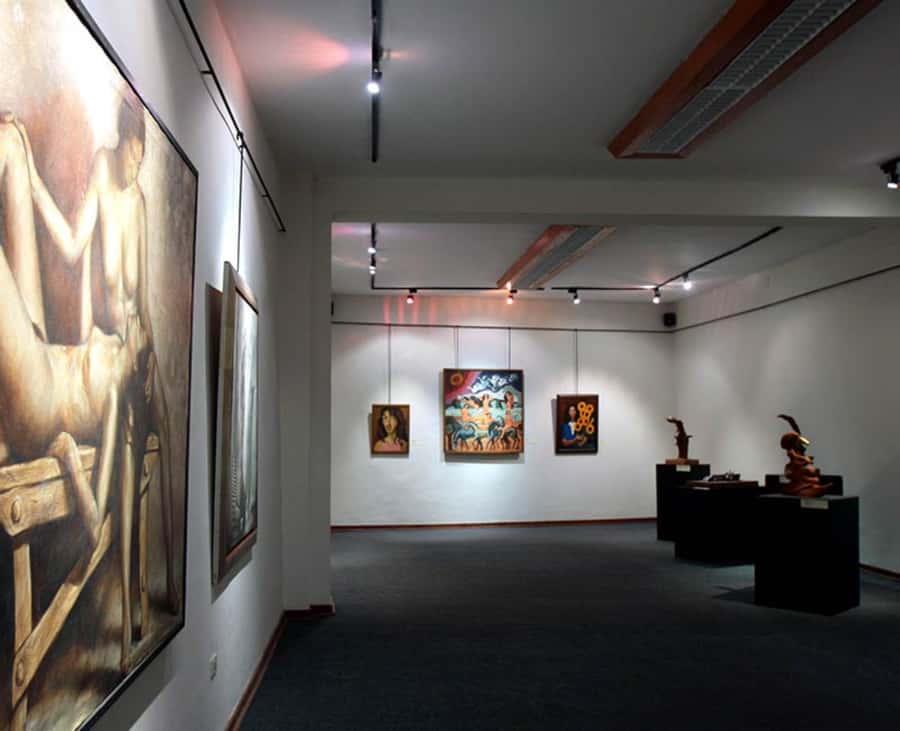
You also get access to three museum stops focused on different angles of art and heritage:
- Regional Historical Museum
- Popular Art Museum
- Museum of Contemporary Art
Plus there’s the Qosqo Native Art Center. If you like understanding living traditions alongside archaeological ones, this kind of stop is a good rhythm change during a longer stay.
What I like about including museum admissions in the same ticket system is the flexibility. If you hit a weather shift, a slow-morning day, or just want a lighter schedule, museums are often the easiest way to keep your plan moving without losing the chance to learn something.
Price and value: is $30 per person worth it?
At $30 per person, the value depends on one thing: whether you’ll actually use your circuit for all (or most) included admissions.
Here’s the math in plain terms. Instead of paying separate entrance fees each time you visit a major site or museum, this pass bundles those admissions based on your chosen Circuit I, II, or III. That can be a big money-saver if you’re doing multiple stops across Cusco and the Sacred Valley.
Circuit I is best if you only need the Sacsayhuaman Park set and you’re staying in Cusco briefly. Circuit II is best if you’re doing the classic Sacred Valley route. Circuit III is best if you want the longer stay experience and also want museums in the mix.
The other part of value is time. When your ticket is delivered in advance (as reflected in multiple positive experiences), you start your sightseeing without delay. That’s not just convenient—it helps you avoid wasted half-days when you have to track down tickets first.
Logistics that actually matter: where your pass arrives and how you use it
Your ticket delivery is one of the most praised parts of the experience. The pass can be delivered to your hotel within the historic center. If you’re staying outside the historic center, delivery is to the Plaza de Armas.
That detail matters because it reduces friction on arrival. Instead of waiting around or chasing paper, you can get set up and go.
Your meeting point can vary depending on which option you book. So I’d treat this as a “check before you head out” item, especially on your first day with the pass. Starting times also depend on availability for the selected circuit.
One more practical note: the ticket is valid for 1 to 10 days depending on the circuit. That means you can structure your days around included admissions, rather than forcing specific dates on yourself.
Who this pass suits best, and who might prefer something else
This pass fits well if:
- you want to see a lot of major archaeological parks and museums without paying admission-by-admission
- you’re comfortable planning your own route
- you like having a clear list of included places, then shaping your day around them
It might not be the best fit if:
- you want guided interpretation as part of the experience, because tours are not included
- you prefer a super slow, highly paced day at only one site (a one-day circuit can feel busy)
- you’re unsure how many days you’ll truly have for Cusco and Sacred Valley sightseeing, since choosing the circuit wisely helps you get full value
If you’re the DIY planner type, this is a strong match. If you want someone to handle the route and narrative for you, you’ll likely want this pass plus a separate guided tour for at least your most important day.
Should you book this Cusco Tourist Ticket pass?
Yes, if you’re doing Cusco and the Sacred Valley and you want admission handled in one step. The $30 price point works best when you’ll actually use the circuit you choose, and the fact that tickets can be delivered to your hotel makes it easier to start sightseeing immediately.
I’d book it if you want flexibility: a short Cusco primer (Circuit I), a focused Sacred Valley route (Circuit II), or a longer stay with both ruins and museums (Circuit III). If you’re worried you might over-schedule, plan fewer days with big site visits and use the museums as your “reset” days.
If you want a guided experience throughout, consider using this pass for the admissions and adding tours separately. Otherwise, the ticket is a practical foundation for building an authentic Cusco itinerary with real substance.
FAQ
What is included with the Cusco Tourist Ticket pass?
It includes admission to specific archaeological parks and museums depending on the circuit you choose: Sacsayhuaman sites for the 1-day option, Sacred Valley sites for the 2-day option, and a larger set of archaeological sites plus multiple museums for the 10-day option.
How long can I use the ticket?
It’s valid for 1 day, 2 days, or 10 days depending on whether you book Circuit I, Circuit II, or Circuit III.
How much does it cost?
The price is $30 per person.
Where will my ticket be delivered?
Your ticket will be delivered to your hotel if you are within the historic center. If your establishment is outside the historic center, delivery is to Plaza de Armas.
Do I need to join a tour?
No. Tours are not included, so you’re using the pass for admission while planning your own route.
Which sites are included in Circuit I?
Circuit I includes entry to Sacsayhuaman, Qenqo, Tambomachay, and Puca Pucara inside Sacsayhuaman Archaeological Park.
Which sites are included in Circuit II?
Circuit II includes entry to Pisac, Ollantaytambo, Chinchero, and Moray in the Sacred Valley.
What sites and museums are included in Circuit III?
Circuit III includes entry to Sacsayhuaman Archaeological Park sites, Sacred Valley sites, plus additional archaeological sites and several museums including the Museum of Contemporary Art, Qorikancha Site Museum, Regional Historical Museum, and the Popular Art Museum, along with other listed sites and art-related stops.