REVIEW · LIMA
Lima: Spiritual Healing with Xanga – The Smokeable Ayahuasca
Book on GetYourGuide →Operated by Xangaperu · Bookable on GetYourGuide
Lima can be your Ayahuasca moment. This smokeable Xanga ceremony brings the same active ingredient as Ayahuasca into a much shorter, more accessible session, set on a mountaintop area near Huaca de la Luna 420. You’re not traveling deep into the jungle for a big spiritual reset.
I like two things a lot here. First, Paul’s approach is structured and steady, so you know what’s happening instead of guessing. Second, Xanga’s effects are shorter (about 15 to 30 minutes), and it’s said to be much less likely to cause nausea or other unwanted effects than drinkable Ayahuasca.
One consideration before you go: it’s not for everyone. If you’re pregnant, under 18, or you’re dealing with health issues or prescription medications, you need to check first. Also, the day includes hiking in the sun, so comfortable shoes and a hat really matter.
In This Review
- Key things I’d underline before you book
- Xanga vs. Ayahuasca: what this smokeable option really changes
- Huaca de la Luna 420 meeting point and the mountain time that sets the tone
- Cleansing ritual first: Palo Santo, white sage, and sacred essences
- Pachamama, Coca Ceremony, and Hapé: ancestral work and energetic channel clearing
- Sound therapy and the Xanga journey: what the timing means for your mind
- Fruit, refreshments, and integration: how you return to normal
- Price and value: is $300 worth it for a 4-hour small-group ceremony?
- Who this is for (and who should skip)
- Should you book this Lima Xanga ceremony with Paul?
- FAQ
- Where is the meeting point?
- How long does the ceremony last?
- How long is the hike?
- Is transportation included?
- What is the group size?
- What languages are offered?
- Is Xanga allowed for pregnant women or children?
- Can I drink alcohol or take drugs before the ceremony?
- What should I bring?
- What ingredients are used in Xanga?
Key things I’d underline before you book
- Smokeable Xanga in Lima: Ayahuasca-style active ingredient, but in a shorter experience window
- Small group of up to 4: more personal support and space to reflect
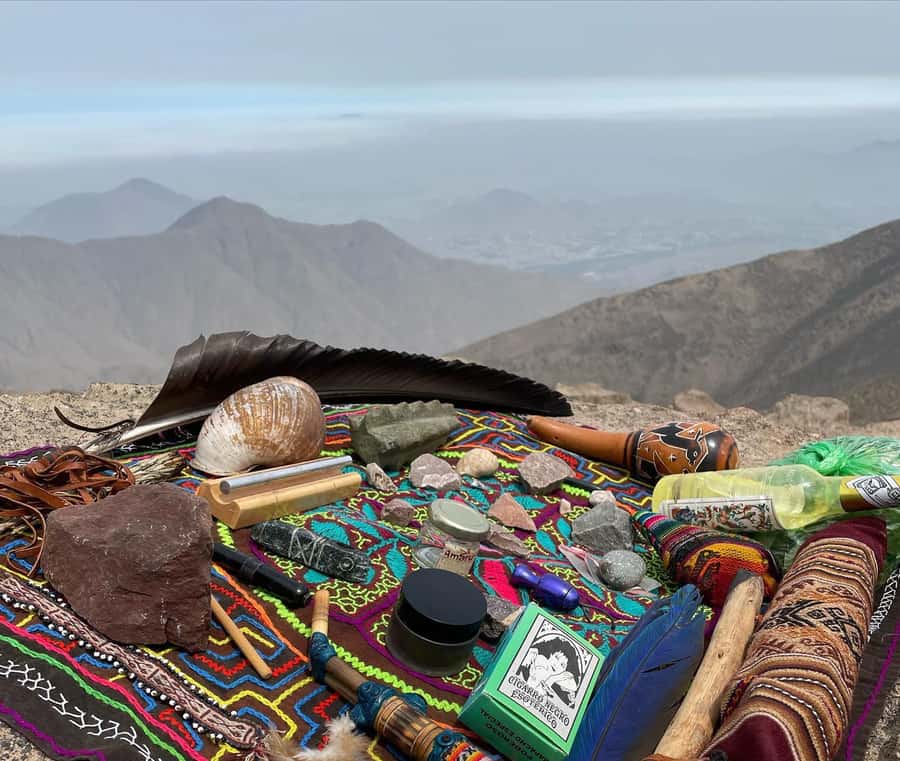
- Multiple ceremonies before the medicine: Palo Santo and sage cleansing, plus Pachamama, Coca, and Hapé rituals
- Designed to reduce side effects: less likely nausea/vomiting, with a return to normal afterward
- Mountain setting near Huaca de la Luna: the view and changing light add a lot to the vibe
- Integration included: fruit, refreshments, and integration therapy help you land after
Xanga vs. Ayahuasca: what this smokeable option really changes
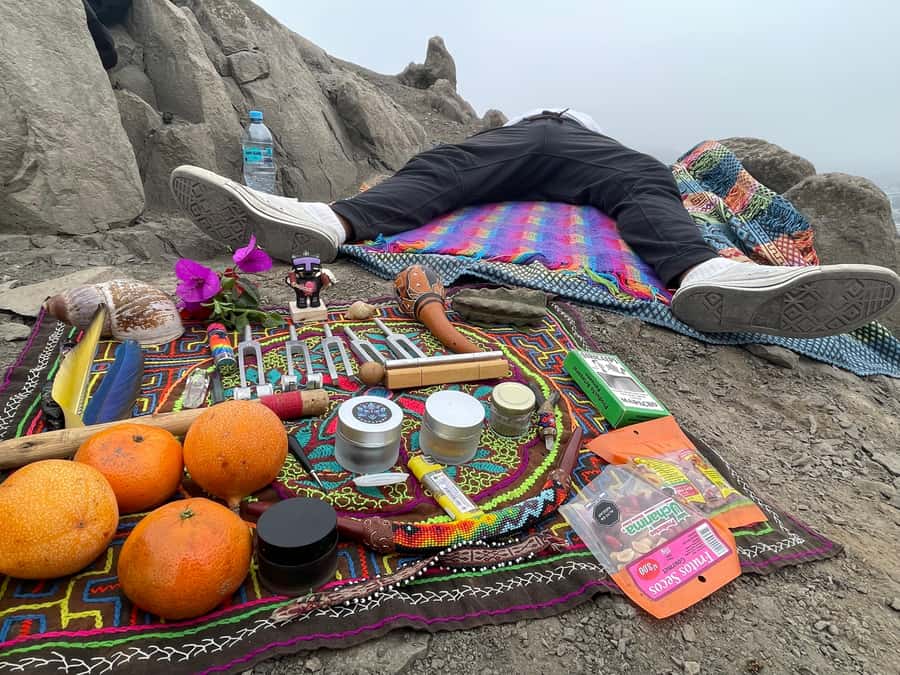
Most people hear Ayahuasca and think of a long, drink-and-wait experience that can last around four hours. Xanga follows the same core idea, but the big difference is timing and comfort. You’re working with a smokeable plant medicine made in-house from Mimosa Hostilis as the principal ingredient, plus Egyptian Blue Lotus flower, Syrian Rue, and other master plants.
The key promise is simple: same active ingredient as Ayahuasca, but typically a shorter journey. Expect the main effects to last about 15 to 30 minutes, and you can be guided to journey multiple times during the ceremony if you want. That can matter if you’re curious, but you don’t want a full-length brew sitting on your body and mind for hours.
What also matters is the way Xanga is described in terms of side effects. Unlike drinkable Ayahuasca, Xanga is said to rarely cause nausea, vomiting, or other undesired effects. I take that seriously because it changes the kind of experience you’re likely to have. If you’re nervous about feeling sick, this “shorter and gentler” angle may help you feel safer and more willing to show up.
That said, this is still a plant-medicine experience with spiritual and emotional work. The goal isn’t just a moment of visuals. You’re guided toward emotional stabilization, mental clarity, personal insights, spiritual growth, and a stronger connection to the natural world.
You can also read our reviews of more tours and experiences in Lima.

Huaca de la Luna 420 meeting point and the mountain time that sets the tone
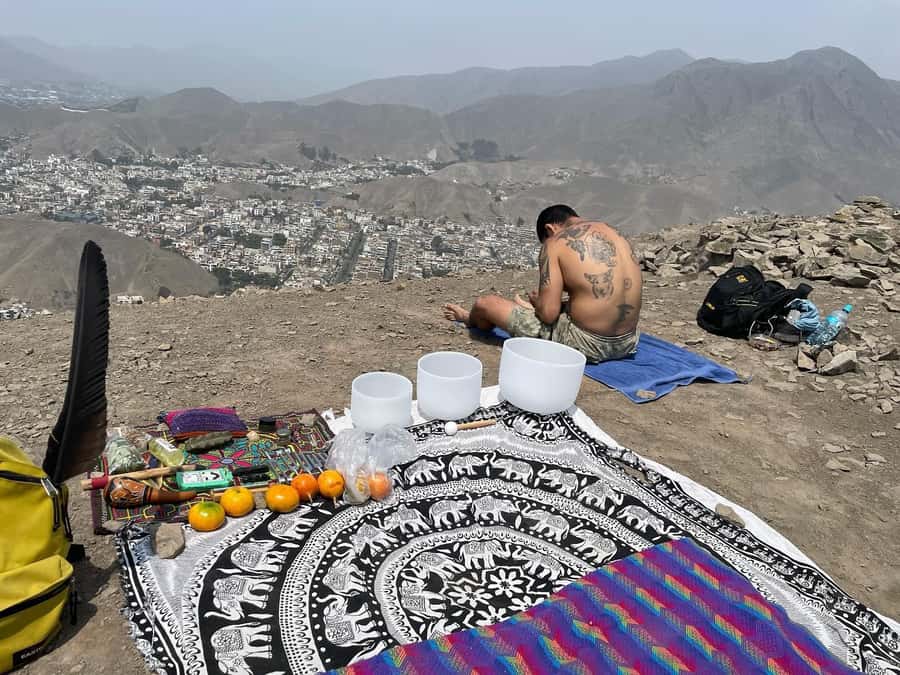
Your day starts at Huaca de la Luna 420, with very specific directions for getting there. The route is described like this: you pass Ovalo de los condores, continue up Los Fresnos past the church, keep going on prolongación de Los Fresnos until you come to Vilcabamba. Then you turn left and continue down Vilcabamba to Huaca de la Luna, turn right, and continue up Huaca de la Luna until you reach a grey building numbered 420. You’re in a building opposite with no number and wooden garage doors—call Paul or use the top-right intercom button when you’re outside.
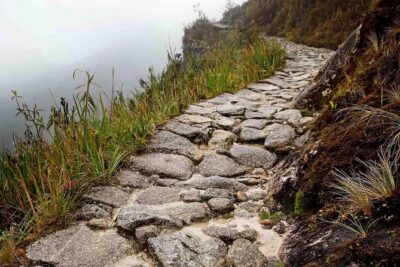
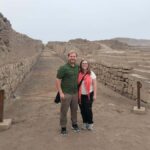
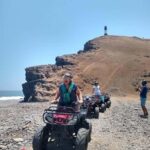
Why do I care about this? Because it sets the rhythm for the whole experience. Once you’re there, you transition from city stress into a slow climb. The program includes a hiking portion (the schedule notes a hike of about 30 minutes, and the ceremony part is also described as happening after a shorter mountain hike around 20 minutes). Either way, you’re going up and down outdoors, and you’ll feel the elevation and sun.
Bring a sun hat and a jacket. Even in Lima, mountain air can turn cool. Wear comfortable clothes you can move in. If your day usually runs hot, you may still want layers. The hiking isn’t described as technical, but comfort beats toughness.
There’s also a guided tour block built into the day (the schedule shows about 3 hours). I’d think of that time as part of “getting ready,” not just walking. You’ll have time to settle your mind before the ceremonies start, which is a big deal when you’re about to work with something intense.
Cleansing ritual first: Palo Santo, white sage, and sacred essences
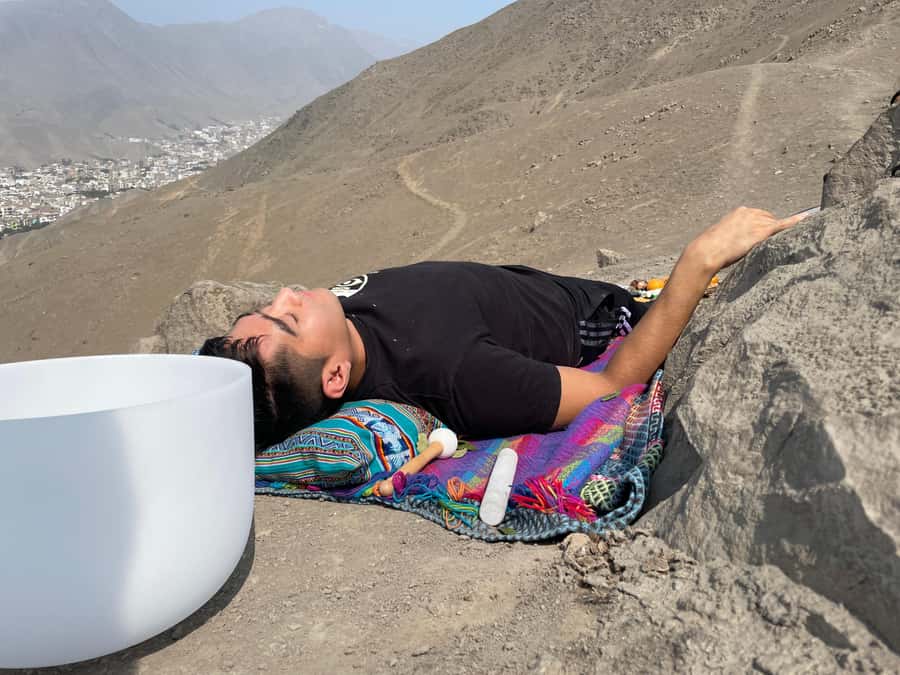
Before the medicine, you’re guided through a cleansing ritual designed to purify your mind, body, and spirit. The tools named are Palo Santo, White Mexican Sage, and Sacred Essences. This part is not filler. It’s meant to shift your energy state and help you arrive mentally.
Practically, this is where you slow down and stop treating the day like a performance. You’re not trying to “win” a spiritual experience. You’re getting your system ready. That matters because the ceremony includes more than one spiritual practice, and the intention of cleansing is to support everything that follows.
You’ll also make an offering to Pachamama, Mother Earth. Again, this is about respect and gratitude, not theater. If you’re new to Andean-inspired traditions, don’t worry about knowing the perfect words. The important part is your mindset: thanks, humility, and being present.
If you like structured spiritual work, you’ll probably appreciate that the ceremony isn’t just “here’s the smoke, good luck.” It’s staged. You’re guided into each step, including cleansing and symbolic grounding, so you don’t feel tossed into the deep end.
Pachamama, Coca Ceremony, and Hapé: ancestral work and energetic channel clearing
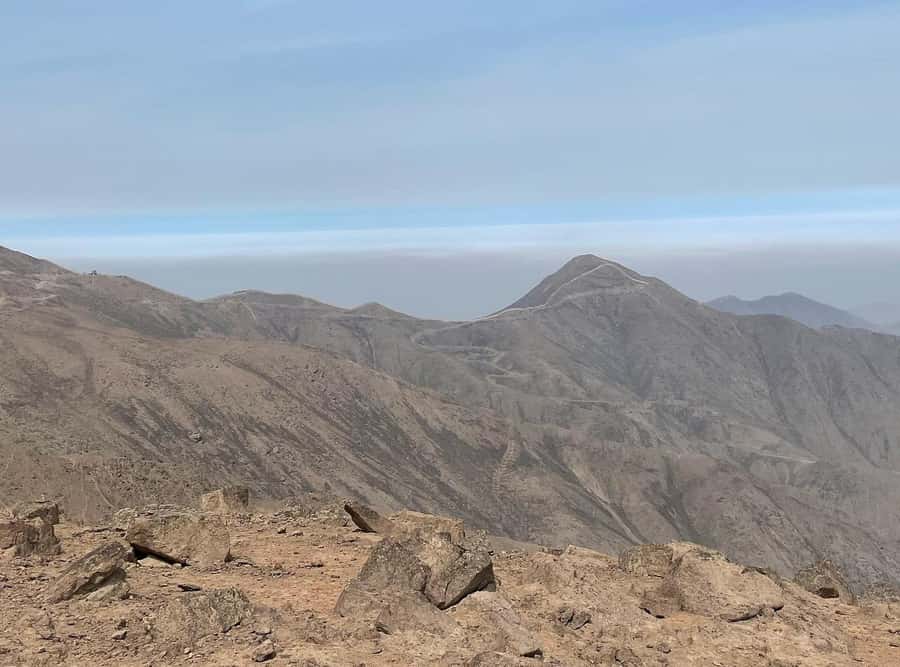
After the cleansing and offering, the day includes two more named ceremonies: a Coca Ceremony and a Hapé Ceremony.
The Coca Ceremony is positioned as a way to connect with ancestral energies. I like this framing because it connects “spiritual healing” to lived cultural practice rather than just abstract meditation. It gives the day meaning beyond the medicine itself.
Then comes Hapé, described as helping cleanse and open energetic channels. Even if you don’t use energetic language in your normal life, the real takeaway is that the ceremony is intentionally designed to prepare you for the medicine journey. You’re being guided to a state where you can receive, reflect, and process what comes up.
The overall theme across these steps is emotional and spiritual healing. The medicine work is described as helping release and heal deep emotional pain, break free from addictive behaviors, and strengthen a bond with the natural world. That can sound big, so I’ll translate it into everyday terms: the intention is to help you notice what’s stuck, feel it safely, and move toward change.
And you’re not doing it alone. Paul is the facilitator and is trained in Andean shamanic traditions, and the ceremony is designed to be individually tailored. In a small group setup (maximum 4 participants), that tailoring matters. You’re more likely to feel seen rather than processed.
Sound therapy and the Xanga journey: what the timing means for your mind
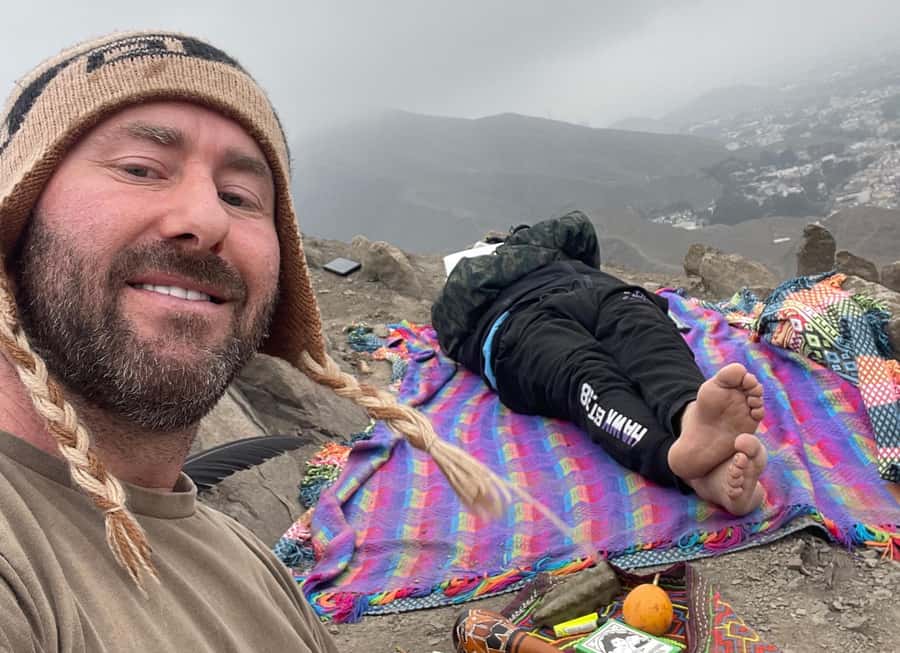
Once the pre-rituals are done, you relax and harmonize through sound vibrations with Sound Therapy. Sound is often overlooked, but in a ceremony like this, it can act like a steady anchor. It gives your mind something consistent when your inner experience gets intense.
Then you reach the heart of the program: the Xanga Ceremony with the smokeable medicine. The active ingredient is described as the same as Ayahuasca, but the experience is much shorter. Expect the main effects around 15 to 30 minutes. You’re welcome to journey various times during the ceremony, which means you may get repeated windows of introspection rather than one long wave.
This is where the structure helps. A short medicine window can be powerful because it forces focus. You can’t scatter attention across hours. Instead, you ride a contained arc: set intention, experience shift, then return to ground.
The ceremony is described as creating a transcendental journey for self-exploration and spiritual connection. The goal is emotional stabilization and mental clarity, plus personal insights and spiritual evolution.
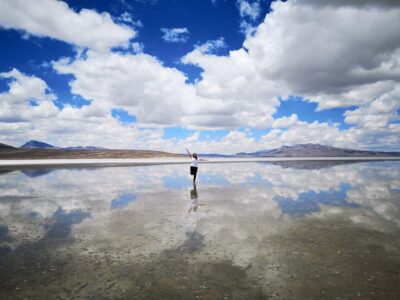
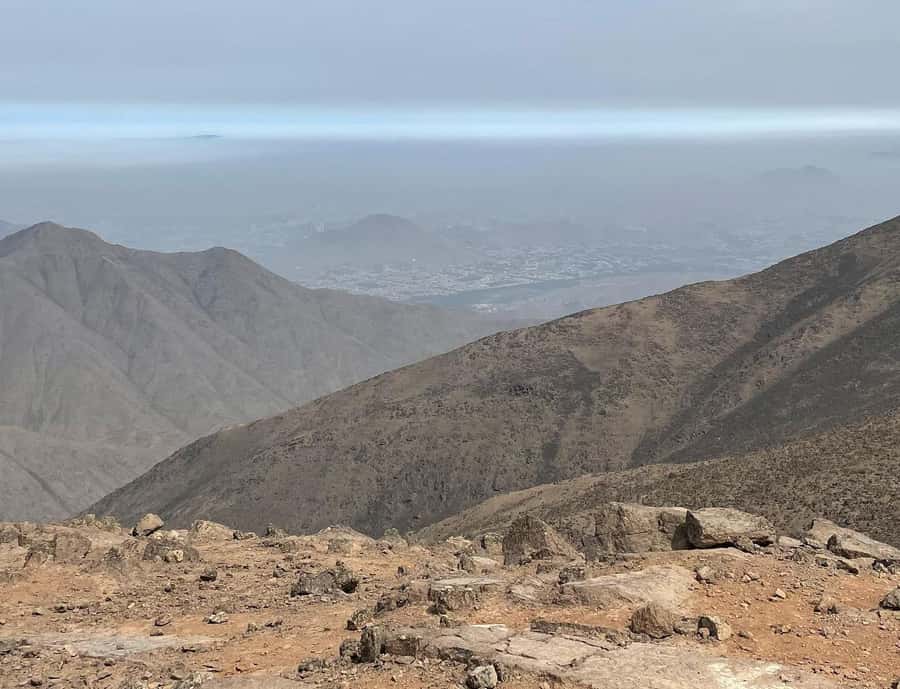
Also, the setting matters. The ceremony takes place on a mountain, and the views are part of the experience. One standout detail: people note that the changing light across the view adds to the whole day. That’s not random. When your eyes are open outdoors, it’s easier to come back to the present after the inner work.
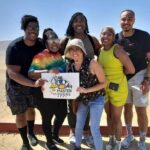
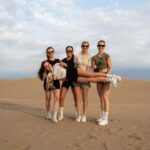
Fruit, refreshments, and integration: how you return to normal
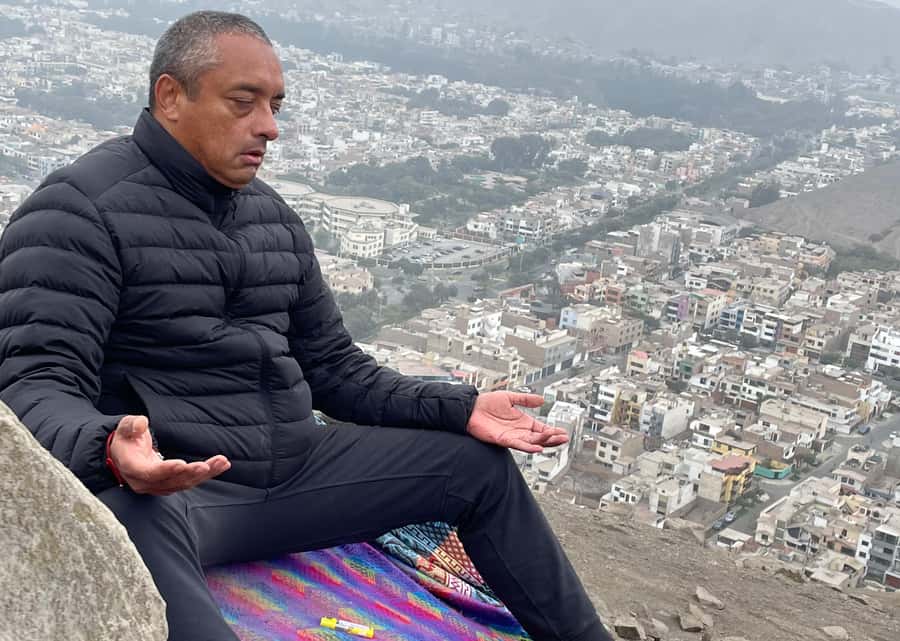
After the medicine and the ceremony steps, you reflect and connect with integration support. The program includes fruit and refreshments, plus integration therapy.
This is one of the most valuable parts, even if you’re the kind of person who thinks you’ll “figure it out later.” Integration helps you translate what you experienced into something usable. It can also keep the day from turning into a blur.
Importantly, the description says that by the end of the ceremony, participants return to complete normality with no undesired after effects. That matches the “shorter and less side-effect risk” positioning compared to traditional Ayahuasca.
And there’s a practical, human touch in how the day is presented: if the medicine isn’t for you, you can step away, reset, and still enjoy the fruit and the view. That matters because fear is real. A good facilitator doesn’t punish uncertainty; they help you stay grounded.
Still, go in with respect. The ceremony is described as intense for some people. Even with reduced nausea risk, this is spiritual and psychological work. Plan your day so you can rest afterward. You’re not just tasting a trend—you’re doing healing practice.
Price and value: is $300 worth it for a 4-hour small-group ceremony?
The price is $300 per person for a duration of about 4 hours, with small group limits of up to 4 participants. That’s not cheap, but it’s not just paying for “a smoke.” You’re paying for a guided, structured, multi-part ceremony that includes:
- a mountain hike and time outdoors
- cleansing ritual (Palo Santo, white sage, sacred essences)
- an offering to Pachamama
- Coca Ceremony
- Hapé Ceremony
- Sound Therapy
- the Xanga Ceremony itself, with the possibility of multiple journeys
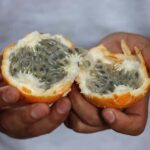
- fruit, refreshments, and integration therapy
Also, Paul is not just present during the medicine moment. He guides preparation and the full flow of the day, including keeping expectations clear. In plant medicine, that continuity matters because it reduces chaos and helps you feel safe.
What’s not included is transportation to the venue, plus personal expenses. So factor in taxi or ride-share costs if you’re staying elsewhere. If you’re budgeting, this is the main “extra” you’ll likely add.
I’d call this good value if you want a supported ceremony in Lima with less side-effect risk than traditional brew, and if you value integration. I wouldn’t call it value if you’re only looking for a casual novelty experience. This day asks for sincerity and attention.
Who this is for (and who should skip)
This experience is described in a clear “fit” way. It’s for adults who feel called to work on spiritual healing, emotional release, mental clarity, and personal insight. The ceremony includes individually tailored guidance, which is especially helpful if you’re unsure how you’ll react.
It’s not suitable for:
- pregnant women
- children under 18
You’re also instructed not to have consumed alcohol or other drugs for at least 48 hours prior to the ceremony. The same goes for any substances that could interfere with safety and your mental state.
If you have health problems or you’re using prescription medications, you should contact the organizer for advice before booking. That’s not bureaucracy; it’s basic safety.
You’ll also want to be ready for outdoors time and light physical activity. Bring the hat, jacket, and comfortable clothes. This isn’t a couch-spa ceremony.
Lastly, the language options are English and Spanish, and the tour guide is live. If language clarity matters to you (and with this kind of work, it does), that’s a big plus.
Should you book this Lima Xanga ceremony with Paul?
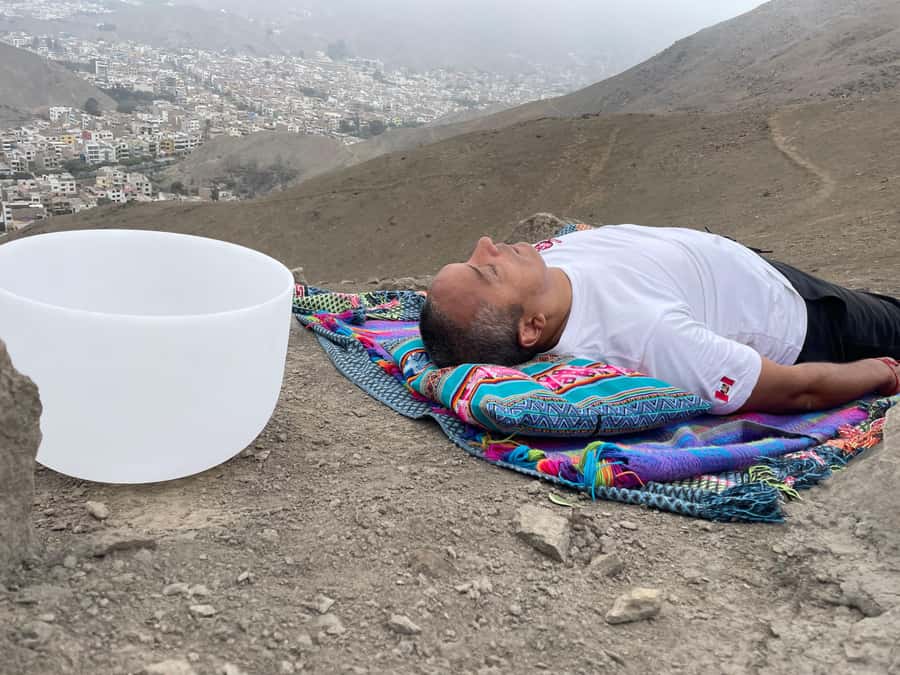
If you want Ayahuasca-style work without the long, full-brew timing, and you care about a safer side-effect profile, I think this is a strong option. The combination of pre-ritual cleansing, multiple Andean ceremonies (Pachamama, Coca, Hapé), sound therapy, and then guided Xanga journeys—with integration at the end—makes it feel like a complete day of practice rather than a single “medicine hit.”
I’d only skip if you fall into the stated non-eligibility groups, if you’re not willing to follow the no-alcohol/no-drugs window, or if hiking in the sun sounds like a deal-breaker for you.
FAQ
Where is the meeting point?
The meeting point is Huaca de La Luna 420. The directions include passing Ovalo de los condores, continuing up Los Fresnos past the church, going to Vilcabamba, then turning left toward Huaca de la Luna and looking for a grey building marked 420.
How long does the ceremony last?
The total experience is about 4 hours. The medicine effects are described as lasting about 15 to 30 minutes, and you may have the option to journey various times during the ceremony.
How long is the hike?
The program includes mountain hiking. The schedule mentions 30 minutes of hiking in each direction, and the ceremony itself is described as involving a 20 minute hike up to the mountaintop.
Is transportation included?
No. Transportation to the venue is not included.
What is the group size?
It’s a small group limited to 4 participants.
What languages are offered?
The live tour guide is available in English and Spanish.
Is Xanga allowed for pregnant women or children?
No. It is not suitable for pregnant women or children under 18.
Can I drink alcohol or take drugs before the ceremony?
No. Alcohol and drugs are not allowed, and you should not have consumed alcohol or other drugs for at least 48 hours prior to the ceremony.
What should I bring?
Bring a sun hat, a jacket (light jacket is advisable), and comfortable clothes.
What ingredients are used in Xanga?
Xanga is described as being made from Mimosa Hostilis (principal ingredient), Egyptian Blue Lotus flower, Syrian Rue, and various other master plants.