REVIEW · CUSCO
Planetarium Cusco Trip
Book on GetYourGuide →Operated by XPLORA AMERICA · Bookable on GetYourGuide
Stargazing starts with Inca myths. This Planetarium Cusco trip turns Cusco’s night sky into a guided story, with an Inca astronomy talk followed by a sky projection over the dome and then real stargazing through professional telescopes when weather cooperates. I especially like that you get both the explanation and the hands-on observing in one smooth 150-minute plan, and you’re not stuck figuring anything out alone. One thing to consider: the telescope portion is weather-dependent, so plan for the possibility that the sky might not be clear.
If you’re in Cusco and want something more original than another museum stop, this is a very direct switch from city streets to constellations. The observatory setup is described as one of the most original in the world, and the format is simple: learn, watch, then look up again.
In This Review
- Key things to know before you go
- Planetarium Cusco: What this 150-minute outing really feels like
- Getting there from Plaza de Armas: the timing matters
- Inside the observatory: Inca astronomy before you look up
- Dome projection of Inca constellations: where the story becomes visual
- Telescope time: the payoff, and the weather catch
- Included value vs what you’ll handle on your own
- Who this planetarium trip is best for (and who might skip it)
- What the reviews suggest about the experience
- Should you book Planetarium Cusco? My call
- FAQ
- What time do I meet for the Planetarium Cusco trip?
- How long is the experience?
- How far is the planetarium from central Cusco?
- What happens inside the planetarium?
- Are telescope observations guaranteed?
- What languages are available?
- Is transportation included in the price?
- Is food included?
Key things to know before you go
- Meet in central Cusco at 5:40 p.m. and ride by minibus to the planetarium in under 20 minutes
- Inca astronomy talk in the interpretation rooms to set the scene for what you’ll see
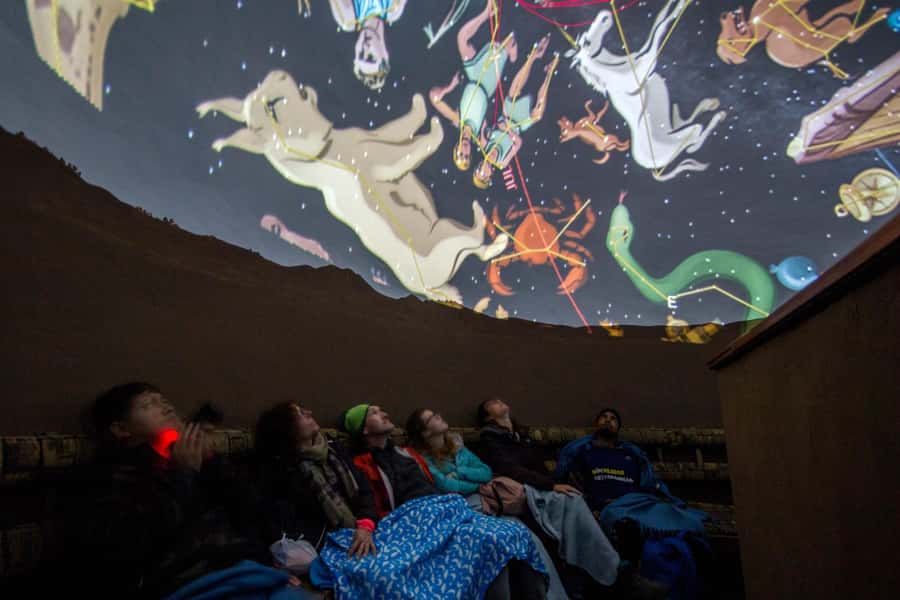
- Virtual projection over the planetarium dome so Inca constellations feel tangible
- Telescopes for close-up viewing, but only if conditions are good
- English-speaking guide plus entry to the Planetarium Cusco included in the price
Planetarium Cusco: What this 150-minute outing really feels like
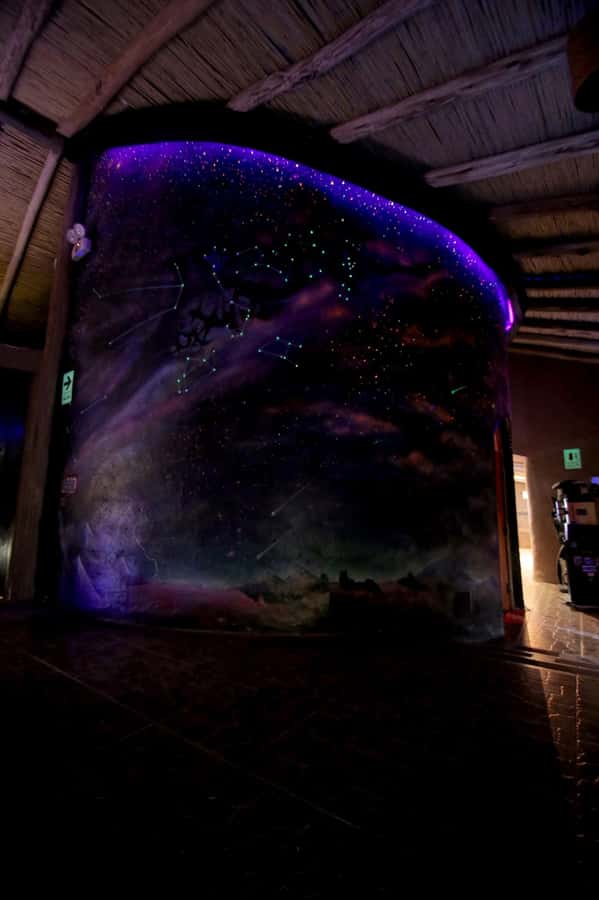
This tour is built for people who like structure but still want wonder. You meet in central Cusco in the evening, ride a short distance to the observatory, and then the experience unfolds in layers: first you’re taught how the Incas mapped the sky, then you watch the night sky recreated over the dome, and finally you try to spot the real thing with telescopes.
The total time is listed as 150 minutes, and the schedule you’re given runs from a 5:40 p.m. meetup until you’re back around 7:40 p.m. That extra cushion usually helps the group move calmly from pickup to explanation to dome viewing. Translation: you’re not rushed, but you also shouldn’t expect lots of free time to wander. This is a guided sequence, and it works best if you’re ready to follow along.
The biggest value, in my view, is that it’s not only “watch a show.” You’re learning a cultural lens for the sky, then you’re matching that lens to what you can actually see overhead.
You can also read our reviews of more tours and experiences in Cusco.


Getting there from Plaza de Armas: the timing matters
The plan starts at 5:40 p.m. when you meet in the center of Cusco. From there, you board a minibus that takes you to the Planetarium Cusco, located less than 20 minutes away.
Why this matters: in Cusco, evening light changes fast, and clarity in the sky is something you can’t control. A near-direct transfer means the sky-observing part is more likely to happen while conditions are still usable. It also reduces the mental load for you. You don’t have to figure out how to reach an observatory on your own after a day of walking.
Also, because the tour wraps back at the Plaza de Armas square by about 7:40 p.m., it fits nicely if you want an evening activity without disrupting a full dinner schedule later.
Inside the observatory: Inca astronomy before you look up
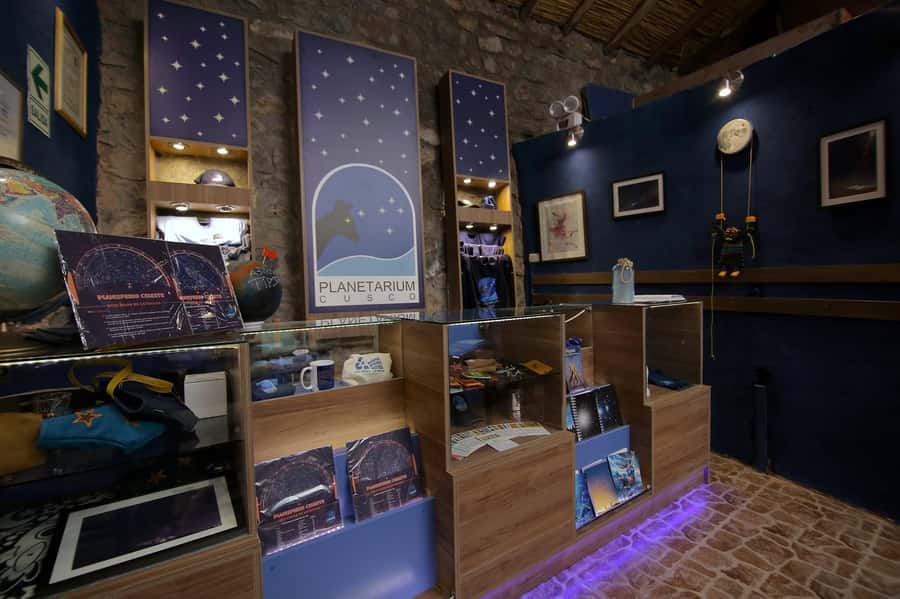
Once you arrive, you’ll spend time in the interpretation rooms with an English-speaking guide. This is the part that turns stargazing from random points into a meaningful map.
The focus is how the Incas saw the stars and the universe. Even if you’ve never studied astronomy, this talk is designed to give you the mental framework to recognize what you’re about to be shown. And that matters, because dome projections and telescope viewing are way more satisfying when you understand what you’re hunting for.
I like that the teaching happens first, not last. You’re not just watching shapes on a screen and hoping they line up with the real sky. Instead, you get context for the Inca constellations you’ll later experience under the dome and, if possible, in the night sky.
Dome projection of Inca constellations: where the story becomes visual
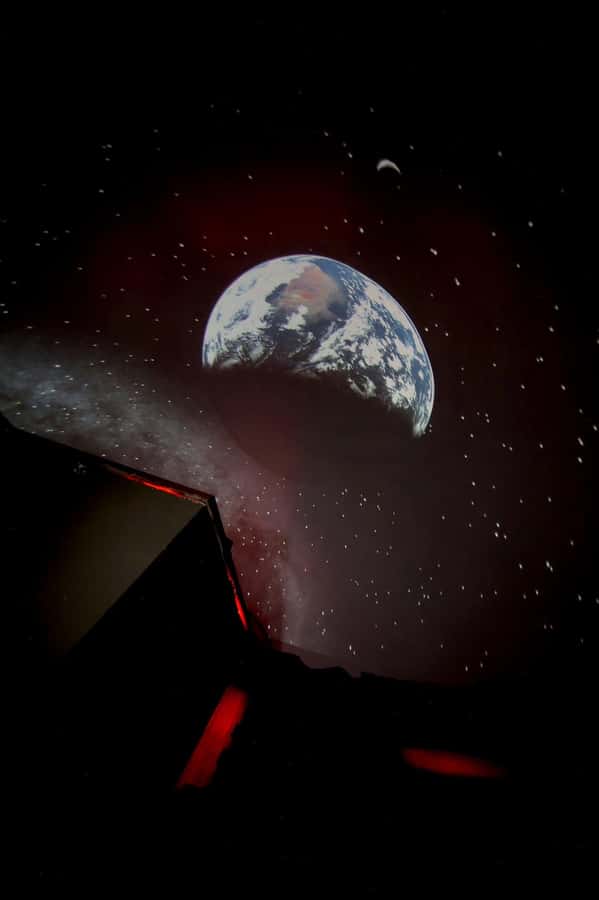
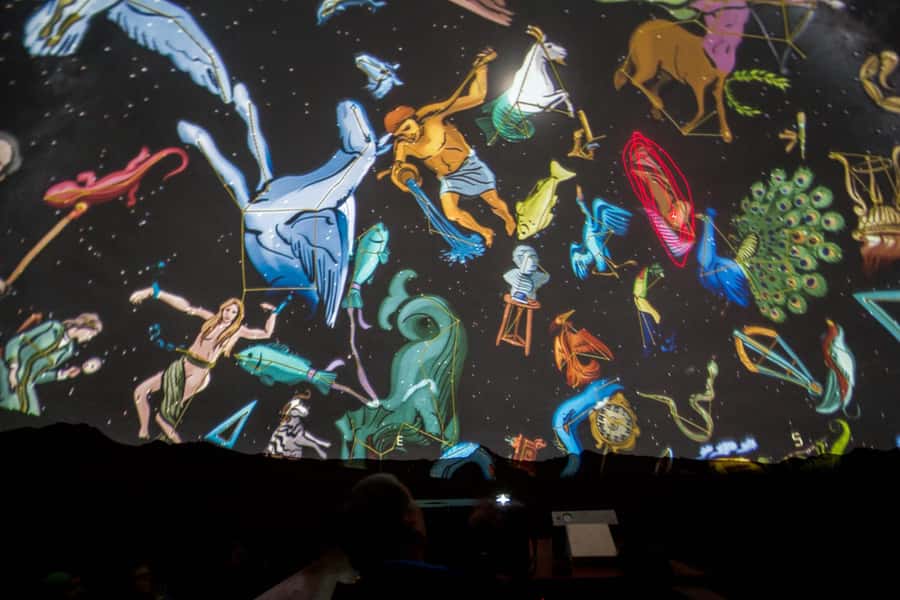
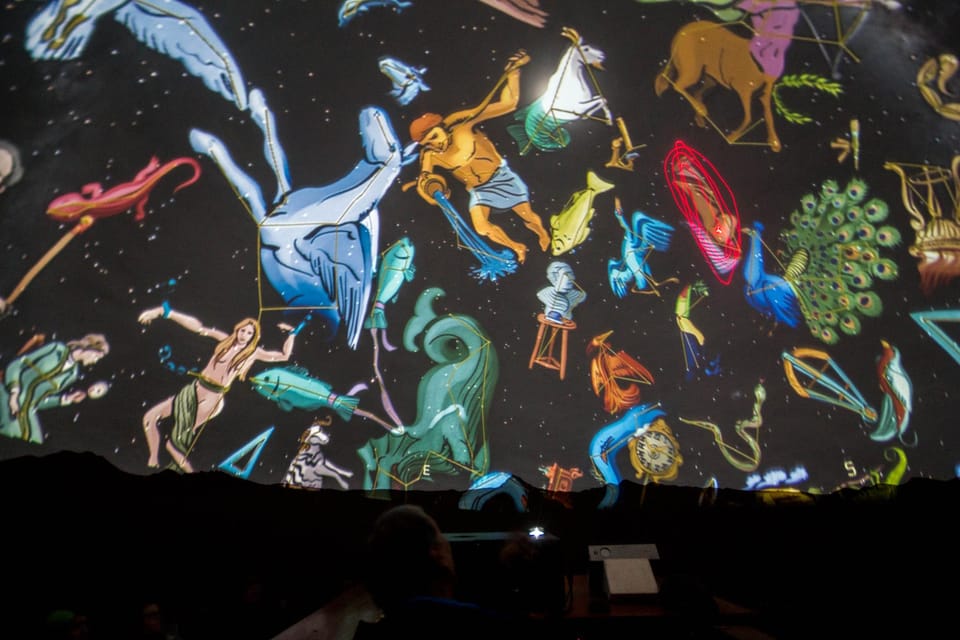
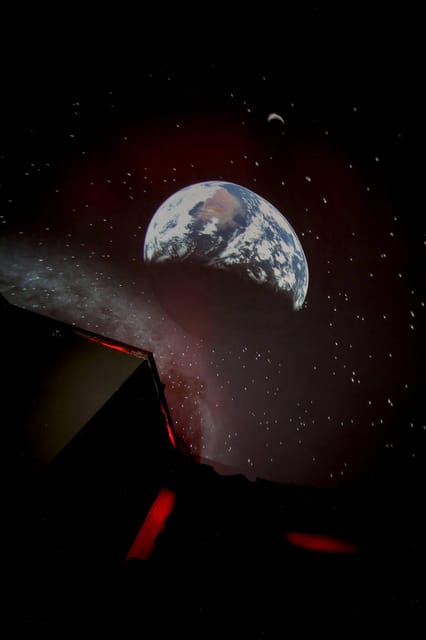
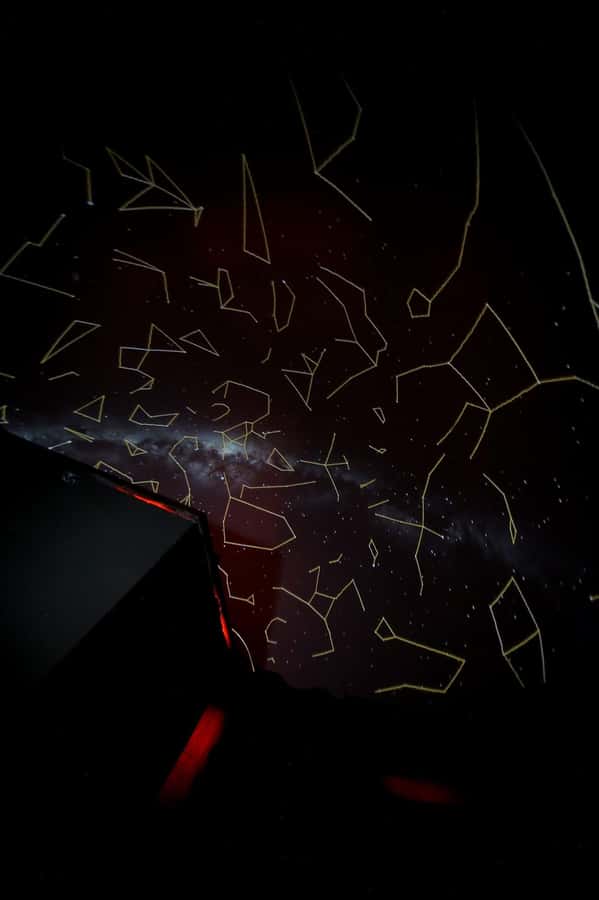
After the talk, you move into the dome for a virtual projection of the sky. This is where you witness the Inca constellations over the planetarium dome.
Here’s what makes this step especially useful: it bridges the gap between cultural astronomy and what your eyes see. In the dark, it’s easy to feel lost. The dome projection helps you connect names and patterns to a full-sky view, so the experience becomes guided looking, not guessing.
One practical tip: go in with your attention switched on. The projection is likely the time when the guide’s explanations sync most closely with what you’re viewing. If you drift into phone-scrolling mode, you’ll probably feel like parts of the constellations blur together.
This part also helps you in bad-weather scenarios. Even if real telescopes don’t happen, you still get the main “see it explained” component.
Telescope time: the payoff, and the weather catch
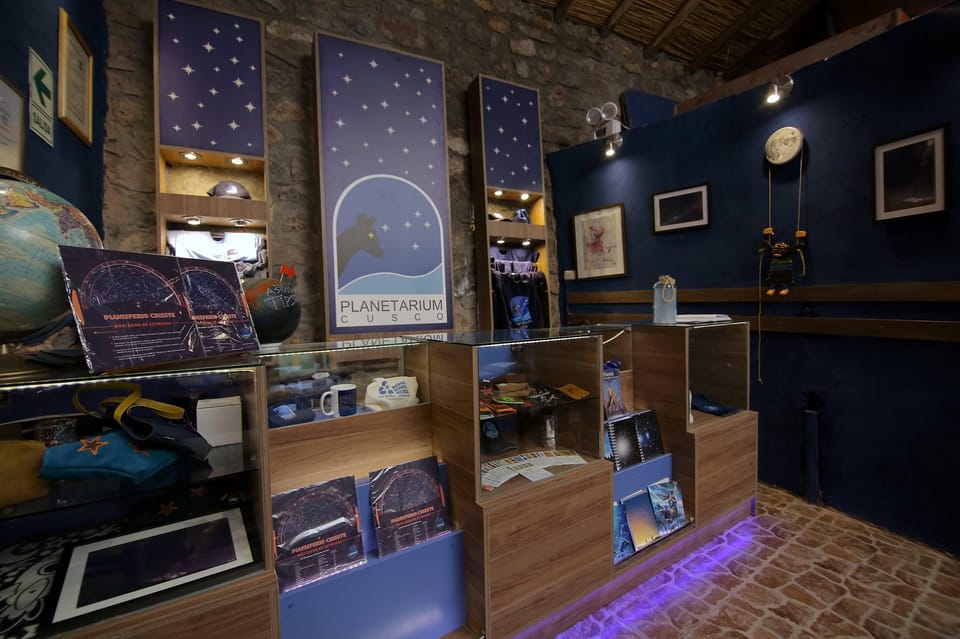
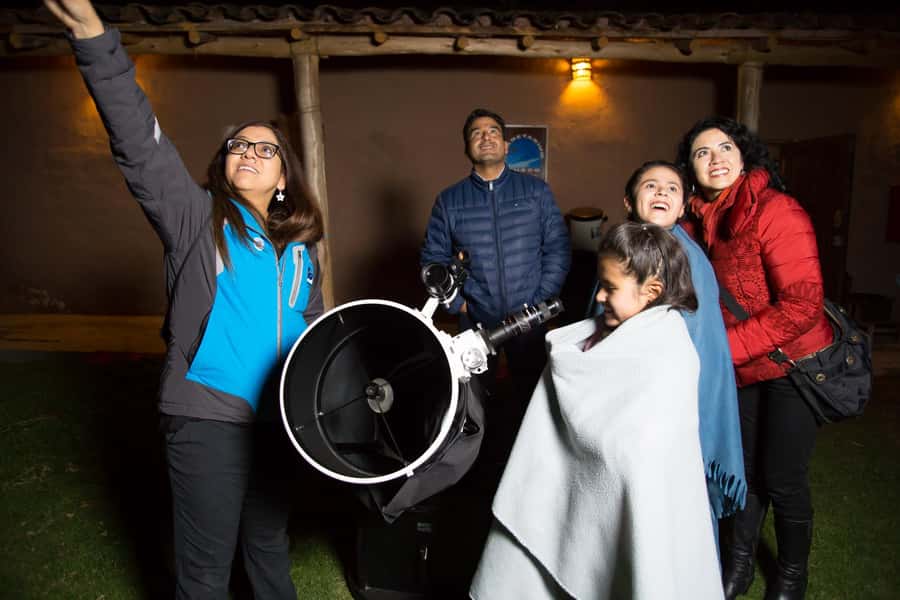
The tour includes the chance to use the planetarium’s professional telescopes to view stars in close detail. This is described as being subject to weather conditions, which is a big deal in the Cusco region.
So what should you expect? If the sky is clear, this is the moment that feels like you’re finally doing more than watching. You’re looking at distant points of light with the help of equipment designed for real viewing.
If the weather is cloudy or unstable, you might miss the telescope portion. That’s the main drawback to keep in mind when you’re choosing your evening plans. Still, you’re not paying only for a telescope session. You also get the guided Inca astronomy talk and the dome projection, which are scheduled before the weather-dependent step.
My advice: dress for cool evening temperatures. Even when you’re not told to bring layers, Cusco nights can feel sharp, and you’ll be better off if you’re comfortable standing still for star observing.



Included value vs what you’ll handle on your own
This tour includes:
- Transport by minibus
- An English-speaking guide
- Entry to the Planetarium Cusco
Not included: food.
At $43 per person for about 150 minutes, the value comes from the combination. You’re getting transportation to an observatory, the paid entry, a guided explanation in English, and access to the dome experience. That’s a lot of “organized parts” in one ticket, which usually costs more when you stitch it together yourself.
The only clear “you’ll need to plan” item is food. If you’re hungry, eat before you go. If you tend to get snacky between activities, consider bringing something simple for after, but keep it light because you’re mostly seated and standing around during the program.
Who this planetarium trip is best for (and who might skip it)
I’d recommend this tour if you want an evening activity that mixes culture and science without requiring prior knowledge. It’s also a good fit if you like guided experiences where someone sets you up to see something specific instead of telling you to wander.
It’s especially suitable for:
- Couples and solo travelers who want a clear plan with a guide
- People who don’t want a late-night bar scene in Cusco
- Anyone curious about how the Incas interpreted the sky
You might skip it if you’re the type who hates any weather-related uncertainty, because the telescope step is explicitly weather-dependent. Also, if you’re expecting a long, free-form astronomy night with lots of unsupervised time, this is more structured than that.
What the reviews suggest about the experience
The overall rating is 3.8 based on 4 reviews, which is a clue to keep expectations practical.
The strongest praise centers on passion and the project feel. One review described it as a very passionate family project, and another booking result marked it as perfect. That lines up with what you’d hope to experience here: a guide-led program that treats Inca astronomy like something worth caring about.
There’s also a key warning signal: one review reported that the guide never showed up. That doesn’t mean it will happen to you, but it’s enough to justify basic common-sense steps—like arriving a few minutes early at the meeting point and making sure you’re at the correct pickup time at the center of Cusco.
Should you book Planetarium Cusco? My call
I think it’s a good booking for the right traveler. If you want a guided introduction to Inca astronomy, a dome projection that helps you recognize constellations, and the chance to use telescopes if the sky cooperates, this is a strong use of an evening.
What would make me hesitate is the telescope uncertainty. If astronomy is your only priority and you can’t handle the weather outcome, you’ll want to weigh that risk.
If you do book, I’d go in with a simple goal: learn the sky patterns first, then enjoy the viewing. That order is what makes the experience feel complete.
FAQ
What time do I meet for the Planetarium Cusco trip?
You meet at 5:40 p.m. in the center of Cusco, then you head to the planetarium by minibus.
How long is the experience?
The duration is listed as 150 minutes, and the tour schedule returns you to the Plaza de Armas area around 7:40 p.m.
How far is the planetarium from central Cusco?
The planetarium is less than 20 minutes away by minibus.
What happens inside the planetarium?
You receive a talk on Inca astronomy in the interpretation rooms, then watch a virtual projection over the dome to see the Inca constellations, and you may also observe stars with the planetarium’s telescopes if conditions allow.
Are telescope observations guaranteed?
No. Telescope time is subject to weather conditions.
What languages are available?
The tour is offered in English and Spanish, with an English-speaking guide included.
Is transportation included in the price?
Yes. Transport by minibus is included, plus entry to the Planetarium Cusco.
Is food included?
No. Food is not included, so you’ll want to eat before or plan your own snack.