REVIEW · CUSCO
From Cusco: Lake Titicaca with a visit to Uros and Taquile
Book on GetYourGuide →Operated by MPTC GETS · Bookable on GetYourGuide
Lake Titicaca comes at you from every angle. This 2-day Cusco-to-Puno itinerary strings together Andahuaylillas, Raqchi, and then the lake itself, with a boat day on Lake Titicaca plus island time on Uros and Taquile.
Two things I like a lot: you get hands-on Uros island culture through a live demonstration, and you also get to taste lake life on Taquile, including fresh fried fish with quinoa cream. One thing to consider is the schedule: you start very early (pickup is usually around 6:25 a.m.), and day one includes long road hours before the lake portion.
In This Review
- Key moments that make this trip worth it
- Cusco to Lake Titicaca in 2 days: how the route actually feels
- Andahuaylillas church: 16th-century Jesuit art stop with big atmosphere
- Raqchi: walking among adobe and stonework from the Incan era
- La Raya and Pukara: mountain views plus a museum break
- Boat to Uros: floating islands and a guided cultural demonstration
- Taquile island: fresh fried fish and quinoa cream, plus local culture time
- Puno overnight and the late return to Cusco
- Price and value: what $259 really buys, and the small extra to plan for
- What to know before you go: timing, rules, and what to pack
- Who this tour fits best (and who should skip it)
- Should you book this Lake Titicaca route from Cusco?
- FAQ
- How long is the Lake Titicaca tour from Cusco?
- What’s included in the price?
- Where do you sleep overnight?
- What meals are provided during the tour?
- Do I get a boat ride on Lake Titicaca?
- What should I bring and what is not allowed?
Key moments that make this trip worth it
- Andahuaylillas (Jesuit “Andean Baroque”): guided art and church details from the 1500s
- Raqchi: Incan archaeological complex with adobe and stonework you can walk through
- La Raya viewpoint stop: mountain views tied to local reverence for sacred peaks
- Uros floating islands: a cultural demonstration and then a guided walking tour
- Taquile lunch: fresh fried fish plus quinoa cream on the island
- Comfortable Puno base: an overnight stay in a 3-star hotel, so you’re not rushing nonstop
Cusco to Lake Titicaca in 2 days: how the route actually feels
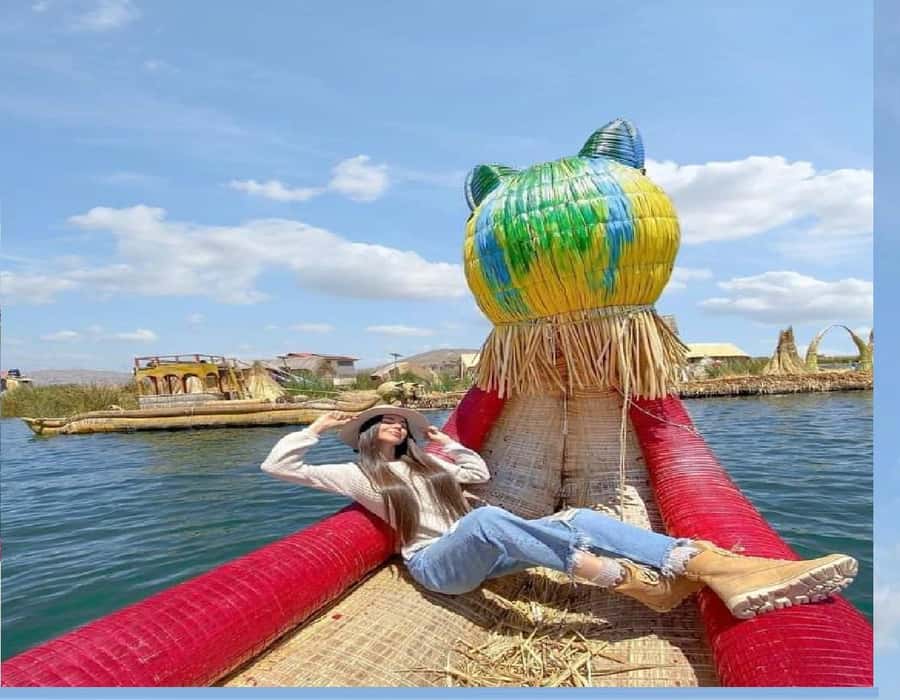
This tour is built for one goal: get you from Cusco to Lake Titicaca fast, without losing the chance to see a couple of major sites along the way. You’re looking at 2 days, with an overnight stay in Puno, and then an overnight return to Cusco after the lake portion.
Here’s what that means for your body and your planning. Day one is a long travel day first, then it becomes a full cultural day with multiple stops. Day two is more lake-focused and ends with a late departure (around 9:30 PM) back toward Cusco, arriving in the morning.
For me, the “value” of this format is that it stacks experiences: church art, Incan ruins, and then the water-world of Titicaca, all under one ticket price. The trade-off is less slow sightseeing time. If you hate early mornings and long bus stretches, this route can feel intense.
Also, you’re in a small rhythm of pickups and transfers. Your guide coordinates hotel pickup (they contact you the day before with instructions and your pickup time), then you move between bus, museum stops, and boat. The feedback from past participants highlights strong organization and timing—exactly what you want when the day is packed.
You can also read our reviews of more tours and experiences in Cusco.

Andahuaylillas church: 16th-century Jesuit art stop with big atmosphere
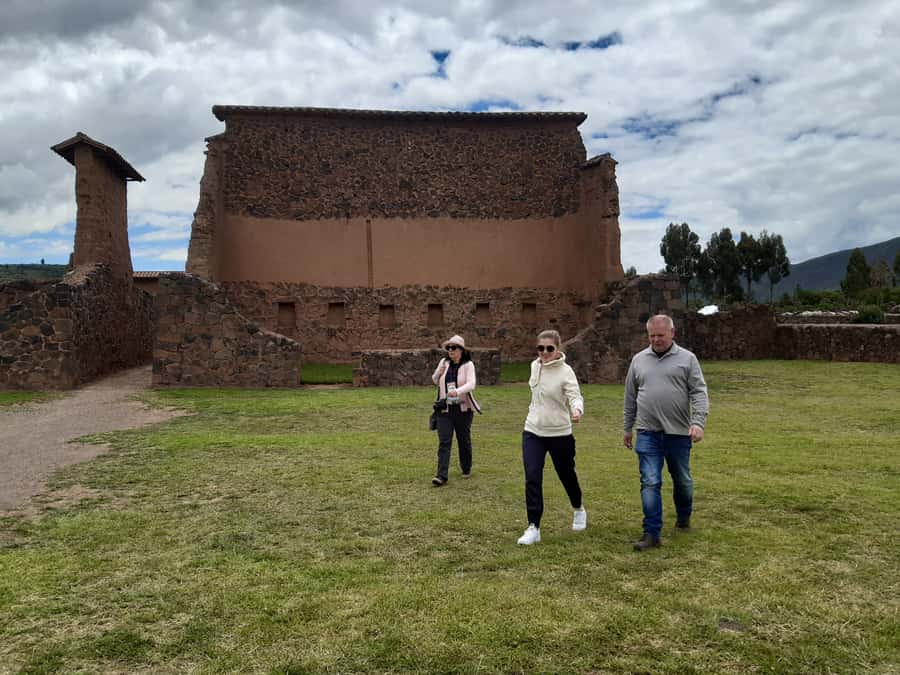
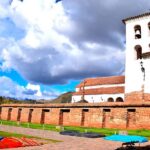
One of the first major stops on day one is Andahuaylillas, where you’ll visit a famous 16th-century Jesuit church. This is not a quick photo stop. You go with a guide, and you’ll get oriented to what you’re seeing—church artwork and decorative details that help you understand why this place mattered in the early colonial period.
What makes this stop feel worthwhile is the contrast. You start in the Andean world, then you see European religious architecture and decoration shaped by local reality. Even if you’re not a church-and-art person, a guided walk here helps the building make sense.
Practical note: you’ll be on your feet during a guided visit. Comfortable shoes are a must. (You’ll also want them for Raqchi and for island walking later.)
Raqchi: walking among adobe and stonework from the Incan era
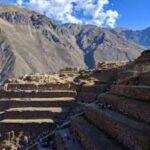
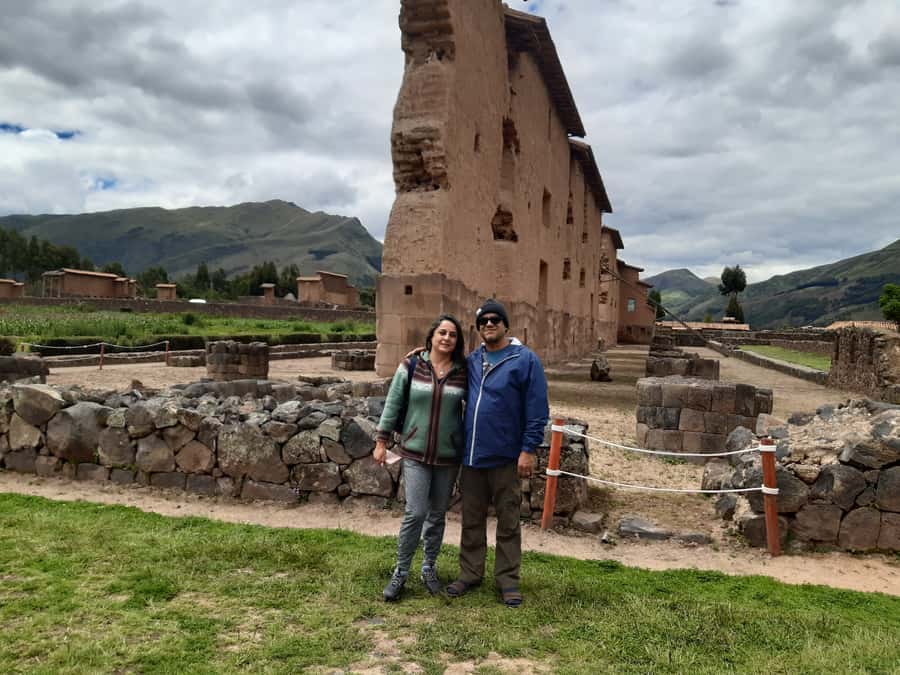
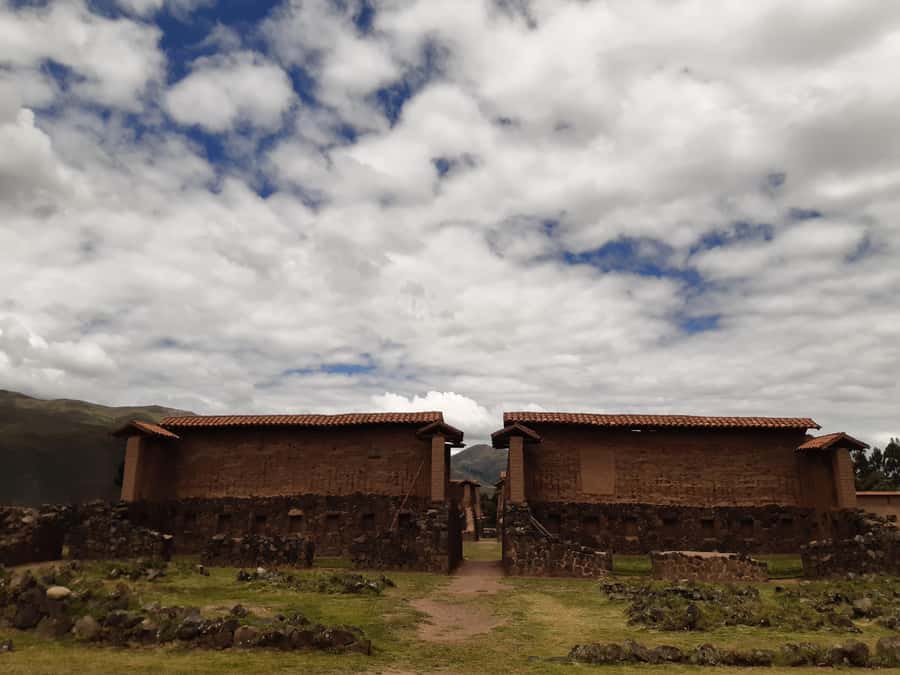
Next up is Raqchi, an Incan archaeological complex. You’ll walk through the site to admire ancient adobe and stonework. The experience isn’t about checking off a list. It’s about seeing how large-scale Incan structures were made, and how the materials and layout create a sense of place.
Raqchi works especially well inside this tour because you’re building context. You’ve already seen Andean-European religious architecture at Andahuaylillas, and then you’re shifting back to Incan engineering and building style. It gives you a clearer picture of how cultures layered over time in southern Peru.
Drawback to keep in mind: archaeological sites mean uneven ground and lots of walking. If you’re dealing with knee issues or you move slowly, you might want to plan for breaks. Still, it’s one of the best “sit down and explain later” stops in the day.
La Raya and Pukara: mountain views plus a museum break
Between archaeological stops, you’ll also stop at La Raya, a high mountain area with views that are considered sacred. You’ll get time to take in the perspective and connect the geography to local meaning.
Then there’s Litico Pukara, a museum stop tied to ancient cultures in the region. Museums can feel hit-or-miss on tours, but here it helps break up the long road day. You get a more grounded sense of what you’re seeing outside, not just moving from one place to another.
This is also where the tour’s pacing shows its strength. It doesn’t just throw you from stop to stop; it inserts moments that reset your attention: a viewpoint, then a museum, then back to transport and dinner/rest later in Puno.
Boat to Uros: floating islands and a guided cultural demonstration
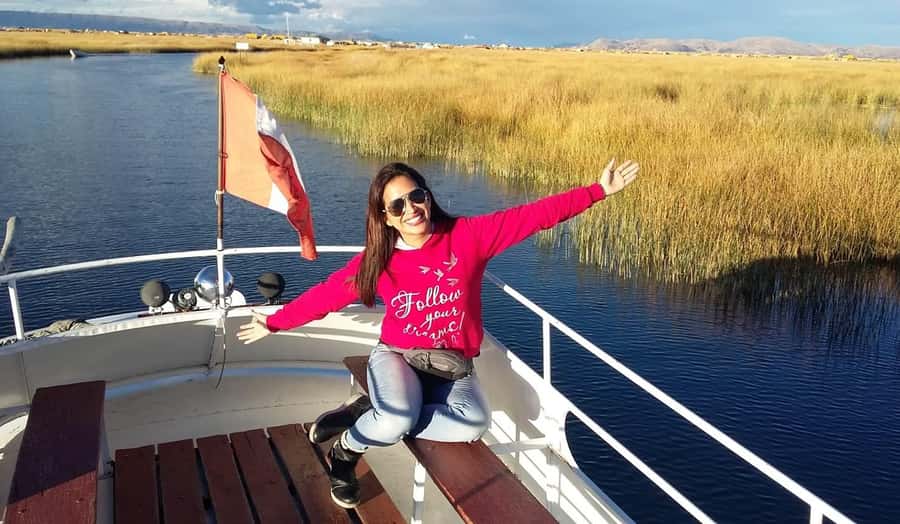
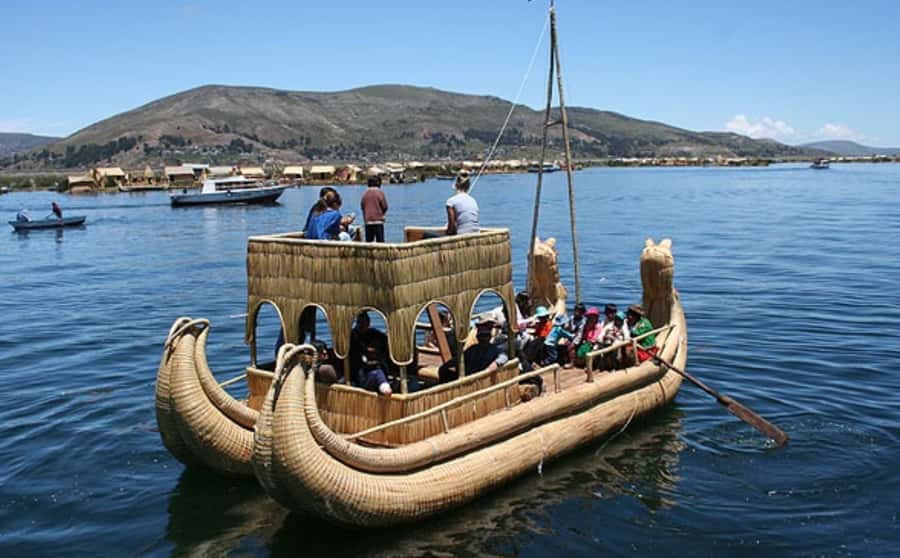
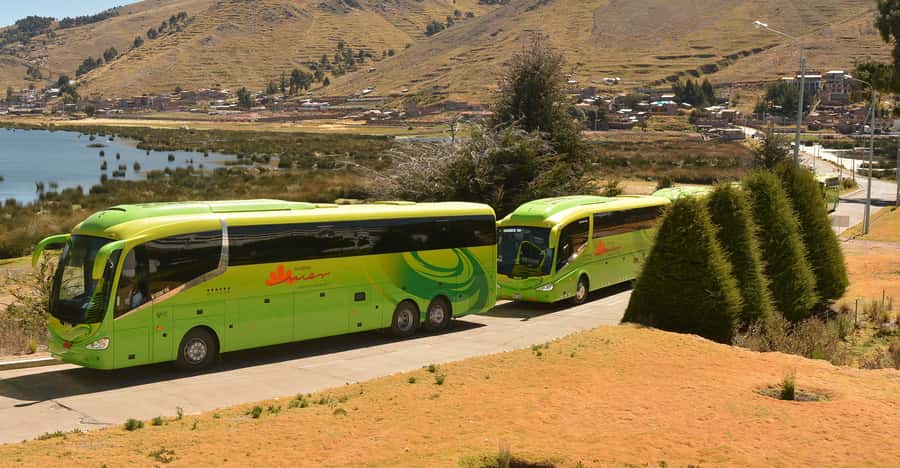
Day two starts with pickup from your Puno hotel and transport to the Port of Puno. Then you hop aboard a boat and cruise across Lake Titicaca, with views of mountains and towns along the shore.
The lake part matters because Titicaca isn’t just a backdrop. From the boat, you get a sense of scale—how wide the water is, and how the islands and shoreline settlements relate to the Andean peaks.
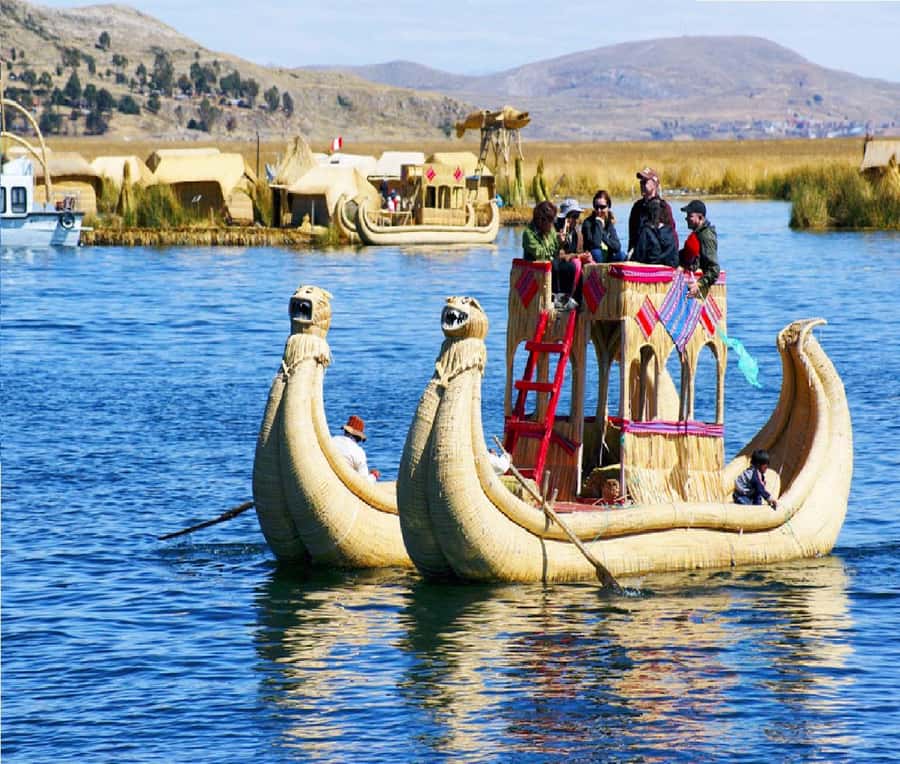
Then you reach Uros, the floating islands. Here’s the standout for many people: you’ll take part in a cultural demonstration to learn how life on the islands works, followed by a walking tour on Uros with your guide.
What I like about this setup is that it’s not “look, take a picture, leave.” The demonstration gives you a framework for what you’re seeing, and the walking tour helps you connect stories to the actual places.
A consideration: Uros is a working community. You’ll want to stay respectful and follow your guide’s cues closely. Keep interactions calm and curious, and you’ll get more from the experience than just snapping photos.



Taquile island: fresh fried fish and quinoa cream, plus local culture time
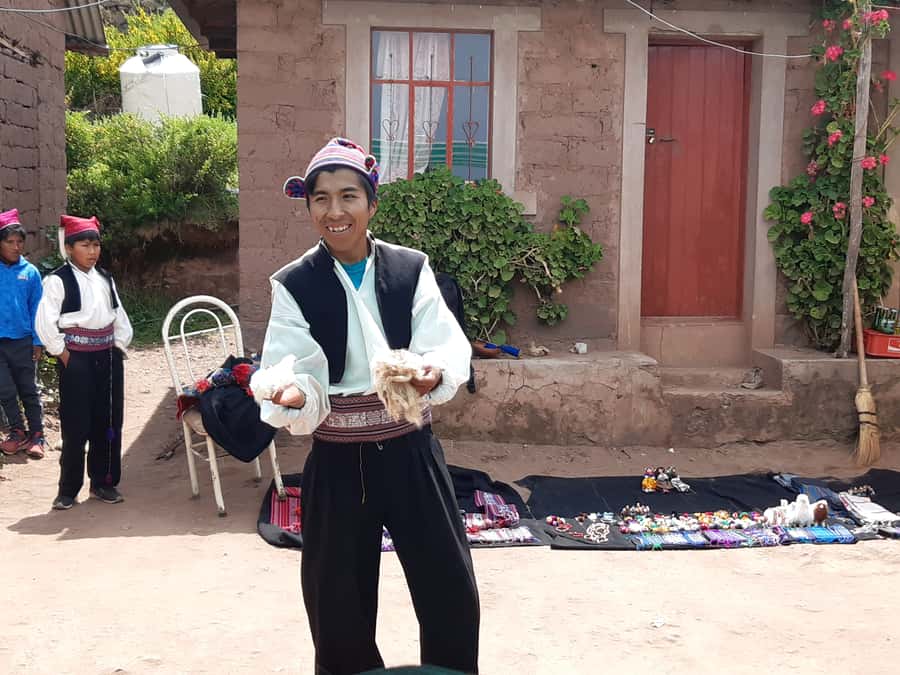
After Uros, the tour includes time on Taquile as well. You’ll follow your guide on a walking tour of the island, then enjoy lunch at a local restaurant.
This is where the tour earns its reputation for a memorable meal: lunch includes fresh fried fish and quinoa cream. If you like food experiences that are tied to a place (instead of a generic tourist menu), this is a strong reason to pick this tour.
Why it works: it’s not just eating on a schedule. It’s eating what the island and the lake make possible, in the setting where locals live and work. You can taste the lake in the food—simple, direct, and satisfying.
One more practical point: you’ll still be walking after the boat day. Keep your pace steady and take breaks when you need them. Comfortable shoes will matter again here.
Puno overnight and the late return to Cusco
After your Uros and Taquile time, you return to your hotel in Puno to rest or explore nearby areas on your own. Then the tour leaves for Cusco at 9:30 PM and travels overnight so you can reach your accommodation in the morning.
This structure is handy because it protects one thing most people want: recovery time between lake walking and a return to Cusco’s streets. A 3-star hotel overnight is included, which helps you keep costs under control and reduces stress.
If you like browsing on your own, the short free window in Puno can be useful. But don’t plan anything long or complicated during that open time—your evening transfer is fixed.
Price and value: what $259 really buys, and the small extra to plan for
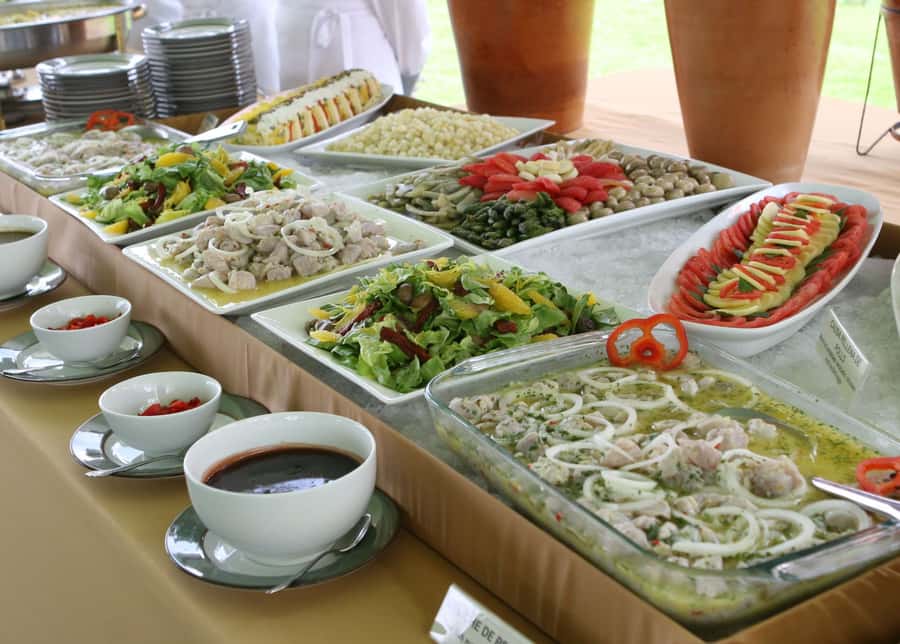
At $259 per person for a 2-day package, the value is fairly clear when you look at what’s included.
What’s included:
- Hotel pickup and drop-off
- A guide (English and Spanish)
- 1 night stay in a 3-star hotel
- Boat cruise on Lake Titicaca
- 2 lunches
- Visits to Andahuaylillas, Raqchi, and Litico Pukara
- Entrance/visit fees for Uros and Taquile (and fees mentioned for the included sites)
Not included:
- Additional entrances: listed as fifty-three soles
So you’re mostly paying for logistics plus guided time, with meals and your lake transport covered. The tour is also built from multiple regions and stops, so you’re not just buying one activity. You’re buying a whole route that would be hard to stitch together yourself safely and efficiently—especially the parts connecting Cusco to Puno and then out to the islands.
Best way to think about it: this is a “time-saving, guide-led” package. If you want independence and you enjoy planning routes, you might find other options. If you want everything handled and you’re okay with a packed schedule, this one looks like a strong deal.
What to know before you go: timing, rules, and what to pack
This tour is pretty clear on expectations.
You should bring:
- Comfortable shoes
Rules:
- Alcohol and drugs are not allowed.
Language:
- Live guide in English or Spanish.
Pickup timing:
- They contact you the day before, and pickup is usually around 6:25 a.m. for the Cusco side.
Not suitable:
- People over 95 years.
A small planning tip: because you leave at 9:30 PM after the lake day, you’ll want to keep your packing simple and avoid anything that you’ll miss during transfer time. Think practical: layers for changing temperatures, water you can manage, and a bag that’s easy to carry.
Who this tour fits best (and who should skip it)
This experience fits best if you want a guided introduction to Lake Titicaca with cultural stops beyond just the water. You’ll like it if you care about:
- Food tied to place (fresh fried fish and quinoa cream on Taquile)
- Seeing how different cultures and time periods overlap (Andahuaylillas church and Incan Raqchi)
- A structured day that gets you from Cusco to the lake without extra figuring out
You might want to look for something else if:
- You hate early starts and long road hours
- You want lots of free time on the islands
- Walking-heavy days are a challenge for you
Should you book this Lake Titicaca route from Cusco?
If you’re choosing between doing Titicaca as a quick day trip or doing it with stops that add meaning, I’d lean toward booking this one. The balance is strong: Uros gives you a hands-on cultural moment, Taquile gives you island life and a meal worth remembering, and the Cusco-to-lake route adds big regional highlights like Andahuaylillas and Raqchi.
Book it if you appreciate solid organization and a guide who keeps the day moving with clarity. Pass if you’re looking for a slow, low-effort trip with minimal transfers.
FAQ
How long is the Lake Titicaca tour from Cusco?
It lasts 2 days.
What’s included in the price?
Included are hotel pickup and drop-off, a guide, 1 night in a 3-star hotel, a Lake Titicaca cruise, 2 lunches, and visits to Andahuaylillas and Raqchi, plus entrance/visit fees for Pukara, Uros, and Taquile.
Where do you sleep overnight?
You stay overnight in Puno.
What meals are provided during the tour?
You’ll have lunch twice during the tour, including a lunch on Taquile with fresh fried fish and quinoa cream.
Do I get a boat ride on Lake Titicaca?
Yes. You’ll cruise on Lake Titicaca as part of the tour, including the trip toward the islands.
What should I bring and what is not allowed?
Bring comfortable shoes. Alcohol and drugs are not allowed.