REVIEW · CUSCO
4 Days Inca Trail To Machu Picchu
Book on Viator →Operated by MachuPicchu Journey · Bookable on Viator
Machu Picchu arrives after hard climbs. This four-day Inca Trail trek pairs tent camping with guided history, then delivers you to Machu Picchu by way of Inti Punku. You’re moving all day, but the payoff feels big and earned.
What I like most is how the days are built around key Inca moments. You hit the pass at Warmiwañiusca (the Dead Woman Pass), then roll into the cloud-country ruins like Phuyupatamarca.
My second favorite part is the care that shows up in the food and the pacing. A chef named Dante is specifically mentioned for cooking meals that feel more like a sit-down experience than trail fare, and the schedules are set up to keep things organized without feeling rushed.
The one drawback to consider: this is not a casual walk. The climb to the trail’s high point (13,779 ft) plus long stair sections require moderate fitness, and the camps are basic with limited comfort.
In This Review
- Key things to know before you go
- Value check: what $725.20 really covers
- Day 1: Cusco pickup, km 82 passport check, and Huayllabamba camp
- Day 2: Warmiwañiusca high pass, big stair energy, and Pacaymayo night
- Day 3: Runcurakay to Chaquicocha, then Phuyupatamarca and Wiñaywayna
- Day 4: Inti Punku to Machu Picchu guided time, then Aguas Calientes
- What camping and meals feel like in practice
- Fitness level: what moderate really means here
- Gear and extras: what to pack (and what the tour doesn’t provide)
- Group size and guide quality: why it changes the trek
- Timing and planning: the real reason to book early
- Should you book this 4-day Inca Trail to Machu Picchu?
- FAQ
- FAQ
- What time is pickup from my hotel in Cusco?
- Where do we begin hiking, and is there any document check?
- How many nights do you camp, and what’s the sleeping setup?
- Are meals included during the hike and at Machu Picchu?
- Do I need a sleeping bag and walking sticks?
- Is Machu Picchu entrance and guided time included?
- How do we get back to Cusco after Machu Picchu?
- Can I cancel for a full refund?
Key things to know before you go
- Early start around 4:20 am from your Cusco hotel to begin at km 82
- Passport check at the trail checkpoint before you start hiking
- Day 2 includes the high pass (Warmiwañiusca) at about 13,779 ft
- Tent camping with a foam mattress (sleeping bag and walking sticks are not included)
- Machu Picchu includes guided time plus free-photo time
- Group size max 15 for a more manageable trek rhythm
Value check: what $725.20 really covers
At $725.20 per person, this trip isn’t a cheap “just add hikes” package. The value is in what’s bundled together: Inca Trail and Machu Picchu entrance access, multi-day meals (breakfasts, lunches, dinners, plus snacks), your camp setup (tent for two travelers and a foam mattress), and the logistics that otherwise eat your time and energy.
You also get the parts that cost money and require coordination: hotel pickup in Cusco, the round train ticket from Ollantaytambo to Aguas Calientes, and the bus ticket to Machu Picchu. Finally, there’s guided interpretation at Machu Picchu that’s hard to replicate on your own because so many details are tied to how you move through the site.
If you were to try to DIY everything, you’d still have to solve permits, timing, and transportation. This tour is really for people who want the parts that are fiddly handled for them.
You can also read our reviews of more tours and experiences in Cusco

Day 1: Cusco pickup, km 82 passport check, and Huayllabamba camp
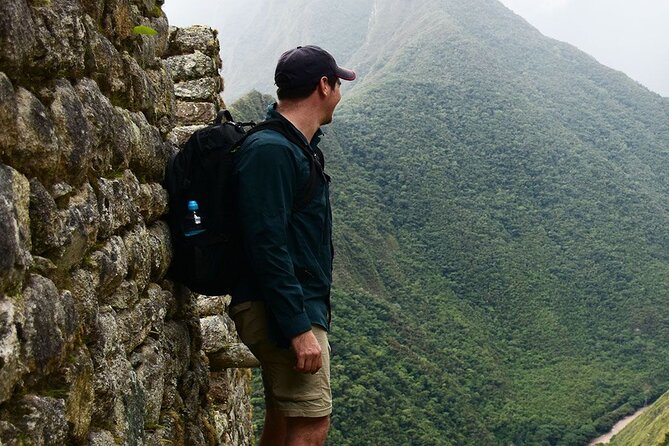
Your day starts early, with pickup from your Cusco hotel around 4:20 am. Then you transfer to km 82, where there’s a checkpoint that requires your passport before you start hiking.
Once you’re cleared, you walk for about two hours until Patallacta. This is where the trek starts to feel like a real expedition rather than a day hike. You meet the partners and porters there and get lunch, which helps you fuel up before the longer stretch toward camp.
From Patallacta, you continue to Huayllabamba camp. Expect dinner and an overnight in tents. Day 1 is often described as the gentler intro day, but it’s still a day of hiking and setup, so don’t plan to arrive in Cusco the night before and assume you’ll be fresh.
Practical tip: the early call time matters. If you’re even slightly jet-lagged or still getting your altitude legs, plan a calm Cusco day before this begins, and drink water steadily.
Day 2: Warmiwañiusca high pass, big stair energy, and Pacaymayo night
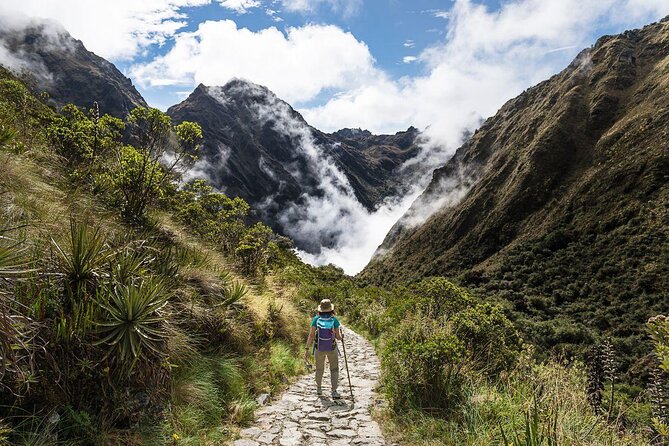
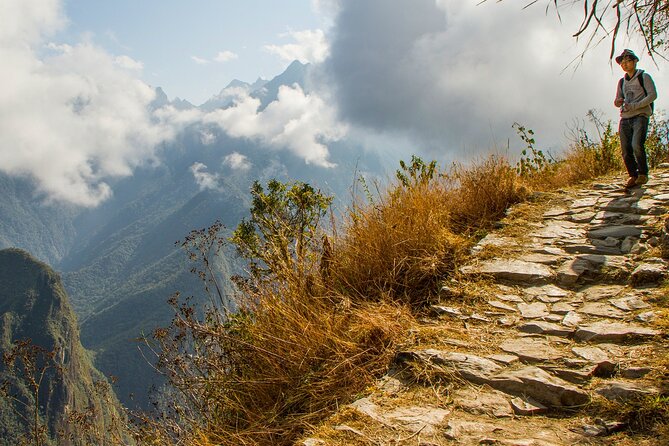
Day 2 is where the Inca Trail earns its reputation. After breakfast, you head toward the trek’s high point at 13,779 ft. You’ll hike for roughly three hours before reaching the top area around the Warmiwañiusca (Dead Woman Pass).
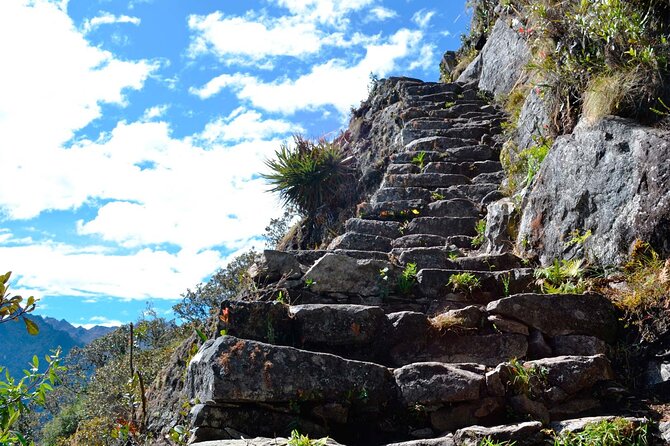
This is the day you’ll feel in your legs, especially on sections that include steep, relentless steps. The good news is that the climb is part of the design: once you reach the pass, you can look back at the effort with a much clearer view of why people remember this hike for years.
After the pass, you descend to Pacaymayo, where you’ll have lunch and then continue on for dinner and overnight at camp.
Why this day matters: you’re doing the hardest work early enough to still enjoy the next day’s ruins and cloud-country vibe without feeling completely wiped out.
What to watch for: if you go out too fast at altitude, you’ll pay for it later. A steady pace tends to work better than trying to “power through” the stairs.
Day 3: Runcurakay to Chaquicocha, then Phuyupatamarca and Wiñaywayna
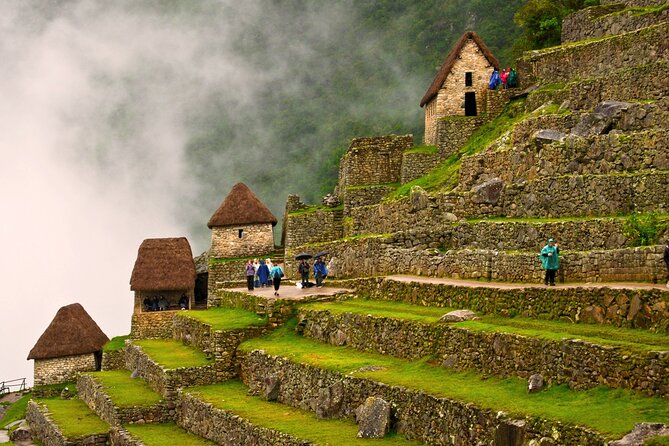
Day 3 turns more scenic and more archaeological. After breakfast, you walk about 15 kilometers and pass several Inca sites along the way.
You’ll get Runcurakay on the route, then Chaquicocha, which is where lunch happens. This middle portion is great for slowing your pace a bit and letting the scenery and ruins land. You’re not just hiking between camps; you’re moving through the Inca landscape at a human scale.
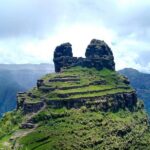
After lunch, you continue to Phuyupatamarca, known in Quechua as the city above the clouds. Even if the clouds don’t cooperate, the name tells you what you’re chasing: higher ground, open views, and that chilly sense of being above the world.
Finally, you reach Wiñaywayna, where you’ll have dinner and overnight at camp.
Why I like this day: it’s the best mix of physical effort and “wait, stop, look at that” moments. The ruins aren’t just a destination; they’re part of the journey.
Day 4: Inti Punku to Machu Picchu guided time, then Aguas Calientes
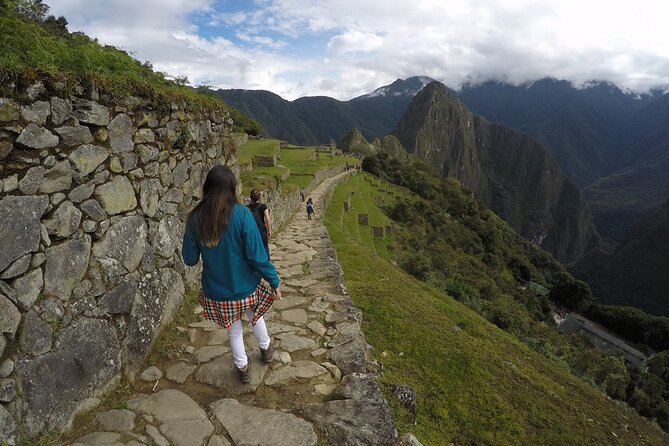
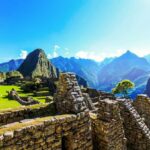
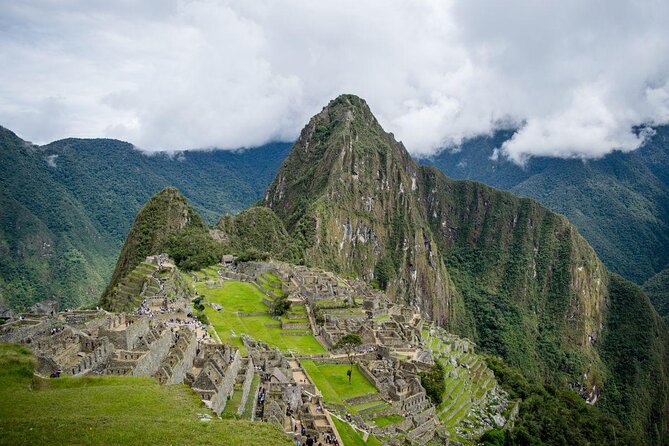
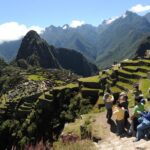
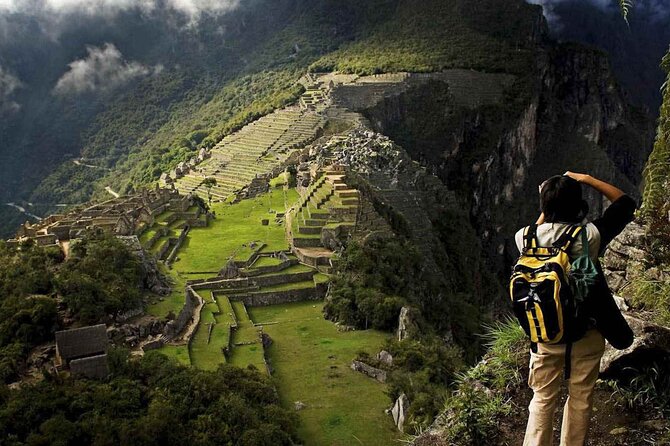
Day 4 is the payoff day. You’ll walk and pass Inti Punku, the Sun Gate, which is the ceremonial doorway into Machu Picchu. From there, you go down toward Machu Picchu (listed at 7,970 ft) and show your entry ticket.
Then comes the guided portion: a 2 hours 30 minutes tour where you get explanations as you move through the site. After that, you get free time to explore, take photos, and settle your eyes on what the guide just unpacked. This blend is smart. The tour gives you meaning; the free time gives you your own pace.
Afterward, there’s a guided experience at the Historic Sanctuary of Machu Picchu, followed by more free time for photos and wandering.
Lunch comes when you return to Aguas Calientes. After lunch, you head to the train station and board the train to Ollantaytambo. Once you arrive, a representative meets you with a sign and then helps you transfer back to your Cusco hotel.
Small-but-important note: you’re not just “getting to Machu Picchu.” You’re cycling through the whole system—site, town, train, then back to Cusco. That’s why this tour is built as a full package.
What camping and meals feel like in practice
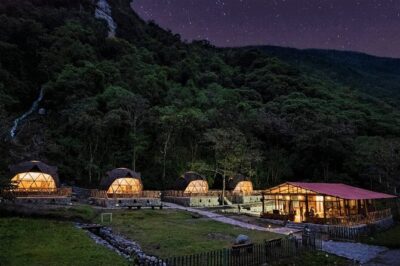
This is tent camping for three nights, with a tent for two travelers and a foam mattress per person. That setup is functional and common for the Inca Trail, but it helps to go in with the right expectations.
You should expect basic facilities at camp. Bathrooms and showers may be limited, and you won’t have modern comforts. Also, electricity isn’t part of the experience. Bring a practical attitude toward the “roughing it” part, because it’s the price of being on the trail instead of in a van.
On food: breakfasts, lunches, and dinners are included, plus snacks x3. Several meals are described as generous and high-quality, with a chef named Dante called out for cooking that can feel like more than typical trekking food. In plain terms: you should plan to eat well enough to keep hiking, not just “survive” on energy bars.
What you still may want to do: use your snacks and water strategically. If you arrive under-hydrated, Day 2 is where your body will remind you.
Fitness level: what moderate really means here
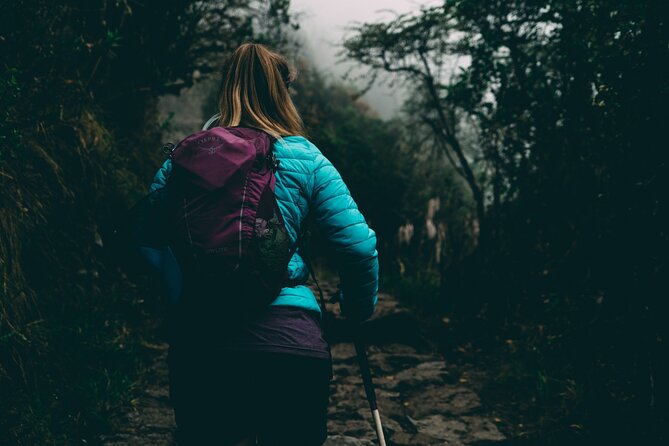
The tour is listed for travelers with moderate physical fitness. In real terms, “moderate” here means you can handle a full day of walking and steep sections at altitude without needing frequent breaks.
Day 2 is the clearest measure. You’re aiming for 13,779 ft, crossing Warmiwañiusca, and dealing with uphill stair work. Day 3 is also meaningful with about 15 km of walking plus ruins stops. Day 4 still includes the Sun Gate approach and walking down into Machu Picchu.
If you’ve never done long hikes with elevation before, you don’t have to panic—but I’d strongly recommend you train with hills or stairs and build endurance before you go.
Gear and extras: what to pack (and what the tour doesn’t provide)
Not included:
- Sleeping bag
- Walking sticks (can be rented from the operator)
Tips are 100% optional for guide, porters, and chef. Since tips are optional, focus your budget on comfort items you’ll actually use.
For packing, you want to think in layers. Camps are at elevation, mornings start early, and you’ll spend long hours outdoors. Even if you think you’ll only feel “cool,” it’s smart to dress like you’ll be outside when the air is at its most stubborn.
Group size and guide quality: why it changes the trek
This trek caps at 15 travelers, which makes a difference. Smaller groups tend to keep the pace more consistent and make it easier to get answers from your guide. The tour also runs with guides who speak fluent English, and the staff—including porters and cooks—is treated as part of the success of the hike, not just background logistics.
In the experiences shared, guides named Julio, Marcial, and Alexsandro are specifically mentioned for being positive, attentive, and helpful in explaining what you’re seeing. Even if you don’t get the same names, that reputation for communication matters, because Machu Picchu gets much better when you understand what you’re looking at.
Timing and planning: the real reason to book early
This is typically booked about 99 days in advance on average. That’s not random. Inca Trail permits and Machu Picchu access are time-sensitive, and schedules have to line up with trains and entrance slots.
If you’re aiming for anything extra at Machu Picchu like Huayna Picchu, you’ll want to plan further ahead. One note shared with you from past trekkers: requests like Huayna Picchu often require reserving far in advance and coordinating with the agency.
Bottom line: don’t treat this like something you can finalize a couple weeks before departure.
Should you book this 4-day Inca Trail to Machu Picchu?
Book it if:
- You want one guided package that handles permits, camping setup, and the Machu Picchu side of the equation.
- You like structure: an early start, clear day goals, and guided interpretation at the ruins.
- You can handle long walking days and steep climbs without needing luxury comfort.
Skip or consider a different option if:
- You want a comfortable hike with lots of rest time. This is built around challenge days (especially Day 2).
- You hate basic camping. The tent setup is included, but you still sleep in a trekking context, not a hotel.
My practical decision rule: if the idea of arriving at Machu Picchu after earning it over four days sounds exciting, this is a strong fit. If you’d rather spend that energy exploring Cusco and keeping hikes short, you’ll feel the effort here.
FAQ
FAQ
What time is pickup from my hotel in Cusco?
Pickup is around 4:20 am from your Cusco hotel, then you travel toward km 82 to start the trail day.
Where do we begin hiking, and is there any document check?
You start at km 82. There’s a checkpoint where you must show your passport before you begin walking.
How many nights do you camp, and what’s the sleeping setup?
You camp for three nights in tents, with a foam mattress per person. The tent setup is for two travelers.
Are meals included during the hike and at Machu Picchu?
Yes. Snacks are included (x3), breakfast is included (3), lunch is included (4), and dinner is included (3). Lunch on the Machu Picchu day happens back in Aguas Calientes.
Do I need a sleeping bag and walking sticks?
A sleeping bag and walking sticks are not included. They can be rented from the tour operator.
Is Machu Picchu entrance and guided time included?
Yes. Machu Picchu entrance tickets are included (subject to availability), along with guided tours. You also get time to explore on your own after the guided sections.
How do we get back to Cusco after Machu Picchu?
After Machu Picchu, you return to Aguas Calientes for lunch, then take the train to Ollantaytambo. A representative meets you at Ollantaytambo and transfers you back to your Cusco hotel.
Can I cancel for a full refund?
Yes. You can cancel up to 24 hours in advance for a full refund. If you cancel less than 24 hours before the experience starts, the amount paid is not refunded.