REVIEW · CUSCO
From Cusco: Ausangate 7 Lakes Tour with Meals
Book on GetYourGuide →Operated by Chullos Tours · Bookable on GetYourGuide
Early mornings and bright colors make the difference. This Cusco Ausangate 7 Lakes day packs a real walk in the high Andes around Mount Ausangate, with multiple viewpoints over the lakes and that unforgettable mix of snow, rock, and color. I also like that you get a proper small-group experience (up to 15 people) with a professional guide, plus practical extras like walking sticks, oxygen, and a first-aid kit.
The main thing to consider: it’s a sporty trek—think long walking hours and altitude—so if you want a slow stroll with lots of lounging time, this may feel like more effort than you expect.
In This Review
- What You’ll Remember Most From This One-Day Hike
- Key Things to Know Before You Go
- Why Ausangate’s Seven Lakes From Cusco Are Worth the Early Start
- The Big Picture: From 4:00 AM Drive to 6:00 PM Back Near the Plaza
- Pacchanta Breakfast: Where the Trek Actually Begins
- The First Viewpoint: Seeing the Seven Lagoons in One Sweep
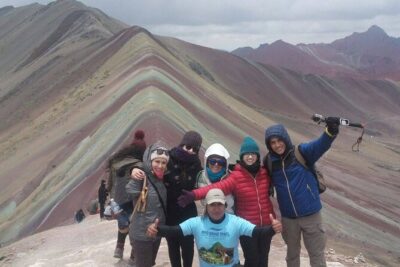
- Walking Between the Lakes: Where the Colors Come From
- Pakanta and Its Hot Springs: Time to Warm Up (When It Fits)
- Meals That Don’t Feel Like an Afterthought
- Guides, Group Size, and the Pace You’ll Actually Feel
- What’s Included (and Why It Matters at Altitude)
- Price and Value: About $37 for a Full-Day Trek
- What to Bring for Cold Starts, Strong Sun, and Long Walking
- Who This Tour Suits Best (and Who Should Skip It)
- Final Decision: Should You Book the Ausangate Seven Lakes Tour?
- FAQ
- What time is pickup in Cusco for this tour?
- Where do we have breakfast and lunch?
- How long do we walk during the hike?
- Is the tour in English or Spanish?
- Are hot springs included?
- What safety and comfort items are included?
- What should I bring and what is not allowed?
What You’ll Remember Most From This One-Day Hike
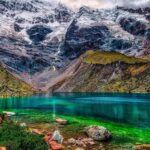
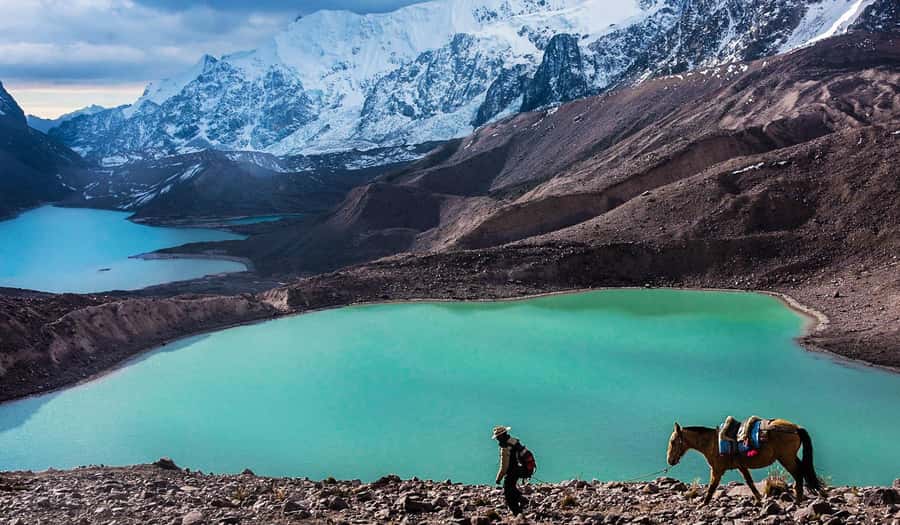
You’ll spend the morning walking toward your first wide viewpoint, then move between the lagoons for photos and short stops before heading back to Pacchanta for lunch. The lakes you’re aiming for have names that sound like old myths—Lake Superior, Lake Otorongo Hombre, Lake Otorongo, Lake Rojo, Lake Ccomer, Laguna Azul, and Lake Alqa—and seeing them in real life is the whole point.
One review note hits the key trade-off: even though the views are great, you don’t get to linger a long time at each water spot. You go for the sweep of the scene and the colors across the route.
Key Things to Know Before You Go
- Up at 4:00 AM: hotel pickup starts early, and you’re on the road well before sunrise.
- A steady, guided hike: walking sticks are included, and the route is built around reaching a first big viewpoint.
- The full lake lineup matters: you visit most of the seven lagoons, not just one.
- Small group size: capped at 15 participants, which helps with pacing and photo stops.
- Meals are built in: breakfast in Pacchanta and lunch on return keep the day from turning into a snack hunt.
- Hot springs may be an option: Pakanta and its hot springs are part of the experience, but any entry fees are not included.
You can also read our reviews of more tours and experiences in Cusco.

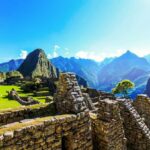
Why Ausangate’s Seven Lakes From Cusco Are Worth the Early Start
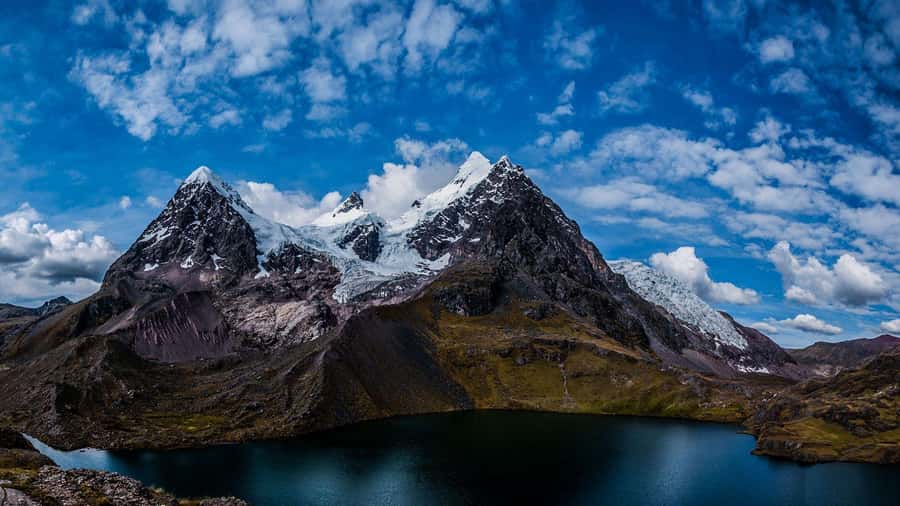
Cusco is already at altitude, so adding a long day in the high Andes doesn’t feel casual. That said, this kind of trek is exactly what makes the Cusco region special: you’re not just driving to a view. You walk your way into it.
I like that this tour is aimed at the real environment at the foot of Mount Ausangate—mountains, flora, fauna, and the natural character of the area—rather than turning the day into a quick checklist of stops. When the colors show up across the lakes, you understand why people keep coming back.
And you don’t waste time with complicated logistics. Pickup is straightforward from selected areas within Cusco’s historic center, and the day runs on a clear rhythm: drive, hike, viewpoint, walk between lakes, lunch, return.
The Big Picture: From 4:00 AM Drive to 6:00 PM Back Near the Plaza
This is a one-day tour with an early departure that can feel intense if you’re not used to altitude hikes.
Here’s the day in plain timing:
- 4:00 AM pickup from your Cusco hotel (historic center locations).
- Drive to the town of Pacchanta for breakfast.
- 2 hours walking to reach a viewpoint overlooking the seven lagoons.
- Another 3 hours walking along the route visiting most of the seven lakes.
- Back at the starting point in Pacchanta for lunch.
- Return to Cusco, arriving around 6:00 PM near the main square.
That schedule tells you what kind of day this is: a morning hike that becomes your afternoon walk. If you like structure—get moving, reach viewpoints, eat, and head back—this works well.
Pacchanta Breakfast: Where the Trek Actually Begins
After pickup, you travel to Pacchanta and get a refreshing breakfast before your hike. This matters more than it sounds. On cold mornings at altitude, eating early helps you keep your energy for the first climb.
What you should do before you eat:
- Put your essentials in reach: water, sunscreen, sunglasses, and your camera.
- Wear a sun hat if you have one. Even when it’s chilly, the light can be strong.
- Keep a daypack organized so you don’t stop every five minutes.
Breakfast isn’t just fuel—it’s also your chance to settle in, meet your guide, and get a feel for the group pace. Since the tour limits the group to 15, you’re not fighting a crowd at the start.
The First Viewpoint: Seeing the Seven Lagoons in One Sweep
After about two hours of walking, you reach a viewpoint where you can see the seven lagoons of Ausangate. This is one of those moments where the hike stops being just effort and starts becoming the whole reason you came.
The lakes are named in a way that makes it easier to keep your bearings while you look:
- Lake Superior
- Lake Otorongo Hombre
- Lake Otorongo
- Lake Rojo
- Lake Ccomer
- Laguna Azul
- Lake Alqa
I like that the viewpoint is positioned early enough in the route to give you context. Instead of discovering each lake separately, you first see the layout of the system. Then, the later walking makes more sense—like you’re traveling between points you already understand.
Just remember the practical reality: your job up there is to look, photograph, and keep moving. You’re not going to spend half the day at this exact spot.



Walking Between the Lakes: Where the Colors Come From
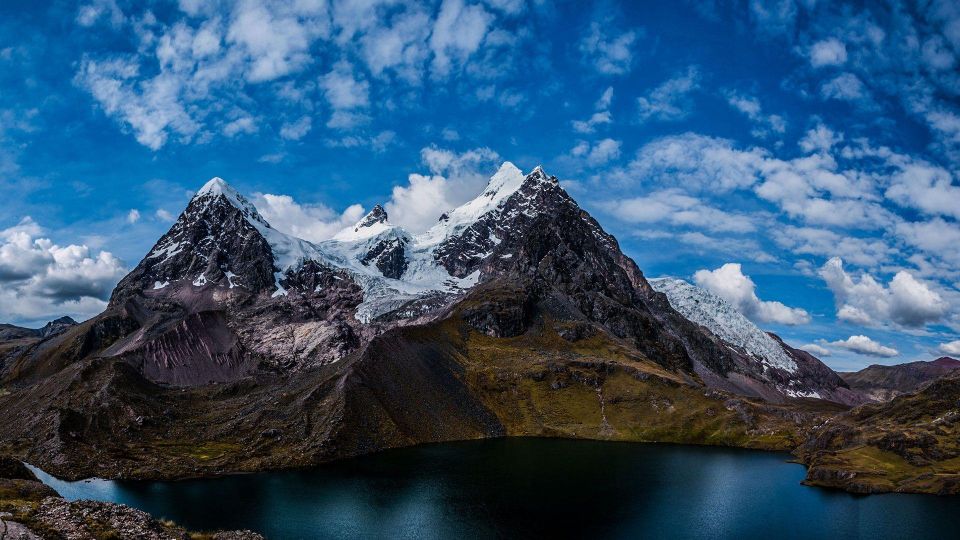
After the first viewpoint, you continue walking for about three more hours, visiting most of the seven lagoons. Expect a hike long enough that you’ll start thinking about rhythm: slow and steady, breathe, stop when you need to.
From the review feedback, the trekking distance is around 13 km, which helps you judge your effort level. With that kind of distance, you’ll see a lot—but you won’t have endless time at every water edge. That’s not bad; it’s just the trade-off for packing a full route into one day.
Here’s how to make the most of it:
- Plan your camera work in advance. When you see a good angle, get your shots quickly.
- Use your walking sticks on uneven ground. They really help when you’re tired.
- Don’t expect the pace to turn into a stand-and-stare tour. The route is built to keep you moving between points.
The payoff is that you’ll keep encountering new views as the terrain changes. Even if you can’t linger long, the scenery stays fresh because the perspective keeps shifting.
Pakanta and Its Hot Springs: Time to Warm Up (When It Fits)
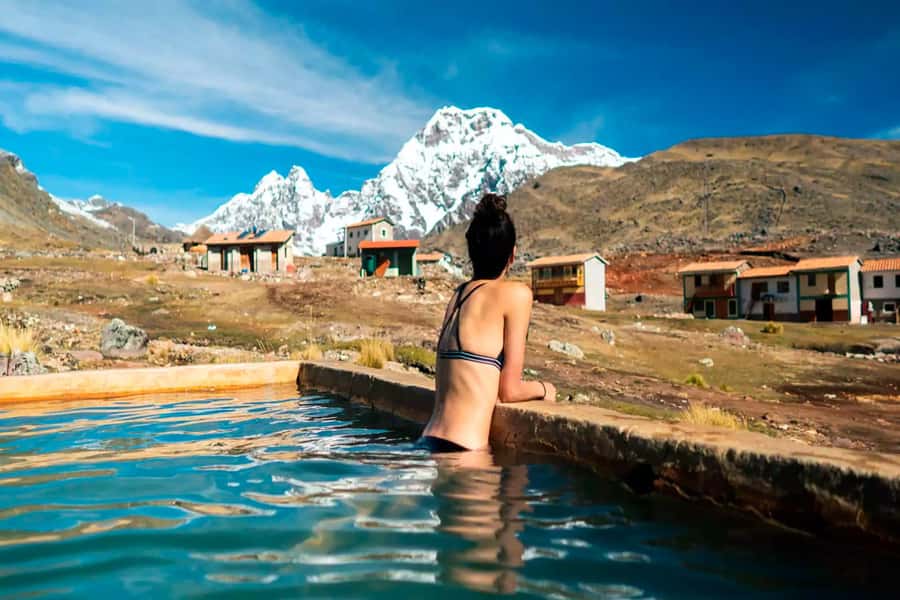
The experience also includes a stop opportunity at the community settlement of Pakanta and its hot springs. That detail is important because it changes how you picture the end of the day.
One key thing: thermal bath entry fees are not included, so you should assume you might pay separately if you decide to use them. Also, because the hike is time-based, the hot springs moment may depend on how the schedule runs on the day.
If you’re the type who likes a contrast—cold morning hike, warm soak later—this is a nice bonus. If you’re not planning to soak, you can still treat Pakanta as a cultural pause in a mostly nature-driven day.
Meals That Don’t Feel Like an Afterthought
This tour includes breakfast and lunch, which is exactly what you want for a high-altitude trek. No one wants to arrive at altitude day two with only vending snacks.
Lunch is served at the starting point back in Pacchanta. In the feedback, the lunch gets praise for using fresh products. That matters because it’s easy for day treks to end up with bland, rushed food. Here, the meal is part of what makes the day feel complete.
If you want to stay comfortable:
- Bring extra snacks if you’re picky about energy bars or timing. Snacks are listed as something to bring.
- Drink water consistently. Even if you don’t feel thirsty, you’ll work harder at altitude.
Guides, Group Size, and the Pace You’ll Actually Feel
The tour includes a professional tour guide and you can meet the team in English or Spanish. A review specifically highlighted a guide named Jonatan for being kind and for keeping the route pleasant even though it’s sporty.
Small group size (up to 15) isn’t just a marketing point. It helps with:
- managing photo stops without a huge bottleneck
- keeping everyone together when the route narrows
- making it easier for the guide to help people pace themselves
And about pacing: some hikers find this kind of day hard at first, especially with the early start. The best approach is to treat it like a steady hike, not a sprint. You’ll enjoy the scenery more if you’re not redlining the whole time.
What’s Included (and Why It Matters at Altitude)
Here’s what you actually get for the tour price:
- pickup in selected areas in Cusco
- roundtrip transportation
- a professional guide
- breakfast and lunch
- first-aid kit
- oxygen
- walking sticks
That list is practical. Oxygen and a first-aid kit aren’t “nice-to-have extras” in the Andes—they’re a sign the operator expects altitude days to be physically demanding. Walking sticks help you hike smarter, not just harder.
You’re also responsible for the parts not listed:
- horse ride (not included)
- thermal baths entry fees (not included)
- extra expenses
If you’re curious about comfort levels, the inclusion of sticks and oxygen is a good indicator that you’re not signing up for a bare-bones adventure.
Price and Value: About $37 for a Full-Day Trek
The price is listed at $37 per person for a one-day outing. That’s remarkably low for a full schedule like this—especially with pickup, roundtrip transport, a guide, breakfast, lunch, walking sticks, and safety supplies.
So what’s the trade-off?
- It’s a long day with a sporty pace, meaning you’re paying for movement and route access, not lounging time.
- You’re not getting paid time at every lake. You’re getting a route that hits most of the seven lagoons, plus a big viewpoint early.
If you want a tour that replaces self-planning with a clear plan, and you’re comfortable walking for hours at altitude, this price looks like strong value. If your ideal day is short, slow, and photo-focused with lots of downtime, you might find it too structured.
What to Bring for Cold Starts, Strong Sun, and Long Walking
The tour provides walking sticks, but you still need to pack smart. Bring:
- passport
- sunglasses
- sun hat
- hat (in general)
- camera
- snacks
- sunscreen
- water
- cash
- daypack
This is the Andes: sun can be intense, even when the morning is cold. Sunglasses and sunscreen aren’t optional accessories; they’re comfort tools.
Also plan clothing for a long day. Even though the tour info doesn’t specify layers, you’ll be much happier if you can add or remove a layer as the temperature changes while you climb and descend.
Who This Tour Suits Best (and Who Should Skip It)
This is best for people who like:
- a real hike with real walking time
- mountain views and lake colors that reward effort
- structured logistics (pickup, transport, meals handled)
It’s not suitable for:
- wheelchair users
- people with respiratory issues
- people with pre-existing medical conditions
You don’t want to gamble with a day like this if your breathing or health needs extra caution. And because it’s a sporty route in thin air, you’ll get the most enjoyment if you can handle long walking hours.
Final Decision: Should You Book the Ausangate Seven Lakes Tour?
Book it if you want a classic Cusco-area trek that focuses on seven lakes, big views, and a natural setting around Mount Ausangate—plus you want breakfast and lunch handled and you like the idea of a small group.
Pass if you’re hoping for a relaxing day with lots of lingering time at each lake. One of the key limitations is how the route is timed: you’ll see many lagoons, but you won’t hang out by each water spot for long.
If you’re unsure, the best question to ask yourself is simple: can you enjoy scenery while keeping a hiking rhythm? If yes, this tour is a smart bet.
FAQ
What time is pickup in Cusco for this tour?
Pickup starts at 4:00 AM from hotels located within Cusco’s historic center and in selected areas.
Where do we have breakfast and lunch?
Breakfast is served in Pacchanta. Lunch is served when you return to the starting point in Pacchanta after walking between the lagoons.
How long do we walk during the hike?
You walk about 2 hours to reach the viewpoint over the seven lagoons, then about 3 more hours visiting most of the lakes.
Is the tour in English or Spanish?
Yes. The live tour guide is available in English and Spanish.
Are hot springs included?
Pakanta and its hot springs are part of the experience opportunity, but thermal bath entry fees are not included.
What safety and comfort items are included?
The tour includes a first-aid kit and oxygen, and it provides walking sticks.
What should I bring and what is not allowed?
Bring a passport, sunglasses, sun hat, hat, camera, snacks, sunscreen, water, cash, and a daypack. Smoking and alcohol/drugs are not allowed.