REVIEW · CUSCO
Cusco: 6-Hour City Highlights Tour
Book on GetYourGuide →Operated by PVTravel · Bookable on GetYourGuide
Cusco’s Inca-to-Spanish story moves fast. This 5–6 hour highlights tour takes you from Qoricancha to major Inca sites outside town, with a guide turning scattered stones into something you can actually picture. I especially like the way the route strings together top landmarks without making you guess what matters.
Two of my favorite parts: seeing the architectural mix of Inca and Spanish influences in Cusco’s center, and then getting out to the ruins circuit—Sacsayhuaman, Quenqo, Pucapucara, and Tambomachay—so the city isn’t just churches and cobblestones. One thing to plan for is that key entrance fees are extra, including the tourist ticket.
You’ll be picked up at your accommodation and dropped back near Plaza Regocijo in central Cusco, with the tour ending around 7:00 PM. Choose a shared group if you want the best value, or go private if your schedule or language needs are more specific.
In This Review
- Key takeaways
- Cusco in 5–6 Hours: How the Route Fits Together
- Qoricancha First: The Temple of the Sun in Real Time
- Cusco’s Cathedral Area: What You’ll See Without the Separate Entry
- Sacsayhuaman: Fortress Stones and the Why Behind the Walls
- Quenqo and Pucapucara: Smaller Sites, Better Explanations
- Tambomachay Baths: A Stop That Helps You Understand Inca Water Sense
- How Cusco’s Inca-to-Spanish Mix Shows Up All Day
- Price and Value: The $20 Base Plus Real Ticket Costs
- Language and Guide Consistency: A Practical Safety Tip
- What to Bring (and What Gets Left Behind)
- Who Should Book This Tour (and Who Should Pass)
- Should You Book Cusco: 6-Hour City Highlights?
- FAQ
- How long is the Cusco city highlights tour?
- What’s included in the price?
- Is the tourist ticket included?
- Are Qoricancha and Cusco Cathedral entrances included?
- What sites will I visit?
- Is pickup and drop-off provided?
- What language options do the guides offer?
- Is this tour wheelchair accessible?
- FAQ
- Can I cancel and get a refund?
- What should I bring?
- What items are not allowed?
Key takeaways
- Qoricancha starts the story right at the Temple of the Sun, so you get context before the ruins.
- A targeted ruins circuit hits Sacsayhuaman, Quenqo, Pucapucara, and Tambomachay in one smooth day.
- You’ll see Cusco Cathedral area, but pay extra if you enter (entrance not included).
- Transport between sites is included, which saves time and energy.
- Shared vs private is a real choice here, not just a label.
- Bring cash for tickets: the tourist ticket is S/70.00 per person.
Cusco in 5–6 Hours: How the Route Fits Together
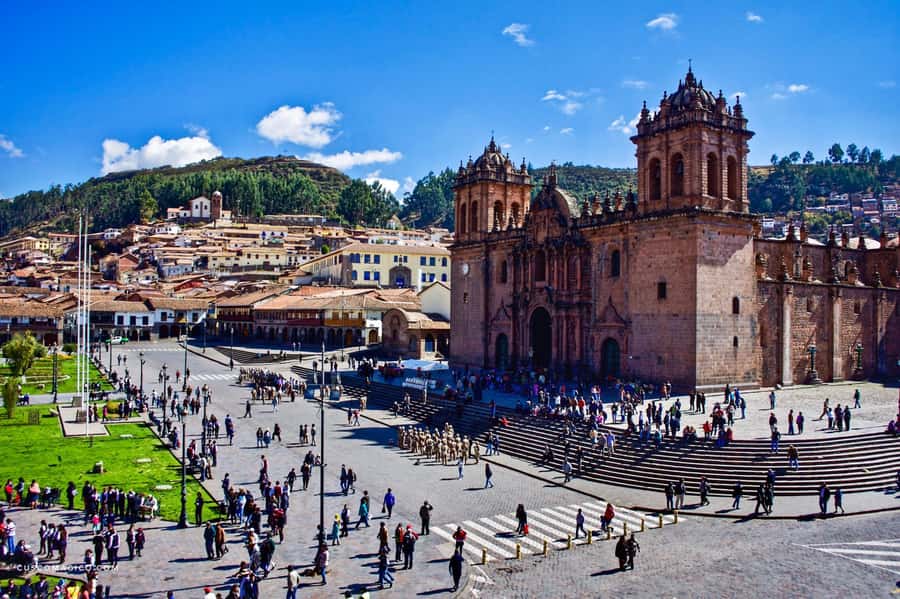
This is the kind of tour that helps you get your bearings fast. You start with pickup from your accommodation in Cusco, ride between stops, and keep your sightseeing tightly packed over about 5–6 hours. The pacing matters because Cusco’s historic core is walkable, but the major Inca sites are spread out—so having transportation included is a big quality-of-life win.
You also get a clear finish: you’ll end around 7:00 PM and get dropped near Plaza Regocijo, which makes it easy to grab dinner afterward without backtracking across the city.
One practical note: the tour includes walking on uneven surfaces around historic streets and ruins. You’ll be happiest in comfortable shoes—not your “nice for photos” pair.
You can also read our reviews of more city tours in Cusco
Qoricancha First: The Temple of the Sun in Real Time
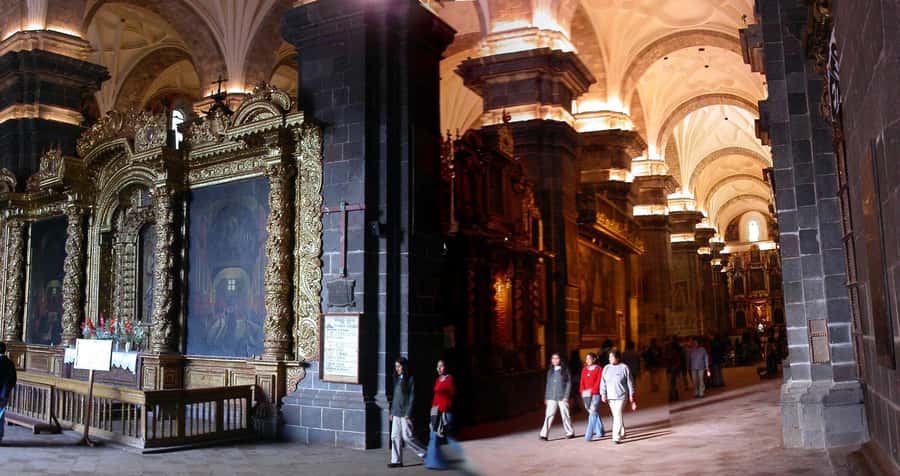
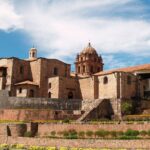
The tour begins at the Temple of the Sun, Qoricancha, which matters because it sets the theme for everything that follows. You’re not starting with random ruins. You’re starting with an Inca landmark that helps you read the rest of the day like a connected timeline.
Qoricancha is also one of those stops where you’ll want to plan your budget. The tour does not include the entrance to the Inca site of Qoricancha, so you may need to pay separately depending on what’s available during your visit.
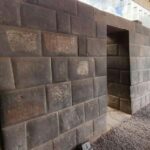
Even if you’re mostly here for the big outside-city monuments later, I like starting at Qoricancha because it gives you something to compare: Inca stone logic, Spanish overlay, and the way Cusco kept layered meanings even as power changed.
Cusco’s Cathedral Area: What You’ll See Without the Separate Entry
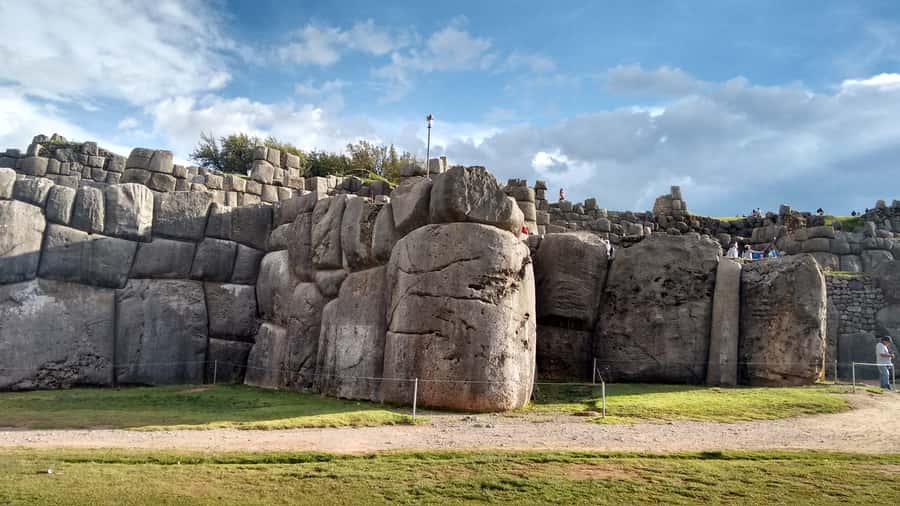
Cusco’s cathedral is one of those “yes, you should look” buildings, even if you don’t become the kind of person who reads every inscription in Latin. The tour highlights the cathedral’s architecture, but it’s important to understand the limit: entrance to the cathedral is not included.
So here’s the practical approach. If you’re into architecture and photos, you’ll likely get plenty from the views and street-level look. If you want to go inside, budget for additional ticket cost.
This also affects your energy level. After being outdoors and bouncing between ruins, you’ll want the stop to feel worth it. If you’re not especially drawn to interiors, you can keep your time efficient and still enjoy the day.
Sacsayhuaman: Fortress Stones and the Why Behind the Walls
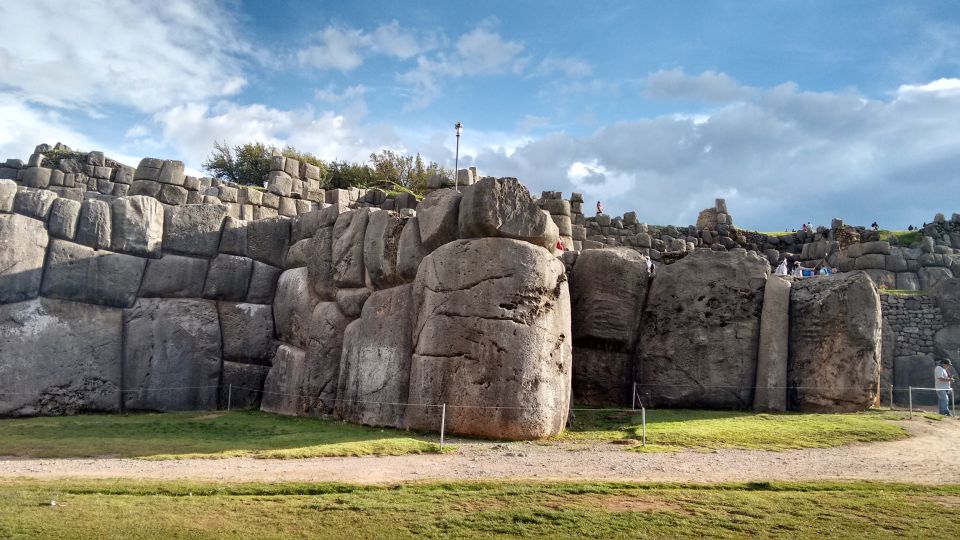
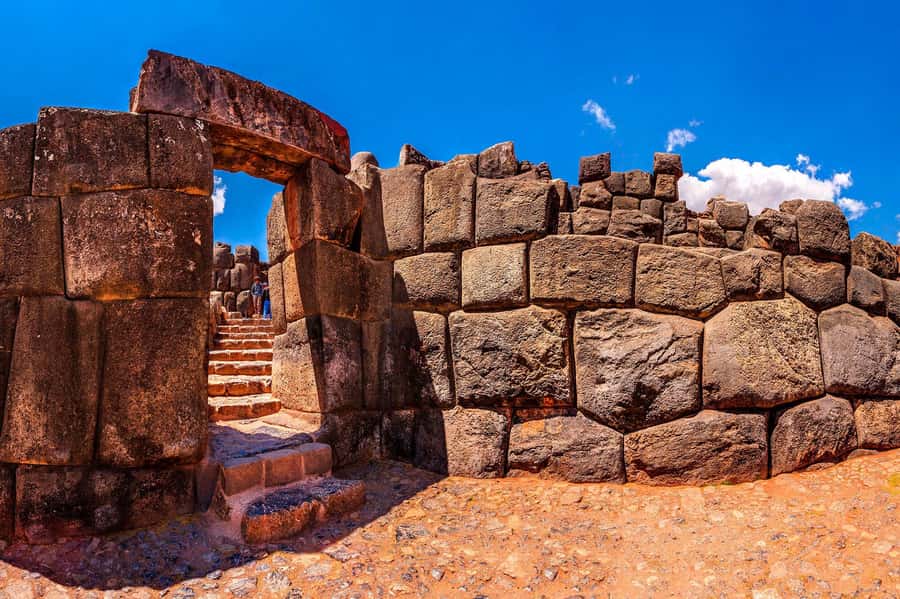
Next up is Fortress of Sacsayhuaman, and this is where the tour’s value really shows. This isn’t just a stop for a quick picture. It’s one of Cusco’s signature Inca sites, and the guide’s job is to connect what you see—massive stonework and fortification layout—to how and why it was used.
The biggest payoff at Sacsayhuaman is perspective. From different angles, you start to notice how the placement of stones and walls shapes the feel of the space. And because this tour includes transportation and a guide, you’re not left trying to piece it together with an app in a hurry.
If you’re the type who likes to ask mental questions—How did they move those stones? Why this shape?—you’ll have a good time here. Just remember you’re on a tight schedule, so stay focused on the guide’s key points rather than trying to read everything yourself.
Quenqo and Pucapucara: Smaller Sites, Better Explanations
After Sacsayhuaman, the route moves on to Quenqo and Pucapucara. These aren’t the only famous Inca stops in Cusco, but they’re excellent for building a fuller picture because they feel different from each other.
Quenqo often gives you a sense of carved stone detail and ceremonial use. Pucapucara can feel more mysterious and less obvious at first glance—until someone explains the intent behind the structures. This tour is built around that idea: the guide tells the stories and gives you the historical background so the ruins don’t stay silent.
Here’s the practical drawback to keep in mind: stops like these can feel shorter than you want if you’re a slow photographer or a detail-obsessed reader. You’ll still get the basics, but you should treat the experience as an orientation day—an excellent foundation for coming back on your own later if something really pulls you in.

Tambomachay Baths: A Stop That Helps You Understand Inca Water Sense
The last major ruin stop is the Baths of Tambomachay. This site stands out because it links Inca design with water and function. Even when you’re not totally sure what you’re looking at, water-related features tend to catch your eye fast, and the guide helps you connect that physical setup to what it likely meant in daily or ceremonial life.
This is a great final stop because it changes the rhythm. After fortifications and carved spaces, Tambomachay feels different—more about systems and use than just walls and ceremony.
One more reason I like putting a site like this near the end: you’ll often have a little fatigue by then, and a visually distinct location helps you stay sharp. Bring your camera, and give yourself a moment to step back and take in the whole setup rather than only shooting close-ups.
How Cusco’s Inca-to-Spanish Mix Shows Up All Day
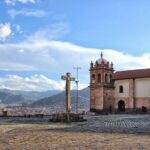
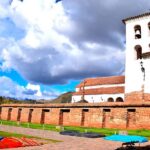
Cusco’s historic center is known for blending Inca and Spanish influences, and this tour tries to show that theme in a clean, readable way. You get it at the start and near the cathedral area, then you reinforce it by leaving the city for the Inca sites outside town.
What I find helpful is that the tour doesn’t treat Cusco as one big blur. It separates the experience into parts: Inca religious power (Qoricancha), Inca engineering and defense (Sacsayhuaman), and other Inca ritual and functional spaces (Quenqo, Pucapucara, Tambomachay). Then you come back to the city center where the Spanish-era layer is visible through architecture.
If you’re visiting Cusco for the first time, this “layering” approach is exactly how you avoid the feeling that you just saw a bunch of unrelated highlights.
Price and Value: The $20 Base Plus Real Ticket Costs
The headline price is $20 per person, and at that rate you’re paying for several things you’d otherwise have to juggle: pickup from your accommodation, transportation between sites, and a Spanish or English-speaking guide.
Here’s the part you should budget for: the tourist ticket is not included, and the cost is S/70.00 per person. Entrance to Qoricancha is also not included, and cathedral entrance is not included. That means your true all-in cost depends on which entrances you plan to take.
Still, the value can be strong because the tour handles logistics. You’re not hiring separate transport for each stop, and you’re not trying to coordinate timing around multiple tickets. At $20, you’re mostly buying structure—routes, guidance, and the ability to see a lot without a full day of planning.
Private vs shared matters too. If you go private, you’re likely paying more, but you’ll also get flexibility in pacing and fewer language compromises depending on the guide. Shared group is the smarter move if you want the best cost-per-hour.
Language and Guide Consistency: A Practical Safety Tip
The tour offers guides in Spanish or English, but the experience only works well if the narration matches your needs. In one situation tied to this kind of offering, an English booking ended up with a bus full of Spanish-speaking customers and a guide who started in Spanish, offering translation afterward. That’s the kind of mismatch that can ruin the value of a tour if you booked specifically for English.
My advice is simple: if English is a must for you, confirm the language when you reserve, and be ready to ask again the day of pickup. If you’re flexible with Spanish or you’re comfortable translating key points yourself, you can enjoy the day more casually. But if you want the guide’s story delivered cleanly in English, treat it like a priority, not a hope.
Also pay attention to guide style. A guide who speaks clearly and ties each ruin to what you’re seeing will make the short stops feel meaningful. A rushed guide can make even a great site feel like a checklist.
What to Bring (and What Gets Left Behind)
This tour is built for movement, so come prepared. Pack:
- Comfortable shoes
- Sunglasses and a sun hat
- Camera
- Cash (for the tourist ticket and any entrances)
Keep expectations in line with what’s allowed. Pets aren’t allowed, smoking isn’t allowed, and you shouldn’t bring luggage or large bags.
That last one matters more than it sounds. If you’re traveling with bulky gear, you’ll want to plan storage before the pickup time, so you aren’t dealing with a stressful carry during a walking-and-ruins day.
Who Should Book This Tour (and Who Should Pass)
This tour is a strong fit if you:
- Want a focused overview of Cusco and the main Inca ruins around the city
- Have limited time and want transportation handled for you
- Like history explained in plain terms by a guide
- Prefer a structured day instead of piecing stops together yourself
It may be less satisfying if you:
- Are set on cathedral and Qoricancha interiors (since entrances are extra)
- Want a super slow, deep-reading experience at each ruin
- Need wheelchair accessibility, because the tour is not suitable for wheelchair users
If you’re someone who likes to “learn the language of a place,” this tour can help you understand what you’re seeing fast—then you can go back later to spend more time on the stops that click.
Should You Book Cusco: 6-Hour City Highlights?
I’d book this tour if you’re visiting Cusco on a first-timer timeline and you want the cleanest way to connect Qoricancha with Sacsayhuaman and the nearby ruins circuit. The combination of pickup, transport between sites, and a guide makes it good value at $20, as long as you plan for extra tickets (especially the S/70 tourist ticket).
Don’t ignore entrance costs. If your idea of a great day includes going inside Qoricancha and the cathedral, budget for those separately so you’re not stuck deciding at the last minute.
And if you’re booking for English narration, treat that as a confirmed requirement. If the language doesn’t line up on the day, your experience can feel unfairly scrambled.
FAQ
How long is the Cusco city highlights tour?
The tour runs about 5 to 6 hours.
What’s included in the price?
You get a 6-hour sightseeing tour, pickup from your accommodation, transportation between sites, and a Spanish or English-speaking tour guide.
Is the tourist ticket included?
No. The tourist ticket is not included and costs S/70.00 per person.
Are Qoricancha and Cusco Cathedral entrances included?
No. Entrance to the Inca site of Qoricancha and entrances to Cusco Cathedral are not included.
What sites will I visit?
You’ll start at Qoricancha (Temple of the Sun), then visit Sacsayhuaman, Quenqo, Pucapucara, and the Baths of Tambomachay. You’ll also admire Cusco’s cathedral architecture.
Is pickup and drop-off provided?
Yes. Pickup is included from your accommodation, and the tour finishes around 7:00 PM with drop-off at Plaza Regocijo in Cusco.
What language options do the guides offer?
The tour guide is available in Spanish or English.
Is this tour wheelchair accessible?
No. It is not suitable for wheelchair users.
FAQ
Can I cancel and get a refund?
Yes. You can cancel up to 24 hours in advance for a full refund.
What should I bring?
Bring comfortable shoes, sunglasses, a sun hat, a camera, and cash.
What items are not allowed?
Pets, smoking, and luggage or large bags are not allowed.