REVIEW · CUSCO
Salkantay Trek to Machu Picchu in 4 days
Book on Viator →Operated by Incredible Peru Tours · Bookable on Viator
Salkantay is a taste of altitude reality. This 4-day trek pairs classic Salkantay Pass views with the surreal stillness of Laguna Humantay, then ends with a guided sunrise-morning visit to Machu Picchu. I also like that it’s built for real logistics: hotel pickup at 5:00 am, a small group cap (max 10), and meals plus lodging handled for you.
The main drawback to weigh is health and safety follow-through. The trip includes an emergency oxygen balloon and first-aid kit carried by the guide, but there have been reports of problems when those items were not provided as described, so you should take it seriously and confirm.
In This Review
- Key highlights to know
- Why the Salkantay Trek feels like the real deal before Machu Picchu
- Price and logistics: what $590 covers (and what you still control)
- Day 1: Cusco at 5:00 am, then Mollepata breakfast and the first big walking day
- Day 2: the 7 km ascent to Salkantay Pass and the descent into cloud forest
- Day 3: coffee plantations in the morning, then Intihuatana and the walk into Aguas Calientes
- Day 4: bus up early to Machu Picchu, then train back through Ollantaytambo
- Guides make or break this kind of trek (and this one has strong names)
- The real talk on health and altitude: plan for descent fast
- What you’ll sleep like: cabins, domes, and a real shower night
- Packing and preparation: keep it simple, but prepare for cold
- Who should book this trek, and who should pick something else
- Should you book this Salkantay Trek to Machu Picchu in 4 days?
- FAQ
- What time does pickup in Cusco start?
- What is the highest point on the trek?
- Are meals included during the trek?
- Where do you stay overnight during the trek?
- Is Huayna Picchu included?
- How many travelers are on the tour?
Key highlights to know
- Salkantay Pass at 4,630 m: the biggest climb and the clearest payoff
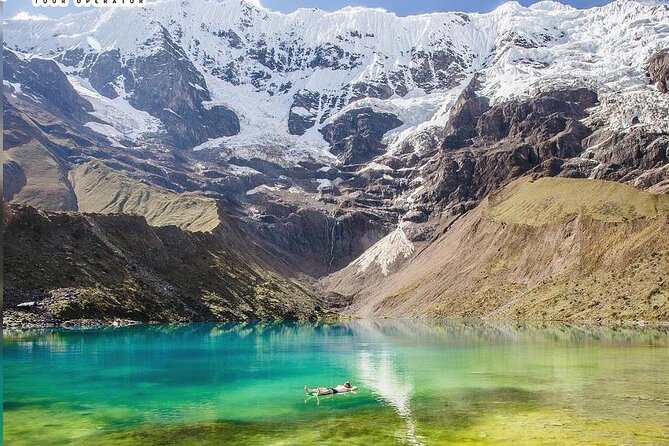
- Laguna Humantay at 4,200 m: a short, high-altitude hike for big views
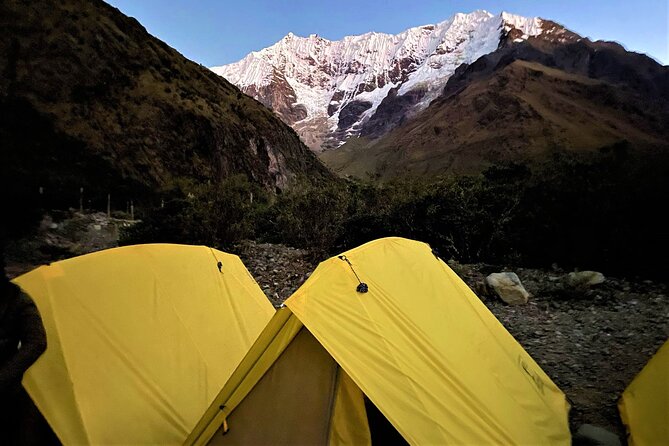
- Two special lodge nights: Soraypampa cabins, then luxury wood-and-glass sky domes in Sahuayaco
- Aguas Calientes walk via Intihuatana: cool cloud forest stroll with Inca sundial stops
- Early Machu Picchu access: bus up in the dark, guided tour, then time to explore
- All-inclusive meals and support: cooks, kitchen team, muleteers, and gear carried (you only carry a small pack)
Why the Salkantay Trek feels like the real deal before Machu Picchu
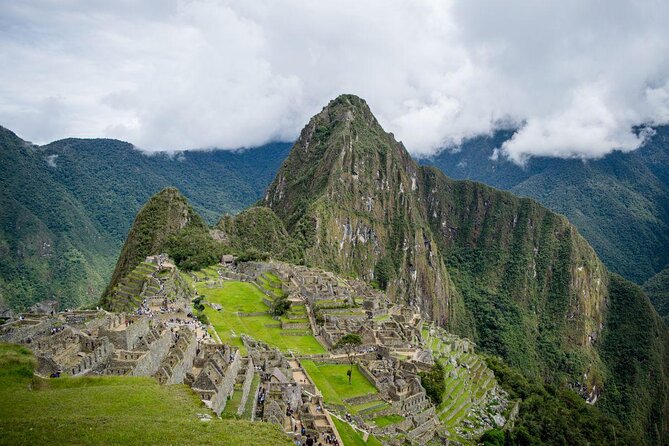
Machu Picchu is the headline, sure. But the Salkantay route is what makes the final reveal hit harder. You don’t just “get there.” You work up through snowy peaks, high puna-like valleys, and then down into cloud forest. That shift in vegetation and temperature is part of the magic.
You also get a very direct alternative to the more famous Inca routes. This trek is designed around the Salkantay corridor, which means you’ll spend your effort on a dramatic, mountain-first path rather than a day that mostly feels like transit. And along the way, you’ll hit key altitude viewpoints like Humantay Lagoon and the Salkantay Pass, which naturally reset your expectations for what Machu Picchu should feel like.
You can also read our reviews of more hiking tours in Cusco

Price and logistics: what $590 covers (and what you still control)
At $590 per person for about four days, the value depends on what you’d otherwise pay to combine everything yourself. Here, the money largely buys you the “glue”:
- A private pickup from Cusco at 5:00 am (and transport options from the Sacred Valley)
- 3 nights of lodging across different settings (including a private-bath hotel night in Aguas Calientes)
- All meals: 4 breakfasts, 4 lunches, and 3 dinners
- Guided entry to Machu Picchu (and the guided tour itself)
- Transport pieces that are normally a headache: transfers to the trail, vehicle rides around the middle of the route, hop-on bus tickets between Aguas Calientes and Machu Picchu, and the return train to Ollantaytambo
You still control the basics. Your personal pace, hydration, sleep, and how seriously you take altitude will shape your experience more than any feature list.
Day 1: Cusco at 5:00 am, then Mollepata breakfast and the first big walking day
Day 1 starts with an early hotel pickup in Cusco at 5:00 am. Before you leave, you’ll check that you have your original passport. That matters because control points along the route can require it, and you don’t want to waste time hunting it down mid-morning.
From Cusco, you’ll ride about two hours to Mollepata, stopping there for an hour and having your first breakfast at a local restaurant. This isn’t a random pause. It’s a practical fuel-up before the walk begins.
Then the trek starts around Challacancha (3,600 m). You meet the muleteer there and get help packing so horses carry kitchen equipment and food. After that, you begin walking at about 9:30 am, and the first day gives you a strong, steady warm-up:
- A first stretch along stone paths with a nearby water channel
- About 10 km and roughly 3 hours until Soraypampa, where lunch happens
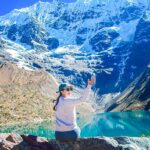
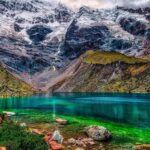
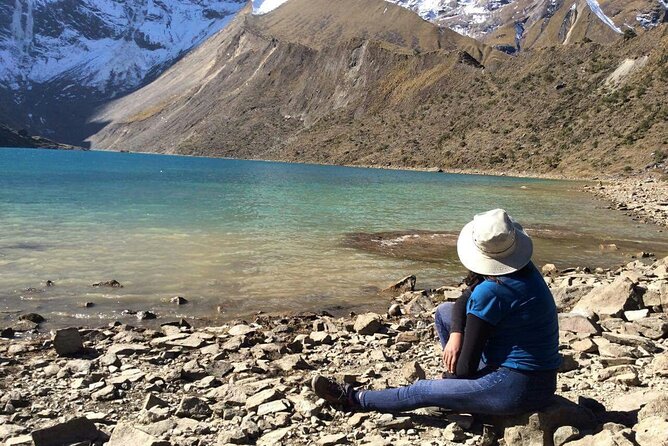
The afternoon adds a high payoff: Laguna Humantay at 4,200 m. It’s a shorter hike—about 1.5 hours up—but it’s steep enough to feel it in your lungs. When you arrive, you’ll have time to enjoy the views and take photos before heading back.
Back at Soraypampa around 5:30 pm, the day shifts from effort to comfort. Tea time includes hot drinks plus popcorn and cookies, then dinner, and even a chance to look at the stars. The stargazing isn’t guaranteed magic every night, but the timing is built for a clear-weather vibe when conditions allow.
My practical take: this first day is where you either lock into a manageable pace or spend the rest of the trek playing catch-up. Go slower than you think you should. Altitude punishes bravado.
Day 2: the 7 km ascent to Salkantay Pass and the descent into cloud forest
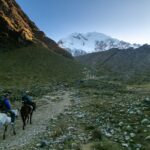
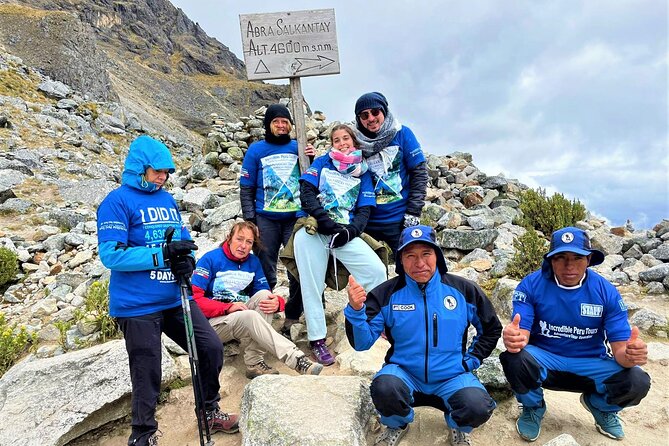
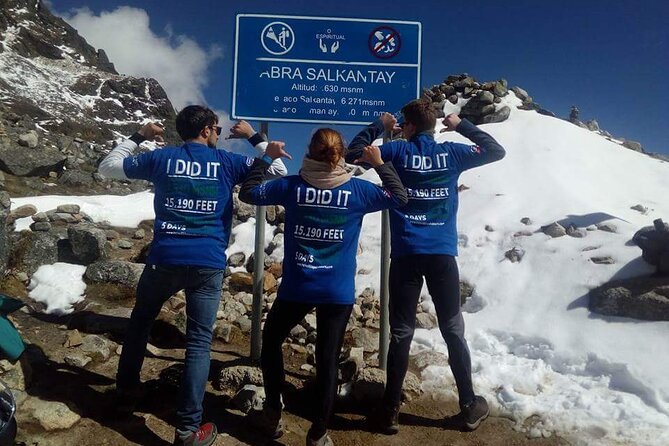
Day 2 is usually the hardest. You’ll wake to coca tea around 5:00 am, eat breakfast, and then start climbing toward the highest point of the trek: the Salkantay Pass at 4,630 m.
You walk uphill for about 3 hours to cover roughly 7 km. This is pure ascent with a gradual slope at first, then more climbing through rocky valley terrain. The key moment is reaching Pampa Salkantay (around 4,200 m) for a break with panoramic views, then continuing until you hit the pass.
Once you reach Salkantay Pass, the schedule gives time to rest and take in the mountain wall: Salkantay Mountain (listed at 6,271 m) and Humantay Mountain (5,400 m). It’s not just pretty. It helps you understand why people talk about this trek like a rite of passage.
From there, you descend toward Huayracmachay for lunch around 1:30 pm, then keep going down into the High Forest / Cloud Forest zone. The weather shifts here, and so does the feel of the trek. You move through warmer, temperate vegetation and more life on the trail.
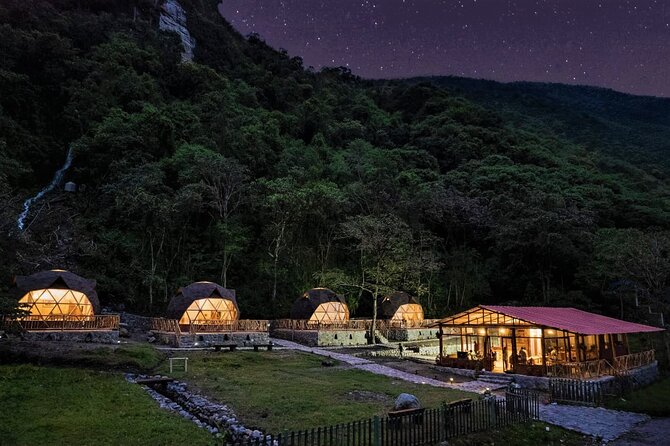
You reach Colpapampa around 4:30 pm (2,900 m) and then ride by vehicle for about an hour to your second-night lodge area. By roughly 5:00 pm, you arrive at Eco Lodge Majestic Sky Domes in Sahuayaco.
In the evening, the experience leans into comfort: tea time with hot chocolate, coffee, cookies, and popcorn, then dinner. The dome lodging is one of the more “I’m actually on a trip” parts of this route. You get a sense of being in the mountains without giving up sleep quality.
Safety note that matters: at 4,630 m, altitude sickness can happen even to people who are normally fit. The itinerary includes emergency oxygen carried by the guide, but since there have been reports of inconsistencies, I’d treat oxygen/first aid as a must-have you verify before you fully commit.
Day 3: coffee plantations in the morning, then Intihuatana and the walk into Aguas Calientes
Day 3 begins with a slower tempo before the long transit walk. After waking at 7:00 am and breakfast at 8:00 am, you walk around the lodge area and visit local plantations:
- bananas
- avocados
- oranges
- medicinal plants
You also hear how these plantations support the local population. Coffee comes up as the main export agricultural product, and you can visit a local coffee farm to taste freshly prepared coffee—roasted and ground—right there.
After that morning experience, you return to the lodge around 11:00 am and relax.
Then the pace shifts again in the afternoon. You travel to Central Hidroelectrica Machu Picchu (around 2:30 pm) to start a walk toward Aguas Calientes. The first part includes a slight climb of about 15 minutes, then the path becomes mostly flat. You’ll walk along train tracks and near the Urubamba River.
This day includes one of the most interesting cultural stops on the whole route: Intihuatana, described as an Inca sundial carved into a natural rock. You’ll also get sightlines to the sacred peaks such as Huayna Picchu and Machu Picchu as you go.
The route continues through cloud forest with lush vegetation and orchids, and after about 3 hours you arrive in Aguas Calientes around 5:30 pm.
That night is a hotel stay (private bathroom) with dinner included in a tourist restaurant. During dinner, your guide gives info for the next day’s Machu Picchu visit, and the plan strongly suggests an early night so you can leave early.
Why this day is valuable: by the time you reach Aguas Calientes, you’re tired but not “wrecked.” You’ve already been through the altitude story, so Machu Picchu tomorrow feels like a reward rather than another obstacle.
You can also read our reviews of more tours and experiences in Cusco
Day 4: bus up early to Machu Picchu, then train back through Ollantaytambo
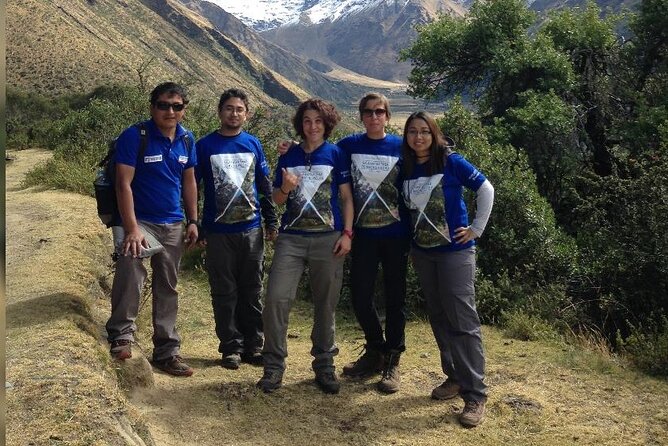
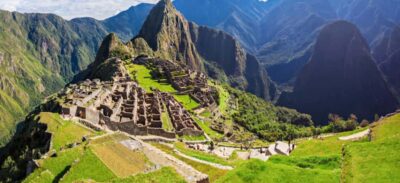
Day 4 starts early again. After breakfast, you leave the hotel around 5:30 am. You walk to the bus station and ride a tourist bus up for about 30 minutes along a zigzag road to the Inca Sanctuary of Machu Picchu at about 2,400 m. The goal arrival time is around 6:30 am, which is exactly when you want to be there.
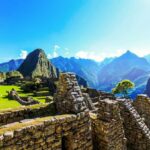
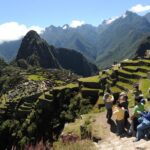
You’ll get a guided tour of Machu Picchu that lasts about 2 hours with a professional English-speaking guide. The tour focuses on the history and on specific features that make the place feel engineered, practical, and spiritual all at once—temples, terraces, and water-related structures are part of what you’ll hear about.
After the guided portion, you have time to take photos, walk around, and explore. There’s also the possibility to climb Huayna Picchu depending on availability. Even if you don’t climb, you still get time to wander at your own pace.
In the afternoon, you take the bus back down and then continue by train. The train reaches Ollantaytambo around 7:40 pm. Staff meet you and bring you back toward Cusco by tourist bus (about 20 minutes), with arrival back around 10:00 pm. From there, you’re dropped at your hotel in Cusco or, if you prefer, in the Sacred Valley.
Guides make or break this kind of trek (and this one has strong names)
This is a trek where your guide’s decision-making matters. You’re walking long hours, at altitude, with weather changes. You’re also juggling schedule timing so the Machu Picchu bus and tour run smoothly.
The best parts of the guide experience show up in how people describe specific individuals. Names that come through include Gilber (praised for being very knowledgeable and for interesting conversations), Rene (praised for keeping the activity doable for all participants), and Herbert (praised as a guide who genuinely wanted everyone to have a good time). Those are the kinds of comments you want to see on a physically demanding trek.
Just as important: because there have been safety complaints tied to first aid and emergency oxygen not being provided as advertised, I’d choose confidence over hope. Ask your operator how they confirm gear and oxygen. Then ask it again the day before if needed. It’s not rude; it’s smart.
The real talk on health and altitude: plan for descent fast
Salkantay isn’t a hike where you can ignore your body. Your itinerary climbs to:
- about 3,600 m at the start
- 4,200 m at Laguna Humantay
- 4,630 m at the Salkantay Pass
That altitude range is why the trip includes oxygen and a first-aid kit. In one serious case tied to this tour, a group reported getting very sick and then needing an out-of-pocket taxi to descend because the emergency supplies didn’t appear to be provided as stated. I can’t stress this enough: if you feel altitude symptoms, the fix is getting lower, fast, not waiting it out.
So here’s what you should do before you go:
- If you have any medical conditions, talk to a clinician about altitude risk.
- Consider bringing your own personal meds (especially for nausea or pain), even if the tour provides first aid.
- Pace yourself aggressively on Day 2. The pass is a goal, but climbing too fast is the easiest way to ruin the next hours.
What you’ll sleep like: cabins, domes, and a real shower night
One of the quiet strengths of this itinerary is how it breaks sleep into three distinct styles:
- Night 1: Cabaña Andina (Eco-Lodge Mamá Andrea) in the Soraypampa area
- Night 2: Eco Lodge Majestic Sky Domes in Sahuayaco
- Night 3: a hotel room with private bathroom in Aguas Calientes
The dome night is a big deal for comfort and atmosphere. You get the mountain setting without the feeling that everything is strictly survival-mode. And the Aguas Calientes hotel night is useful because you want a clean reset before Machu Picchu.
Also note that the trek includes camping-style dining setup with field tables and lamps. That doesn’t make it luxury by default, but it helps meals feel organized instead of chaotic.
Packing and preparation: keep it simple, but prepare for cold
You’ll carry a small backpack and your larger luggage is handled for you. The itinerary states your luggage that you’re carrying for the trek is limited to up to 7 kg, and the horses help carry the rest of the group gear.
That means you should pack smart around what you personally need day-to-day:
- warm layers for early mornings and cold air at altitude
- a rain layer (weather can change fast in the mountains)
- sun protection for high, bright hours
- comfortable day walking shoes you’ve already worn in
Also: bring your original passport because you’ll need it at control points. That’s the one item you can’t forget.
If you’re training, focus on steady time on your feet rather than speed. The trek rewards endurance and consistent pacing.
Who should book this trek, and who should pick something else
This experience fits best if you:
- want a classic Salkantay route to Machu Picchu that includes Laguna Humantay
- can handle a challenging climb on Day 2 (the pass day)
- like a guided structure with food and lodging handled
- appreciate the mix of mountain scenery and then cloud forest walking
You might think twice if:
- you’re not comfortable with altitude and long days on foot
- you need a higher level of medical assurance than what you can confirm
- you’re very sensitive to early starts (5:00 am and 5:30 am happen more than once)
Should you book this Salkantay Trek to Machu Picchu in 4 days?
Book it if you want the full story: mountains first, then Machu Picchu with a guided tour and well-timed transit back through Ollantaytambo. The included meals, small group size, dome lodge night, and guided Machu Picchu access make it feel like a well-built package for the effort you put in.
Don’t book blindly if safety is your top priority. Since there have been reports about missing emergency supplies when people got sick, do your homework:
- confirm first-aid kit and emergency oxygen will be carried by the guide
- ask what their process is for altitude emergencies and descent decisions
- make sure you’re physically ready for the pass day
If you’re healthy, flexible, and ready to move at altitude speed (slow), this is one of the more rewarding ways to reach Machu Picchu with meaning built in.
FAQ
What time does pickup in Cusco start?
Pickup starts at 5:00 am from your hotel in Cusco (and pickup is also offered from hotels in the Sacred Valley).
What is the highest point on the trek?
The trek’s highest point is the Salkantay Pass at 4,630 m.
Are meals included during the trek?
Yes. Meals are included: 4 breakfasts, 4 lunches, and 3 dinners.
Where do you stay overnight during the trek?
You stay 3 nights: a cabin in the Soraypampa area (Cabaña Andina / Eco-Lodge Mamá Andrea), a sky dome lodge in the Sahuayaco area (Eco Lodge Majestic Sky Domes), and a private-bath hotel room in Aguas Calientes.
Is Huayna Picchu included?
You can get an entrance ticket to Huayna Picchu if it’s available.
How many travelers are on the tour?
This tour has a maximum of 10 travelers.