REVIEW · CUSCO
Titicaca Lake 2 Day 1 Night from Cusco to Puno
Book on Viator →Operated by MACHUPICCHU TOURIST CONNECTION · Bookable on Viator
Cusco to Lake Titicaca in one smooth package? That is the whole idea. You get a full multi-stop bus day through the Sacred Valley area, then a full Lake Titicaca boat day to the Uros floating islands and Taquile. What I like most is that the trip is timed to keep you moving without you having to plan transport, tickets, and island logistics yourself. One drawback to know up front: this can feel like 2 days and 2 nights if you count the overnight bus return to Cusco, so check the schedule before you commit.
I also appreciate that the group is capped at 15 travelers, which usually keeps the pace from turning into a cattle-train. Pickup from your hotel is built in on both ends, plus you travel with a professional guide and included admissions on several key stops. The consideration here is simple: it is a long day on the bus both ways, so if you hate riding for hours, plan to treat this as a bus-and-boat itinerary, not a slow scenic weekend.
In This Review
- Key highlights I’d bank on
- Lake Titicaca in Two Days: What This Tour Feels Like
- Price and Logistics: Is $269 Good Value?
- Day 1 From Cusco to Puno: The Sun Route With Real Archaeology Stops
- Why this bus day is worth your energy
- Andahuaylillas, Raqchi, Sicuani, La Raya, Pukara: Stop-by-Stop Reality Check
- Andahuaylillas (Church of San Pedro de Andahuaylillas)
- Chacacupe
- Raqchi (Parque Arqueológico de Raqchi)
- Sicuani (Buffet lunch)
- La Raya Pass
- Pukara (Pukara Archaeological Site)
- Overnight in Puno: Hostel Base and What You Can Do With Your Time
- A practical note about lodging info
- Day 2 on Lake Titicaca: Uros Floating Islands and Taquile
- Uros Floating Islands (about 1 hour)
- Taquile Island (about 1 hour, plus lunch plan)
- Getting Back: The Late-Night Cusco Return Bus
- Guides, Comfort, and the Small-Group Advantage
- About guide style
- What to Pack for High Altitude and Long Days
- Don’t ignore acclimatizing
- Who This Tour Suits Best (and Who Should Think Twice)
- Should You Book This Titicaca 2 Day 1 Night Tour?
- FAQ
- FAQ
- What time do they pick me up in Cusco?
- When do we arrive in Puno on Day 1?
- What time is pickup in Puno for the boat on Day 2?
- Which islands do we visit on Lake Titicaca?
- Is lunch included on Taquile Island?
- What meals are included on the tour?
- Is admission included for the archaeological stops?
- Do I sleep only in Puno?
- What is the maximum group size?
- When does the tour end in Cusco on the last day?
Key highlights I’d bank on
- Sun Route ruins by bus: multiple archaeological stops instead of only a single viewpoint
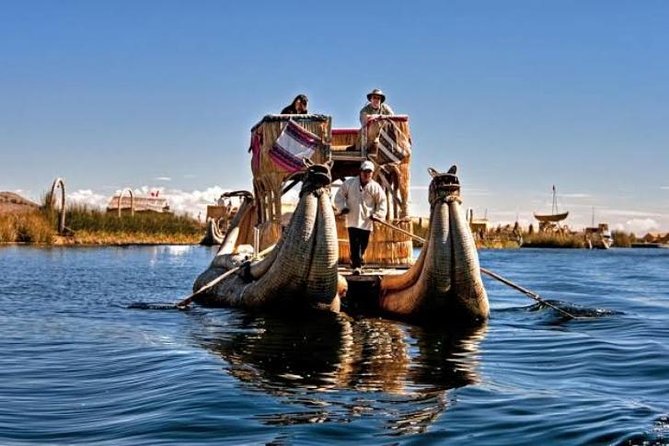
- Uros floating islands boat time: a direct visit to the totora-built communities
- Taquile for lived-in culture: hands-on time on the island and lunch opportunity via lake trout
- One-night base in Puno: hostel lodging that’s included so you do not juggle bookings
- Comfort-focused transport: tourist buses and transfers designed to keep you moving smoothly
Lake Titicaca in Two Days: What This Tour Feels Like
This is a door-to-door style tour that strings together three big travel moments: a morning departure from Cusco, a long sightseeing drive across the Sacred Valley region toward Puno, and then a full day on Lake Titicaca by boat.
The itinerary is busy by design. Day 1 is mostly road time with multiple stops, including the Andahuaylillas church often compared to the Sistine Chapel of the Americas, plus archaeological ruins like Raqchi and Pukara. Day 2 shifts gears to the lake: Uros first, then Taquile for a full island experience before you’re back in Puno.
And then comes the part that catches people: on Day 2 evening, you get picked up around 9:15 pm to return to Cusco. You arrive at the Cusco terminal the next morning around 5:00 am. So even though the tour is sold as 2 days, it operates like a longer experience if you care about sleep schedule.
You can also read our reviews of more evening experiences in Cusco

Price and Logistics: Is $269 Good Value?
At $269 per person, you are paying for a bundle: bus transport (Cusco to Puno plus return), guided stops across several sites, an included one-night stay in Puno (hostel-style), and boat fare for the island visits. You also get a buffet lunch on Day 1.
That matters because Titicaca tours can get expensive once you add up the separate pieces. Here, the cost is doing the work for you: you avoid the trial-and-error of finding transport to Puno, hunting down ticket counters, and coordinating the boat segments to Uros and Taquile.
What is not included is also clear. You should expect to budget extra for:
- Tips (optional)
- Lunch on Taquile day (the plan notes lake trout, but that lunch is not included)
- Personal expenses like drinks/snacks beyond what’s provided
Value also depends on your time. If you want Cusco-to-Puno logistics handled for you, plus a guided day of stops, this price is competitive in spirit. If you like to travel at your own pace, or you hate tight schedules, you might feel boxed in by the many transfers.
Day 1 From Cusco to Puno: The Sun Route With Real Archaeology Stops
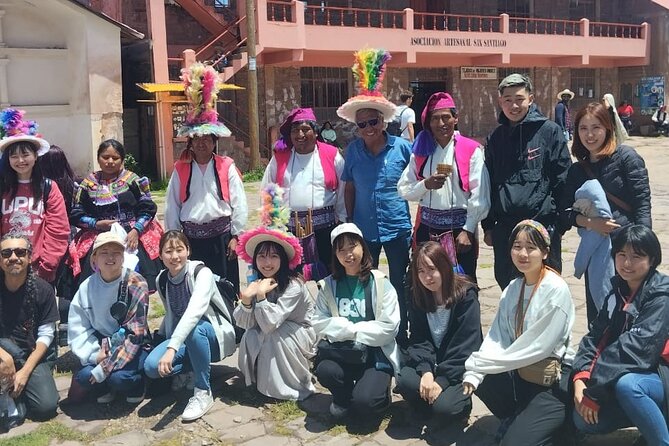
Your day starts early: pickup from your hotel in Cusco at 6:30 a.m. Then you board a tourist bus headed for Puno with planned stops along the way. The day runs until about 5:30 p.m., when you arrive in Puno and check in.
The route is built around a classic sequence of sights commonly grouped as the Sun Route. You’ll pass through areas such as Oropesa, then on to Andahuaylillas and Chacacupe, followed by Raqchi, a buffet lunch in Sicuani, and then high-altitude La Raya Pass before finishing with Pukara.
Why this bus day is worth your energy
This day is valuable because it compresses a lot of Andean archaeology and architecture into one trip. You also get a guide who can connect the dots between Inca-era sacred sites and the landscape around them.
The tradeoff is fatigue. You’ll spend the majority of Day 1 on the road. So think of Day 1 as a sightseeing drive day with included stops, not a short excursion.
Andahuaylillas, Raqchi, Sicuani, La Raya, Pukara: Stop-by-Stop Reality Check
Here’s what each Day 1 stop is doing for you, and what to watch for.
You can also read our reviews of more tours and experiences in Cusco
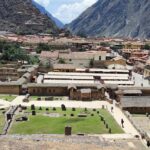


Andahuaylillas (Church of San Pedro de Andahuaylillas)
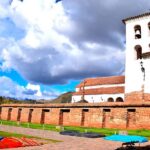
You’ll spend about 40 minutes here. The church is noted for elaborate interior decoration and is often nicknamed the Sistine Chapel of the Americas. It’s a Jesuit-built structure from the 16th century that was built on a sacred Inca site.
Admission is listed as free in the plan, so the big point is simply using your time well inside: look up, slow down, and take it in before you’re back on the bus.
Chacacupe
This stop is listed as part of the Sun Route in the overall plan, but the itinerary details provided do not specify exact timing or what is emphasized here. So keep your expectations flexible: you’ll likely get a quick guided introduction and then move on.
Raqchi (Parque Arqueológico de Raqchi)
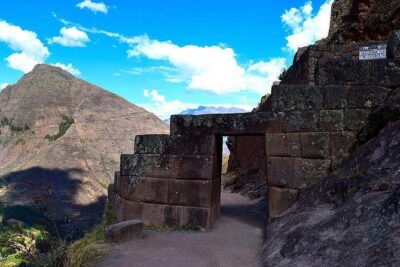
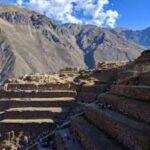
This is one of the longer site stops: about 50 minutes, with admission included. The complex includes several areas with different functions, and the main attraction is the Temple of Wiracocha, built in honor of Wiracocha.
This stop works best if you like archaeology with scale—big structures, distinct zones, and an easy way to imagine the site’s ritual purpose.
Sicuani (Buffet lunch)
You get a buffet lunch here with about 1 hour on the schedule. Admission is listed as free, which makes this less about tickets and more about refueling.
Tip for your digestion: plan for high altitude and road time. Eat what you can handle, then keep water handy.
La Raya Pass
You stop briefly, about 10 minutes, at 4,338 meters. This is the highest point on the route between Cusco and Puno, and it’s a practical place for the views of snow-capped Andes peaks.
Ten minutes goes fast. Wear a warmer layer and be ready to look up quickly, because the bus is not waiting for long photo sessions.
Pukara (Pukara Archaeological Site)
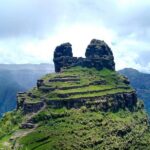
You’ll have around 30 minutes here, and admission is included. Pukara is described for impressive monolithic sculptures with geometric, zoomorphic, and anthropomorphic imagery, plus multi-colored pottery.
This is a solid last archaeological stop before you roll into Puno. If you want one quick way to remember it, focus on the sculpture and pottery details rather than trying to master the entire site in one half hour.
Overnight in Puno: Hostel Base and What You Can Do With Your Time
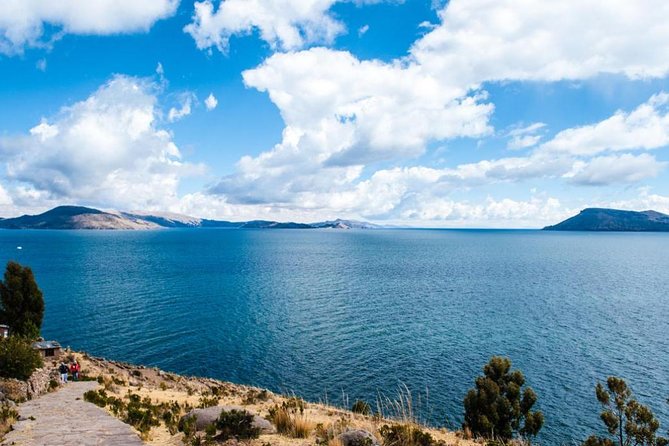
By the end of Day 1, you arrive in Puno around 5:30 p.m. You install at your hostel accommodation, which is included.
How much you can do in Puno depends on your energy and your personal pace. On the schedule, Day 2 has a long boat day and returns you to your hotel around 5:00 p.m. Then, you have a window to visit Puno on your own if you want, before pickup for the overnight return to Cusco at 9:15 p.m.
A practical note about lodging info
Some accounts say the online accommodation details could be clearer. Translation: you’ll get hostel-style lodging in Puno, but the room setup and amenities can vary. If that matters to you, double-check what is included in your specific booking.
Day 2 on Lake Titicaca: Uros Floating Islands and Taquile
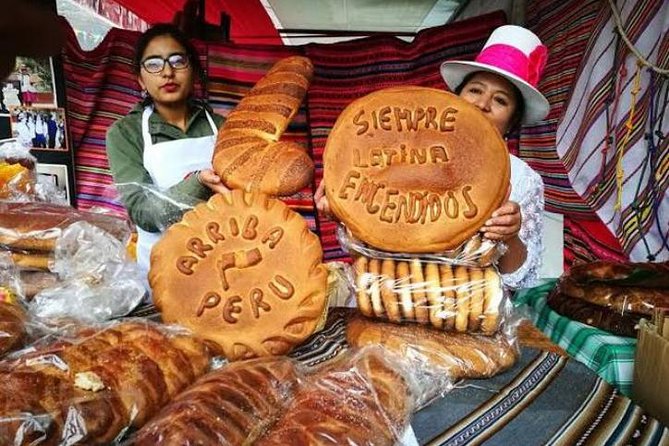
Day 2 starts with pickup in Puno at 6:45 a.m. Then you’re on the lake for the day.
The itinerary is built around two very different island experiences:
1) Uros floating islands, made from totora (a lake-growing aquatic plant)
2) Taquile Island, focused more on community life and customs
Uros Floating Islands (about 1 hour)
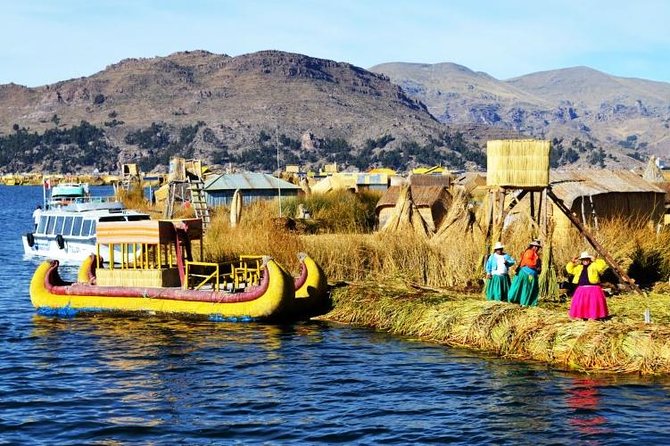
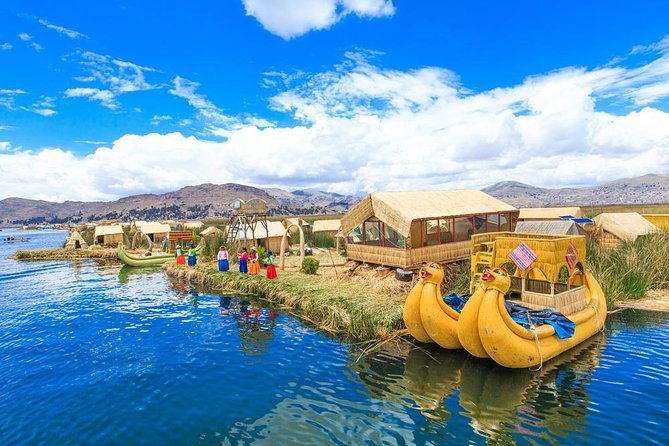
You get about 1 hour on the Uros floating islands. These are habitable artificial surfaces built using layers of totora. The people living there are known as the Uros.
What I like here is that it isn’t just a quick “look and go.” You have a real visit with time to see how totora is used to create and maintain the floating land.
A good way to experience Uros is to ask questions during the visit. You’re there to understand a living method of building and maintaining land on a lake that stays at a high altitude.
Taquile Island (about 1 hour, plus lunch plan)
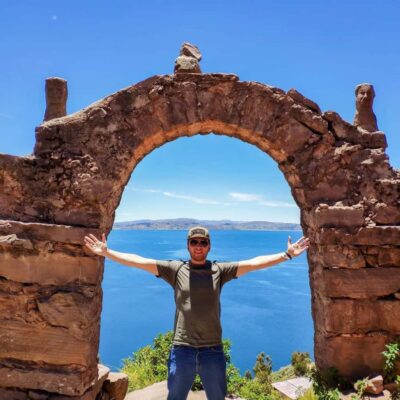
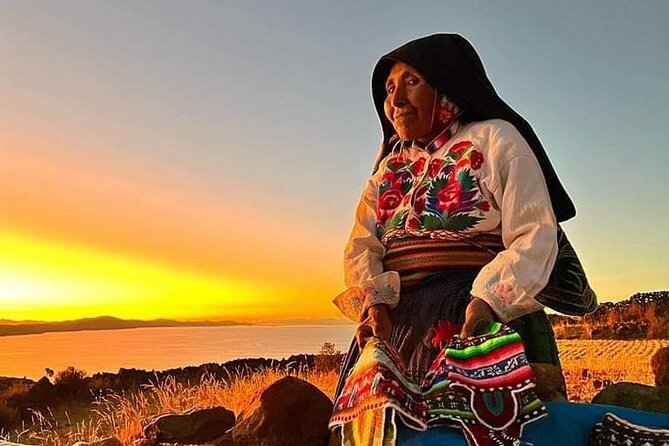
Then you move to Taquile Island for about 1 hour of island time, with admission included. The itinerary emphasizes experiential tourism—living with people, learning daily tasks, and understanding how residents view their island and rituals.
After that comes lunch on Taquile. The plan says lunch is lake trout, but it is not included. So treat this as an add-on you may want to budget for.
If you’re the type who likes culture that isn’t staged, Taquile tends to land better than a checklist stop. The schedule still keeps it focused, though: one hour means you need to prioritize what you want to learn—textiles, daily work, or local beliefs—rather than trying to absorb everything.
Getting Back: The Late-Night Cusco Return Bus
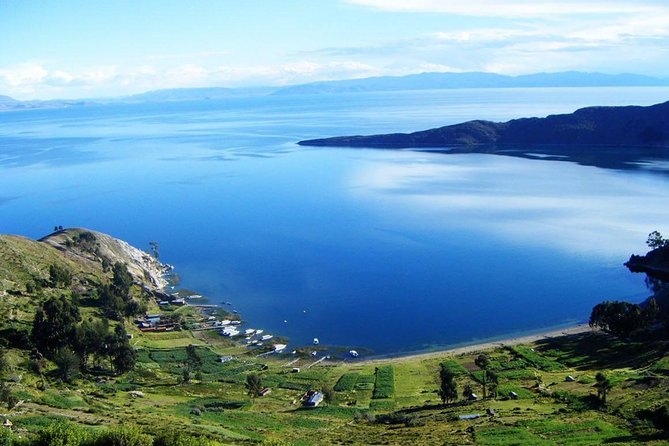
After your boat day ends, you return to Puno around 5:00 p.m. From there, the plan offers two options: go back to the hotel or visit Puno on your own.
At 9:15 p.m., you’re picked up from your hotel for the return to Cusco. You arrive at the Cusco terminal around 5:00 a.m. the next day.
This is the part that deserves the clearest mental picture. You are not just taking a short transfer home. You are sleeping on a bus (or at least trying to) as part of the experience. If you are sensitive to motion, or you hate being “on” all evening, pack for comfort and plan for reduced sleep quality.
Guides, Comfort, and the Small-Group Advantage
The tour includes a professional guide, and the group size is capped at 15 travelers. That matters. With smaller groups, it’s easier to ask questions during stops and less likely you’ll get lost in a shuffle at each site.
One guide name that appears in participant feedback is Manuel, mentioned as a good guide. Also, the tour format includes handoffs between guides during the trip. That can work well when everyone keeps the narrative consistent, but it also means you should be ready for a new guide voice at some point.
About guide style
Not every guide teaches the same way. One account mentioned a Day 1 guide spent time talking about chakras and numerology and aliens, while the person had been hoping for more straightforward history focus. I can’t tell you what your guide will emphasize. I can say this: if you want a strict archaeological focus, ask a simple question like what the key Inca details are, and redirect politely if the conversation drifts.
What to Pack for High Altitude and Long Days
This route hits high elevations and includes cold weather conditions, especially around high passes and the lake at altitude. The tour notes suggest practical gear, and you’ll be glad you listen.
Bring:
- A personal light backpack
- Hiking shoes
- Cold clothing
- A rain jacket or rain poncho
- Hat and sunscreen
- Sun glasses
- A plastic bag for wet items
- Energy bars for road gaps
- Personal medication if needed
- A small plan for keeping your phone charged and dry
Don’t ignore acclimatizing
The tour advises acclimatizing before you go, and it specifically suggests drinking coca tea. Even if you already feel fine in Cusco, Titicaca altitude and the pass stop can still hit hard. Take it slow, drink water, and keep warm.
Who This Tour Suits Best (and Who Should Think Twice)
This tour is a good match if you:
- Want Cusco to Puno handled without arranging separate transport
- Prefer guided stops with admissions already covered
- Like the idea of visiting both Uros and Taquile in one package
- Are okay with a full day on a bus and an overnight return schedule
It may be less satisfying if you:
- Want a relaxed, low-transfer itinerary
- Hate spending evenings on a 9:15 p.m. pickup and traveling all night back to Cusco
- Are very picky about exact hostel room details and expected amenities
Should You Book This Titicaca 2 Day 1 Night Tour?
If you want a practical way to see Lake Titicaca’s most famous island experiences without doing logistics homework, I’d say yes—with one condition: go in with the right timing expectations.
Book it if you like structure and you’re comfortable with the schedule:
- Early start in Cusco
- Sun Route archaeological stops
- Hostel night in Puno
- Long boat day
- Late-night bus back to Cusco
Hold off or ask extra questions if accommodation details matter a lot to you, or if you need a clearly “normal” sleeping pattern. The tour works best when you treat it like a two-part journey—Day 1 is archaeology by bus, Day 2 is the lake by boat, and the return is an overnight reset.
FAQ
FAQ
What time do they pick me up in Cusco?
Pickup from your hotel in Cusco is listed for 6:30 a.m.
When do we arrive in Puno on Day 1?
The itinerary says you arrive in Puno at about 5:30 p.m. on Day 1.
What time is pickup in Puno for the boat on Day 2?
Pickup in Puno for Lake Titicaca is listed for 6:45 a.m.
Which islands do we visit on Lake Titicaca?
You visit the floating islands of the Uros and then Taquile Island.
Is lunch included on Taquile Island?
Lunch on Taquile is noted as not included.
What meals are included on the tour?
A buffet lunch is included on Day 1. No other meals are explicitly listed as included besides that.
Is admission included for the archaeological stops?
The itinerary indicates admission tickets are included for several sites and some stops are free, such as Andahuaylillas and Sicuani.
Do I sleep only in Puno?
You sleep in Puno for one night in included hostel accommodation, and you also travel back to Cusco overnight by bus.
What is the maximum group size?
The tour notes a maximum of 15 travelers.
When does the tour end in Cusco on the last day?
You return to the Cusco terminal around 5:00 a.m. the next day.
If you want, tell me your travel dates and whether you’re sensitive to motion on buses—I can help you decide how to pack and plan sleep for this exact schedule.