REVIEW · CUSCO
From Cusco: 3-Night Lake Titicaca Excursion
Book on GetYourGuide →Operated by Peru Hop · Bookable on GetYourGuide
Reed islands on Titicaca feel unreal. This 4-day Cusco-to-Puno-to-lake circuit gives you two big wow moments: the guided visit to the Uros floating reed islands, and the overnight cultural exchange on Amantani Island with a local family. You’ll also travel with a bilingual Spanish-English guide, so you’re not just riding boats—you’re understanding what you’re seeing.
One possible catch: it’s a long haul with two overnight bus rides and some waiting time in Puno. Expect it to feel more like an adventure route than a lazy weekend—plus weather can change timing, so build in patience.
In This Review
- Key things to know before you go
- Cusco to Puno: the overnight bus part is real travel time
- Puno morning setup: storage, a quick reset, then straight to Uros
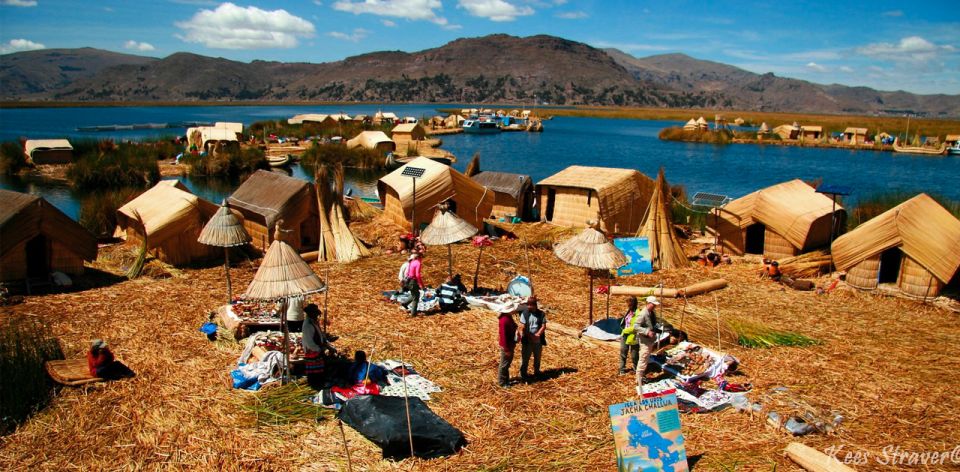
- Uros Floating Islands: what you’re really going to see
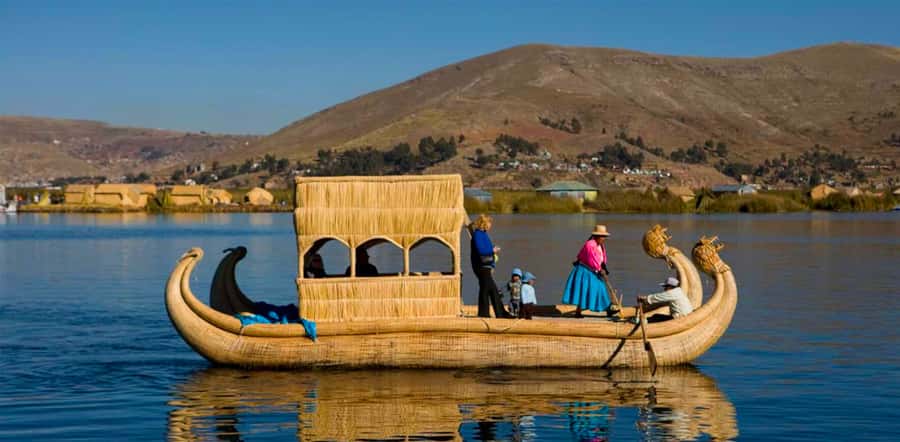
- Optional extra: the reed boat ride (Kontiki)
- Cruise to Amantani: the lake between the highlights
- Amantani homestay: the cultural exchange is the main event
- Afternoon options: rural life + a sunset hike
- Dinner and evening atmosphere
- Llachon Peninsula: rural community time on the lake shore
- Returning to Puno: the clock starts ticking again
- Back to Cusco: overnight bus comfort tips that actually help
- Price and value: what $109 gets you (and what costs extra)
- Who this tour fits best (and who should skip it)
- Final decision: should you book this 3-night Titicaca excursion?
- FAQ
- How long is the Lake Titicaca excursion from Cusco?
- Where is the meeting point in Cusco?
- What time does the overnight bus leave Cusco?
- Is breakfast included when you arrive in Puno?
- What meals are included during the tour?
- Do I need to pay for the reed boat ride in Uros?
- What language is the guide?
- Do I need cash?
- Is this tour suitable for wheelchair users or young children?
Key things to know before you go
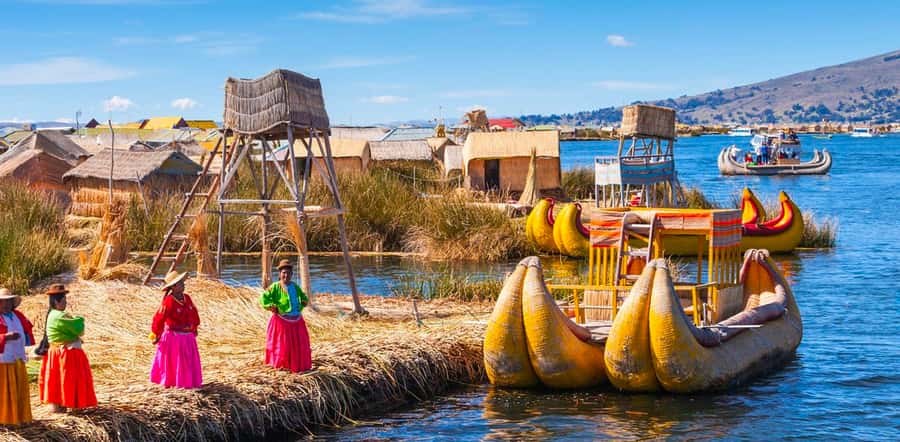
- Uros reed islands with an entry ticket and guided boat tour (a classic, hands-on first stop on Titicaca)
- Amantani overnight homestay with family lunch, local activities, and the option to hike for sunset
- Llachon Peninsula visit with rural community life and a scenic afternoon on the lake
- Bilingual guide support to keep logistics smooth and meaning clearer
- High-speed Wi-Fi on the Peru Hop bus so you’re not totally offline on the road
- Bring cash and plan for changes—rain, mud, and other disruptions can shift the order or timing
Cusco to Puno: the overnight bus part is real travel time
This tour starts the practical way: you meet at the Peru Hop bus terminal in Cusco (Alameda Pachacuteq 499 B) and board an overnight bus at 9:30 pm. The terminal is about a 10–15 minute walk from Plaza de Armas, so you’re not trekking across town at the last minute.
Here’s why this matters: you’re trading convenience for time on the lake. The upside is that you gain daylight hours for the Uros tour and then continue onward. The downside is comfort: overnight buses are often cold, and you’ll want to layer up the same way you would for high-altitude evenings.
A small but useful bonus is that you can stay connected—there’s high-speed Wi-Fi on the bus (as long as you’re using Peru Hop). That’s handy for mapping, messaging, or just killing time while you wait to arrive in Puno around 5:00 am.
You can also read our reviews of more evening experiences in Cusco



Puno morning setup: storage, a quick reset, then straight to Uros
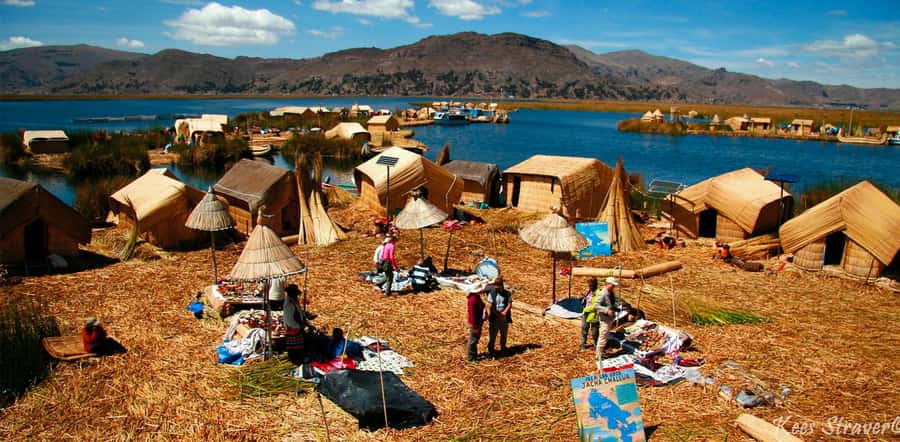
When you arrive in Puno around 5:00 am, you transfer to a partner hostel area where you can store luggage for free. If you want breakfast, that’s optional—so plan to eat or snack depending on your arrival appetite and how long you’ll be waiting.
Then the day ramps up. You’ll be picked up at 7:40 am, and at 8:15 am you board for the first boat segment—Uros Floating Islands. This schedule is tight enough that you don’t get the luxury of a slow breakfast and long café stop, so treat Puno as a launchpad.
One more practical note: the waiting spaces in Puno can be basic, and you may be standing around for hours. I’d pack a warm layer, a small towel or wet wipes, and something to do offline (a book or downloaded playlist), so the wait doesn’t drain your energy.
Uros Floating Islands: what you’re really going to see
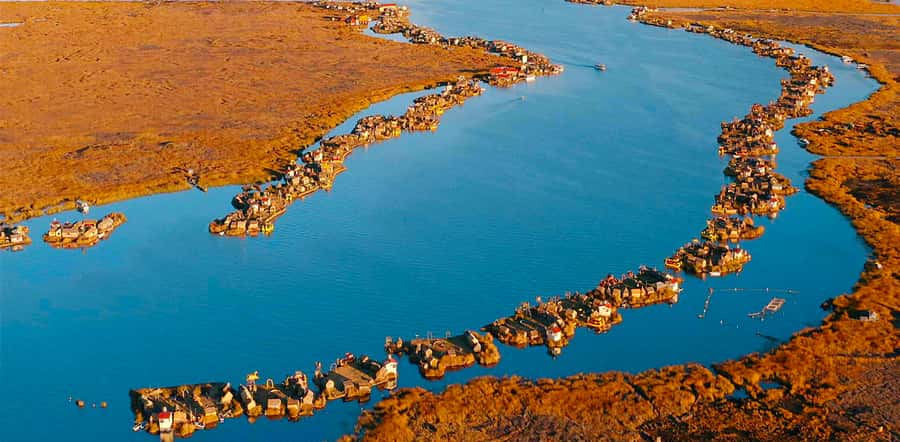
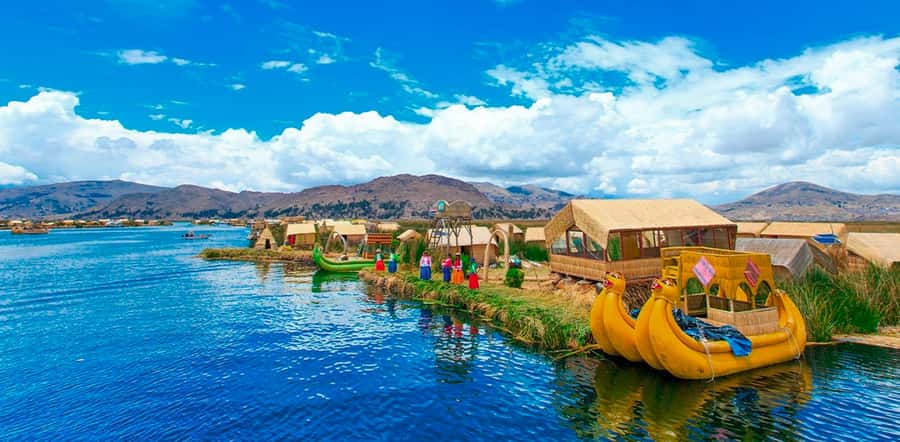
Uros floating islands are famous for a reason: they’re built from totora reed, and the whole community structure is tied to that material. The tour here is guided from the boat, and you get an entry ticket included, so you’re not hunting logistics while others are buying tickets at the dock.
What makes this stop more meaningful than a quick photo stop is the guided context. You’ll learn how the islands are maintained and how everyday life works on the water. From a visitor perspective, you’re also getting a taste of Titicaca’s scale—this is the highest navigable lake in the world, and the open water makes the journey feel big.
Optional extra: the reed boat ride (Kontiki)
There’s an optional reed boat ride you can add on for S/.10 soles. If you’re the type who likes one more hands-on moment, it’s a reasonable add-on. If you’re trying to keep the budget tight, you can skip it—your main Uros experience is already covered by the guided tour and entry ticket.
Cruise to Amantani: the lake between the highlights
After Uros, you cruise across Titicaca to Amantani Island, aiming to arrive around 1:30 pm. This middle stretch isn’t filler. It’s your chance to actually absorb the lake—its light, the distance, and the way weather can change the view fast.
You’ll also be moving from a more tour-focused reed-island setting to a more local, rural rhythm. That shift is part of the value of this itinerary: you don’t only see the iconic sites, you also spend a night where people live.




Amantani homestay: the cultural exchange is the main event
At Amantani, you meet your host family and check into the family homestay. Lunch is included and is made from natural products, and this meal is one of the best “how locals eat” windows you’ll get on Titicaca.
The homestay experience is also where you’ll feel the cultural gap up close—in a good way. One important reality: your host family may not speak much English, even with a bilingual guide on the tour. That doesn’t mean it’s awkward. It means communication can turn into gestures, shared routines, and simple conversation with your guide stepping in when needed.
Afternoon options: rural life + a sunset hike
After lunch, you’ll have intercultural activities with your local family. Around 4:00 pm, you can hike up toward Pachatata temple to watch the sunset (optional). If you like views and steady effort, this is the moment to take it. If your legs are tired from the long travel day, skip the hike and enjoy the slow afternoon with the family—often that’s when the most natural conversations happen.
Dinner and evening atmosphere
Dinner is normally served around 7:00 pm. Later, there may be local dance and music, or you can simply rest in the family home. This is one of the reasons I like this itinerary: you’re not stuck in a rigid “tour bubble” at night.
Llachon Peninsula: rural community time on the lake shore
Day 3 shifts to Llachon Peninsula. You’ll eat breakfast at the family house around 7:00 am, then you’ll likely have some free morning time before heading out at about 12:30 pm.
The boat transfer takes you to Llachon Peninsula, with arrival around 1:15 pm. This stop is built around seasonal activities of the rural community, plus free time to enjoy one of the most picturesque settings on Titicaca.
Lunch is scheduled around 12:00 pm (timing can feel tight because you’re moving), and the rest of the afternoon is your open window. Think of it as: less “activity checklist,” more “be where people are living.” If you’re the type who likes to watch, ask, and learn at your own pace, this is a great counterweight to the more structured boat times.
Returning to Puno: the clock starts ticking again
After Llachon Peninsula, you catch the boat back to Puno, arriving around 5:00 pm. You’ll be dropped off at the partner hostel a few blocks from the central plaza. Bag storage is available for free, and you can shower for a low price, which is a practical lifesaver after two big travel days.
Then you wait. Your pickup for the overnight bus back to Cusco is between 9:00 pm and 9:30 pm. That’s a wide window, so plan meals and your energy level accordingly.
Back to Cusco: overnight bus comfort tips that actually help
The return bus runs overnight again, and you’ll arrive in Cusco around 5:00 am. This part feels easier because you already did the hardest emotional work: the homestay night and the lake days.
Still, don’t underestimate the cold again. Bring layers you can actually move in, not just fashion layers. If you run cold easily, add an extra hat or scarf. A small warm bottle or thermos can also make a long, quiet bus ride easier.
Price and value: what $109 gets you (and what costs extra)
At about $109 per person, this tour is priced as a value route that strings together transport, guided lake time, and an overnight homestay. The included items are the heart of the deal:
- Cusco to Puno guided transportation (overnight bus)
- Boat transportation
- Bilingual guide (Spanish/English)
- Entry tickets for Uros and Amantani
- Amantani homestay lunch
- Entry into the Uros/Amantani experiences through included access
- On-bus Wi-Fi while using Peru Hop
What’s not included is mostly about timing and meals:
- Breakfast in Puno (optional extra)
- Dinner in Puno on the return leg
- The optional reed boat ride in Uros (Kontiki) for S/.10
- Hotel pickup and hostel storage (storage/shower are handled by partner facilities instead)
So the value math is pretty straightforward: if you were to book transportation, guides, tickets, and the homestay night separately, the $109 price starts to look reasonable. The key is aligning your expectations: this isn’t a resort-style break. You’re paying for the full route and the cultural night, not for comfort perks.
Who this tour fits best (and who should skip it)
This itinerary is a strong match if you want a classic Lake Titicaca route that goes past the postcard stops. You’ll like it if you enjoy:
- boat travel on a big, high-altitude lake
- meeting local families and sticking around long enough to feel daily life
- having a bilingual guide handle logistics and explanations
It may be a tough fit if you hate waits and overnight travel. The schedule includes nighttime bus journeys, and you’ll likely spend chunks of time in basic waiting areas before tours start.
Also, it’s not suitable for wheelchair users, pregnant women, or children under 4.
Final decision: should you book this 3-night Titicaca excursion?
If your goal is a meaningful Lake Titicaca experience—not just Uros photos—this is an easy yes. The combination of Uros + Amantani homestay + Llachon Peninsula is exactly the kind of itinerary that turns “one stop” into an actual cultural day-and-night rhythm.
Before you book, do two things:
- Plan for cold and long travel time by packing layers for overnight buses.
- Budget small extras (like the optional Kontiki ride) and bring cash, since it’s specifically called out as needed.
If you can handle a rougher edge on comfort, you’ll get the kind of experience that stays with you.
FAQ
How long is the Lake Titicaca excursion from Cusco?
The duration is listed as 4 days, covering the overnight bus travel and the lake activities across 2 nights.
Where is the meeting point in Cusco?
You meet at the Peru Hop private bus terminal at Alameda Pachacuteq 499 B. Plaza de Armas to the terminal is about a 10 to 15 minute walk.
What time does the overnight bus leave Cusco?
The bus departs Cusco at 9:30 pm.
Is breakfast included when you arrive in Puno?
Breakfast upon arrival in Puno is not included. It’s optional and would be an extra cost.
What meals are included during the tour?
Lunch on Amantani and lunch on Llachon Peninsula are included. Breakfast in Puno is optional, and dinner in Puno on the return leg is not included.
Do I need to pay for the reed boat ride in Uros?
There’s an optional Kontiki reed boat ride in the Uros Islands that costs S/.10 soles.
What language is the guide?
The guide is bilingual in Spanish and English.
Do I need cash?
Yes. Bringing cash is specifically mentioned as what to bring.
Is this tour suitable for wheelchair users or young children?
No. It’s not suitable for children under 4, pregnant women, or wheelchair users.