REVIEW · CUSCO
From Cusco: 2-Night Lake Titicaca Excursion
Book on GetYourGuide →Operated by Peru Hop · Bookable on GetYourGuide
That first boat day sets the tone. This Lake Titicaca excursion is interesting because it mixes floating-reed island history with a visit to a more remote island community, then gives you time back on land in Puno. I especially like how the itinerary is built around boat time and a guided stop at Uros and Amantani, so you’re not just watching from a distance.
Two things I like a lot: the trip includes a bilingual guide through the key parts, and you get an included lunch on the Llachon Peninsula after the crossing from Amantani. One possible drawback to keep in mind is that the exact amount of time at each island can feel uneven, and there’s a real chance of extra costs at stops—so it helps to bring cash and lower your expectations of a perfectly “all equal time” schedule.
In This Review
- Key points worth knowing before you go
- The Cusco-to-Puno Overnight Bus: Efficient, Not Effortless
- Puno Morning Setup: Hostel Storage and a Quick Reset
- Uros Floating Reed Islands: The Famous Spot, With a Real Timing Caveat
- The Boat Crossing and Amantani Island: Remote, Local, and Guided
- Llachon Peninsula Lunch and Free Time: Where the Pace Lets Up
- Back in Puno: Explore, Eat, and Then Catch the Second Overnight Bus
- The Huacachina and Paracas Highlights: Double-Check the Actual Trip Mix
- Price and Value: What $86 Covers (and What You’ll Pay On Top)
- How the Schedule Feels in Real Life: Waiting Time and Pace
- Who This Tour Fits Best (and Who Should Skip It)
- Should You Book This Lake Titicaca Excursion?
- FAQ
- How long is the Lake Titicaca excursion?
- What time does the bus leave from Cusco?
- Where is the meeting point in Cusco?
- What time do I arrive in Puno?
- What meals are included?
- Is Wi-Fi included?
- What does the tour include for island visits?
- Is it suitable for wheelchair users or young children?
- What should I bring?
Key points worth knowing before you go
- Overnight buses: You spend two nights on the road, which is efficient but can be tiring.
- Guided island visits: You should get context (history and daily life) rather than only photos.
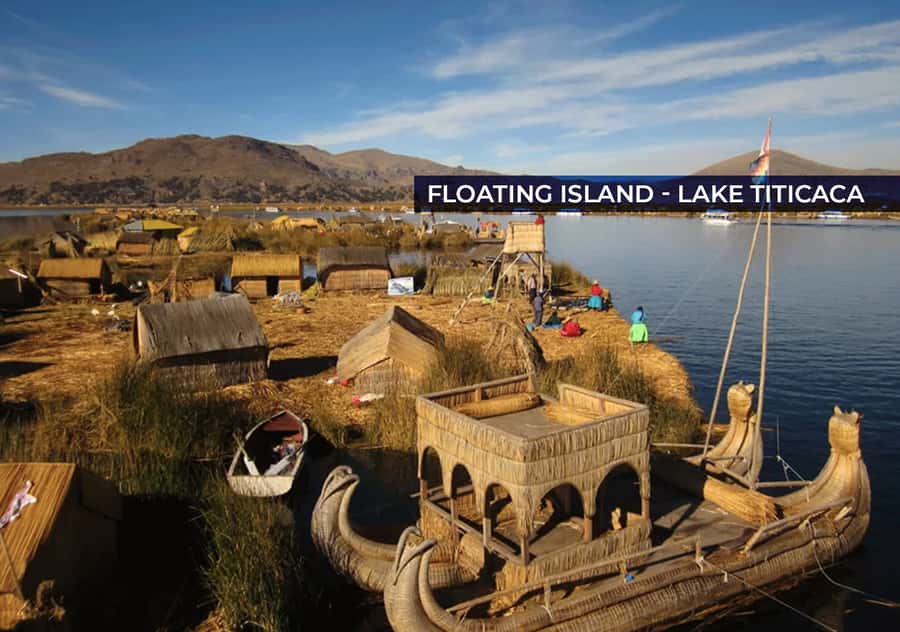
- Uros and Amantani are different vibes: Floating reed islands versus a remote community setting.
- Llachon lunch + free time: You get a land-based break after the boat crossings.
- Bring extra cash: You’ll likely run into add-on purchases at various stops.
- Schedule may shift: Weather or disruptions can alter the plan.
The Cusco-to-Puno Overnight Bus: Efficient, Not Effortless

This tour starts in Cusco in the evening with a Peru Hop overnight bus to Puno. You board at 9:30 pm from the Hop private bus terminal at Industrial 252 (it’s also listed with the address Alameda Pachacutec 499B, and the Plaza de Armas area is about a 10–15 minute ride away). If you’ve ever underestimated how long it takes to get across a busy town at night, you’ll appreciate arriving early.
One small but helpful perk: the bus includes high-speed onboard Wi-Fi, but only through Peru Hop. That’s a real quality-of-life detail if you want to check maps, message home, or catch up on plans while you wait out the ride.
The tradeoff is obvious. Two nights by bus means you should treat the first day as travel day first, tour day second. If you’re the type who needs a solid night’s sleep to enjoy everything, plan to be a bit flexible with your energy level when you arrive in Puno around 5:30 am.
You can also read our reviews of more evening experiences in Cusco



Puno Morning Setup: Hostel Storage and a Quick Reset

When you reach Puno in the morning, the tour transfers you to a partner hostel. The big win here is that you can store your luggage for free while you go on the tour. That means you’re not stuck dragging bags around while you’re trying to enjoy boat rides and island visits.
What you might want to check ahead of time is how you’re handling showers. There’s mention of a hostel where you can store bags and pay to shower. So if you want to freshen up after traveling, budget for that minor extra expense and don’t assume it’s included.
Then comes the main action: the guided portion begins with a boat trip out to the Uros Islands.
Uros Floating Reed Islands: The Famous Spot, With a Real Timing Caveat

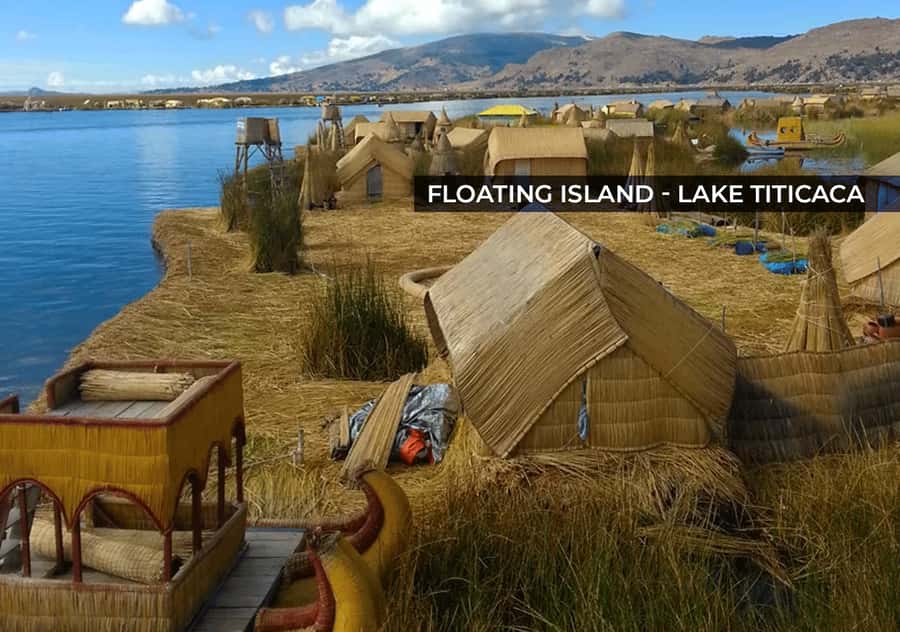
The tour takes you by boat to the Uros Floating Islands for a guided visit and includes an entry ticket. Uros is famous for a reason: it’s a man-made island setting built with floating reed structures, and you’ll get a guide to explain how people live and work in that environment.
This is also where your expectations matter. The tour is designed to be time-efficient, so you should expect a guided introduction and photo moments more than a slow, leisurely “hang out all day” experience. And there’s a practical caveat worth flagging: the way Uros visits run can feel different from one departure to another. Some experiences focus on smaller areas and may not match what you imagine as the full Uros village view. If you specifically want broad views of the main reed-island communities, arrive with the understanding that time is limited and boats move on schedule.
Still, even with that timing reality, I think Uros is worth doing because the guide layer changes the trip. Otherwise it’s just looking at islands from a distance. With a bilingual guide onboard the experience, you should come away with more context than the usual quick stop.
The Boat Crossing and Amantani Island: Remote, Local, and Guided
After Uros, the itinerary shifts into something more “out there.” You’ll cruise across Lake Titicaca to the remote Amantani Island, described as the highest navigable lake in the world. That phrasing isn’t just marketing—it’s the point of the day. You’re meant to feel that you’re leaving the easiest-to-reach shorelines and going somewhere quieter.
Once you arrive, the tour includes an entry ticket to Amantani and a guided island visit. The guide is there to cover traditional history, lifestyle, and the culture of the island community. That’s the heart of why this part can feel meaningful: you’re not just landing at a scenic spot; you’re meeting the place through explanation and local perspective.
One thing to remember: “guided visit” doesn’t automatically mean “long visit.” The value comes from what the guide helps you notice—daily life, local routines, and how traditions connect to the island environment. If you’re chatty and curious, this is where the trip can deliver the most satisfaction.
Llachon Peninsula Lunch and Free Time: Where the Pace Lets Up
Around 12:30 pm, you take the boat across to the Llachon Peninsula. Lunch is included here in a shore-side village, and this is a good moment to reset after the island visit.
You also get free time on the peninsula, with the itinerary describing it as a picturesque hideaway and mentioning you’ll witness some seasonal activities of the rural community. Since “seasonal activities” depends on timing and conditions, you should treat this as a flexible experience, not a guarantee of one specific event.
If you’re trying to get the best value out of the free time, aim for practical decisions: grab a drink and a snack if you need it, take a slow walk when it’s calm, and don’t burn energy doing nothing. The schedule is built to move you along, so your free time works best if you use it intentionally.
Then you’re back in the rhythm of Puno.






Back in Puno: Explore, Eat, and Then Catch the Second Overnight Bus
In Puno, you get free time to explore the city or grab dinner at one of the many restaurants before boarding the return overnight bus back to Cusco. The bus back departs at 9:30 pm from the partner hostel.
Meals are not included in Puno—so you’ll want to plan for breakfast and dinner costs. If you prefer predictable spending, decide your food budget before you get hungry. The trip does include lunch on Llachon, which is great, but it leaves evenings to you.
One small practical tip: keep your snacks and water accessible. You’re told to bring snacks and water, and it’s good advice for a tour with multiple transfers and early starts.
The Huacachina and Paracas Highlights: Double-Check the Actual Trip Mix
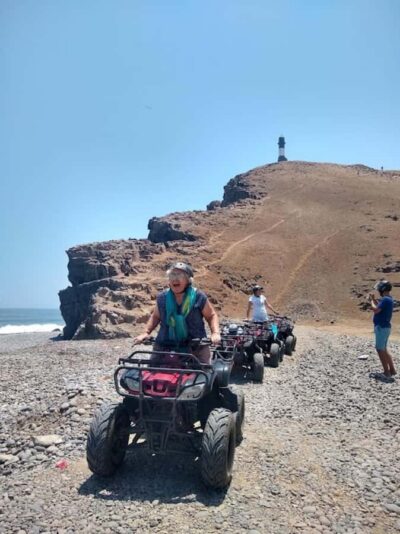
Here’s the tricky part. The highlights mention a Huacachina buggy ride and exploring Paracas Reserve. But the detailed day-by-day itinerary you’re given focuses on Cusco to Puno, then boats to Uros, Amantani, and Llachon, plus Puno downtime.
So before you assume you’ll definitely be getting the desert-meets-ocean views and buggy dunes, you should verify with the operator what’s actually included for your departure. It’s possible the marketing highlights are attached to a broader set of options, or they’re included only on certain routes. Either way, don’t let the attractive extras distract you from the core plan you have in front of you: Uros + Amantani boat days are clearly part of the experience as described.
Price and Value: What $86 Covers (and What You’ll Pay On Top)
At $86 per person for roughly 3 days, the big value is that you’re buying transportation and guide support as a bundle. Included costs cover:
- Guided transportation from Cusco to Puno (overnight bus)
- Boat transportation
- Entry tickets for Uros Floating Islands and Amantani
- Bilingual English/Spanish guide during the key activities
- Lunch on the Llachon Peninsula
- Onboard high-speed Wi-Fi on the Peru Hop bus
What’s not included:
- Breakfast and dinner in Puno
- Hotel pickup
- Anything beyond lunch
Then there’s the real-world “small extras” effect. You’re specifically told to bring cash, and reviews-based patterns show that you can run into add-on spending at places along the route. That doesn’t mean it’s a bad deal. It just means the $86 is the base price, not a full financial bubble where nothing else happens.
So I’d treat it this way: if you want to minimize planning and just show up for bus times and boat departures, this price can feel fair. If you want everything fully paid and locked in, you’ll need to budget for meals and likely a few optional purchases.
How the Schedule Feels in Real Life: Waiting Time and Pace

Even with a guided program, this is a trip shaped by travel time. You depart Cusco at 9:30 pm, arrive in Puno around 5:30 am, and then return to Cusco on another 9:30 pm bus.
Some departures can feel like they include stretches of waiting: time in hostels before transfers or gaps between island activities and evening bus departures. That doesn’t automatically mean the day is poorly run, but it does mean you should not treat every hour as “pure sightseeing.”
A practical way to handle this: bring something to do during idle time (offline music, a book, downloaded shows). It’s listed that you can use Wi-Fi on the buses, but idle hours at a hostel won’t necessarily be a Wi-Fi party.
Also, keep your expectations grounded about restrooms and cleanliness. One of the drawbacks tied to the hostal stop is that bathroom readiness and cleanliness can vary. If hygiene is a top priority, plan to use facilities when you can and keep travel wipes in your day bag.
Who This Tour Fits Best (and Who Should Skip It)
This is a good fit if you:
- Want a guided introduction to both floating reed islands and a remote island community
- Like boat travel and scenic time on the lake (not just a quick glance)
- Are comfortable with overnight bus segments
- Appreciate structure: transport, tickets, lunch, and guides handled for you
This is probably not the best choice if you:
- Want a leisurely trip with lots of daytime downtime
- Have trouble with long travel days
- Need guaranteed accessibility. It’s not suitable for wheelchair users, and it’s not suitable for children under 4 or for pregnant women (as stated).
Should You Book This Lake Titicaca Excursion?
If your priority is Uros + Amantani with a guide and you’re okay trading comfort for convenience via overnight buses, I think this tour can be good value. The included tickets, bilingual guide time, boat transport, and lunch remove a lot of hassle.
But if you expect a perfectly balanced amount of time at every island, or if you’re coming specifically for a certain version of the Uros village experience, you should set expectations carefully and confirm details. Also verify whether the Huacachina and Paracas highlights are part of your exact departure, since the detailed itinerary you have focuses on the Titicaca route.
Bottom line: book it if you want a structured, guided Lake Titicaca sampler and can handle a busy schedule. Pass or ask for clarification first if you’re trying to lock in specific add-on activities like Huacachina and Paracas for sure.
FAQ
How long is the Lake Titicaca excursion?
The tour runs for 3 days.
What time does the bus leave from Cusco?
The Peru Hop overnight bus departs Cusco at 9:30 pm.
Where is the meeting point in Cusco?
Meet at the Hop private bus terminal at Industrial 252. The terminal address is also listed as Alameda Pachacutec 499B.
What time do I arrive in Puno?
You arrive in Puno around 5:30 am.
What meals are included?
Lunch on the Llachon Peninsula is included. Breakfast and dinner in Puno are not included.
Is Wi-Fi included?
Yes. High-speed onboard Wi-Fi is included on the Peru Hop bus, and it’s available through Peru Hop.
What does the tour include for island visits?
You get guided visits and entry tickets for the Uros Floating Islands and Amantani Island, plus boat transportation.
Is it suitable for wheelchair users or young children?
No. It is not suitable for wheelchair users, and it’s not suitable for children under 4 years.
What should I bring?
Bring a passport or ID card, snacks, water, and cash.