REVIEW · CUSCO
5 Day – Tour to Machu Picchu Traditional – Group service
Book on Viator →Operated by Valencia Travel Agency S.a.c. · Bookable on Viator
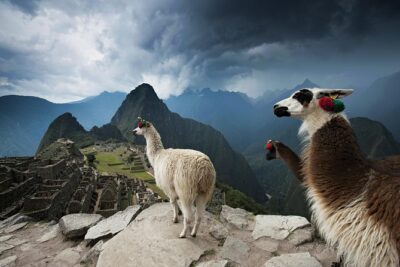
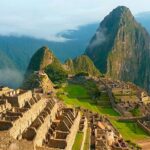
Machu Picchu at sunrise is worth the early alarm. This classic Sacred Valley circuit is a smart way to get your bearings in Cusco, shop like a local in the markets, and then time it right for the first light at Machu Picchu with a guide. I especially love the small-group setup (max 15) and how organized the days feel, with transfers and tickets handled for you. I also really like the guided parts that matter most, from Inca-and-colonial Cusco to the Machu Picchu walking tour.
One consideration: you’ll follow set transport times and get up early for Machu Picchu, so it helps if you have moderate fitness and don’t mind a full day cadence. Altitude is real in this region, and even though the pace is manageable, you’ll still be walking at multiple archaeological sites.
In This Review
- Key highlights that make this tour work
- Entering Cusco’s Inca-meets-colonial story at Qorikancha
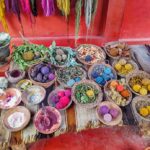
- Sacred Valley market day: Pisac for color and barter
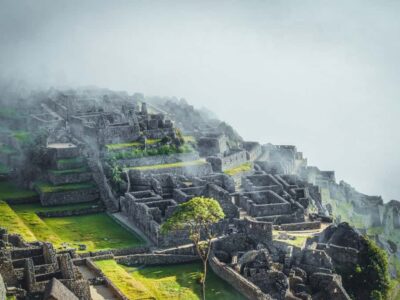
- Ollantaytambo: an Inca town you can still walk through
- Chinchero after-lunch: a Sunday-market vibe that feels less touristy
- Train to Aguas Calientes: what you should know about timing
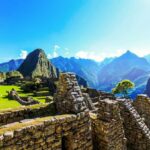
- Sunrise at Machu Picchu: bus up early and a guided walk first
- Where the comfort and value really show (and where costs can pop up)
- What this tour is best for (and what it might not be)
- The practical “should I book” checklist
- FAQ
- What’s included in the tour price?
- Are Machu Picchu hot springs tickets included?
- What extra costs should I expect?
- How early do I need to be for Machu Picchu sunrise?
- How big is the group?
- What fitness level is this best for?
- Is this tour refundable?
Key highlights that make this tour work
- Small group (up to 15) means you get more personal attention from your guide during the biggest sightseeing blocks.
- Cusco archaeology done in an efficient loop, including Qorikancha and Santo Domingo plus the stonework at Sacsayhuaman.
- Sacred Valley markets you can actually use, especially Pisac and the less tourist-focused Sunday market at Chinchero.
- Round-trip train + bus included for the Aguas Calientes to Machu Picchu connection, so you’re not juggling logistics.
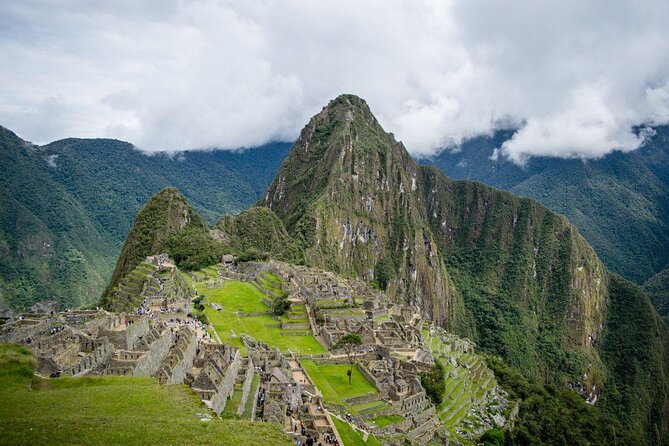
- Sunrise at Machu Picchu with a guide-led walk (about 2 hours) before you explore on your own.
Entering Cusco’s Inca-meets-colonial story at Qorikancha
Cusco is where the trip starts feeling real. You’ll settle into your Cusco hotel, then meet your guide for a briefing so the next few days make sense. The vibe here is part Indigenous and part Spanish, and you’ll see that mix immediately.
The first stop is Qorikancha, the Temple of the Sun. It’s short (about 30 minutes), but that’s usually the sweet spot when you have multiple Cusco sites on the same day. You get the core context—this was a major Inca religious center—so later stone and streets feel less random.
Right after that, you’ll visit Convento Santo Domingo. This is a big contrast in architecture and feel, because it sits on top of older Inca foundations. It’s one of those places where the layers of history aren’t theory—they’re right there in the walls.
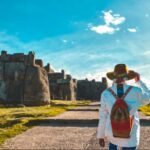
Then comes the stonework tour. You’ll head to Sacsayhuaman, a dramatic fortress-like site with impressive masonry—some stones weigh up to 120 tons. It’s listed as free admission on the day, but the practical benefit is more important: you’re seeing one of the top viewpoints and archaeology sets in Cusco without extra ticket stress.
From there, the day continues with more specialized spiritual sites. Q’enco is described as a religious center dedicated to the Earth, while Puka Pukara was used as a military control center. Tambomachay focuses on water worship. These stops are shorter, but they round out the bigger picture so Cusco isn’t only about the big name views.
By the time the guided portion ends, you’re left with Cusco evening freedom. That’s a real plus on Day 1: you can eat at typical local spots and get comfortable with the city before the Sacred Valley day kicks in.
You can also read our reviews of more tours and experiences in Cusco
Sacred Valley market day: Pisac for color and barter
Day 2 is a full Sacred Valley day, and it starts with Pisac. This is a great choice for a first market stop because Pisac sits right at the entrance to the Sacred Valley. It’s also high up—around 2,970 meters (about 9,700 feet)—so you’ll feel the altitude, even if you’re not hiking.
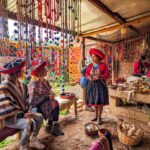
Pisac’s archaeological area and its market culture are connected in a way that feels practical, not staged. You’ll spend about two hours at the park, and the market time is where you’ll notice the mix of color, tradition, and everyday trade. This is the point where you can try your bartering skills and chat with local craftsmen.
A helpful thing here: the tour doesn’t treat shopping as the only activity. You still get the setting of the Sacred Valley and the sense that market life is woven into the region’s geography. If you want souvenirs that look like they belong in a Peruvian home, this is one of the best times to shop.
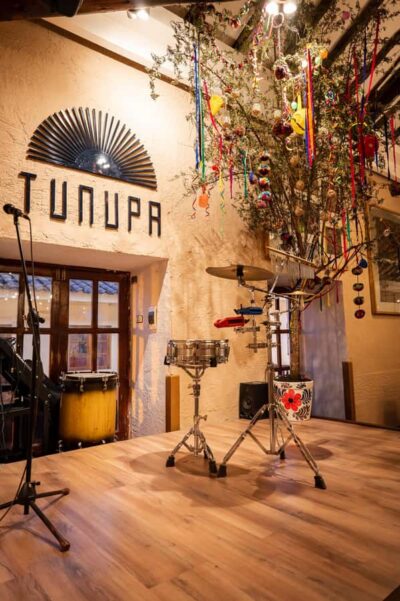
After Pisac, you head onward toward Urubamba and then to Ollantaytambo. You’ll stop in Urubamba for a buffet lunch at Tunupa restaurant. The tour data doesn’t spell out whether that lunch is included, so I’d treat it as a scheduled meal stop rather than assume it’s free. Either way, it’s a good mid-day reset before more sightseeing.
Ollantaytambo: an Inca town you can still walk through
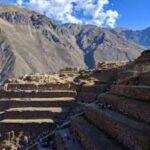
Ollantaytambo is the kind of place that makes history feel physical. It’s listed as the oldest continuously occupied town on the American continent, and the streets and canals give you the sense that the layout hasn’t been wiped clean.
You’ll spend about two hours here in the archaeological park. The narrow streets and the surviving canal system help you understand how people lived and moved through this settlement. This is where a guided explanation pays off, because you’re not just looking at ruins—you’re looking at a living town pattern that echoes an older design.
There’s also a pacing advantage. You’re not rushing through it in a token visit; you’re given enough time to wander with a purpose, step back to take photos, and then let the guide tie it together.
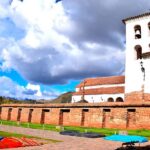
Chinchero after-lunch: a Sunday-market vibe that feels less touristy
The last stop before heading back toward Cusco is Chinchero. This is a strategic ending point because it’s known for its market, and you’re likely to feel the difference from Pisac right away.
Chinchero is believed to be the mythical birthplace of the rainbow. Even if you don’t focus on the legend, it helps as a quick cultural frame for why the place has such a strong identity. The market itself is described as being much less tourist-oriented than Pisac, which is exactly what I look for when I want shopping without the hardest sales pressure.
You’ll also get about one hour here. That’s a good time window for browsing, buying small crafts, and grabbing snacks if you need them before the long ride back.
You’ll return to the Plaza de Armas in Cusco around 6:30 pm, so the day stays complete but not chaotic. If you want a drink or a late dinner, you’ll have the evening to do it.
Train to Aguas Calientes: what you should know about timing
Day 3 shifts you into travel mode. You’ll be picked up around 8:00 am (time to be confirmed) and taken to the train station. The train departure is listed at 11:30 am, with the note that times can change depending on schedules.
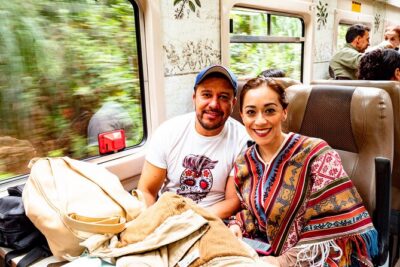
The train ride lasts about 3.5 hours. In practice, this is the day you’ll want to pack snacks and water because you’re moving through some scenic river-and-valley terrain. The tour data doesn’t say meals are included on the train, so plan to handle your own small costs.
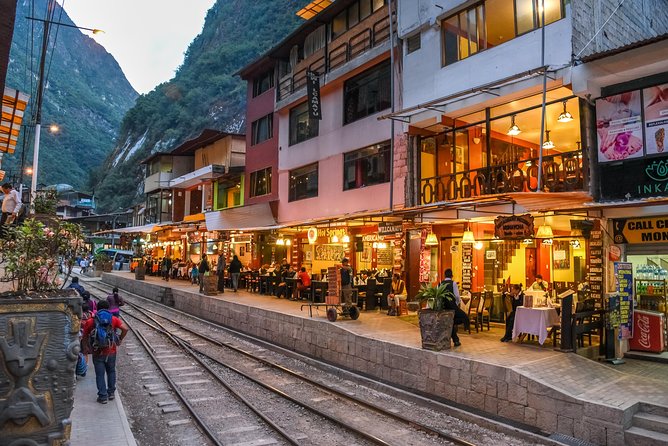
When you arrive in Aguas Calientes—Hot Springs Town—you get a full night for relaxing. This is a great chance to stretch, sort your gear, and think through Machu Picchu morning logistics. If you want to use the hot springs, you might have to pay; the tour lists a specific Machu Picchu hot springs admission fee of US$5 as not included.
The big value of staying here is timing. You’re in the right place to catch the sunrise bus without an exhausting overnight travel shuffle.
Sunrise at Machu Picchu: bus up early and a guided walk first
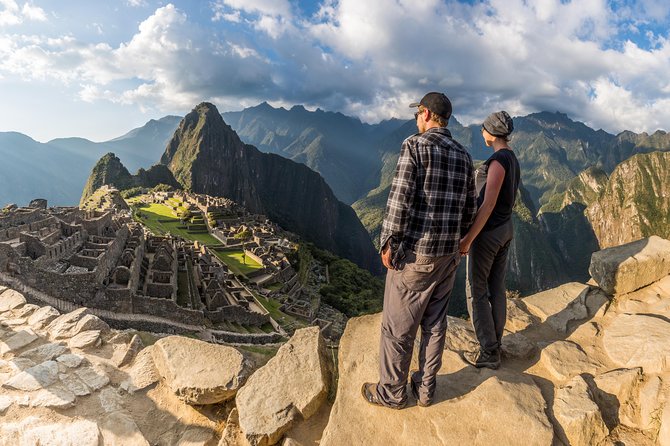
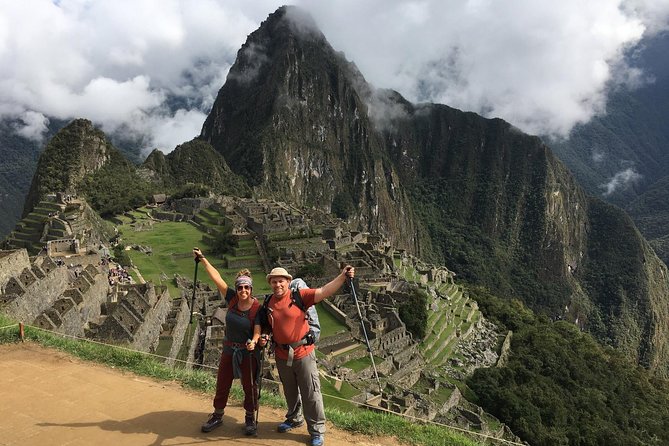
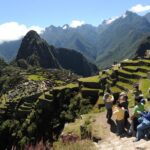
Day 4 is the star. You’ll have breakfast first, then your guide picks you up from your hotel at 5:40 am. From there, it’s bus time up to Machu Picchu to catch sunrise.
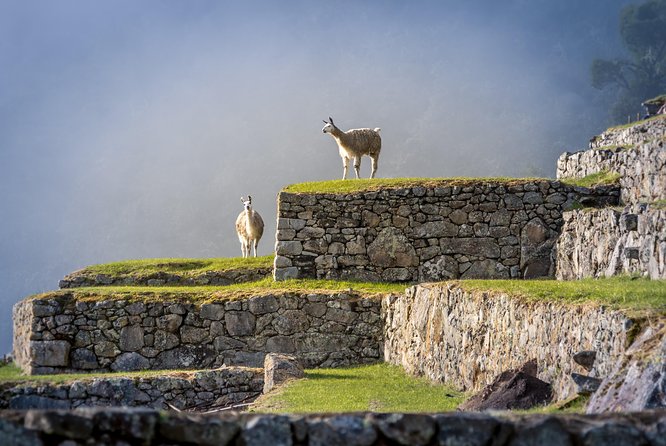
The guided walking tour is about two hours. I like this structure because it keeps you from freezing up at the first view. A guide helps you understand where to look and why certain terraces, gates, and viewpoints mattered. It also reduces the risk of spending your best morning wandering without context.
After the guided portion, you explore on your own. That self-time matters because Machu Picchu can feel different depending on where the light hits and how fast you move. If you like photos, this is also when you’ll want to pause, not just walk.
You’ll then take the bus back down to Aguas Calientes for lunch time. After that, you board the train back to Ollantaytambo and continue by transfer back to your Cusco hotel.
From a comfort standpoint, this is a good flow: you get the altitude-heavy sunrise experience without needing to coordinate buses and entrances yourself. And from a value standpoint, the admission and the transport pieces are built into the package, which is where many DIY trips get messy.
Where the comfort and value really show (and where costs can pop up)
At $813 per person for a 5-day, 4-night package, the value mostly comes from what’s bundled. You’re getting round-trip train tickets (Expedition Train), round-trip bus from Aguas Calientes to Machu Picchu, four nights at a 3-star hotel (Casa Andina or similar), breakfast for four mornings, site entrance fees for included archaeological attractions, and a professional guide in English and Spanish.
This package also includes airport transfers in and out, which is one of those unglamorous details that saves time and stress. On a trip like this, those logistics matter as much as the attractions.
That said, a few costs are clearly not included:
- The hot springs admission in the Machu Picchu area (listed as US$5)
- Any meals other than the stated breakfasts
- The single supplement fee (listed as $172)
- Optional Wayna Picchu mountain climb, which costs extra
I also pay attention to the pace. Day 2 is a long day, and Day 4 starts very early. If you’re sensitive to altitude or you don’t like rushing between viewpoints, you’ll feel it. The flip side is you’re not stuck waiting around for timed tickets—you move, see, and end the day with a real bed and breakfast.
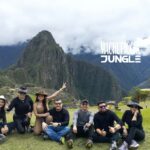
Finally, the group size is capped at 15. That limit helps with tour quality. Smaller groups are also easier for guides to manage when people ask questions or want to slow down for photos.
What this tour is best for (and what it might not be)
This tour is a strong match if you want a classic first-timer path:
- Cusco history plus Sacred Valley highlights
- Guided context at the sites that need it
- A sunrise Machu Picchu experience without dealing with ticket and transport headaches
It also suits people who want a friendly group setting. The format is designed for small groups, and the guide support is part of the package.
I’d be more cautious if you hate early mornings. The Machu Picchu pickup is 5:40 am, and sunrise days are not a late start. I’d also consider whether you’re comfortable with moderate walking at multiple archaeological sites. This is listed for travelers with moderate physical fitness.
Age-wise, the minimum age is 10. If you’re traveling with kids, you’ll want to judge how your group handles altitude and long days.
The practical “should I book” checklist
Here’s how I’d decide.
Book this tour if:
- You want a guided, classic route through Cusco and the Sacred Valley.
- You prefer having train and bus tickets handled.
- You care about Machu Picchu sunrise timing more than designing your own logistics.
- You want a small group cap (max 15) and a professional guide in English/Spanish.
Consider something else if:
- You’re planning to buy add-ons like Wayna Picchu and you want full control over timing.
- You’re very budget-sensitive and want every meal included (this one lists only breakfast as included).
- You’re not a fan of fixed transport schedules.
One more number matters: the tour has a 4.9 rating across 33 reviews, and it’s recommended by 100%. When you see that combination with strong organization notes and guide praise, it’s a good sign the schedule actually works on the ground.
FAQ
What’s included in the tour price?
You get airport transfers, the round-trip bus between Aguas Calientes and Machu Picchu, four nights of accommodation at a Casa Andina 3-star hotel (or similar), breakfast for four mornings, entrance fees to the listed archaeological attractions, a professional English/Spanish guide, and round-trip Expedition Train tickets.
Are Machu Picchu hot springs tickets included?
No. The hot springs admission fee in the Machu Picchu area is listed as US$5 and is not included.
What extra costs should I expect?
Not included items include the single supplement fee ($172), international and local airfares, meals where not stated, and the optional Wayna Picchu climb (additional cost).
How early do I need to be for Machu Picchu sunrise?
Your guide picks you up at 5:40 am, and you take the bus up to Machu Picchu to catch sunrise.
How big is the group?
The tour is capped at a maximum of 15 travelers, and it requires a minimum of 2 people per booking.
What fitness level is this best for?
It’s listed for travelers with a moderate physical fitness level, with walking at archaeological sites and a packed schedule.
Is this tour refundable?
No. The experience is non-refundable and cannot be changed for any reason.