REVIEW · CUSCO
Wonderful Cusco 5-Day Tour with Entrance to Machupicchu
Book on Viator →Operated by Maypi Travel · Bookable on Viator
Seeing Machu Picchu without the chaos is the big draw. This 5-day package strings together Cusco, the Sacred Valley, a train ride to Aguas Calientes, and a guided citadel visit—plus the Mountain of Seven Colors trek—so you can focus on the views instead of logistics.
What I like most is the strong emphasis on timing and organization. The pacing feels realistic for first-timers, and the guides are repeatedly praised for being attentive and on task.
One thing to consider: you’ll start very early on key days and walk at altitude. You should be ready for a moderate fitness level and the fact that the Mountain of Seven Colors experience depends on good weather.
In This Review
- Key highlights that matter in real life
- 5 days in Cusco: why the logistics feel worth it
- Sacred Valley with Pisac: terraces, temples, and a big Inca cemetery
- Machu Picchu day: train to Aguas Calientes, guided citadel, then breathing room
- Vinicunca (Mountain of Seven Colors): early start, high altitude, and photo time
- Cusco base, hotels, and meals: what’s included and what you should watch
- Guides and group size: how the experience stays comfortable
- Price, value, and who should book this exact package
- Should you book it? My honest call
- FAQ
- What’s included for Machu Picchu?
- Do I need to buy the train tickets myself?
- Is the Mountain of Seven Colors included?
- How many nights in Cusco are included?
- What’s the group size like?
- How fit do I need to be for this tour?
Key highlights that matter in real life
- Punctual, guided days: the schedule is built around pickup times and transport connections, so you’re not hunting buses or platform numbers.
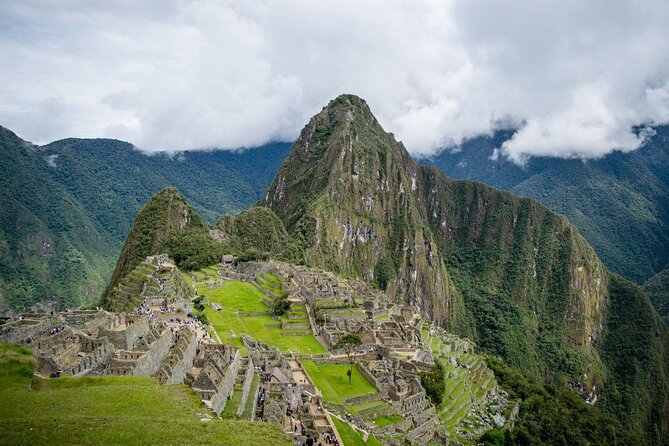
- Machu Picchu with a real guided route: you follow a structured walkthrough that hits major stops like the Main Square and the Temple of the Three Windows, then you get free time to roam.
- Train + bus included: round-trip train to Aguas Calientes and the round-trip bus up to Machu Picchu are part of the plan, which reduces stress a lot.
- Sacred Valley has more than just ruins: Pisac brings terraces, ceremonial baths, a major cemetery site, and pink-granite temple areas.
- Vinicunca timing and access: you’ll head out very early for the trek, with time for photos at the top around 5,033 meters.
- Smallish group size: a max of 30 travelers helps the day feel controlled without feeling private.
5 days in Cusco: why the logistics feel worth it
If Machu Picchu is your headline, Cusco is your stage. The smart part of this tour is how it uses Cusco as a base and minimizes the back-and-forth that can make your first days feel like you’re commuting instead of sightseeing.
You get private transfers when you’re arriving and leaving (airport ↔ hotel ↔ airport). That matters because Cusco altitude can make everything feel harder on day one, and it’s nice not to add “figure out transit” to your to-do list.
This is also a tour that keeps the big pieces bundled: trains, buses, entrance tickets, and guided time. It’s the kind of setup where you can actually enjoy the moment when it arrives—because you’re not constantly checking what comes next.
On price: at $610 per person for roughly five days, you’re paying for convenience plus the core “must-do” structure. You don’t have to piece together train tickets, Machu Picchu bus, and guided entry all separately. For many visitors, that reduces both hassle and the risk of booking the wrong train time or missing the right entrance.
You can also read our reviews of more tours and experiences in Cusco

Sacred Valley with Pisac: terraces, temples, and a big Inca cemetery
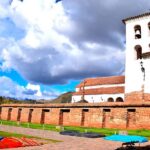
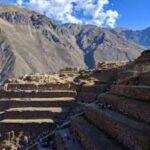
The Sacred Valley day is built around Pisac, and that’s a strong choice. The drive from Cusco heads to Pisac (about a 30–35 km run), and once you’re there, the place gives you a lot in a compact area.
What I like here is that Pisac isn’t just “pretty terraces.” You’re also looking at ceremonial spaces and a residential settlement. The site includes what’s described as the largest known Inca cemetery, and it’s noted as the oldest in South America. That adds weight to your visit—you feel like you’re in a place with deep purpose, not just a scenic stop.
Then there are the temples carved in pink granite. The description you’ll hear on-site is that you’ll pass ceremonial altars, water wells, and the Temple of the Sun. If you pay attention to what your guide points out, you’ll see how the architecture ties into daily life and ritual.
A practical note: the Sacred Valley visit can be a bit busy because it’s a guided stop with transport connections. If you like slow wandering, plan to treat this day as a “get oriented and learn fast” experience, then save your slow time for later in Cusco.
Lunch is included at a tourist restaurant. You won’t find this meal as the culinary highlight of Peru, but it does keep the day flowing without forcing you to hunt for food at the wrong time.
Machu Picchu day: train to Aguas Calientes, guided citadel, then breathing room
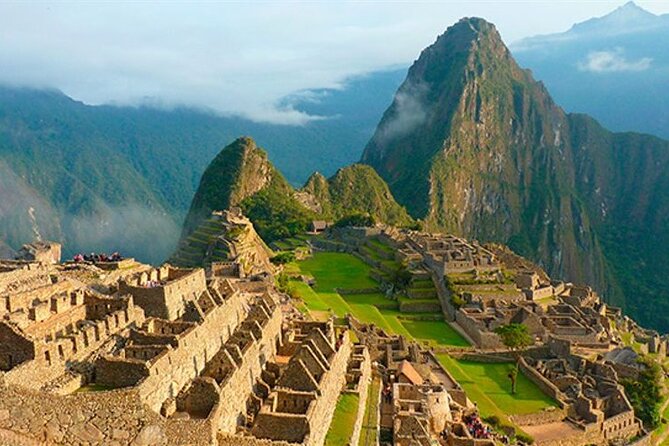
This is the center of gravity. The tour sends you very early to Ollantaytambo for your round-trip tourist train to Aguas Calientes, using either Inca Rail or Peru Rail (both are named options). You’ll ride with your transfer driver and group, which helps a lot if you don’t speak Spanish or haven’t done this route before.
When you reach Aguas Calientes, the next move is the round-trip bus up to Machu Picchu. That zigzag climb is short, but it’s a moment—because it’s the transition from “town energy” to the citadel plateau.
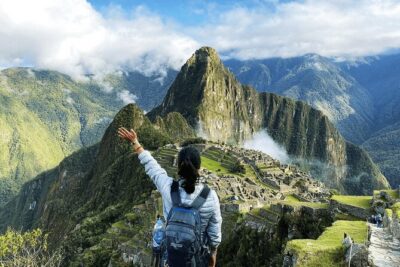
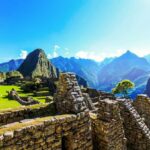
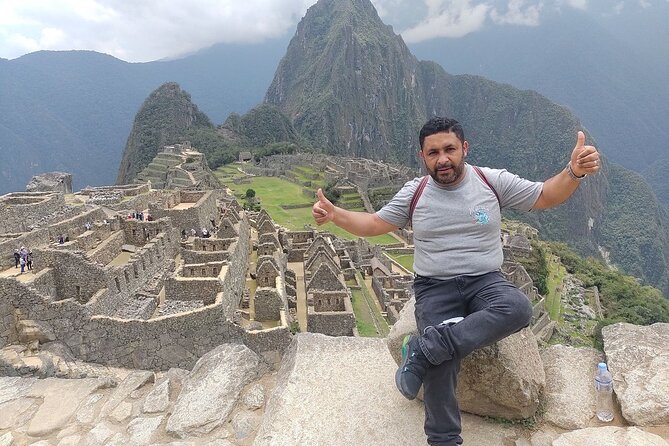
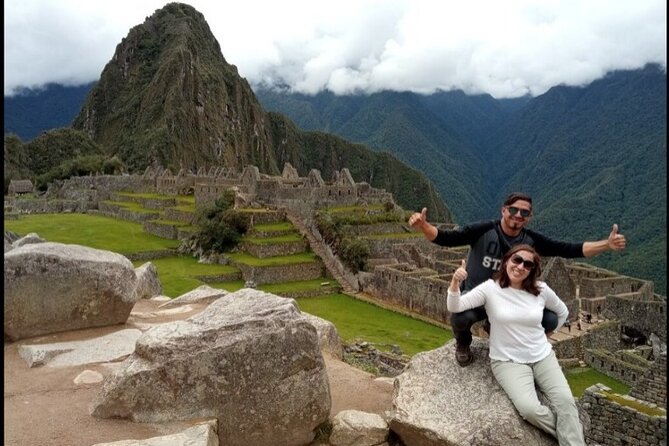
At Machu Picchu, you get a guided tour that follows a set circuit. You’ll visit the Main Square, the Circular Tower, the Sacred Solar Clock, the Royal Rooms, the Temple of the Three Windows, and the Cemeteries. Guides who know the site make a huge difference here. One past guide mentioned by name is Guido, and the repeated praise is that the guidance is practical and focused, with security and pacing handled well.
After the guided portion, you get free time to walk around. That free time is key. It’s where you step back from the facts and just look—at terraces, stonework angles, and the way the site sits in the mountains.
Lunch is included in a tourist restaurant back in Aguas Calientes after the citadel time. It’s set up to avoid you trying to time meals around long entrance lines. It won’t replace a great Cusco food night, but it keeps you fueled.
The main drawback to understand: Machu Picchu days are all about timing. If you’re the type who hates crowds, go in with realistic expectations. The benefit is that this tour tries to keep everything organized so you don’t feel lost inside the chaos.
Vinicunca (Mountain of Seven Colors): early start, high altitude, and photo time
Now for the adrenaline and the altitude.
You’ll begin very early—around 04:00—heading from Cusco toward the Pitumarca area and the town of Chillca for breakfast. This early departure is not random. It’s how you make a sunrise-ish trek possible and still get through the walking before the day gets too hot or conditions change.
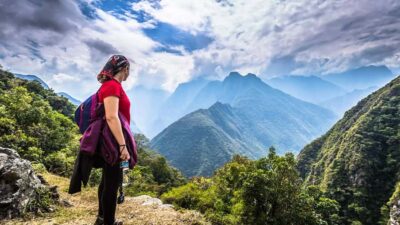
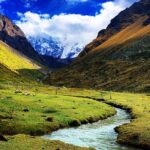
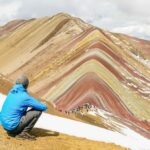
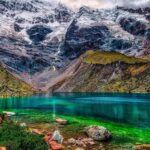
From there, you walk uphill for about 2.5 hours to the area of Machuraccay, then you descend toward the foothills of the Vinicunca zone. After that, you continue along the path that shifts the view as you gain elevation and move between colored mountain faces and small streams.
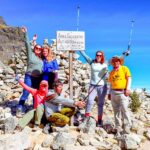
The tour description is very specific about height: you’ll reach around 5,033 meters. That’s high enough that you’ll want to take the pace seriously. It’s not a “power through it” day. If you rush, you’ll pay for it.
Here’s a detail I appreciate: the tour notes that residents organized small access control at Vinicunca. That means it’s not just open chaos—there’s some order to entry and movement, and that helps with crowd flow and safety.
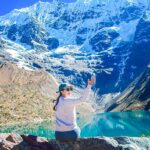
You’ll get time at the top for photos and videos. If you want the best shots, don’t just aim your camera at the colors—also look for how the sky and cloud cover change the contrast as the afternoon light shifts.
A consideration: the Mountain of Seven Colors experience depends on good weather. If clouds or mist roll in, your visibility can suffer. The tour is clear that weather can affect whether you proceed as planned, so keep that in mind when you choose your travel dates.
Cusco base, hotels, and meals: what’s included and what you should watch
You’ll stay four nights in Cusco, and breakfasts are included each morning. That’s a big practical value because it keeps your mornings simple and predictable—especially when you have early departures.
You also get lunches included on the Sacred Valley day and the Machu Picchu day, plus breakfast and lunch tied to the Vinicunca program. In a destination where daily costs can add up quickly, having several meals covered makes the overall price feel more reasonable.
About hotels: the tour includes four nights at a selected hotel in Cusco. One past guest mentioned that their hotel buffet wasn’t great, and there was also a heating issue with extra cost. The company response also explained they pay heating costs while the guest is there and that guests are usually offered a list of hotels with different star levels to choose from.
So here’s my practical advice: before you commit, choose carefully. If your travel style depends on comfort at night, check what hotel category you’re actually booking, not just the word “Cusco hotel.” Because once you’re done with the day, you’ll want real rest.
Meals are included at tourist restaurants on excursion days. Those aren’t usually “best meal in Peru” spots, but they’re reliable for timing. If you’re the kind of eater who hates repeating menus, you can still do your own extra dinners in Cusco on the free evenings.


Guides and group size: how the experience stays comfortable
The tour runs with a guide structure that’s designed to keep you moving as a group of up to 30 travelers. That number is a sweet spot for a first visit—big enough to feel lively, small enough that the day doesn’t turn into a stampede.
The reviews also highlight punctuality, friendly service, and guides who explain with confidence. Names that came up included Melissa for coordination support and Guido as a guide during Machu Picchu.
One more thing: review responses also mention quick problem-solving when concerns pop up (like hotel heating). That doesn’t guarantee every small issue disappears, but it does suggest the company watches details once you’re on the ground.
If you like travel that feels organized—where you spend your energy looking at stone ruins instead of standing in line trying to interpret timetables—this is the kind of setup that fits.
Price, value, and who should book this exact package
At $610 per person, you’re paying for a full “Cusco highlights + Machu Picchu + Vinicunca” circuit with many core logistics included: private airport transfers, train in both directions, Machu Picchu entrance tickets, bus up and back from Aguas Calientes, plus meals and guided time.
That price can feel steep if you’ve already booked train tickets and you’re comfortable navigating everything alone. But if you’re trying to avoid booking mistakes and don’t want to spend vacation energy on planning, the bundled value is real.
This tour is a great fit if you:
- want Machu Picchu with guidance rather than trying to learn the site on your own
- prefer a schedule that’s handled for you (pickups, train, and bus connections)
- are okay with early starts and altitude walking
- like meeting other visitors in a structured group (max 30)
It may be less ideal if you:
- want total flexibility (this is a timetable tour)
- have very limited mobility or struggle with altitude walking
- expect luxury-level hotel consistency (hotel quality can vary)
And because the experience needs good weather, you should be realistic. If you’re traveling in a season with frequent clouds or rain, it helps to build in some calm flexibility.
Should you book it? My honest call
I’d book this tour if you want the classic Peru highlight route done in a way that stays practical. The combination of Sacred Valley + guided Machu Picchu + Vinicunca hits the big emotional targets, and the included train and bus components remove a lot of headache.
The main reasons to hesitate are the two “real-world” factors: early mornings and altitude. If you’re ready for the walk and can handle high-elevation exertion, you’ll likely feel very satisfied with what you get for the money.
If plans change, the tour is listed with free cancellation up to 24 hours in advance (local time rules apply). That gives you a bit of breathing room if weather or scheduling shifts.
My practical tip: before booking, confirm the hotel category you’re choosing and be honest about your fitness for the Vinicunca trek to around 5,033 meters. If those check out, this is a strong way to see a lot without losing days to logistics.
FAQ
What’s included for Machu Picchu?
You get round-trip bus service from Aguas Calientes to Machu Picchu, entrance tickets to Machu Picchu, and a guided tour of the citadel. Lunch is also included in a tourist restaurant.
Do I need to buy the train tickets myself?
No. The tour includes round-trip train travel from Ollantaytambo to Aguas Calientes using Inca Rail or Peru Rail tourist train options.
Is the Mountain of Seven Colors included?
Yes. The package includes excursion to Mountain 7 colors, with breakfast and lunch included as part of that day.
How many nights in Cusco are included?
You’ll have four nights in Cusco, along with four breakfasts at the hotel.
What’s the group size like?
The tour has a maximum of 30 travelers.
How fit do I need to be for this tour?
It notes moderate physical fitness is required, since you’ll do early morning walking and reach high elevation around 5,033 meters on Vinicunca.