REVIEW · CUSCO
Salkantay Trek To Machu Picchu 5 Days And 4 Nights
Book on Viator →Operated by Action Peru Treks · Bookable on Viator
Five days from Cusco to Machu Picchu, the hard way. This small-group Salkantay Trek trades planning stress for real hiking time, with support staff, camp comfort, and a guided on-foot route through Peru’s big Inca scenery. I love that the trip includes the essentials that usually slow people down: tents with mattresses and pillows plus a full crew and bilingual guidance.
It’s also built for smart comfort: you get a pre-departure briefing, hot water for washing, and daily water supply so you’re not constantly fussing with logistics at altitude. The main consideration is the start and the altitude: you’ll leave early (meeting time 4:30 am) and Day 2 peaks at the Salkantay pass (15,252 ft), so you need to pace yourself and be ready for the toughest climb.
In This Review
- Key points worth knowing
- Cusco meetup and the 4:30 am reality check
- Day 1: drive to Soraypampa and the Humantay Lake excursion
- Day 2 over Salkantay pass: the altitude day to respect
- Day 3: rain forest walking along the Santa Teresa river path
- Day 4 to Llactapata: first Machu Picchu views and the Aguas Calientes night
- Day 5: guided Machu Picchu time, optional Huayna Picchu, then train back
- What you’re really paying for: $690 and the cost of doing it right
- The crew setup: why it matters more than you think
- Difficulty and altitude: how to pace yourself for Salkantay pass day
- Packing tips that match this specific trek
- Who should do this Salkantay Trek to Machu Picchu
- FAQ
- How early do we start on the first day?
- What camping and food support is included?
- Do I need to bring a sleeping bag?
- Is there a coffee tour during the trek?
- When do we reach Machu Picchu, and how is the visit handled?
- What’s not included for Machu Picchu?
- Is there a full refund if I cancel?
- Should you book this Salkantay Trek to Machu Picchu?
Key points worth knowing
- Max 16 travelers keeps the hike personal and the support close
- Humantay Lake and Salkantay pass pack two iconic wow moments early
- Camping is handled with mattresses, pillows, dining + toilet tent, and hot water for washing
- Coffee plantation visit on Day 3 adds a local break from big-altitude effort
- Machu Picchu is guided for about two hours and you return by train the same day
Cusco meetup and the 4:30 am reality check
You start the trek with a very early meeting time: 4:30 am. That’s not a small detail. On this route, mornings are when you can cover distance while trails are still manageable and temperatures are calmer.
From Cusco, you’re picked up and transported on Day 1 toward the higher trailhead area. This matters because you’ll spend less energy figuring out connections and more energy on your steps (and saving your legs for the pass later).
You can also read our reviews of more hiking tours in Cusco

Day 1: drive to Soraypampa and the Humantay Lake excursion
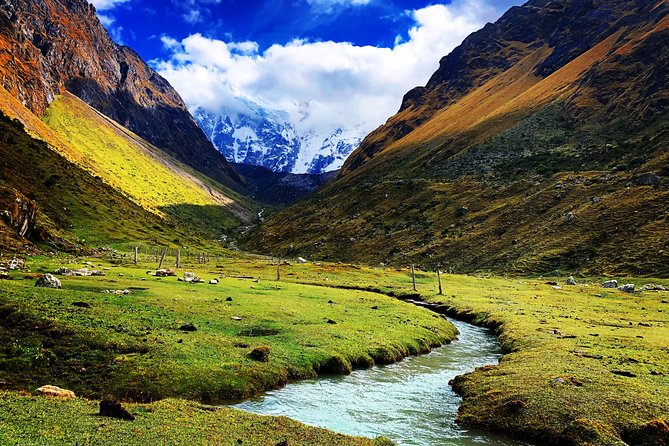
Day 1 begins with a scenic drive through the valleys toward Mollepata, where you stop for breakfast at a local spot. Then you continue toward Soraypampa, and you start seeing first views of the Salkantay and Humantay mountains as the air thins.
At Soraypampa (12,467 ft), you meet the support team. This is where the trek turns from travel to expedition: equipment gets organized, and the gear moves with wranglers, horses, and the camp setup crew.
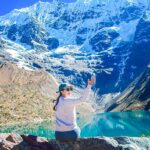
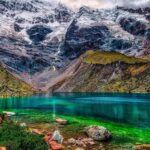
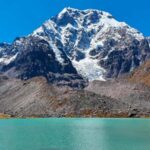
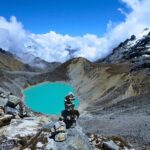
The highlight here is the Humantay Lake visit, an about-two-hour excursion. Humantay is one of those places where the view feels earned. You’ll get the chance to slow down, take photos, and soak in the high-Andes drama before your hiking schedule ramps up.
Day 2 over Salkantay pass: the altitude day to respect
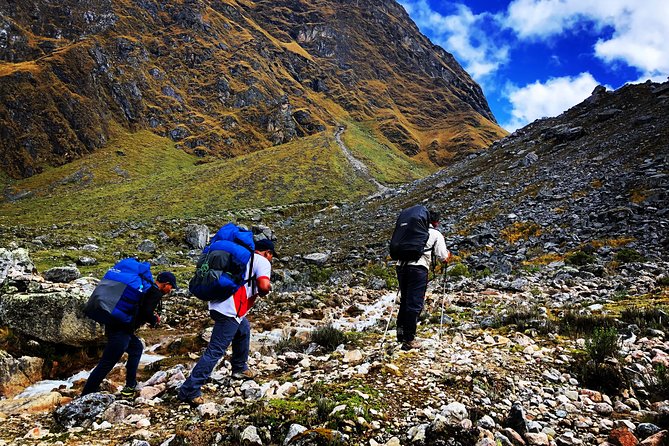
This is the day you should treat like a benchmark. Breakfast comes first, then you hike about one hour uphill to the Salkantay pass (15,252 ft).
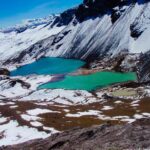
At the top, the group makes an offering to Salkantay and spends time on Inca culture and why this spot is venerated. I like this part because it turns a hard summit into something meaningful, not just a number on a map. You’re still working hard, but you’re also learning what the Inca saw in the same mountain line you’re standing on.
From the pass you hike downhill to Huayrac (about 12,464 ft) for lunch. Then it’s another downhill stretch toward camp at Colpapampa (10,170 ft). Expect this day to feel like two different hikes: one steep push up, then longer descent work.
A practical point from how the trek is described: the first part is tough, and you shouldn’t judge the rest of the route by your Day 2 feelings. The trail eases after the high point, and your legs often get a better rhythm on the later days.
Day 3: rain forest walking along the Santa Teresa river path
Day 3 is the “still challenging, but less brutal” day. You start with breakfast, then hike around six hours on gentle up-and-down segments.
The route follows the Santa Teresa river path through the rainforest environment. You’ll pass a standout waterfall along the way, and this is where the trek broadens beyond high-altitude drama and becomes more about sound, shade, and plant life.
You reach Lucmabamba around noon and settle in at the campsite. After lunch, you get the coffee plantation tour on Day 3 afternoon at the plantation adjacent to the campsite. I love this stop because it connects your effort on the trail to daily life below the pass. It’s not just a photo-op; it’s a real taste of local farming culture.
Day 4 to Llactapata: first Machu Picchu views and the Aguas Calientes night
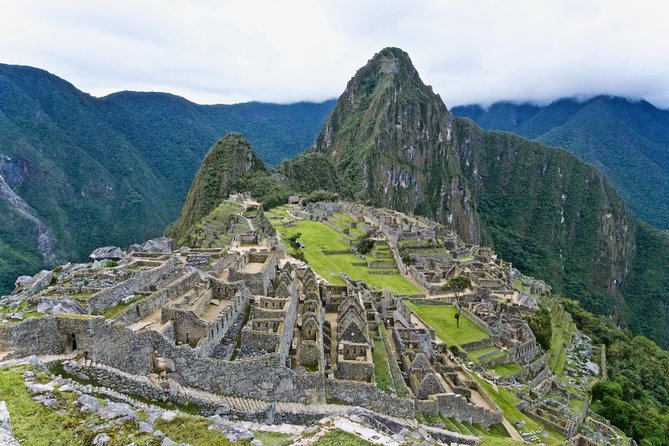
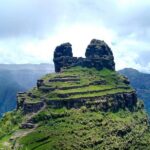
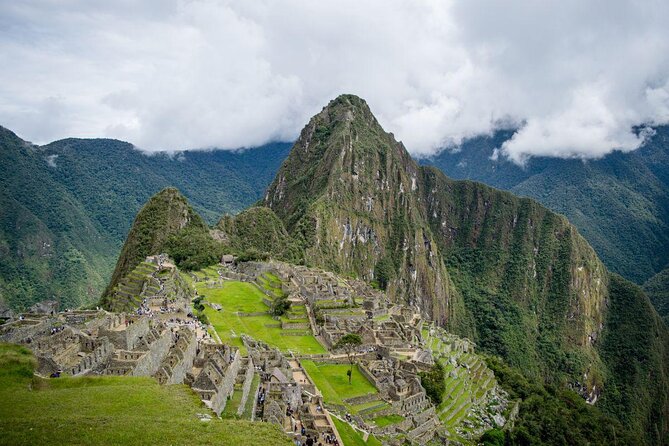
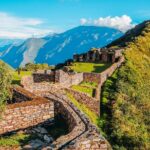
Day 4 starts early with breakfast, then you begin a moderate climb through the rainforest for about 3.5 hours to the Llactapata ruin (8,856 ft). Llactapata gets a thorough guided tour here, and it’s also where you get your first sight of Machu Picchu in the far distance.
That first long look can hit you harder than you expect. You’ve been walking through zones of cloud, rock, rainforest, and altitude. Then suddenly the route delivers one of the world’s most famous sites as a distant outline.
After Llactapata, you descend about 2.5 hours to Hydro for lunch. Then at 3 pm you board the train to Aguas Calientes. Once you arrive, you check into your hotel and dinner is at a restaurant. This hotel night is part of the value of the trek, because you stop living out of camp and get proper sleep before Machu Picchu day.
You can also read our reviews of more tours and experiences in Cusco
Day 5: guided Machu Picchu time, optional Huayna Picchu, then train back
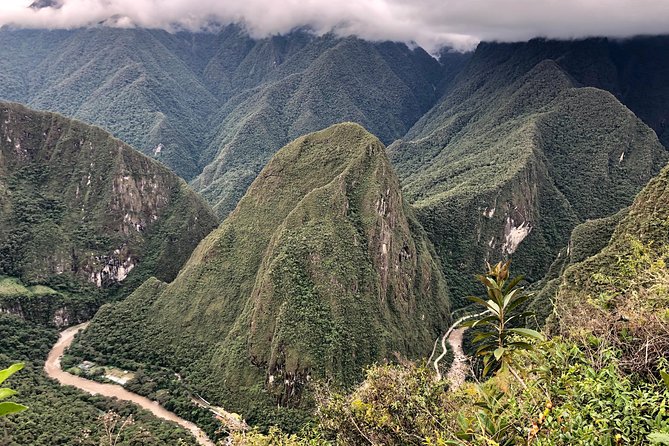
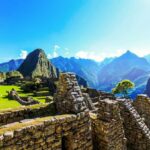
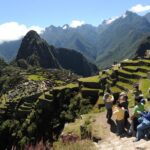
Machu Picchu day begins with breakfast, then a bus ride up to the site. You get a two-hour walking tour of Machu Picchu, which is ideal if you want to understand what you’re looking at without rushing.
If you’ve chosen the Huayna Picchu climb (not included), your start time is listed as 10:00 am. If you’re not climbing Huayna Picchu, you’ll have time at Machu Picchu after the tour before heading back down.
Then it’s back to Aguas Calientes for the return. You take the train to either Ollantaytambo or Poroy, followed by private van transport back to Cusco. The sequence is a big deal: it keeps the “Machu Picchu logistics day” from eating your entire vacation.
What you’re really paying for: $690 and the cost of doing it right
At $690 per person, this trek can feel like a bargain or a splurge depending on what you’re comparing it to. The key is what’s bundled.
You’re paying for a complete supported hiking experience, including bilingual tour guidance, camp setup, an expert chef and assistant chef, and daily meals (five breakfasts, four lunches, and four dinners). You also get camping comfort items like tents, mattresses, pillows, and a dining tent setup. On top of that, the trek includes the Aguas Calientes hotel night on night 4 and the train segments that connect you back toward Cusco.
You still need to plan for what isn’t included. You’ll cover your own sleeping bag (though the company notes rentals are available), tips for the crew, and the round-trip bus ticket to Machu Picchu. Hiking poles also aren’t included, but can be rented. And Day 5 lunch in Aguas Calientes is not part of the package.
So the value story is simple: you’re paying to keep the trek moving smoothly with support, food, and camp logistics already handled. If you’d otherwise be booking guide + porter arrangements + camping gear + meals separately, this price starts to make sense fast.
The crew setup: why it matters more than you think
The best part of a supported trek isn’t just safety. It’s energy management.
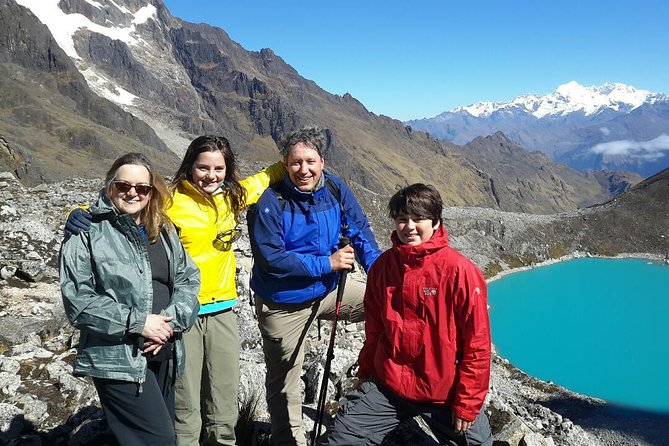
This trip includes wranglers and horses for hauling camp equipment and food. There’s also a horse assigned to carry up to 8 kg of your personal belongings, plus an emergency horse if needed. That reduces the load on your back, and that can be the difference between enjoying the descent and grinding through it.
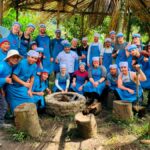
On top of the logistics, you get practical camp comforts: a kitchen tent, dining tent with tables and chairs, and a toilet tent with a portable toilet. Hot water for washing is included, and there are daily morning boiled and cold water options so you can fill water bottles.
You’ll also have an emergency oxygen bottle and medical kit. That’s not something you hope to use, but it’s a strong reassurance for a route with a high pass.
Difficulty and altitude: how to pace yourself for Salkantay pass day
This trek is listed for people with at least moderate physical fitness. The reason is straightforward: altitude and steep sections.
The highest point on the route is the Salkantay pass at 15,252 ft, and the Day 2 climb to the top is uphill for about one hour. After that, you’ll hike downhill for hours, including a lunch stop at Huayrac and a longer descent to Colpapampa.
From the way people talk about this route, the first couple days often feel harder due to altitude. After the pass is behind you, the hiking gets more manageable for many participants. Your job is to show up without racing. Take your time on the climb, breathe steadily, and let the later days feel like the payoff they’re meant to be.
Packing tips that match this specific trek
The tour provides camp gear, mattresses, pillows, tents, and major support items, but you still bring the personal items that keep you warm, dry, and functional.
Bring the items they recommend: trekking boots, warm fleece jacket, a few t-shirts, warm underwear, light long pants, gloves, a rain jacket, and a sun hat. For nighttime at altitude, they ask for a down or synthetic feather sleeping bag (rental is available from them).
Don’t skip basics like sunscreen SPF 35+, head lamp, sunglasses, and insect repellent. A camera with spare batteries is also advised since batteries drain faster at high altitude. If you like it, binoculars and a book for downtime at camps can make the nights feel less repetitive.
If you use trekking poles, this trek recommends them especially for steep descents. Poles can be rented from the operator, so you don’t have to hunt for them last minute.
Who should do this Salkantay Trek to Machu Picchu
This is a good fit if you want:
- a supported camping trek rather than carrying everything yourself
- a guided Machu Picchu experience with a real two-hour walk through the site
- a route that mixes high passes, rainforest paths, and a local coffee stop
It’s also a solid choice for couples or small groups who like the small-group pace (maximum 16 travelers). The structure keeps things organized without feeling like you’re on a bus tour.
If your priority is a gentler itinerary with less altitude stress, you might consider a different trek. But if you’re okay with early starts and a serious climb on Day 2, this one tends to deliver.
FAQ
How early do we start on the first day?
The meeting time is 4:30 am. Pickup and transport to the trailhead area happen on Day 1.
What camping and food support is included?
You get tents (set up for two people each), mattress and pillow, plus kitchen and dining setup. Meals are included daily: five breakfasts, four lunches, and four dinners.
Do I need to bring a sleeping bag?
Yes, a sleeping bag is not included, but you can rent one from the operator. Down or synthetic feather sleeping bags are recommended.
Is there a coffee tour during the trek?
Yes. On Day 3, after lunch, there’s an afternoon coffee plantation tour at the plantation adjacent to the campsite.
When do we reach Machu Picchu, and how is the visit handled?
On Day 5, you take a bus to Machu Picchu and get a two-hour walking tour. You return to Aguas Calientes after the visit.
What’s not included for Machu Picchu?
The round-trip bus ticket to Machu Picchu is not included. Huayna Picchu is also not included if you want to climb it.
Is there a full refund if I cancel?
Yes. You can cancel up to 24 hours in advance for a full refund.
Should you book this Salkantay Trek to Machu Picchu?
If you want the best version of this route, I’d book it when your main goal is a supported, guided trek that feeds you well, keeps camp logistics off your shoulders, and still gets you to Machu Picchu with enough guidance to make the time count.
Skip it if you’re not comfortable with early mornings and the altitude pressure of the 15,252 ft Salkantay pass. Also budget for the extras you’ll need on your own: sleeping bag (or rental), tips, the Machu Picchu bus ticket, Day 5 lunch, and optional Huayna Picchu.
In short: if you’re ready to work for it, this trek is a practical, well-supported path to a once-in-a-lifetime finish.