REVIEW · CUSCO
Cusco: Full-Day Sacred Valley and Maras Tour
Book on GetYourGuide →Operated by PVTravel · Bookable on GetYourGuide
A long day, but it packs real Sacred Valley variety fast: Salineras salt pools and the Písac market give you big-sight energy without the hassle of planning. I like that the route strings together several distinct places—textile traditions, Inca stonework, salt terraces, and a craft market—so you don’t spend 12 hours watching only one kind of view. One thing to consider: it’s a 12-hour whirlwind, so if you hate getting in and out of a vehicle all day, this may feel like too much.
You start in Cusco with hotel pickup, then move through the Cusco Region’s highlights in a logical order, ending back in downtown. You’ll walk on archaeological surfaces, shop in a market area, and spend midday on a buffet in Urubamba—so wear shoes you can trust. If your budget is tight, do the math on entrances, because some ticket costs are not included.
In This Review
- Quick Take: Sacred Valley in One Ride
- Price and Value: What $33 Really Buys
- The Itinerary Flow: A Logical Sacred Valley Loop
- Chinchero Textile Center and Archaeological Zone: Start With Culture
- Moray Archaeological Park: The Odd-Looking Stop You’ll Remember
- Maras Town and Salineras Salt Mines: The 3,000-Pool Payoff
- Urubamba Lunch: A Real Break in the Middle of the Day
- Ollantaytambo: Incan Architecture That Feels Close
- Písac Archaeological Park and the Craft Market: Close the Loop With Shopping
- What You’ll Really Be Doing All Day (So You Can Plan Smart)
- Who This Tour Fits Best
- Should You Book This Sacred Valley Tour?
- FAQ
- How long is the Cusco Sacred Valley and Maras tour?
- Where does pickup happen?
- What are the major stops on the itinerary?
- Is lunch included?
- What languages does the tour guide speak?
- Are entrance fees included?
- What should I bring?
- Is hotel drop-off included?
- Does the tour include transportation?
- Is free cancellation available?
Quick Take: Sacred Valley in One Ride
- Chinchero gives you a first stop that mixes an archaeological zone with a textile center
- Moray is a fascinating archaeological park stop that fits the day’s Inca theme
- Maras + Salineras is the day’s wow moment, with 3,000+ salt pools to see
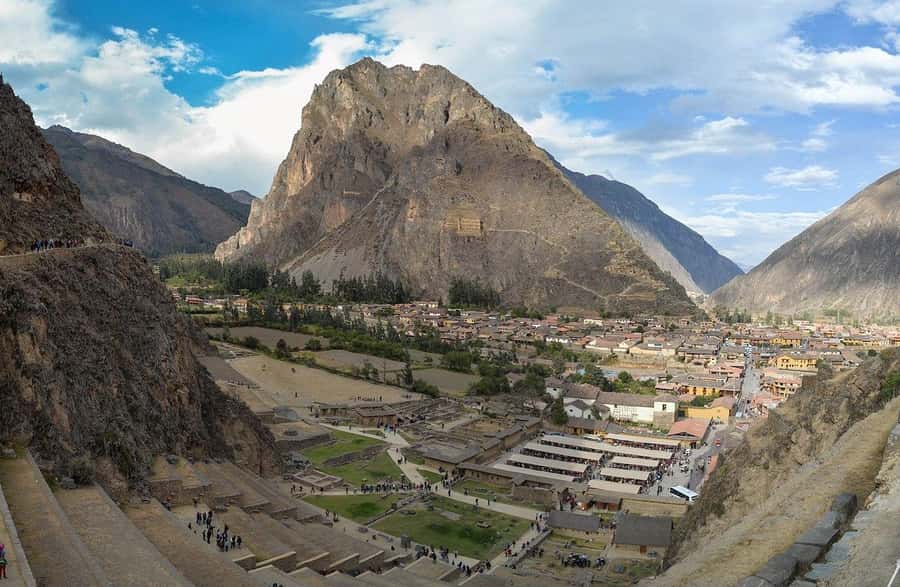
- Ollantaytambo delivers classic Incan architecture that feels immediate and human-scale
- Písac wraps the tour with both ruins and a nearby craft market
- Buffet lunch in Urubamba breaks up the drive without turning the day into a food scavenger hunt
Price and Value: What $33 Really Buys
At $33 per person for a 12-hour day, this tour is priced like a budget-friendly way to see major Sacred Valley sites in one shot. The big value is that you get hotel pickup, transportation, and a professional English/Spanish-speaking guide, plus a buffet lunch in Urubamba.
Now the part you should check before you fall in love with the price: entrance and ticket costs. The tour lists touristic tickets (70 Soles per person) as not included, and Maras entrance (10 Soles per person) as not included. It also says entrances to ruins and Maras can be included depending on the option you select. So your final total may be a bit more than $33 once you add tickets on the day or confirm what’s covered in your chosen option.
You can also read our reviews of more tours and experiences in Cusco



The Itinerary Flow: A Logical Sacred Valley Loop
This is built as one continuous loop, starting with pickup in Cusco and finishing with drop-off back in central Cusco. The order matters because each stop changes the vibe, from textiles to stepped archaeological formations, to salt mining terraces, and then to Inca-built towns and ruins.
Expect a full day of movement: morning pickup, multiple archaeological and market stops, midday lunch, then more ruins and shopping before the return drive.
Chinchero Textile Center and Archaeological Zone: Start With Culture
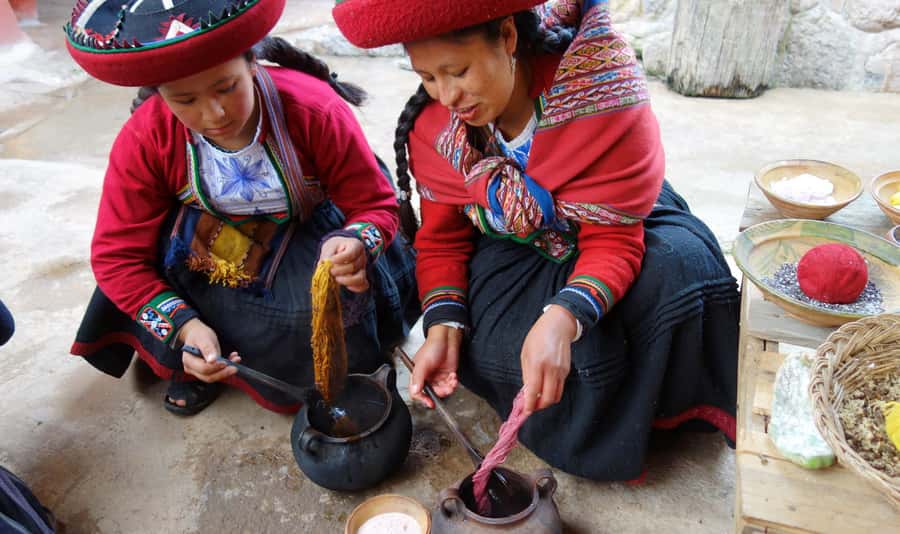
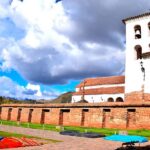
Your day begins with a stop in Chinchero, where you’ll visit both an archaeological area and a textile center. This is a smart warm-up because it gives you context for what you’ll see later: Sacred Valley sites weren’t only about buildings—they were also tied to everyday crafts and community life.
What I like about this first stop is that it sets up a theme early. Even if you’re not a “ruins person,” textiles tend to make the region feel more real, and less like a checklist.
Practical note: plan to browse. A textile center invite you to look closely, and you’ll likely want to ask questions about what you’re seeing. Bring patience—shopping and learning can take a little extra time.
Moray Archaeological Park: The Odd-Looking Stop You’ll Remember
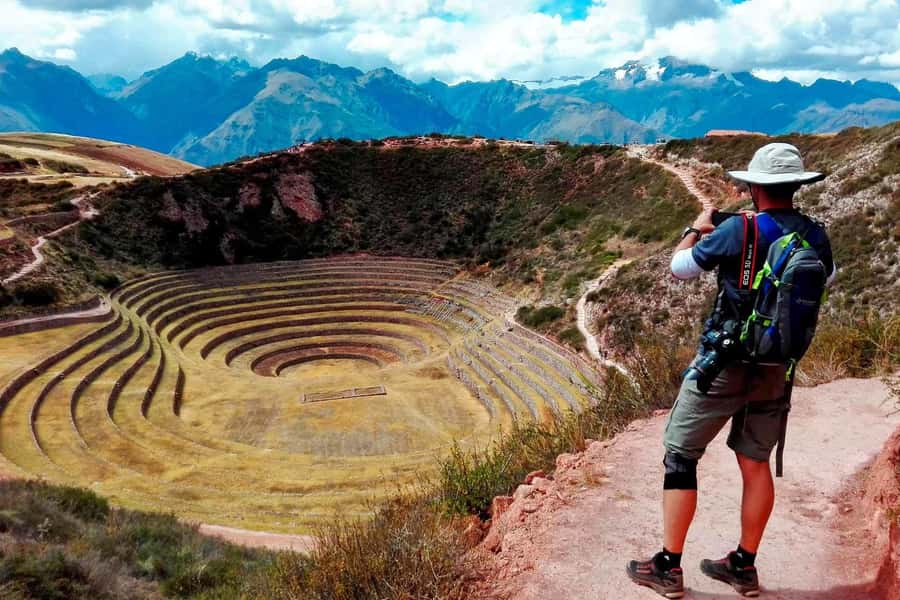
Next up is Moray, an archaeological park stop that feels different from typical ruins. The point here is the way it looks, and how it invites questions—why it’s shaped the way it is, how people might have used it, and how it fits into the wider Inca world.
This is also a good breather in the day. After the first cultural stop, Moray gives you a clear visual moment that’s easy to enjoy even if you have limited time to read explanations.
Maras Town and Salineras Salt Mines: The 3,000-Pool Payoff

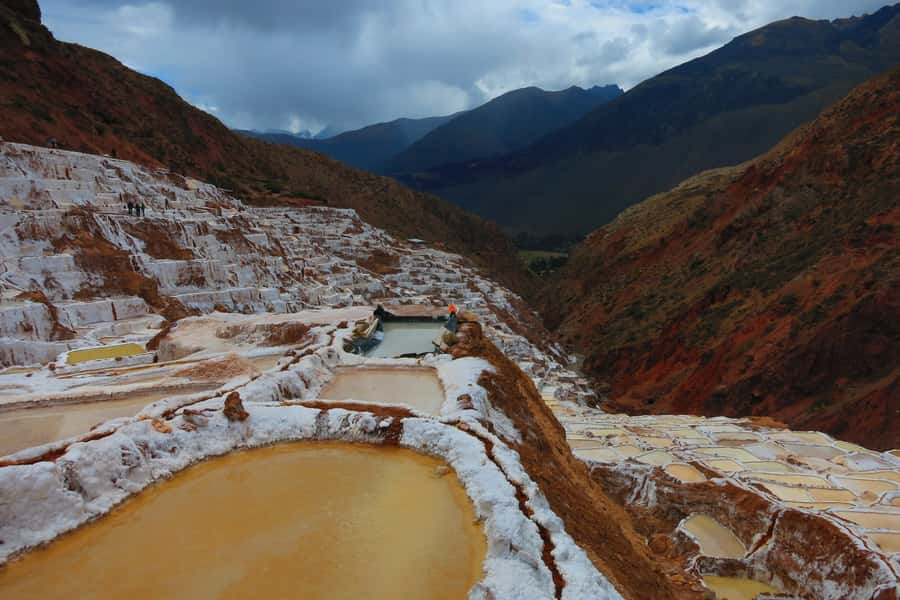
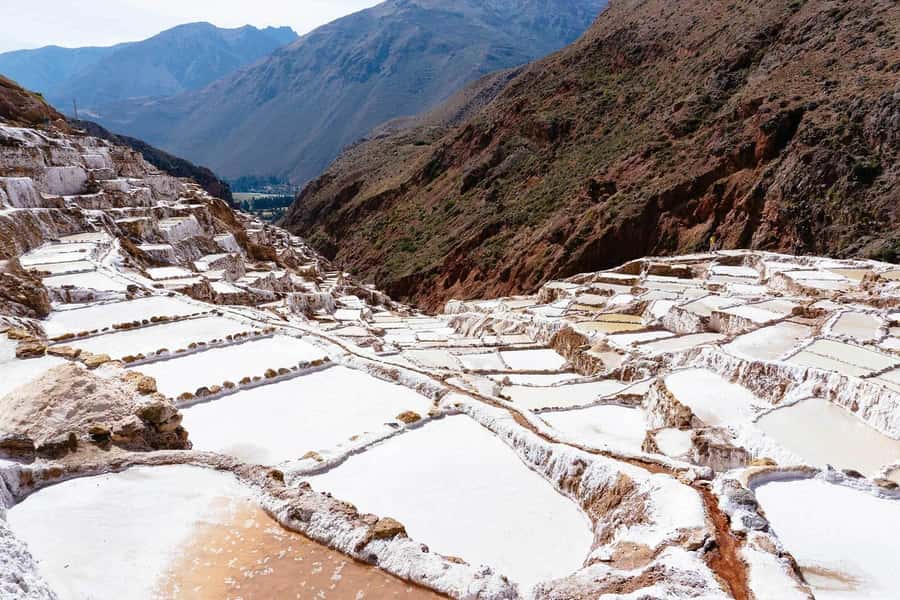
Then you pass through Maras and head to Salineras Salt Mines, where you’ll see more than 3,000 salt pools. This is the highlight on this tour for good reason. Salt mines at this scale look like a natural-and-human made pattern rolled into one scene.
The value here is not just the photos. The terraces are active-looking, and the sheer number of pools keeps your eyes busy. It’s the kind of site where even if you arrive tired, you start paying attention quickly because the visuals do the work for you.
Consideration: this is a site where you’ll want good grip on your shoes and a plan for sun. The tour lists sunglasses, sun hat, and water, and those are there for a reason.



Urubamba Lunch: A Real Break in the Middle of the Day
Lunch is a buffet in Urubamba. I like this because it’s a structured rest point after several stops. You’re not hunting for food on your own, and the buffet format usually means you can eat at your own pace, even if you’re picky or just tired.
One caution: keep it simple. You’re going to keep walking and driving after lunch, so don’t overdo it on heavy food if you’re the type who feels sluggish later.
Ollantaytambo: Incan Architecture That Feels Close

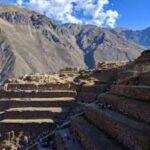
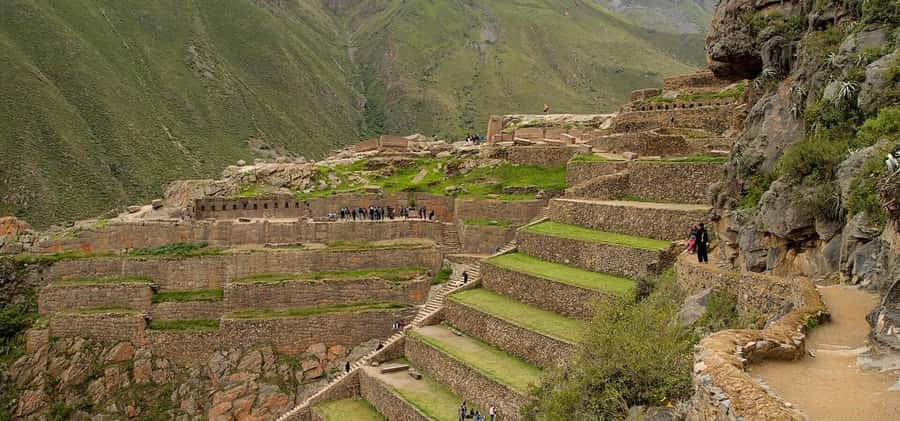
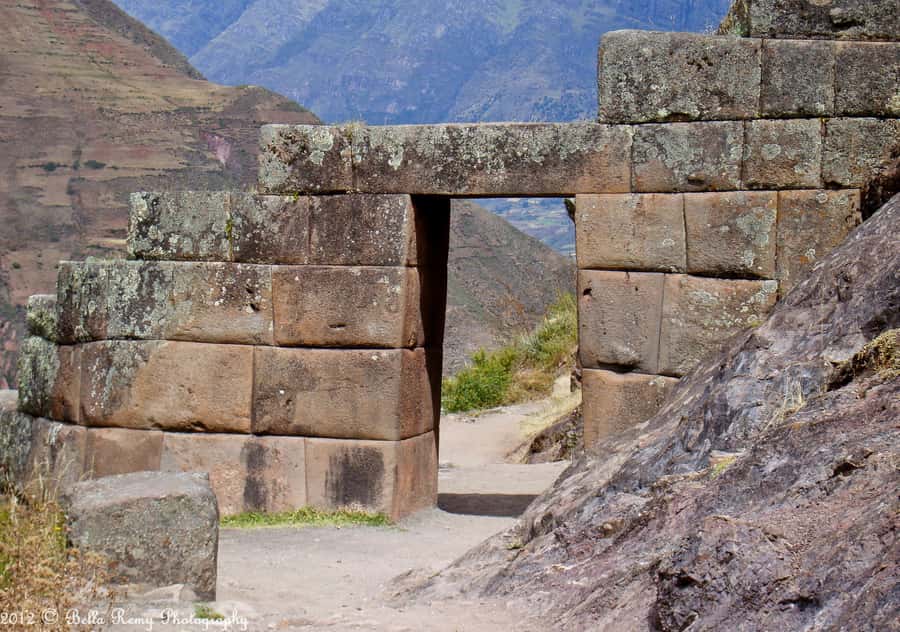
After lunch, the tour heads to Ollantaytambo, focusing on its Incan architecture. This is a stop that works well because you’re not only looking at ruins—you’re looking at stonework that shapes how space feels.
I enjoy Ollantaytambo on tours like this because it tends to translate well to different interests. If you love design, you’ll notice the precision. If you care more about atmosphere, the town-and-ruins pairing makes it easier to imagine daily life.
Písac Archaeological Park and the Craft Market: Close the Loop With Shopping
The day finishes with Písac archaeological park, then a visit to the nearby town where you can explore the craft market. This is a great way to end because it gives you an active final hour: look, compare, and pick up something you’ll actually use later.
If you care about buying well-made souvenirs, focus on process and quality rather than just price tags. The craft market portion is the time to ask questions and slow down before you’re back in transit.
What You’ll Really Be Doing All Day (So You Can Plan Smart)
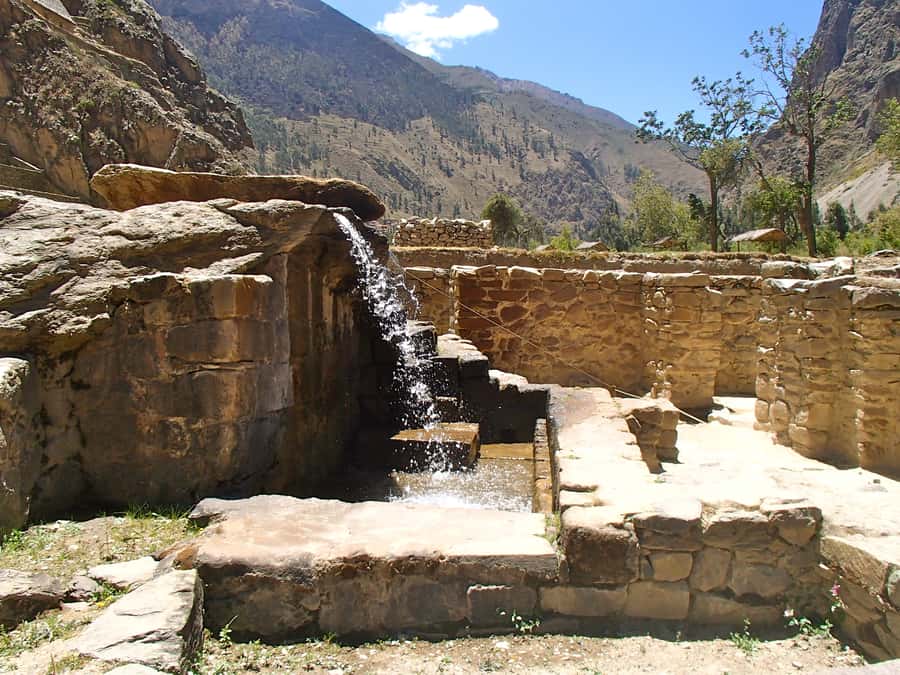
This tour is not just “seeing.” It’s also walking, looking closely, and moving between very different settings.
You should be ready for:
- Archaeological walking on uneven or textured areas
- Time in open-air sun during the salt mines and markets
- Practical browsing time at the textile and craft-market stops
- A long day of transportation between sites
That’s why the “what to bring” list matters: comfortable shoes, sunglasses, sun hat, and water. If you bring the basics, the day feels easier.
Who This Tour Fits Best
This is a strong choice if you:
- Want a high-coverage Sacred Valley day without organizing multiple tickets and rides
- Prefer a guided route with English/Spanish interpretation
- Like variety—textiles, salt mines, Inca architecture, and a craft market
It may not be ideal if you:
- Want lots of free time at one place
- Prefer a slower pace with fewer stops
- Get cranky after long stretches of driving
Should You Book This Sacred Valley Tour?
If you want one day that connects the dots—textiles in Chinchero, Moray’s unusual archaeological park, the dramatic salt terraces of Salineras, then Incan stonework at Ollantaytambo, and finally Písac ruins plus a market—this tour makes sense. The price is attractive for what’s included, especially with transportation, guide, and lunch.
Just do one quick check before you commit: confirm whether your chosen option includes entrances to ruins and Maras, and remember that touristic tickets (70 Soles per person) are listed as not included. If that’s handled up front, the day feels like a great value. If not, budget for the add-ons so there are no surprises.
FAQ
How long is the Cusco Sacred Valley and Maras tour?
It runs for about 12 hours.
Where does pickup happen?
Pickup is included from hotels in Cusco City center. If your accommodation is outside that area, the meeting point will be set.
What are the major stops on the itinerary?
You’ll visit Chinchero (textile center and archaeological zone), Moray, Maras and Salineras salt mines, Urubamba for lunch, Ollantaytambo, Písac (archaeological park), and then the nearby craft market.
Is lunch included?
Yes. You get a buffet lunch in Urubamba.
What languages does the tour guide speak?
The guide is professional and speaks English and Spanish.
Are entrance fees included?
Some entrances are included if you select the option for entrances to ruins and/or entrances to Maras. Touristic tickets (70 Soles per person) are listed as not included, and Maras entrance (10 Soles per person) is also listed as not included.
What should I bring?
Bring comfortable shoes, sunglasses, a sun hat, and water.
Is hotel drop-off included?
Yes. You’ll be dropped off in central Cusco.
Does the tour include transportation?
Yes. Transportation is included as part of the tour.
Is free cancellation available?
Yes. You can cancel up to 24 hours in advance for a full refund.