REVIEW · CUSCO
Ultimate Lares Trek & Inca Trail 5 days
Book on Viator →Operated by TreXperience · Bookable on Viator
A quieter road to Machu Picchu. This 5-day Ultimate Lares Trek & Inca Trail sends you along the less-traveled Lares route, then links into the famous final approach, so you get the wonder without the same heavy crowd energy. You also get practical, stress-free transport from downtown Cusco, plus two nights camping with solid gear and two nights in 3-star hotels in Ollantaytambo and Aguas Calientes.
I especially love two things: the Lares hot springs as a warm-up (your muscles will notice), and the food plus teamwork at camp. Names show up again and again in the crew stories, from guides like Manolo and Sara to chefs such as Augusto and Oscar, and the consistent theme is big, varied meals that actually keep you fueled.
One consideration: you’ll be dealing with high altitude and a genuinely tough day. Day 2 climbs to Condor Pass at 4700m, so if you hate exertion or you’re prone to altitude headaches, plan to go slow and follow your guide’s pace.
In This Review
- Key things that make this trek worth your time
- Lares vs crowds: why this route feels calmer
- Cusco to Sacred Valley: Day 1 and the Lares hot springs reset
- Day 2: Condor Pass at 4700m and the remote Cancha Cancha village
- Day 3: From Huaran downhill walking to Ollantaytambo nights
- Day 4: Train to km 104, Inca ruins at Chachabamba, and the Sun Gate payoff
- Day 5: Sunrise Machu Picchu, a guided walk, and free time that you control
- What $980 gets you: value, inclusions, and the stuff that matters on a trek
- The trekking reality: fitness, altitude, and how to pack smart
- Who should book this trek, and who might want a different plan
- Should you book the Ultimate Lares Trek & Inca Trail?
- FAQ
- What’s the highest altitude on this trek?
- How long is the trek and how many days is it?
- What’s included in the price?
- Is the Machu Picchu entrance fee included?
- What about vegetarian meals or dietary needs?
- Do I need a passport?
- What’s the group size?
- Is it refundable if weather is bad?
- Do I need to bring a sleeping bag or trekking poles?
Key things that make this trek worth your time
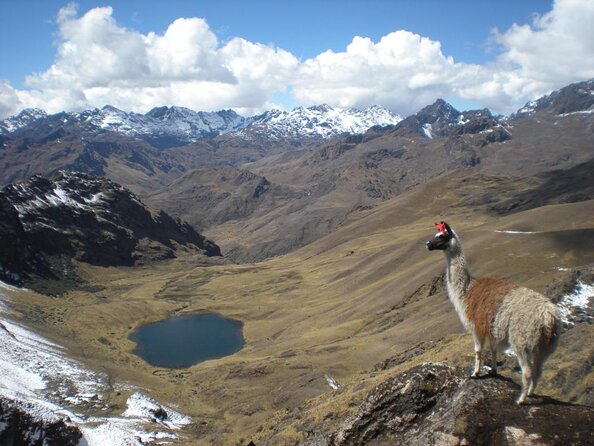
- Quieter Lares route to Machu Picchu, designed to avoid the busiest trail feel
- Hot springs on Day 1 at different temperatures, a great way to ease into Andean trekking
- Condor Pass challenge (4700m) with big views and a long hike day you’ll remember
- A remote Quechua-only village experience at Cancha Cancha with no electricity, internet, or cellphone service
- Strong camp cooking culture (birthday cakes in the woods have happened)
- Machu Picchu timing that helps: arriving in the afternoon and also getting an early sunrise visit
Lares vs crowds: why this route feels calmer
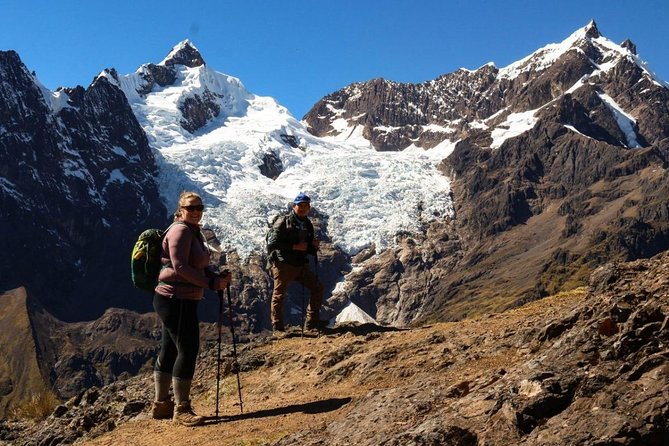
The big pitch here is simple: use the quieter Lares route first, then connect into the Inca Trail segment that leads you to Machu Picchu. That means more time in remote Andean villages and fewer shoulder-to-shoulder trail moments. If you want the Inca story, but you don’t want your photos interrupted every five steps, this is a smart way to do it.
I also like that the trek doesn’t feel like a random pile of hikes. Day 1 eases you in with thermo-medicinal baths and a gentle uphill start, then the toughest effort comes in the middle (Day 2). The pacing structure helps you avoid the classic mistake of going too hard on Day 1 and paying for it later.
The group size cap at 12 travelers matters, too. Smaller groups tend to move with less chaos, and you get more of the guide’s attention when the trail steepens or the altitude hits.
You can also read our reviews of more hiking tours in Cusco
Cusco to Sacred Valley: Day 1 and the Lares hot springs reset
Day 1 starts with an early pick-up from your hotel area. In practice, you’re looking at a very morning-forward start time, and then a drive toward the Sacred Valley of the Incas. You stop at a local market before continuing on to the famous Lares thermo-medicinal baths, arriving around 8:00am.
This is more than a tourist stop. The baths use pools at different temperatures, and the intention is muscle and joint comfort—bones, muscles, stress, and even headache relief are part of the experience. After that warm-up, you’re finally ready to hike.
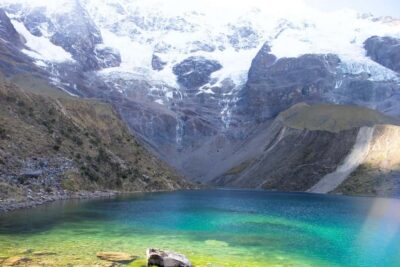
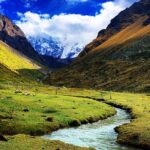
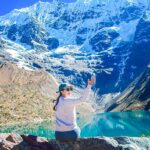
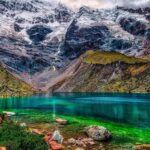
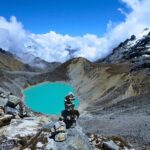
The trekking portion on Day 1 is listed as easy, with an uphill walk toward Kiswarani village, then continuing to your campsite by a blue lake at 3750m. Tents and hot tea show up when you arrive, which sounds small until you’re tired and chilled. You also get a chance to relax, stargaze, and learn Inca astronomy from your guide at camp—one of those “this is why I’m not just rushing to the ruins” moments.
Practical note: camping at 3750m can still make you feel a little winded. Go slow, sip water, and let the warm springs do their job.
Day 2: Condor Pass at 4700m and the remote Cancha Cancha village
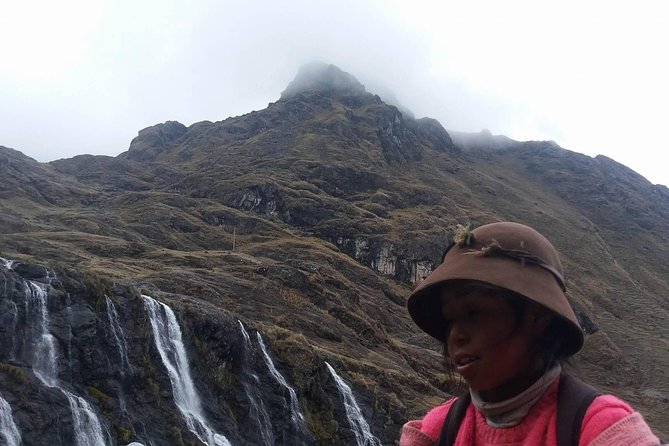
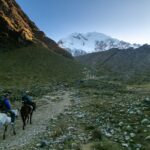
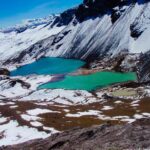
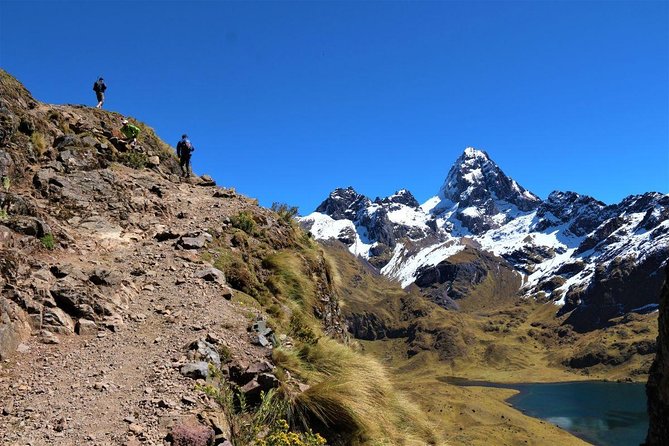
Day 2 is the day that changes the tone. After coffee or cocoa tea wakes you up, you head into the most challenging climb on the itinerary: a hike uphill to Condor Pass (4700m). The route is described as 4 hours uphill to the summit, then a long descent (about 3 hours) into stunning scenery.
Your altitude here isn’t theoretical. You’re climbing from the camp zone around 3750m up to 4700m, and that’s where many people feel it most—head pressure, breathlessness, slower legs. This is where the guide’s pacing style becomes everything. In the real-world experiences shared by people who’ve done this trek, the guides repeatedly focus on step-by-step effort—little by little—so you don’t get stuck fighting your own breathing.
By evening, you camp at Cancha Cancha (3750m), and this is one of the trek’s most special “human reality” moments. The village is described as completely isolated from modern technology: no drainage system, electricity, computers, internet, or cellphone service. People speak Quechua only, which gives you a stronger sense of living culture instead of staged performance.
Then dinner happens together—your chef and crew do camp cooking at altitude, and the team timing is built for recovery. If you’re sensitive to hunger on hikes, plan to appreciate this day’s structure: you hike hard, then you eat well.
Day 3: From Huaran downhill walking to Ollantaytambo nights
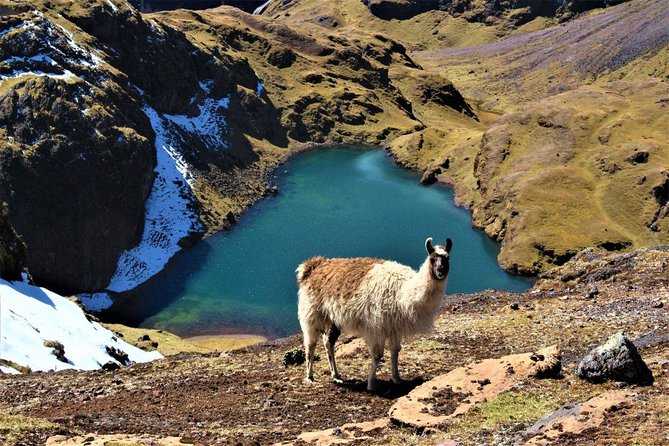
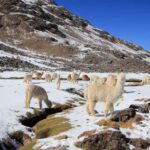
Day 3 starts in a village setting surrounded by llamas and alpacas, and after breakfast you begin a downhill trek. The plan calls for about 4 hours of hiking, then the day concludes in Huaran (2700m).
From Huaran, you switch from trail mode to cultural-and-historic exploration. A private bus takes you to Salineras and Ollantaytambo, often described as the last living Incan city. You also get time to wander ancient streets and see the water channel that’s been in use since Inca time. It’s a good change of pace because you’re still learning, but your legs aren’t doing steep climbing all day.
Then you dinner in a local restaurant in Ollantaytambo and sleep in a hotel. This matters because you’re going from camping for two nights to a proper bed again—resetting your body before the Machu Picchu arrival segment.
A small drawback to keep in mind: you may still feel the effects of Day 2 in your body on Day 3. Downhill can be hard on knees and ankles even when it’s not “challenging” in the official difficulty rating. Take careful steps and don’t force speed.
Day 4: Train to km 104, Inca ruins at Chachabamba, and the Sun Gate payoff
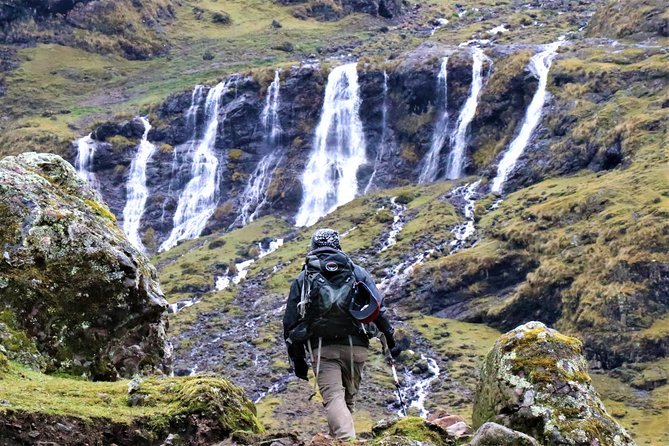
Day 4 is where the trek transforms into the iconic Machu Picchu approach. You start from your hotel around 6:00am, walk to the train station, and ride the train about 1 hour 30 minutes along the Urubamba River from Ollantaytambo to km 104 at Chachabamba.
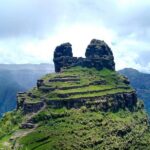
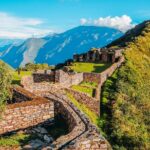
Once you’re at Chachabamba (described as cloud forest), you begin hiking. Your first stop is Chachabamba, an Inca ruin you explore before continuing on a route toward Wiñay Huayna. The itinerary sets this day’s hiking segment at about 4 hours, and you get a packed lunch and refreshments along the way.
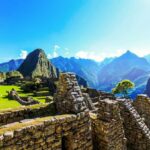
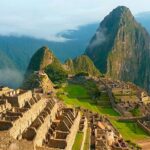
From Wiñay Huayna, the next push continues to the Sun Gate. This is the moment built to deliver that first big glimpse of Machu Picchu. Then you walk downhill into the site and arrive in the afternoon, which gives you a real advantage: you can experience Machu Picchu with a less chaotic feel than a fully sold-out morning rush.
After that, you take the bus down to Aguas Calientes, eat dinner, and sleep in a hotel again.
One consideration here: Day 4 involves stairs and steady walking, especially during the transition around Sun Gate. If you have ankle or knee trouble, it’s smart to bring trekking poles if your doctor/physio says they help and to pace with care.
You can also read our reviews of more tours and experiences in Cusco
Day 5: Sunrise Machu Picchu, a guided walk, and free time that you control
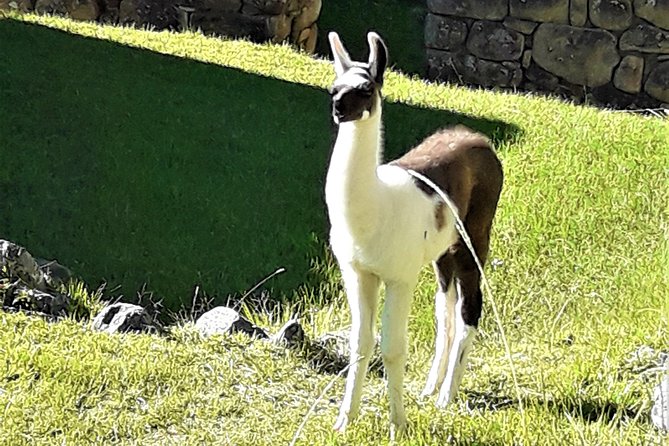
Final day starts very early. You get breakfast and then take early buses up to the citadel, with the option to watch sunrise if the day is clear. Your guide then leads a 2 to 3 hour comprehensive tour of Machu Picchu.
After the guided portion, you’re free to explore on your own, or you can climb Huayna Picchu or Montaña if you have tickets. The important detail is that these optional tickets need to be booked in advance, so don’t leave it to chance.
Once you’re done, you learn how to take the bus back down to Aguas Calientes for lunch (not included). Then you return to Cusco via panoramic train and bus, and the TreXperience team meets you off the train to get you back to your hotel.
This mix—guided context plus your own wandering time—fits how most people actually enjoy Machu Picchu. You get the story first, so your wandering has meaning, then you can slow down for the views and photo angles that matter to you.
What $980 gets you: value, inclusions, and the stuff that matters on a trek
At $980 per person for 5 days, the value comes from what’s bundled and what it removes from your planning stress. You’re paying for more than “a guided hike.” You get:
- Hotel pickup and round-trip transport from Cusco area
- All transportation during the trek, including trains and local transfers described in the route
- A duffle bag up to 7 kilos carried by horse (so you don’t carry everything on your back)
- Experienced guides, plus dedicated chefs and porters
- Pachamanca cooking demonstration
- 2 nights camping with comfortable equipment
- 2 nights in 3-star hotels in Ollantaytambo and Aguas Calientes
- Meals: breakfast and lunch and dinner as listed across the days (and included dinner/lunch counts)
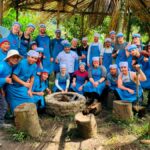
The food and chef work is a standout theme in the stories people share. You’ll hear about chefs like Augusto and Oscar pulling off impressive meals at altitude, even cake for special moments. It’s not just “good enough.” It’s repeatedly described as plentiful, varied, and filling enough that people finish treks feeling better fed than expected.
The one thing not included is the extra Machu Picchu add-ons: Huayna Picchu or Montaña entrance tickets are optional. The core Machu Picchu ticket is treated as included in the itinerary.
So if you want value, look at it like this: you’re paying to skip logistics, reduce carrying burden, and get a working crew that keeps the camp running so you can focus on hiking and enjoying the places.
The trekking reality: fitness, altitude, and how to pack smart
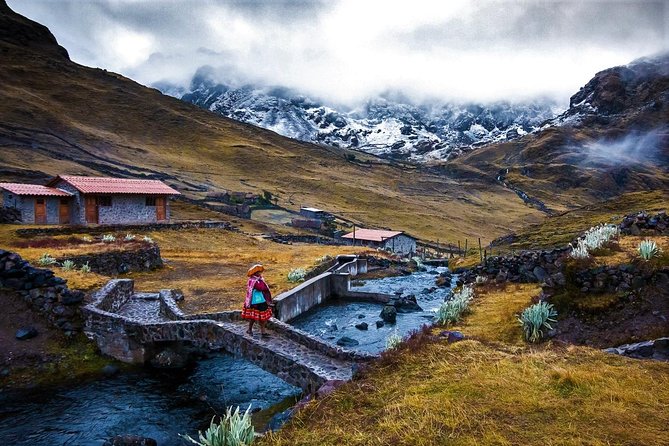
This trip is for people with moderate physical fitness who are okay with high altitude and long walking days. Officially, Day 1 is easy, Day 2 is moderate to challenging, and Day 3 is easy. But “easy” still means you’re moving on mountain terrain with elevation in the mix.
Your highest point listed is 4700m, and your camping sits around 3750m most nights. That means breathing will feel different even when you’re not sprinting. Here’s how I’d approach it:
- Expect a slower pace than you think you need, especially on Day 2
- Plan for hydration and extra snack habits, since you’re hiking all day
- Keep your focus on steady steps, not speed
Packing-wise, the tour includes camping gear, but sleeping bag and trekking poles are optional. If you’re the type who likes your own gear for comfort, ask what’s available and what’s best to bring. Also, you’ll want to pack within the 7 kg duffle allowance for what horse carry handles, because your own carry is where fatigue can sneak in.
If you’re thinking “but I don’t know if I’ll need extra support,” this is one of those trips where poles and a simple foot-care routine can make your hiking-day legs happier, especially if you get sore with stairs.
Who should book this trek, and who might want a different plan
I’d point you toward this experience if you want:
- A calmer route to Machu Picchu with more time in smaller villages
- Great camp food and a team that feels like it has your back
- A trek that mixes wilderness with historic sites and then ends with Machu Picchu context
You might reconsider if:
- You know you struggle at altitude, especially around 4700m
- You have serious knee or ankle issues and stairs are a guaranteed flare-up
- You’re only interested in Machu Picchu and would rather reduce long hiking time (because this is a real trekking program)
Where the stories help most is in confirming what kind of experience this feels like: safe, supported, and focused on culture—not just check-the-box ruins time. Solo travelers also report feeling well cared for, with guides who keep communication clear and encourage you when the trail gets tough.
Should you book the Ultimate Lares Trek & Inca Trail?
If you want Machu Picchu with less crowd pressure and more of the Andes story along the way, I think this is a strong yes. The combination of Lares hot springs, the remote Cancha Cancha village, and a Sun Gate reveal gives you variety: body reset, cultural immersion, then the big payoff.
Book it if you’re willing to work for the views and you like the idea of being fed well in the mountains. If altitude or steep walking scares you, you can still do it—but you’ll want to commit to a slow pace and good prep.
If your heart is set on Huayna Picchu or Montaña, plan those tickets early. That’s the one moving part you’ll want to control so your final day feels relaxed instead of rushed.
FAQ
What’s the highest altitude on this trek?
The highest point listed is Condor Pass at 4700m. Camps are around 3750m for the first two camping nights.
How long is the trek and how many days is it?
It’s listed as a 5-day experience, with a mix of trekking, train travel, and sightseeing.
What’s included in the price?
The price includes hotel pickup, transportation during the trip, duffle bag carriage up to 7 kilos by horse, guides/porters/chefs, camping equipment for 2 nights, and 3-star hotels for 2 nights in Ollantaytambo and Aguas Calientes. Meals are also included as specified across breakfast, lunch, and dinner.
Is the Machu Picchu entrance fee included?
The Machu Picchu ticket is treated as included in the itinerary. Optional add-on tickets for Huayna Picchu or Montaña are not included.
What about vegetarian meals or dietary needs?
A vegetarian option is available. You should also advise any specific dietary requirements at the time of booking.
Do I need a passport?
Yes. A current valid passport is required on the day of travel, and passport details are needed at booking.
What’s the group size?
The maximum group size is 12 travelers.
Is it refundable if weather is bad?
The experience is non-refundable and can’t be changed for any reason, but if it’s canceled due to poor weather, you’ll be offered a different date or a full refund.
Do I need to bring a sleeping bag or trekking poles?
Sleeping bag and trekking poles are optional. The tour notes you can ask for guidance, and they can help you decide what to bring.