REVIEW · AGUAS CALIENTES
Inka Jungle trek to Machu Picchu 3 D/ 2 N
Book on GetYourGuide →Operated by Libertrek Peru Travel Agency · Bookable on GetYourGuide
Bikes, jungle, then Machu Picchu at sunrise. I love the Abra Málaga cycling descent and how you drop from Cusco-region highlands into warm Inca jungle fast. You’ll also enjoy Andes-fed meals that keep you fueled without feeling like you’re eating only “tour food.” One possible drawback: this is an active trek with long biking and walking segments, so it’s not ideal if you have back problems or you’re pregnant.
The pace works best with a small group (up to 18), guided by an official adventure-focused team in English and Spanish. You’ll start early with hotel pickup around 06:00, so plan on putting the alarm clock to work.
In This Review
- Key Highlights You Should Know
- Why This Inka Jungle Route Feels Different Than a Classic Hike
- Day 1: Cusco to Abra Málaga, Huamanmarca, and the Long Bike Ride to Santa María
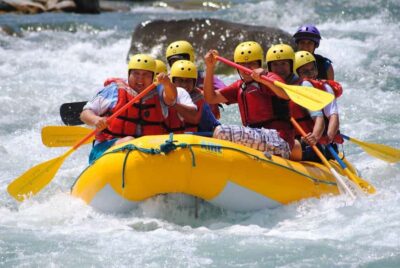
- About rafting on Day 1 (and why weather matters)
- Day 1 landing: Santa María, then Santa Teresa
- Day 1 Night: Santa Teresa and Optional Hot Springs Recovery
- Day 2: Zipline at Cola de Mono, Then the Walk Toward Hidroeléctrica
- Lunch at Hidroeléctrica
- Day 2 Afternoon and Evening: Train Tracks to Aguas Calientes, Plus Hot Springs Time
- Day 3: Machu Picchu Sunrise, Then a Guided 2.5-Hour Walk Through the Key Sites
- Getting back to Cusco
- Meals, Gear, and What’s Included (and What You’ll Pay Separately)
- One small note on fitness and gear
- Price and Value: Is $410 Worth It for Machu Picchu by This Route?
- Practical Tips Before You Go: Pack Light, Start Early, Respect the Rules
- Should You Book the Inka Jungle Trek to Machu Picchu?
- FAQ
- How long is the Inka Jungle Trek to Machu Picchu?
- What time is pickup in Cusco?
- What activities are included during the trek?
- Is rafting guaranteed?
- Where do you sleep during the 3 days?
- Are meals included?
- Is Machu Picchu entrance included?
- Is Wayna Picchu included?
- Do you need a bus to Machu Picchu?
- How do you get back to Cusco?
Key Highlights You Should Know
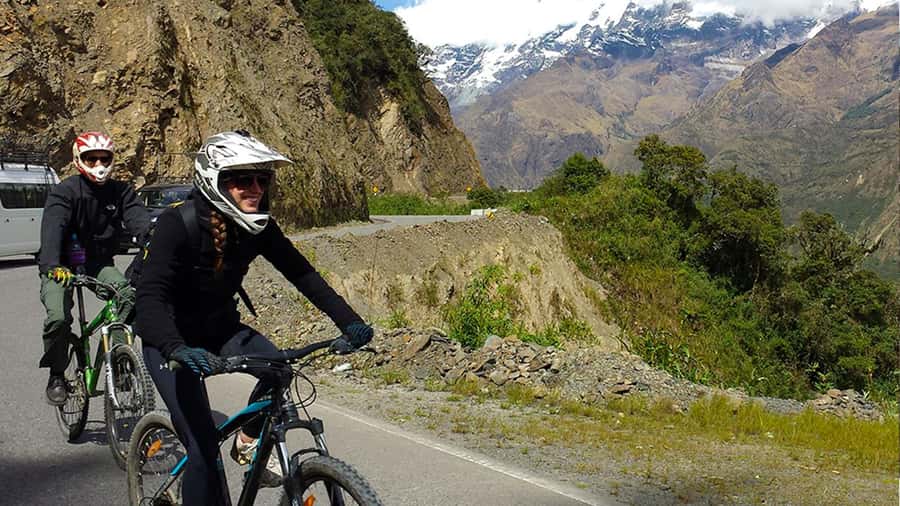
- Abra Málaga cycling (3 to 4 hours downhill): long, scenic descent toward Santa María.
- Jungle-to-river variety: birds, medicinal plants, and fruit like mango, pineapple, papaya, avocado, and more.
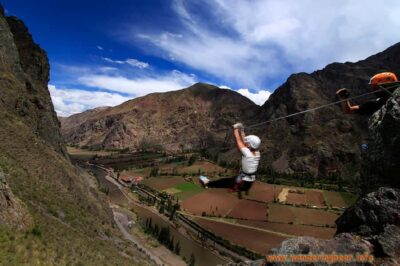
- Zipline in Cola de Mono (optional): a fun adrenaline hit on Day 2.
- Hidroeléctrica to Aguas Calientes: waterfalls, a narrow canyon, then a roughly 3-hour walk along the train tracks.
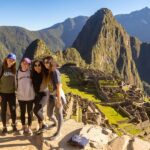
- Machu Picchu sunrise + guided circuit: early entry with a guide for about 2.5 hours (Inti Watana, Temple of the Condor, sacred rock).
- Value for a Machu Picchu package: Machu Picchu entrance, transport, lodging (2 nights), and most meals included.
Why This Inka Jungle Route Feels Different Than a Classic Hike
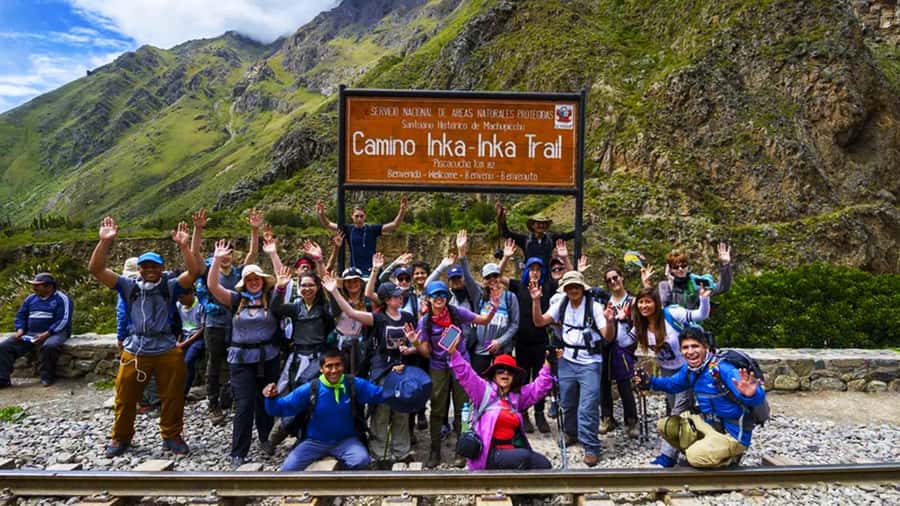
This trek is built around the idea that getting to Machu Picchu can be more than stairs and ruins. You start with a big downhill bike day, then switch to jungle walking and classic train-track scenery. It’s a good fit if you want adventure sports, not just views from a bus window.
I also like that it keeps you moving through real places. You’re not only seeing Inca sites. You pass an archaeological center, you walk past working plants and farms, and you hear about local daily life. It helps Machu Picchu feel connected to the region instead of floating by itself.
The trade-off is effort. This is not a gentle day trip. Your body will notice the biking hours and the walking stretches. If you’re the type who loves a challenge and you travel with a sense of humor about getting started at 6 a.m., you’ll likely enjoy it.
You can also read our reviews of more hiking tours in Aguas Calientes
Day 1: Cusco to Abra Málaga, Huamanmarca, and the Long Bike Ride to Santa María
Day 1 starts with hotel pickup around 06:00. You ride in tourist transport for about 4 hours, passing through Abra Málaga where the adventure begins.
Then comes the star of the day: the downhill cycling. You’ll descend by bicycle for an average of 3 to 4 hours until you reach Santa María. You’re not just “on a bike.” The route is also a moving viewpoint. You’ll get shifting scenery as you travel from higher zones into the warmer jungle belt.
Along the way, the tour includes a stop at the archaeological center of Huamanmarca. It’s one of those in-between moments that makes the day more than a transfer. You’ll also spend time noticing the local environment: jungle birds, medicinal plants, and a surprising range of fruits you can actually recognize, including mango, pineapple, papaya, avocado, coffee, and coca leaves.
You’ll also visit local families and see what daily routine looks like there. That’s the kind of detail that usually takes longer to find on your own. Here, it’s part of the route.
About rafting on Day 1 (and why weather matters)
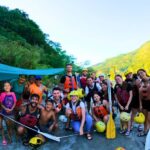
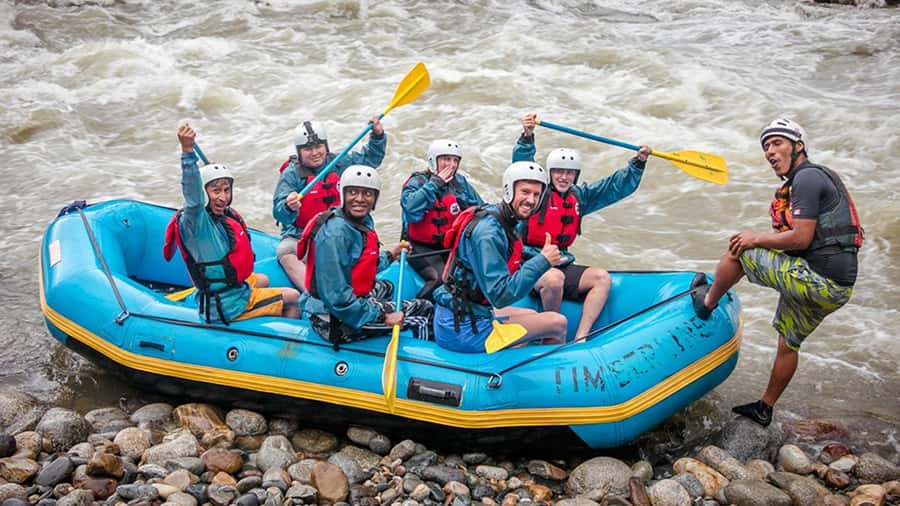
Your package includes rafting, but the supplied info is clear: it’s subject to weather conditions between January 1 and March 31. If the river is high on your rafting day, it will not take place, and there’s no refund. So if you’re traveling in those months, mentally plan for the possibility of rafting being swapped out or skipped.
Day 1 landing: Santa María, then Santa Teresa
The first day ends in Santa María. In the afternoon you then travel by car to Santa Teresa, where you spend the night.
If you like soaking, there’s an optional add-on for Cocalmayo hot springs in Santa Teresa, but entrance is not included.
Practical tip: Start hydrating early. Even if the day feels “mostly travel,” you’re still building effort for the next two days.
Day 1 Night: Santa Teresa and Optional Hot Springs Recovery
Santa Teresa is your reset point. It’s where you shift from the long bike day into a more relaxed evening.
If you choose Cocalmayo hot springs, you’ll pay the entrance separately. Even without the hot springs, the location helps. After a downhill cycling day, warm water (when available) can do wonders for tired legs.
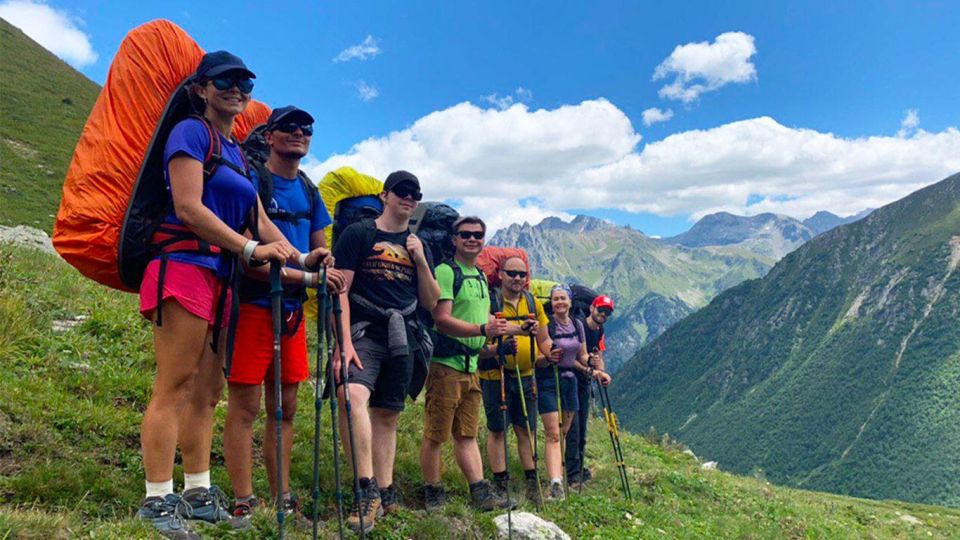
This is also a good time to keep your packing tight. The trek rules say backpacks are not allowed. That usually means you should carry only what you need for the day in a smaller bag. Bring a camera, sunscreen, and a refillable bottle, but don’t arrive with a huge pack that forces you into problem-solving mid-trip.
Day 2: Zipline at Cola de Mono, Then the Walk Toward Hidroeléctrica
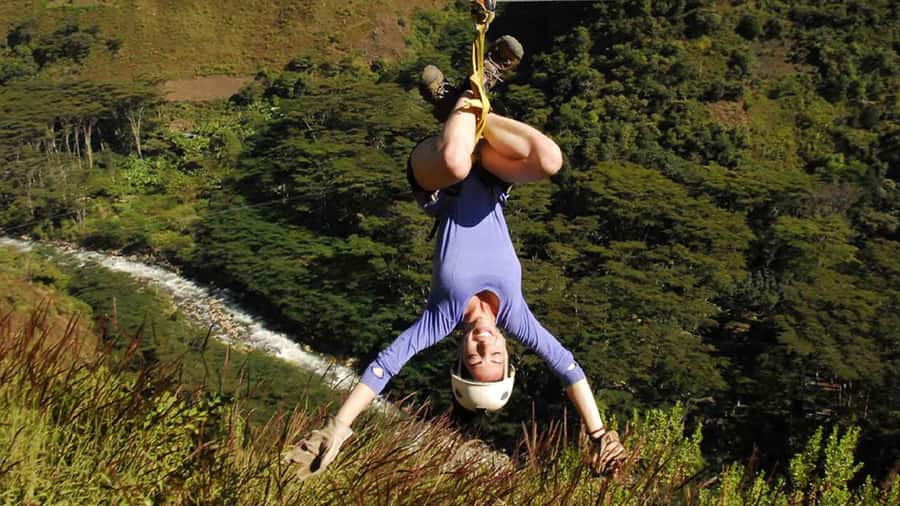
Day 2 begins in Santa Teresa. You’ll have the option to do a zipline in Cola de Mono in the morning. The tour includes it, but it’s clearly presented as optional—so don’t worry if you’re not in full adrenaline mode that day.
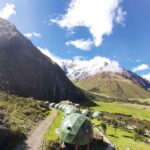
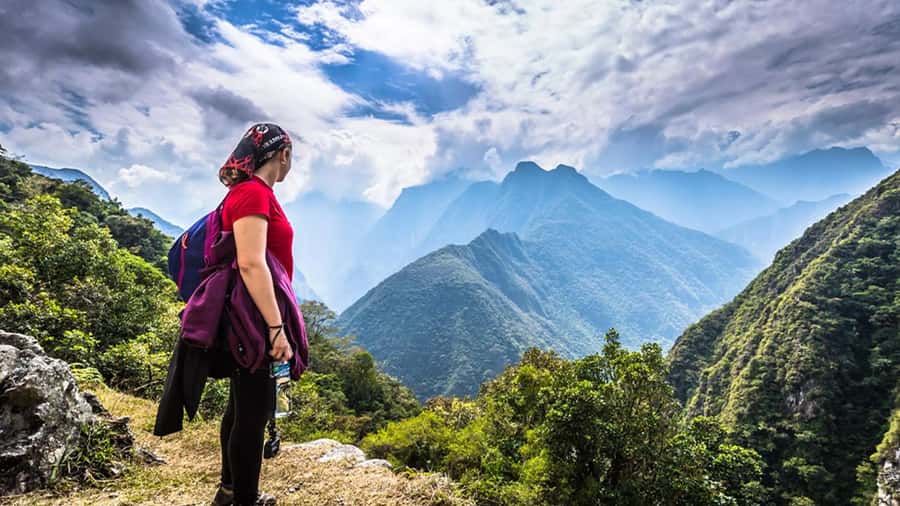
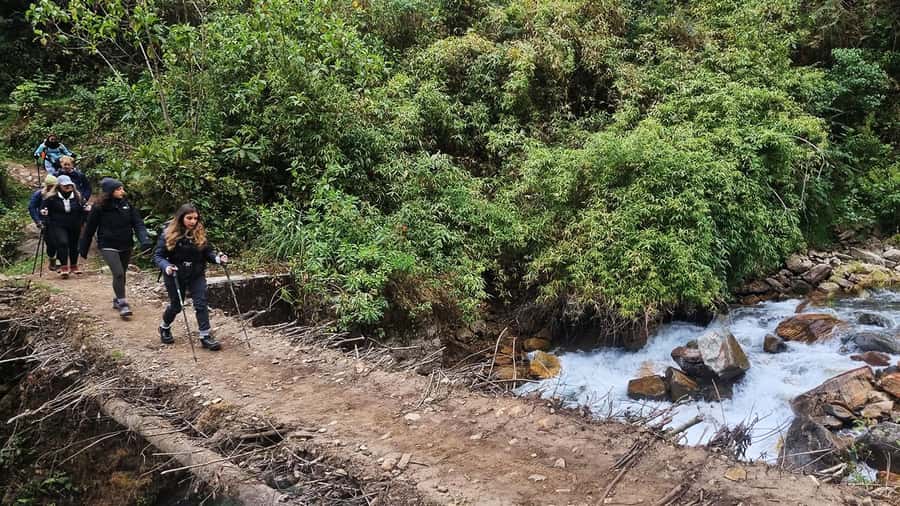
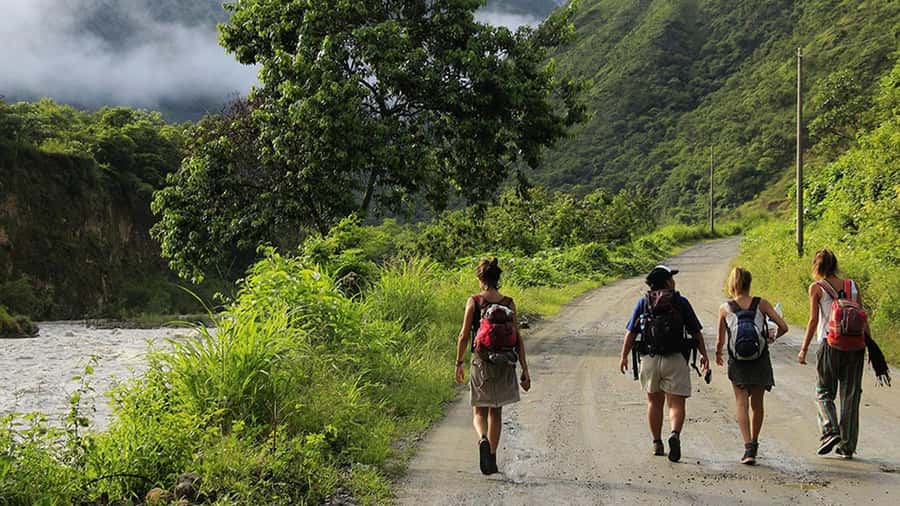
After breakfast, you start walking toward Hidroeléctrica. The route takes you through a narrow canyon with a climate that feels comfortable compared to what you’re used to in higher altitudes.
As you move along, you’ll pass waterfalls, and you’ll see mountain areas covered with heavy vegetation. The tour also points out agriculture you can spot: plantings of banana, mango, avocado, cocoa, orange, and coca leaves. It’s one of the easiest days to connect the idea of jungle with real human use of the land.
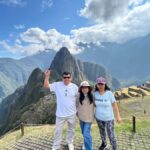
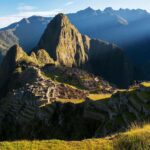
At some point, the day turns into a satisfying payoff: you eventually get to see the mountain of Machu Picchu. Even before you reach the famous site, seeing that shape in the distance gives you a real sense of where you’re headed.
Lunch at Hidroeléctrica
You stop for lunch at Hidroeléctrica. After that, you switch from the jungle approach to the classic route that many people associate with getting to Machu Picchu.
Day 2 Afternoon and Evening: Train Tracks to Aguas Calientes, Plus Hot Springs Time
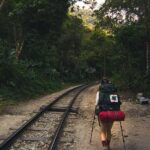
After lunch, you continue along the train tracks for about 3 hours until you reach Aguas Calientes (Machu Picchu Pueblo).
Walking beside tracks is not everyone’s idea of romance, but it works here because it turns “transportation” into scenery time. You get a steady, forward rhythm, and the noise of the trains in the distance feels like a countdown to the next morning.
When you arrive, you’ll have the chance to visit the hot springs in town. The provided info doesn’t list hot spring entrance as included, so treat it as a pay-as-you-go option.
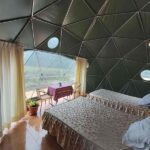
Then it’s one night of lodging in Aguas Calientes.
What I like about staying overnight: it buys you an early start the next day without feeling like you’re racing in from far away. Machu Picchu sunrise hits differently when you’re already in the area.
Day 3: Machu Picchu Sunrise, Then a Guided 2.5-Hour Walk Through the Key Sites
Day 3 starts early, after breakfast. You walk up to Machu Picchu.
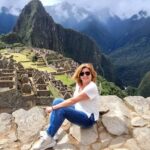
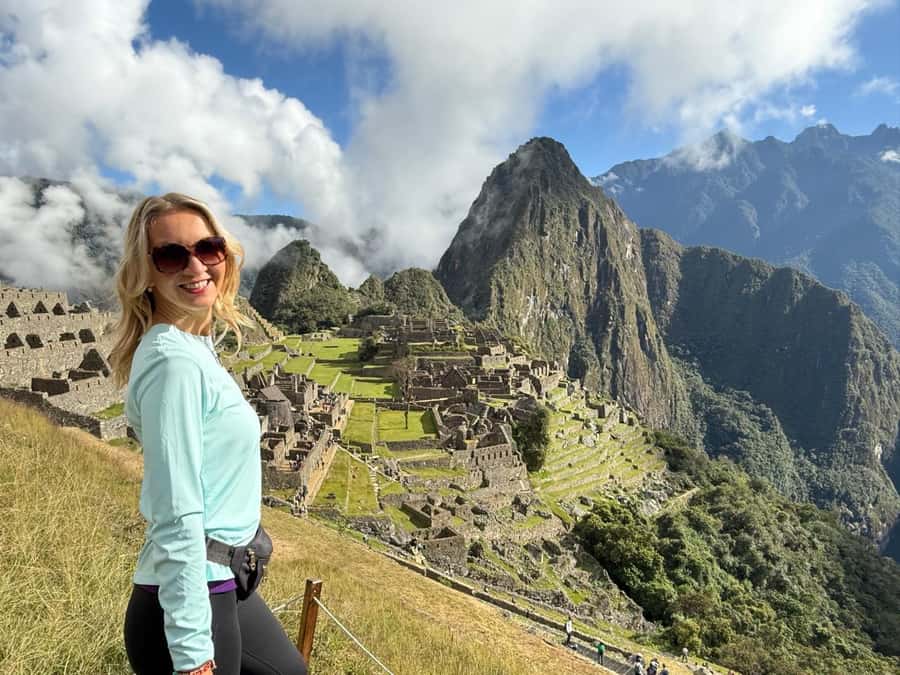
This trek is timed for sunrise, and the program highlights that you may be among the first groups inside. That early-light feeling matters. Even if you’re not a hardcore photographer, you’ll appreciate how the site looks before the crowds build.
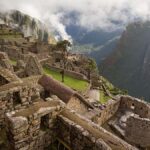
At Machu Picchu, you get a guided tour for about 2.5 hours. The guide focuses on several major stops, including:
- Inti Watana
- Temple of the Condor
- the sacred rock
- other important sites during the circuit
A good guiding moment is when you stop thinking of the place as just “a photo” and start understanding how the layout works in relation to worship and daily life. The tour structure helps, and the guide being qualified for this style of adventure program likely keeps the pacing comfortable while still covering key points.
Getting back to Cusco
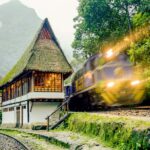
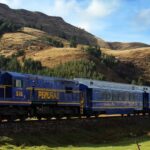
After your Machu Picchu visit, you descend to Aguas Calientes to catch the tourist train to Ollantaytambo. A bus then takes you back to Cusco.
There’s also an alternative return option mentioned: you can walk back to the hydroelectric area to take a car. Which one you use depends on the day’s routing.
Meals, Gear, and What’s Included (and What You’ll Pay Separately)
This is a package, so the value comes from what’s bundled. You get:
- Entrance to Machu Picchu
- Official guide for the Inka Jungle trek (English or Spanish)
- Train from Aguas Calientes to Ollantaytambo or hydroelectric transport to Cusco
- Tourist transport from Ollantaytambo back to Cusco (to your hotel)
- 2 nights of lodging on the Inka Jungle trek route
- Bike equipment: bicycle, arm protector and knee pads, helmet, gloves
- First aid kit
- Meals: 2 breakfasts, 2 lunches, 2 dinners
But here’s what isn’t included, which you should budget for:
- Breakfast on the first day (so you’ll want to eat before the 06:00 pickup)
- Lunch in Aguas Calientes (Day 2/arrival area)
- Cocalmayo hot springs entrance
- Wayna Picchu entrance (optional) for USD 65
- Bus Aguas Calientes – Machu Picchu – Aguas Calientes for USD 24 (since the program includes walking, this is an add-on if you want it)
One small note on fitness and gear
You’re provided bike safety gear (helmet, knee pads, arm protection). That’s worth appreciating. It reduces the chance that you spend the whole trip worrying about sore muscles or scraped elbows.
The trek rules also say no alcohol and drugs, and backpacks are not allowed. Plan for a day bag style setup.
Price and Value: Is $410 Worth It for Machu Picchu by This Route?
At $410 per person for 3 days, the pricing only makes sense if you look at what’s included versus what you’d normally piece together.
You’re not just paying for a guide. You’re also getting:
- transportation around the route (Cusco to Abra Málaga, plus return from the Machu Picchu region),
- bike equipment and the long cycling segment,
- lodging for two nights,
- most meals (two breakfasts, two lunches, two dinners),
- and the Machu Picchu entrance, plus the train logistics.
In other words, you’re paying for a full operating system, not just a walking itinerary.
The add-ons that can nudge the total upward are predictable: hot springs entrance fees, Wayna Picchu if you want it, and optional bus transport from town.
If you like adventure sports, the included/optional zipline adds value. And the included rafting can add even more—just remember it’s weather-dependent during Jan to Mar and may not happen if the river is high.
So is it a good deal? For most people who want a guided, structured, “from Cusco to Machu Picchu” adventure with transportation and tickets handled, yes. If you’re only interested in Machu Picchu itself and you’d rather travel fully independently, then you might find cheaper. But for a bundled jungle-and-bike route, it’s fairly aligned with what you’re actually getting.
Practical Tips Before You Go: Pack Light, Start Early, Respect the Rules
The list of what to bring is straightforward. Bring:
- passport or ID
- sunglasses
- camera
- snacks
- sunscreen
- water
- cash
- personal medication
A couple of details matter:
- Altitude and coca tea: the program notes that drinking coca tea before the excursion can help you prevent altitude sickness. That’s a simple, low-risk habit to try.
- Timing: the Day 1 pickup is around 06:00, so plan your sleep accordingly. Early starts are part of the deal.
- Passports matter: a valid passport is required on the day of travel.
- Vegetarian and vegan options: available if you request it at booking.
Also note what you should not bring:
- backpacks (so bring only what you need in a smaller carry),
- alcohol and drugs,
- pets.
If you have back problems, you’ll probably want to skip this style of trek. The walking and biking days are long enough that it could feel miserable fast.
If you’re traveling with kids or older adults, this might be a tougher match too, since there’s no “slow and scenic” version described here.
Should You Book the Inka Jungle Trek to Machu Picchu?
Book it if you want a 3-day adventure that combines biking, jungle scenery, and a guided sunrise entry to Machu Picchu. I especially think it’s a strong choice for people who want more than just a ruins tour, and who like the idea of seeing the jungle agriculture and daily life on the way.
Skip it (or ask for alternatives) if you’re looking for an easy, low-effort sightseeing plan. This route has real physical demands and it’s not suitable for everyone, including people with back problems and pregnant women.
If you’re the right fit, you’ll get a rare mix: downhills by bike, walks through canyon and waterfalls, and then that early Machu Picchu moment when you’re inside before the day fully ramps up.
FAQ
How long is the Inka Jungle Trek to Machu Picchu?
The tour lasts 3 days.
What time is pickup in Cusco?
You’re picked up from your hotel at 06:00.
What activities are included during the trek?
The package includes biking equipment plus adventure activities such as zipline and rafting (rafting is weather-dependent during Jan 1 to Mar 31). The tour also includes a trek with walking segments and train-track walking.
Is rafting guaranteed?
No. The river rafting activity is subject to weather conditions between January 1 and March 31. If the river is high on your activity day, it will not take place and there is no refund.
Where do you sleep during the 3 days?
You have 2 nights accommodation during the tour: one in Santa Teresa and one in Aguas Calientes.
Are meals included?
Yes. The tour includes 2 breakfasts, 2 lunches, and 2 dinners. The first-day breakfast and lunch in Aguas Calientes are not included.
Is Machu Picchu entrance included?
Yes. Entrance to Machu Picchu is included.
Is Wayna Picchu included?
No. Wayna Picchu is optional and costs USD 65.
Do you need a bus to Machu Picchu?
The program includes walking to Machu Picchu on Day 3. A bus Aguas Calientes – Machu Picchu – Aguas Calientes is not included and costs USD 24 if you want that option.
How do you get back to Cusco?
You take the tourist train from Aguas Calientes to Ollantaytambo, then a tourist bus returns you to Cusco. An alternative mentioned is walking back to the hydroelectric area to take a car.