REVIEW · AGUAS CALIENTES
4 Days Inca Jungle Adventure to Machu Picchu
Book on GetYourGuide →Operated by Inca Path · Bookable on GetYourGuide
Biking the Andes down to the jungle feels unreal. This 4-day Inca Jungle Adventure mixes downhill mountain biking from Abra Malaga, hikes along Inca paths, and a guided Machu Picchu visit built around sunrise timing. It is action, yes, but also lots of small moments that make the route feel real.
I love the way the days connect you to everyday mountain life. The cloud-forest walk includes passes by coca, coffee, cacao, and native fruit plantations, so you see how the region works beyond the postcard stuff. I also love the recovery moment at Cocalmayo hot springs after the harder parts of the trek, when your body finally gets a chance to catch up.
One consideration: this trip is not for you if altitude is already an issue. You hit Abra Malaga at about 4,350 m and the itinerary keeps moving, so if you’ve had altitude sickness in the past, you’ll want to rethink this plan.
In This Review
- Key things that make this Inca Jungle trip click
- Why this 4-day Inca Jungle route feels smarter than a typical tour
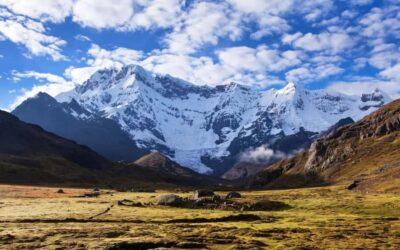
- Cusco to Abra Malaga: starting at altitude and ending with speed
- Santa Maria and the cloud forest: plantations, family stops, and an Inca-style pace
- Cocalmayo hot springs: the best kind of tired
- Day 3: zip-lines if you want them, then the rail route toward Aguas Calientes
- Machu Picchu sunrise: guided tour first, then your own choices
- Getting back to Cusco: choose convenience or savings
- Price and value: what $439 covers, and what you should budget for
- Who this tour suits best (and who should skip it)
- Final call: should you book this Inca Jungle Adventure?
- FAQ
- What’s the duration and starting point of the tour?
- How big is the group?
- Is Machu Picchu entrance included?
- Do I have to take the bus to Machu Picchu on the last day?
- Are the hot springs included?
- Is rafting included?
- What should I bring?
- Who should avoid this trip?
Key things that make this Inca Jungle trip click
- Downhill biking from Abra Malaga: a fast, scenic start that sets the tone for the whole journey
- Ancient Inca paths through cloud forest: not just scenery, but a route with real walking history
- Vilcanota River options: you can add rafting for extra water-adventure energy
- Cocalmayo hot springs: muscle-soothing payoff after crossing and hiking
- Small group limit (10 people): less waiting around, more time with your bilingual guide
- Sunrise-style Machu Picchu plan: guided timing first, then freedom to explore
Why this 4-day Inca Jungle route feels smarter than a typical tour
This is the kind of trip where you don’t just move from point A to point B. You move through levels of Peru’s geography, from high Andean passes to river valleys and then up to Machu Picchu in time for early entry. That flow is a big part of why people love it.
You’ll also get a guide who can put the route into context. The group is small (up to 10), and the guide is bilingual (English and Spanish). I like that the itinerary is active but not chaotic: you get meals, transfers, and guided chunks, with clear pockets of free time too.
The best part is that Machu Picchu isn’t the only star. The route spends real time on the lesser-seen parts of the journey: biking, jungle-edge hiking, plantations, and a hot-springs reset that feels earned.
You can also read our reviews of more tours and experiences in Aguas Calientes.
Cusco to Abra Malaga: starting at altitude and ending with speed
Day 1 begins with a 7:00 am pickup from your Cusco hotel. You’ll stop in Ollantaytambo for a bit of shopping and breakfast options, which is useful because the first day’s breakfast is not included. Then it’s off to Abra Malaga, around 4,350 m.
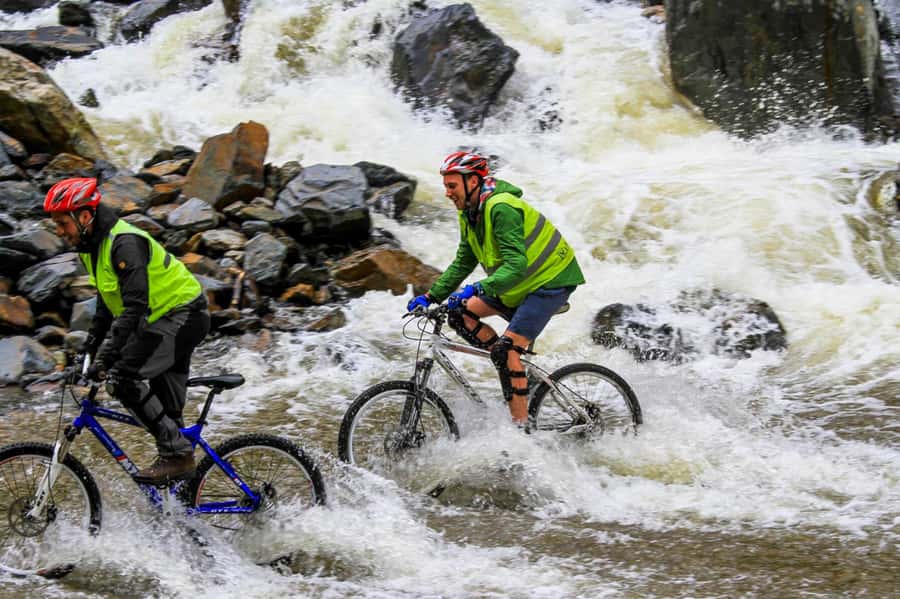
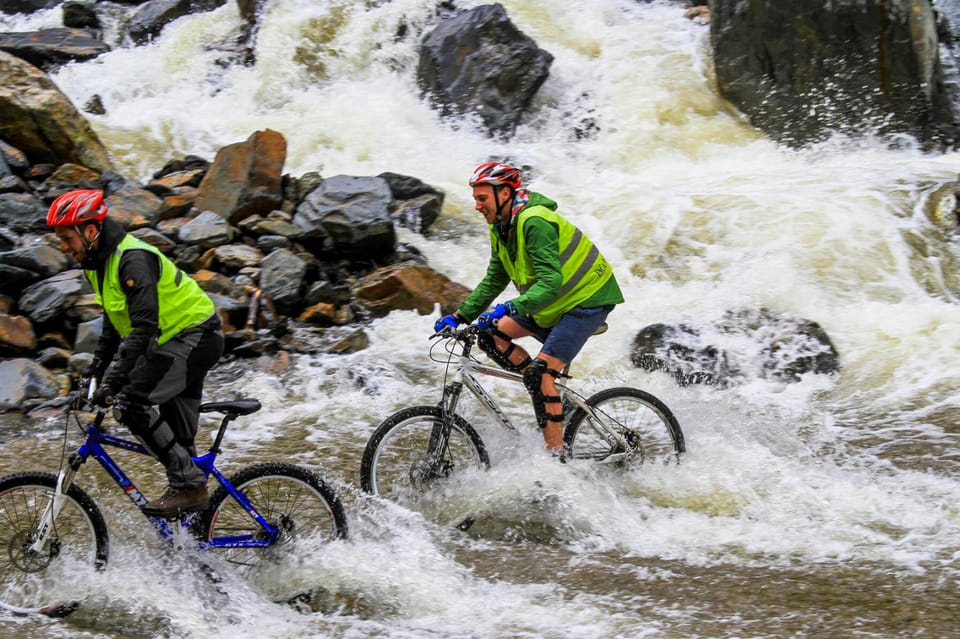
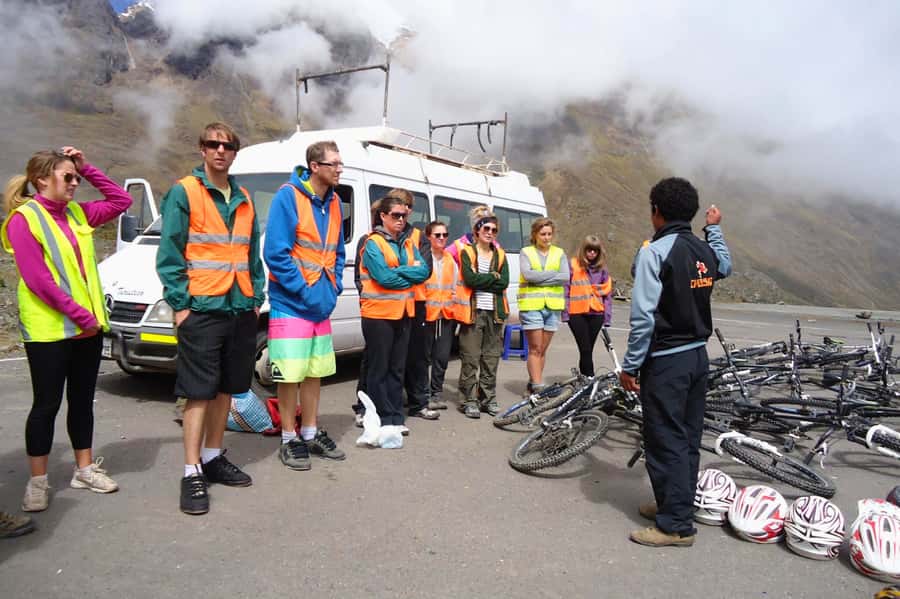
From the pass, the tour shifts into downhill mode with mountain biking through the Andes toward Huamanmarca. You get the bike and protection (helmets, knee pads, and other protective gear). Even if you’re not a mountain-biking expert, the structure helps. Still, if you haven’t biked much, take it easy and focus on control over speed. Reviews also point out that basic biking experience helps you enjoy the downhill more.
After the ride, you transfer down to Santa Maria. This is when the adventure becomes more about recovery and local rhythm: you settle into a hostel for lunch, dinner, and sleep.
What to watch for on Day 1: altitude and timing. The early start plus high elevation means you should keep your effort controlled. If you feel off, slow down. This is not the day to prove you’re invincible.
Santa Maria and the cloud forest: plantations, family stops, and an Inca-style pace
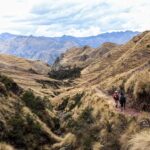
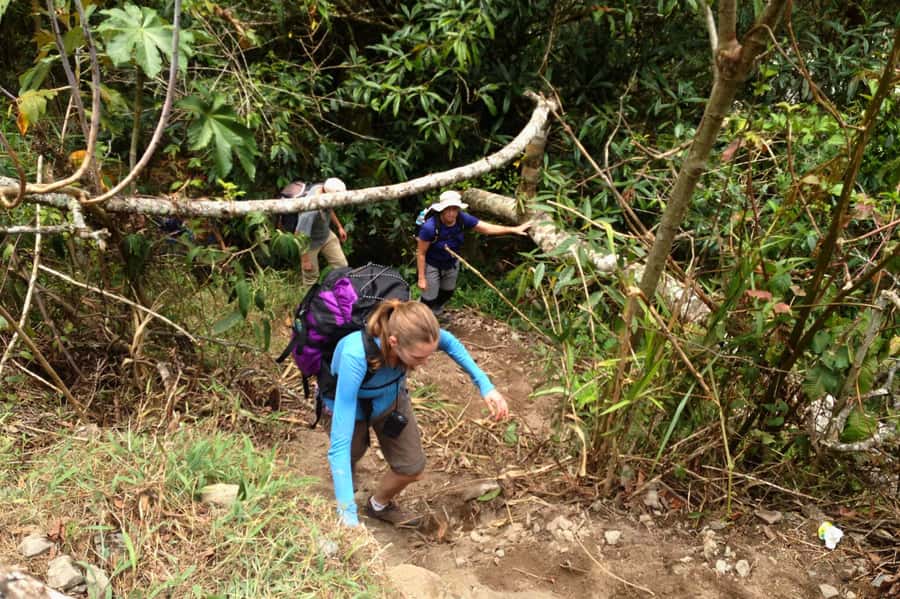
Day 2 is the heart of the walking portion. You leave around 6:30 am after breakfast, then head into the cloud forest on a hike that follows older paths. One of the most interesting parts here is the way the route passes by coca, coffee, cacao, and native fruit plantations. It’s a reminder that this region is not only historic—it’s lived-in and productive.
Along the way, you get rest time at a Pispitayoq family house. This is the kind of break that changes the feel of the trek. Instead of constant forward motion, you get a moment to reset with people who live with the terrain every day.
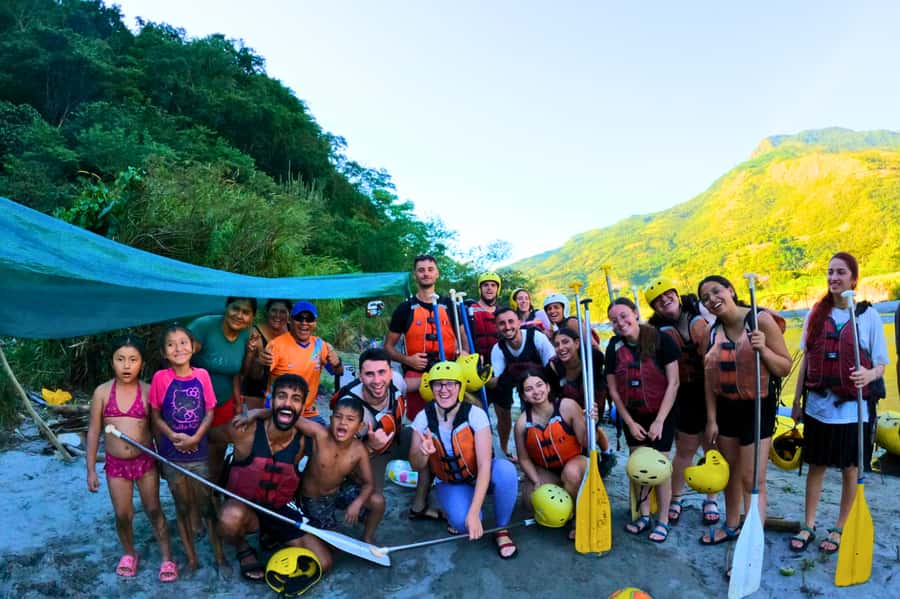
Lunch comes next in Qellomayu village, then the hike continues for about three more hours toward the Vilcanota River. You’ll cross a monkey bridge (steady yourself, move slowly, and keep your weight centered). Once you reach the river area, the trip turns into a recovery-and-view moment rather than pure exertion.
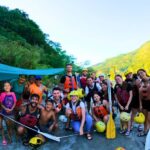
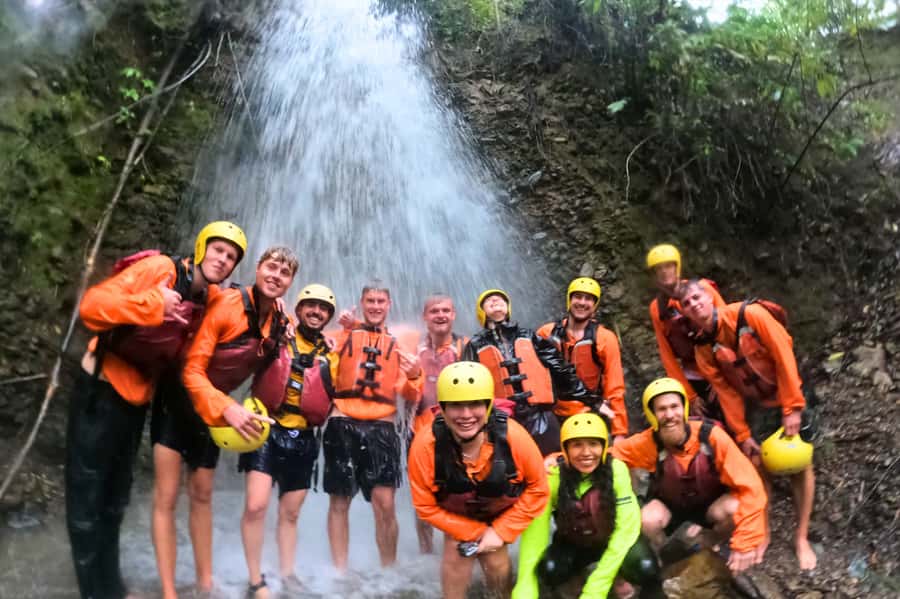
If you want the adrenaline boost, this is also where optional water time can fit. The itinerary leaves room for an optional rafting experience on the Vilcanota River earlier in the route, depending on conditions and timing.
Cocalmayo hot springs: the best kind of tired
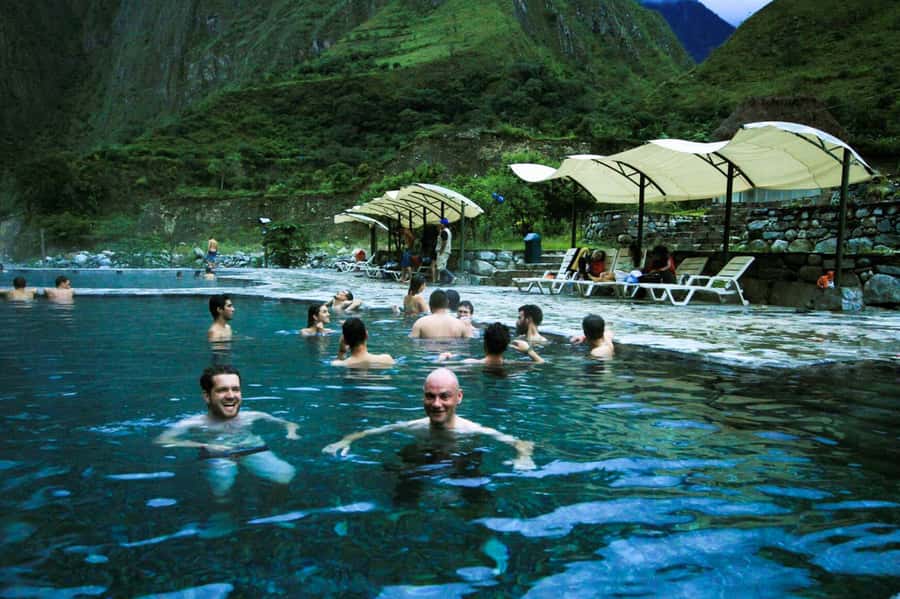
On Day 2, after hiking and crossing, you get to Cocalmayo hot springs (with a small entrance fee not included). For sore legs, it’s a big deal. The springs are famous in the region for a reason: they help you unwind after long hours on uneven ground.
Then you continue to Santa Teresa for the next hostel night. This transition matters. Santa Teresa gives you a break between big hiking days, which means you start Day 3 feeling human again instead of cooked.
Practical tip: pack so you can handle muddy or damp conditions. You’ll appreciate having a dry set of essentials for the evening, and the hot springs make it very likely your clothes will pick up moisture.
Day 3: zip-lines if you want them, then the rail route toward Aguas Calientes
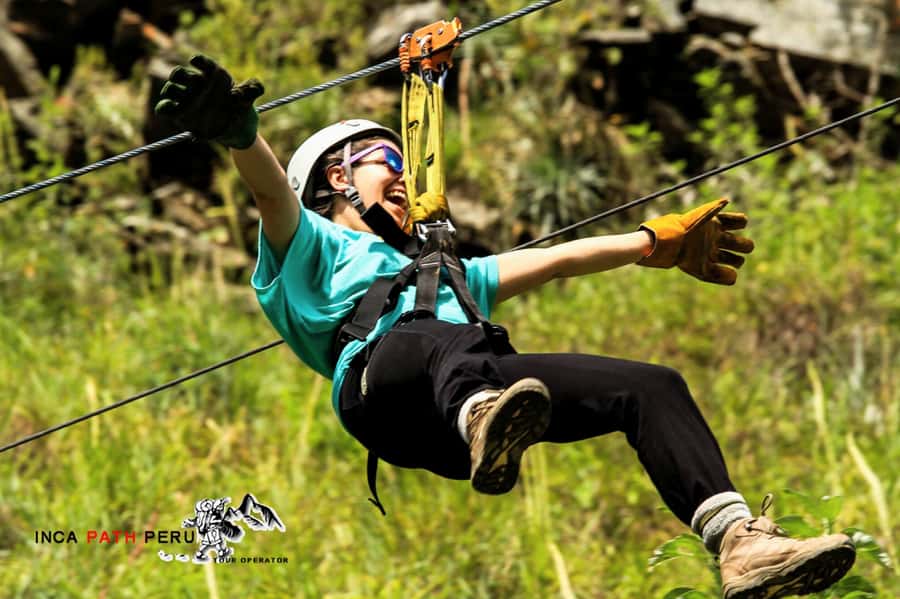
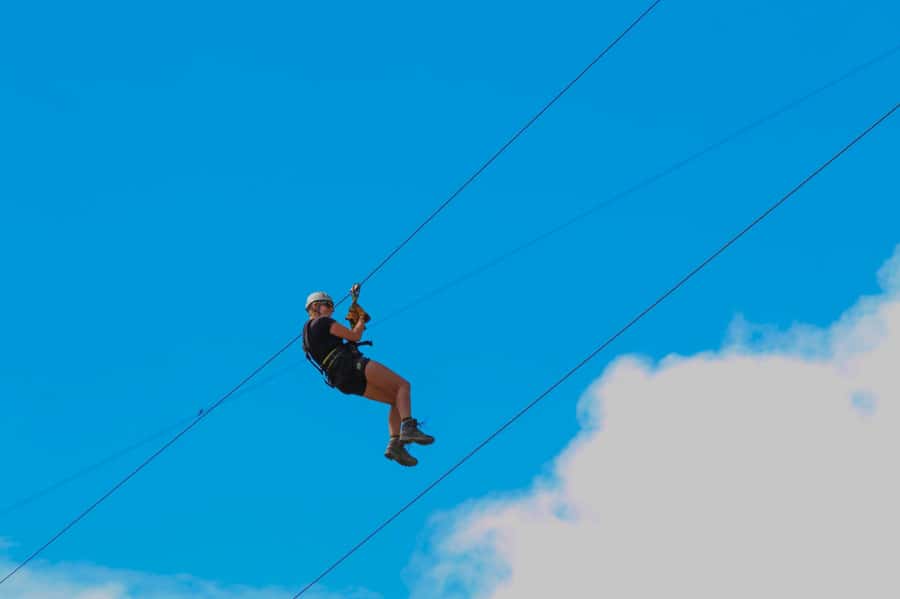
Day 3 begins with breakfast at about 7:00 am. Before you head out, you have the option of zip-lining. It’s not just for thrill seekers; it’s also an easy way to get energy back after the previous day’s walking.
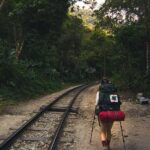
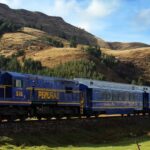
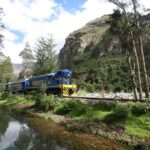
Next, you walk to Hydroelectric Central Station for lunch. Then you continue along the railroad toward Aguas Calientes. This section is one of those quiet highlights. You get repeated looks at Machu Picchu Mountain, and the approach slowly turns the anticipation into something real.
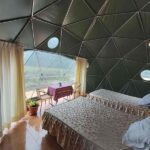
You arrive around 5:00 pm, check into a hostel in Aguas Calientes, and the pace changes again: this is a settling-in evening with private bathroom and hot showers (a real plus after hostel travel). Sleep matters here, because Day 4 starts very early.
Machu Picchu sunrise: guided tour first, then your own choices
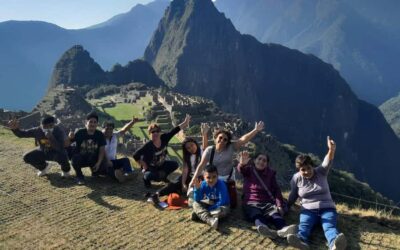
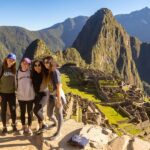
Day 4 is the early one. You wake around 4:00 am to meet your guide and head toward Machu Picchu for sunrise. Your transfer choice is simple: you can hike up or take a bus (extra cost). If you’re short on stamina that morning, take the bus and save your legs for exploring at the top.
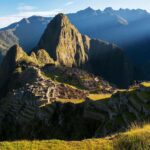
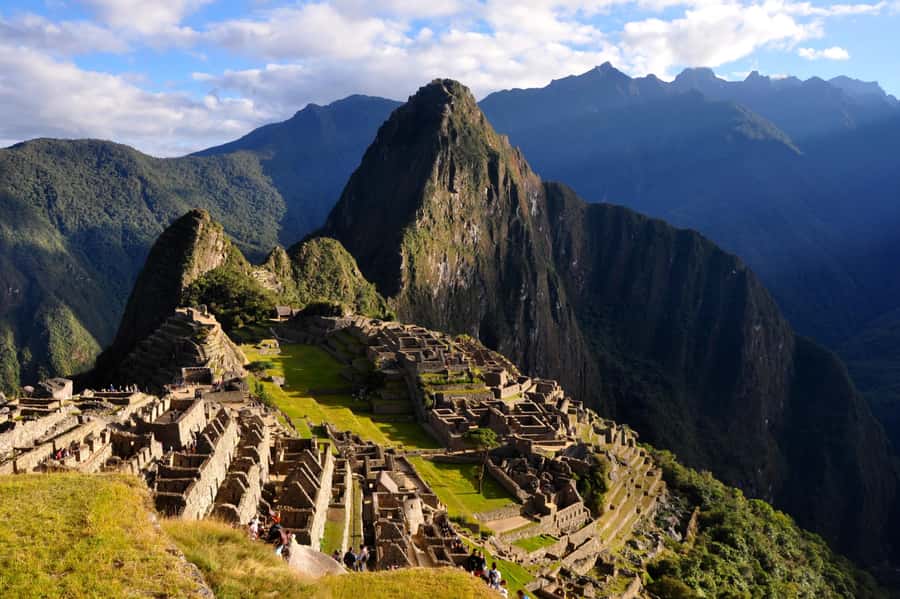
Once you arrive, you get a guided tour of about 2 hours. This guided time is smart because it sets your bearings fast: terraces, water systems, key viewpoints, and the story behind what you’re seeing. After that, you’re free to explore on your own.
You also have add-on options that cost extra and require early booking: Huayna Picchu or Machu Picchu Mountain. If those are on your wish list, don’t leave it to chance. These entries have limited slots, and you don’t want to end up watching from below.
Two meals of advice for Machu Picchu day:
- Wear shoes that grip well. Early mornings can still be slippery.
- Keep your plan flexible. Some parts are amazing just from standing and taking it in, not from rushing between every viewpoint.
Getting back to Cusco: choose convenience or savings
After your Machu Picchu time, you return to Aguas Calientes by midday. Then you choose your route back to Cusco.
You can return by walking back to the Hydroelectric Station and then taking car transport. This option is listed as about 7 hours and is cheaper. Or you can take the train to Ollantaytambo and then car back to Cusco, which is about 5 hours and more convenient, but more expensive.
If you’re tired, I’d lean toward the train option if your budget allows. That extra comfort can be the difference between a fun ending and a stressful scramble.
Price and value: what $439 covers, and what you should budget for
The price is $439 per person for 4 days. For many people, that number feels high until they break down what you’re actually buying: private transport between Cusco and the high pass area, mountain biking with protective gear, a bilingual guide, entrance fees to Machu Picchu, and meals across multiple days.
Here’s what’s included that tends to drive value:
- Hotel pickup and drop-off in Cusco
- Private transport for the big transfer legs (Cusco to Malaga Pass/Santa Maria)
- Bike and safety gear
- 3 nights in hostel accommodations
- 3 breakfasts, lunches, and dinners
- Bilingual professional guide
- Machu Picchu entrance fees
What you need to budget separately:
- Cocalmayo hot springs entrance (about $3 USD)
- Bus to Machu Picchu (about $15 USD; listed as double for round trip)
- Breakfast on Day 1
- Lunch at Machu Picchu (you choose from restaurant options)
- Snacks
Optional extras can also add up:
- River rafting (optional)
- Zip-lining (optional)
- Huayna Picchu or Machu Picchu Mountain (extra fee, early booking needed)
My take on value: if you want the route to handle logistics for you—transport, guide, entry fees, and biking equipment—this price makes sense. If you’re the type who hates structured schedules and would rather DIY everything, you’ll likely feel boxed in. But for most first-timers, the guidance and pacing help you get the most out of four days.
Who this tour suits best (and who should skip it)
This fits best if you want active days with real variety: biking, hiking, optional zip-lines, and hot springs, followed by the Machu Picchu payoff. A small group size (up to 10) helps you move with less waiting.
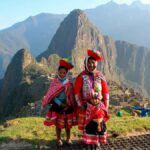
I’d especially recommend it if you like historic places but also want the route to teach you something about the region today. The plantation stops and family house break make the trip feel grounded, not just scenic.
It’s not suitable if altitude sickness is an issue for you. The itinerary includes travel to Abra Malaga at 4,350 m, plus long active segments.
Also, bring an attitude that you can handle basic hostel life. Accommodations are described as basic but friendly, and you’ll get better comfort in Aguas Calientes with hot showers and private bathrooms.
Final call: should you book this Inca Jungle Adventure?
Book it if you want a 4-day plan that’s more than a single attraction. This route earns its Machu Picchu sunrise by spending time on the journey—downhill biking, cloud-forest hikes, Inca paths, and Cocalmayo hot springs that actually reset your body.
Skip it if altitude affects you or if you want a light, low-effort vacation. Day 2 is a workout, Day 4 starts very early, and the trip keeps moving.
If you do book it, pack light (you’ll be happier with a small bag), bring your passport, and plan your Machu Picchu add-on tickets early. That little bit of prep keeps you from turning a great morning into an anxious one.
FAQ
What’s the duration and starting point of the tour?
The tour runs 4 days and includes Cusco hotel pickup and drop-off. The first day begins with a pickup at 7:00 am.
How big is the group?
The group is small, limited to up to 10 participants.
Is Machu Picchu entrance included?
Yes. Machu Picchu entrance fees are included, and you get a guided tour of about 2 hours.
Do I have to take the bus to Machu Picchu on the last day?
No. You can hike or take the bus to Machu Picchu for sunrise. The bus is an extra cost.
Are the hot springs included?
The Cocalmayo hot springs entrance fee is not included (listed at about $3 USD).
Is rafting included?
Rafting on the Vilcanota River is optional, along with zip-lining.
What should I bring?
You should bring your passport.
Who should avoid this trip?
It is not suitable for people with altitude sickness, since the itinerary reaches high elevations like Abra Malaga (around 4,350 m).