REVIEW · CUSCO
Lima: 7-Day Inca Tour with Flights and Machu Picchu
Book on GetYourGuide →Operated by Inkayni Peru Tours · Bookable on GetYourGuide
Machu Picchu hits different after Lima. This tight 7-day route stitches together small-group energy with big-name Inca highlights, plus a few fun detours like Huacachina sand and buggy rides. What I like most is the professional, attentive guide setup—and you may even get standout people like Yenny in Cusco, Freddie Torres, or Herlin, depending on your dates. The second big win is how much is packed in without feeling random, from Huaca Pucllana to Maras salt pools. One possible drawback: it’s a fast schedule, and pickup timing/coordination can be the one weak spot if you don’t confirm what’s next.
The tradeoff for that packed week is early starts and altitude. Rainbow Mountain means leaving around 4 to 5 AM, and Cusco acclimatization is real—so plan to take it easy the first day in town.
In This Review
- Key highlights that make this trip worth your time
- Lima to Cusco: why this 7-day plan works (and where it doesn’t)
- Day 1 in Lima: Plaza Mayor plus Huaca Pucllana
- Day 2 from Paracas to Ica to Huacachina (the fun day)
- Day 3 fly to Cusco and acclimatize like you mean it
- Day 4 Chinchero + Moray + Maras, then the train to Aguas Calientes
- Day 5 Machu Picchu with buses included (and optional extra hikes)
- Day 6 Rainbow Mountain (Ausangate views) and the 4–5 AM reality
- Day 7 Cusco departure
- Price and value: what you’re really buying for $1,379
- Hotels and comfort level: 3-star practicality, good locations
- Logistics that can matter: group size, guide language, pickups
- What to bring (so your photos aren’t the only thing that survive)
- Should you book this 7-day Lima to Machu Picchu tour?
- FAQ
- Is Machu Picchu entrance and buses included?
- Do I get to choose Huayna Picchu or Machu Picchu Mountain?
- What’s included for flights and where do they fly?
- How early do I need to start for Rainbow Mountain?
- What size is the group?
- What languages are the guides?
Key highlights that make this trip worth your time
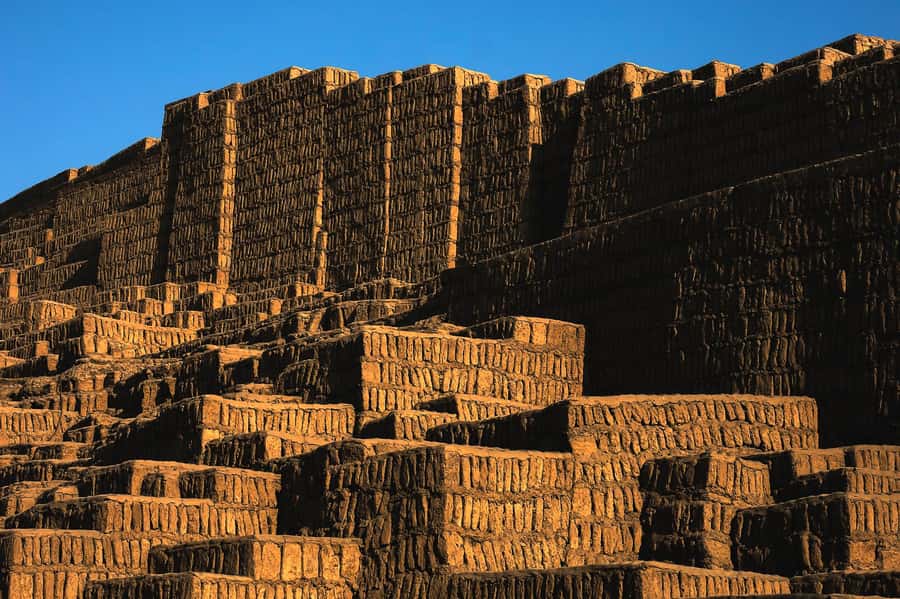
- Lima with context, including Plaza Mayor plus Huaca Pucllana (a pre-Inca pyramid right inside the city).
- Ballestas Islands wildlife boat ride from Paracas, then Pisco tasting and Ica lunch before the desert fun.
- Maras + Moray in one sweep: circular Inca terraces and thousands of salt pools that sparkle in the light.
- Guided Machu Picchu with buses, entry, and a planned route through terraces and sacred temple areas.
- Rainbow Mountain at sunrise hours with a guided hike designed for early-view timing.
Lima to Cusco: why this 7-day plan works (and where it doesn’t)
This tour is for you if you want Peru’s greatest hits with less guesswork. The value is in the “glue” items: flights between Lima and Cusco, hotel stays, most meals, entrance fees, train tickets to Aguas Calientes, and the Machu Picchu bus. That means you spend your energy on the sights—not building a spreadsheet.
The other reason the plan works is sequencing. Lima is your orientation (big city, colonial landmarks, and a pre-Inca site), then you fly to Cusco and get a day to breathe before altitude-heavy days. After that, the itinerary alternates between grand “wow” moments and full-day Inca geography—Moray/Maras, then Machu Picchu, then Rainbow Mountain.
The main place it can feel hard is simply the pace. You’re doing a lot of moving parts in a week: boat tours, multiple transfers, a train, and two very early departures (at least one in the Andes). If you want a slow, lounge-at-cafes trip, this isn’t it. If you want momentum, it’s a good fit.
You can also read our reviews of more tours and experiences in Cusco


Day 1 in Lima: Plaza Mayor plus Huaca Pucllana
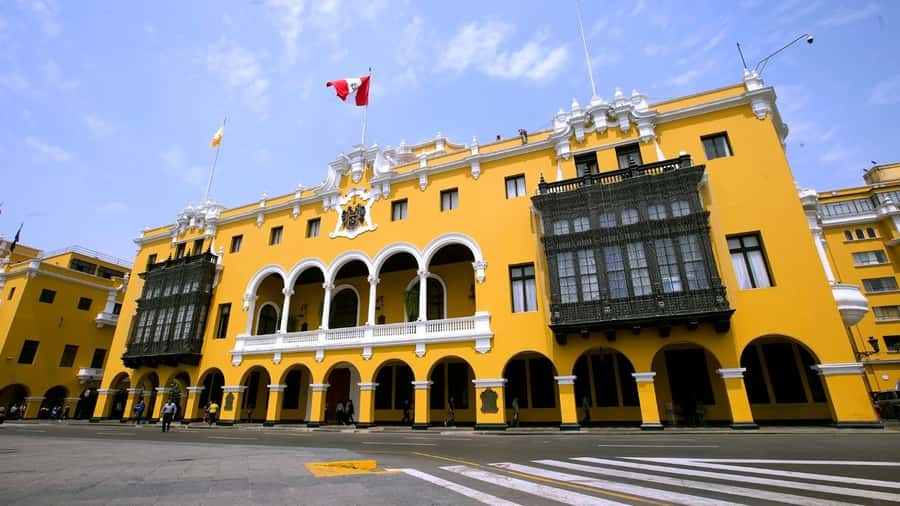
You arrive in Lima, get met on arrival, and transfer to your hotel. Then you jump into the historic center with stops that help you understand the city beyond selfies.
Plaza Mayor is your baseline: colonial-era architecture, government presence, and a sense of how Lima grew into Peru’s administrative heart. Then comes Huaca Pucllana, a pre-Inca pyramid built long before the colonial streets. Seeing a ceremonial site inside a modern city is one of those Lima moments that makes the timeline click.
My practical tip: wear comfortable walking shoes. This first day is mostly about rhythm—get your bearings fast, then sleep.
Hotel: Miramar hotel or similar.
Day 2 from Paracas to Ica to Huacachina (the fun day)
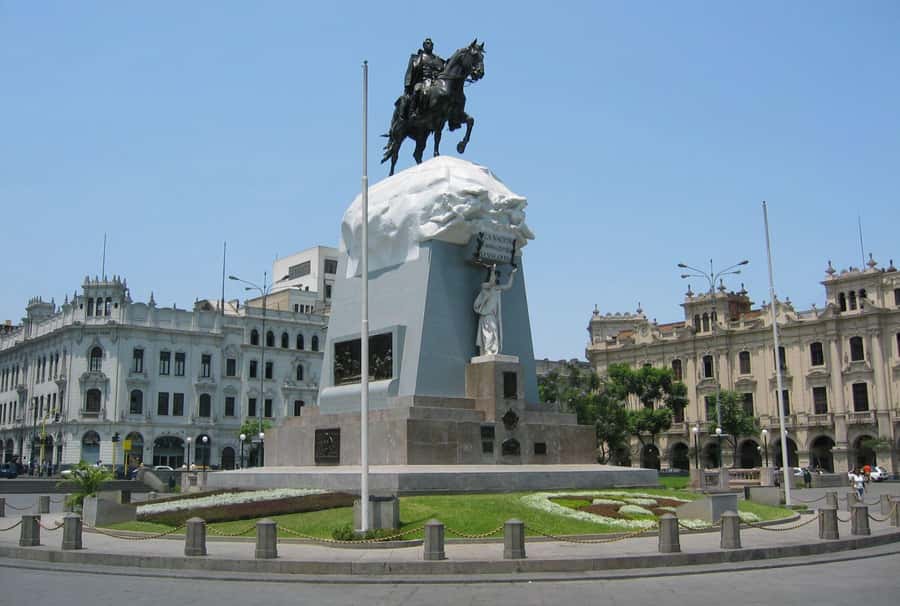
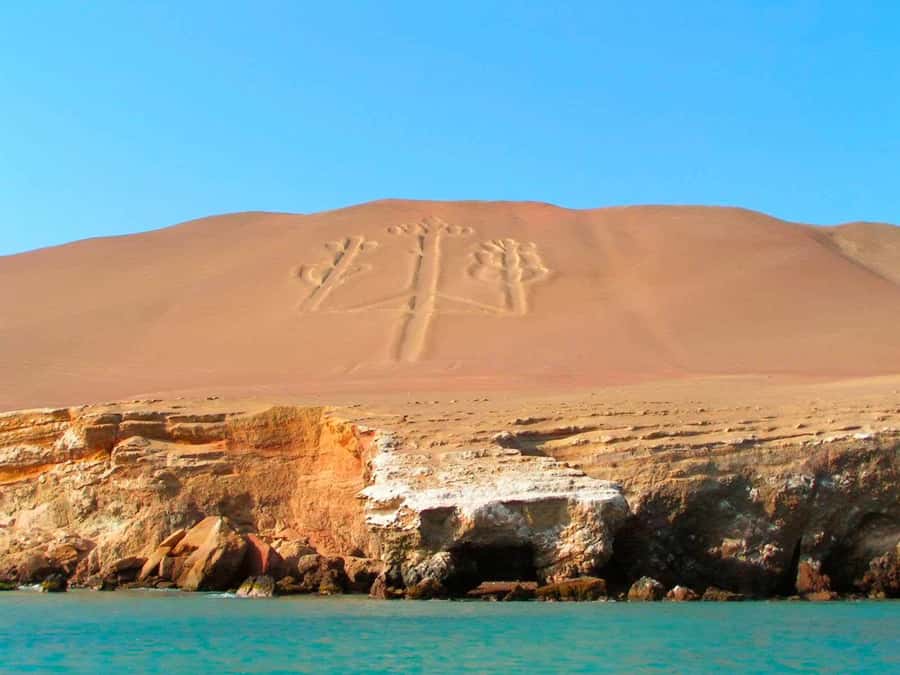
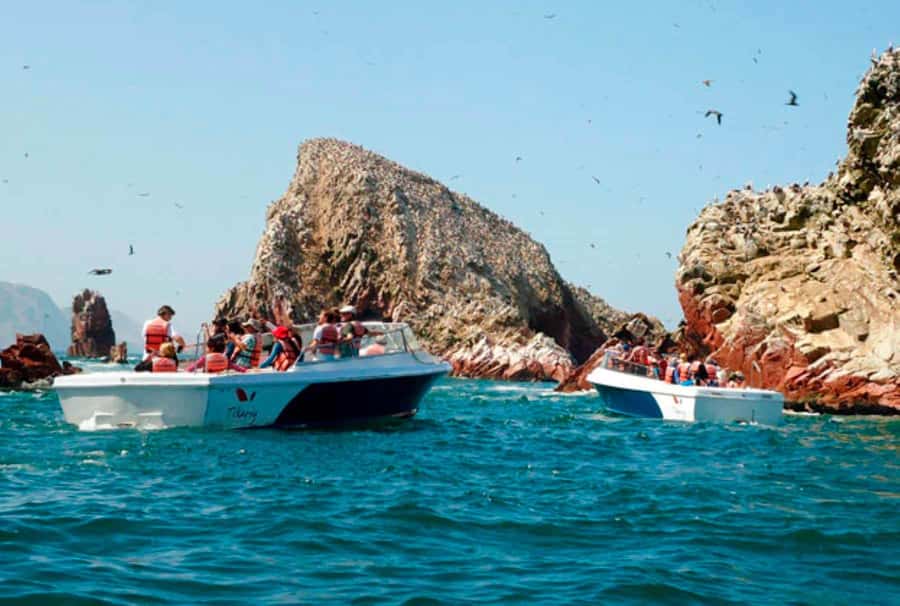
Day 2 is a smart mix: wildlife, wine, and adrenaline. You head out early toward Paracas, where you take a boat ride to the Ballestas Islands. Expect sea lions, penguins, and seabirds. It’s a straightforward outing, but it’s also one of the best “effort-to-reward” activities in the region—short time on the water, strong results visually.
Then you continue to Ica for a Pisco and wine tasting and a traditional lunch. This isn’t just a drink-stop; it’s part of how you understand the region’s identity. Ica is where coastal desert meets agriculture and the spirits industry.
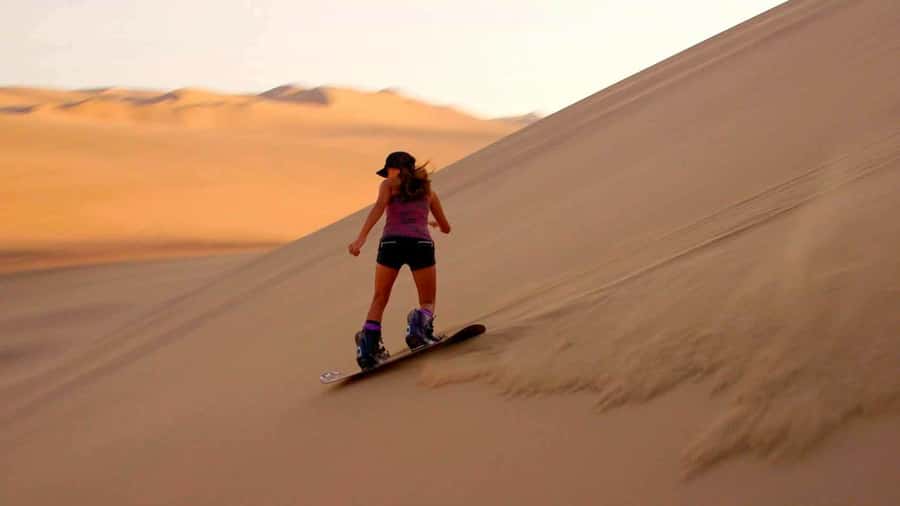
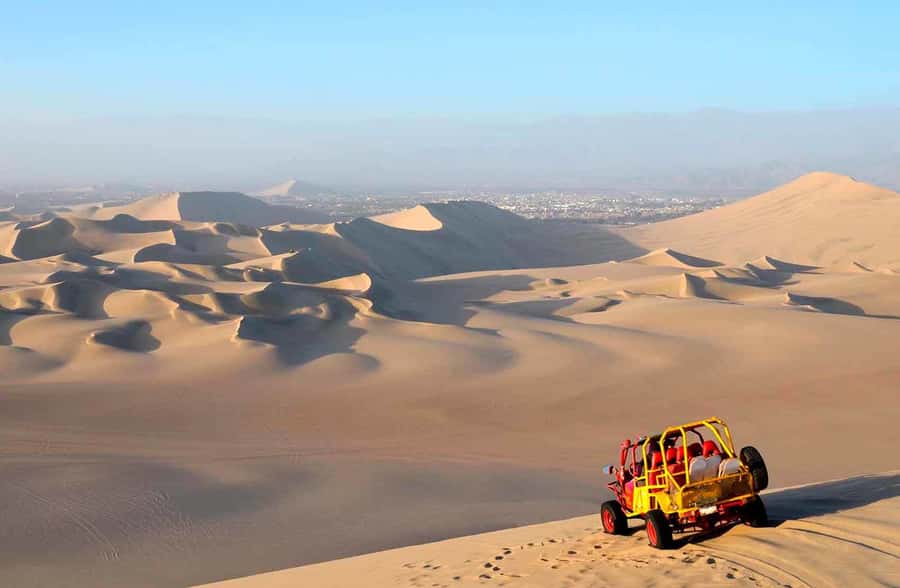
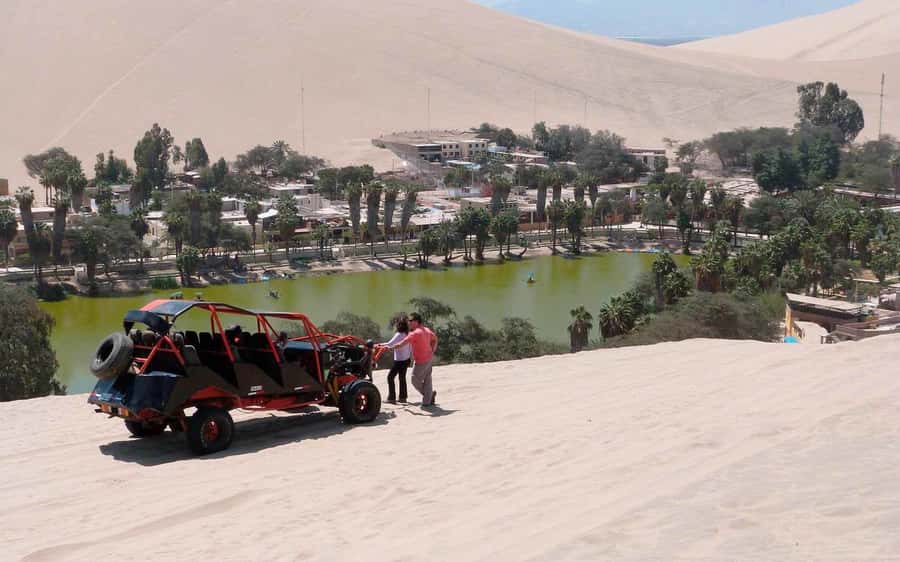
After lunch, you shift to pure desert play at Huacachina, an oasis surrounded by sand. You’ll do buggy rides and sandboarding. This is the day where you should let go of “perfect itinerary” thinking and just have fun.
Possible drawback: you’ll likely be tired by evening. If you’re prone to motion sickness, know that boat rides can be bumpy.
Hotel: Miramar hotel or similar.
Day 3 fly to Cusco and acclimatize like you mean it
You fly to Cusco (about 11,152 ft / 3,399 m). Your representative transfers you to your hotel, and the rest of the day is intentionally lighter. That’s the point: use the afternoon to acclimatize and explore the cobbled streets without pushing hard.
Cusco’s altitude isn’t a gimmick. You’ll feel it in your breathing and your pace. Treat this day like a reset: slow strolls, early dinner, and water. If you’re going to be tempted to “just do one more viewpoint,” save it for later.
Hotel: Ayni Cusco hotel or similar.
Day 4 Chinchero + Moray + Maras, then the train to Aguas Calientes
This is a big geography day, and it’s arranged well. You start with Chinchero, an Andean weaving hub where local artisans demonstrate traditional techniques. Even if you’re not shopping, it’s a great stop for understanding materials and craft traditions that tie directly into Inca and post-Inca identity.
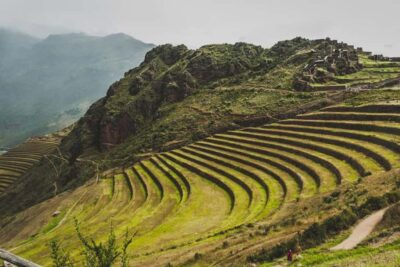
Next: Moray. These circular terraces are basically an Inca agricultural laboratory. The terraces step down like rings, creating microclimates. You learn why the Incas were so obsessed with controlling growing conditions—vertical “patterns” instead of a single flat field.
Then you descend to the Maras Salt Mines, where thousands of small salt pools reflect the sunlight. The view can be almost unreal when the light is right. It’s also visually easy to grasp: you see how water, evaporation, and human work create the final salt.
In the afternoon, you take the train from Ollantaytambo to Aguas Calientes, the town used as your base for Machu Picchu.
My practical tip: plan an easy evening in Aguas Calientes. Next day is Machu Picchu, and altitude + bus rides add up.
Hotel: Golden Sunrise or similar (Aguas Calientes).



Day 5 Machu Picchu with buses included (and optional extra hikes)
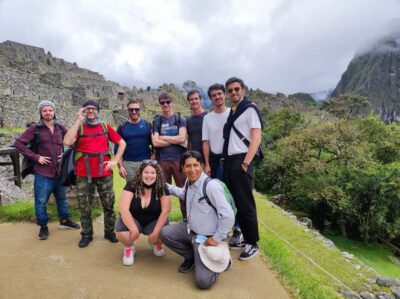
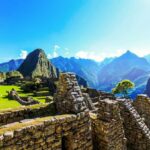
This is the anchor day. You take a morning bus up to Machu Picchu, around 7,972 ft / 2,430 m. Your guide leads you through temples, terraces, and sacred spaces. The best part of a guided approach is that you don’t just walk around ruins—you connect features to how the site was used and why the layout matters.
If you booked in advance (and if your schedule allows), you may add an extra hike: Huayna Picchu or Machu Picchu Mountain. These are not included, so budget extra if you want that bigger panoramic hit.
In the afternoon you return to Cusco by train, then get a private transfer onward. That “return with the plan” part matters. After Machu Picchu, you want a smooth off-ramp.
What to watch: if you’re tempted by the optional hikes, choose based on your comfort with steep terrain and time. Machu Picchu itself is enough to be memorable; the mountains are the added challenge.
Hotel: Ayni Cusco hotel or similar.
Day 6 Rainbow Mountain (Ausangate views) and the 4–5 AM reality
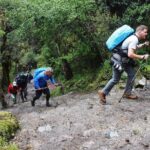
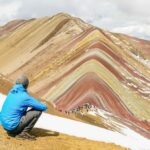
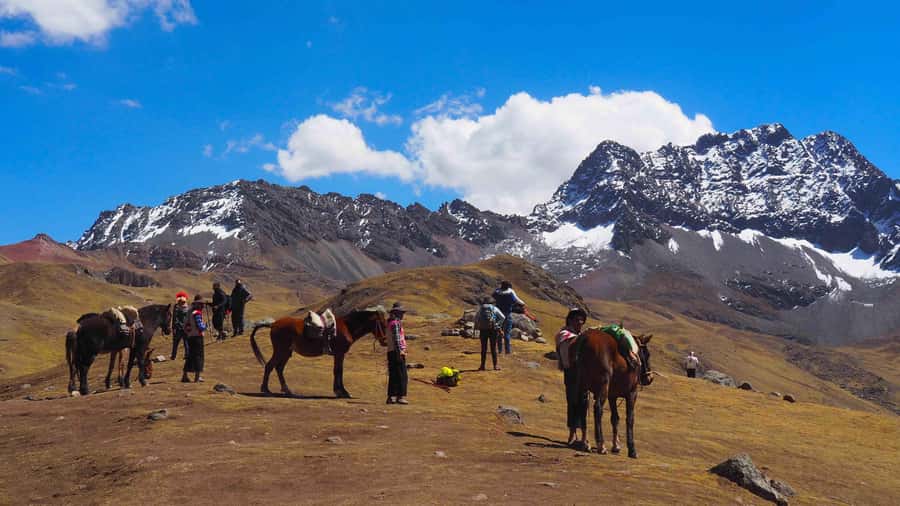
Rainbow Mountain is the day you understand why people talk about altitude with seriousness. You depart very early, around 4 to 5 AM, and stop near Cusipata (about 11,811 ft / 3,600 m) for breakfast. Then you continue by van to the trailhead and start the hike, roughly two hours up through high-altitude terrain.
At the summit, you’re rewarded with multicolored slopes and sweeping views of Ausangate (about 20,945 ft / 6,384 m), one of the Andes’ most sacred peaks. The colors aren’t “just pretty”—they’re part of the geology, and seeing them in person makes it much more real than photos.
After the viewpoint time, you descend on foot along the same route. Then you return by van to a lunch stop and head back to Cusco.
My blunt advice: start hydrating the day before the hike. And bring warm layers even if it’s sunny. Early mornings in the Andes can bite.
Hotel: Ayni Cusco hotel or similar.
Day 7 Cusco departure
On your last day, you transfer to Cusco Airport at the scheduled time. That’s it—no filler. You’ve already done the core circuit, so leaving feels clean.
Price and value: what you’re really buying for $1,379
This price isn’t just “sightseeing.” You’re paying for a packaged workflow that includes:
- Round-trip internal flights Lima–Cusco (dates can affect availability and there can be extra charges depending on travel dates)
- 6 nights of lodging
- 6 breakfasts plus two lunches
- Multiple transfers and pickups
- Entrance fees
- Machu Picchu entrance and buses
- A round-trip tourist train to Machu Picchu
- Professional guide support throughout
The big value play here is that it removes several high-stress components. Machu Picchu logistics can be complicated (especially when you factor in buses and entry). Here, the core items are bundled so you don’t scramble.
Where you may spend extra:
- Optional Huayna Picchu entrance (listed as an additional $85 USD per traveler)
- Train class upgrade to Vistadome (listed as $105 USD round-trip or $45–70 one way, depending on details)
- Optional Machu Picchu Mountain / Huayna Picchu add-ons if not included in your booking
If you’re the kind of traveler who hates booking every moving part, this package pricing often makes sense. If you love planning everything yourself and can get cheaper train timing on your own, you might find cheaper by going DIY. But you’ll trade that savings for time and uncertainty.
Hotels and comfort level: 3-star practicality, good locations
The hotels are listed as 3-star with central locations in Lima and Cusco, and a specific Aguas Calientes option for your Machu Picchu base. Based on the info here, the emphasis is on clean rooms and convenient placement, not luxury upgrades.
You should expect:
- Comfortable enough bases for early mornings
- Locations that reduce daily transit
- A no-frills style that supports the itinerary
Logistics that can matter: group size, guide language, pickups
This is a small group experience, limited to about 14 participants (and also noted as between 2 and 12). Guides speak English and Spanish.
There’s also a clear pickup process: you should be met at Lima airport and Cusco airport by a representative holding a sign with your name, and then transferred to your hotel.
One caution from real-world experience: some people have reported confusion around pickup timing at airports and needing to chase details for exact pickup hours. My advice is simple: confirm your pickup schedule early each day (especially the day before a new transport leg) and keep your arrival and hotel details handy.
Also note: the tour isn’t suitable for pregnant women, people with back problems, or wheelchair users. It includes hiking and high-altitude travel.
What to bring (so your photos aren’t the only thing that survive)
The essentials listed are:
- Passport or ID card
- Comfortable shoes
- Warm clothing
- Hiking shoes
- Comfortable clothes
- Cash (some places may not accept credit cards)
Add two practical extras you’ll likely appreciate:
- A daypack for layers and water
- A small zip bag for sun protection items (high-altitude sun is no joke)
Should you book this 7-day Lima to Machu Picchu tour?
I’d recommend this trip if you want a structured week that hits Lima, Paracas/Ica, Inca heritage sites, Machu Picchu, and Rainbow Mountain without making you juggle ticket puzzles.
Skip it or think twice if:
- You prefer slow travel and lots of free time in each city
- You’re very sensitive to early mornings and altitude demands
- Your health limits hiking or long days on uneven paths
If you’re a planner who enjoys order, or a busy traveler who wants Peru’s big moments handled for you, this tour is a strong match. The itinerary is tight, but it’s tight in a way that makes sense: orientation in Lima, acclimatization in Cusco, then Inca and high-altitude highlights in sequence.
FAQ
Is Machu Picchu entrance and buses included?
Yes. The tour includes the Machu Picchu entrance fee and the buses in Machu Picchu, plus the round-trip tourist train service.
Do I get to choose Huayna Picchu or Machu Picchu Mountain?
Those hikes are optional. Entrance to Huayna Picchu is not included (an additional $85 USD per traveler). Machu Picchu Mountain access is also not included.
What’s included for flights and where do they fly?
The package includes round-trip internal flights between Lima and Cusco. International flights are not included.
How early do I need to start for Rainbow Mountain?
You depart very early, around 4 to 5 AM, and you’ll hike for about two hours on the way up.
What size is the group?
It’s a small group limited to 14 participants, and it’s also described as ranging between 2 and 12 people depending on the booking.
What languages are the guides?
The tour includes a professional guide who speaks English and Spanish.