REVIEW · CUSCO
7-Day: Inca Trail Trek to Machu Picchu Group Tour
Book on Viator →Operated by Valencia Travel Agency S.a.c. · Bookable on Viator
The Inca Trail is famous for a reason. This 7-day group trek from Cusco to Machu Picchu is built to remove the headache of permits, transport, and trail logistics, so you can focus on the walking and the wow moments. I like that it’s organized end to end, including round-trip airport transfers and timed arrival for Machu Picchu sunrise.
Two things I especially like: first, the way the tour bundles the hard parts—buses, train routing, and entry-related logistics—so you’re not piecing together a dozen reservations. Second, the trail support looks solid: a professional chef, dining tent setup, porters for company equipment, and a real camp system with foam mattresses. One consideration: this is not a light hike, and you’re responsible for your own personal items (including bringing your own sleeping bag).
In This Review
- Key highlights that matter on this Inca Trail tour
- Cusco pre-trek setup: you start in the right place
- Day 2 in Cusco: a free day to breathe (and prep)
- Day 3: Huillca Raccay to Wayllabamba, the trail starts
- Day 4: Dead Woman’s Pass and Runkuracay, the toughest day vibe
- Day 5: Phuyupatamarca and Wiñay Wayna, walking through the Inca’s world
- Day 6: Intipunku before sunrise, then Machu Picchu itself
- Day 7: last morning in the region, then fly home via Lima
- Price and value: what you’re really paying for
- Group size and the guide team: why small groups feel better here
- What to pack (and what not to assume)
- Who this tour is best for (and who should look elsewhere)
- Should you book this Inca Trail to Machu Picchu group tour?
- FAQ
- How long is the Inca Trail trek on this tour?
- What is the price per person?
- What time does the trekking start?
- Is pickup and airport transfer included?
- What transport is included for getting to Machu Picchu?
- Are meals included on the trek?
- Are sleeping bags provided?
- What are the group size limits?
- Can I cancel or make changes after booking?
- Is there a vegetarian option?
Key highlights that matter on this Inca Trail tour
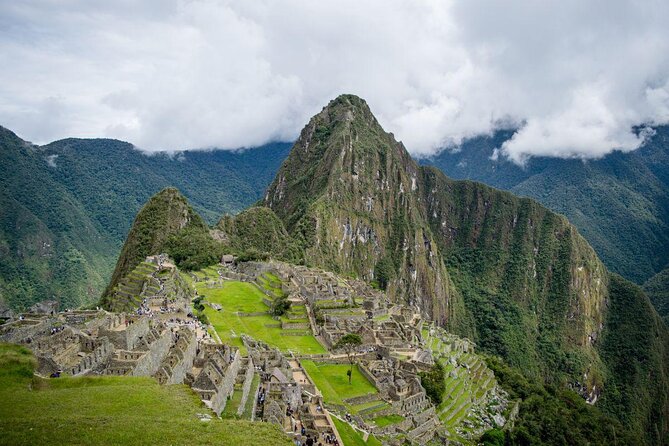
- Machu Picchu at sunrise with an early push to Intipunku, so you’re not arriving too late for the best light
- Chef-prepared meals and camp comfort with dining tents, tables/chairs, foam mattresses, and porter support for equipment
- UNESCO Inca Trail route with major sites like Huillca Raccay, Dead Woman’s Pass, and Phuyupatamarca
- Small group size (maximum 16) with an assistant guide when the group is large
- Built-in transport chain: bus to KM 82, Machu Picchu to Aguas Calientes bus, train to Ollantaytambo, then bus back to Cusco
- Safety extras included: oxygen bottles and a first aid kit in camp
Cusco pre-trek setup: you start in the right place
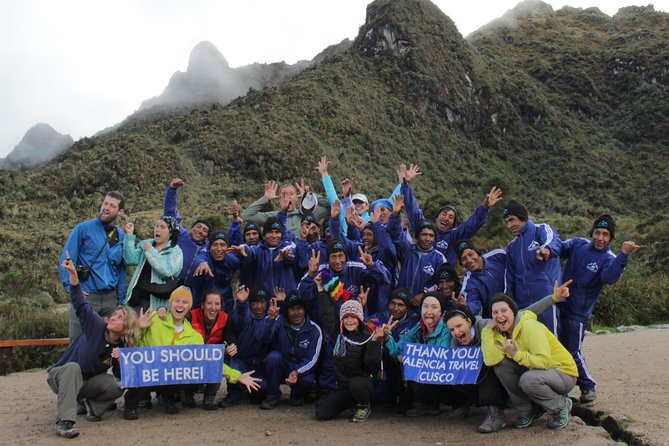
The tour begins in Cusco, and that matters. You land, get a transfer to your hotel, and have a welcome meeting with your guide. That first day is your buffer for altitude and getting your bearings—Cusco sits high in the Andes, and even the simplest things (like walking up stairs) feel different.
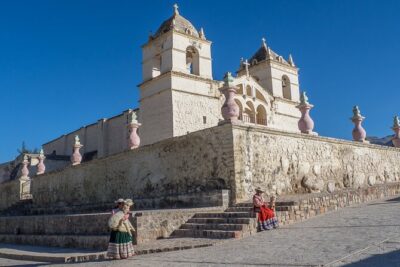
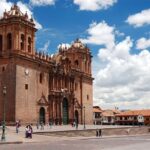
After the welcome briefing, you’re free to explore at your own pace. Cusco is the old Inca capital layered with Spanish churches and mansions, so you can do a short, easy walk to get oriented. If you’re the type who likes food stops, this is also a good day to try a Peruvian meal without timing pressure.
This tour’s practical advantage is that it gives you a clear start point and a plan. Not everyone wants to spend a weekend figuring out how to get to trail checkpoints, how to manage entry rules, or how to line up train tickets after Machu Picchu. Here, the logistics are already stitched together.
You can also read our reviews of more hiking tours in Cusco

Day 2 in Cusco: a free day to breathe (and prep)
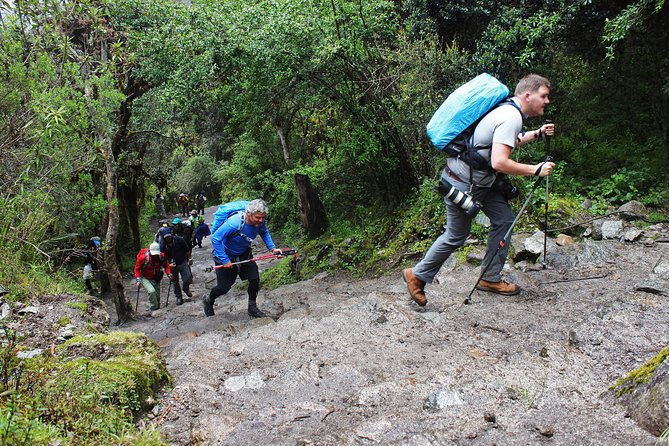
Day 2 is a free day to explore Cusco. That sounds simple, but it’s one of the smartest parts of the itinerary. The Inca Trail is physically demanding, and altitude can turn a “normal” activity into an effort. A full day in Cusco helps you settle in and avoid going into the trek under-recovered.
Use this day to do the basics well:
- Stay hydrated and keep your meals light at first.
- Take it easy on long walks and steep climbs.
- Confirm you have what you need for the trail (especially what’s not included).
You’ll also be thinking about the kind of hiking partner you want for the week. If you’re someone who warms up slowly, build that into your plan. If you’re used to long days, this day gives you time to rest muscles that will be working soon.
Day 3: Huillca Raccay to Wayllabamba, the trail starts
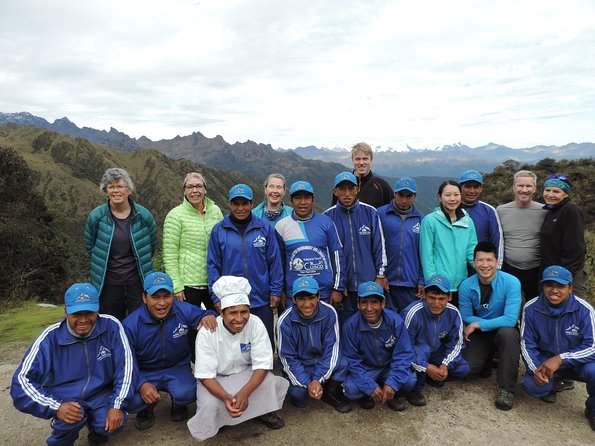
The trekking starts very early in the morning—meeting time is 4:30 am. You head to the control point, and you’ll need your passport and tickets. This is one of those moments where being organized pays off. Also, access to the Inca Trail is limited, so the check-in flow is part of why everything runs on time.
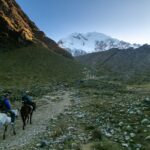
After the formalities, the day moves into the Inca Valley route toward Machu Picchu. You’ll cross the Vilcanota River and start climbing gradually. You’ll also be in the zone where first-day hiking often feels like a mix of anticipation and testing: you want to feel strong without burning yourself out.
You’ll set up your first campsite near the village of Wayllabamba, around 3,000 meters. Nights can be cold—plan for temperatures around 5°C depending on the month. That cold is worth respecting early, because you’ll be wearing layers most of the night and trying to sleep with comfort.
Day 4: Dead Woman’s Pass and Runkuracay, the toughest day vibe
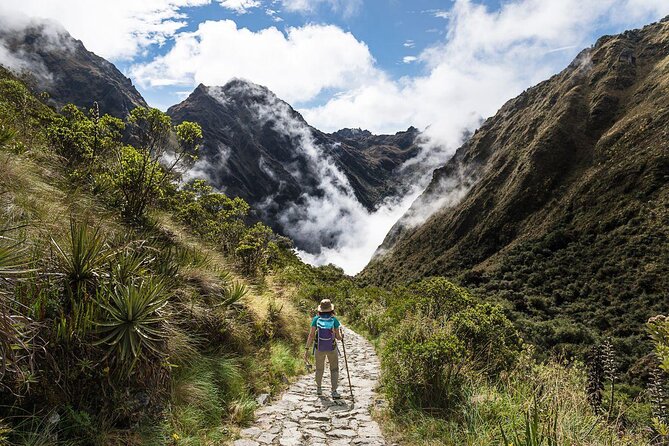
Day 4 is where the trek tests you. Breakfast happens first, then you’re back on the trail before daylight. The big climb here ends at Abra de Warrmihuañusca, also called Dead Woman’s Pass, at 4,200 meters.
This pass is the kind of challenge that makes you proud afterward, especially if you pace yourself. It’s not just about fitness; it’s also about altitude and how you manage effort. Slow, steady steps win. If you try to “power up,” you’ll feel it later on the descent and during the camp setup.
After a rest, you descend to lunch in Pacaymayu. This section is also where you can enjoy small nature details, like hummingbirds and native plant growth in the cloud forest zone (including polylepis, which grows in high Andean areas). Then you take another steep climb toward Runkuracay pass, close to 4,000 meters.
You finish by setting up camp around 5 pm. Night temperatures are listed around 4°C. Bring the mental gear for cold camp: warm layers, careful water use, and a plan for keeping your gear from getting miserable overnight.
Day 5: Phuyupatamarca and Wiñay Wayna, walking through the Inca’s world
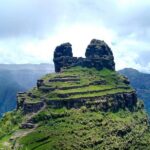
Day 5 continues with a camp-friendly pace of effort, but the scenery and archaeology keep you moving with purpose. After breakfast, you hike roughly 10 km in about 5 hours, with a gentle climb toward the archaeological site of Phuyupatamarca (meaning Town in the Clouds). This stop sits high at around 3,680 meters and is known for big mountain-and-canyon views.
This is a day where the timing works well if you like structure. You hike, stop for the site, and keep going without needing to coordinate anything. You’re guided, so you’re not guessing what you’re looking at—something that can make a huge difference at Inca ruins, where details matter.
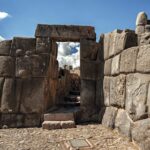
Later, you continue toward Wiñay Wayna, including a long set of steps through cloud forest and stops around other Inca agricultural areas like Intipata. You’ll reach the Wiñay Wayna campsite around 2,680 meters, arriving by lunchtime. Then you visit the Wiñay Wayna ruins nearby (Forever Young), which are close to camp and make a great final “warm-up” before the last stretch.
What I like here is pacing. If you can handle Day 4, Day 5 feels like a reward day—still hard, but with a sense of being close.
You can also read our reviews of more tours and experiences in Cusco
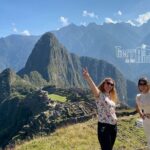
Day 6: Intipunku before sunrise, then Machu Picchu itself
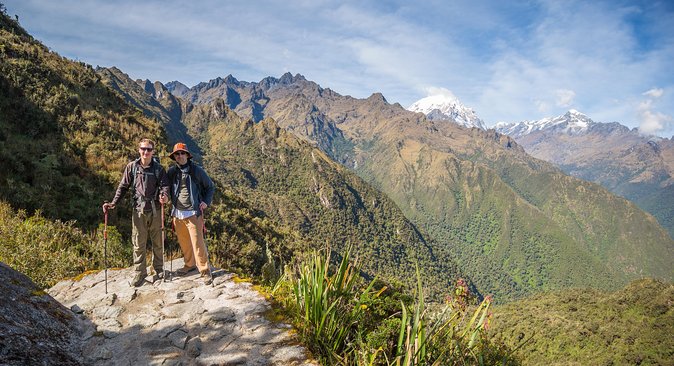
Day 6 is split into two moods: a powerful early morning and then Machu Picchu time.
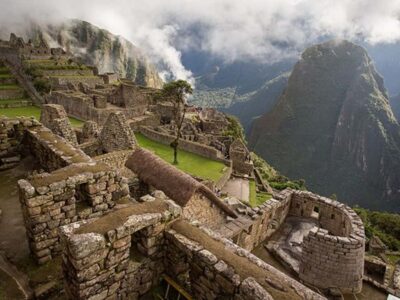
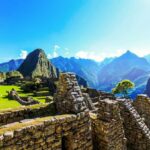
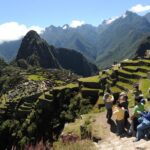
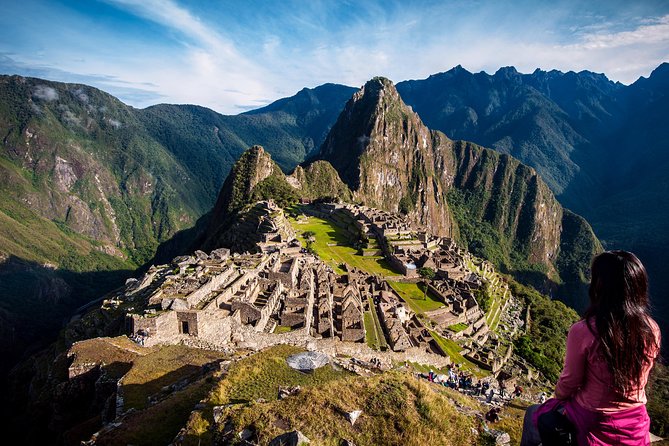
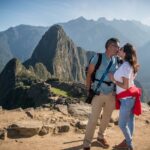
You wake up early and aim to reach Intipunku, the Sun Gate, before sunrise at about 2,730 meters. Your view of Machu Picchu—at roughly 2,400 meters—comes into focus as the light changes. That is the moment most people travel for, and this itinerary is clearly built to make it happen.
After the sunrise segment, you walk down the last portion of the trail to a classic postcard viewpoint of the city. Then you get a guided tour of the archaeological site. Plan on guided time plus space to explore on your own for around two hours.
You also have options for additional hikes, including Machu Picchu Mountain or Huayna Picchu Mountain. The tour gives you the flexibility to choose, assuming you feel up to it. If you’re tired after the trail, the lighter option is just taking your time around the main circuit and soaking in the setting.
When you’re done with the guided experience, the tour connects you to the next logistics step. You meet the guide in Aguas Calientes, handle lunch there, and then follow the route back toward Cusco using train and bus. The tour notes that you’ll get tickets back to Cusco after lunch and then take the first train to Poroy followed by bus to Cusco.
Two practical notes here:
- You’ll want to keep your daypack organized because you’re bouncing between viewpoints, guided time, and getting onward.
- You’ll be tired. Plan on it. Machu Picchu is a big place, but you’ll enjoy it more if you don’t treat it like a race.
Day 7: last morning in the region, then fly home via Lima
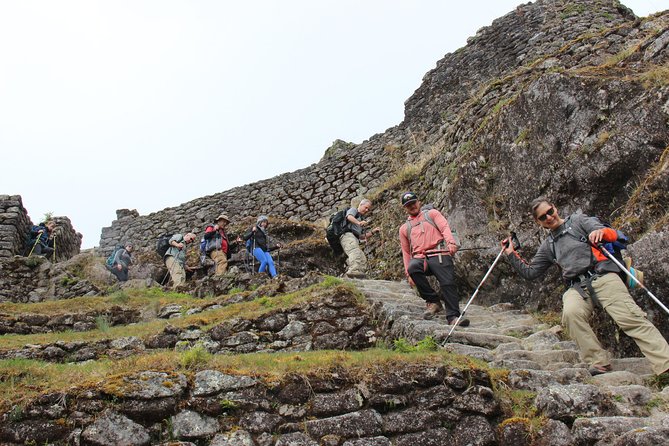
On Day 7, you’re done with the hiking and have a last day at leisure before airport transfer. The tour routes return flights via Lima.
This day is quiet on purpose. It gives your body a reset after the trek and after Machu Picchu. If you’ve ever regretted not putting one day aside for recovery, you’ll appreciate this structure now.
Price and value: what you’re really paying for
At $1,145 per person, this tour isn’t “cheap,” but it is easy to justify when you break down what’s included.
You’re paying for:
- A professional guide (and an assistant guide for larger groups)
- Chef meals (breakfast and lunch/dinner counts are listed)
- Camp setup: dining tent with seating, 4-man tents used per two people, foam mattresses
- Porters for company equipment (you still carry personal belongings)
- Oxygen bottles and a first aid kit
- A full transportation chain from Cusco to the trail start and then from Machu Picchu back toward Cusco, including buses and a train segment
If you tried to replicate all of that on your own, it quickly becomes a planning job instead of a vacation. Permits, entry timing, transport links, and trail services are the exact pieces that eat your time and cause the most risk of last-minute surprises.
One pricing detail to keep in mind: a single supplement of $180 is listed for accommodation and tent. If you’re traveling solo and want your own tent setup, that cost matters.
Group size and the guide team: why small groups feel better here
The tour caps at 16 travelers, which is a sweet spot for a trek like this. Inca Trail days can be tight on paths and checkpoints, and smaller groups usually mean less waiting and less chaos at the moments when timing matters.
There’s also an assistant tour guide when the group is 9 people or more. That’s a good sign for pacing and for keeping the group together without turning the hike into a slow parade.
In the reviews that describe this trip, the guide named Alex stands out for being friendly and accommodating, with solid knowledge of the trail and the sites. Porters also get strong praise for doing a good job with equipment so trekkers aren’t stuck hauling extra weight. And the food gets mentioned in a positive way—camp meals are not an afterthought on this route.
What to pack (and what not to assume)
This is one of the most important parts to get right. The tour lists sleeping bags as not included, and also notes that you’re responsible for carrying your personal belongings.
So don’t plan on borrowing gear at the last moment. Cold nights at camps (around 4–5°C) make sleep comfort a bigger issue than people expect. If you show up with the wrong setup, you’ll feel it most on the sleep side, not the walking side.
Walking sticks are also not included, so if you use them, bring them. Inflatable mattresses are not included either, which reinforces that you should rely on what’s provided (foam mattresses) and bring what you personally need for comfort.
You’ll also want to bring the basics the tour reminds you about at the control point: sunscreen and insect repellent, plus a plan to use restrooms before you start trekking.
Who this tour is best for (and who should look elsewhere)
This trek works best if you:
- Want Machu Picchu at sunrise with a timed route and guide-led access planning
- Prefer an organized group experience where meals, tents, and transport are handled
- Can handle long days and significant climbs at high altitude
- Like structure: you’ll know where to be and when, rather than planning each step
You might look elsewhere if you:
- Want complete freedom to choose pacing and routes day by day
- Have limited fitness for a multi-pass trek (Dead Woman’s Pass is a major challenge)
- Don’t want to manage cold camp sleep setup and bring your own sleeping bag
Should you book this Inca Trail to Machu Picchu group tour?
If you want the Inca Trail experience without turning your trip into a spreadsheet project, this tour is a strong match. The value isn’t just the big-name sites—it’s the full chain of logistics, camp services, and the early access setup that gets you into Machu Picchu with sunrise timing.
Book it if you’re ready for altitude, early starts, and packing smart. Skip it if you’re hoping for a relaxed stroll with minimal effort or you’re not prepared to handle the sleep gear and personal-carried items.
If you can handle the hiking and you want a smooth, guided path from Cusco to Machu Picchu, you’re in the right place.
FAQ
How long is the Inca Trail trek on this tour?
The tour runs for 7 days (approx.).
What is the price per person?
The listed price is $1,145.00 USD per person.
What time does the trekking start?
The start time is 4:30 am.
Is pickup and airport transfer included?
Yes. The tour includes airport pickup and drop-off, and it runs from Cusco airport.
What transport is included for getting to Machu Picchu?
The tour includes a bus to KM 82, bus from Machu Picchu to Aguas Calientes, train from Aguas Calientes to Ollantaytambo, and bus from Ollantaytambo to Cusco.
Are meals included on the trek?
Yes. Water is included, and the itinerary lists breakfasts (5), lunches (3), and dinners (3). Meals not stated are not included.
Are sleeping bags provided?
No. Sleeping bags are not included, and you are responsible for carrying your personal belongings.
What are the group size limits?
The maximum is 16 travelers. The tour also notes an assistant guide for groups of 9 people or more.
Can I cancel or make changes after booking?
This experience is non-refundable and cannot be changed for any reason.
Is there a vegetarian option?
Yes, a vegetarian option is available if you advise the provider at the time of booking.