REVIEW · CUSCO
Machu Picchu Tour By Train (2 Days)
Book on Viator →Operated by Happy Gringo Tours · Bookable on Viator
Machu Picchu happens in a tight two-day window. This tour strings together Cusco to Ollantaytambo by road and a scenic train to Aguas Calientes, then finishes with a guided morning at the citadel and your ticket sorted. The big win here is that your Machu Picchu admission is built into the plan, not something you scramble for at the last minute.
What I like most is the included structure: you get the scenic rail experience plus an organized bus up to the site, and you don’t have to piece together the train schedule yourself. The second highlight for me is the human touch—on one trip, the guide named Ruben made the site feel personal, with clear explanations and plenty of patience while people found their footing and their photos.
One thing to keep in mind: coordination in Aguas Calientes can get messy if you don’t stay alert. I’d treat the meeting points and handoffs as important (even if everything usually works out), because you may need to confirm times and where to go for the next leg—especially around ticket logistics.
In This Review
- Key highlights at a glance
- The value: what you’re really paying for
- Cusco to Ollantaytambo: a fast start with a reason
- Ollantaytambo to Aguas Calientes by train: the scenery you can relax into
- Aguas Calientes afternoon: hot springs optional, museum/orchids as backup
- Early bus up to Machu Picchu: why the morning matters
- Your guided 2-hour loop, then free time to roam
- Huayna Picchu or Machu Picchu mountain: only if your body and permit line up
- Train back and the return to Cusco: the day’s final rhythm
- Price and logistics: where the value shows up (and where it can wobble)
- Small-group pace: max 15 people and a more human experience
- What to pack and how to plan your energy
- Weather matters, and it affects your plans
- Who this Machu Picchu train tour fits best
- Should you book this Machu Picchu tour by train?
- FAQ
- What does the $540 per person tour include?
- Is the Machu Picchu admission ticket included?
- Do meals cost extra?
- How long is the tour?
- Where and when does the tour start?
- Is the hot springs visit included?
- Can I climb Huayna Picchu or Machu Picchu mountain?
- How big is the group?
- What happens if the weather is poor?
Key highlights at a glance
- Guaranteed entry via included Machu Picchu ticket (admission included for the site)
- Ollantaytambo to Aguas Calientes train ride with river-and-valley scenery
- Bilingual guide-led Machu Picchu visit lasting about 2 hours
- Aguas Calientes overnight stay included, so you’re not doing a full sprint day trip
- Bus ride up and back to Machu Picchu handled for you
- Small group size (max 15) for a more manageable pace
The value: what you’re really paying for
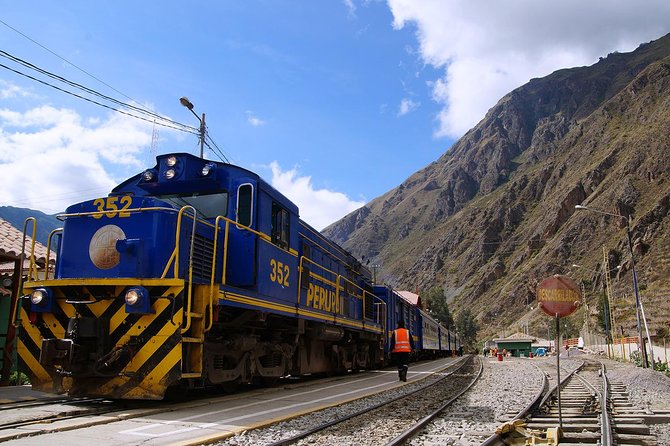
At $540 per person for about two days, you’re not paying for a bus and a badge. You’re paying for the stuff that’s hard to line up under pressure: transport from Cusco into the Sacred Valley, the train ride to Aguas Calientes, the one-night stay, the bus to Machu Picchu, and the guided visit.
This kind of package becomes good value when you’d otherwise spend real time figuring out routes, buying separate components, and worrying about timing. And because Machu Picchu has tight entry rules and early buses, the “timing headache” is often the biggest stress for independent plans.
The one catch: meals are not included. That means you’ll need to budget for lunch and dinner in Aguas Calientes (or wherever you end up) and plan for basic comfort needs like snacks and water before the morning bus.
You can also read our reviews of more tours and experiences in Cusco
Cusco to Ollantaytambo: a fast start with a reason
Your day starts early, with a scheduled 7:00 am start. From Cusco, you travel by mini-bus to Ollantaytambo in the Sacred Valley. This matters more than it sounds: you’re positioning yourself for the train that takes you to Aguas Calientes, and the Sacred Valley route is part of why this whole experience feels smoother than a chaotic day scramble.
This leg is also where small-group rhythm begins. With a maximum of 15 people, you’ll usually have fewer moving parts than larger tours, and your guide can actually keep track of everyone if questions pop up.
If you’re the type who likes to have a calm plan, this routing helps. You’re not trying to arrive at the train station while half-asleep and guessing where the right platform is.
Ollantaytambo to Aguas Calientes by train: the scenery you can relax into
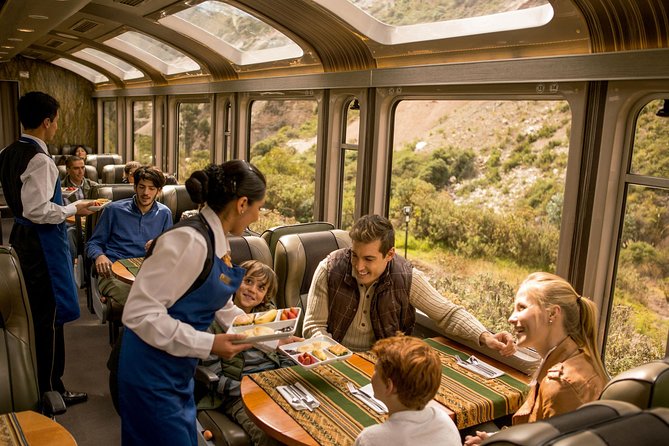
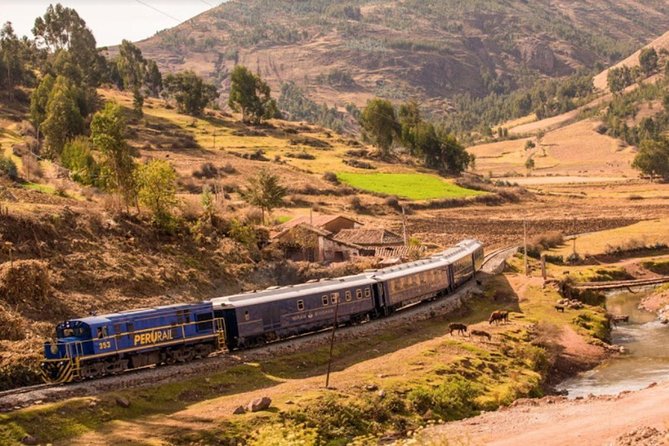
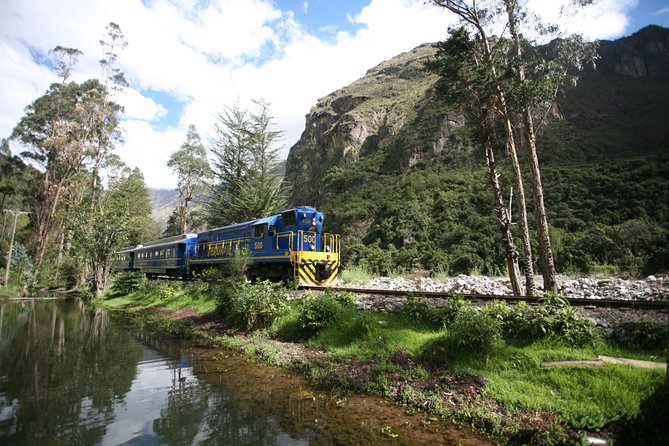
Once you’re on the train, the ride is more than transit. It’s a chance to settle in and watch the valley change outside your window as the route follows the Sacred Valley direction toward Aguas Calientes.
Here’s the practical beauty: you sit, you look, you don’t negotiate transfers, and you arrive with your energy intact for check-in. In my opinion, this is the right way to do Machu Picchu when you want the views but don’t want to spend your vacation wrestling logistics.
You’ll reach Aguas Calientes by about lunchtime. That timing gives you enough breathing room to settle, freshen up, and still have an afternoon to use as you like.
Aguas Calientes afternoon: hot springs optional, museum/orchids as backup
After you arrive, you check into your included one-night accommodation in Aguas Calientes. Then the rest of the afternoon is yours.
You can do hot springs, but it’s not included, and admission is not included either. Still, it’s an easy option if you want a low-effort reset after travel.
If you’d rather walk and explore a bit, there’s a Machu Picchu museum and orchid exhibition about a 35-minute walk outside of the village. This is especially useful if you want something culture-leaning and calmer than trying to scramble for photos in the midday rush.
The big idea for your planning: don’t over-pack your afternoon. Tomorrow morning is early and you’ll want sleep, not sore feet and stress. Pick one activity, enjoy it, and then give yourself plenty of time to rest.
Early bus up to Machu Picchu: why the morning matters
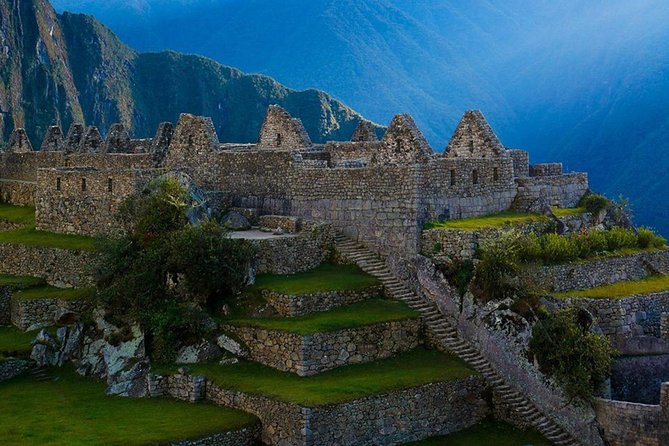
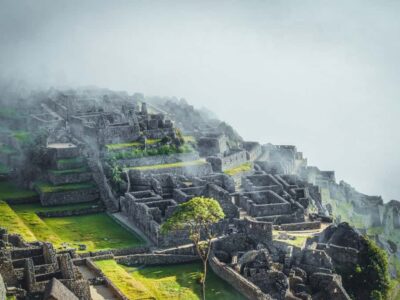
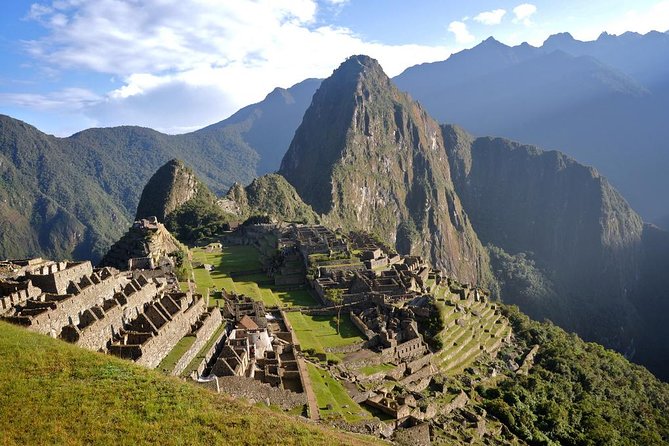
Day two starts with an early morning bus up to Machu Picchu so you can enter as the site opens. That timing is key. It’s when the site feels most manageable and when you can get your bearings before the crowds get fully into motion.
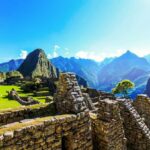
You’ll have a guided tour of about 2 hours. This is where the tour earns its keep: a guide helps you connect what you’re seeing to how the Incas used the citadel, how the space is laid out, and what the major areas are for.
The guide you get is bilingual. And in one instance, the guide Ruben was highlighted as a standout because he was patient, clear, and made the history feel understandable rather than lecture-only.
When a guide does this well, it changes the entire experience. You stop just taking photos and start noticing the patterns—view lines, terraces, and the reasons certain areas feel connected.



Your guided 2-hour loop, then free time to roam
After the guided portion, you’ll get free time to explore on your own. This is important because Machu Picchu isn’t one single photo spot. It’s a network of viewpoints, stairways, and edges where you want to linger.
Use the free time to slow down. Walk where you feel curious, sit where the light is good, and take breaks. If you rush right after the tour, you’ll miss the moment when the site starts to feel real—quiet, steep, and oddly intimate for something so famous.
If you planned around permits for mountain climbs, this is also the window. If you have permits to climb Huayna Picchu or Machu Picchu mountain, this is the time to go. The round trip is about 3 hours.
Huayna Picchu or Machu Picchu mountain: only if your body and permit line up
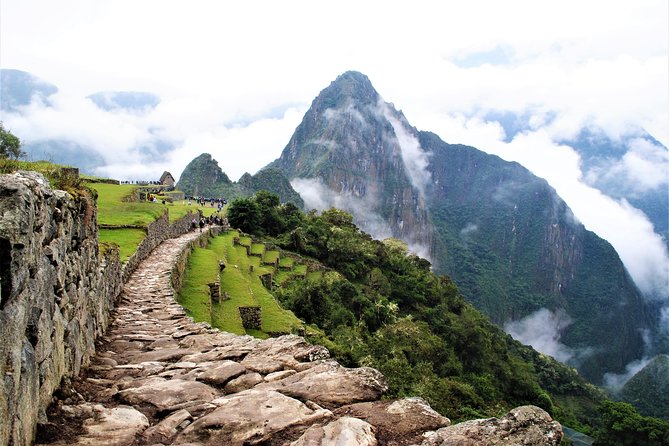
Climbing adds intensity. The route goes up, the time adds up, and you’re still dealing with altitude and uneven stone.
The tour gives you the timing, but it doesn’t give you the permit. If you already have permits, great—go in with a plan and comfortable footwear. If you don’t, you’ll still have a full experience staying within the citadel itself.
My advice: treat the climb like its own mini-adventure. Don’t schedule other big plans in your head for afterward. You’re doing a physical effort during the same day you’re already dealing with an early start and a long walk around the site.
Train back and the return to Cusco: the day’s final rhythm
In the afternoon you’ll head back from Machu Picchu by bus down, then take the train back to Ollantaytambo. From there, you’ll continue by mini-bus back to Cusco.
This return plan is part of what makes the two-day format feel manageable. You get to enjoy Machu Picchu without trying to cram everything into one frantic day and then still drive home exhausted.
Total time is about 5 hours for the Machu Picchu day portion. It sounds fast, but because you enter early and you’re not doing the hardest part of the logistics yourself, it feels doable.
Price and logistics: where the value shows up (and where it can wobble)
The package includes:
- Transport Cusco ↔ Ollantaytambo
- Train ticket
- Machu Picchu entrance
- 1 night accommodation in Aguas Calientes
- Bilingual guide
- Bus from Aguas Calientes to Machu Picchu and back
That’s a lot folded in. You’d struggle to recreate it cheaply unless you’re extremely organized or already know the timing games.
Now, the reality check. The plan depends on smooth handoffs in Aguas Calientes—where people change trains, meet guides, and deal with ticket logistics. In real situations, that step can become stressful if communication is poor. I’d plan to be proactive: keep your phone charged, confirm exact times and pickup points, and ask your guide for clear next-step instructions before you separate.
There’s also a specific concern to know about: the Machu Picchu ticket system can sometimes force companies to handle ticketing locally. In one described situation, people had to get Machu Picchu tickets in person when they arrived in Aguas Calientes rather than through the usual flow. The tour ended up getting people through, but the key lesson is to assume you might need time at the ticket step and you should not treat it like a quick formality.
If you want this tour to feel calm, bring a little mental patience to the ticketing and meeting moments. Once you’re inside Machu Picchu with a good guide like Ruben, the experience usually turns into the best part of your Peru trip.
Small-group pace: max 15 people and a more human experience
With a maximum of 15 participants, this feels less like cattle-car tourism. That matters at Machu Picchu, where people spread out and regroup around pathways and viewpoints.
A smaller group also tends to make the guided portion more effective. The guide can actually see who’s keeping up and who needs a little help locating a route or understanding a view point.
And because you’re not handling every instruction alone, it’s easier to enjoy the place instead of constantly checking maps on your phone.
What to pack and how to plan your energy
The itinerary is active, especially if you choose the mountain climb. You’ll be doing early mornings, stepping onto buses, and walking around uneven stone at a high-altitude site.
Bring the basics you already trust: comfortable walking shoes, a light layer, sun protection, and water. Also plan for the fact that you have free time in Aguas Calientes—so pack one set of comfortable clothes for the afternoon and a separate one for sleeping and early morning.
If you’re thinking about hot springs: great, but treat it as optional. Don’t count on it to replace sleep. Tomorrow matters.
Weather matters, and it affects your plans
This experience requires good weather. If it’s canceled due to poor weather, you’re offered a different date or a full refund. In practice, this is one of the few elements you can’t control, so build flexibility into your Cusco schedule if you can.
Who this Machu Picchu train tour fits best
This is a solid choice if you:
- Want a Machu Picchu admission ticket included
- Prefer train travel from Ollantaytambo over a more stressful all-day approach
- Like having someone else handle the bus up and the guided routing
- Plan to stay overnight in Aguas Calientes rather than rushing through
It may be less ideal if you absolutely hate any uncertainty around meeting points and ticket handoffs. Even when things go well, you need to stay engaged in the process—especially in Aguas Calientes.
Should you book this Machu Picchu tour by train?
If you want the best mix of convenience and a guided Machu Picchu morning, I’d book it. The structure does real work for you: train, hotel night, entrance, bus timing, and a bilingual guide that can turn ruins into a readable story.
If you thrive on total self-reliance and never want to confirm anything, consider whether you’d enjoy the occasional coordination friction that can happen around ticketing and handoffs. For most people, it still pays off—because once the bus drops you at Machu Picchu, the experience is the point.
My “do this before you go” advice is simple: confirm times, ask for exact pickup details the moment you arrive in Aguas Calientes, and don’t plan your afternoon around too many moving parts. Then wake up ready, walk slowly during your free time, and if you have permits, choose your mountain wisely.
FAQ
What does the $540 per person tour include?
It includes transport Cusco to Ollantaytambo and back, a tourist train ticket, entrance to Machu Picchu, one night of accommodation in Aguas Calientes, a bilingual guide, and the bus from Aguas Calientes to Machu Picchu and back.
Is the Machu Picchu admission ticket included?
Yes. Entrance to Machu Picchu is included (and your Machu Picchu day is listed as admission ticket included).
Do meals cost extra?
Yes. Meals are not included.
How long is the tour?
It’s approximately 2 days.
Where and when does the tour start?
Start time is 7:00 am. The ticket redemption point is listed as Aguas Calientes 08681, Peru.
Is the hot springs visit included?
No. The hot springs are optional, and admission is not included.
Can I climb Huayna Picchu or Machu Picchu mountain?
If you already have permits, this tour schedules time for those climbs during your Machu Picchu day. It notes about 3 hours round-trip for the climb.
How big is the group?
The tour has a maximum of 15 travelers.
What happens if the weather is poor?
The experience requires good weather. If canceled due to poor weather, you’ll be offered a different date or a full refund.
If you want, tell me your travel dates and whether you have Huayna Picchu permits, and I’ll help you decide how to plan your Aguas Calientes afternoon and morning timing.