REVIEW · URUBAMBA
Cusco | Visit Maras, Moray, Chinchero, Pisac | Valle Vip
Book on GetYourGuide →Operated by Sout Americ Tours S.A.C · Bookable on GetYourGuide
A fast Sacred Valley day, minus the stress. This Cusco tour strings together five major Andean sites in one 10-hour run—Chinchero, Moray, the salt ponds near Maras, Urubamba, Ollantaytambo, and Pisac—so you get a big-picture sense of the region without spending days on logistics. I especially like how it’s built around seeing both the archaeological pieces and the lived-in culture nearby.
What I like most: first, you get a bilingual guide who keeps the flow moving (including solid explanations at each stop). Second, the included Andean buffet lunch at Urubamba is a real break, not a token snack. The main drawback to consider is the time pressure: with so many stops, some parts can feel rushed, and there’s also a shopping stop at the end that not everyone enjoys.
In This Review
- Key things to know before you go
- The one-day plan that actually works: five Cusco-region icons
- Price and what’s really included in the $43
- Getting going at 6:30 a.m.: pace, transport, and comfort
- Chinchero: Inca threads and a colonial temple stop
- Moray: agricultural terraces that look like science, not ruins
- The salt ponds near Maras: history you can see working
- Urubamba buffet lunch: fuel before Ollantaytambo and Pisac
- Ollantaytambo ruins: a town with its own rhythm
- Pisac: terraces and the best-preserved cemetery in the region
- The shopping stop at the end: worth planning around
- Group size and noise: manage it before it manages you
- Who should book this Valle Sagrado day—and who should skip it
- Practical tips that make the day easier
- Should you book this tour?
- FAQ
- What’s the duration of the tour?
- What time does hotel pickup happen, and when do we return to Cusco?
- What sites are visited during the day?
- Is lunch included?
- Are entrance fees included in the $43 price?
- What languages are the guides available in?
- What should I bring and wear?
- Is the tour refundable if I cancel?
Key things to know before you go
- A packed route with real variety: textiles and temples at Chinchero, terrace engineering at Moray, salt history, then ruins at Ollantaytambo and Pisac
- You’ll start early: hotel pickup is 6:30 a.m., and you’re back around 7:00 p.m.
- Lunch is handled: an Andean buffet lunch at Urubamba is included in the price
- Entrance fees add up: Sacred Valley entrances and Maras have extra costs
- Shopping stop at the end: plan to keep your wallet cool if you prefer ruins over retail
- Small-group style, but pace is still the point: the day is efficient, so bring comfortable shoes and a flexible attitude
The one-day plan that actually works: five Cusco-region icons
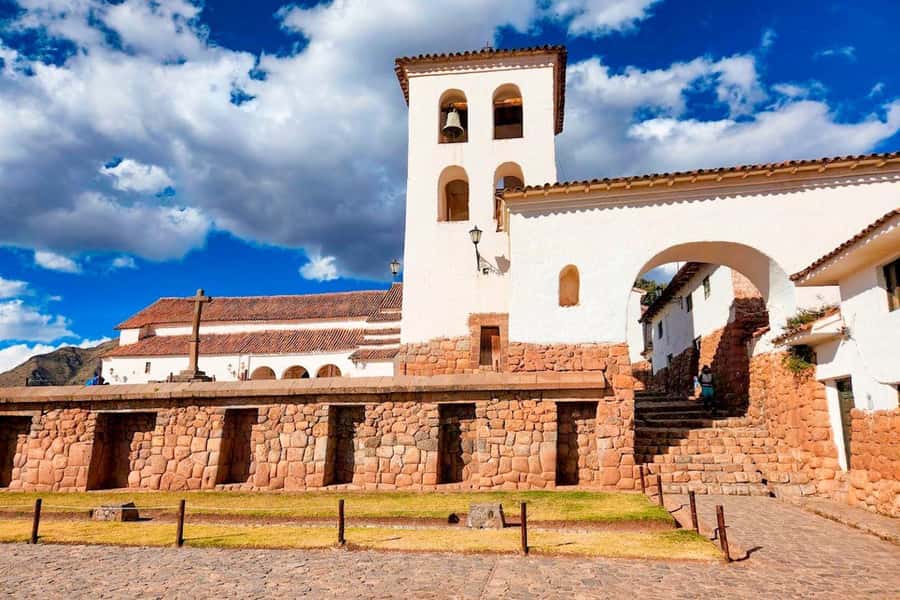
This is the kind of day trip that makes sense when you only have one day to cover the Sacred Valley highlights from Cusco. You’re not choosing between archaeological sites and cultural stops—you’re seeing both, and you’re moving through each area with enough time to notice details.
Chinchero sets the tone with a blend of Inca-era legacy and later colonial presence. Moray and the nearby salt ponds shift the focus from stone ruins to agricultural engineering and salt production. Then Urubamba gives you a proper meal before you switch back to ruins at Ollantaytambo and Pisac.
The practical win for most people: you avoid the “where do I start, what do I skip” headache. If you want the quick highlight reel with real context, this route delivers.
You can also read our reviews of more tours and experiences in Urubamba
Price and what’s really included in the $43
At $43 per person, this tour is priced like a budget-to-midrange day that prioritizes transportation and guided time. Your included items are the big ones that usually cost you extra when you DIY: hotel pickup in Cusco, round-trip transportation, and a bilingual guide. You also get buffet lunch—and in this part of Peru, a sit-down lunch can make the day feel humane instead of exhausting.
Now the cost reality check: entrance fees are not included. You’ll pay extra for Sacred Valley sites (listed as 70 soles) and Maras (listed as 20 soles). So the true “all-in” cost becomes the $43 plus those site fees, plus any snacks or souvenirs you decide to pick up.
That said, the value is still strong if you factor in guide time and transport. You’re essentially paying to compress a multi-stop route into one day with someone managing the handoffs.
Getting going at 6:30 a.m.: pace, transport, and comfort
The day starts early: pickup is at 6:30 a.m. That’s not random. Early departures help you get daylight for the higher spots and avoid some of the worst crowd timing at key stops.
You’ll be on the move for much of the day, so treat this like a full day hike in disguise—just with vehicles between the viewpoints. Pack for walking: comfortable shoes matter. Bring water and comfortable clothes for changing light as you hop between villages and ruins. A camera is also worth it, since several stops give you broad views and clear angles for photos.
Two more things that keep the day smooth: don’t plan alcohol, and keep your expectations on the “highlight” side. The structure is efficient, not leisurely.
Chinchero: Inca threads and a colonial temple stop

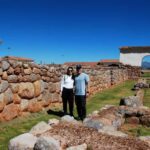
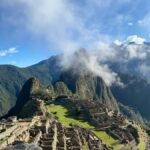
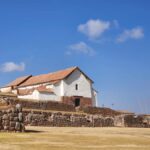
Chinchero is often remembered for two things: its role in Andean craft traditions and its layered history. On this tour, you’ll explore the area’s archaeological centers and also the colonial temple within the town. That mix is why this stop works—your guide can connect how older Inca influence and later Spanish-era religion coexist in the same place.
What you should do during this stop is slow your eyes down. Look for how the site is arranged and how people use the space around it. Even if you’re not an archaeology superfan, Chinchero makes the history feel practical: it’s not just stones on a hill, it’s a living community with a long memory.
Moray: agricultural terraces that look like science, not ruins
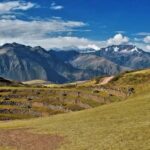
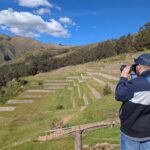
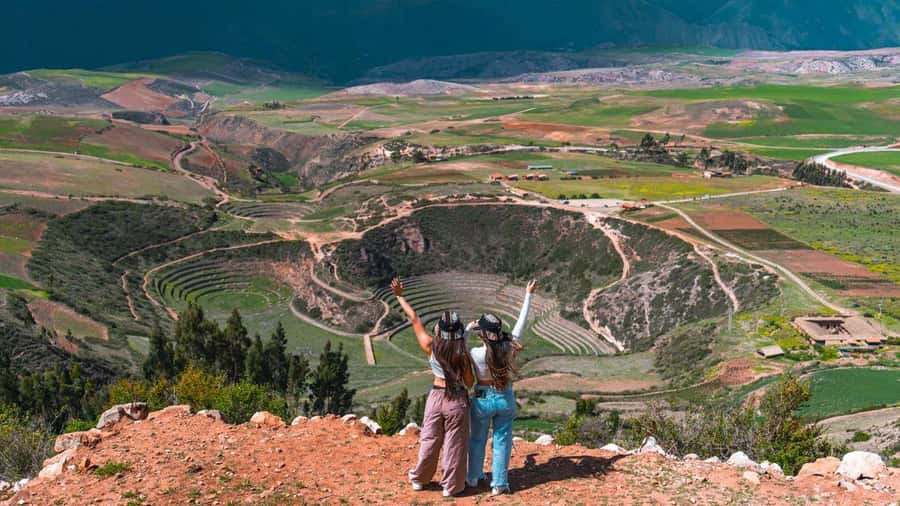
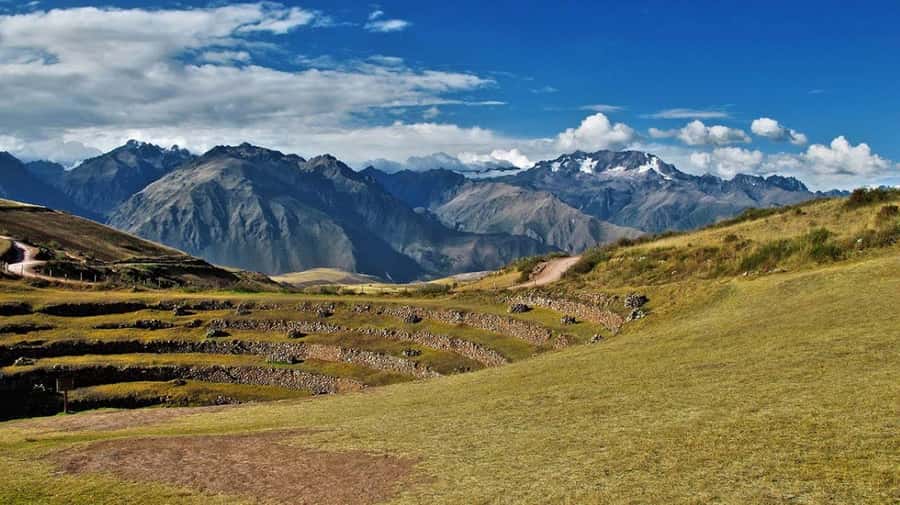
Then you head to Moray, known for its agricultural terraces. These terraces don’t feel like typical “ancient leftovers.” They feel engineered, like someone tried to create different growing conditions in a controlled way.
The value of this stop is the viewpoint shift. Most people start Cusco history thinking about temples and stonework. Moray nudges you toward thinking like a planner: food systems, climate variables, and how a society learned to work with altitude and temperature differences.
If you like photos, Moray is one of the easier stops to frame. You’ll get strong perspective from the terrace levels. Just be ready for walking on uneven ground.

The salt ponds near Maras: history you can see working
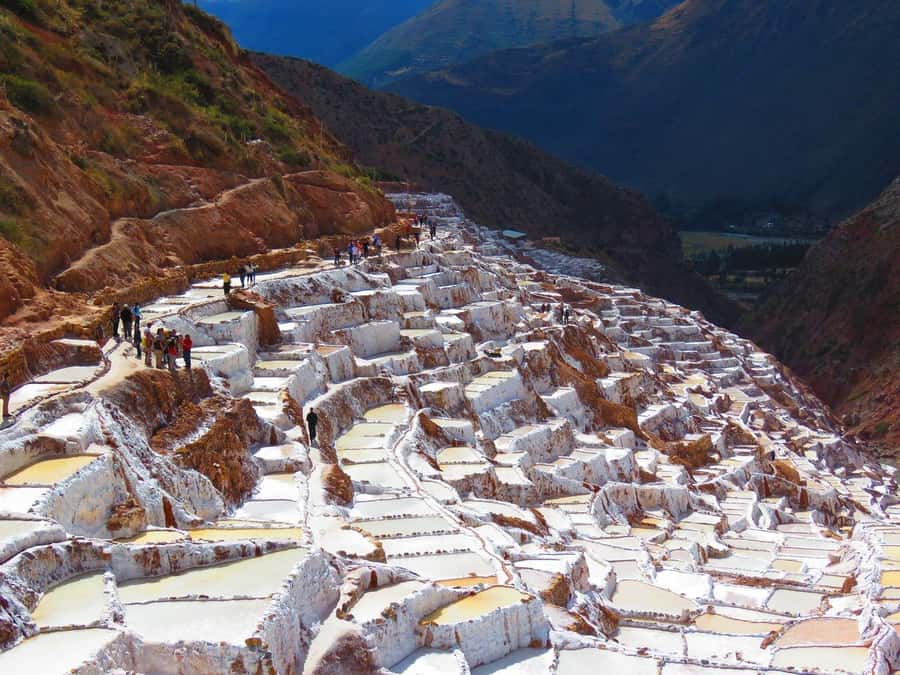
From Moray, the next stop is the salt ponds, worked since Inca times. Yes, the form is striking. But the bigger lesson is how long this kind of production has mattered.
The salt ponds are one of those places where you can actually understand the idea without needing a lecture in advanced history. The work is visible. The patterns are visible. And because the ponds are tied to a local process that has continued for generations, the site feels like a bridge between past and present.
Wear shoes with grip. You may be walking on surfaces that aren’t perfectly even, depending on where you stand for photos.
Urubamba buffet lunch: fuel before Ollantaytambo and Pisac
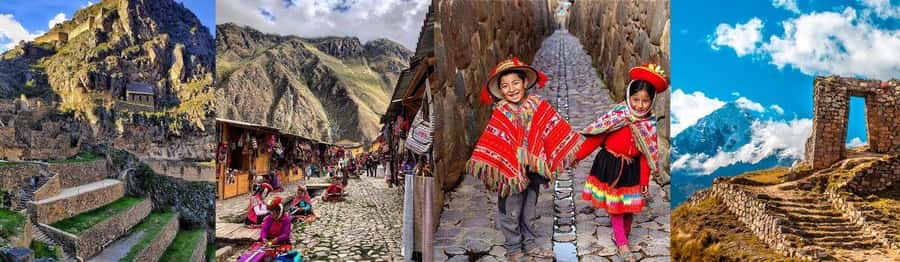
After Moray and the salt ponds, you’ll continue to Urubamba for an Andean buffet lunch. This matters more than it sounds. With a long day and multiple archaeological stops, lunch is the moment you reset energy levels.
Keep it simple: eat enough to last through the rest of the afternoon. If you’re sensitive to altitude or you tend to get low energy when moving, treat this as your main meal. The tour includes lunch, so you don’t have to scramble for food between sites.
Also, use lunch time to regroup mentally. After Urubamba, you’ll shift into heavier ruins territory again—Ollantaytambo and Pisac are the kind of places where it helps to pay attention to layout and where you’re standing.
Ollantaytambo ruins: a town with its own rhythm
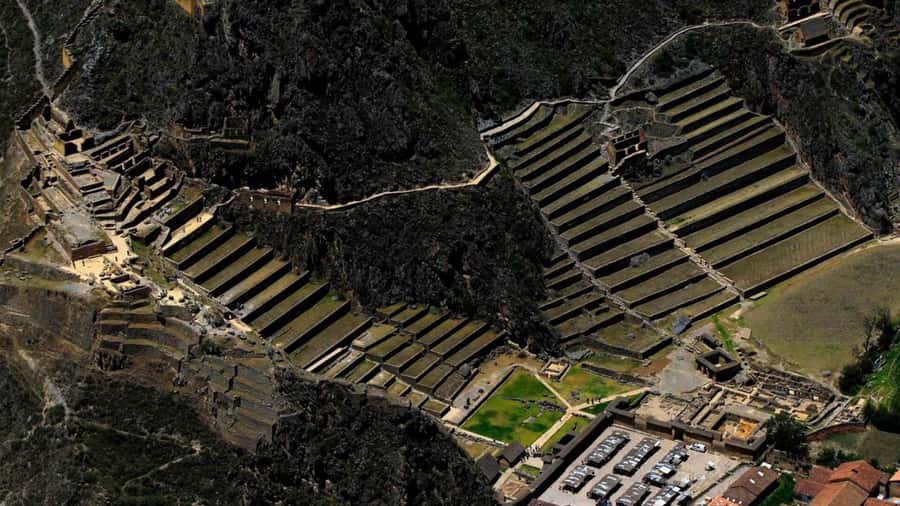
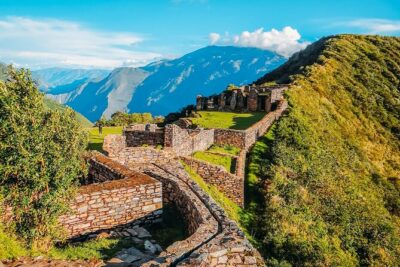
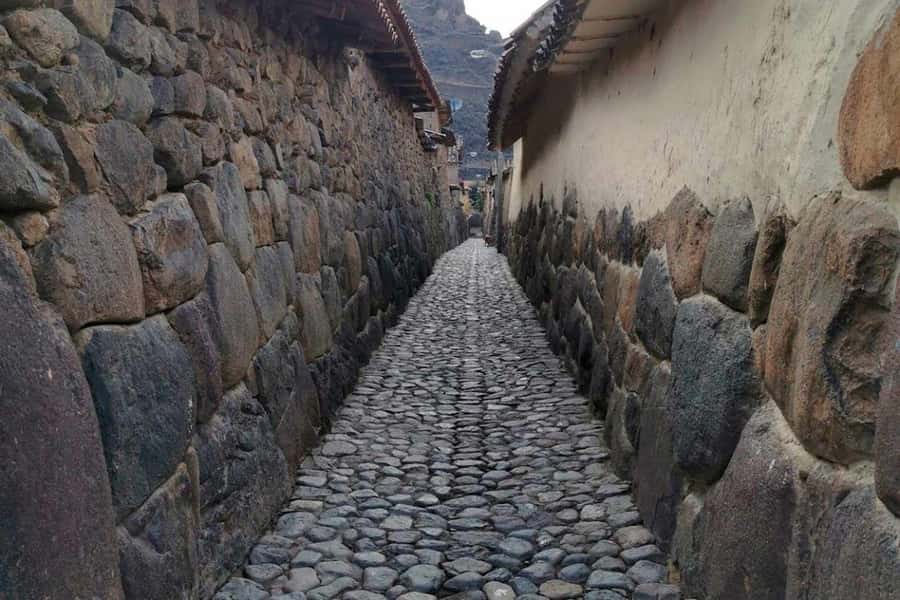
Next up is Ollantaytambo. You’ll explore the archaeological ruins and the town’s importance in the region. Ollantaytambo also houses the train terminal that some travelers use for Aguas Calientes.
That train detail changes the vibe. This isn’t a quiet backwater; it’s a hub. When you understand that, the ruins make more sense in a modern context: this town has always been a strategic crossroads, not just a scenic stop on a brochure.
Take your time to notice the structures and the way the town relates to the stonework. With limited time, it’s tempting to do the quick checklist. Instead, focus on one or two areas and let your guide’s explanation anchor the rest.
Pisac: terraces and the best-preserved cemetery in the region
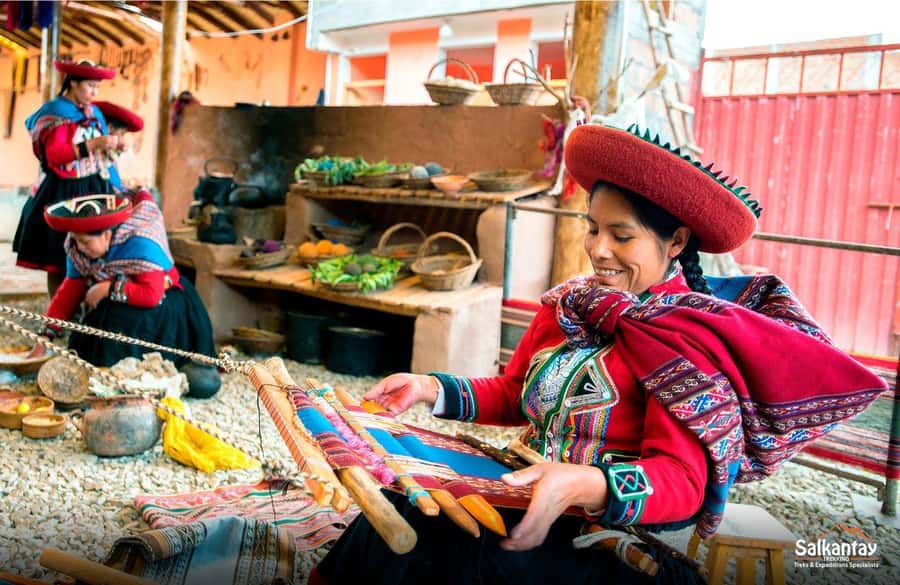
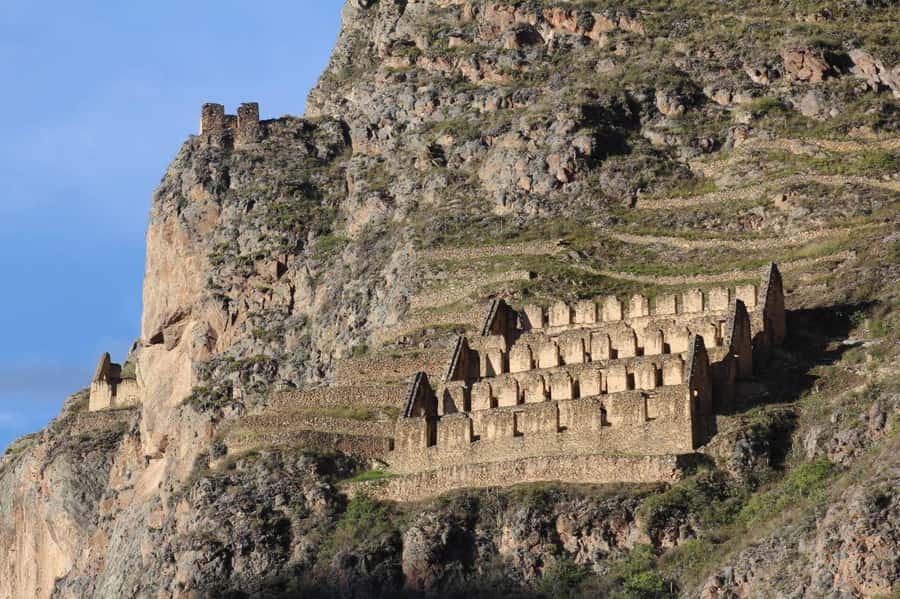
Finally, you’ll wrap up at Pisac, one of the strongest finish points in the route. You’ll see Andean terraces and the best preserved Andean cemetery in the region, according to the tour description.
This is where the tour earns its “last stop” timing. Terraces give you a sense of scale and how people shaped slopes for agriculture. The cemetery component adds a different kind of meaning—this isn’t only about growing food or building defenses. It’s about how communities remembered and organized their dead.
If you want a photo that looks good without endless editing, Pisac can be a great one. And if you’re tired, don’t skip this stop. The cemetery and terrace combination gives you a last mental image that’s more than “another set of stones.”
The shopping stop at the end: worth planning around
One thing to be honest about: the day can end with a shopping stop, and some visitors see it as unnecessary. One review-style detail that matches what you should expect here is a sales push connected to a jewelry shop.
Here’s how I’d handle it: treat the stop like a short break, not part of your cultural “must-see.” If you don’t want to browse, you can still show courtesy, but you don’t need to get dragged into a sales conversation. If you do want to buy something, go in with a budget and the mindset that you’re shopping, not “touring.”
The larger idea: don’t let retail steal your energy. Your ticket is for the archaeology and the Andean landscapes. Keep your priorities straight and the day stays enjoyable.
Group size and noise: manage it before it manages you
This kind of tour depends heavily on group dynamics. The experience is described as small-group, but in real life, you can sometimes end up in a busier atmosphere depending on the day. One helpful approach is to pack for that possibility.
Bring a water bottle you’ll actually drink. Wear shoes that let you walk comfortably even when the group moves fast. If you’re someone who gets distracted by loud chatter, consider simple coping tools like a cap and sunglasses, and mentally commit to focusing on your guide and the sites instead of the background noise.
The goal isn’t to control other people. It’s to make sure their energy doesn’t drain yours.
Who should book this Valle Sagrado day—and who should skip it
I think this tour is best for you if:
- you want to cover Chinchero, Moray, salt ponds, Urubamba, Ollantaytambo, and Pisac in one go
- you prefer a guide-led route so you don’t waste your limited time in Cusco planning
- you like a practical mix of archaeology, agriculture, and local life
- you appreciate an included lunch that makes the day feel complete
You might want to choose something else if you:
- hate shopping stops and want a pure-ruins day
- need a slow pace with lots of free time at each site
- struggle with a long day that runs roughly from 6:30 a.m. to 7:00 p.m.
Also note the limits: it’s not suitable for wheelchair users, and it’s not for people over 95 years. The route involves walking and uneven terrain.
Practical tips that make the day easier
A tour like this is won or lost by small habits:
- Wear comfortable shoes you trust on uneven ground.
- Bring a camera and also accept that some stops are “see it, understand it, move on.”
- Carry water. Don’t wait until you feel thirsty.
- Keep comfortable clothes for sun and cool moments.
- Avoid alcohol and drugs, since they’re not allowed.
One more practical note: before confirming your reservation, you’ll be asked for a WhatsApp number with your country code. That’s useful for communication and smooth coordination, so have it ready.
Should you book this tour?
If you want a one-day Sacred Valley overview with guided explanations, solid transport, and an included lunch, I’d book it. For $43, the combination of pickup, round-trip rides, bilingual guidance, and buffet lunch is where the value lives.
I’d book with eyes open about two trade-offs: the schedule is tight, and there may be a retail stop at the end that you’ll want to tolerate politely or skip browsing. If you can handle that, you’ll come away with a full sense of what the Cusco region is about—terraces, salt, ruins, and a real meal in the middle of it.
FAQ
What’s the duration of the tour?
The tour lasts about 10 hours.
What time does hotel pickup happen, and when do we return to Cusco?
Pickup is at 6:30 a.m., and the tour returns around 7:00 p.m.
What sites are visited during the day?
The tour includes Chinchero, Moray, the salt ponds, Urubamba, Ollantaytambo, and Pisac.
Is lunch included?
Yes. A buffet lunch in Urubamba is included.
Are entrance fees included in the $43 price?
No. Entrance fees for Sacred Valley sites (70 soles) and Maras (20 soles) are listed as not included.
What languages are the guides available in?
The guide is bilingual: Spanish and English.
What should I bring and wear?
Bring comfortable shoes, comfortable clothes, water, and a camera.
Is the tour refundable if I cancel?
Yes. Free cancellation is offered up to 24 hours in advance for a full refund.