REVIEW · CUSCO
5 Day – Salkantay trek to Machu Picchu – Group Service
Book on Viator →Operated by Valencia Travel Agency S.a.c. · Bookable on Viator
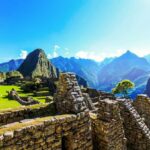
Machu Picchu starts at 5:40am. This 5-day Salkantay trek pairs high-altitude passes (up to 15,200 ft / 4,650 m) with a guided sunrise visit to the Inca citadel. You’ll also move through cloud forest and warmer jungle zones before ending in Aguas Calientes for one comfortable night.
What I like most is how much is handled for you: hotel pickup, a bus to the trail start, the tourist train back to Ollantaytambo, camp setup, and a guide team that includes a bilingual guide plus an assistant. The second big win is the human one. In past groups with Valencia Travel, guides like Aldo, Victor, Lenin, and Claudio (and others) have been repeatedly praised for making the hard parts feel manageable, plus cooks such as Gregorio/Cirilo/Wilfredo for the food.
One thing to consider: camping on Days 2 and 3 may not match your comfort expectations. A few guests specifically flagged the campsite experience as the weak point, even when the trek and service otherwise impressed.
In This Review
- Key takeaways before you go
- The value check: what you actually get for $650
- Meeting the day: 5:00am pickup and the start rhythm
- Day 1: Mollepata to Cruzpata, then Soraypampa campsite
- Day 2: Huayracpunco pass at 15,200 ft (and possible snow)
- Day 3: Upper jungle walking, Lluskamayo River crossings, and La Playa hot springs
- Day 4: Llactapata viewpoint, then down to Aguas Calientes
- Day 5: Machu Picchu sunrise, guided tour, and free time
- Guides, cooks, and the small-group feel
- Camping comfort: what to expect on Days 2 and 3
- Altitude and pacing: who this fits best
- Optional add-ons you should plan for
- Should you book this Salkantay to Machu Picchu group trek?
- FAQ
- What time does the trek start each morning?
- How high will I hike on the Salkantay route?
- Is snow possible on this trek?
- Where do we sleep during the trek?
- What meals are included?
- Are entrance fees to Machu Picchu included?
- Will I need a single room?
- Is there a vegetarian option?
- How do the group transport and train transfers work?
- Are Huayna Picchu tickets included?
- Is travel insurance included?
Key takeaways before you go
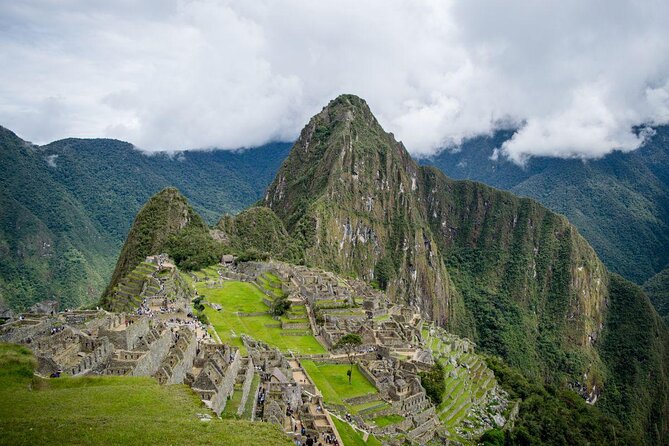
- Machu Picchu sunrise with an early hotel pickup (5:40am) and a guided walkthrough of the citadel.
- A high pass at 15,200 ft / 4,650 m with real views of Salkantay and Tucarhuay, and a possible snow moment.
- Camp support with horsemen and mules, plus a 7 kg personal porter allowance for your gear.
- Meals and camp logistics are built in, including a dining tent and mattresses in tents for two people sharing.
- You get two big “Inca viewpoint” moments: Cruzpata and Llactapata, both with Machu Picchu-related payoff.
- Small group size (max 16), which usually helps keep the pace and attention more personal.
The value check: what you actually get for $650
At $650 per person, this trek is priced like a serious outdoor trip, but it’s not trying to upsell you into a dozen separate bookings. You’re paying for the full machine that makes a trail like Salkantay work: guide team, camp setup, sleeping arrangements, meals across multiple days, entrance fees, and the transport spine (bus in, tourist train out), plus one night in Aguas Calientes.
If you try to piece it together on your own, you quickly run into three problems: (1) coordinating permits/entry logistics for Machu Picchu, (2) getting a transport rhythm that fits a sunrise schedule, and (3) finding a camp-ready team with tents, mattresses, cooks, and animal support. This tour already bundles those pieces, and that’s where the price tends to make sense.
The main “extras” you might add later are the single supplement ($112) if you need your own room, and optional upgrades like a Vistadome train class. You’ll also want to factor in that drinks, insurance, and flights aren’t included.
You can also read our reviews of more hiking tours in Cusco
Meeting the day: 5:00am pickup and the start rhythm
Your day begins early—pickup at 5:00am. The morning starts with a bus ride to Mollepata, then you transition into your first hiking leg. This matters because Salkantay is one of those itineraries where timing is everything: you want cool air for the climbs, daylight for viewpoints, and enough time to settle into camp before dark.
You’ll feel the group pace fast. This is a structured trek with a maximum of 16 people, not a solo wandering trip. That’s a plus if you want “less thinking, more walking,” but it also means you won’t drift whenever you feel like it.
Day 1: Mollepata to Cruzpata, then Soraypampa campsite
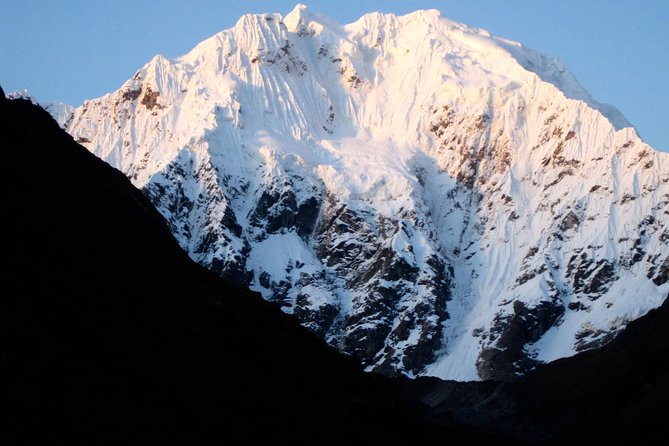
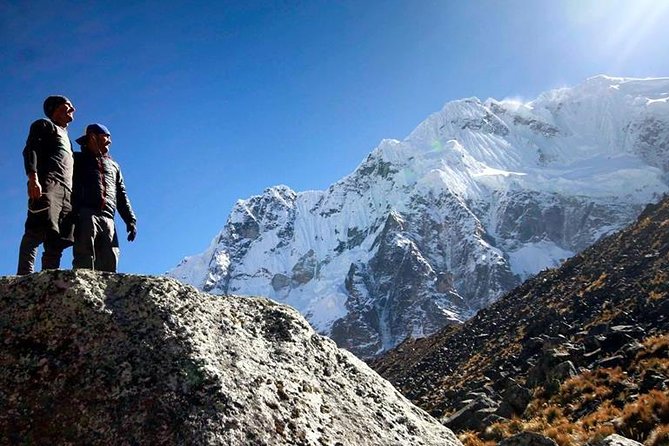
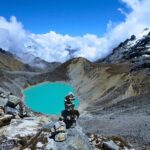
Day 1 is about getting altitude moving and your eyes trained on the big peaks. After the 5:00am pickup and bus to Mollepata, you hike about 3 hours to Cruzpata. This is a lunch stop with wide panoramic views of Humantay (4,120 m) and Salkantay (6,271 m). That’s a helpful “mental warm-up.” You’re not yet deep in the wilderness, but you start seeing the scale of what’s ahead.
After lunch, the trek continues toward the first campsite at Soraypampa, building your rhythm for the next day’s high-pass push. You’ll also have a stop at CLÍNICA MEDICAL CUSCO in the morning flow. In practical terms, it signals that this operator expects altitude considerations to be part of the journey, not an afterthought.
Day 2: Huayracpunco pass at 15,200 ft (and possible snow)
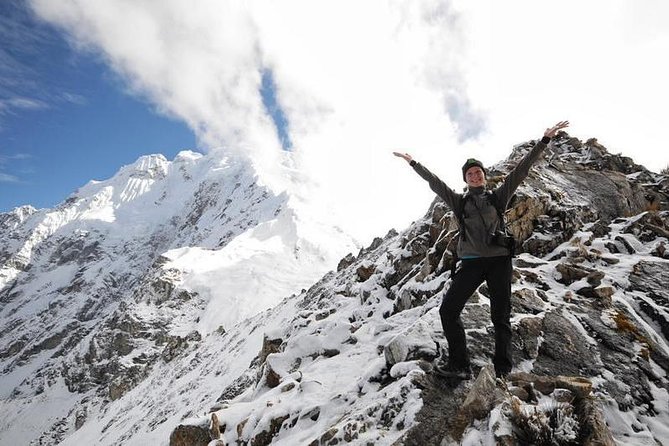
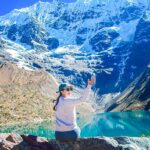
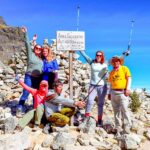
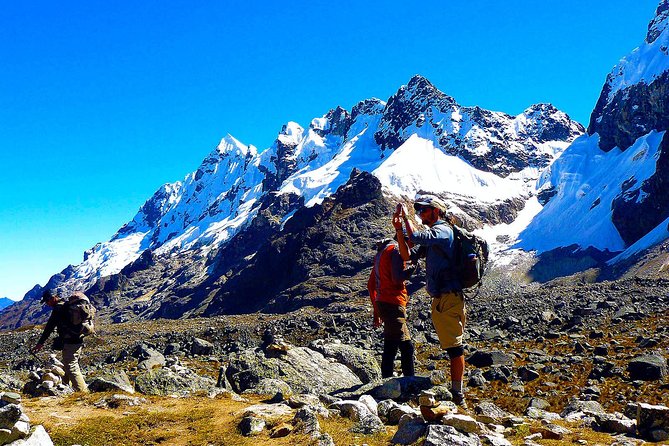
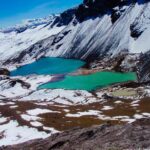
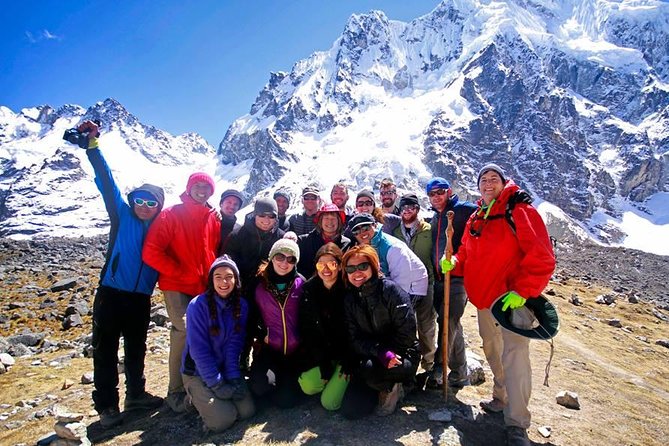
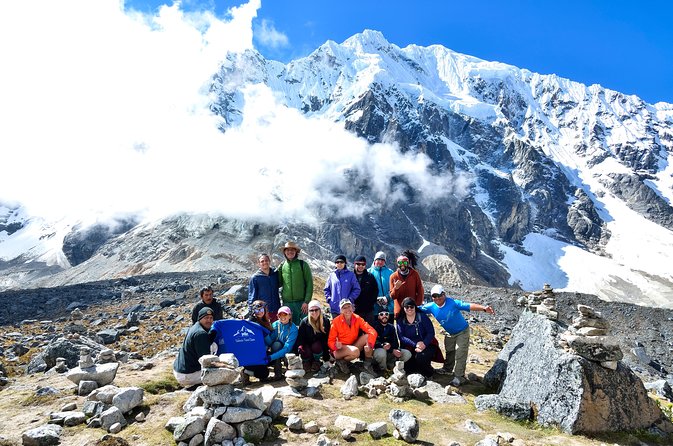
Day 2 is the headline day. Breakfast is around 5:30am, then you hike to the highest pass on the trek at 4,650 m / 15,200 ft. The pass sits halfway between Salkantay and Tucarhuay, and from up there the views are described as incredible. There’s also a stated possibility of snow—so even if you’re traveling in shoulder season, the day can still feel wintery near the top.
After resting at the pass, you drop downhill through cloud forest toward Huayracpunku, where lunch is served. Then you continue for roughly 3 hours toward the second campsite in the Colcapampa area at about 3,000 m / 9,800 ft. Depending on group pace, you may reach nearby campsites like Challway or Andenes.
This day is where you’ll appreciate two support systems that are built into the plan:
- The camp logistics (tents, mattresses, dining tent basics) so you can keep moving without carrying everything.
- The animal team (horsemen and mules) for camping equipment and your personal porter allowance of 8 kg total (listed as “7kgs Personal Porter” in the included section, so either way: you’re not hauling your whole pack).
Day 3: Upper jungle walking, Lluskamayo River crossings, and La Playa hot springs
Day 3 shifts the mood. You start at 6:30am, trekking through upper jungle terrain and crossing the Lluskamayo River via small brooks and creeks. This section is less about one dramatic climb and more about steady movement through valleys, with waterfalls, tropical fruits, and plants mentioned in the route description.
You camp in warmer conditions at La Playa (2,500 m / 8,202 ft). That altitude drop is a gift. You can feel it in how your body copes, especially after Day 2.
Then comes the optional reward: hot springs at La Playa. It’s described as a well-deserved soak after finishing the trek’s walking-heavy section. Even if you pass on it, knowing it’s there helps you plan your day: bring a towel and a dry layer if you do go.
You can also read our reviews of more tours and experiences in Cusco
Day 4: Llactapata viewpoint, then down to Aguas Calientes
Day 4 is a two-act day: one steady climb for Inca views, then a descent toward Machu Picchu’s launch city.
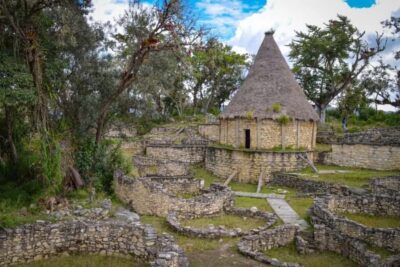
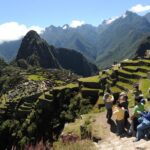
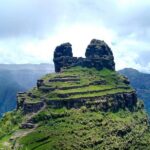
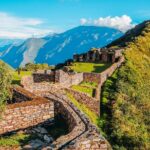
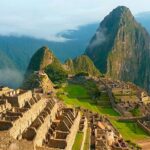
After breakfast at 6:30am, you head to Llactapata, a climb of about 3 hours. Llactapata is described as an Incan fort with a viewpoint where you can see Machu Picchu. This matters because it sets expectations for what you’ll see the next morning. You’ll look at Machu Picchu before sunrise day, not as a blind leap.
From there you hike downhill for about 2 hours. The route includes plantations that produce coca and bananas. You continue until the Hydroelectric dam, where lunch is served. After lunch, you walk a couple more hours into Aguas Calientes, where you spend the night.
There’s also an optional hot springs stop in Aguas Calientes (entrance 10 soles). Even if you don’t soak, you’ll appreciate the simple fact that you’re sleeping in a proper town after several days of camp life.
Day 5: Machu Picchu sunrise, guided tour, and free time
Your final morning starts early again. You eat breakfast, then your guide picks you up from your hotel at 5:40am for the short bus ride to Machu Picchu’s gates. The goal is sunrise, and then you enter the citadel for a guided walking tour of about 2 hours.
That guided portion is where the experience becomes more than photos. You’re led through the complex so you’re not just standing in the right place at the right time. After the tour, you get free time to explore on your own.
Practical note: Machu Picchu visits can involve lines and time windows, and train timing can shift. This operator notes that train times can change depending on timetables and availability, and that the train can be upgraded to Vistadome for an extra cost if arranged ahead.
Guides, cooks, and the small-group feel
A lot of the best feedback in your operator notes points to the same theme: the trekking team makes the difference. You may travel with bilingual guides and assistant support, and in past departures, names like Aldo, Victor, Lenin, Ruben, Claudio, and Oscar show up in guest praise.
Food keeps getting mentioned too—especially chefs like Gregorio, Cirilo, Wilfredo, and Cirilo again in different notes. In long treks, good food isn’t luxury. It’s fuel. If your group is walking hard and camping nights are cold, you want meals that keep you on your feet, not meals that turn into regret.
One more detail worth calling out: horsemen and mules are included. That’s not just romance. It reduces the weight you personally manage, and it helps protect the pace on steep or rough sections.
Camping comfort: what to expect on Days 2 and 3
This is where you should calibrate your expectations. You sleep in tents (4-man tents per 2 people) with mattresses, so you’re not sleeping directly on the ground. You also get a dining setup with tables and chairs.
Still, one recurring note is that campsite conditions on Days 2 and 3 didn’t match expectations for some guests. That doesn’t mean it’s miserable. It means you should treat this as a trek with outdoor logistics. If you’re the kind of traveler who needs polished surfaces and a spa-level sleep setup, adjust your mindset now.
The upside is you’re getting the genuine route that connects the major mountain-to-jungle transitions. The tradeoff is real terrain. You’re not just sightseeing; you’re living in the environment for a few days.
Altitude and pacing: who this fits best
The trek includes a high pass at 15,200 ft / 4,650 m, plus significant time above 3,000 m on various days. The route also mentions that snow is possible at the pass. This is not “light hiking.”
The operator specifically says you should have a strong physical fitness level. So if you’re coming off long sedentary months, give yourself time to train: long walks on hills, stair work, and a gradual increase in time on your feet.
What helps you manage altitude on this tour is the built-in support:
- Extra oxygen and a first-aid kit are included.
- A professional bilingual guide and assistant are part of the plan.
- You’re not carrying all camping gear (animal support + personal porter allowance).
Even with support, you still need to pace yourself. Take the rest moments seriously. Day 2’s pass is the key day to avoid rushing.
Optional add-ons you should plan for
Two optional items can shape your trip.
- Hot springs: optional on Day 3 at La Playa, and optional on Day 4 in Aguas Calientes (10 soles entrance).
- Huayna Picchu tickets: not included. If you want it, you’d need separate access.
Train comfort is another optional lever. If you can arrange it in advance, you can upgrade the train to Vistadome for an additional cost, which is noted as having larger windows.
Should you book this Salkantay to Machu Picchu group trek?
I’d book if you want:
- A structured 5-day route that hits the big altitude day, then transitions into warmer jungle walking.
- A group experience with support: guide team, camp setup, meals, and transport included.
- Sunrise Machu Picchu with a guide-led tour so you’re not guessing what you’re seeing.
I’d pause if:
- You’re very sensitive to camping conditions. Some past guests flagged Days 2 and 3 campsites as not what they expected.
- Your schedule can’t handle very early mornings. This trek starts at 5:00am and again has a 5:40am pickup for sunrise.
If you’re asking the most practical question—value for your dollar—this tour generally delivers because so much of the hard-to-organize logistics is wrapped into one package.
FAQ
What time does the trek start each morning?
The overall start time is 5:00am for pickup. On Machu Picchu day, your hotel pickup for the sunrise route is at 5:40am.
How high will I hike on the Salkantay route?
The highest point on the trek is Huayracpunco pass at 4,650 meters (15,200 feet).
Is snow possible on this trek?
The route notes that there is a possibility of snow at the highest pass.
Where do we sleep during the trek?
You sleep in camp for three nights (tents with mattresses). You also get one night of accommodation in Aguas Calientes in a 3-star superior category hotel.
What meals are included?
The package includes four breakfasts, four lunches, and four dinners, plus meals/snacks during the trek days. Breakfast on day 1 and lunch and dinner in Aguas Calientes are not included.
Are entrance fees to Machu Picchu included?
Yes, entrance fees are included.
Will I need a single room?
Single supplement is $112.00 if you need your own space.
Is there a vegetarian option?
Yes. Vegetarian option is available if you advise at booking.
How do the group transport and train transfers work?
The tour includes return transportation: bus to the start of the trail and a tourist train back to Ollantaytambo. Train times can change based on schedules and availability.
Are Huayna Picchu tickets included?
No. Huayna Picchu tickets are not included.
Is travel insurance included?
No. Insurance of any kind is not included.