REVIEW · CUSCO
Qampa Climbing 2 Days in Ausangate
Book on Viator →Operated by Vidal Expeditions · Bookable on Viator
Qampa climbs start before the sun. This 2-day tour takes you from Cusco up to Pacchanta and into a glacier climb, with guides handling the hard parts so you can focus on moving, breathing, and enjoying the Andes. The summit reaches 5,520 m (and you’re climbing to it for real, not just hiking near it), with views that stretch toward Salkantay.
What I especially like is how organized the days are, down to tents already set up at camp. I also like that you get a structured “first multi-day hike” feel, with meals and support built in. One thing to consider: it’s early, cold, and water isn’t included, so you’ll want to plan for that.
The itinerary is built around altitude and pacing. Day 1 eases you in with a gradual hike from 4,060 m to base camp at 4,680 m, then Day 2 starts at 2:30 a.m. and turns into the glacier summit push. You’re in a small group too—maximum of 6—which makes guidance more personal.
A possible drawback? If you’re not used to thin air, the early start plus glacier effort can feel like a lot. You’ll want moderate physical fitness and a calm mindset.
In This Review
- Key highlights you’ll care about before you go
- Qampa (Jampa) Climbing: why this “easy” summit draws repeat hikers
- Day 1 from Cusco to Pacchanta: the pacing you’ll thank yourself for later
- Where Day 1 can feel tough
- Base camp life: tents, cooks, and the small logistics that keep morale high
- Don’t miss this: water isn’t included
- Summit morning: the 2:30 a.m. start and what glacier climbing actually feels like
- Technical reality check
- Descent, lunch, and the Pacchanta hot spring option
- What to do if you’re sore
- Guides and group size: how you feel safe while learning
- Price and value: is $380 fair for a 2-day summit attempt?
- What isn’t included (so you can budget)
- Who should book this Qampa climb—and who should rethink it?
- A practical truth
- Should you book Qampa Climbing with Vidal Expeditions?
- FAQ
- What time does pickup start in Cusco?
- How many days is the Qampa climbing tour?
- Do I need mountaineering experience?
- What’s included in the price?
- Is water included?
- What’s the summit altitude?
- Is there an option for hot springs?
- What’s the group size limit?
- Is free cancellation available?
Key highlights you’ll care about before you go
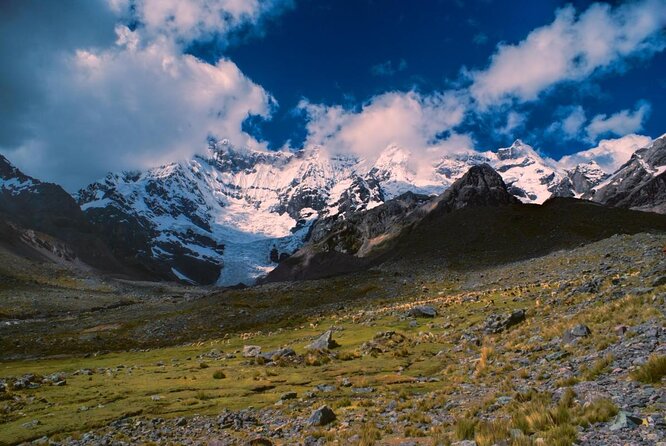
- Small groups (max 6) makes the guide attention feel close, especially on technical sections.
- Gear and instructions are provided for the glacier portion, so you’re not figuring it out alone.
- Tents are set up for you at base camp, which keeps Day 2 from feeling like chaos.
- Meals are a big part of the plan (breakfast, dinner, and two lunches), and they’re timed for climbing energy.
- Horse support for extra duffel bags helps you travel heavier than you normally would.
- Summit views reach toward Salkantay on clear days, with a huge sense of altitude-driven reward.
Qampa (Jampa) Climbing: why this “easy” summit draws repeat hikers
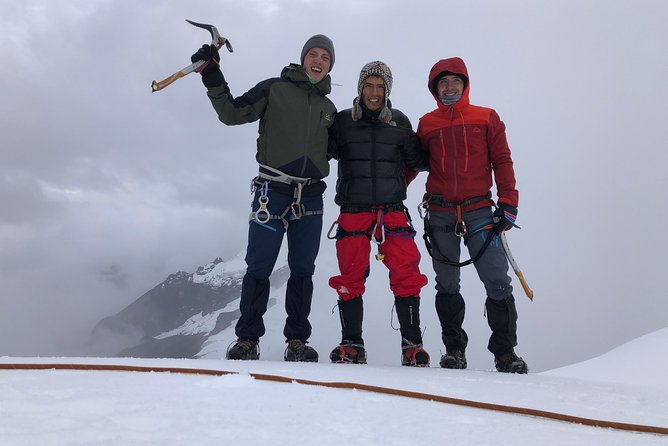
Qampa—also spelled Campa or Jampa in different places—is one of the most popular mountain climbs around Cusco. The key word here is “popular,” because there’s a reason people keep choosing it for their first real mountaineering experience. You do need to climb onto glacier terrain, and there can be a small rock climbing pass depending on the season, but the route is designed so a guided group can manage it.
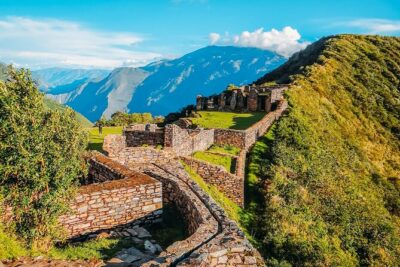
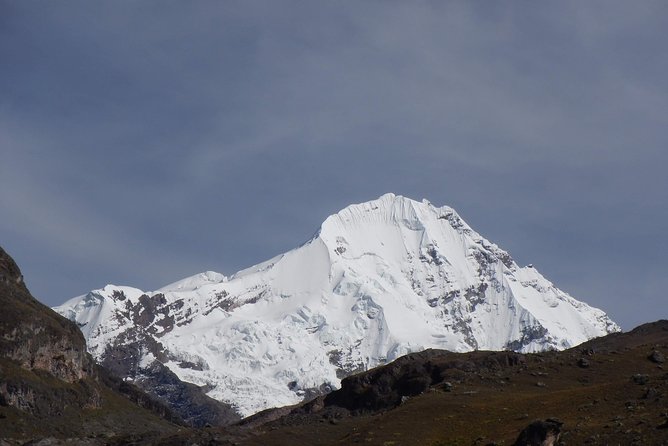
What makes the mountain special is what you see from the top. The summit panorama reaches to Salkantay about 200 km to the northwest on good visibility days. That’s the kind of detail that matters because it changes how you experience the summit: you’re not only “standing high,” you’re looking across a huge chunk of the Cusco highlands.
This tour leans hard into first-timer success. Your high mountain guide provides gear and instructions for the glacier climb, including how to use the equipment and how to move safely when the terrain turns icy. In other words, you’re not signing up for a random scramble. You’re signing up for a guided “learn while you go” climb.
You can also read our reviews of more tours and experiences in Cusco
Day 1 from Cusco to Pacchanta: the pacing you’ll thank yourself for later
You start early. Your guide collects you from your Cusco hotel at 6:00 a.m. Then you ride about 2.5 hours toward Tinki, stopping for roughly 30 minutes along the highway called Inter Oceanica. That short stop is practical: it’s a chance to grab a quick breakfast and pick up anything you forgot for the trek.
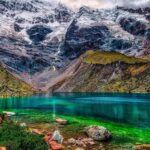
After that, the drive continues until you reach Pacchanta village at 4,060 m. Then the hiking begins. Day 1 includes about a 2-hour hike to Azulccocha, where lunch comes with big snow-covered mountain views around you. Lunch here isn’t just food—it’s part of altitude management. You’re getting a break before pushing higher.
From Azulccocha, you keep hiking to base camp at 4,680 m. When you arrive, your tents are already set up. That detail matters more than it sounds, because at this point in the trip, your energy is precious. You want downtime that’s clean and simple: dinner, sleep, and recovery.
Where Day 1 can feel tough
Even though Day 1 is more about establishing rhythm than “summit effort,” you are gaining altitude. You’ll be walking at 4,000+ meters, and the thin air can make a normal pace feel slow. You don’t need to be an athlete, but you should be comfortable with sustained hiking.
Base camp life: tents, cooks, and the small logistics that keep morale high
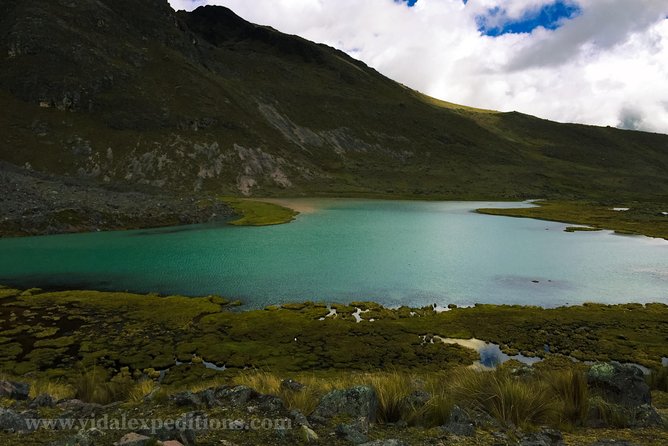
One of the most praised parts of this tour is how much is handled for you once you reach camp. When you get to base camp, your tent setup is taken care of. That means less time fiddling with gear and more time resting.
Meals are another strong point. You’re provided dinner, breakfast, and lunch (2 times) across the two days. People who do this as a first multi-day hike often describe the food as a highlight because it’s timed for climbing energy, not just packed and forgotten.
There’s also horse support for luggage. One review detail I found especially useful: extra duffel bags are carried by horses, so you can overpack a little and still have it handled. That’s handy because it’s hard to guess what you’ll need for cold nights and glacier gear days in the Andes. Still, don’t use that as permission to bring a whole wardrobe—just know that your “extra layer” chaos won’t wreck your hike.
Don’t miss this: water isn’t included
Water is listed as not included. That’s not a tiny footnote in the mountains. You’ll be out on high terrain in cold air, and you can still get dehydrated. Plan on buying or carrying what you need, and don’t treat water as something you’ll magically find once you’re up there.
Summit morning: the 2:30 a.m. start and what glacier climbing actually feels like
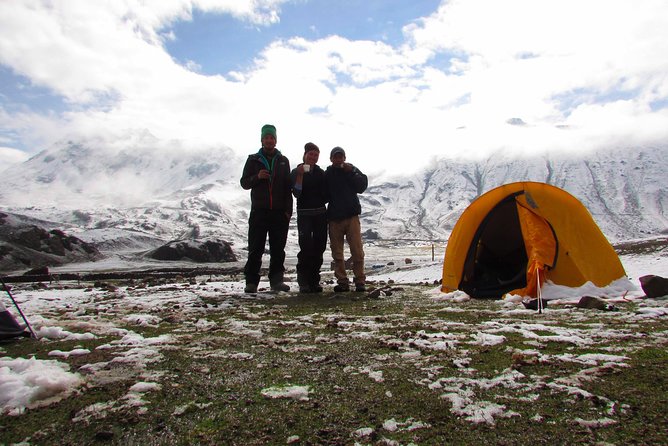
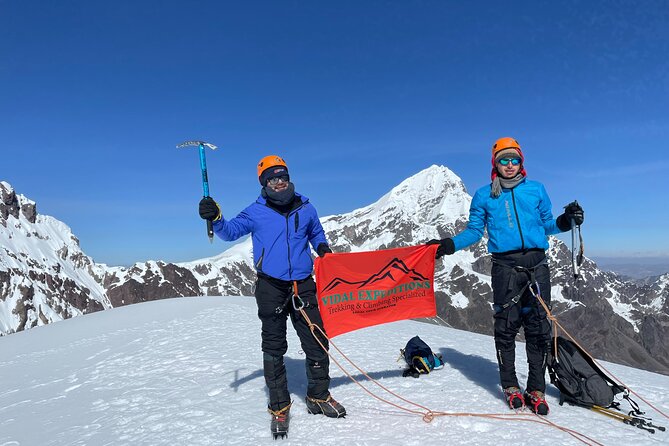
Day 2 starts with an early wake-up: 2:30 a.m. After a super breakfast, you set off for the moraine. The route moves from trekking into glacier climbing. Then comes the part people book this tour for: reaching the summit of Qampa at about 5,520 m.
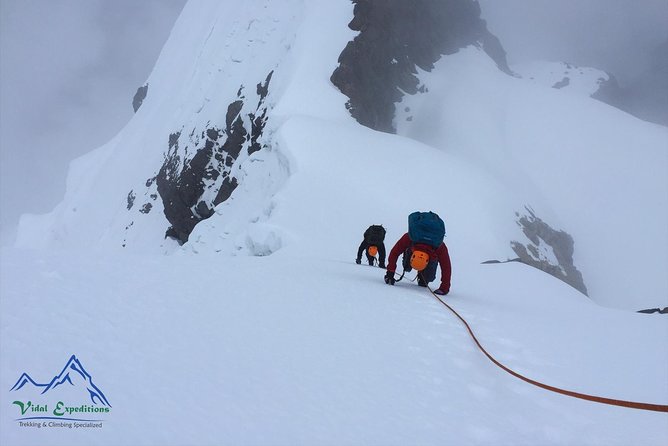
Your high mountain guide provides gear and instructions before the climb. The climbing portion lasts about 2 hours to reach the summit area. Expect some steps along the way. In plain terms: you’ll be moving upward on glacier terrain, not just walking on a trail.
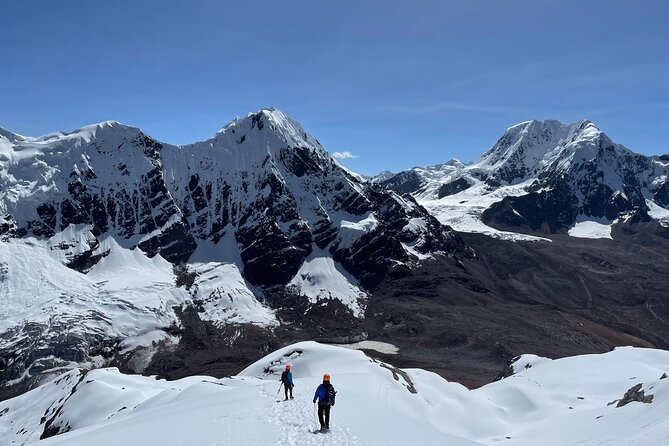
At the top, you get the big payoff—breathtaking views of the surrounding peaks. This is where the earlier effort clicks. You’re high enough that weather changes quickly, light looks sharp, and the Andes feel enormous. After resting at the summit, you descend back toward base camp for lunch.
Technical reality check
Even though Qampa is often called the easiest popular big climb around Cusco, glacier terrain is glacier terrain. If you’re prone to panic when conditions feel unfamiliar, tell your guide and move slowly. The best strategy on glacier routes is simple: follow instructions, keep your steps steady, and don’t rush.
Descent, lunch, and the Pacchanta hot spring option
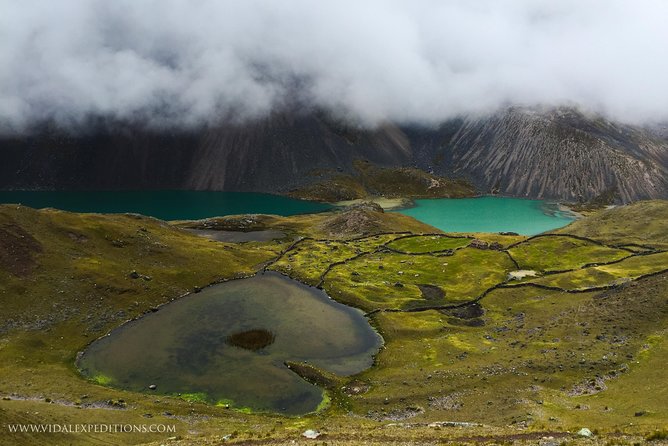
After summiting and descending, you head back to base camp for lunch. Then you hike down to Pacchanta village. The tour includes transport back to Cusco in the afternoon by bus.
There’s also an optional hot spring soak when you reach Pacchanta. The appeal is obvious: after cold glacier movement, warm water feels like a reset button. The added bonus is that the soak comes with a mountain view—so you’re not just washing off sweat. You’re also celebrating the fact you made it.
What to do if you’re sore
Even fit trekkers get beat up at these altitudes. If you want the hot spring, go for it. If not, still prioritize easy walking and water after you get back to lower elevation. Your legs will likely feel it more than you expect.
Guides and group size: how you feel safe while learning
Safety on a glacier climb isn’t a poster on a wall. It’s the day-to-day structure: equipment, pacing, and guidance on how to move. This tour is built with that in mind.
The group size is small—maximum 6 travelers—so you’re not lost in the crowd. High mountain guides in particular are repeatedly praised for making inexperienced climbers comfortable and supported. Names that come up include Flavio, Chino, Hector, Vinerson, Raul, Carlos, Sergio, Julian, and Angel. Different groups, different instructors, but the same theme: clear leadership and a focus on getting people safely up and down.
If you’re brand-new to mountaineering, this matters. You’re learning while climbing—how to handle the gear, how to step on tricky ground, and how to keep a steady rhythm. A good guide also helps you manage that “I can feel the altitude” moment by keeping expectations realistic and the group moving together.
Price and value: is $380 fair for a 2-day summit attempt?
At $380 per person, this is not a cheap day trip. But in context, it includes several things that are expensive in the Andes: transportation from Cusco, a small guided team, high mountain guide support for the climb, gear, tents, and most importantly the meals that keep you fueled for altitude work.
You also get dinner on Day 1, plus a breakfast start and two lunches across the two days. That’s the kind of inclusion that often gets overlooked when people only compare “ticket price” numbers. Up high, food and staffing aren’t optional extras—they’re part of whether you can climb with energy.
Also, the tour appears to be organized with a “do less, rest more” mindset: tents are set up for you and camp life is simplified. That sort of operational efficiency is part of what makes this an appealing first climb.
What isn’t included (so you can budget)
- Water
- Tips
- The hot spring is described as an option (so don’t assume it’s automatically covered)
If you’re the type who buys bottled water anyway and tips thoughtfully, your real-world “all-in” spend won’t be far off from the base price. If you travel super light and have your own water plan, you might keep costs closer.
Who should book this Qampa climb—and who should rethink it?
This tour fits best if you:
- Want a guided introduction to a glacier summit experience
- Have moderate physical fitness
- Are okay with very early mornings (2:30 a.m. wake-up on Day 2)
- Prefer small group climbing with a dedicated guide team
You might reconsider if:
- You’re struggling with altitude or you’ve had serious altitude sickness before
- You hate cold mornings and long days at elevation
- You’re not willing to plan for what’s not included, especially water
A practical truth
Even with beginner-friendly guidance, the Andes don’t care about confidence. They care about pace, hydration, and patience. If you keep moving steady and listen to your guide, Qampa can feel like the kind of “first big summit” that changes your future hiking choices.
Should you book Qampa Climbing with Vidal Expeditions?
Yes, if your goal is a serious but structured first mountaineering-style experience in the Cusco region. The combination of small group size, guide-led glacier climbing, tent setup, and solid meal planning makes it feel like a well-run climb rather than a rough adventure lottery.
If you’re deciding between routes, choose this one when you want:
- A clear 2-day structure
- Glacier climbing guidance and equipment
- Summit views that can reach toward Salkantay
- A realistic ramp-up on Day 1 before the summit push
Just go in knowing two realities: you’ll start very early, and you’ll need your own plan for water.
FAQ
What time does pickup start in Cusco?
Your guide collects you from your Cusco hotel at 6:00 a.m. There’s also a tour office ticket redemption point with opening hours listed from 5:30 a.m. to 6:00 a.m.
How many days is the Qampa climbing tour?
The itinerary is 2 days (approx.). Day 1 is a hike to base camp and Day 2 includes the early summit climb and return to Pacchanta and Cusco.
Do I need mountaineering experience?
This climb is described as doable without experience in mountaineering, but it does include a glacier hike and may include a small rock climbing section depending on the season.
What’s included in the price?
Meals are included: dinner, breakfast, and lunch (2). The tour also provides gear for the climbing portion, and it includes transport as part of the itinerary (pickup and bus back to Cusco).
Is water included?
No. Water is not included, so you’ll want to plan for it.
What’s the summit altitude?
The summit of Qampa is listed as about 5,520 meters.
Is there an option for hot springs?
Yes. After hiking back to Pacchanta, you have the option to soak in the hot spring with a view of Ausangate Mountain.
What’s the group size limit?
The tour has a maximum of 6 travelers.
Is free cancellation available?
Yes. You can cancel up to 24 hours in advance for a full refund. If you cancel within 24 hours, the amount paid won’t be refunded.