REVIEW · URUBAMBA
From Cusco:Chinchero, Moray, Maras, Ollantaytambo with lunch
Book on GetYourGuide →Operated by MACHU PICCHU JUNGLE · Bookable on GetYourGuide
Your Sacred Valley day starts with serious morning light. You’ll move from Chinchero textile lessons to Moray’s circular terraces, then finish with Ollantaytambo, often called the last living Inca city. What makes this trip click is the mix: Inca engineering (Moray), daily-life craft (Chinchero), and one of Peru’s most photogenic salt landscapes (Maras), all guided in English and Spanish.
I also like how the schedule gives you time to actually look, not just rush through big names. The one caution: you’ll pay some costs on the ground, including the salt mine entrance and a partial tourist ticket, and the day starts early with walking at high altitude.
In This Review
- Key things you’ll notice on this tour
- Morning pickup from Cusco: expect an early start
- Chinchero textiles and the Inca walls plus church mix
- Moray’s circular terraces: agriculture as Inca engineering
- Maras: chocolate tasting on the way down to the salt wells
- Urubamba buffet lunch: typical Peruvian dishes that reset your day
- Ollantaytambo: climb the Inca steps to the Temple of the Sun
- Price and value: $32 plus what you may pay separately
- What to bring (and what to skip)
- Who should book this Sacred Valley route?
- Should you book this tour?
- FAQ
- What time does the pickup happen in Cusco?
- Is lunch included, and what kind of lunch is it?
- Do I need to pay separately to enter the Maras salt mines?
- What tickets are needed during the tour?
- Where does the tour end, and how late is it?
- What should I bring for the day?
Key things you’ll notice on this tour
- A textile explanation at a local family home in Chinchero that connects craft to Andean life
- Moray’s circular terraces and how Inca agriculture used temperature and elevation
- Maras chocolate tasting before you head down to the salt wells
- More than 3,000 salt wells at Maras where salt production shaped local life
- Ollantaytambo Temple of the Sun viewpoint after climbing the Inca steps
Morning pickup from Cusco: expect an early start
Pick-up happens from your hotel or Airbnb between 6:10 am and 7:00 am. You’ll ride in a van toward the Sacred Valley sites with stops planned across the day, and the pacing is built around seeing Chinchero first (before crowds pick up) and ending in Ollantaytambo around 3:00 pm.
This timing is great if you want a full day that still feels organized. It can feel like a long day, though—especially because altitude means even “normal” walking can feel like you’ve sprinted. Plan to move slowly at the first stops and save your energy for the longer viewpoints, like Ollantaytambo.
You can also read our reviews of more tours and experiences in Urubamba
Chinchero textiles and the Inca walls plus church mix
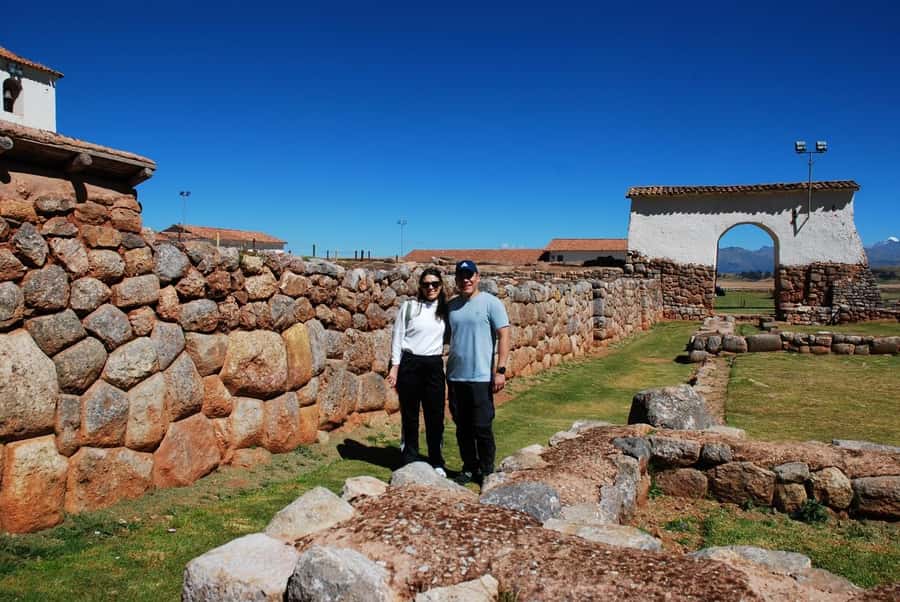
Chinchero is where the tour gets personal. You start with a visit to a local family home for a free explanation of Andean textiles. Even if you’ve seen weaving demos before, this kind of talk is usually different because it ties materials and techniques to daily life, not a museum story. You also get a better eye for what you’re looking at later—patterns, dyes, and why certain choices matter.
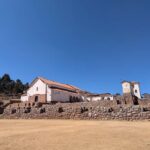
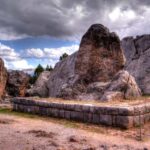
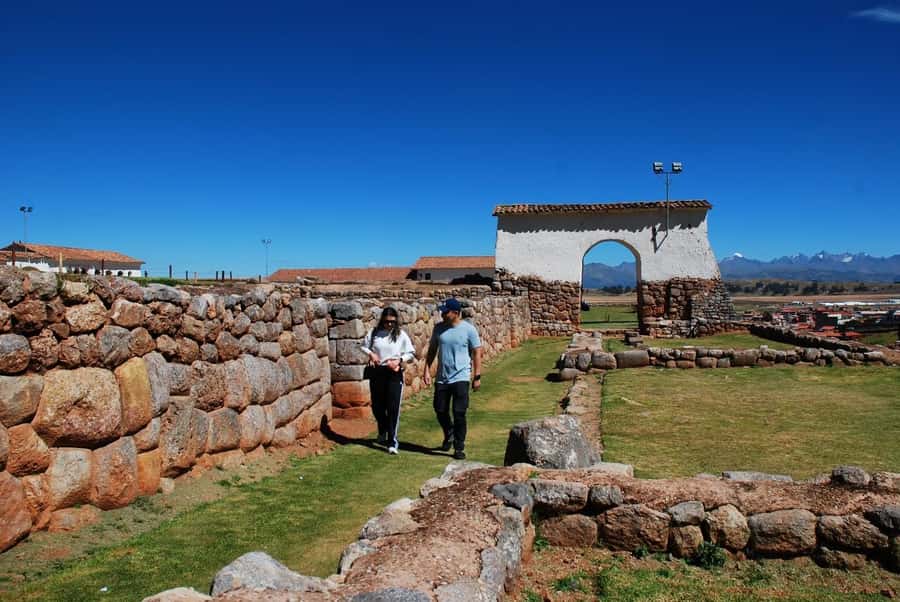
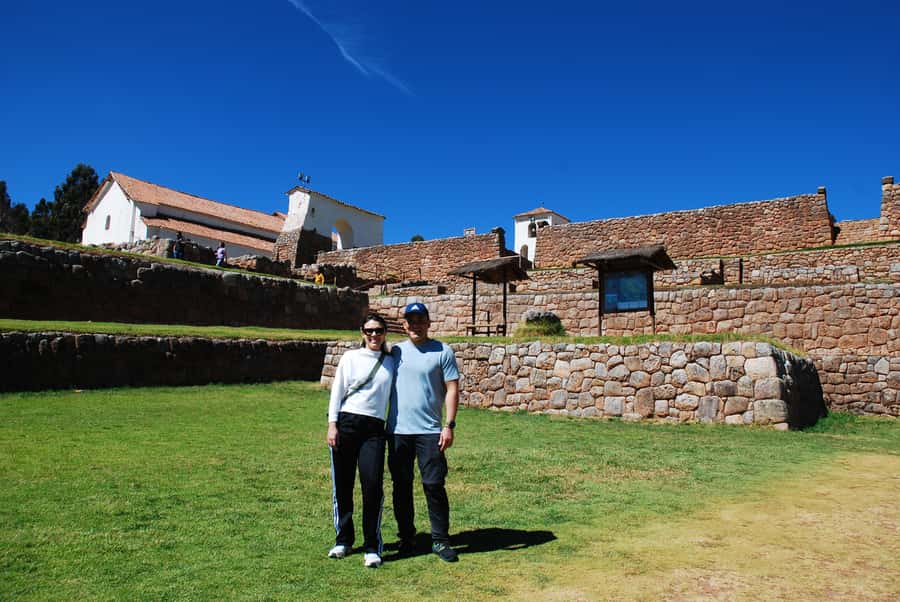
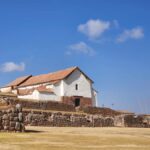
After that, you head to the archaeological site of Chinchero. Here you’ll see Inca wall constructions alongside a colonial church, which means you’re looking at two layers of history in one stop. You’ll also have time for souvenir photos—handy for things like textiles, local scenes, and that “I was really there” shot without racing the clock.
What to watch for: this part is mostly about sight + learning, not long hikes. Still, bring comfortable shoes because the ground can be uneven and you’ll be on your feet while the guide explains what you’re seeing.
Moray’s circular terraces: agriculture as Inca engineering
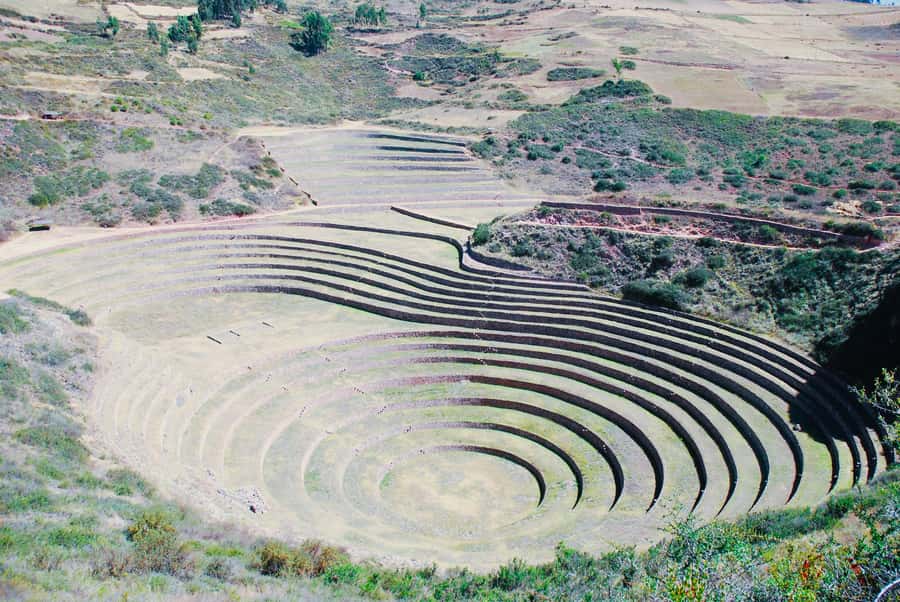
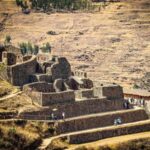
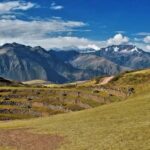
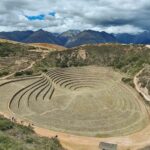
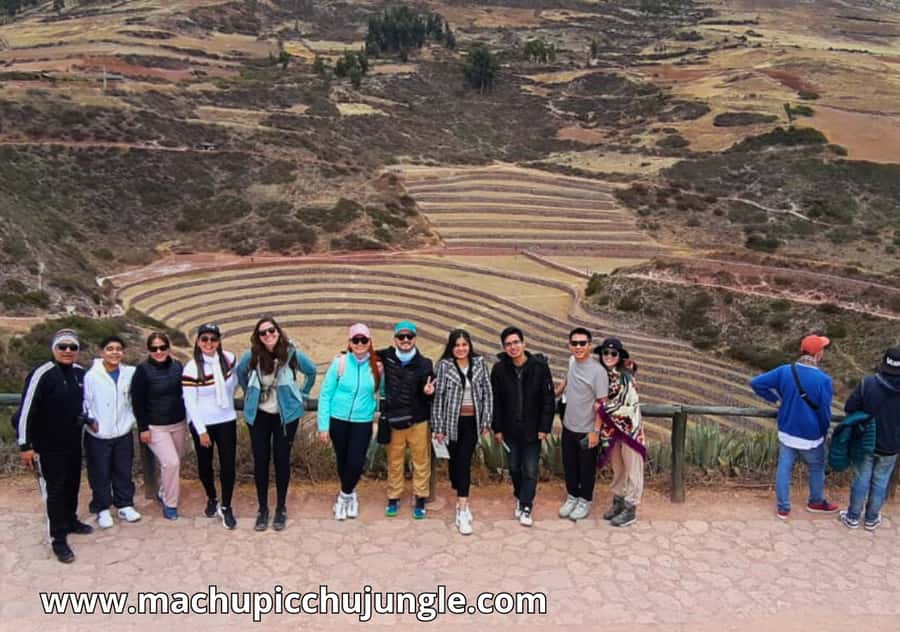
Moray is one of those places that feels instantly recognizable. The circular cultivation terraces look almost abstract at first, like a giant stone bowl. But they were built for a reason: in the Inca era, Moray was an important agricultural site, and the layout helped the Incas experiment with growing conditions.
You get about 45 minutes at Moray, which is enough time to walk the main areas, catch the best angles, and listen as your guide explains why the site mattered. This stop is worth it even if you’re not a “terraces nerd.” The visual effect plus the agricultural context makes it memorable, and it’s a nice change of pace from purely ceremonial sites.
Tip: bring your camera and a hat. Even when you’re walking on stone, you can get sunburned quickly if clouds don’t show up to help.
Maras: chocolate tasting on the way down to the salt wells
Maras starts with a fun, practical detour: chocolate houses and free chocolate tasting. It’s a small stop, but it helps break up the day. It also gives you a chance to recharge a bit before the descent toward the salt mines area.
Then you head to the Maras Salt Mines—a picturesque set of terraces where you’ll see more than 3,000 salt wells. Salt production mattered here because the salt was used by the Incas for consumption. Watching the wells line the slope is one of those experiences that’s both simple and striking: lots of small structures, repeated again and again, creating a pattern you can’t unsee once you’re there.
Important cost note: salt mine entrance is not included (PEN 20.00 per person). You’ll also need the partial tourist ticket used for this circuit (S/. 70.00 per person). If you’re the type who hates surprises, check what you have before you reach the gates so you can focus on the wells and not paperwork.
Timing: you’ll have about 45 minutes for Moray, then later about 45 minutes for the Maras Salt Mines visit. That feels “just right” here—long enough for photos and walking, short enough to avoid turning it into a slog.
Urubamba buffet lunch: typical Peruvian dishes that reset your day
After Maras, you arrive in Urubamba for lunch. The stop is about 45 minutes, and lunch is a buffet with a variety of typical Peruvian dishes.
This meal is a practical part of the day. You’ve been walking, breathing thinner air, and staring at stone and salt—lunch gives you real energy so the afternoon (Ollantaytambo) doesn’t feel like a grind. Because it’s a buffet, you can choose what your stomach feels like handling without forcing a single dish.
What I like about a lunch like this on a day trip: it’s not “one perfect plate you might not want.” It’s food you can adjust to your appetite. If you tend to get queasy at altitude, I’d stick to simpler items and avoid trying everything at once just because it looks tempting.
Ollantaytambo: climb the Inca steps to the Temple of the Sun
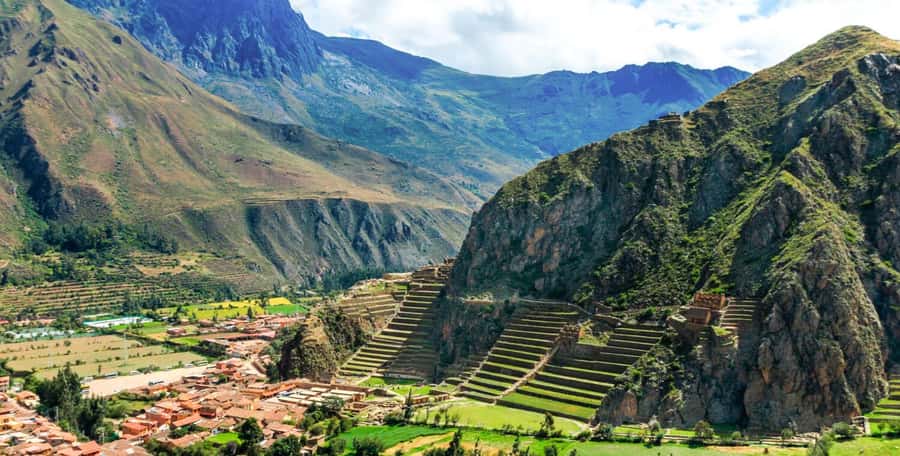
Ollantaytambo is where the tour wraps into something dramatic. You’ll have break time and photo stops, then a guided visit and free time of about 45 minutes.
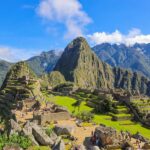
You’ll climb Inca steps until you reach the Temple of the Sun, which is the most important part of the site. The guide also points out what you’re looking at while you move upward, and at the top you’ll get a spectacular view of Ollantaytambo.
This is the most physically demanding part of the day. Even if you’re fit, the steps plus altitude can slow you down. Take your time. Short pauses are normal. If you rush, you’ll just end up huffing and missing details your guide is explaining.
After the site, you’ll finish around 3:00 pm at either Plaza de Armas de Ollantaytambo or Plaza Regocijo. The tour is set up as a one-way finish: if you have a train to Aguas Calientes for Machu Picchu, you can continue from here, or you can stay one night in Ollantaytambo, which is known as charming and welcoming.
Price and value: $32 plus what you may pay separately
The listed price is $32 per person for a 9-hour guided Sacred Valley day. For this kind of route, that price can be good value because it includes:
- Hotel/Airbnb pickup in Cusco
- Professional guide in English and Spanish
- Transportation during the day
- Chinchero textile home visit
- Maras chocolate tasting
- A Urubamba buffet lunch
But you should budget for what’s not included:
- Salt mine entrance: PEN 20.00 per person
- Partial Tourist Ticket: S/. 70.00 per person
- Breakfast and dinner (not included)
So the real cost is “$32 plus the on-site fees.” Still, you’re not paying extra for the major guided stops, and lunch is covered. If you’ve already planned your Machu Picchu train timing, this kind of day trip often helps you use your Sacred Valley hours efficiently without needing another private driver.
One-way finish matters for value too. If you were hoping to end back in Cusco the same day, this isn’t that setup. It ends in Ollantaytambo, which is convenient if your next step is Aguas Calientes.
What to bring (and what to skip)
Wear comfortable shoes with grip. Bring a hat, sunscreen, and water—the sun can hit even when you’re focused on the ruins and the wells. A camera helps, because Moray and Maras are photo-friendly from multiple angles.
Don’t smoke during the tour. And if you’re pregnant, this tour is not suitable based on the provided info.
Also, plan for varying altitude. Even though the route is in the Sacred Valley (lower than Cusco in many cases), you still climb and walk, and your body will let you know.
Who should book this Sacred Valley route?
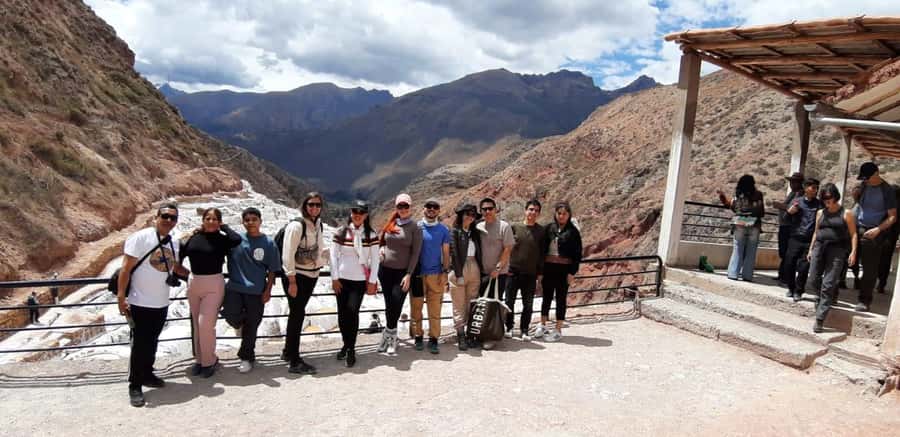
This tour fits best if you want:
- A structured day that covers Chinchero + Moray + Maras + Ollantaytambo
- A guided explanation (in English and Spanish) instead of wandering alone
- A mix of sites: agriculture (Moray), salt industry (Maras), craft (Chinchero), and major ruins (Ollantaytambo)
- Lunch included in the middle of the day
It may feel too much if you hate stairs, have mobility limits, or get hit hard by altitude. It’s also a strong choice if you’re planning your Machu Picchu logistics, since ending in Ollantaytambo keeps your next move simple.
Should you book this tour?
If you want an efficient Sacred Valley sampler with real moments—textiles at Chinchero, engineering at Moray, and the visual repetition of thousands of salt wells at Maras—this is a solid pick. The value is helped by the included lunch and the guided stops.
Just go in with two things in mind: you’ll pay extra at the salt mines and for the partial tourist ticket, and the day starts early with walking. If you can handle that, you’ll come away with more than postcard views—you’ll understand how people in the region farmed, crafted, and used salt long before modern supply chains existed.
FAQ
What time does the pickup happen in Cusco?
Pick up is scheduled between 6:10 am and 7:00 am from your hotel or Airbnb.
Is lunch included, and what kind of lunch is it?
Yes. You’ll have a buffet lunch in Urubamba with a variety of typical Peruvian dishes.
Do I need to pay separately to enter the Maras salt mines?
Yes. Salt mine entrance is not included and costs PEN 20.00 per person.
What tickets are needed during the tour?
You’ll need a partial tourist ticket for this circuit, listed as S/. 70.00 per person. (The salt mine entrance fee is separate.)
Where does the tour end, and how late is it?
The tour ends around 3:00 pm in Ollantaytambo at Plaza de Armas de Ollantaytambo or Plaza Regocijo. This lets you continue toward Aguas Calientes if you have a train, or stay overnight.
What should I bring for the day?
Bring comfortable shoes, a hat, a camera, sunscreen, and water.